On Rosh Hashanah God Rose From the Throne of Judgment Toward Mercy
The shofar (a ram's horn) still rang in their bones when the congregation rose for the standing prayer. The mystics counted every small shift of weight as a.
Table of Contents
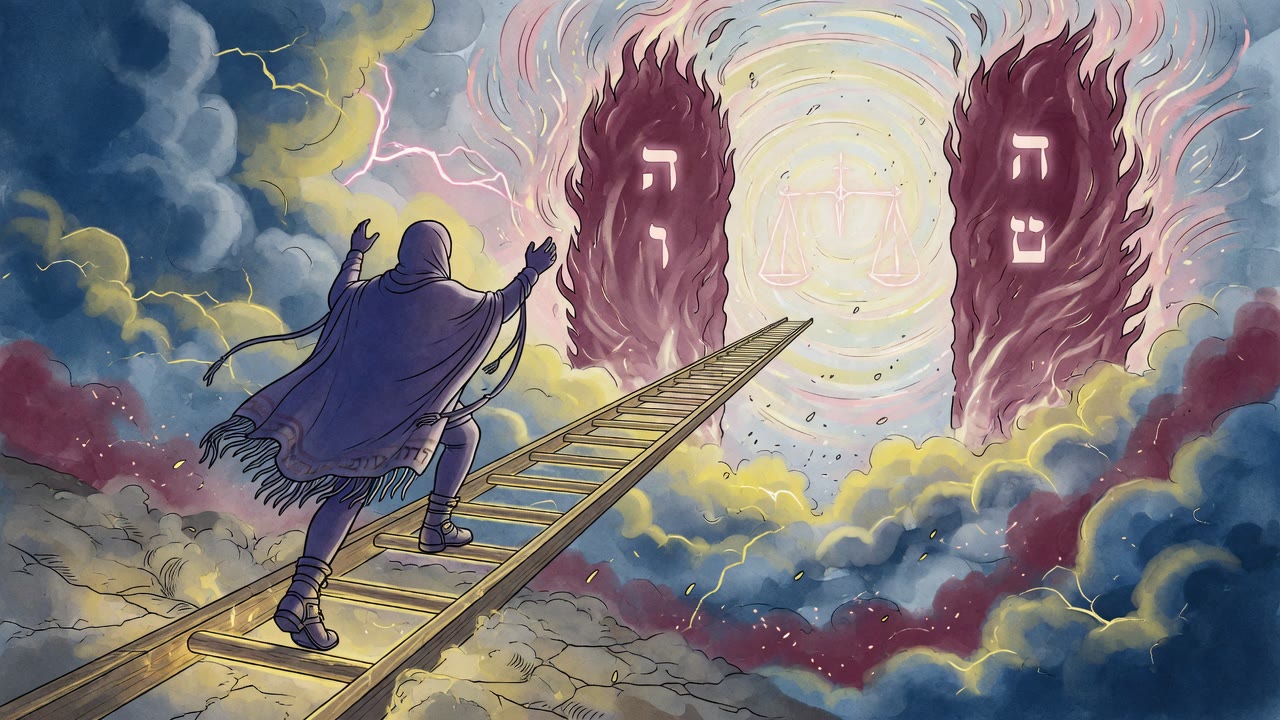
The shofar (the ram's horn blown on the New Year) still rang in the bones when the congregation rose for the long standing prayer. Soles pressed the floor. Hearts pushed harder than feet. On the day of judgment, even walking became a petition, each small shift of weight a word the mouth had not yet formed.
 Click for full size
"How beautiful are your steps in shoes," the Song had said (Song of Songs 7:2). The mystics heard steps as prayers, shoes as the readiness of a people who refuse to stand barefoot and unprepared before the verdict of a year.
From the Throne of Judgment
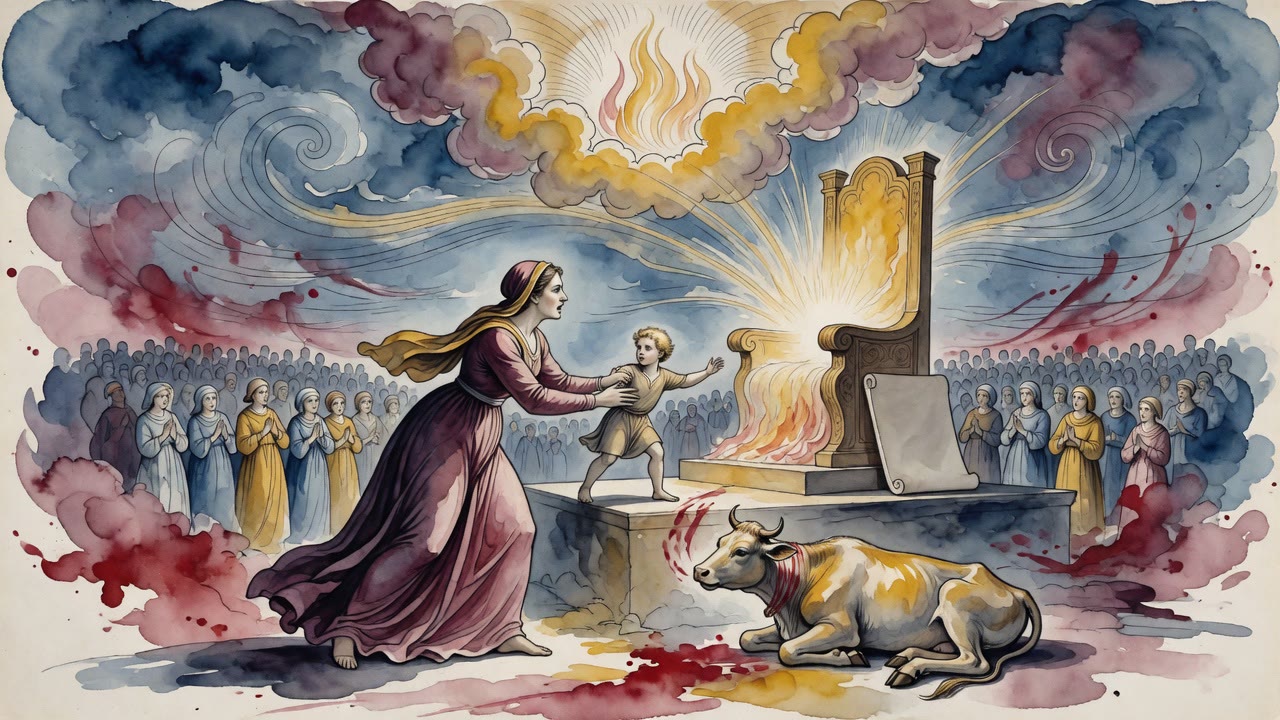
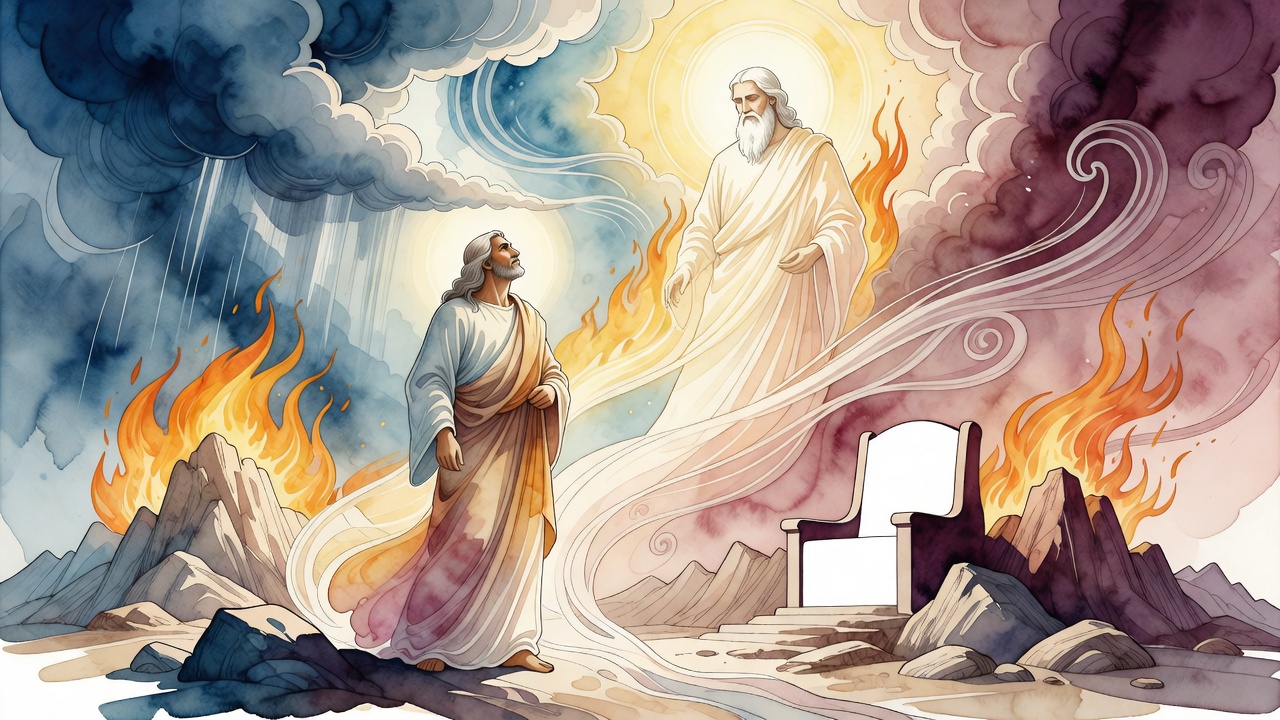
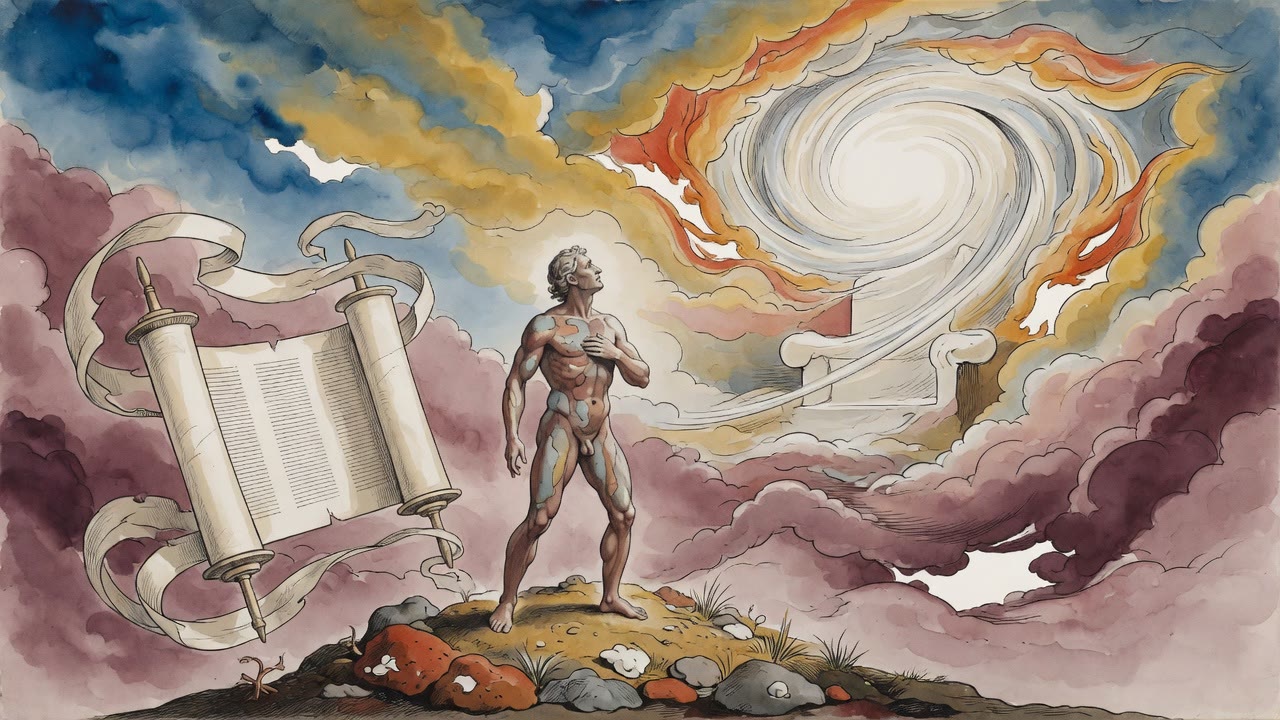
When Israel pours itself into the New Year's prayer, the Blessed Holy One rises from the Throne of Judgment and moves toward the Throne of Mercy. The shift is not a trick of language invented to comfort children. It is the claim that heartfelt speech can move the seat from which the year will be written, that heaven is not locked into a single posture when a people stands together in fear and hope.
Exile sharpens the same cry until it scrapes. Standing with the Shechinah (the Divine Presence) in a hard world, the people say they are killed all the day for God's sake and counted as sheep for slaughter (Psalm 44:23). The prayer is not polite. It is a body leaning forward in shoes that have walked too many roads between ruined gates and temporary houses.
Judgment listens. Mercy leans closer. The steps continue.
Eyes That Do Not Wander
Another teacher read a road proverb as a rule for the lips and the skull behind them. "Let your eyes look straight ahead" (Proverbs 4:25). In prayer, that means fix your eyes on your Father in heaven. Do not let the mind run after every noise in the room, every face, every old grudge that wakes when the congregation goes quiet.
A mouth can move while the heart shops elsewhere. The midrash will not call that prayer. The beautiful steps fail if the eyes leave the road and the body only pretends to travel. Better a short plea with a locked gaze than a long service whose eyes wander the rafters.
So the day of judgment demands a double discipline: feet planted in the service, gaze locked above the fear of the decree, the way a walker on a narrow path watches the end of the road and not the drop on either side.
The First Day That Is Not the First
Weeks later the calendar offers another "first day," the fifteenth of the seventh month, when the four species are taken in hand (Leviticus 23:40). Is it the first? It is the fifteenth by the moon's count. The midrash answers with a merchant's clarity: first for the reckoning of sins. After Yom Kippur the slate is new. Sukkot (the autumn festival of booths) begins the count again like a ledger opened clean after a debt has been forgiven.
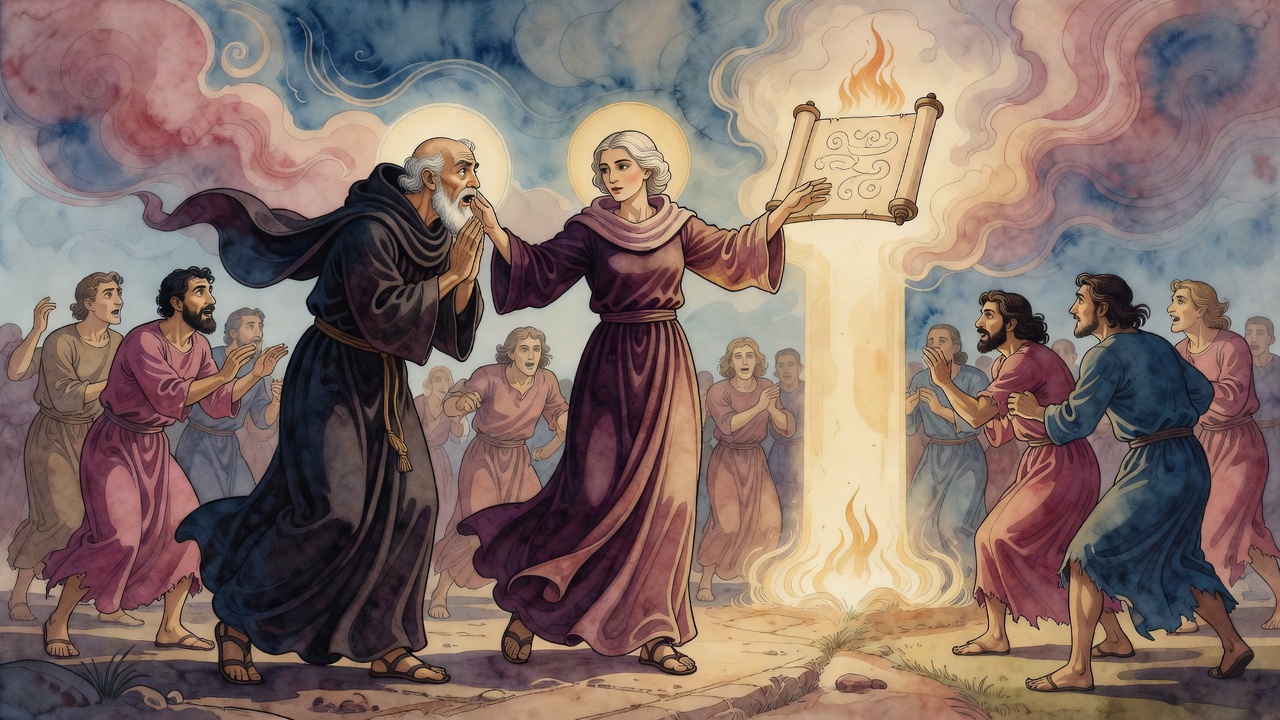
A parable walks beside the law. A province owed a heavy tax. The king came to collect, and the people crowned him with praise until he forgave what they could not pay. Then he said, from here the reckoning starts fresh. Do not waste the pardon on the same old thefts. So Israel, after atonement, takes the lulav as subjects who have just been pardoned and must not treat mercy as a license to sleep.
Rosh Hashanah's steps and Sukkot's first-day reckoning face each other across the season of return. One moves God from judgment to mercy. The other starts the year's moral math again under a fragile roof of branches where stars show through.
When the Shoes Are Still
The service ends. Shoes turn toward home along dust and stone. Children run ahead. Old men walk slowly, still hearing the shofar (a ram's horn) in the joints of their hands. The thrones, the eyes, the clean ledger do not stay in the synagogue like furniture left behind. They follow into kitchens and markets where the next sin or kindness will be written in a smaller hand.
Beautiful steps are only beautiful if they keep walking after the last amen. Judgment listens for the sound of those steps in ordinary rooms. Mercy waits to see whether the people who moved heaven for a day will move their own hands toward repair when no one is watching but the Father their eyes claimed to face.
The shoes come off at the door. The year does not.
Outside the hall a child practiced the shofar until his lips shook. An old woman tied her shoes twice, as if loose laces could break a prayer. The year opened like a gate that would not say which road lay beyond it. Only the steps, and the eyes, and the clean ledger after atonement, would write the answer in ordinary hours.
← All myths