Jewish Elders Told Ptolemy That Flying in a Dream Is Not Real Power
At the royal banquet Jewish elders taught the king pity for suffering men, sober rule, and that dream-flight is not real power.
Table of Contents
 Click for full size
Cups Raised, Questions Sharper Than Wine
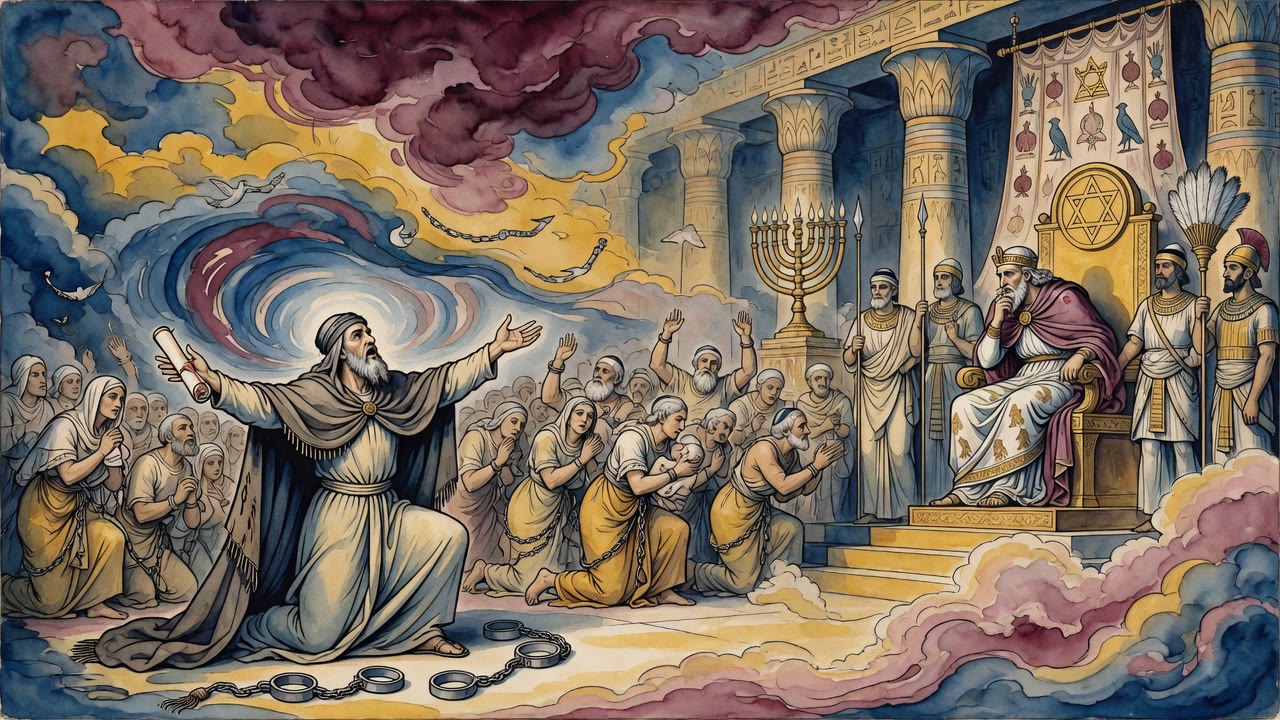
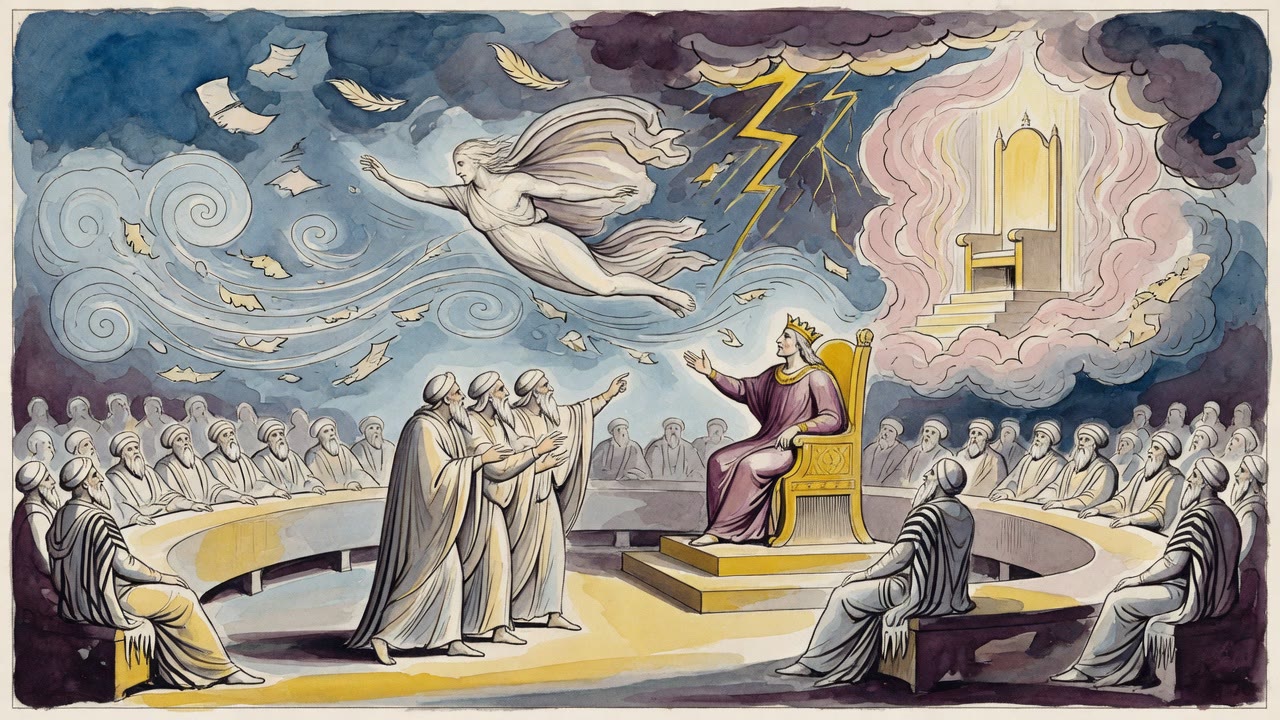
Ptolemy lifted his cup toward the Jewish elders seated in order along the table. The banquet hall shone with lamps and the careful pride of a court that collected sages the way it collected books. Outside Alexandria slept in heat. Inside, the king wanted answers he could wear like armor.
He asked how a ruler becomes a friend of men. An elder did not flatter. Watch how the human race is born with trouble and great suffering, he said. Do not punish lightly. Life itself is already made of pains. If you understood everything, pity would fill you, for God also is pitiful. The king nodded, and the next man waited with his own blade of counsel.
What is most essential for ruling? Free yourself from bribery. Practice sobriety through most of life. Honor righteousness above all, and make friends of men who do the same. God, too, is a lover of justice. The cups kept moving. The answers did not soften. A servant spilled a drop of wine and froze until a glance released him.
Dream Ships and False Wings
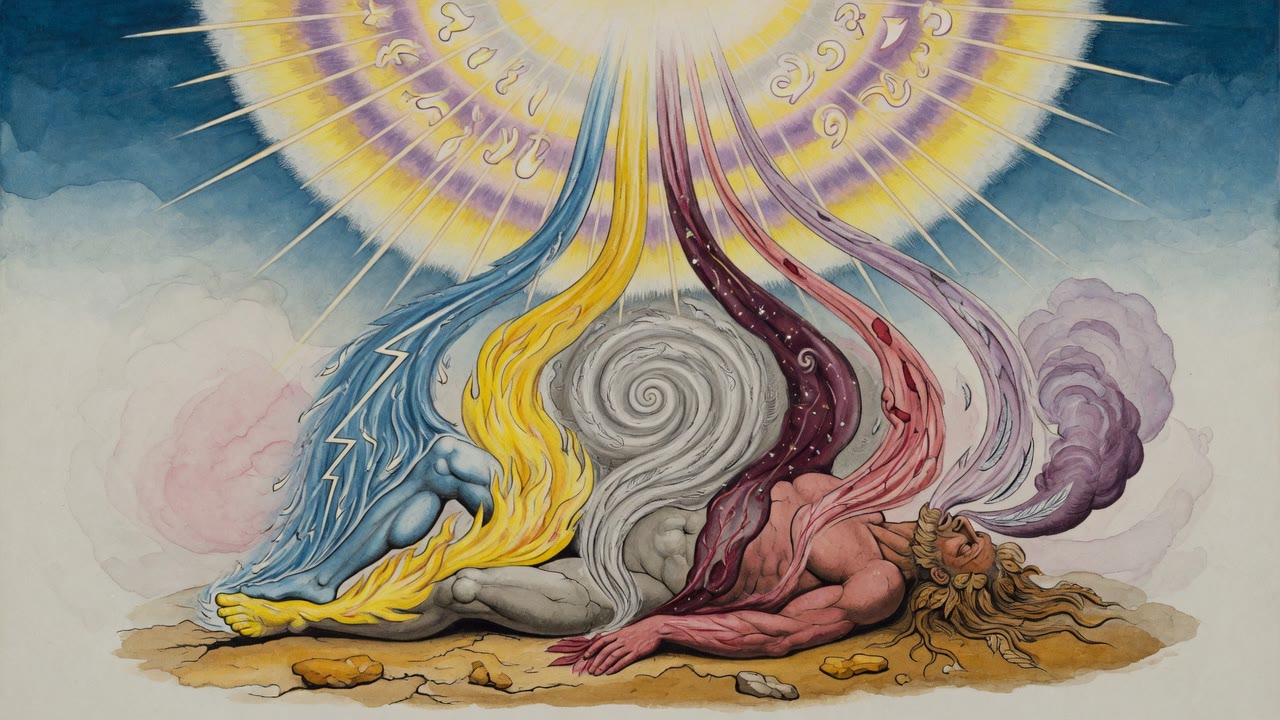
Another night the talk turned inward. Souls in sleep feel as if they sail boats, fly through air, travel to far regions. The feeling is vivid. The voyage is false. An elder pressed the point until it left the pillow and entered the throne. Do not govern as if dream-power were real power. Rule words and actions by piety. Never gratify yourself at the expense of reason. Never abuse authority so that righteousness is mocked.
Ptolemy's face held the stillness of a man who had flown in sleep and woken with nothing in his hands. The hall's musicians paused between songs. Someone shifted a platter. The teaching stayed harder than the wine.
False flight is not only a night error. A king can dream he is merciful while his prisons fill. A court can dream it is wise while informers hunt reputations for sport. The elder did not smile when he said it. Smiles would have made the warning cheap.
Informers, Kinship, and the Weight of Judgment
When talk turned to law and injury, the elders named a poison the court knew well. To watch for men's destruction is an unholy thing. Their law forbids injury by word or deed. Scripture, they insisted, was not thoughtless decoration. It trains a whole life toward righteousness before all people, with God held in mind.
How keep right judgment always? Set before your eyes the misfortunes that befall men. Remember that God takes prosperity from some and raises others to honor. How avoid a life of ease that forgets the throng? Remember you rule multitudes. Pray that no duty is neglected while pleasure eats the calendar.
Why do most people never become virtuous? Nature leans toward pleasure. From that lean grow injustice and a flood of avarice. Virtue feels like a hindrance to those devoted to appetite, because it prefers temperance and righteousness. God masters those goods. Kings must obey laws that restore lives, not only moods. Ptolemy's rings flashed as he turned a cup, thinking of favorites who lived on appetite alone.
A Table That Refused Cheap Mercy
Ptolemy praised answers the way a host praises a course well cooked, and the praise did not erase the edge. The elders had given him no spell for easy rule. They had given him pity without softness, dream-warning without mysticism, and a ban on hunting neighbors for entertainment.
In the pauses between questions, servants refilled bowls. A philosopher guest might have expected abstract sports. Instead the king received practical gravity. Human birth hurts. Human nights lie. Human courts can choose to stop enjoying the fall of others.
One elder's hands rested open on the cloth, empty of weapons, full of argument. Another watched the king's eyes for the moment counsel becomes ornament. Both kept speaking as if the empire's temperature depended on whether a single ruler learned to feel other people's pain before ordering it. Between courses, a dancer waited unsummoned. Tonight the entertainment was conscience.
What the King Carried From the Hall
When the banquet ended, lamps still burned, but the questions did not pack into a chest with the leftover fruit. Ptolemy had been told that dream-flight is not government. He had been told that bribery empties a throne faster than rebellion. He had been told that God loves justice more than spectacle.
Alexandria's streets outside still held informers and poets, merchants and captives. The elders returned toward their work of Law and language. The king returned toward records and decrees. Between them hung a simple refusal. Do not confuse the vivid with the true. Do not confuse power with permission to wound.
In the quiet after the last cup, a steward gathered plates and found one elder still seated, tracing an invisible line on the wood as if measuring a king's duty against a common life. The line ended nowhere the eye could see. It began again each morning when the first petitioner bowed and the first dream of flight tried to sell itself as policy. Ptolemy, alone later, touched a window lattice and felt no wings. Only the city, heavy and real, waiting for laws that did not lie.
← All myths