Rabbi Ammi Wept for the Judgments He Refused
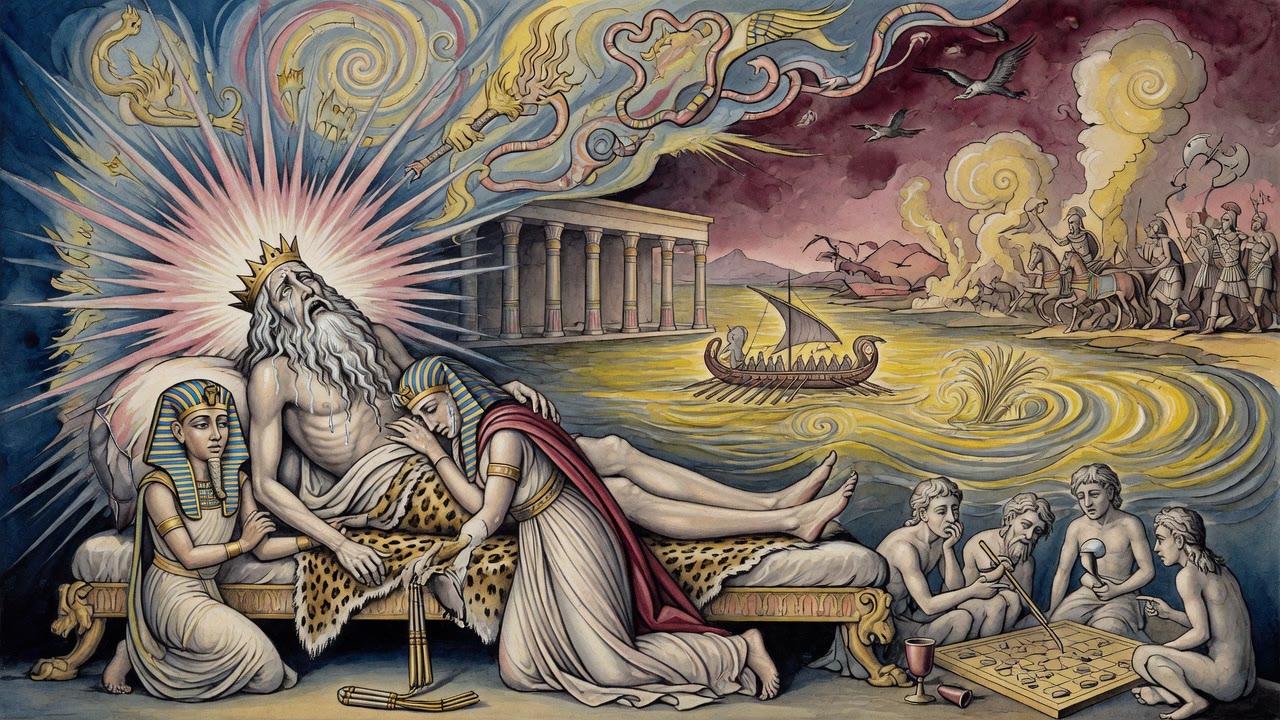
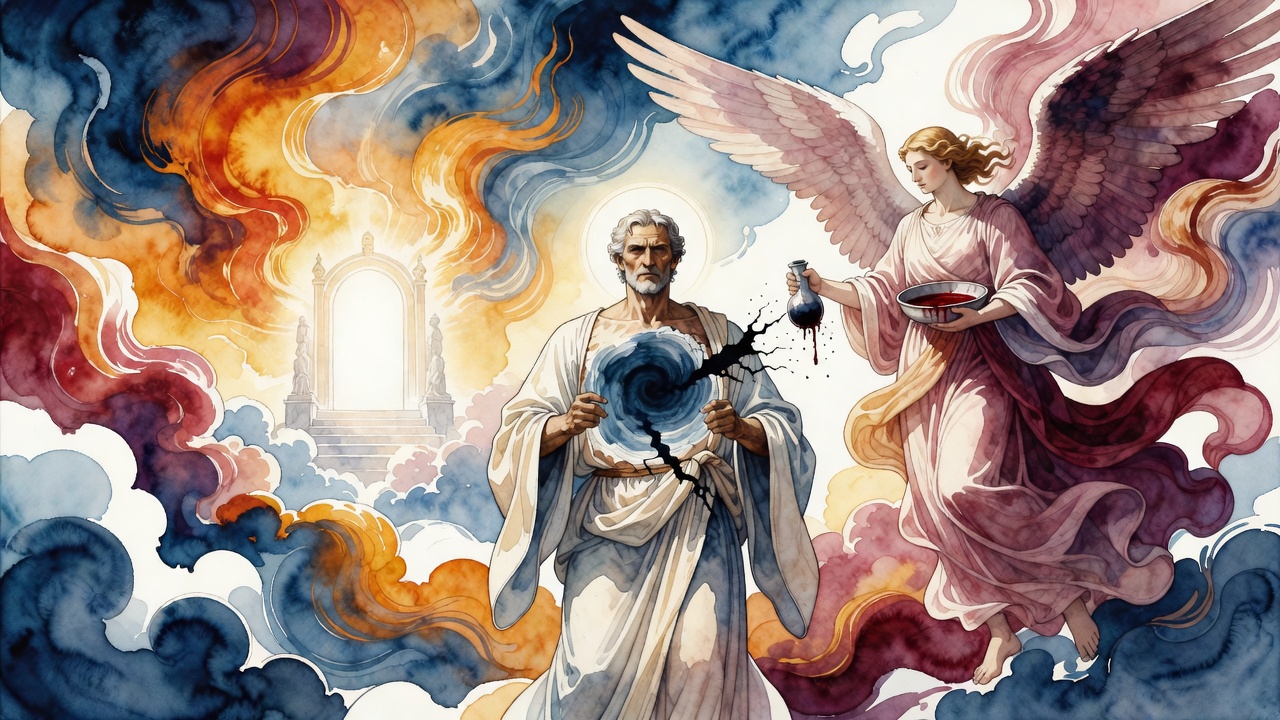
On his deathbed Rabbi Ammi cried while disciples praised his learning. He feared Heaven's bill for every case he would not hear.
Table of Contents
 Click for full size
A Nephew at the Bedside
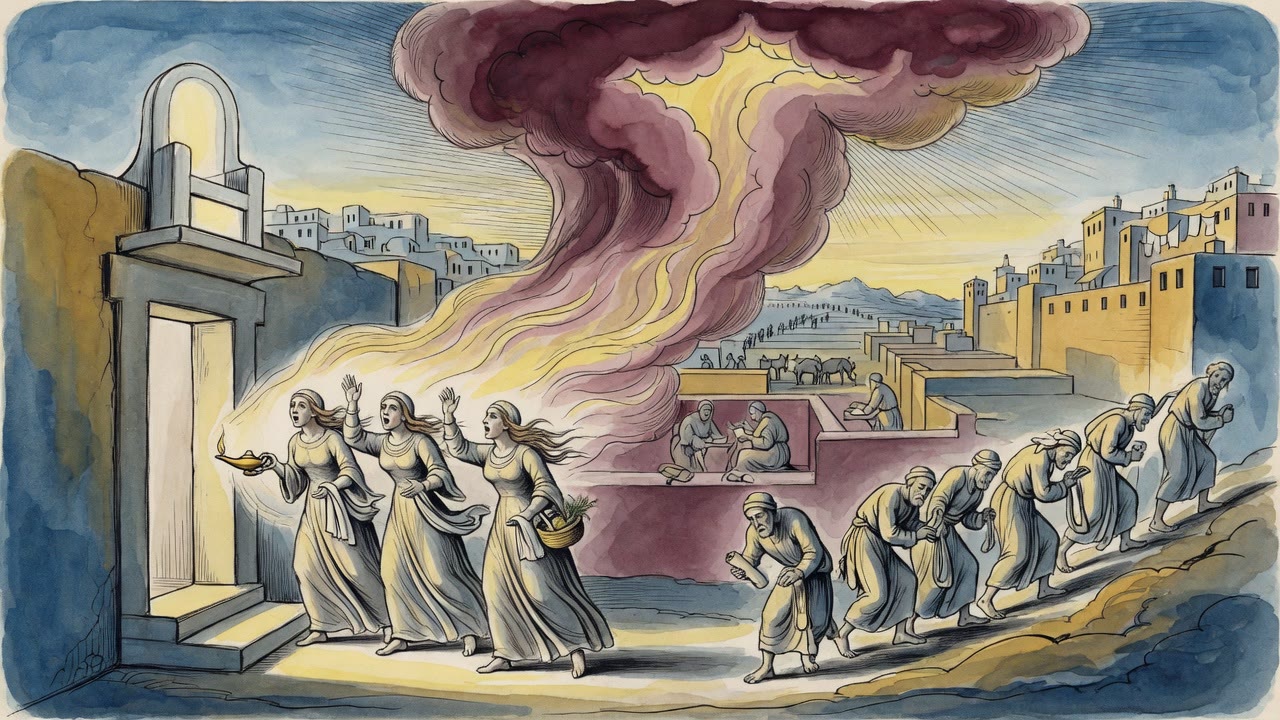
The room smelled of fever and lamp oil. Rabbi Ammi lay with his face turned toward the wall, and the sound coming from him was not the dry breath of a scholar finishing a life of pages. He was weeping. His sister's son stepped close, confused by tears on a face that had taught half a generation.
"My master, why do you weep? Is there a single law you have not learned and taught? Even now your disciples sit in your presence. Is there any kind deed you have not performed? More than all of that, you restrained yourself from acting as a judge. You kept clear of the community's needs and quarrels."
The nephew meant comfort. He listed virtues the way men list cargo to prove a ship full. Ammi's answer emptied the list.
"My son, that is why I weep. Perhaps I shall have to account for the fact that I refused to serve as a judge in Israel though I was able to do so."
The Man Who Sets Himself Apart
Scripture says the king by justice establishes the land, but the man who sets himself apart, terumah, overthrows it (Proverbs 29:4). Terumah is the portion lifted out for priests, separated, reserved. A man can lift himself out the same way. He secludes in the corner of his house and says, what concern are the problems of the community to me? What does their judgment mean to me? Why should I listen? I will do well without them.
That man, the midrash warns, helps destroy the world. Separation dressed as purity becomes sabotage. The land needs judges the way fields need rain. A brilliant teacher who will not sit for cases leaves the marketplace to whoever shouts loudest.
Ammi had loved learning more than the grit of verdicts. On the last bed he finally counted the cost in Heaven's currency, not in reputation.
Disciples and the Missing Bench
Outside the door, students still argued a fine point of damages, voices low out of respect. They did not know their master's tears were about the arguments he had never agreed to host. Kind deeds filled his record. Legal mastery filled their notebooks. The bench in the gate had often sat empty of his weight.
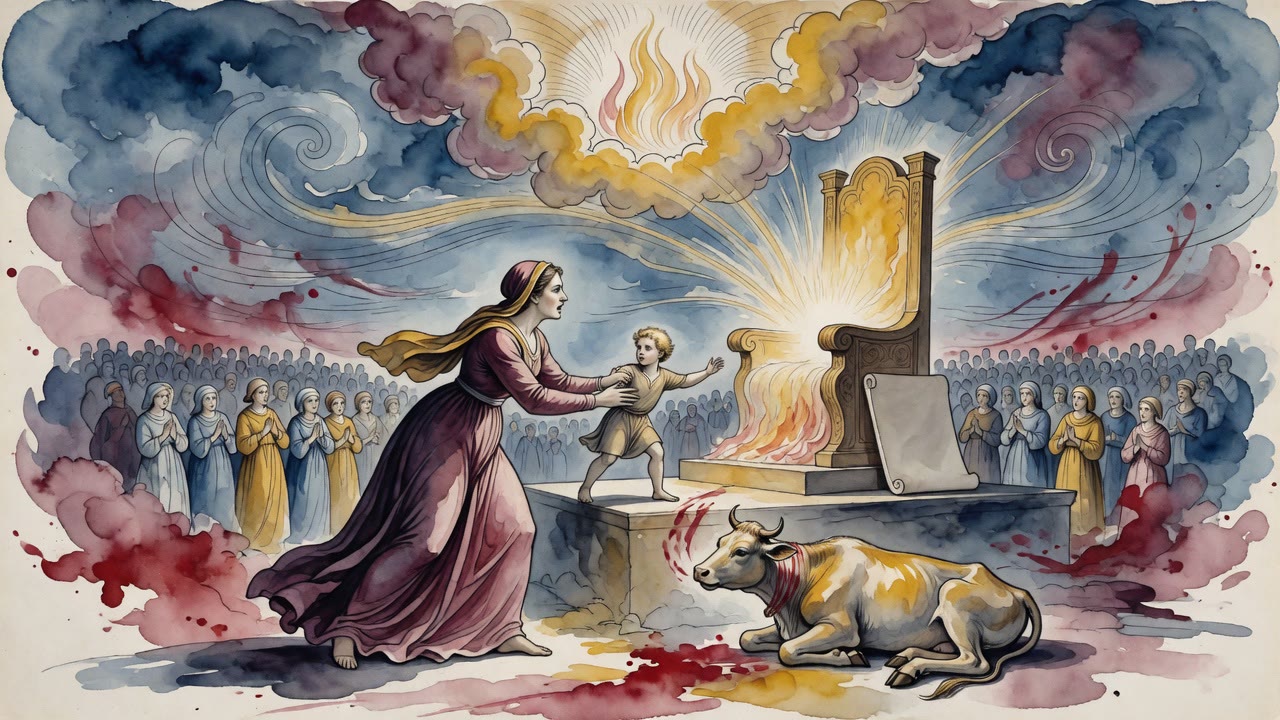
A woman who once needed a ruling on a borrowed cloak had been sent to someone else. A pair of merchants with heat in their eyes had been told the rabbi does not judge. Each refusal had felt like humility in the moment. Stacked together they looked, from the edge of death, like a wall built against his own people.
He wept because ability without service is not neutrality. It is a choice with a plaintiff.
Do Not Cut Off
Elsewhere the voice over the wilderness says of the Kohathite families, do not cut off the tribe from among the Levites (Numbers 4:18). The Holy One does not wish that anyone from Israel would die out of His care. "And the Lord did not resolve to blot out the name of Israel from under the heavens" (2 Kings 14:27). Even the foreigner who attaches himself must not say, the Lord will surely separate me from His people (Isaiah 56:3). If Heaven refuses to reject the outsider who joins, how much less the children already named as His.
The Gibeonites came in fear, cursed proselytes in the tradition's hard language, and still were accepted. When Saul harmed them, famine answered in David's days for three years (2 Samuel 21:1). If such as these are not thrown away, shall Israel be thrown away? How much more the Levites who minister before Him. Do not cut off.
Ammi's generation handled different tools, books and courts rather than poles and coverings of the sanctuary. The pressure rhymes. Heaven guards against erasure. A sage who erases himself from judgment edges toward a private cut-off, not of name but of responsibility.
What the Tears Were For
The nephew had no answer that could dry that face. Praise had become prosecution. The disciples beyond the door laughed once at a clever distinction, then fell quiet again, sensing a weather change they could not see.
Ammi's hands, which had turned so many pages, lay still on the blanket. He was not mourning a lack of knowledge. He was mourning a surplus of knowledge that never sat in the gate when a poor man needed a voice with power. The king establishes the land by justice. The separated man, even a holy separated man, tips the beam the other way.
When the weeping slowed, the room kept the sound the way stone keeps cold. Someone would still have to judge tomorrow's cases. The question hanging in the oil-smelling air was who, and whether ability would hide again behind the praise of restraint.
Israel was not to be cut off. Neither, the deathbed insisted, was duty.
← All myths