Rabbi Meir Turned the Emperor's Swine Question
Rome demanded a luminary and asked about pigs. Meir answered with profit and purity, while other sages faced matronas and royal courts.
Table of Contents
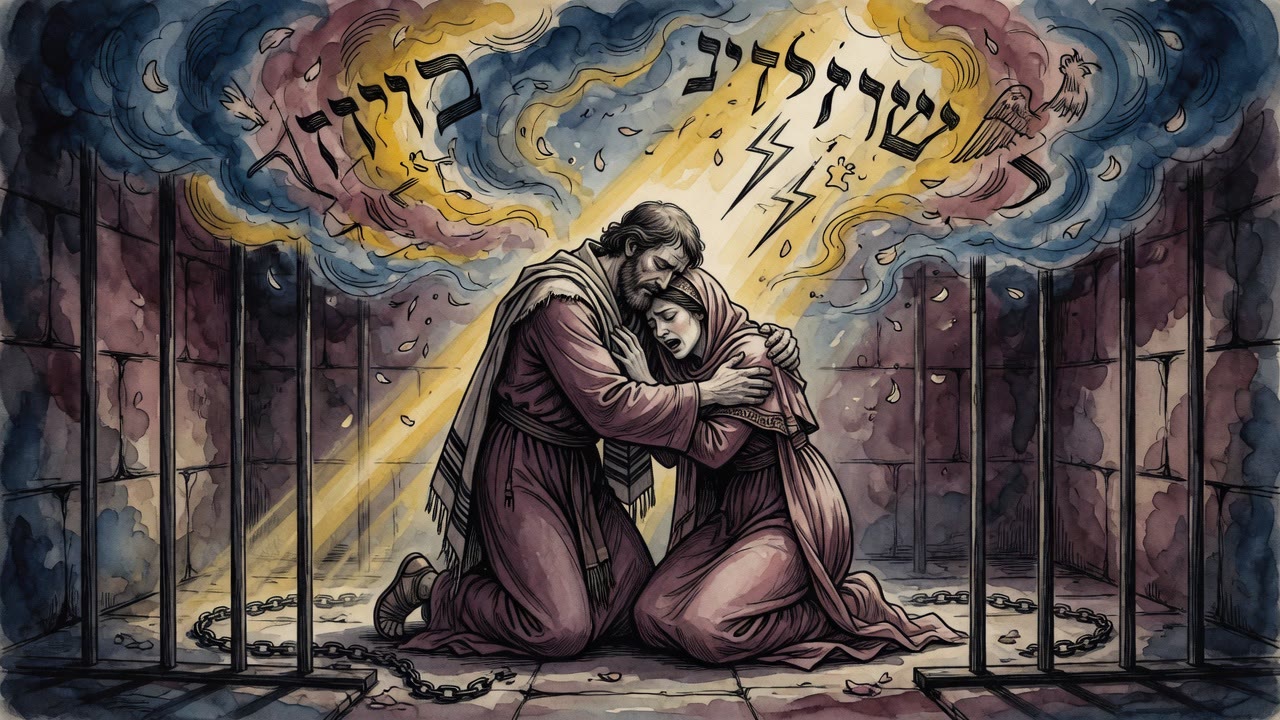
The message from Rome was short enough to cut. "Send me a luminary, your wisest man." The sages argued names in a room that suddenly felt smaller, until they chose Rabbi Meir, whose name itself means one who illuminates, and put him on the road toward a court that wanted either wisdom or a public embarrassment dressed as curiosity.
 Click for full size
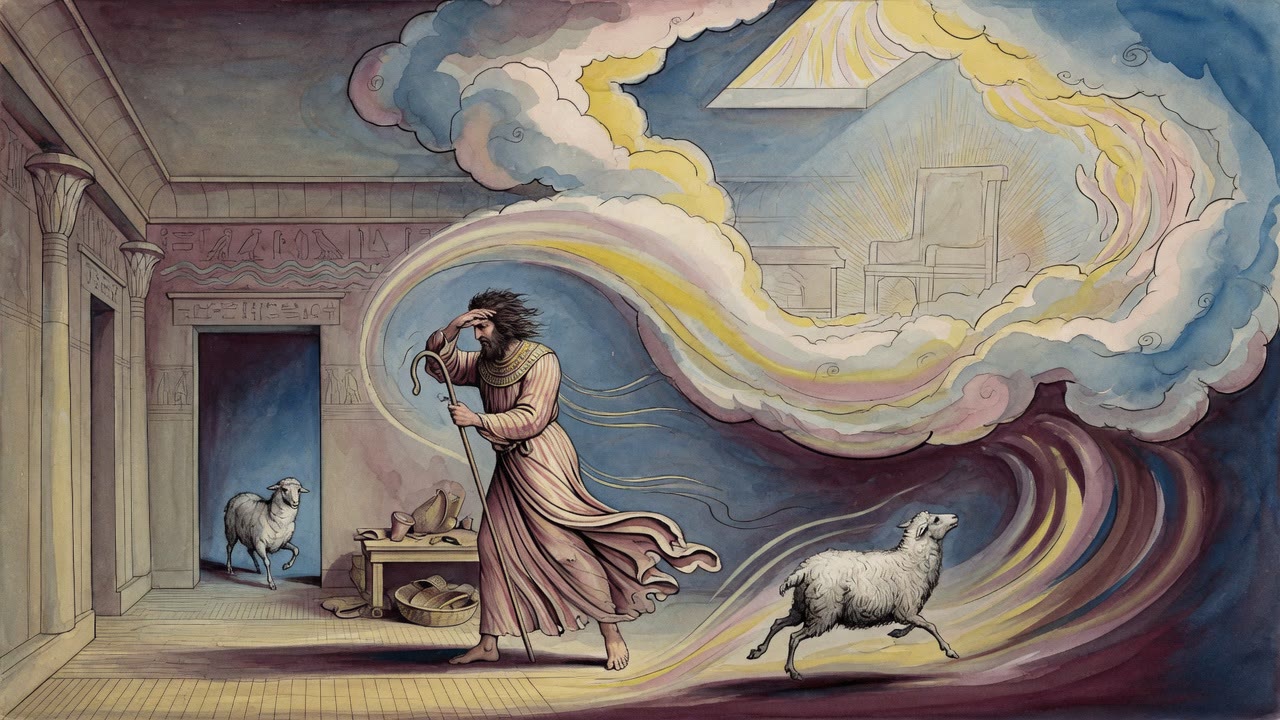
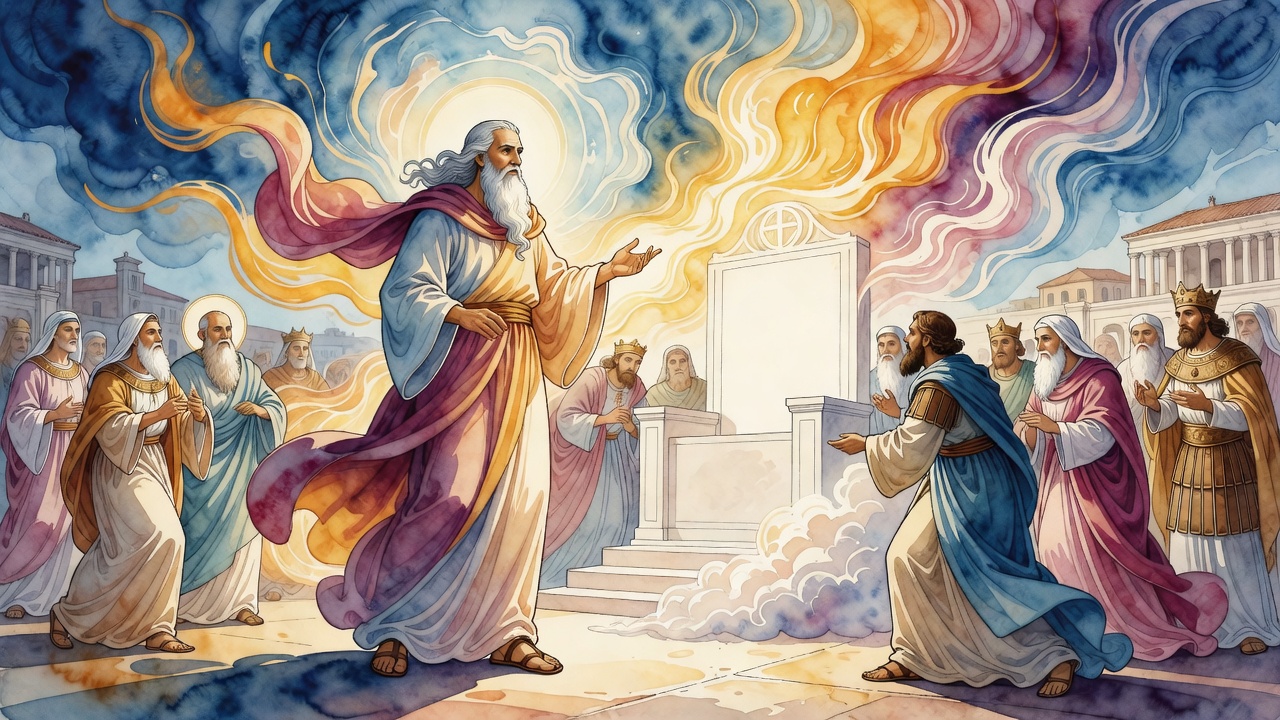
The emperor received him under standards and stone and went straight for the animal that makes Jews flinch. "Tell me about swine," he said. "Why do you call them hazirini?" The courtiers waited for a blush. Meir stood as if the question were about any other creature in the field.
Light in the Unclean Name
Meir did not flinch. He knew the trap the way a man knows a snare by the shine of the wire. He turned the word instead of swallowing it. "Hazir means returning," he said. "The pig returns a profit. It eats anything, needs little care, and produces young that sell. In pure coin, it pays its owner again and again." Then the hinge, delivered without apology. "But the profit of those who keep themselves from every creeping and unclean thing is greater. The pig returns money. Purity returns the soul."
The emperor had ordered a blush. He received a teaching that left the animal standing and the insult empty. The sage sent to illuminate the world found light even in the corner designed to darken him. No hostile question, the story insists by its very survival, is closed to Torah if the mouth answering it stays steady and refuses the role of the humiliated guest.
A Matrona Counts a Sage's Color
Another Roman gaze fell on Rabbi Yehuda ben Ilai, a teacher of the generation after the Bar Kokhba revolt, when Jewish faces were watched for signs of secret wealth or secret weakness. A matrona saw his healthy color, the clean cut of his garment, the absence of the starved look she expected, and charged him aloud: usurer fattening on interest, or swine breeder, both shameful for a Jew. Prosperity on a Jewish face, she assumed, must be sin made visible, because virtue should look like suffering.
He denied both charges without raising his voice. His look came from cleanliness and care in dress, from tending body and garment as honor to the Torah he carried and the One he served. A sage who walked slovenly disgraced his learning in the street. What she read as the bloom of dishonest profit was the outward sign of inward order, the discipline of a man who washed and dressed as if appearance itself were part of the mitzvah (a commandment). The exchange turned suspicion into a defense of quiet dignity under empire, and left the matrona with an answer she had not requested.
Rabbi Shela Before the King's Court
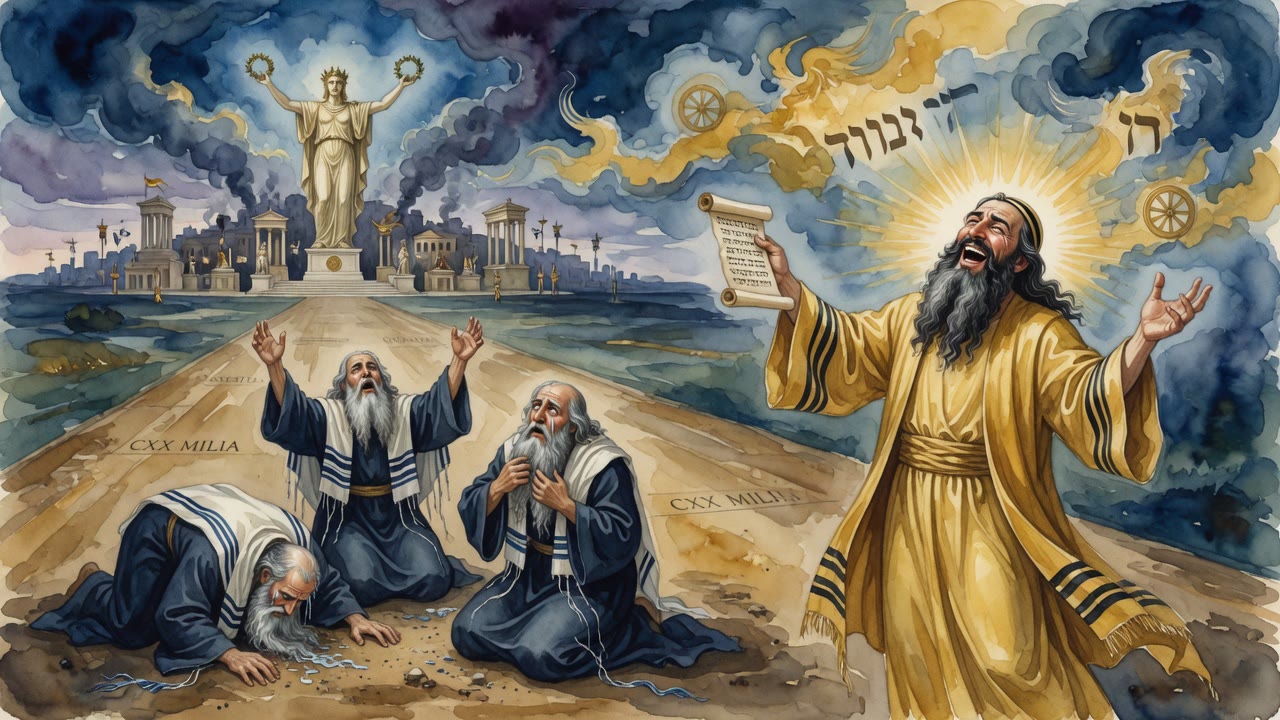
Rabbi Shela in Babylonia ordered a man flogged for a grave sin with a gentile woman, treating the matter as a violation he was entitled to punish for the sake of the community's boundaries. The man, furious and smarting, denounced him to the royal court for usurping powers of punishment the crown reserved to itself. Summoned under threat of his life, Shela did not beg. He opened David's praise as if the verse had been waiting for a courtroom: "Yours, O Lord, is the greatness and the power and the glory" (1 Chronicles 29:11).
Earthly kingship, he argued, reflects a divine grant of judgment. Kings are appointed to sit in judgment, and justice under their authority is not theft from heaven but a share in an order God entrusts to rulers. His act was not rebellion against the crown but participation in that order. The court accepted the reading. Instead of punishing him, the king raised him to high office. A verse of praise became a shield, then a promotion, and the man who had come to destroy the rabbi watched him leave taller than he entered.
Three Rooms Under Empire
Meir in the throne room, Yehuda under a matrona's eye, Shela before a foreign bench: three Jews answering power without discarding the law that makes them Jews. One turns a pig-word into purity and leaves coin smaller than soul. One explains a healthy face as discipline, not theft from debtors or unclean herds. One folds corporal judgment into a theology of kings under God, so that a flogging becomes, in the court's ears, part of the same greatness David sang.
Empire keeps asking the same question in new costumes. Who are you when we name the unclean thing, when we read your body for guilt, when we claim the monopoly of pain and call your court a crime? These stories answer with Torah that does not stutter, even when the floor is marble and the listener wears a crown.
← All myths