Antoninus Learned Empire from Replanted Radishes
The messenger came back empty-handed. Rabbi had said nothing in the orchard. He had only pulled large radishes and set small ones in the holes.
Table of Contents
Antoninus sent a man to Rabbi Judah because the treasury had gone quiet. Courtiers whispered. Ledgers looked like bad jokes. He did not want a sermon in public. He wanted a way to refill the empire without announcing weakness to every rival ear.
 Click for full size
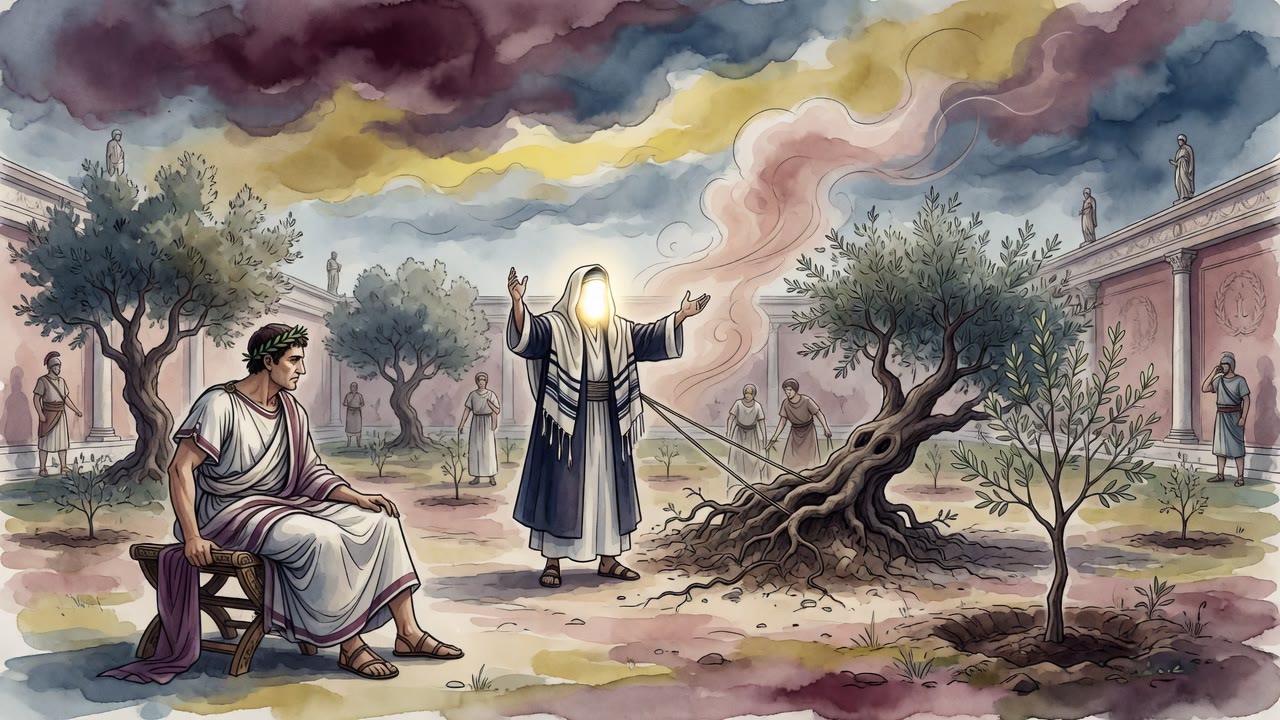
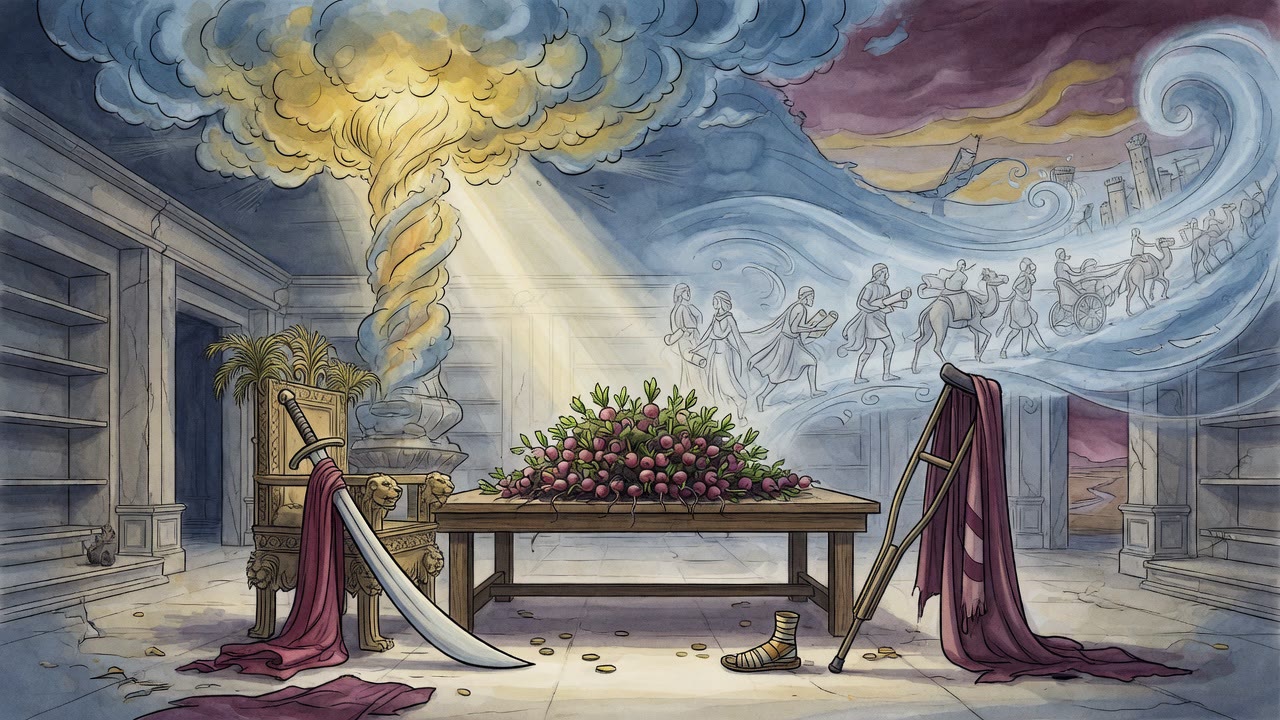
Judah took the messenger into an orchard and said nothing. He pulled large radishes from the soil and set small ones in the holes. He did the same with beets. He did the same with leeks. Then he sent the man back.
"What did he say to you?"
"He said nothing."
"And he did nothing in front of you?"
"He took me into the orchard. He pulled the large plants and planted small ones."
Antoninus understood before the mud had dried on the report. Pull the grown officers who have fattened on the posts. Plant younger ones. Wait until the boxes fill. He began to remove dukes and bring in prefects, and he did it until the treasuries were no longer quiet.
Esau Lives by the Sword
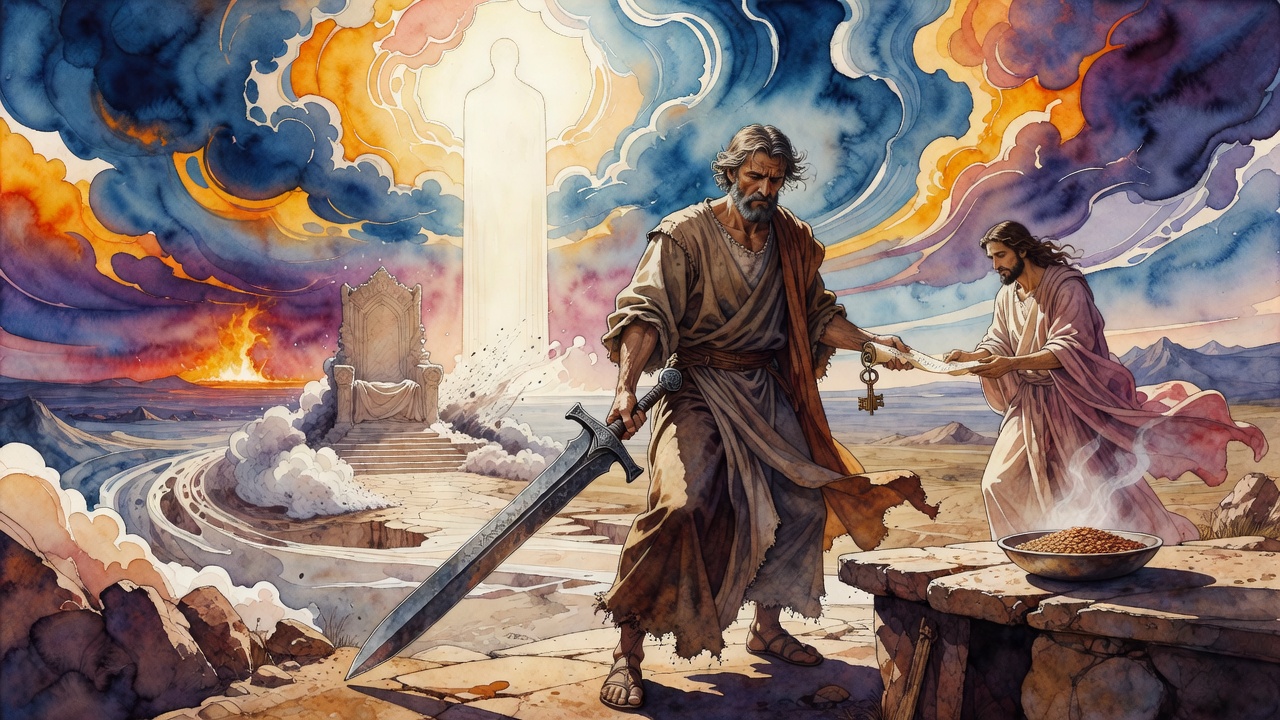
Esau lives by the sword (Genesis 27:40). Even the sword needs a pantry. Empires that only cut will starve. Rabbi Levi heard a bond under that verse. If Jacob is worthy, Esau serves him. If Jacob throws off the yoke of Torah, Esau gains permission to persecute and rule.
Antoninus had learned to replant. That is not the same as laying the sword down. The orchard lesson kept a throne a little longer without eating its own ground. It did not change which brother held the stage.
Judah went back to his students with earth on his hem. The emperor went back to ledgers that suddenly looked like fields. Between radish and sword, history kept rehearsing the same two brothers: one living by force, one living by a hip that still remembered an angel.
The Swineherd Remembered the Beating
Diocletian had herded pigs near Tiberias when he was young. Children from Rabbi's school used to beat him on the road. Years later he wore purple and sat in Paneas, and memory sat with him, sharp as a goad.
He sent letters to Tiberias timed for Friday evening, after the Sabbath had already begun. Appear before me Sunday morning, the letters said. He told the messenger not to deliver them until the light was already going. A trap dressed as an appointment.
Judah's face went sick. Samuel bar Nachman found him standing by the great study hall and told him to bathe. In the water a spirit named Argentin laughed and danced in front of them. Judah wanted to hush it. Samuel told him to let it be. Sometimes a miracle shows itself as a joke first.
At the outgoing of Sabbath they stood before the gates of Paneas. Diocletian ordered the gates shut. They were found on the wall of the city. He ordered the baths heated three days, hot enough to scald. The water received them anyway. Cornered before the emperor, they answered with an edge. We mocked Diocletian the swineherd, not Diocletian the king.
He warned them never to despise even the smallest Roman. Empire remembers slights. Jacob's children learn, sometimes late, that a swineherd can become a law, and that mockery is never free when history is listening.
The Limp Waited in the Wings
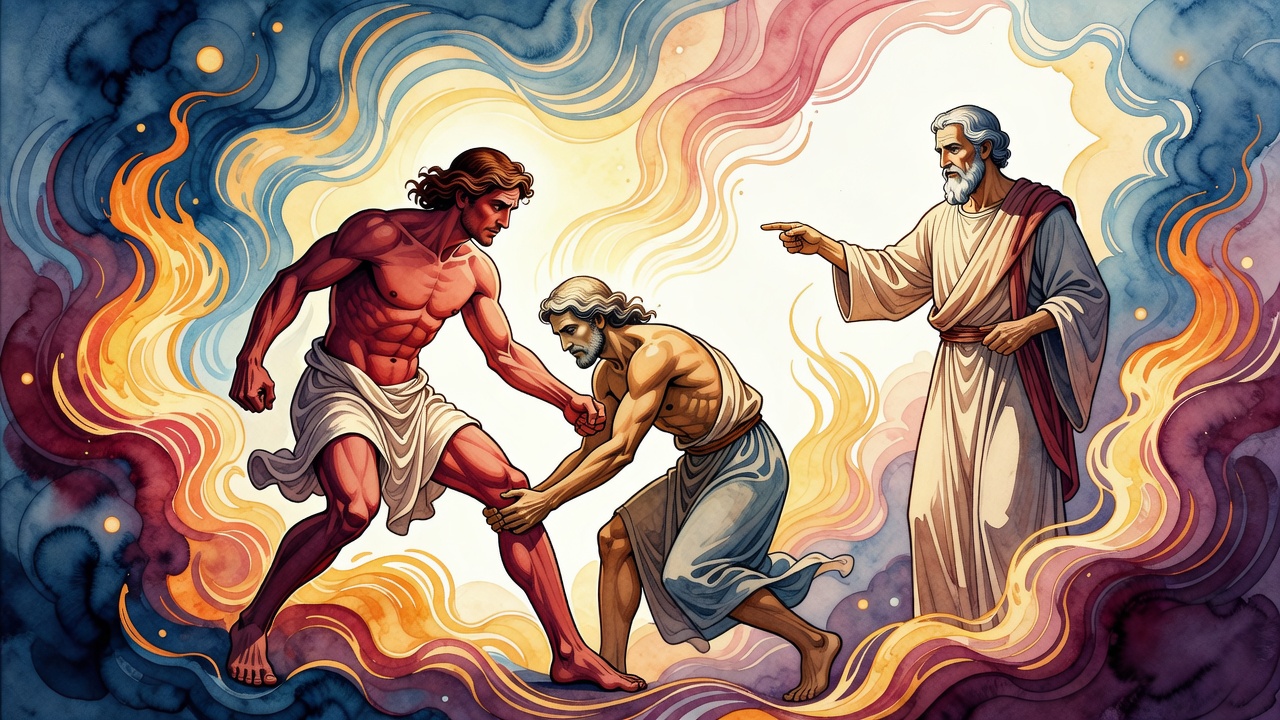
In a darker vision two figures take a stage. One stands whole and powerful: Esau, father of Rome. One limps: Jacob, hip touched by the angel at the ford (Genesis 32:32). In this age the strong man holds the lights. The limping man waits in the wings with a wound that is also a memory of wrestling heaven until daybreak.
The play is not finished. A time comes when Jacob rises to full height and wears the blessings that belong to the son of promise. The limp becomes a crown. The strong empire bows. Exile is the middle act, not the last line. Rome's power is loud. The limp is quieter and longer.
Antoninus in the radish beds is only one scene in that longer play: power seeking advice from study, study answering with soil instead of flattery, and the sword still hanging over the world while a wounded people wait for the lights to reverse.
Pull, Replant, Watch for Green
Judah could have given a lecture on Esau living by the sword. He gave a root vegetable instead. Empires understand harvest better than midrash until the midrash wears the face of harvest. Pull too hard, and the ground fails. Replant, and the next season still has something to tax.
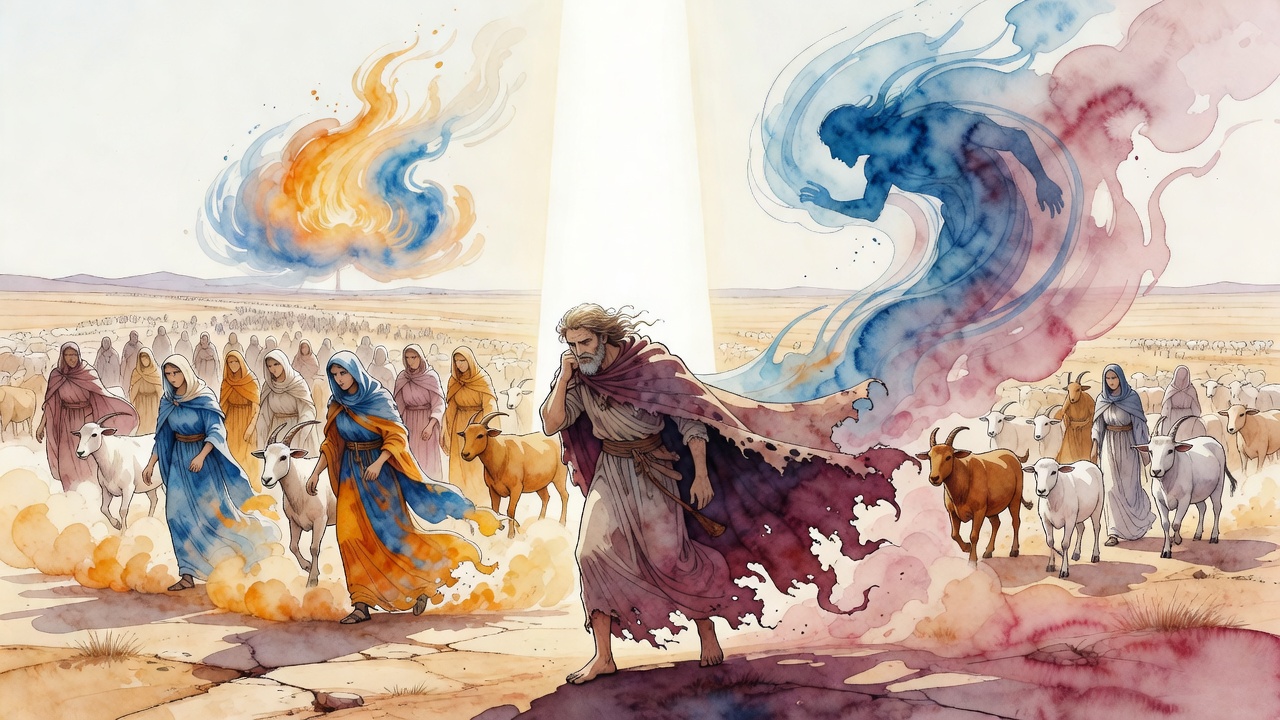
The strong man wore Rome's name, Esau's name, a swineherd's name. The limp remained Jacob's, and it remained a people who limped through empires without vanishing. Judah had answered a hungry throne with soil. The sword still hung. The small plants took the holes.
When Antoninus next emptied a field for war, he left a strip uncut for seed, or so one version likes to claim. Whether he did or not, the image outlived the policy. The limp still waited. The sword still flashed. In the orchard the small radishes held the ground, and the earth had not been stripped bare for one feast.
← All myths