11 myths
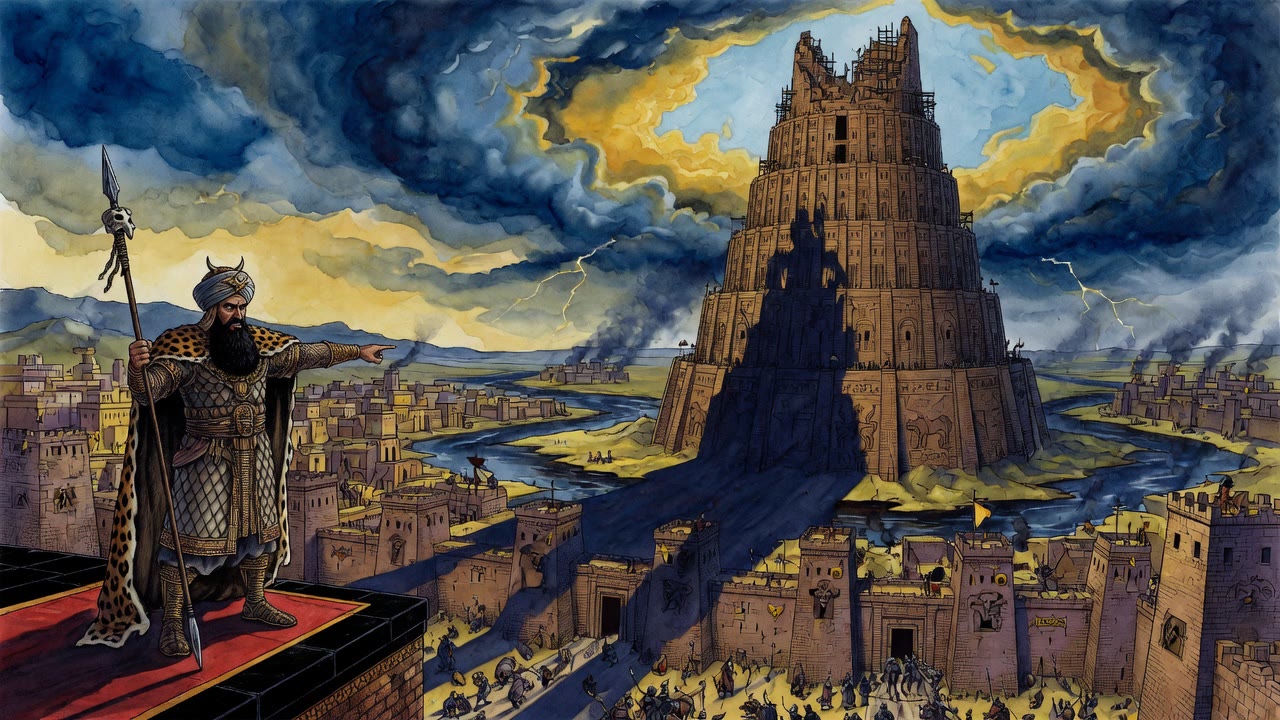
After the Tower of Babel fell, Nimrod did not repent. He built four cities and named them after what God had done to him. Then he threw children into a furnace.
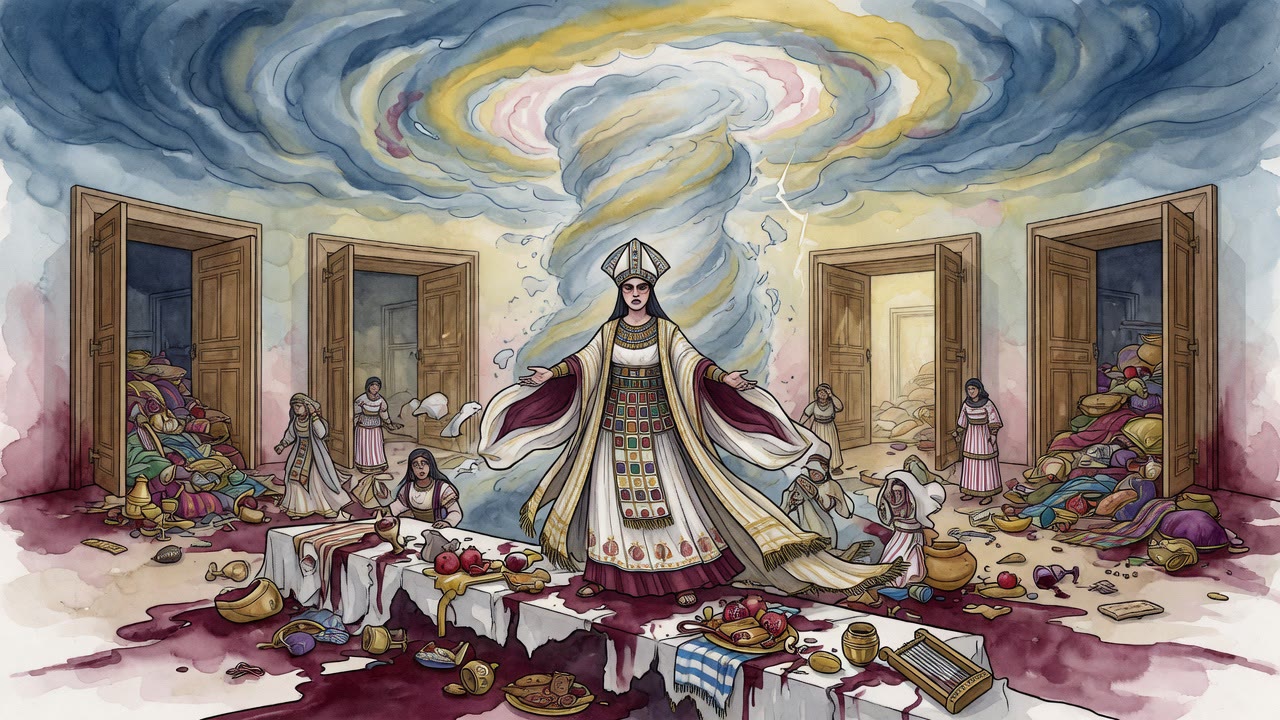
She opened six storerooms before noon and named the bedchamber last. The cloth on her shoulders had once belonged to the Temple in Jerusalem.
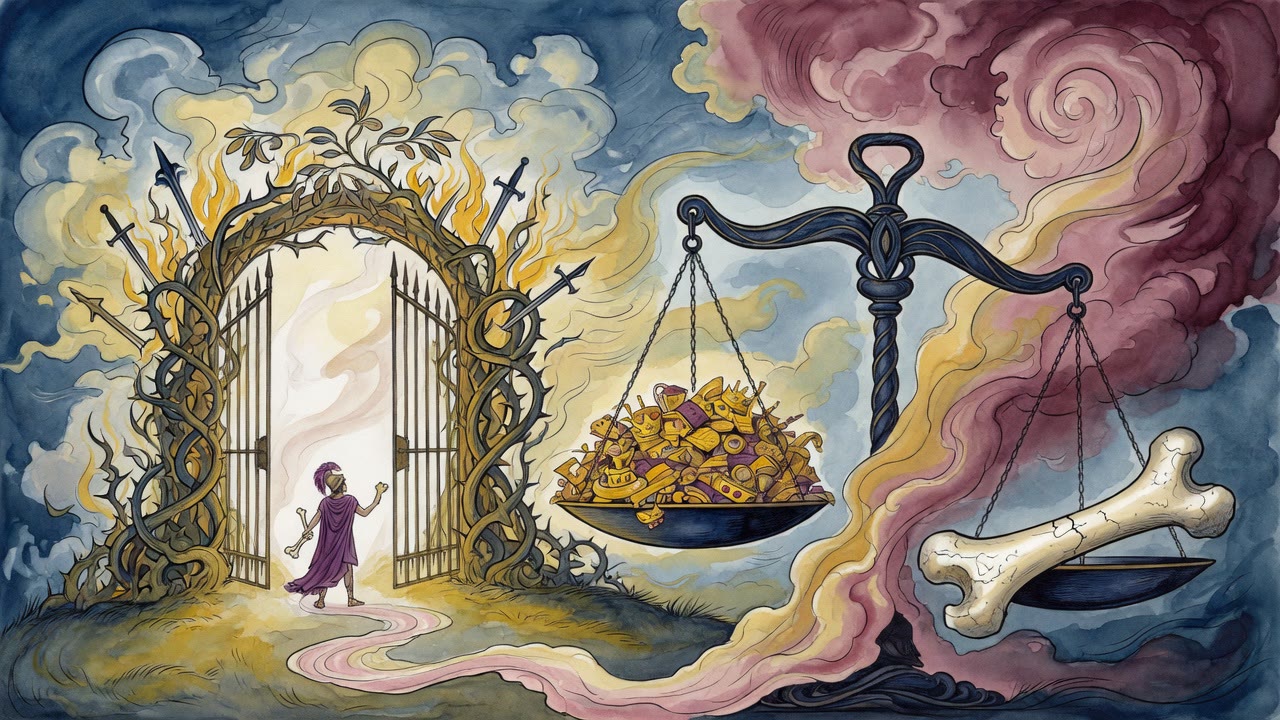
He had silenced the earth, lifted his heart, and taken the ends of the world. Then he fell into bed in Babylon and gave everything away.
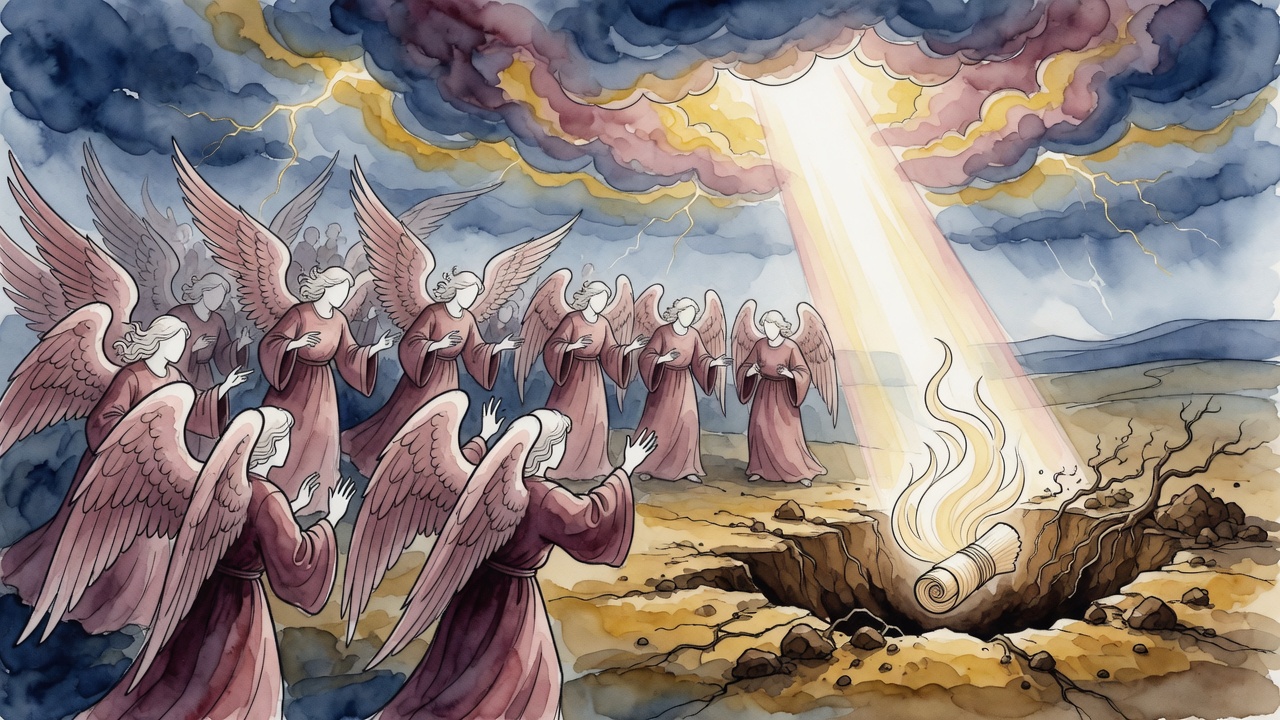
A woman went into labor in the brickyard at Shinar. She gave birth where she stood, tied the baby against her body with a sheet, and kept working.
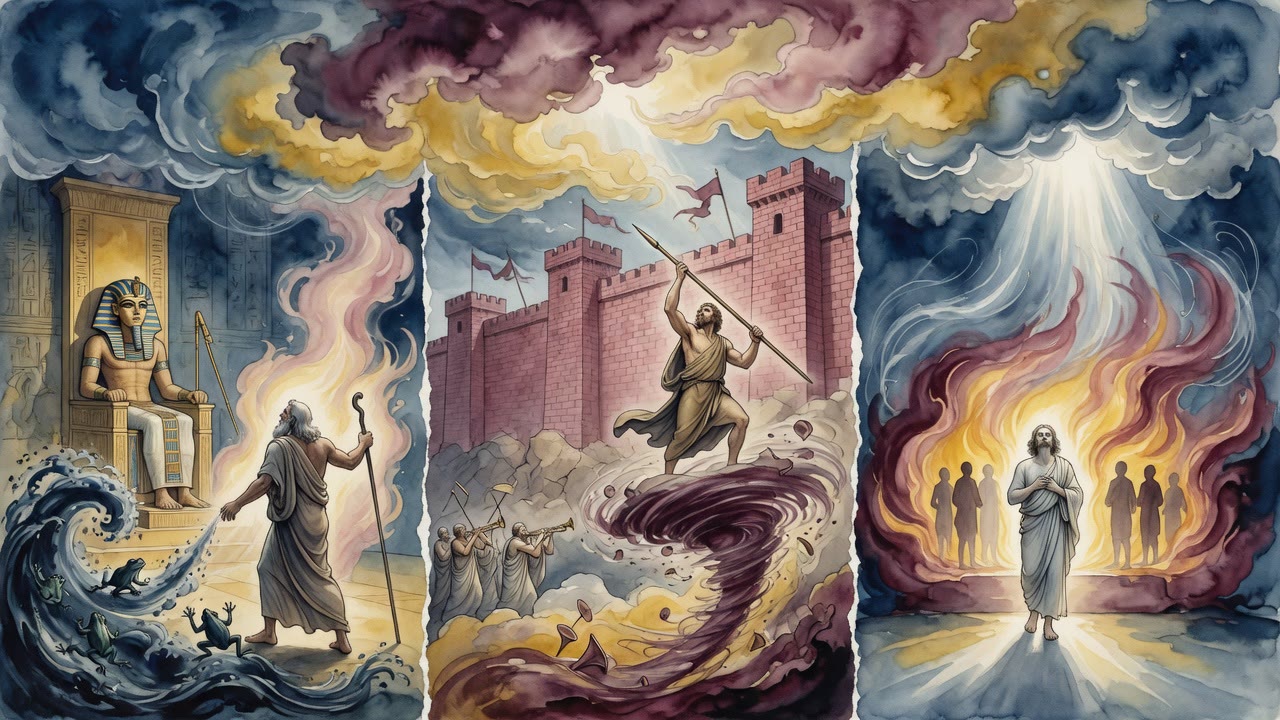
Moses said let my people go ten times. Joshua raised a javelin at Ai. Belshazzar locked the palace doors and then could not get out himself.
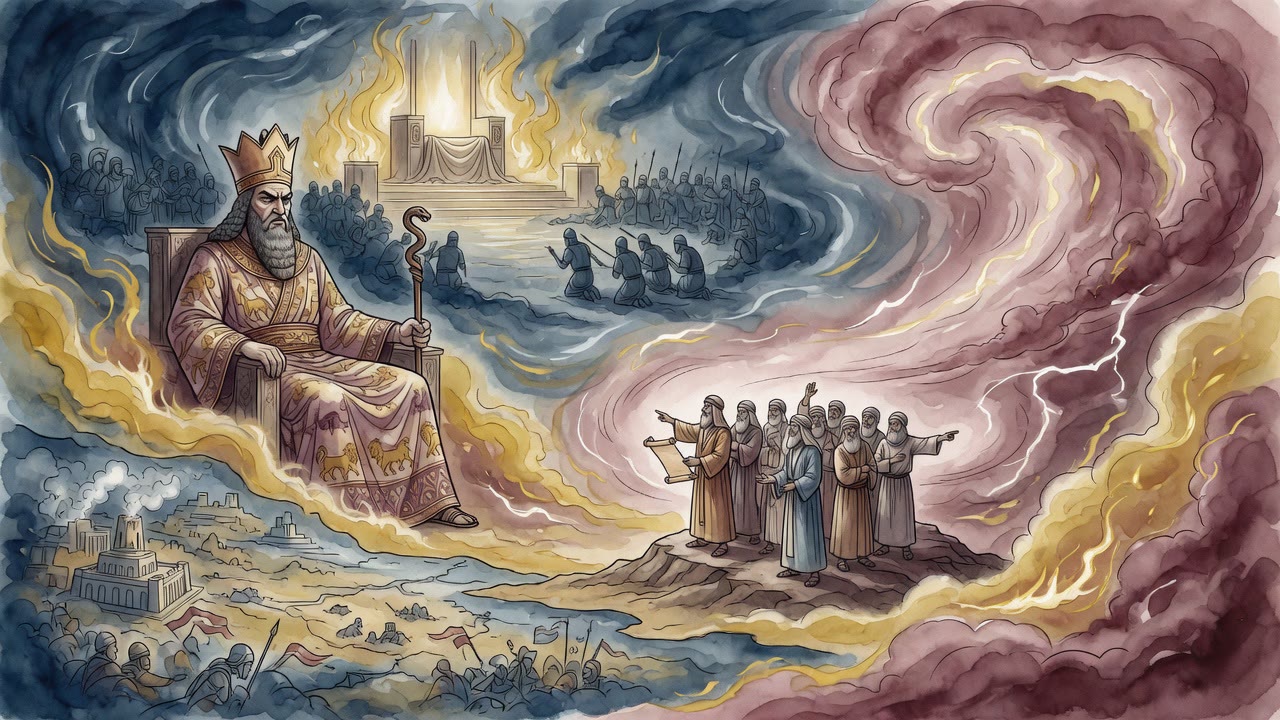
His envoys came home with dust on their cloaks. The west had laughed them out of the gates. He swore on the throne that those lands would burn.
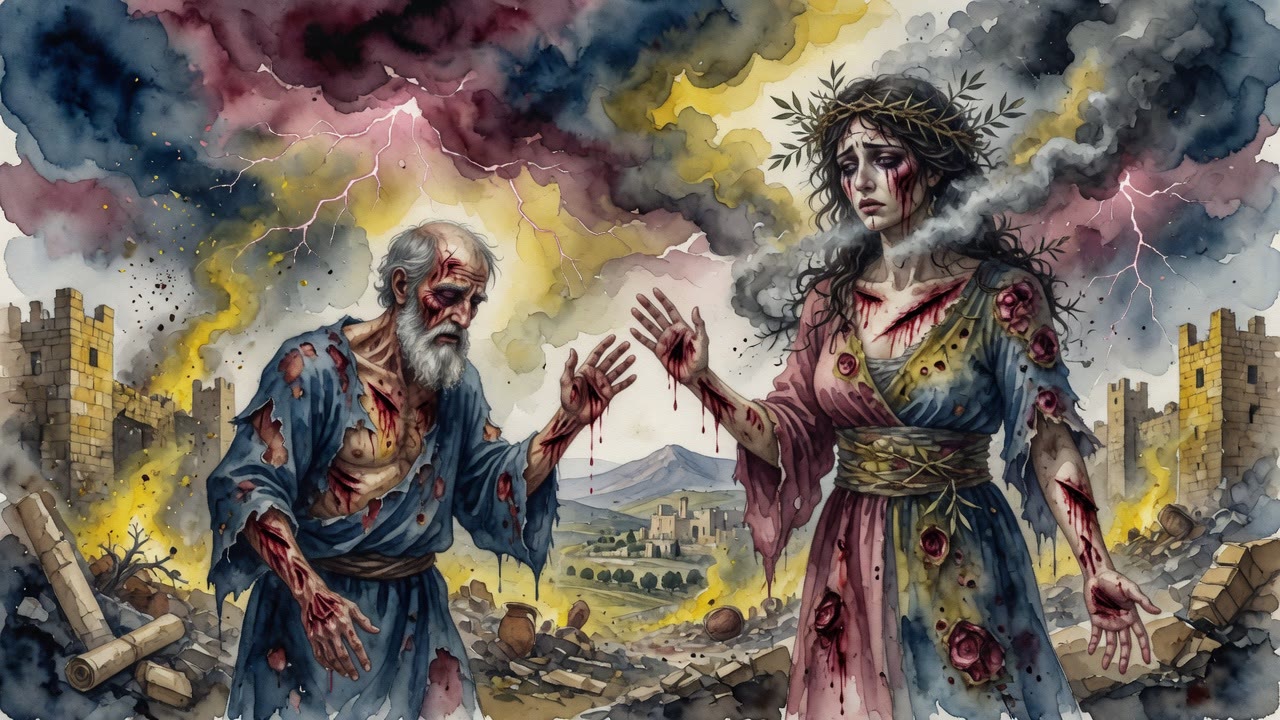
He spoke of nations as eggs in a nest no bird guarded. Outside Jerusalem his officers already counted the Temple gold.
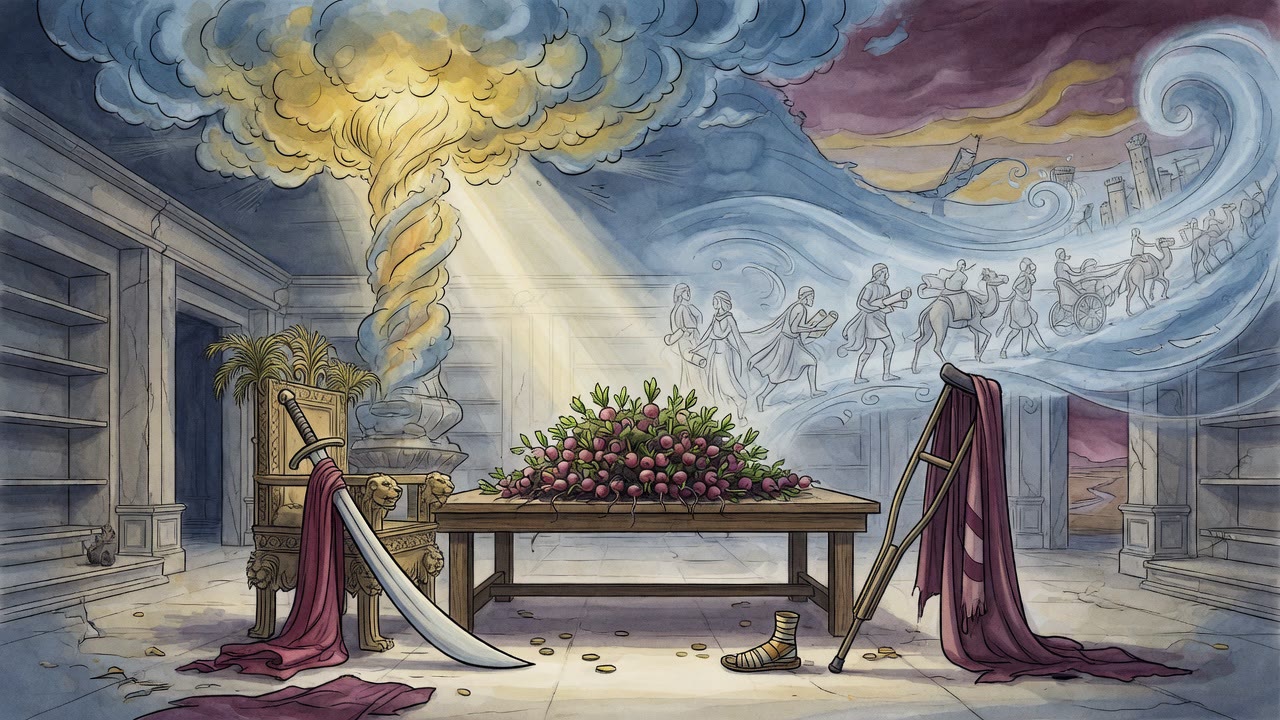
The messenger came back empty-handed. Rabbi had said nothing in the orchard. He had only pulled large radishes and set small ones in the holes.
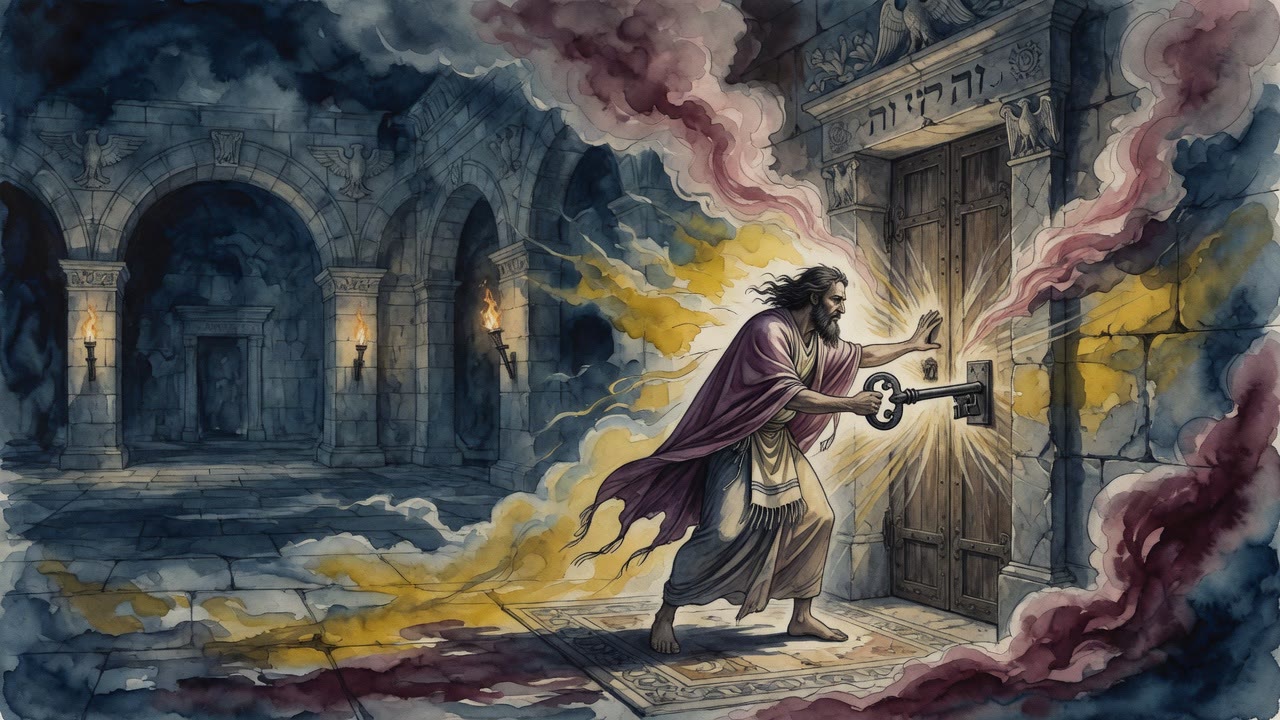
In Rome, Rabbi Joshua locked himself in with a matron, then walked Hadrian past temples and latrines to explain God's missing Name.
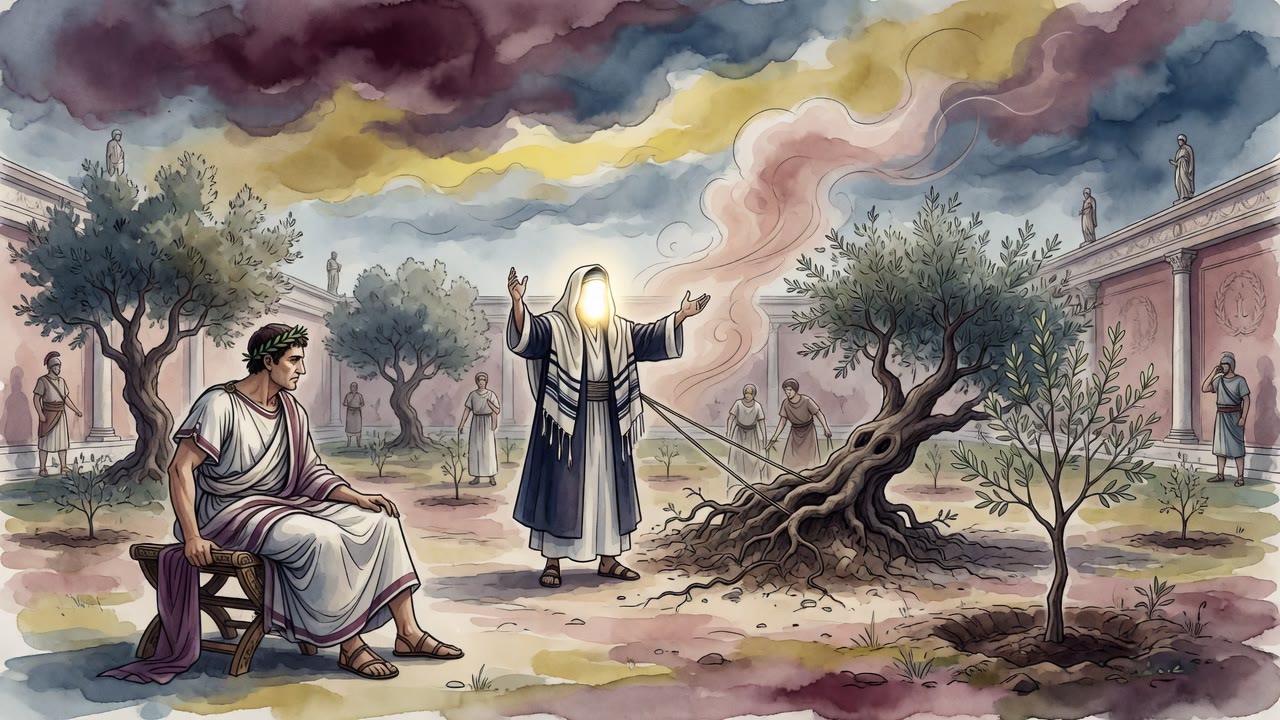
Palace corridors had listeners. Rabbi Yehudah ha-Nasi put his hands in the soil and let the emperor read the roots himself.
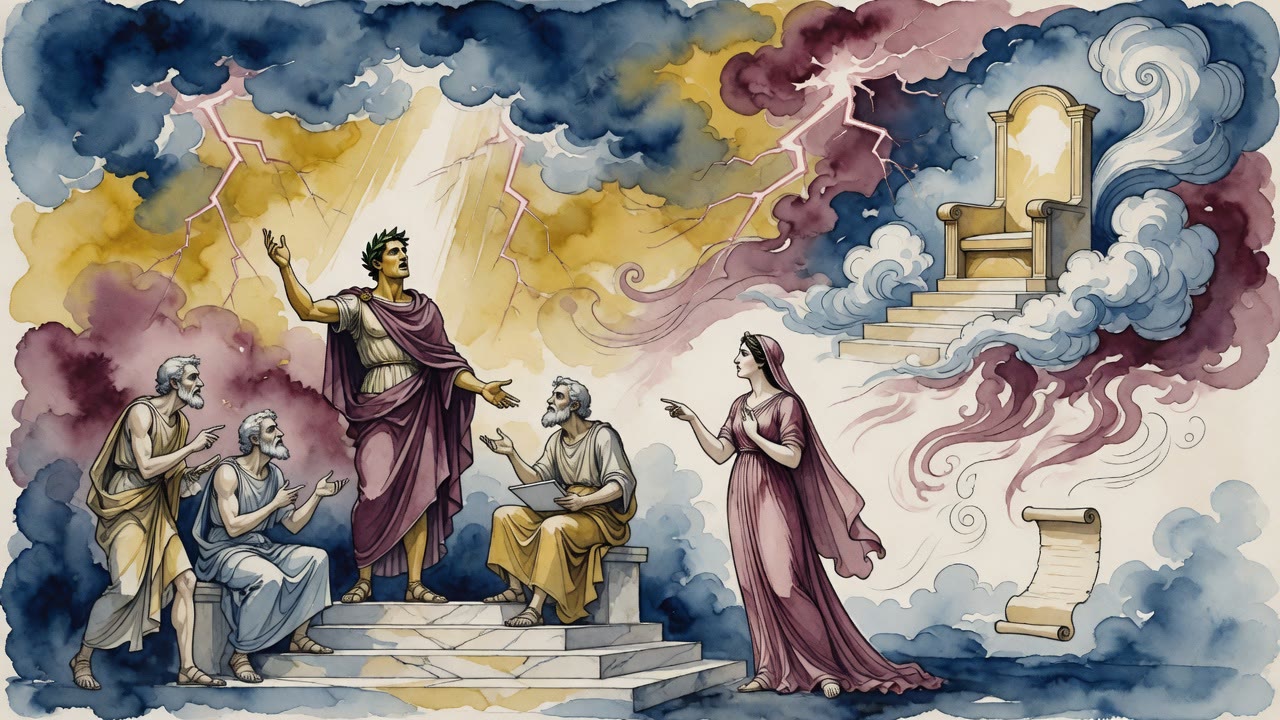
Hadrian told three philosophers he wished to make himself a god. Their tests, and his wife's question about his own soul, stopped the project.
