5 min read

Rachel Demanded Children and Jacob's Anger Burned

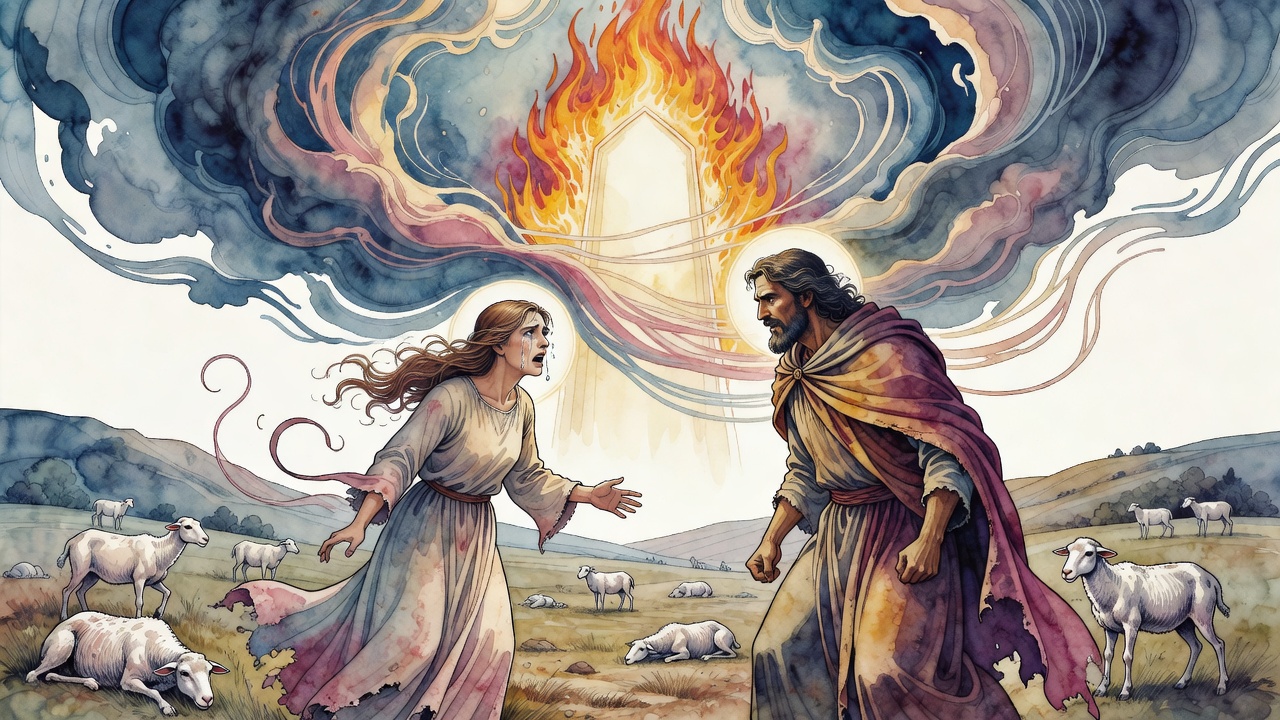
Rachel, once shepherdess of a plague-thinned flock, cried give me children or I die, and Jacob's anger answered that children come only from God.

Curated by Arthur · Told by Maggid ·
Table of Contents
  1. The Shepherdess at the Well
  2. Give Me Children or I Die
  3. Why the Matriarchs Waited
  4. Anger That Still Points Upward
  5. From Plague-Thinned Sheep to a Full House
Rachel Demanded Children and Jacob's Anger Burned Click for full size

The Shepherdess at the Well

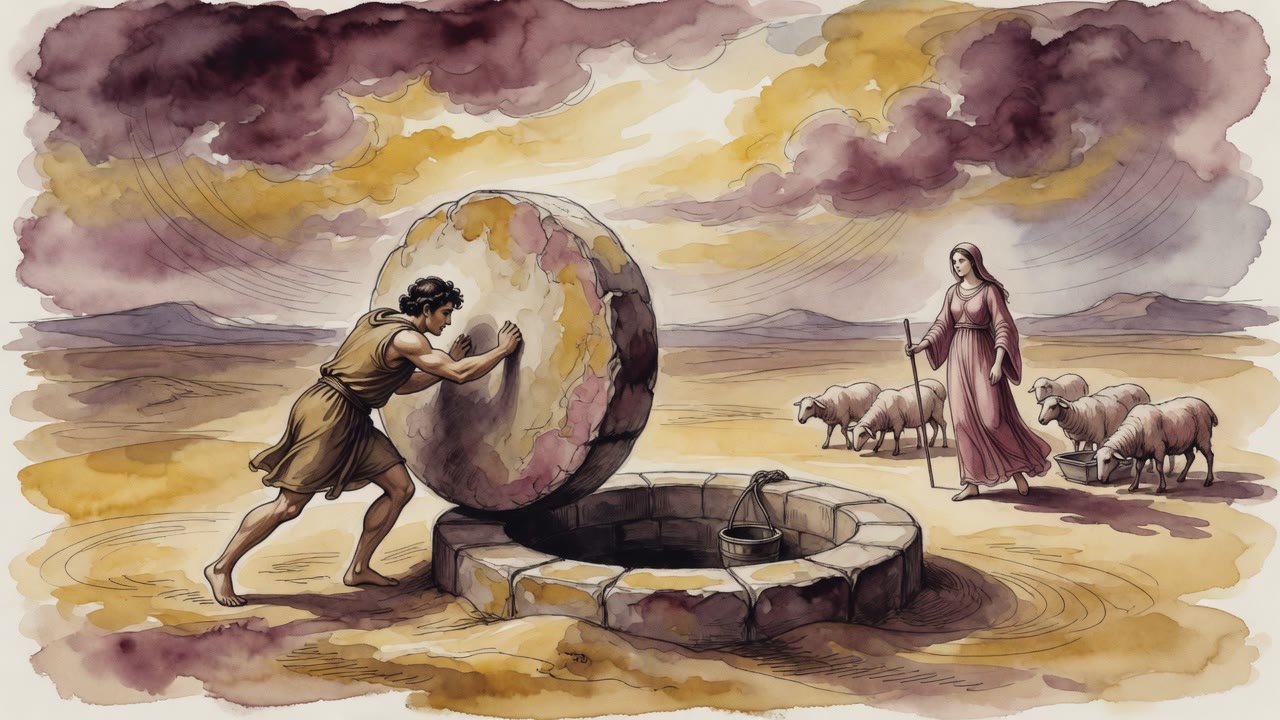
Rachel arrived at the well with her father's sheep, and the Torah calls her ro'ah, a shepherdess (Genesis 29:9). The Targum stops to explain why a wealthy man's daughter is doing this work. A plague from the Lord had fallen on Laban's flock. Few animals were left. The herd that once needed a stable of hired hands could be watched by one daughter who would not steal and would not sleep through a loss.

She learned scarcity before she learned marriage. She learned to count living things that might not be there in the morning.

Give Me Children or I Die

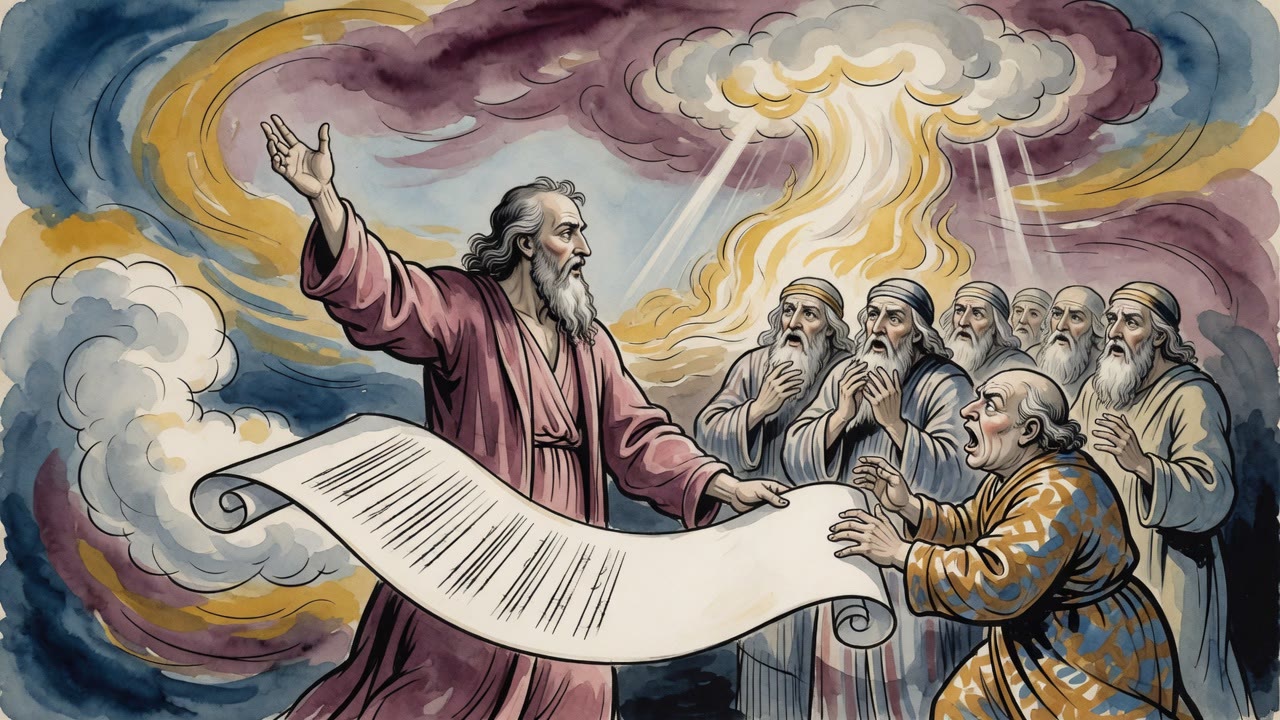
Years later, loved and still empty-armed while her sister bore sons, Rachel turned on Jacob with a demand that treated him like a distributor of life. Give me children. If not, I am dead. The Torah says Jacob's anger burned against her (Genesis 30:2). The Targum keeps the heat. The anger of Jakob was strong against Rahel.

His answer was theology spoken as a slap. Am I in the place of God, who has withheld from you the fruit of the womb? Children do not come from a husband's will the way wages come from a master's hand. She had asked the wrong office for a miracle.

Why the Matriarchs Waited

Sarah, Rebecca, and Rachel all walked through barren seasons before they became mothers of a nation. The sages asked why the Holy One, who could have opened their wombs at any moment, left them waiting. One answer: so they would not grow proud in a gift that looked automatic. Another: so they would pour themselves into prayer until prayer became the shape of their desire. A third: so the Holy One would hear their voices at length, because the prayers of the righteous are precious to Him and He multiplies the years in which they are spoken.

Rachel's cry sits inside that older pattern. The wait is not absence of plan. It is pressure that produces speech heaven wants to keep.

Anger That Still Points Upward

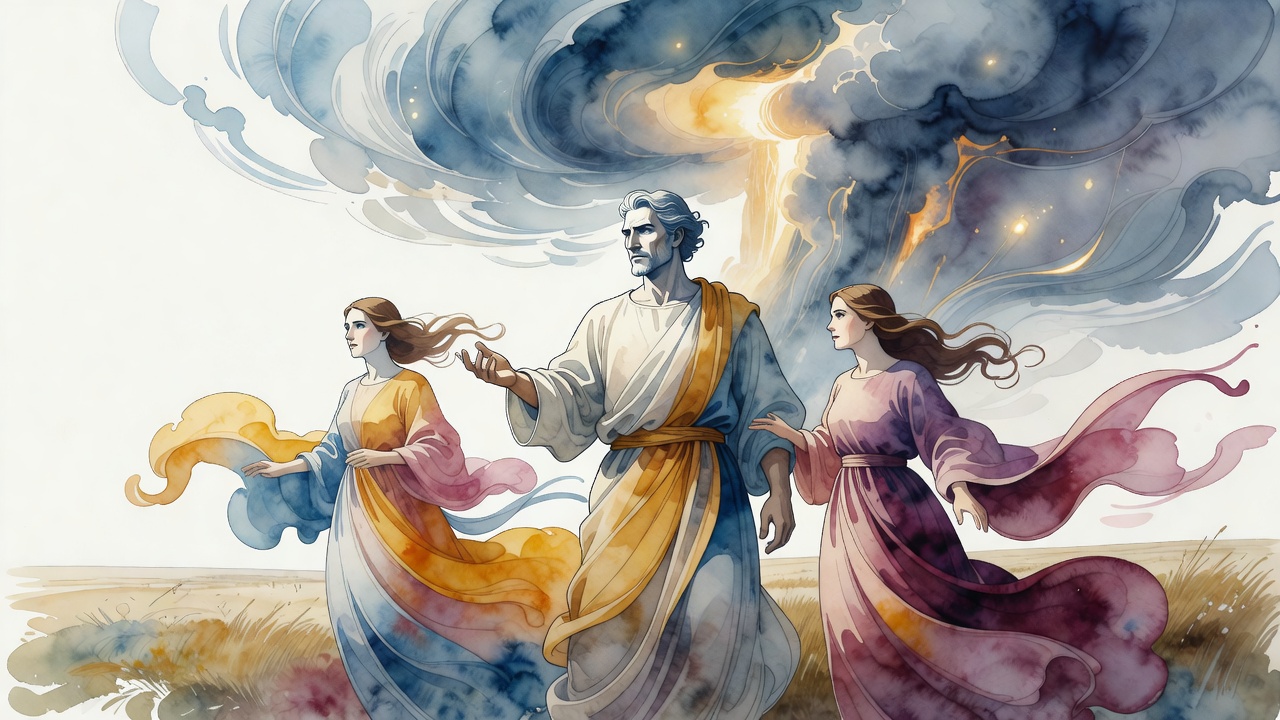
Jacob's anger is not cruelty for its own sake. It is a refusal to let Rachel's crown him as a small god of fertility. He has loved her. He has worked for her. He cannot manufacture a soul. The same man who will later wrestle until dawn will not pretend he holds the keys of the womb.

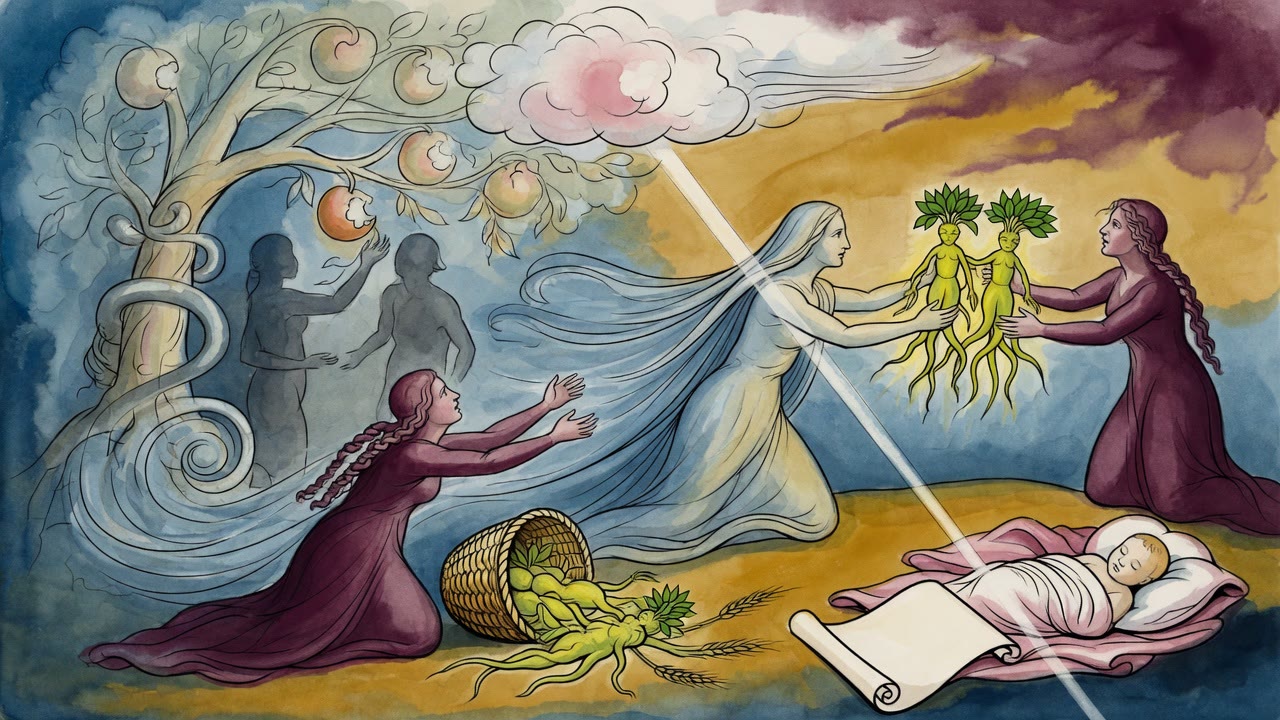
Rachel hears him and turns, eventually, from demanding of Jacob to bargaining with God through mandrakes, vows, and naming. Joseph will come. Benjamin will come. The woman who once watched a depleted flock will watch two sons, and then will die on the road after the second, still counting life as the thing that makes a person not dead.

From Plague-Thinned Sheep to a Full House

The girl who shepherded what plague left becomes the mother whose children define tribes. Between those two scenes stands a marriage fight so honest the Torah records the burn of it. Jacob will not take credit for God's work. Rachel will not accept a love that leaves her childless as enough. Both pressures are true. Only one of them can open a womb.

When the child finally arrives, the name Joseph carries the ache forward, may the Lord add another. Even gratitude keeps a ledger of not-yet.

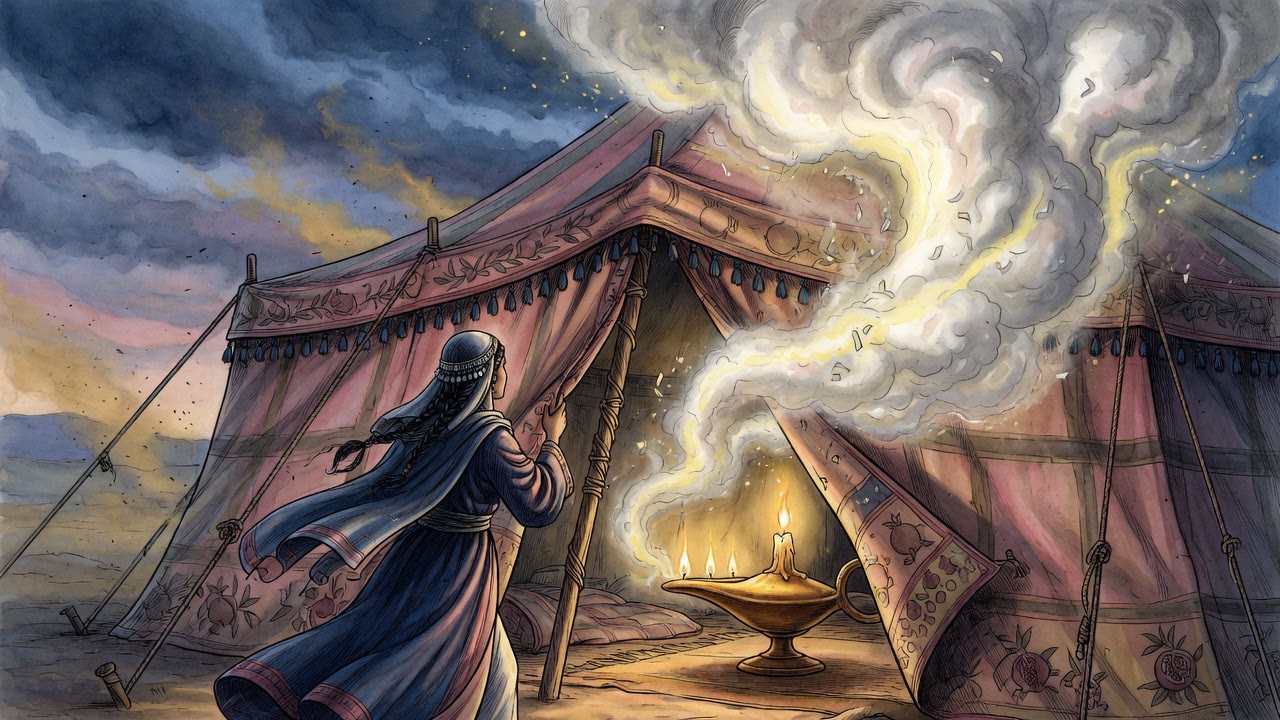
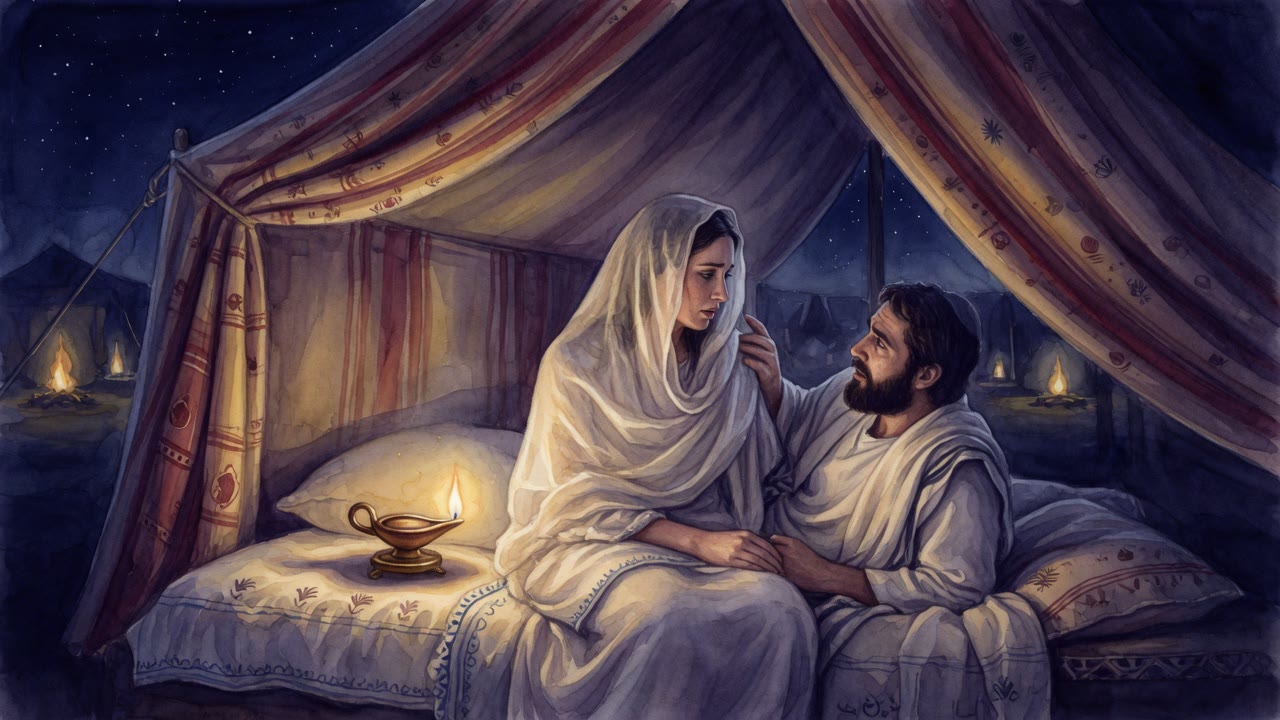
The tent after the argument held a silence worse than shouting. Rachel had said she was dead without children. Jacob had said he was not God. Both sentences were true in different courts. She left to find other tools. He left to count sons that were not hers and feel the injustice of love that does not distribute evenly.

On the hills where she had once shepherded plague-thinned sheep, Rachel knew what depletion looked like. Empty folds. Quiet nights. The fear that tomorrow's count would be smaller. A barren womb is a private plague. The midrash's reasons for the wait, pride checked, prayer lengthened, divine desire for righteous voices, do not make the nights shorter. They only tell later generations why heaven risked the sound of her demand.

When Joseph finally arrived, Rachel's mouth filled with a name that still asked for more. The anger in Jacob's earlier answer did not vanish; it converted into protective ferocity over the boy of her vow. Years on, that ferocity would dress Joseph in a coat that nearly got him killed. Desire for children and desire to show preference are cousins. Both can burn a house.

Still the sources insist the matriarchs' waiting was not cruelty for sport. Sarah laughed and then nursed. Rebecca felt twins crush each other and asked why she lived. Rachel demanded and then died on the road after Benjamin, her grave a marker for exiles who would pass later weeping. The anger in Genesis 30:2 is one spark in a longer fire that forges Israel out of women who refused to call emptiness normal.


← All myths
From the tradition

Sources

3 sources

The texts behind this telling. Some cards carry a translation of the source; others are our own retelling of it, and each card says which. Every card links out to the original.

Targum Pseudo-Jonathan on Genesis 30:2Targum Pseudo-Jonathan on Genesis

Retold in our words. Read the original at the link below.The Targum of Jonathan ben Uzziel, trans. J. W. Etheridge, London, 1862 · Public Domain

The Torah says Jacob's anger burned against Rachel (Genesis 30:2). The Targum Pseudo-Jonathan keeps the heat of the verb. The anger of Jakob was strong against Rahel.

Why was he angry? Because Rachel had asked him to give her children, as if the power were his to distribute. Jacob's reply is one of the clearest theological corrections in the book of Genesis.

Why do you ask of me? Ask before the Lord, from before whom are children, and who hath restrained from thee the fruit of the womb.

Two sentences, one doctrine. First: do not ask a human being for what only God can give. Second: the One who has withheld is the same One who will give. Both the closing and the opening of the womb are in the same Hand.

This is a Jewish principle the Talmud (Taanit 2a) will later formalize. Three keys are held by God alone and never delegated to angels or agents: the key of rain, the key of birth, and the key of the resurrection. Jacob is teaching Rachel the key of birth: it is not in his hand, and it is not in anyone's hand but the Holy One's.

Some commentators criticize Jacob's anger. The Midrash (Bereshit Rabbah 71:7) says he was rebuked for speaking sharply to a grieving wife. But the theological content of his answer is correct. He wants Rachel to redirect her prayer upward. He is her husband; he cannot be her god.

Later, Rachel will do exactly that. She will pray directly. And Heaven will answer. Jacob's sharp words were a redirection, not a rejection.

The takeaway: marriage is not a substitute for prayer. The husband who loves you cannot be the god who answers you.

Full source
Targum Pseudo-Jonathan on Genesis 29:9Targum Pseudo-Jonathan on Genesis

Retold in our words. Read the original at the link below.The Targum of Jonathan ben Uzziel, trans. J. W. Etheridge, London, 1862 · Public Domain

Rachel arrives at the well with her father's sheep, and the Torah calls her ro'ah, a shepherdess (Genesis 29:9). The Targum Pseudo-Jonathan stops to explain why the daughter of a wealthy man is doing this job.

A plague from the Lord had fallen on Laban's sheep. Few were left. The flock that once required a stable of hired shepherds was now small enough that Laban had dismissed his shepherds and given the remnant to his younger daughter to tend.

This is a crucial detail the plain Torah omits. It tells us that Rachel is not merely beautiful, she is working because her family is in a moment of decline. It also tells us why, a few verses later, Laban will welcome his sister's son Jacob so eagerly: a free laborer is exactly what a man with a shrinking flock needs.

It tells us something about Rachel's character. The Targum has just set up that Laban's flock has been hit by a divine plague, and the daughter of that house is the one who rises each morning to water the survivors. She is not sitting in the house. She is working at dawn with the remnant. She will become the mother of Joseph, who will one day save a nation during a famine. And she has already been trained in the management of a depleted flock.

The plague is temporary. From the day Jacob touches the well, Laban's flock will explode into wealth. The plague was a setup. It pulled Rachel to the well at the exact hour Jacob walked into Haran.

The takeaway: God often arranges a loss before an introduction. Rachel met Jacob because a plague had stripped the other shepherds away.

Full source
Gaster, Exempla No. 287The Exempla of the Rabbis (1924)

Retold in our words. Read the original at the link below.The Exempla of the Rabbis, Moses Gaster (1924) · PD-US-pre-1929

Sarah, Rebecca, and Rachel all went through seasons of barrenness before they bore children, even though each was promised a great nation through her womb. The sages asked why the Holy One, who could have opened their wombs at any moment, left them waiting so long.

They offered three answers, and each teaches a different lesson.

First, the long wait kept the matriarchs from relying on their own merit. None of them could point to her righteousness as the reason she had children. Each had to admit, in the moment of finally conceiving, that the gift was not earned. Barrenness is a fence against pride. A woman who has waited decades for a child does not hand that child around like a trophy she won. She hands him around like a miracle she received.

Second, the long wait pulled them out of the orbit of idolatry. Many of them, as young women, had lived in homes where their parents served idols. Some had briefly been delivered into the hands of idolatrous priests, as the tradition reports of Sarah in Egypt and of Rachel in Laban's house. Had children come easily, the young mothers might still have wondered, in a corner of their minds, whether the blessing had been arranged by the old household gods. The long wait made it impossible to credit anyone but the Holy One. Idols do not wait patiently for a decade and then deliver.

Third, the long wait taught them to pray. The matriarchs became master petitioners. Rachel said to Jacob, "Give me children, or I die" (Genesis 30:1). Hannah, later, in the mold of the matriarchs, would pour out her soul before the Lord at Shiloh (1 Samuel 1:15). The prayer of a woman who cannot stop asking is one of the most powerful instruments in Jewish theology, and the matriarchs are the ones who forged it (Gaster, Exempla No. 287).

The sages concluded that the long barrenness was not a cruelty. It was a schooling, and the lessons became the three pillars every descendant of those matriarchs would stand on.

Full source