Rachel Gave Bilhah to Jacob So That Bilhah Would Bear Sons for Rachel
Leah had four sons and Rachel had none. So Rachel sent her servant Bilhah to Jacob and claimed the two boys Bilhah bore, Dan and Naphtali.
Table of Contents
 Click for full size
Four Sons Across the Curtain
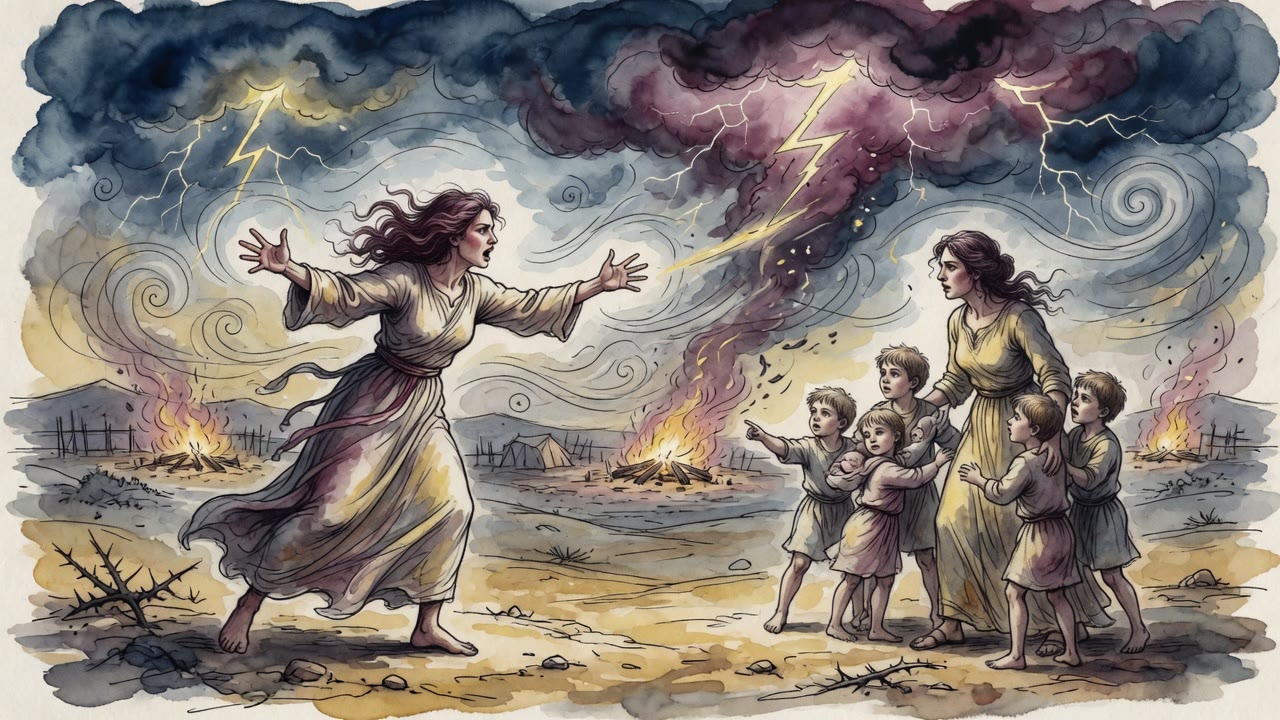
Leah's tent filled with names. Reuben. Simeon. Levi. Judah. Four living arguments against silence. Rachel heard each birth cry through cloth and felt her own body answer with nothing. In a world that weighed a woman by the children at her side, emptiness was a public sentence.
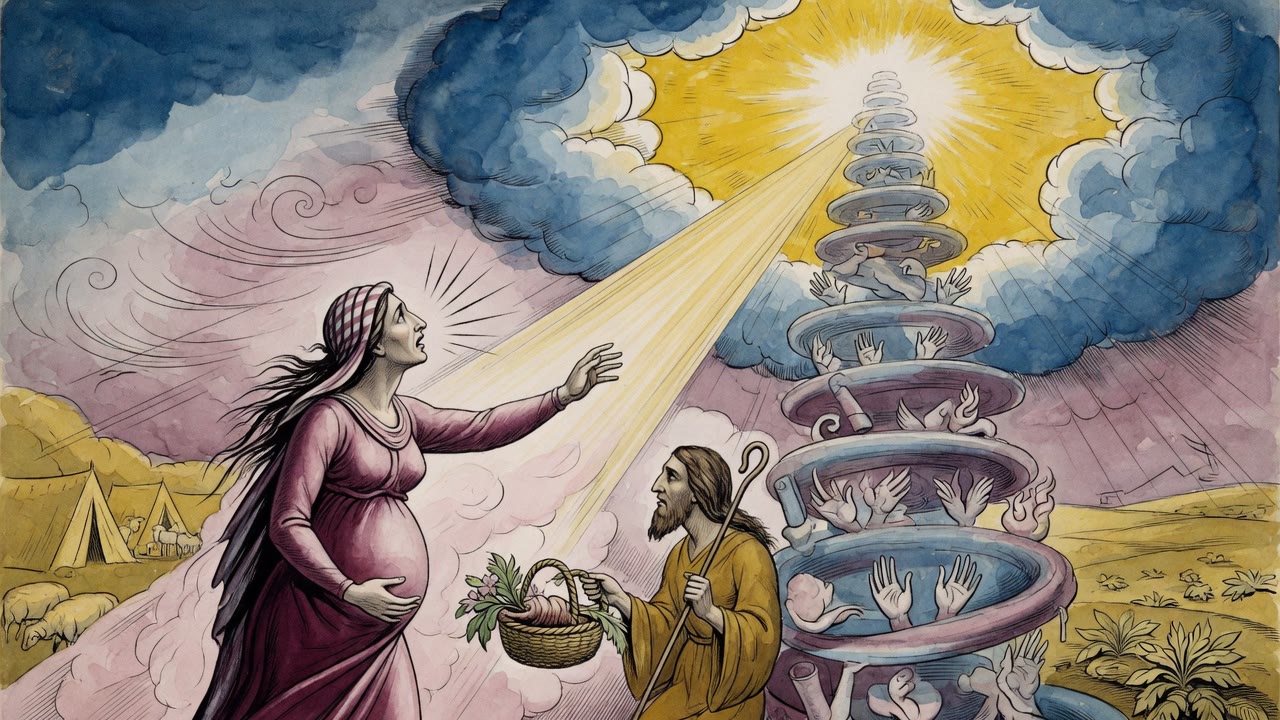
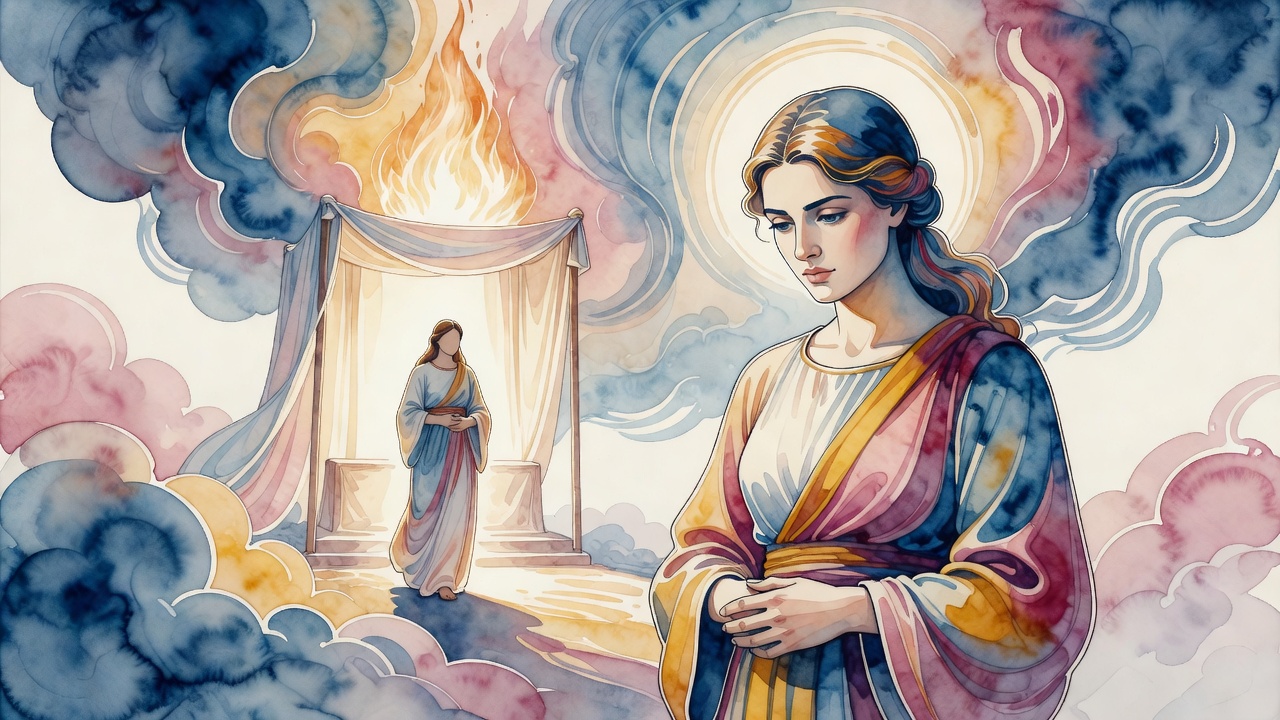
She did not wait for comfort. "Go in unto Bilhah my handmaid," she told Jacob, "and she will conceive, and bear a son unto me." The custom was known. The pain was still original. Rachel placed another woman's body between herself and despair and claimed the child in advance as her own building.
Jacob looked from wife to handmaid and found no speech that would not cut someone. He went as asked. The lamps in Rachel's tent burned low, as if light itself were rationed.
Dan and Naphtali by Another Womb
Jacob went in unto Bilhah, and she conceived and bore a son. Rachel named him Dan, judgment, as if the birth itself were a verdict in her favor. Precise days and jubilee counts mark the hour in the old books, pinning longing to a calendar so the ache cannot pretend it was vague.
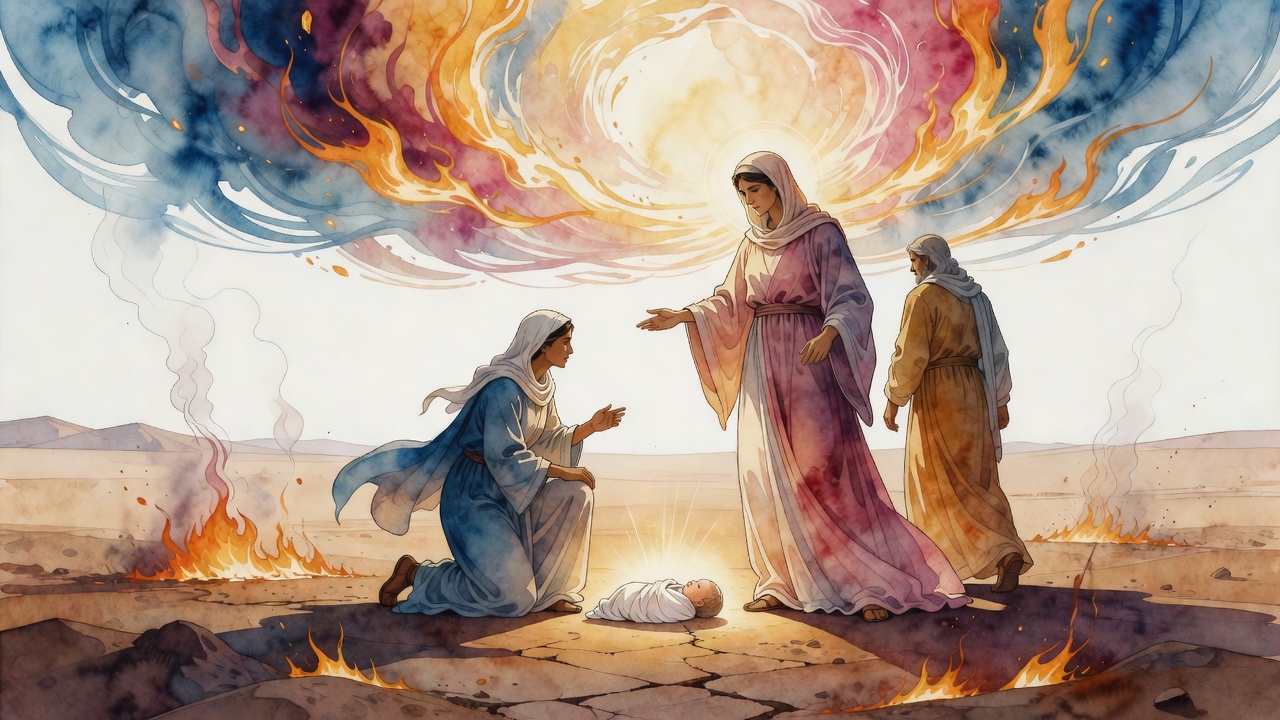
A second time Bilhah bore. Rachel named him Naphtali, wrestling, because the contest with her sister had found a new arena. Two sons stood under Rachel's names while another woman's labor wrote them into the world. Love, rivalry, and law tangled in the same cradle.
Jacob moved between tents like a man carrying water to two fires. Neither fire went out. Leah's eyes measured the new names. Bilhah's silence was a third weather in the camp. Rachel held the infants as if grip could rewrite biology.
At night Rachel whispered over Dan's head that heaven had judged her case. Over Naphtali she whispered that the match was still on. The babies slept through the politics of their own names.
Sarah's Earlier Hand
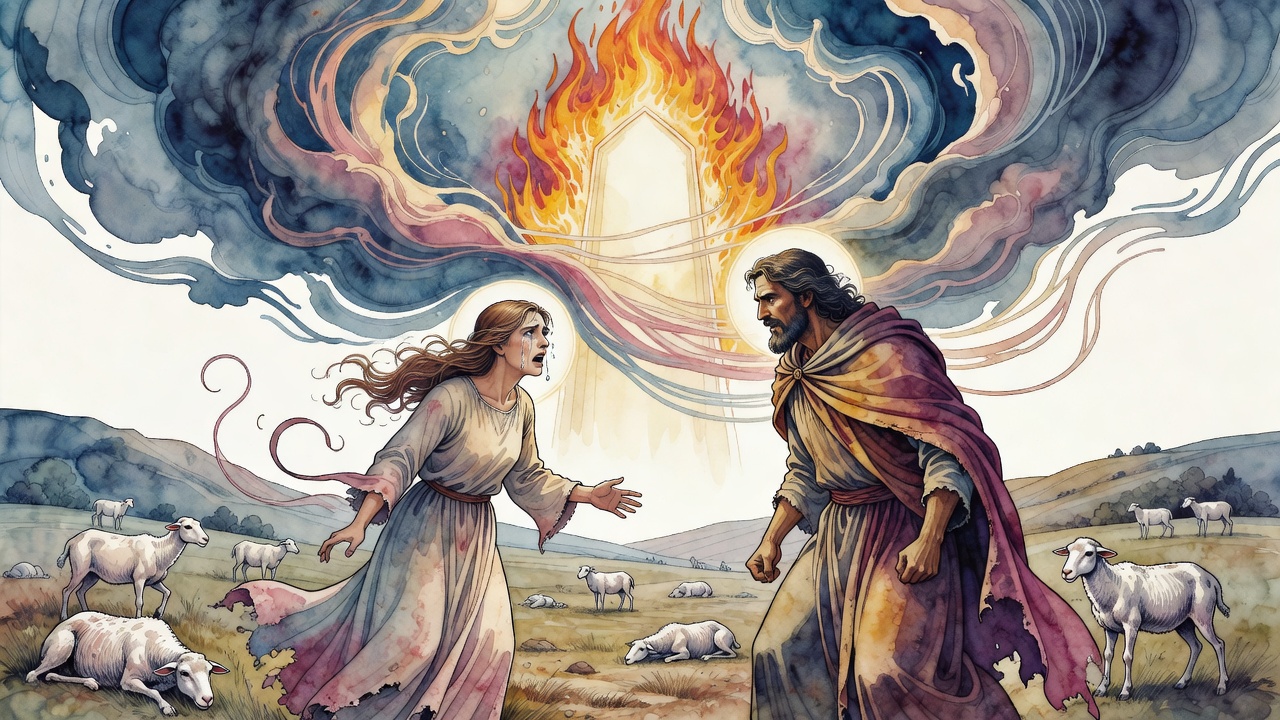
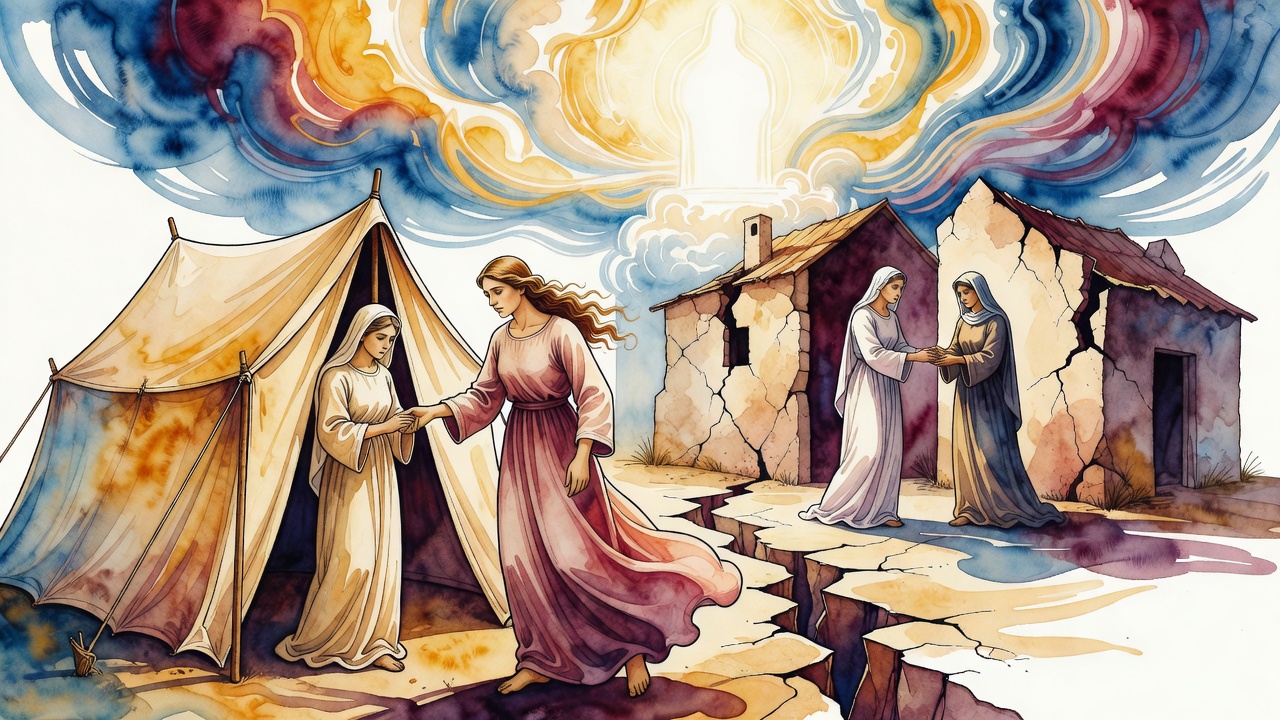
Generations before, Sarah had made a similar move with Hagar. When the handmaid conceived, the household tilted. Abraham said, "Behold, your handmaid is in your hand; do to her what seems good to you" (Genesis 16:6). The man who would argue with God for Sodom stepped back from a quarrel in his own camp. Kindness that could face a city failed a single servant's fear.
Hagar fled. An angel found her by a spring. Ishmael would be a nation and a complication. Sarah's plan produced a son and a fracture. The pattern is older than Rachel and still unfinished when Rachel speaks her own version of the sentence.
Proxy motherhood is not a clean tool. It builds houses and opens wars inside them. Abraham's chesed (חסד), loving-kindness, looked different in the public square than it did when Sarah's pain asked him to choose a side. He chose retreat. The handmaid ran into wilderness with a child who would learn both promise and distance.
Rachel did not study that scroll as warning enough. Need rarely reads history carefully.
What the Names Carry
Rachel will yet bear Joseph and Benjamin with her own body. That future does not erase Bilhah's nights or Sarah's harshness. The family of Israel grows through rivalries that refuse pretty endings. Kingdom language gathers around Jacob's sons, but the first stones of that kingdom are laid by women bargaining with emptiness.
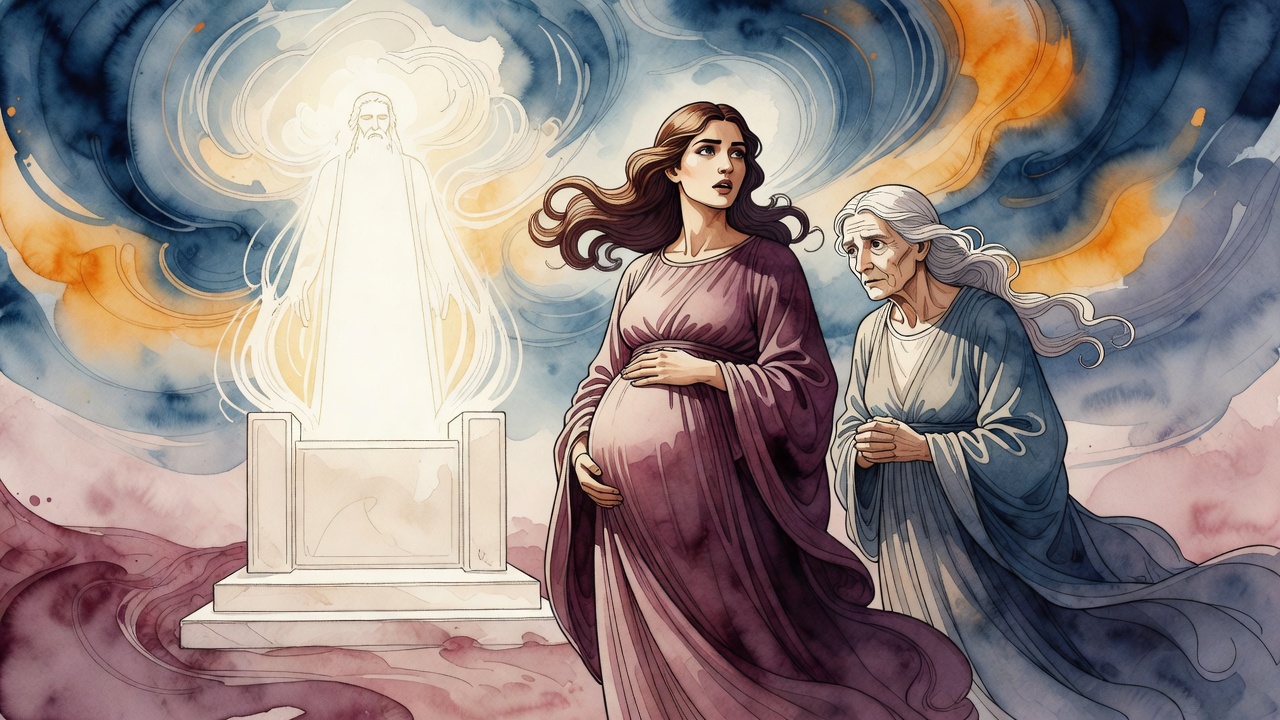
In the dark between tents, Rachel counts breaths that are not hers and calls them hers anyway. Bilhah's silence is part of the price. Leah's fertility is part of the goad. Jacob's compliance is part of the problem and the only path either sister can see.
Morning comes with milk and politics. A child of the handmaid wears a matriarch's name. Across time, another handmaid's son learns the wilderness with an angel's promise and a mother's tears. Between those stories the household of the covenant learns how badly it wants a future, and how much of that future is borrowed from women who sleep in the outer rooms.
Rachel stood at the tent flap and watched Jacob's shape move toward Leah's lamp. She held Naphtali closer. Building a house by another woman's labor is still building. It is also a debt the family will keep paying in jealousies long after the infants learn to walk.
Bilhah slept the sleep of the spent. In the next tent Leah counted her four and would not stop counting. Jacob lay between loyalties like a man between two weathers. The old story of Hagar's flight pressed faintly on the camp whether anyone named it or not. Handmaids build nations and also carry scars. Matriarchs claim sons and also claim wounds. The house of Israel rises from that double claim, brick by contested brick, name by borrowed name, until Joseph's later coat will prove how expensive a favorite can be.
Before dawn Rachel whispered a prayer that her own womb would not stay a closed room forever. The prayer did not cancel Bilhah's labor. It only admitted that proxy joy is still half hunger. Outside, goats stamped. Inside, two new names breathed, and the contest of the sisters moved into the next day without a truce.
← All myths