Ravens Fed Elijah Because He Blackened Dawn and Dusk Over the Letters
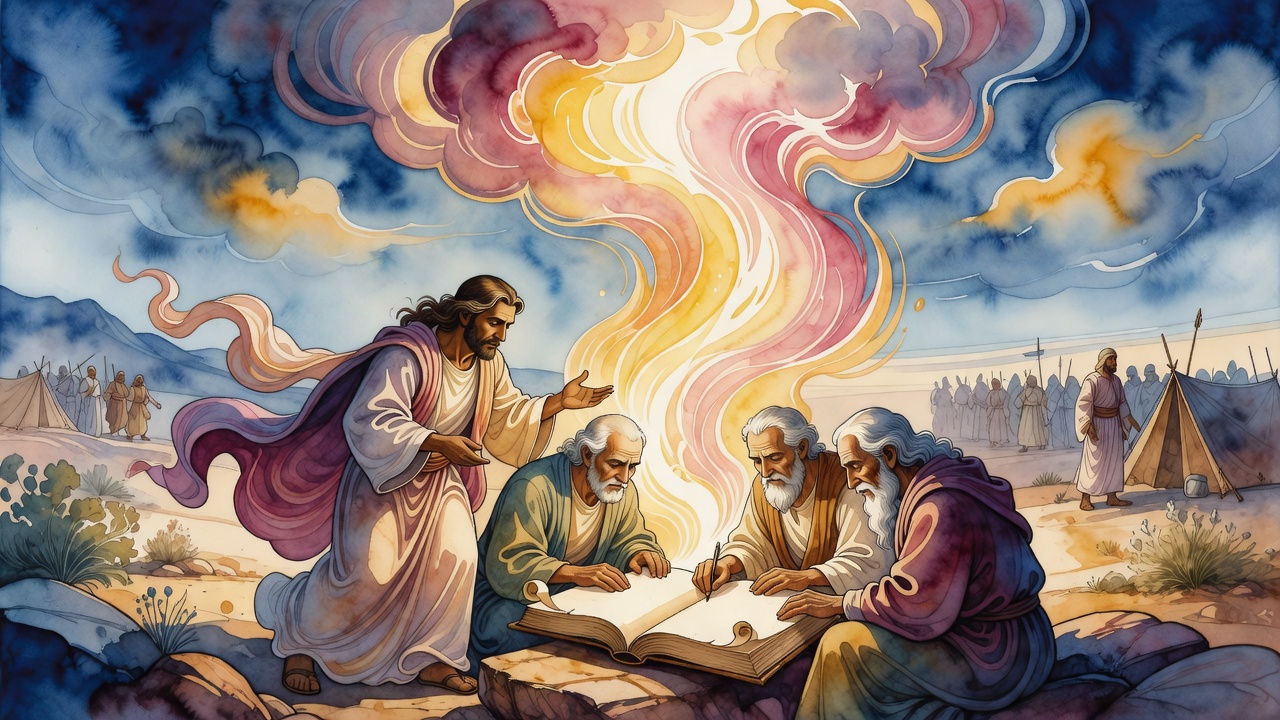
Bread and meat twice a day, delivered in a raven's beak. The sages said the birds were wages for the hours Elijah spent bent over the words.
Table of Contents
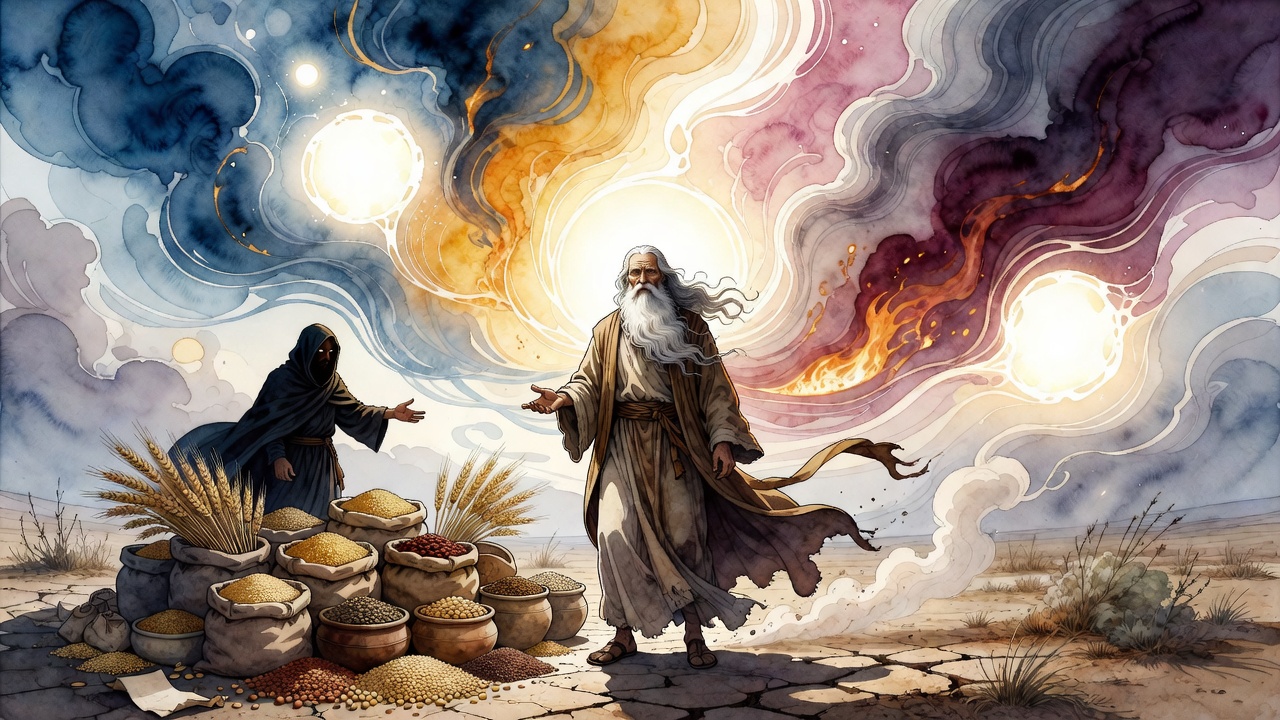
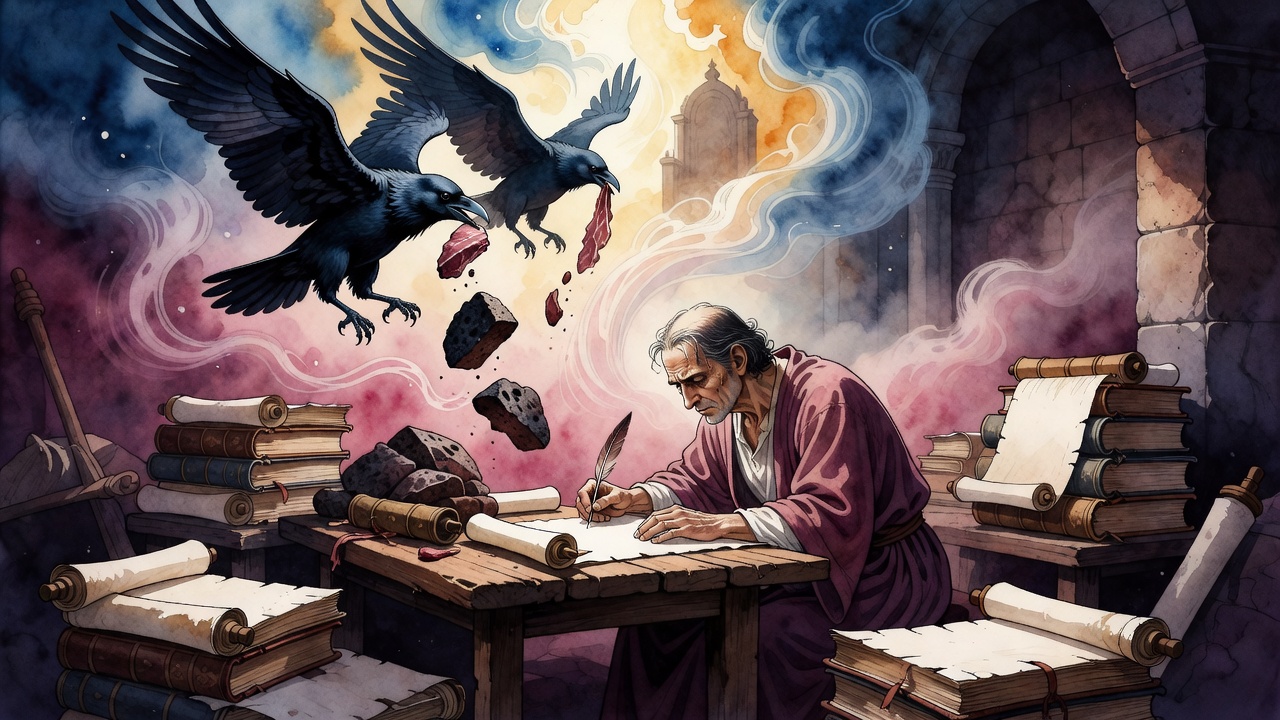
Elijah hid at a wadi east of the Jordan with a king hunting him and a drought he had called down himself burning the country, and twice a day the birds came. Bread and meat in the morning. Bread and meat in the evening. Ravens, of all things, carrying a prophet's dinner in their beaks (1 Kings 17:6).
 Click for full size
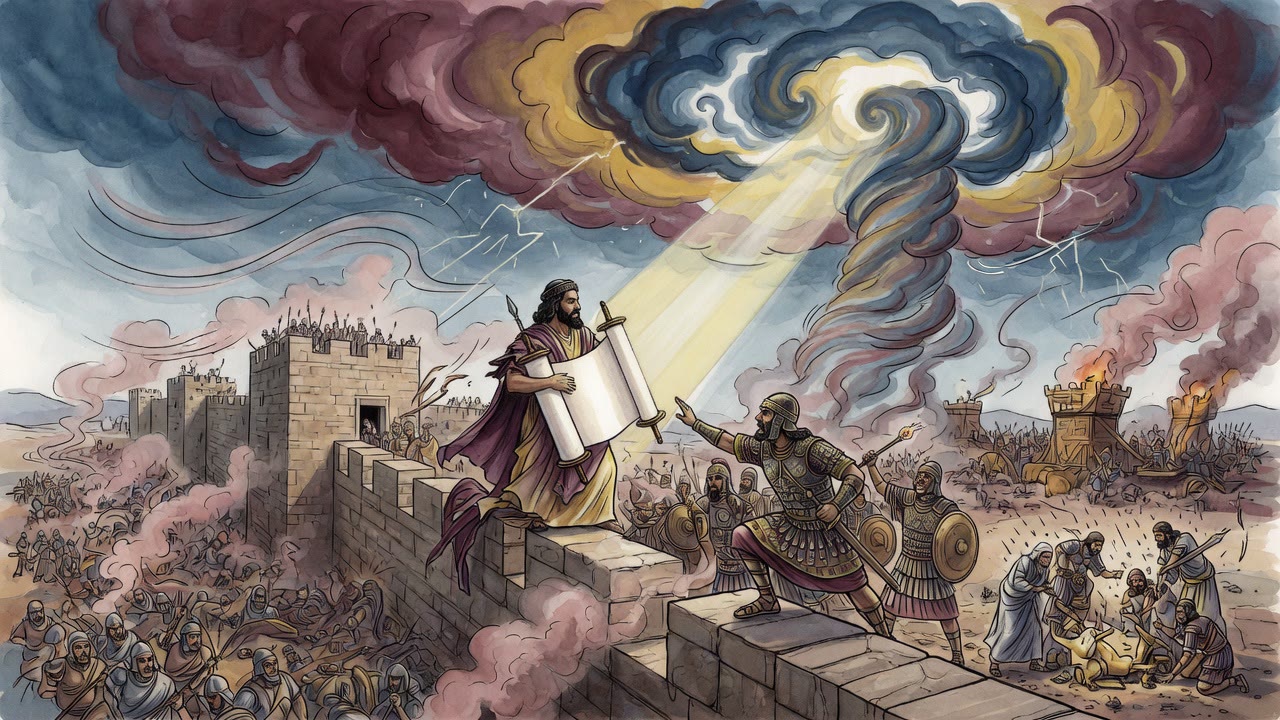
The sages wanted to know what he had done to earn a delivery service. Their answer had nothing to do with Carmel or with the drought. He had blackened the dawn and darkened the dusk over the words, they said. He was at the letters before the light came and still at them after it went. The birds were wages.
Locks Black as a Raven
They found the whole arrangement hidden in a love song. "His head is finest gold, his locks are curled and black as a raven," sings the beloved about her beloved (Song of Songs 5:11), and the sages read the body of the poem as the body of the Torah.
The head is the Torah herself, the thing acquired at the beginning of God's way before He made anything else. Rabbi Hunia said in the name of Resh Lakish that she was there two thousand years before the world was, because Wisdom says she was beside Him as a delight day after day, and a day of the Holy One runs a thousand years (Psalms 90:4).
The fine gold is her words. The curls are the faint lines a scribe rules across the parchment so the writing will not wander. The black is the letters themselves, sitting on those lines like birds on a wire.
And who keeps the letters alive? Only the man who blackens dawn and darkens dusk bent over them. Sunrise and sunset both spent at the same page.
Who Prepares the Raven Its Prey
The raven was not chosen for the color alone. There is a verse where God, answering Job out of the storm, asks who prepares the raven its prey when its young cry out to Him and wander for lack of food (Job 38:41). The raven, the old naturalists of the study house said, walks away from its own chicks.
Rabbi Shmuel bar Immi drew the hard line out of that. Unless a man can be as cruel to his sons and his household as a raven is to hers, he is not worthy of the words of Torah.
The saying is not softened anywhere in its telling. It sits there with the cost printed on it. The man in the story who gets fed by birds is also the man who let the door of his own house close behind him.
Rav Assi Sealed the Chicks in a Pot
Rav Assi was out on business when he found a raven building. He watched her make the nest, watched her lay, waited until the eggs opened.
Then he took the chicks, put them in a clay pot, and sealed the mouth of it shut in front of them.
He left them three days. No mother, no food, no light, a closed jar with a scholar's question inside it.
On the third day he broke the seal to see what they had done. The chicks were alive. Their own filth had bred gnats, the gnats had hatched and risen inside the jar, and the young ravens were snapping them out of the air and eating.
He stood over the pot and said the verse. Who prepares the raven its prey.
The Song Belongs to the Night
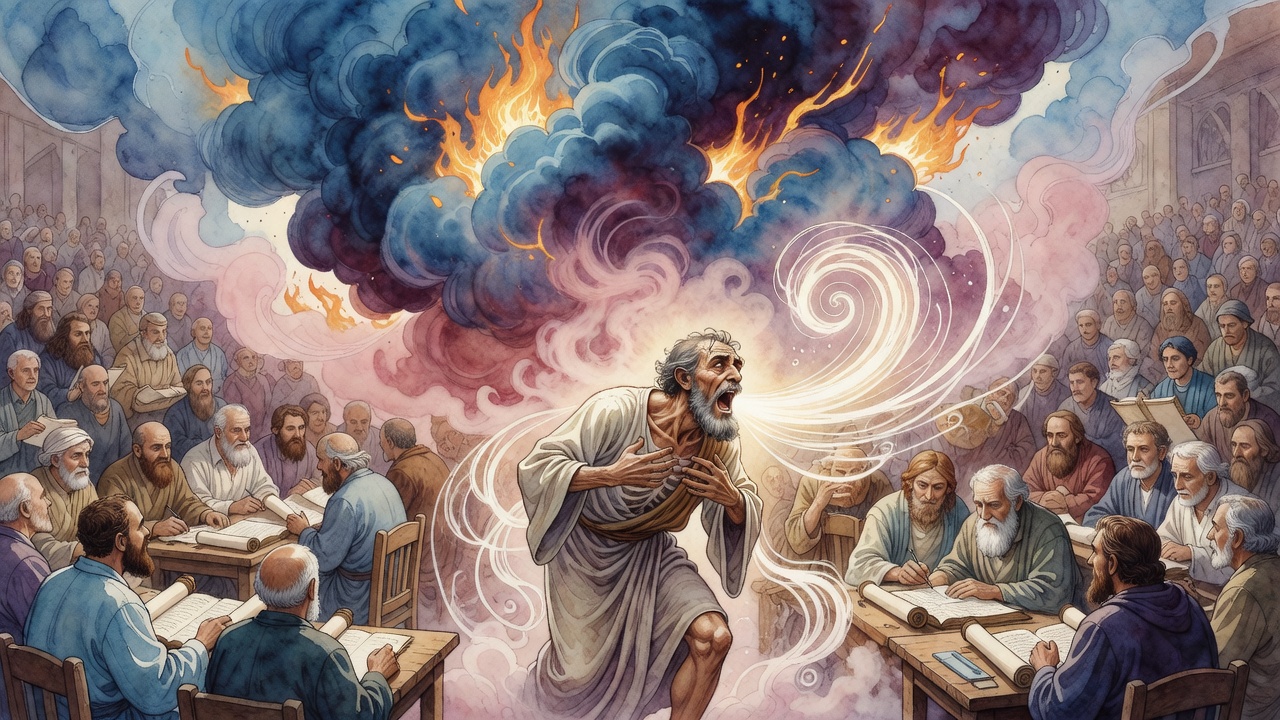
Rabbi Yohanan said the song of Torah is only at night, and he had the verse for it. Arise, cry out in the night (Lamentations 2:19). Resh Lakish said day and night, because Joshua was told to keep the book in his mouth day and night (Joshua 1:8), and the two of them argued it the way they argued everything.
Then Resh Lakish, working through a chapter aloud, came to the woman of valor who rises while it is still dark to give her household its food (Proverbs 31:15). He stopped.
"Rabbi Yohanan taught me well," he said.
A moment later he came back to it, and this time he was not talking about the verse.
"You can see it," he said. "My learning is shining out of my face, and it is the night in there as much as the day."
A Thousand Thousand Gold Dinars
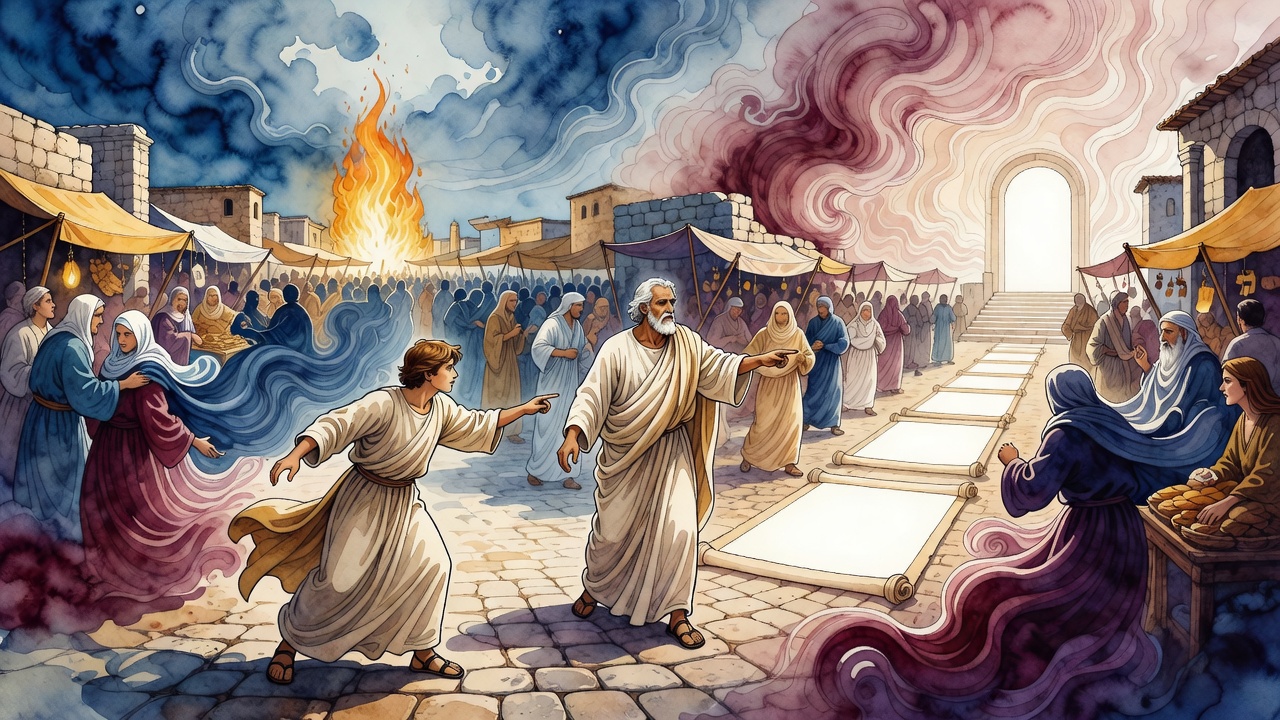
One more man on a road, in a year when the rain did not come. A teacher was walking from town to town through the drought when a local stopped him and asked where he was from. From a place, he said, where every man is a scholar.
The offer came fast. Settle here with me. I will give you wheat and barley and every kind of pulse, all of it, while the fields elsewhere are dust.
"My son," the teacher said, "if you gave me a thousand thousand gold dinars I would not leave a place of Torah."
The man wanted to know why anyone would starve on purpose. Because the ones who feed themselves well in a town with no words in it, the teacher said, live a while and then die and are gone, and nothing walks a man to his grave except what he learned and what he did.
He kept going down the road, hungry, in the direction of the study house. Somewhere behind him a raven was feeding chicks she had already abandoned.
← All myths