Amasa Missed David's Muster for an Open Tractate
The rabbis had just opened a tractate when Amasa came for Judah. David's three days were almost gone. He left the room without a single man.
Table of Contents
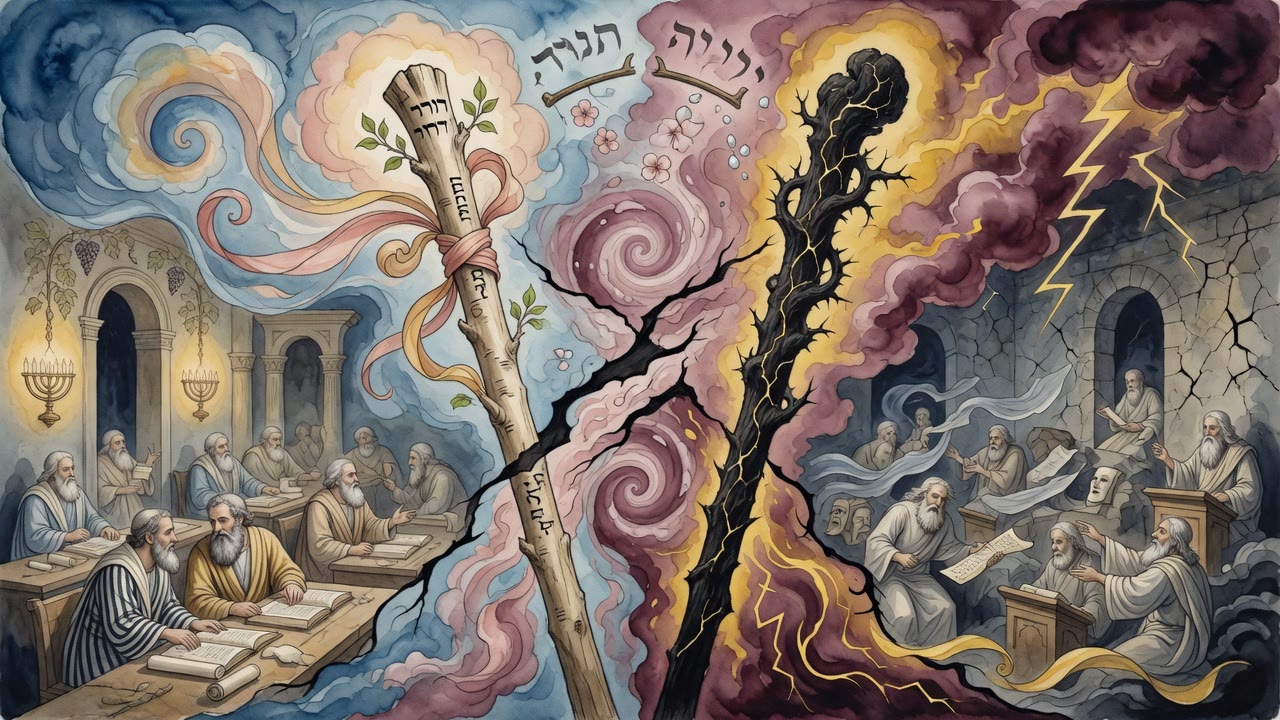
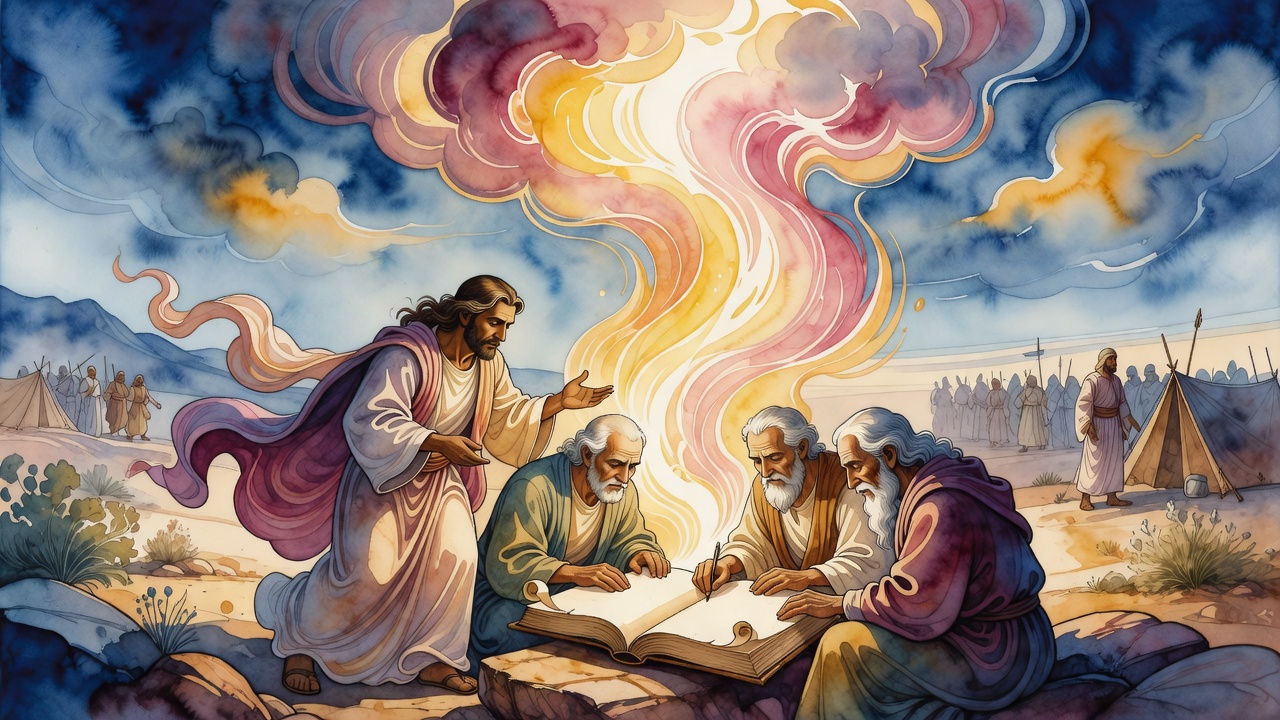
The scroll edges were still being thumbed flat when Amasa stopped in the doorway. First lines. The room leaning forward. A tractate had just opened, and the men on the benches had already gone in after it.
 Click for full size
David had sent him to muster Judah within three days. Sheba son of Bichri was in revolt. Riders, lists, the old machinery of emergency. The king's clock was running in Amasa's ear. He looked at the open page and did not pull a single man off the bench.
He had a verse in his mouth and a limit in his hands.
The Word That Stopped Him at the Door
When Israel pledged loyalty to Joshua, they said any man who rebels against his command should die (Joshua 1:18). A sweeping oath spoken in the first heat of succession. Amasa knew that verse. He could have used it. He could have emptied the room and met David's deadline with a full column.
He did not. The next words of that oath sat in his mouth like a stone: "only be strong and resolute." He heard a fence hiding in a sentence that looks like pep talk. Royal power stops at the threshold of Torah. The king may schedule marches. He may not schedule the silencing of the book.
Amasa turned from the doorway without a name on his list. Study is not a civilian hobby a general may interrupt at will. It is the one room where a king's clock loses jurisdiction. Three days of muster versus an open tractate: he chose the tractate and let the calendar break on him.
Joab Waited at Gibeon
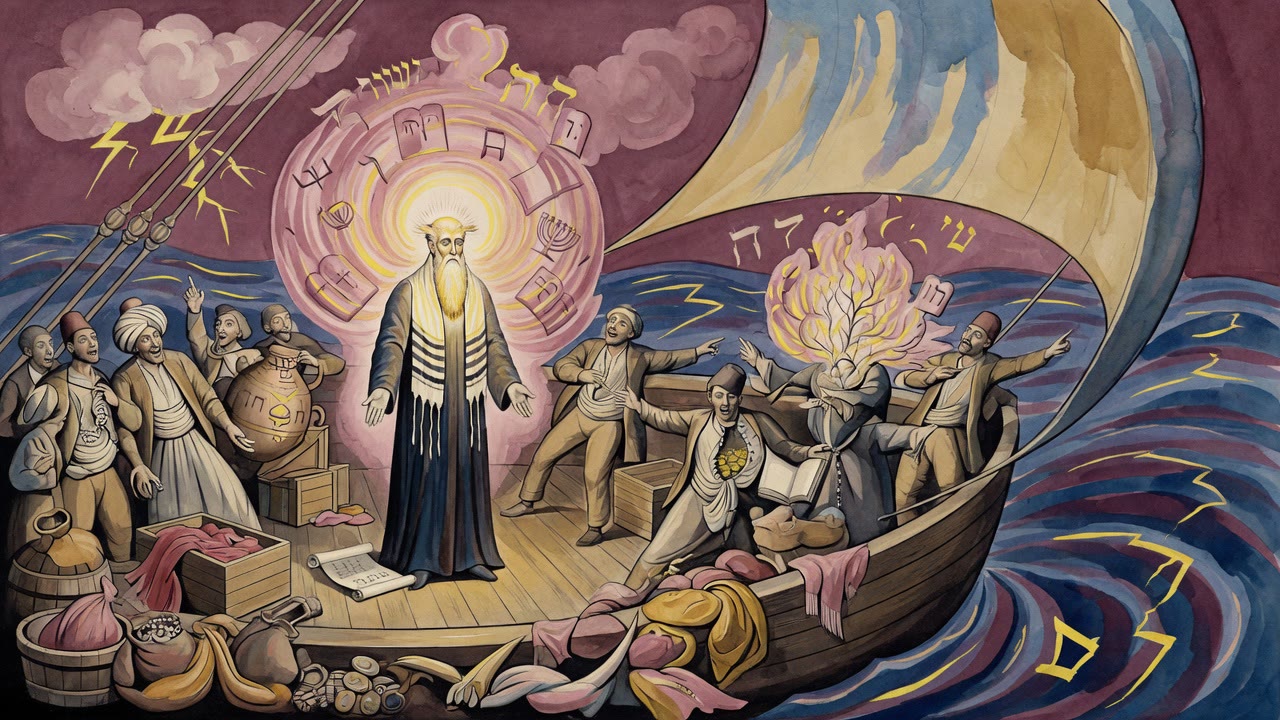
The three days ran out. Judah had not assembled. David sent Abishai after Sheba, and Joab went with him. Amasa came late down the road to the great stone in Gibeon, still in the king's service, still late.
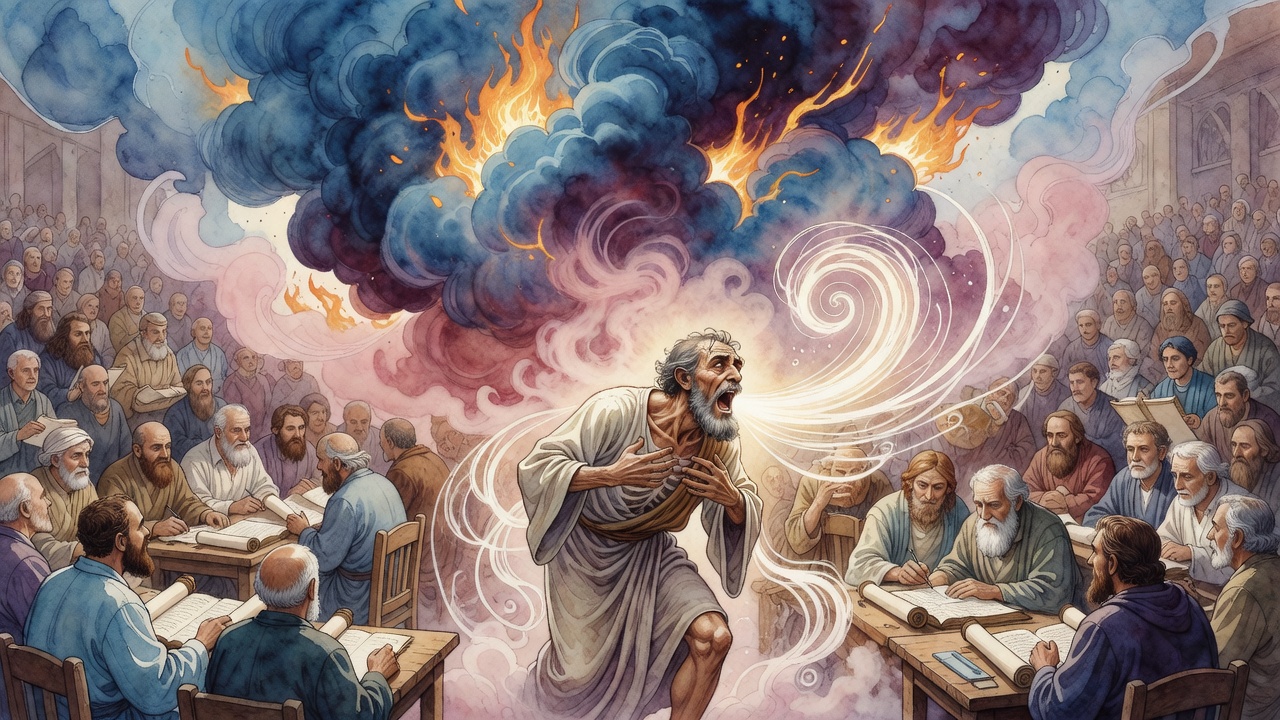
Joab's garment had a sword on a belt, and the sword slipped as if by accident. He took Amasa's beard with his right hand as if to kiss him. "Are you well, my brother?" The sword was in the fifth rib before Amasa could answer. His guts poured onto the road. Men stopped to look. Joab threw a garment over him and shouted the army forward (2 Samuel 20:8-13).
The tractate in the study house was still open. Amasa was not. Loyalty with a spine had a price, and Joab collected it in the dust at Gibeon. Boots can wait. Lines of law cannot be paused as if they were a market stall. A people that survives by both army and study will always need someone willing to be late for the army. That someone may not live to see the next muster.
Joshua Kept What Moses Never Said
Down the same book, Joshua stood over towns Moses had never named in his hearing and still did what the Lord had commanded Moses (Joshua 11:15). The wording is quiet and sharp. It does not say he kept what Moses taught him in private. It says he kept what the Lord commanded Moses. Even on matters never spelled out at his elbow, his judgment landed where Sinai had landed.
The same was said of Bezalel, who caught God's intent for the Tabernacle before Moses finished explaining the blueprints. True succession is not mimicry of every spoken line. It is a mind so steeped in the teacher's that new cases still ring true.
Joshua's total obedience and Amasa's late arrival share a root. Both measure action against a higher command than the nearest human voice. Joshua fulfills the Lord's charge to Moses even past Moses's explicit syllabus. Amasa refuses a royal syllabus when it would trample the Lord's ongoing speech in the study house. One lives as a conqueror. One dies under a borrowed kiss.
Rabbi Yishbav Emptied the Storehouse
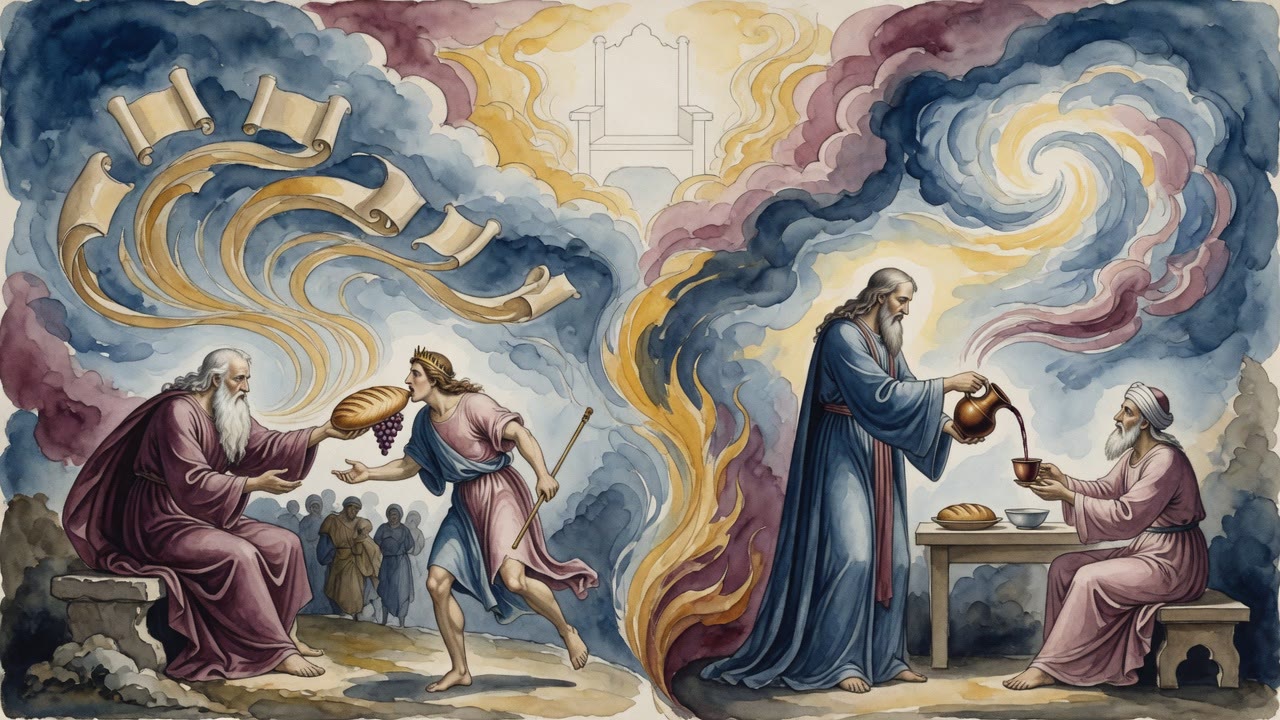
In a later house, Rabbi Yishbav opened every chest and gave his whole fortune to the poor. Hands empty. Storehouses open. The poor went out loaded. He stood in a room that had nothing left in it and called that a mitzvah.
Rabban Gamliel sent word: the sages capped charity at a fifth, lest a generous man impoverish himself and become a burden on the very community he meant to save. The law had been known, forgotten, then recovered by a later generation. A court that will fight for a teaching keeps it as if it were spoken at Sinai.
Limits appear twice in one neighborhood: on royal command, on reckless giving. Amasa paid with his life for refusing to close a book. Yishbav almost paid with his fortune for refusing to close his hand. Holiness is not maximalism. Holiness is knowing which threshold must not be crossed even for a good cause, even for a king, even for the poor.
Three days ran out. The tractate did not. Somewhere between those two clocks a man chose the page, and the road at Gibeon took the rest.
← All myths