Barzillai Fed David in Flight, and Rabban Gamliel Poured the Wine
Old Barzillai fed fleeing David and earned five mentions like five Torah books, while Rabban Gamliel poured wine for Rabbi Yehoshua with his own hands.
Table of Contents
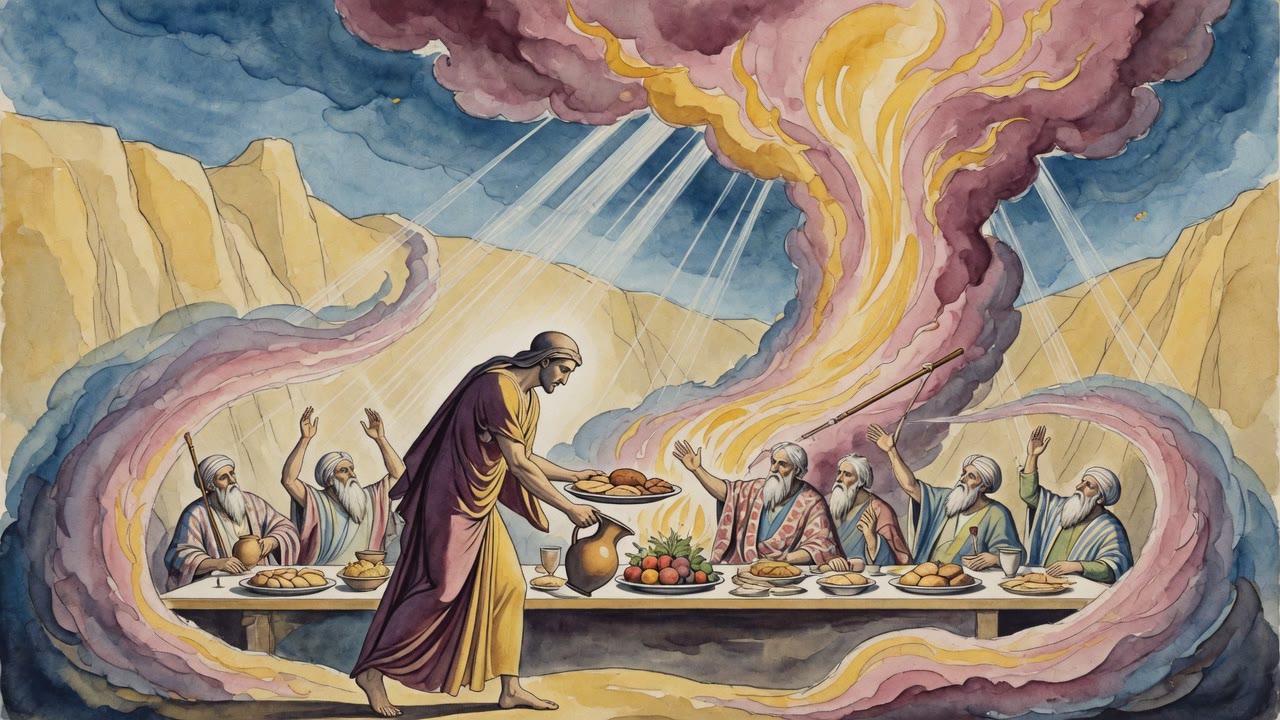
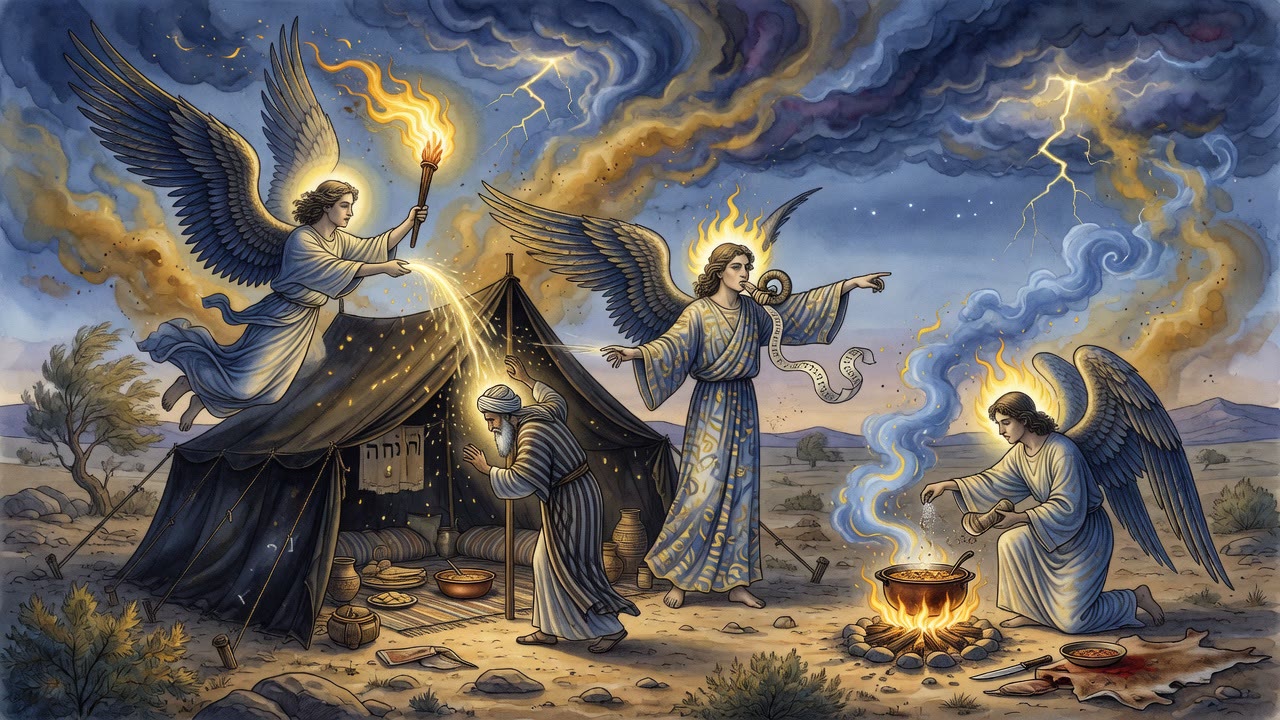
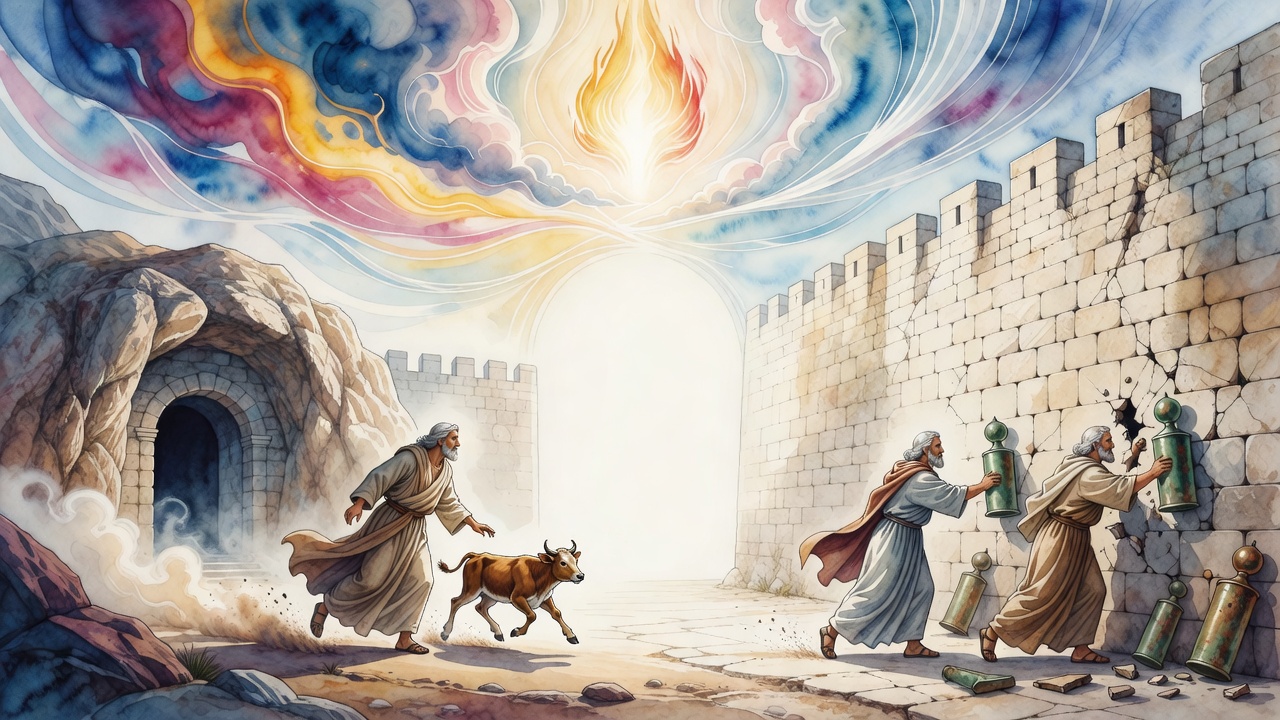
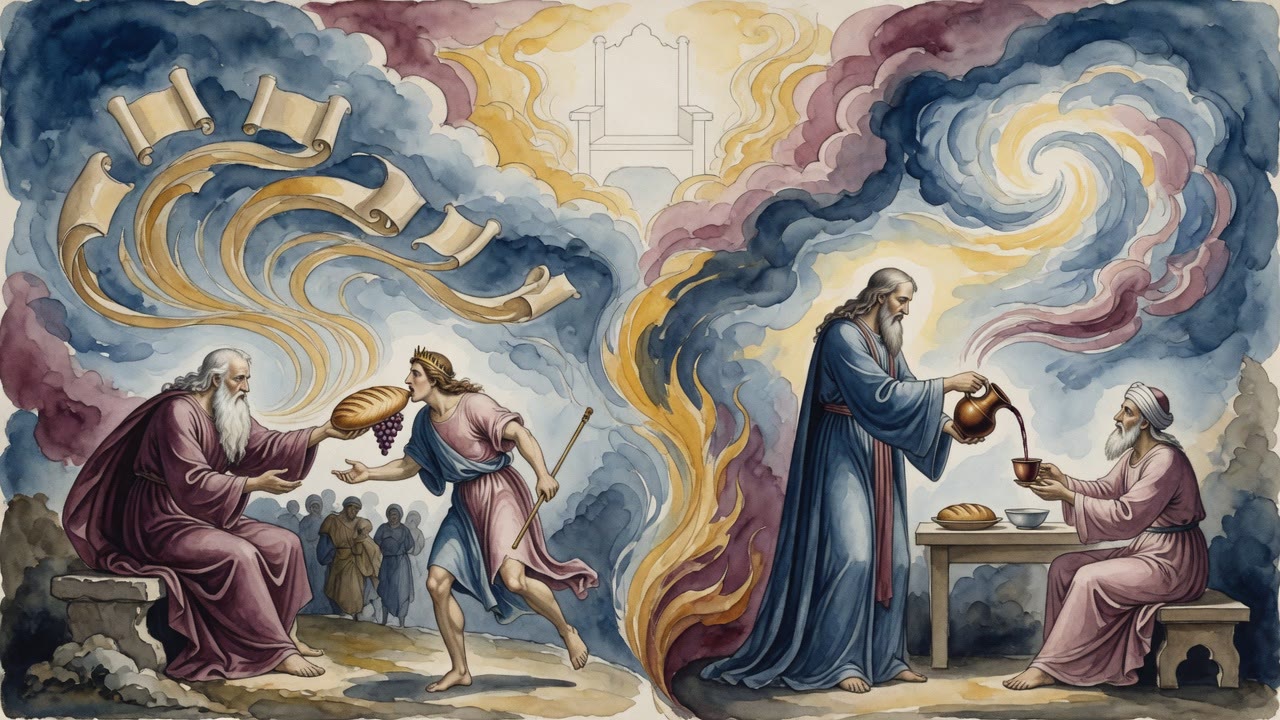
Barzillai the Gileadite was old when David fled across the Jordan, yet he loaded the king with food and walked him toward safety. Years later the parchment still lingered on his name. Five times Scripture wrote it. Five. Rabbi Yudan heard the five books of the Torah in those strokes of ink. To feed a righteous man when his table is bare is to live the Five Books without unrolling them. The old man's hands smelled of bread and river wind.
 Click for full size
Ink Spent on a Feeder of Kings
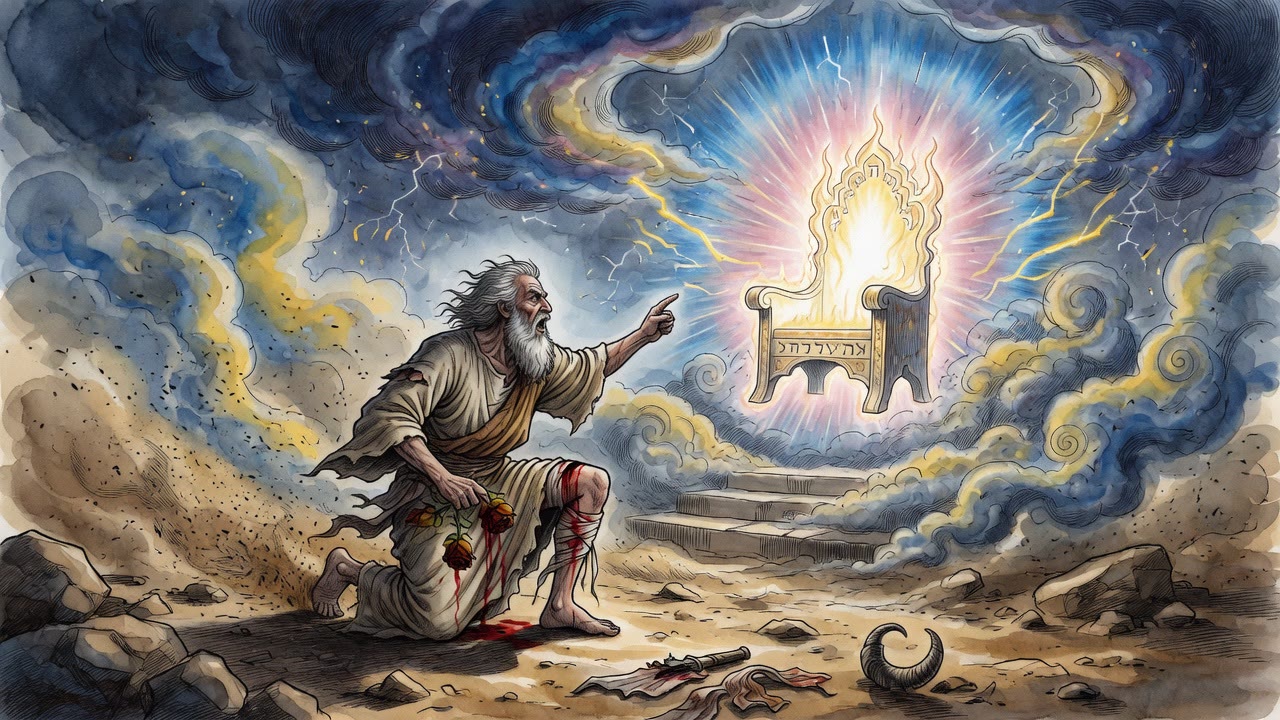
The Maggid leans over the scroll and asks why the reed pens break themselves on one Gileadite. The answer is not flattery of wealth. Barzillai gave when giving was dangerous, when Absalom's revolt made every loaf a political act. Kindness under risk is commandment with a pulse. The same midrash counts the sons of Heth ten times at Machpelah, ink poured for an honest purchase, and hears the Ten Words in the repetition. Fair dealing and feeding the hunted both get carved into the text until the count matches revelation.
David would later offer Barzillai a place at the royal table in Jerusalem. The old man refused, saying he could no longer taste food or enjoy song. He had already eaten the better meal: the merit of sustaining the anointed in flight. Courts can repay with seats of honor. Heaven repays by writing a name until it equals a library.
If your kindness never risks you, the parchment may not need five strokes to record it.
The Nasi Who Poured Like a Servant
Centuries on, Rabban Gamliel, head of the Sanhedrin, stood and served Rabbi Yehoshua with his own hands. He poured wine as if rank had been left at the door. Other sages stiffened. It seemed improper for the most powerful Jew in the land to wait on anyone. Yehoshua calmed them. Abraham, greatest of his generation, ran to serve three strangers, brought water, prepared a calf, stood over them while they ate (Genesis 18:1-8). God Himself feeds every creature with rain and grain. If the Creator serves, shall Gamliel not pour?
The room went quiet. Service did not diminish the Nasi. It joined him to Abraham and to the One who sustains birds and beasts. Barzillai feeding David and Gamliel pouring for Yehoshua are the same gesture in different centuries: the powerful hand becoming a cup. Hierarchy bows without dissolving. The leader remains a leader. He simply refuses to let leadership mean untouched hands.
Watch who pours when the important guests arrive. That pour is a theology whether anyone names it.
A Lamp That Outlasts Its Oil
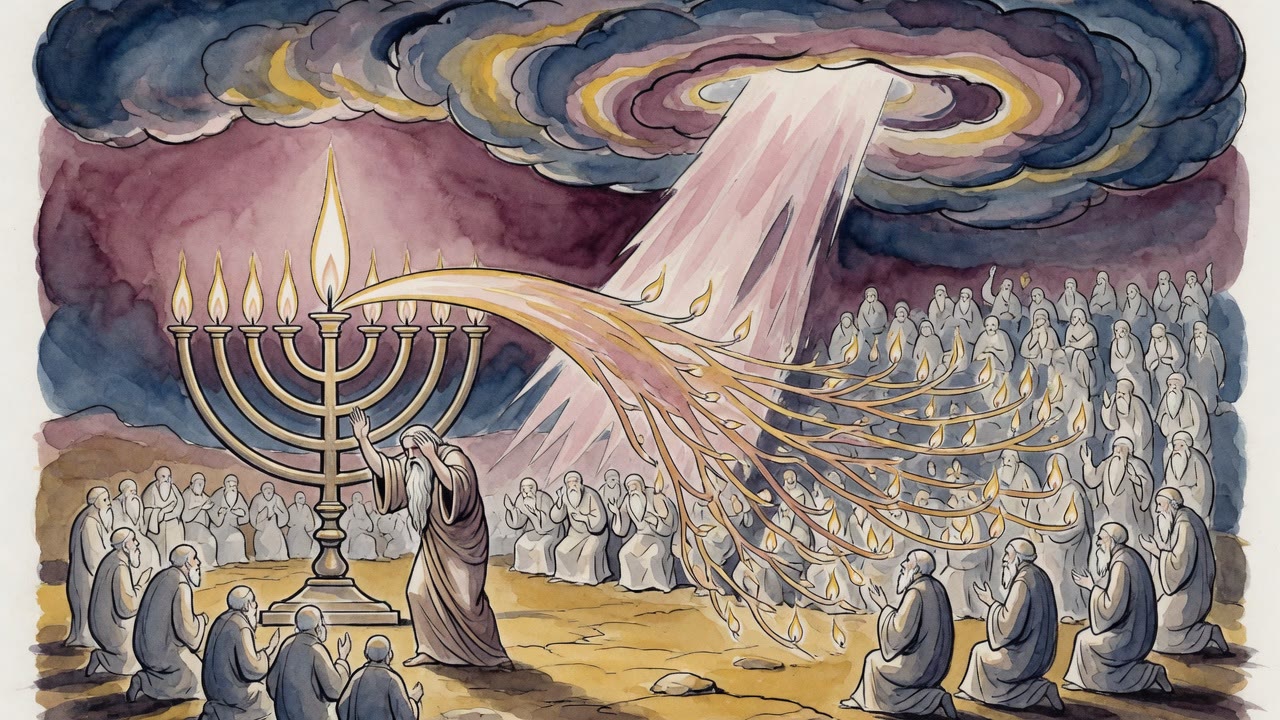
In the Sanctuary the western lamp of the Menorah received the same measure of oil as its companions, yet it burned after the others died. Each day the priest kindled the whole from that lamp and returned to find it still lit. God does not need the flame for light. He points to windows built to send light outward and asks whether a people who followed a pillar of fire could think He needs their lamp. The flame is testimony that the Presence still rests on Israel. A measured portion that outlasts its equals is a quiet daily miracle.
Hospitality is a western lamp in a human house. The same loaf, the same pour of wine, somehow outlasts the meal. Guests leave. The testimony remains: someone still feeds, someone still pours, the Presence has not packed up. One who dreams of olive oil, the sages say, may hope for the light of Torah, for pure oil is for the light.
Keep a lamp that should have gone out. Keep a table that opens when politics says close.
Five Books on a Gileadite Table
Count the times a name is written when the world is cruel. Count the times a leader becomes a waiter. Count the mornings a lamp still burns. The myth says these counts are not decoration. They are how Torah hides inside ordinary courage. Feed the fleeing. Pour for the guest. Keep a light that should have gone out.
When your hands are full of power, look for a cup. When your hands are full of bread, look for a king in flight. The parchment is still willing to spend ink on such names. Do not wait until you are young and strong. Barzillai was old. Do not wait until service is fashionable. Gamliel poured while others frowned. Do not wait until the miracle is loud. The western lamp works with the same oil measure as its neighbors and still outlasts them.
Set the table. Lift the flask. Write your name in bread.
Service looks small until you need it. A fleeing king remembers bread longer than he remembers speeches. A weary sage remembers who poured when the room was full of men who only sat. Write those acts in the same ink you use for grand histories, and the ink will not complain about the subject.
← All myths