Ruth Crossed Into Judah While Peretz Broke Through
The midwife tied scarlet thread to a wrist that came out first. The wrist vanished. The boy who shoved past was named Breach.
Table of Contents
 Click for full size
The Hand That Came Out First
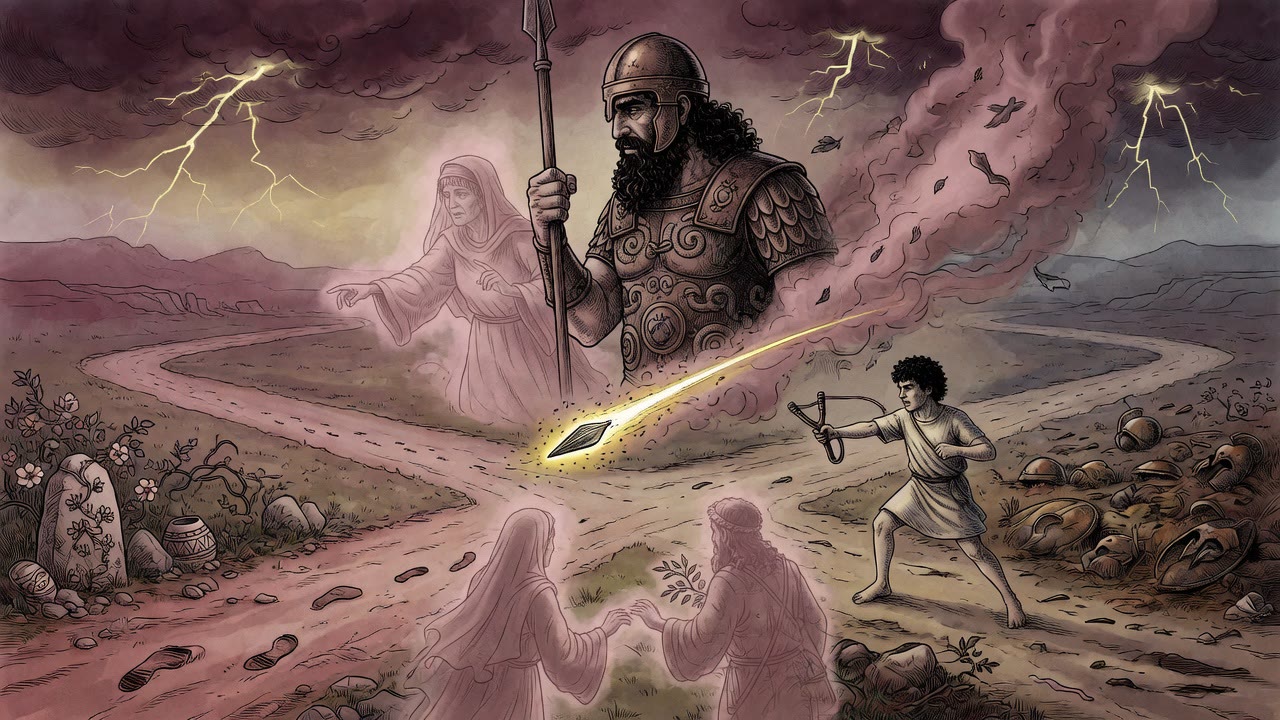
The tent smelled of birth and blood. A midwife crouched where the light was worst, waiting for a head. What came instead was a hand.
She grabbed it. She tied a scarlet thread around the wrist so the first would stay first. Then the hand pulled back into the dark, as if the boy had changed his mind. The other brother shoved past and took the air with a cry that filled the tent. The midwife named him as the moment named him. Peretz. Breach.
The hand that retreated belonged to Zerah. Two boys. One thread that no longer meant first. Tamar lay still and listened to the names. Birth itself had already become a fight over who would stand in front.
Ruth Put Her Foot on the Road
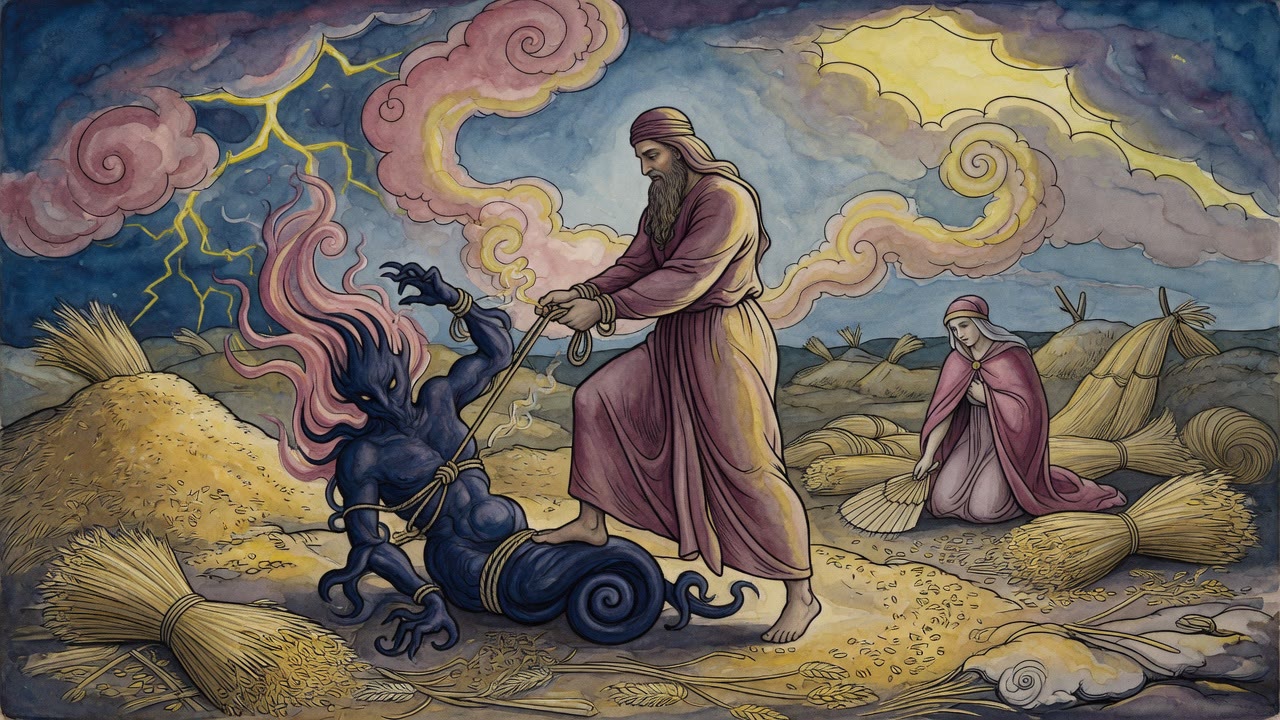
Ruth put her foot on the road toward Bethlehem and did not take it back. Orpah turned. Dust stuck to Ruth's ankles. Moab fell behind her like a country that had never been able to hold her.
She crossed into Judah with nothing that a border guard would have counted as proof. No father waiting. No clan seal. Only a road and a vow she had already spoken. Rabbi Alexandri would later refuse the simple count. Ruth did not arise from Moab the way enemies count ancestry. She stood on Judah's side. Obed after her, and the line after him, counted the same way. Allegiance moved faster than blood.
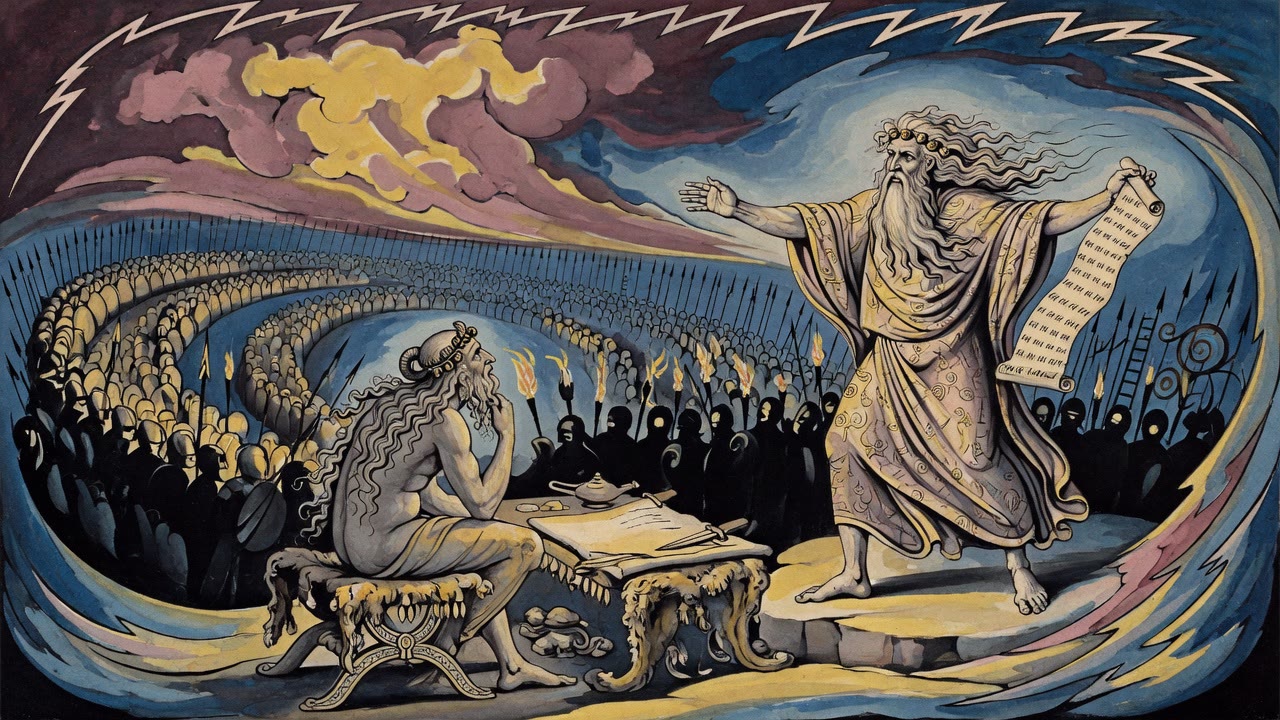
Night still belonged to the nations, if Rabbi Levi was right. He set the clocks of judgment on two schedules. The nations are judged at night, while sleep pretends they are clean. Israel is judged by day, while the people sit over Torah, hands on parchment, mouths still forming arguments. Ruth walked in daylight. She refused to stay night.
Yeter Walked Into Jesse's Hall
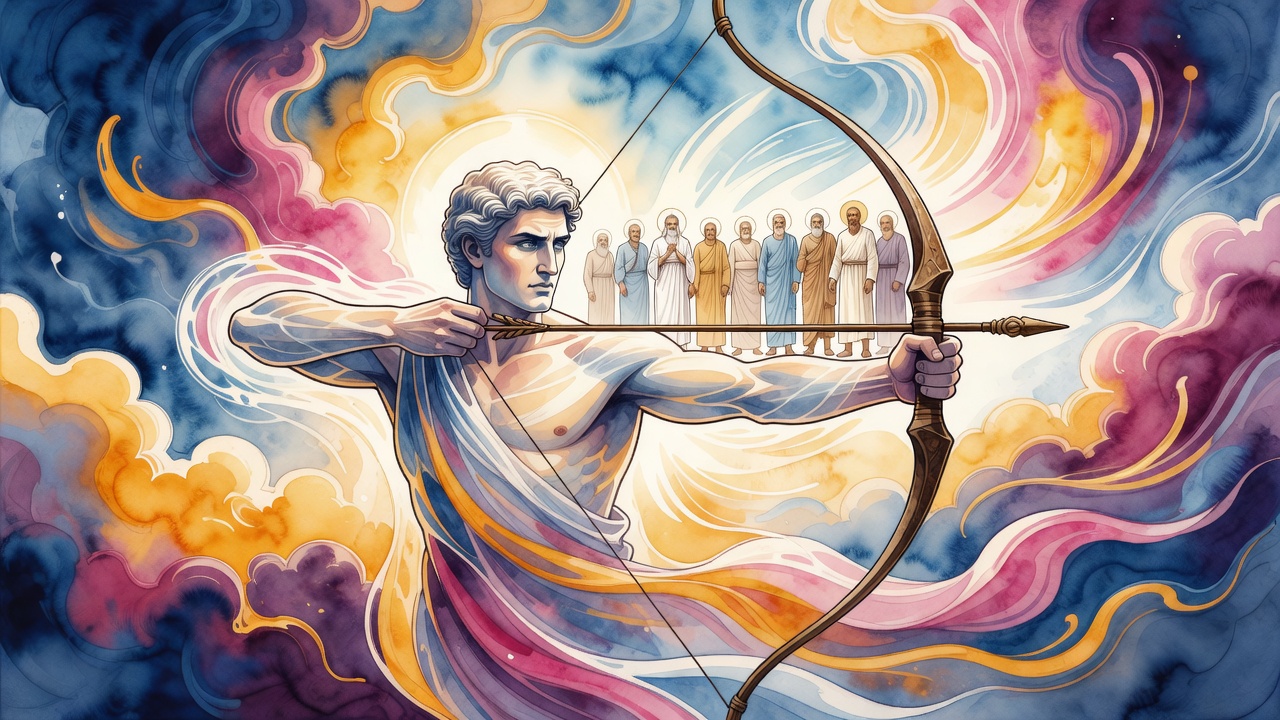
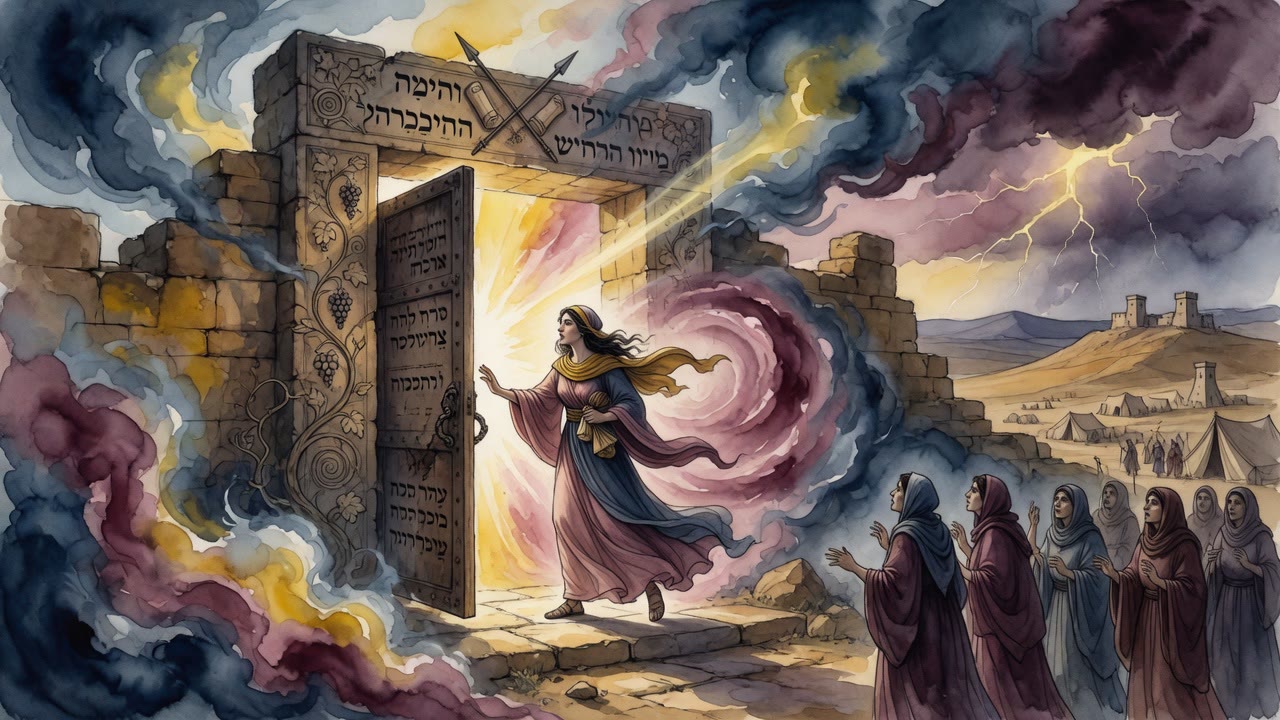
In the study hall of Jesse, a man named Yeter heard a verse cut the air. "Turn to Me and be saved, all the ends of the earth" (Isaiah 45:22).
The room was not looking at him. Scrolls were open. Mouths were still working. The verse found him anyway. Scripture calls him Yishmaelite in one book and Yisraelite in another. Rabbi Shmuel bar Nachmani held both names without panic. Yeter entered as one thing. He left as another.
He did not weep his way in. He stood in the doorway with a blade that knew work. Some said Jesse gave him a daughter because the verse had already claimed him. Others said he was called Yisraelite because he sharpened his sword like Ishmael and still walked into the house of learning, warrior steel bent toward Torah. He took a new name the way a man takes a vow. Conversion in this telling is not a soft emotion. It is a man who changes the name he answers to when the scroll is open.
Four Hands Stretched Toward Jericho
Years later, in a hall that smelled of cedar and ink, Rav Huna counted hands on the page of that birth. Four mentions. Four futures.
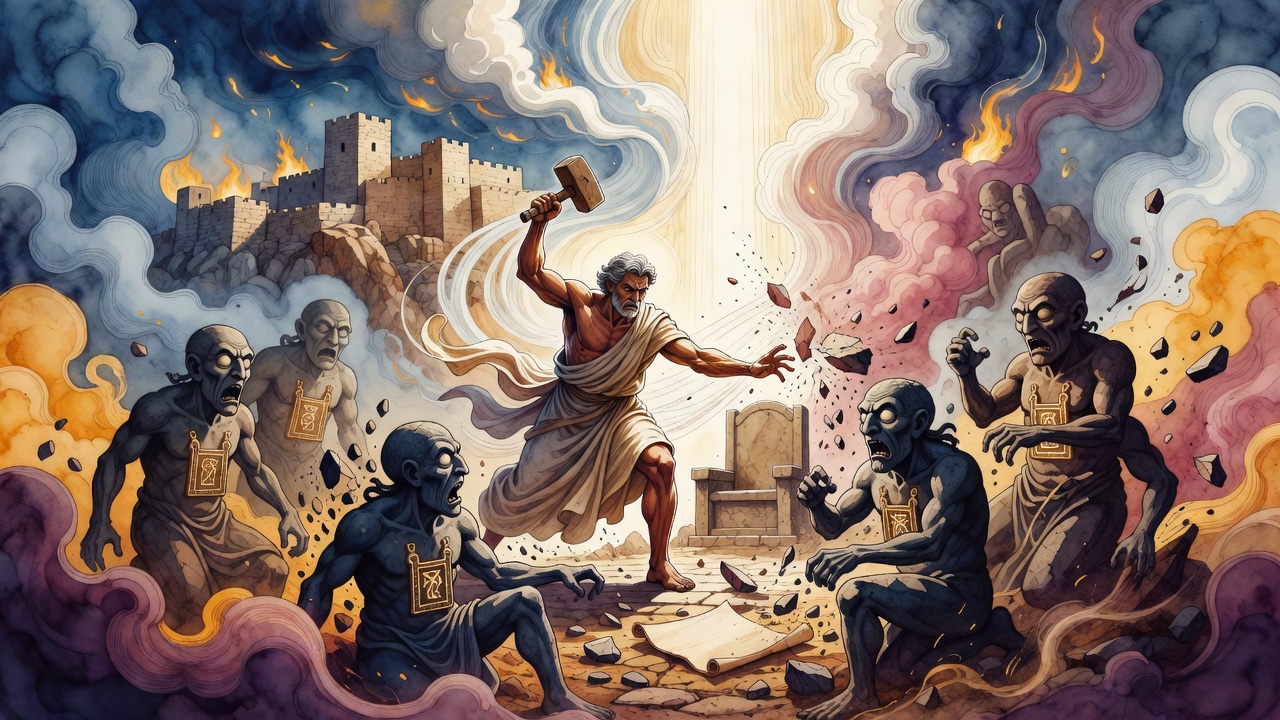
"Four bans," he said, and stretched his own hand as he spoke. A descendant would one day stretch a hand against Amalek, against Sihon and Og, against Jericho, against the Canaanites. The breach in the tent was already a campaign.
Rabbi Yudan shook his head. He counted the same four hands and sent them toward theft. Achan would take from Jericho's banned spoil: the mantle of Shinar, the silver, the gold wedge, the reach that ruins a campaign. One gesture in the womb. Two futures of the hand.
Micah's verse about the breaker who goes up before them found its ancestor in the boy named Breach. The midwife's word was trusted like a traveler's report of a caravan, or a woman's declaration of purity inside its proper time. Birth witnesses carry the future in their mouths because the future first arrives as a cry and a name.
The King Inherited Open Doors
Ruth walked into Judah as a living breach of ordinary blood-logic. Peretz was born as a living breach of birth order. The line that would one day include David ran through both doors. Ruth's great-grandson by the ledger of the scroll did not inherit a smooth chart. He inherited shoved births and chosen roads.
In Bethlehem the barley fields did not know they were waiting for a Moabite. The study hall of Jesse did not know it would rename a man mid-verse. The midwife in Tamar's tent did not know her scarlet thread would become a ledger of bans and thefts. Each scene only knew its own pressure. The royal line grew out of that pressure like a plant forced through stone.
When David later ran and sang and failed and returned, the old breaches were already in his blood. Ruth's road dust. Peretz's name. Yeter's double label. Judgment by day over open books. The king did not invent the pattern. He inherited a family of open doors that refused to stay closed.
The scarlet thread still hung in the midwife's memory, tied to a wrist that had refused to stay first. Down the road, dust still clung to a Moabite's ankles. David would sing under both marks. The doors stayed open.
← All myths