Sarah Lived Every Year With Equal Weight
Only Sarah's age is counted year by year at death. Each of the hundred twenty-seven was full, even the barren decades the stars had written empty.
Table of Contents
 Click for full size
The Only Counted Woman
When Sarah dies, the Torah does what it does for almost no other woman. It counts. A hundred years, twenty years, seven years (Genesis 23:1). Not a lump sum tossed into a grave speech. A ledger that refuses to blur the decades together, as if heaven itself insists on itemizing her life before dust claims the body.
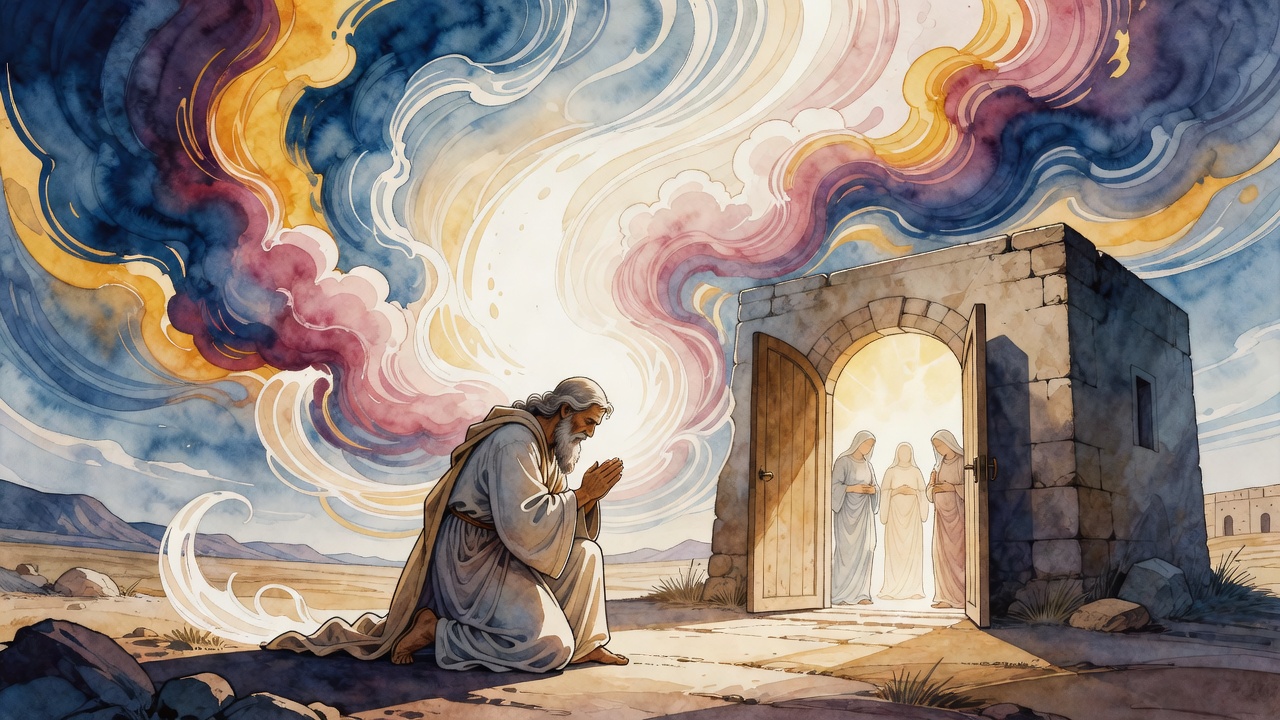
Why her? Because every year was equal in life. Not equal in comfort. Equal in weight. The barren years were not blank pages. They were years of prayer thick enough to bend a sky that had already written her childless in the stars (Shabbat 156a). Astrologers had closed the file. She kept opening her mouth toward a God who listens for the sound of righteous need.
Rachel will later cry, "Give me children or I am dead" (Genesis 30:1). The Talmud hears that cry as law: a woman without children is as if dead (Nedarim 64b). Sarah lived that "as if" for most of a century and still filled each year until the count could stand upright at her grave without apology, each block of years wearing the same crown of the word years.
Prayer Against the Stars
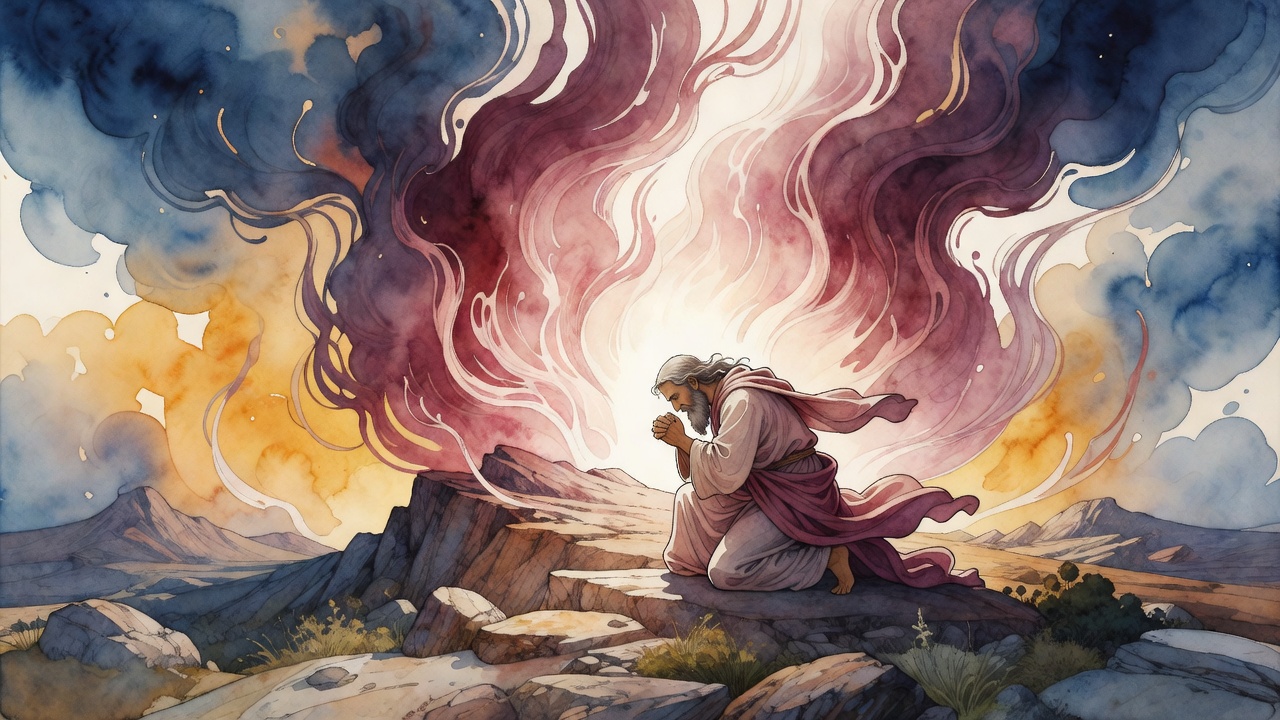
The midrash says the matriarchs were held barren because God desired their prayer. He wanted the sound of righteous mouths more than an easy birth, more than a quick line of heirs for the promise. Sarah prayed until merit piled higher than destiny. The stars had spoken. Heaven rewrote the chart in a hand the astrologers could not cancel.
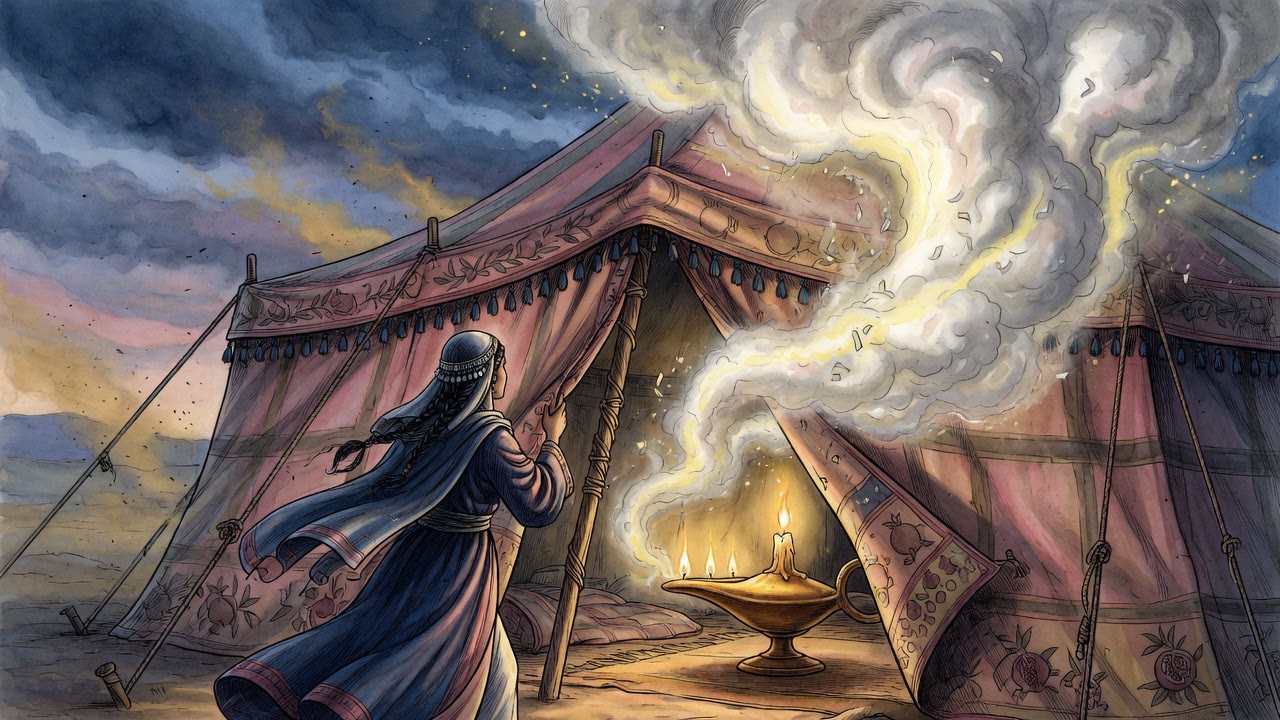
Isaac arrives late, a child of overwritten fate, laughter turned to awe in a tent door. When the Torah tallies Sarah's years at death, it is not biography for clerks in a palace. It is a verdict: none of those years were waste, not the tent years of hospitality, not the fear in Egypt when her beauty became a danger, not the long quiet when other women's children ran past her door and she blessed them anyway.
Equal weight means the year of waiting counts like the year of nursing. Heaven does not grade a life only by its visible harvest. A sealed womb can still be a full life if the days inside it were spent upright, if the prayers were real, if the bread for strangers still came out of the oven on time.
While Abraham Walks Blind
Abraham leaves on a command without a city name. Sarah walks the same vagueness inside a body the stars called finished. His road is sand and famine and foreign kings. Hers is the monthly silence of an empty womb and the politics of a promise that keeps not arriving. Both are asked to treat silence as speech.
When famine drives them to Egypt, she is taken into danger for the promise that still has no baby in the tent. The years keep their equal weight even when the tent is a palace prison and her name is handled by strangers. She does not get to pause the count until the story becomes kind. Kindness is not the condition of her fullness. Fullness is the condition she brings into unkind rooms.
A generation leans on one righteous life the way a flood generation leaned on Noah across stages of rising and resting. Completeness is not one heroic day. It is righteousness across many small deaths of hope that refuse to stay dead. Sarah's generations, in that sense, are years, each one a stage she did not abandon when the stage was only waiting and the audience was only God.
What the Count Protects
At Machpelah the numbers are read aloud like a psalm. One hundred. Twenty. Seven. Each block crowned with "years," as if to stop anyone from saying the early blocks were lesser life. The woman who laughed in the tent door is buried under a total that will not let the laughter or the barrenness be erased by a single summary word.
Abraham weeps and rises to buy a grave at full price. The field becomes a foothold in a land still mostly promise. Sarah's counted years are the first permanent claim: not only dust, but a life that heaven itemized. Later women will keep new moons as reward for refusing the calf. Sarah keeps something quieter: a death notice that treats her whole span as living.
The protection she offers the generations is not a speech from a throne. It is a calendar that refused to call any year null. Dust settles on the cave floor. The count remains clean. Children not yet born will learn that waiting can be holy without being easy, and that a life heaven bothers to count year by year is a life that already won something the stars cannot cancel, even when the stars spoke first and loud.
← All myths