Saul Sends Killers for David With No Warning
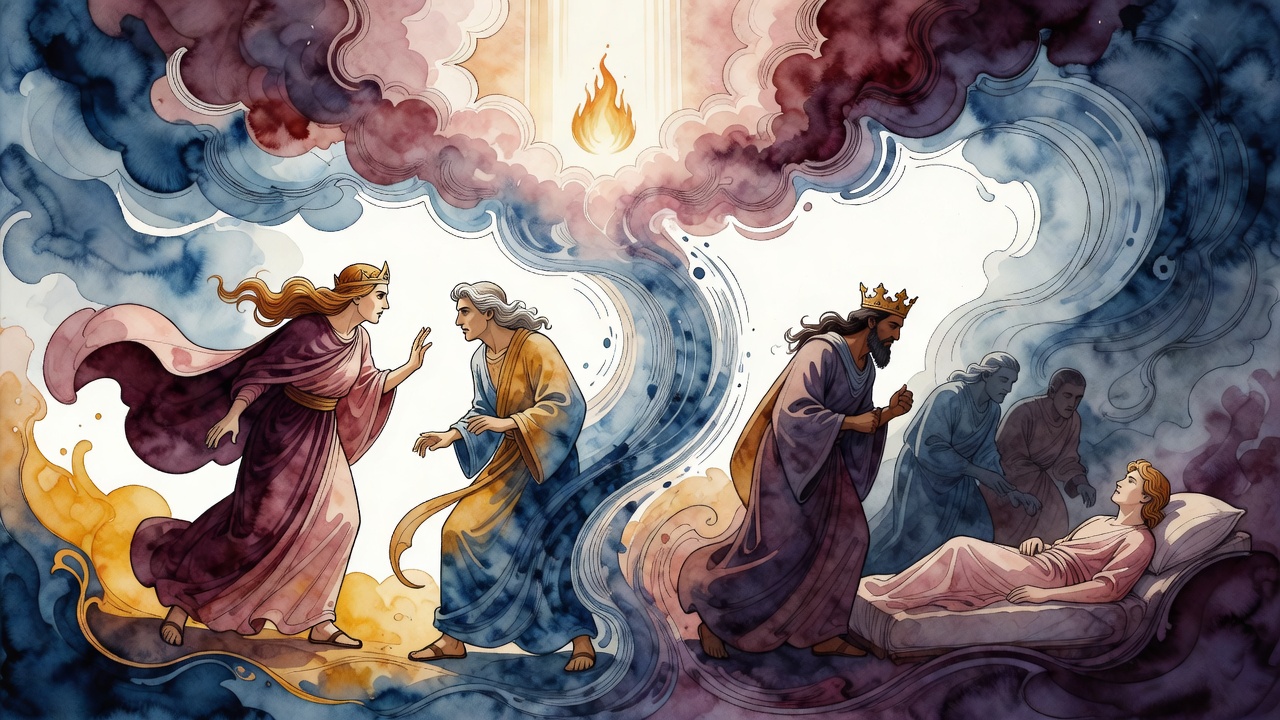
Jezebel warns Elijah of the hour she will kill him. Saul sends men to Davids bed in silence. The anointed king falls short of a cruel queens courtesy.
Table of Contents
 Click for full size
Watch the House Until Morning
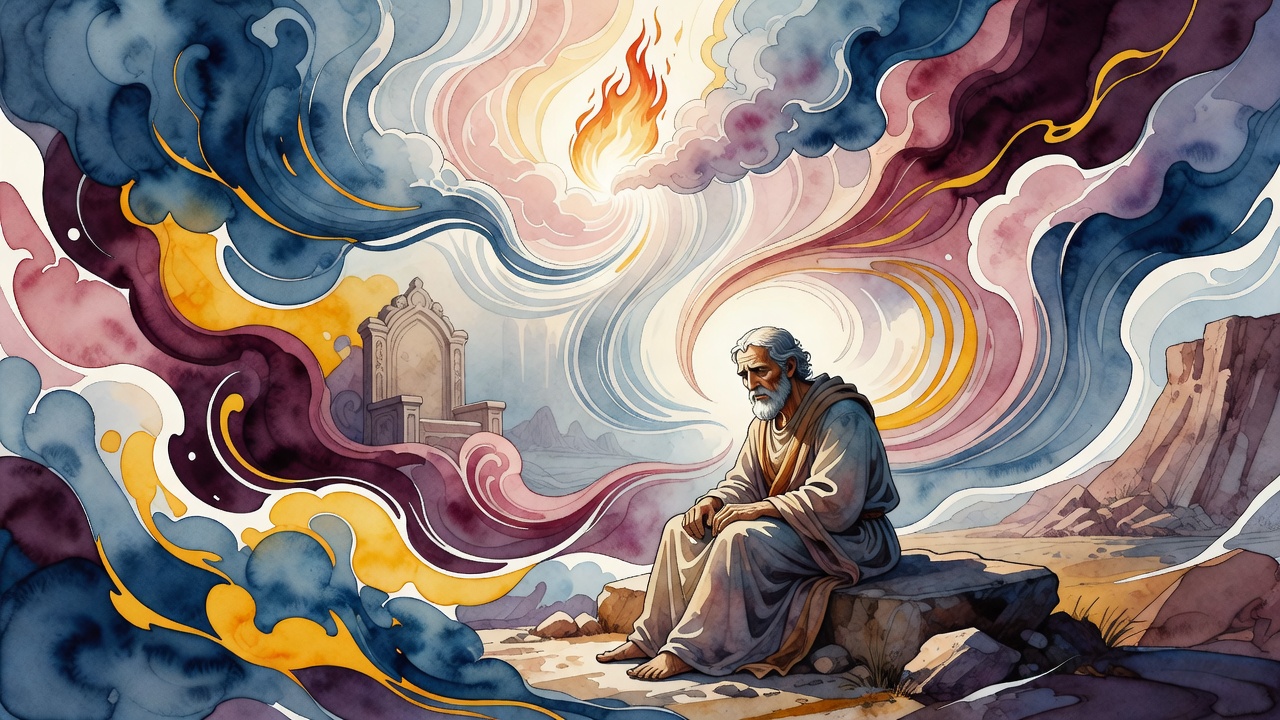
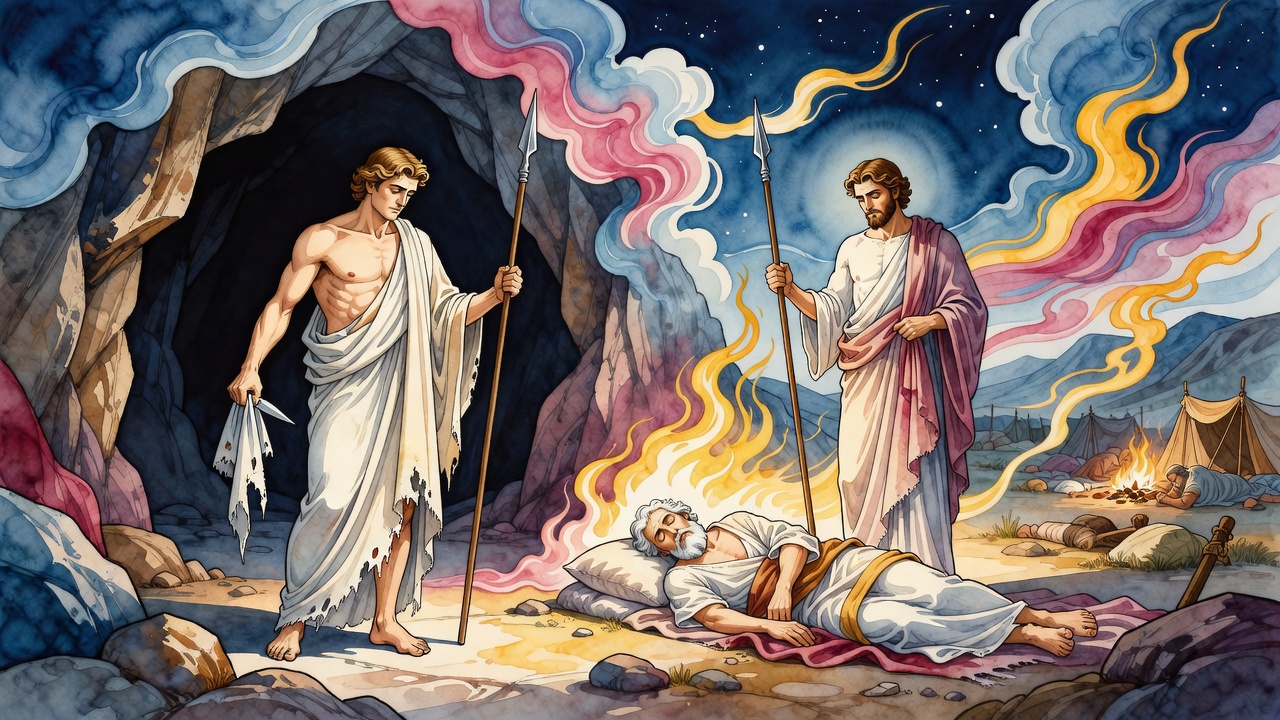
Saul sends messengers to David's house to watch him and to kill him in the morning. No herald rides ahead with a trumpet. No hour is named for the court to hear. No door is left ajar on purpose. The anointed king of Israel sets an ambush on a bed.
The men take their places in the dark. Inside, David still breathes as a son-in-law and a harpist and a soldier who once soothed this same king's terror with strings when an evil spirit pressed the royal mind. The house that heard music will hear, if the plan holds, only the soft steps of killers before dawn.
Michal will lower David through a window. A household idol will lie in the bed as a decoy. The ambush will fail. The shame of the attempt will not.
Even Jezebel Named the Hour
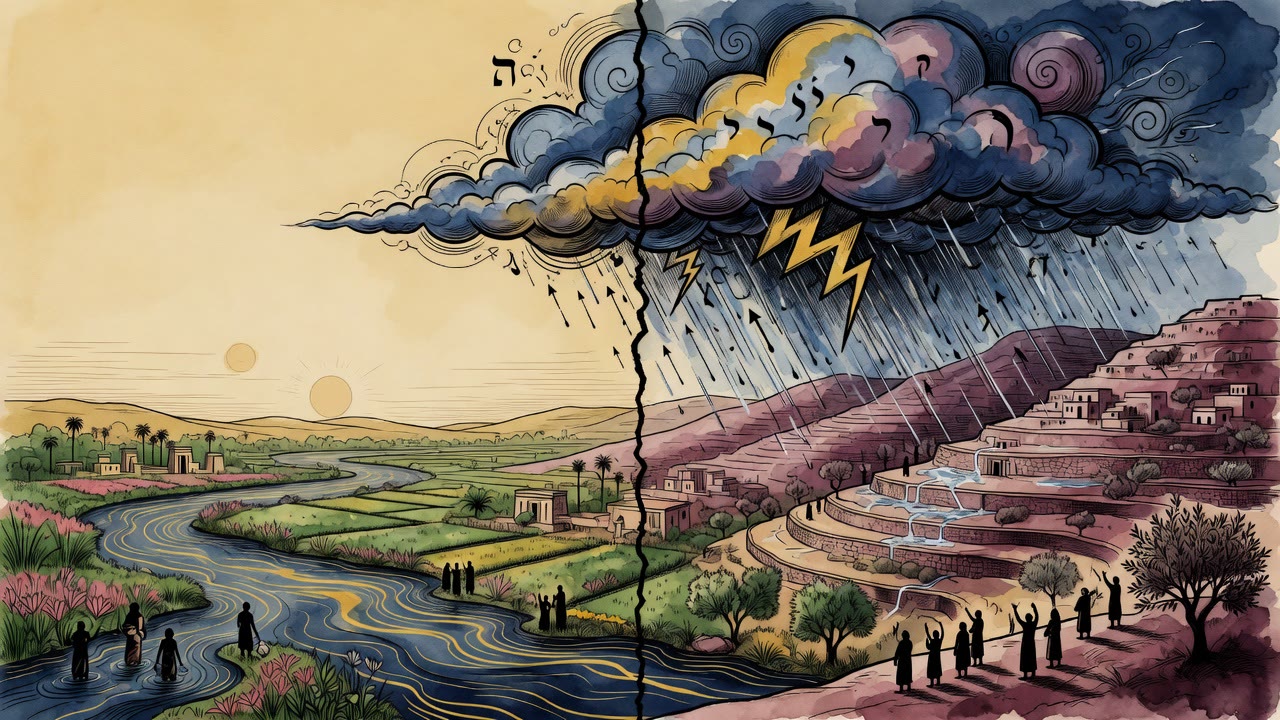
The sages set a mirror beside the ambush that cuts deeper than any sermon. Jezebel, daughter of idolatrous priests, steeped in cruelty, sends word to Elijah: "About this time tomorrow I will make your life like the life of one of them." A death threat, yes, but a warning. She announces the hour. She leaves him an opening, a night to flee, and Elijah escapes into the wilderness with his fear and his life.
Saul gives his rival none of that. No letter. No tomorrow. Only silent men and a dawn appointment with a blade. Rabbi Yehuda son of Rabbi Simon cuts the indictment sharp. Israel is told it has not even kept the standards of the nations around it. The pagan queen gave her enemy a chance to run. The king of Israel gave his none. You did not even act like the wicked. The prophet Ezekiel's thunder finds a proof in a bedroom siege.
Chosen, Rejected, Not Brought Back
Chosenness is no simple road. A noblewoman once pressed Rabbi Yose on God's favoritism, and he set a basket of figs before her and watched her pick only the ripe. "You know how to choose the good fruit," he said. "Shall the Holy One know less?" But chosenness still has paths that split.
Aaron was chosen for the priesthood, rejected when the LORD's anger burned against him, then brought back: "Take thou unto thee Aaron thy brother." Saul was chosen as king, then rejected, and never brought back. David was chosen, rejected too, fleeing barefoot up the Mount of Olives with his head covered, weeping, even under a ban he accepted upon himself, and still drawn near again when his teacher Ira the Jairite brought him home to God's testimonies.
The difference is not only oil on a head. It is what a man does with power when fear of a rival eats him. Saul's fear becomes a silent siege on a bedroom. David's later brokenness still knows how to return.
Weapons of War Perish
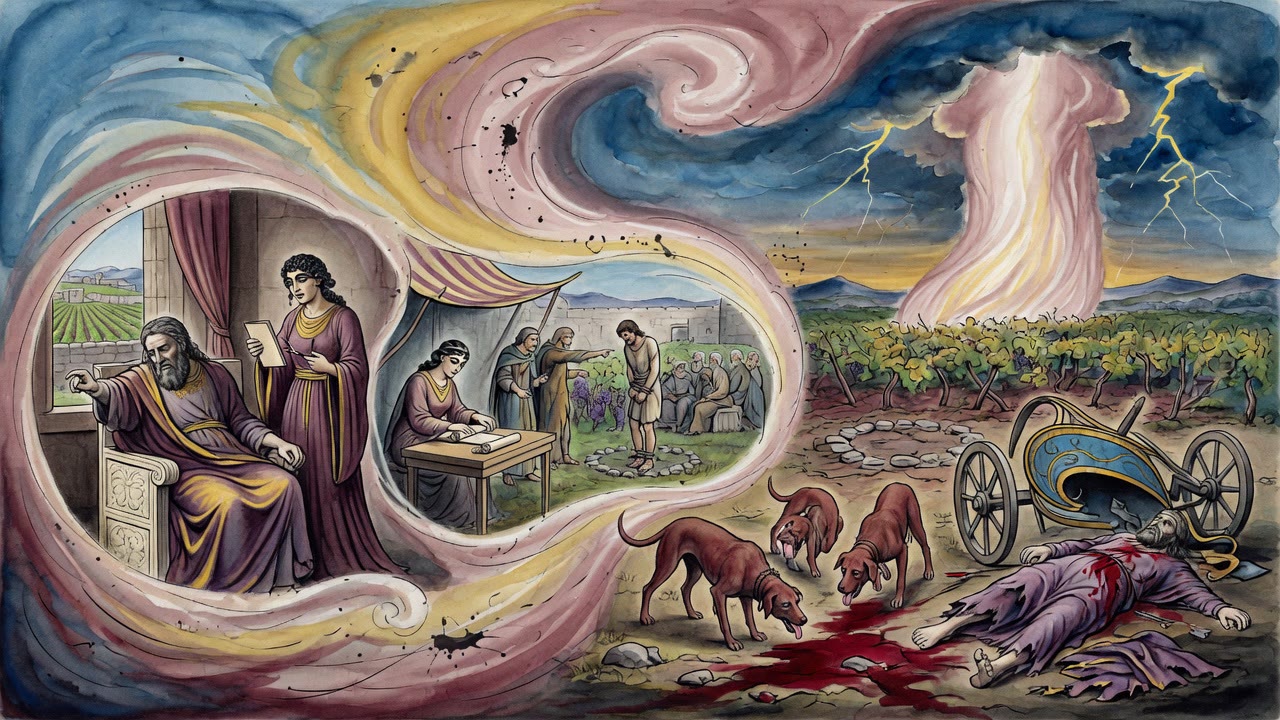
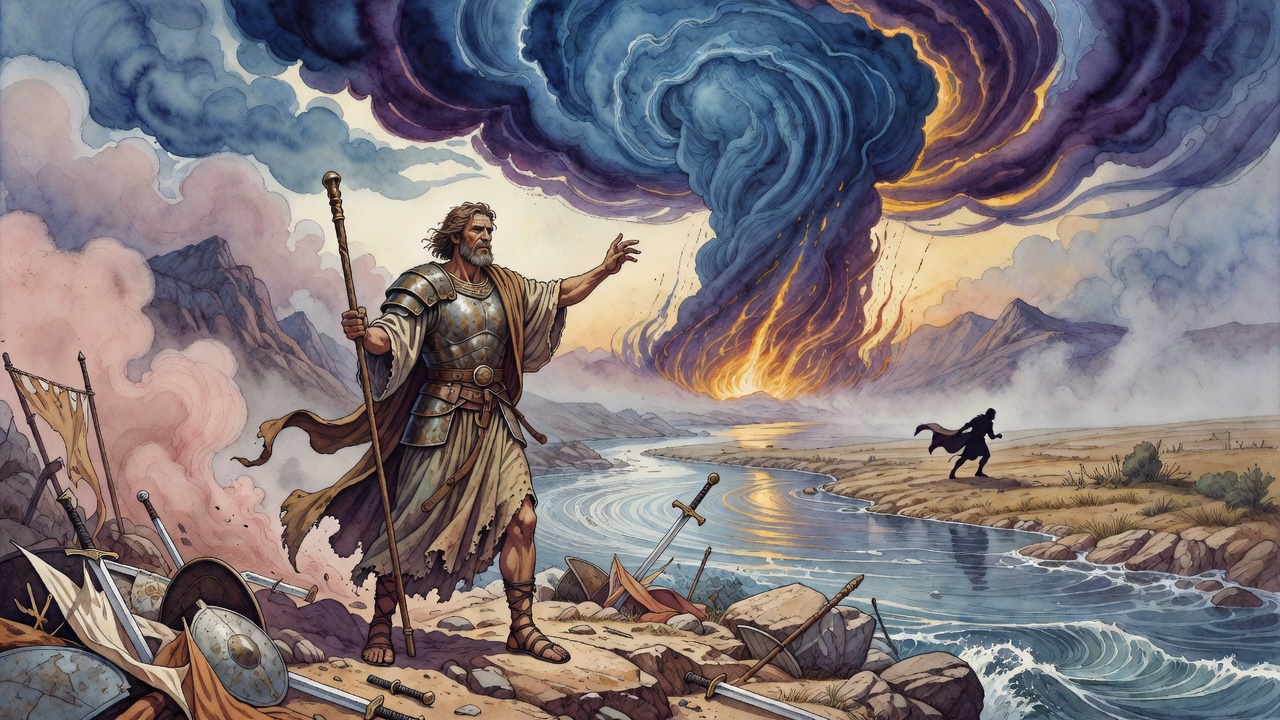
Years on, over the bodies on Gilboa, David raises his lament into the wind. "I am distressed for you, my brother Jonathan; your love to me was wonderful, surpassing the love of women." The sages hear in that phrase Michal and Abigail, the two women David won and cherished, and still Jonathan's love outweighs them. Abigail he possessed in this world. Michal, torn away and given to another, would be restored in the world to come. The lament becomes promise as well as grief.
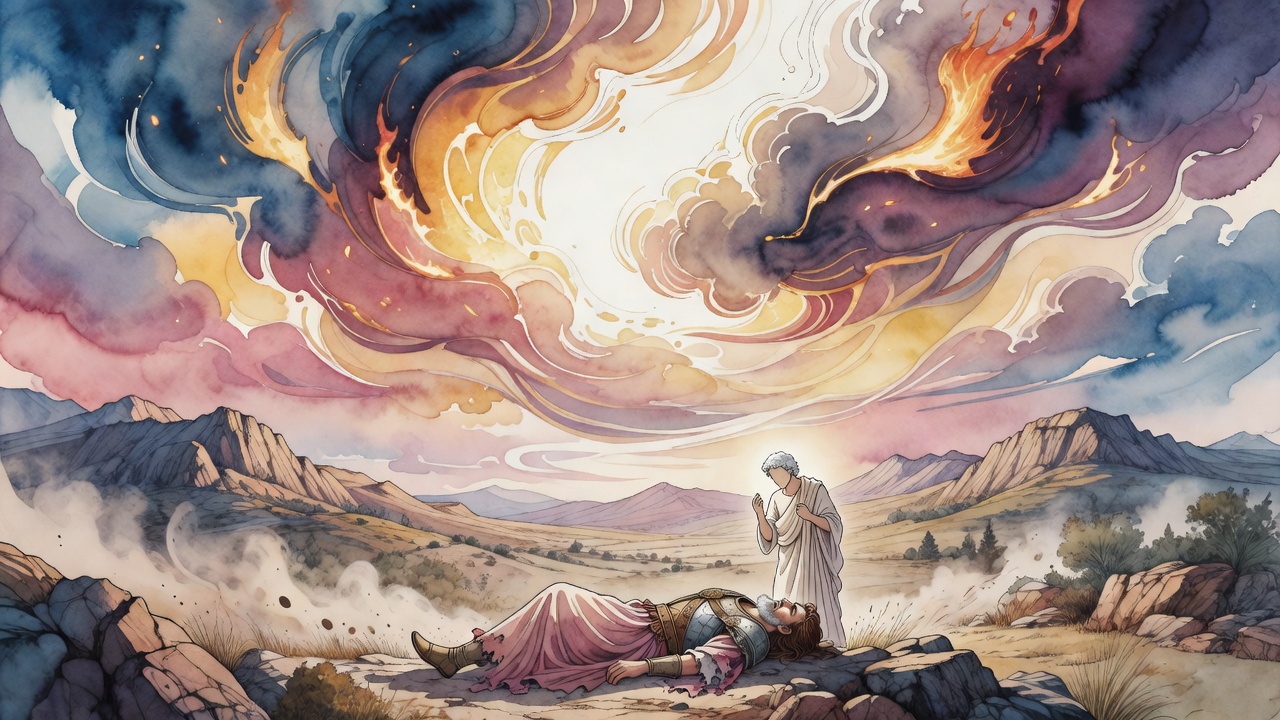
"How are the mighty fallen, and the weapons of war perished!" Who are these weapons that perish? Rabbi Hanina and Rabbi Yonatan teach the same truth. The righteous themselves are the weapons of war. When a tzaddik falls, it is as though an army loses its sword and shield. Saul and Jonathan were not merely warriors with weapons. They were the instruments by which Heaven guarded Israel. Their death disarms the nation, and David mourns not only men but the loss of Israel's true defense.
The man who once sent killers without warning dies with his son, and the survivor who fled the ambush must now mourn the very house that hunted him.
The Courtesy of Cruelty and the Silence of Anointing
Jezebel's warning was not mercy of heart. It was a cruel queen's form, a schedule of murder that still left a night of flight. Saul could not rise even to that form. The oil on his head did not teach him the minimum courtesy of a named hour. He chose the quiet murder of a morning and lost the right to be remembered as merely tragic.
David lives. Jonathan dies on the mountain with his father. The weapons of war perish. The story of the ambush stays as a measure: when the anointed fall below the standard of the wicked, heaven has already begun to look for another head for the crown, and the harp that once calmed a king will one day sing over that king's corpse without forgetting the night the killers watched the house.
← All myths