The Servant Rested Before Circumcision Could Be Done
A master buys a servant Friday near sunset and cannot cut the covenant before dark. Akiva still grants the man Shabbat rest beside the household.
Table of Contents
 Click for full size
Friday Light Running Out
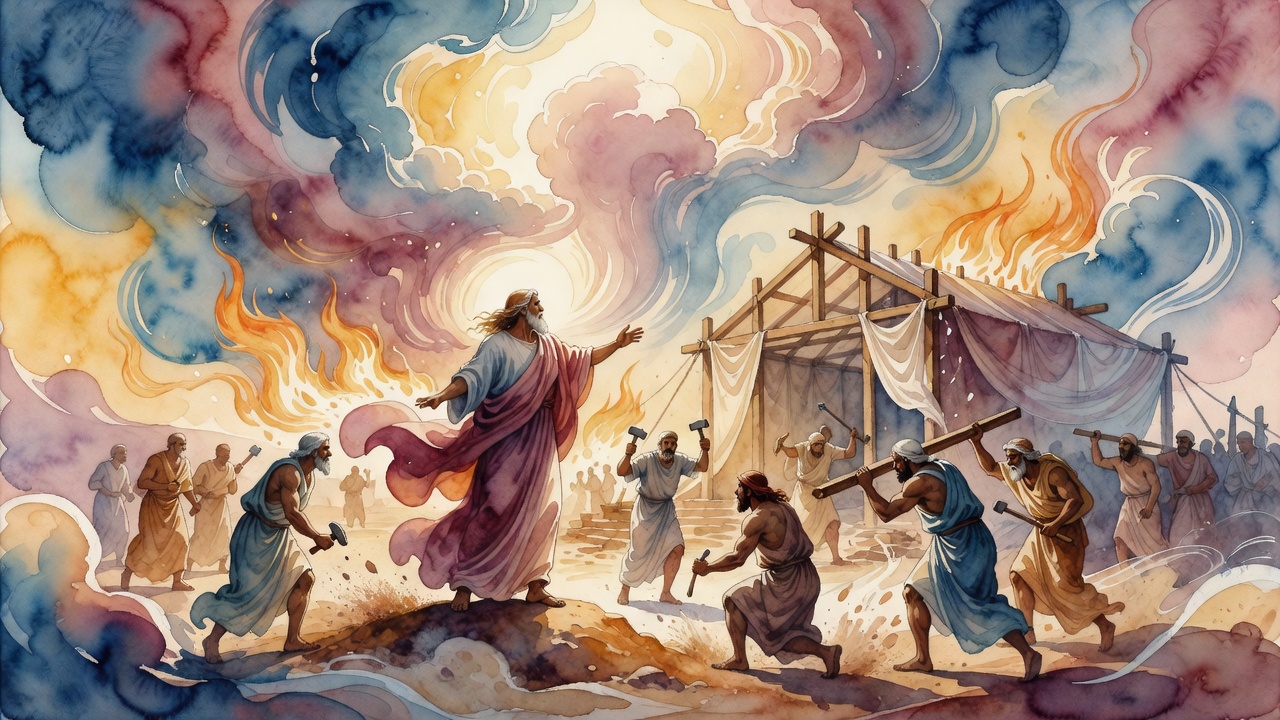
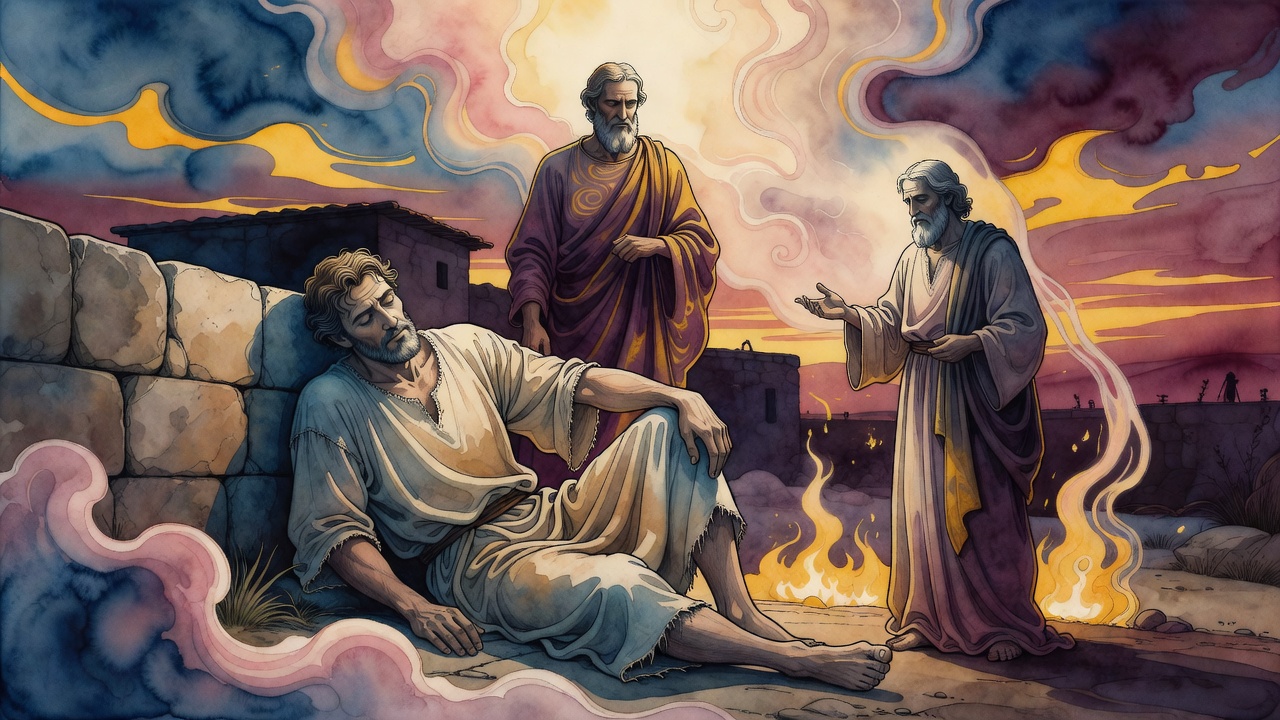
The master counted coins with a hand that already felt the sun sliding. A new servant stood in the courtyard with dust on his ankles and a price still warm in another man's purse. Rabbi Akiva's rule was clear in the schools: a Jewish household does not keep uncircumcised male servants under its roof as a settled fact. The sign of Abraham's covenant belongs on every male the house claims.
But the sky was already leaning toward evening. Circumcision now would race the edge of Shabbat, and cutting flesh once the day is holy is forbidden. The master faced a knot: the general law demanded the covenant mark, and the calendar refused to give him an hour.
The servant watched faces change and understood only that he had been bought at a bad time for rituals he did not yet share. No one asked him for theology. They asked him to stand still while the light died.
Rest Before the Knife
Akiva opened the knot without cutting either rope. The Torah says the son of your maidservant and the stranger shall be refreshed. If every servant must already be circumcised, why speak of rest for one who seems outside the sign? The answer lives in a narrow window: a man acquired so late on Friday that circumcision cannot precede the first Shabbat under the new roof.
For that night and day, the servant rests with the household though the covenant cut has not yet happened. The law refuses an impossible choice between two commandments. It invents no loophole for laziness. It invents a mercy for timing.
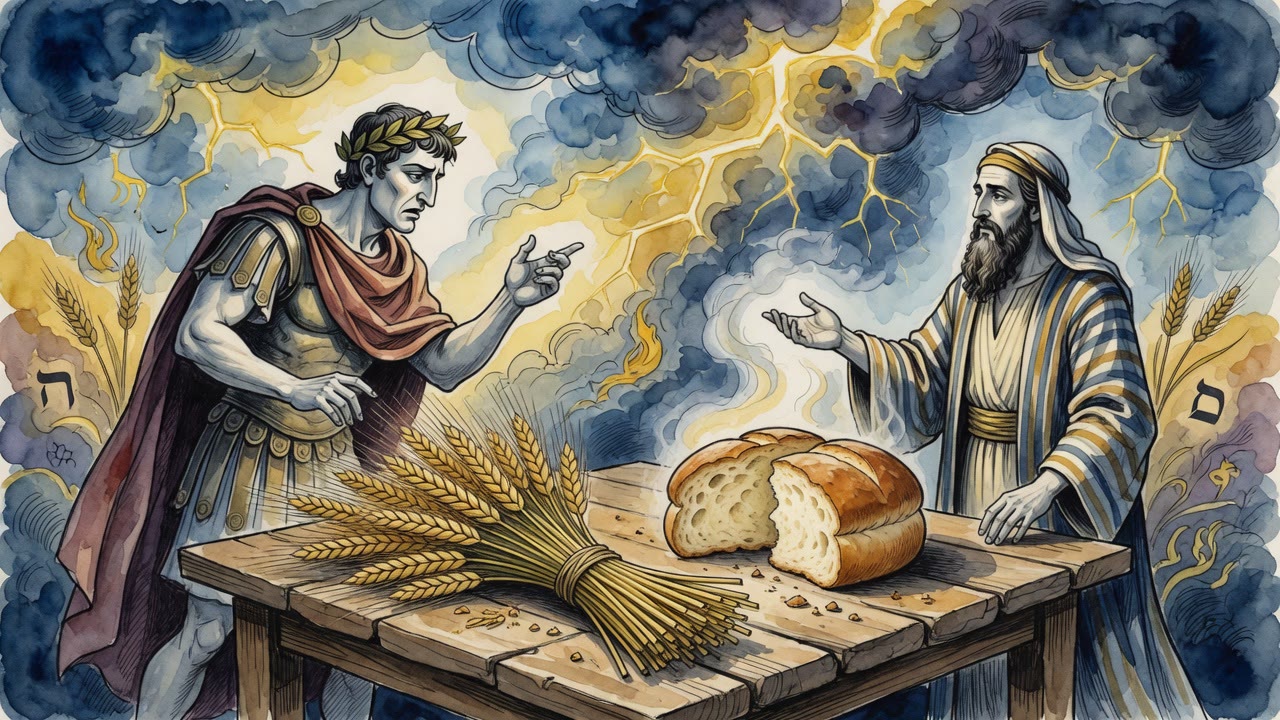
The master set bread on the table and felt foolish blessing a meal beside a man whose body still waited for the sign. Foolishness is sometimes the shape of obedience. The servant ate. His shoulders dropped a fraction, the first rest he had been given since the road.
What Shabbat Promises the Careful
Rabbi Elazar of Modi'in stretched the stake of Shabbat further than festivals alone. Keep the day properly, he taught, and six rewards open: the Land of Israel, the world to come, a renewed world, the kingdom of David's house, a share in the priesthood's holiness, and a share in the Levites' service. Moses' triple "eat it today" in the manna story becomes double gifts, six in all.
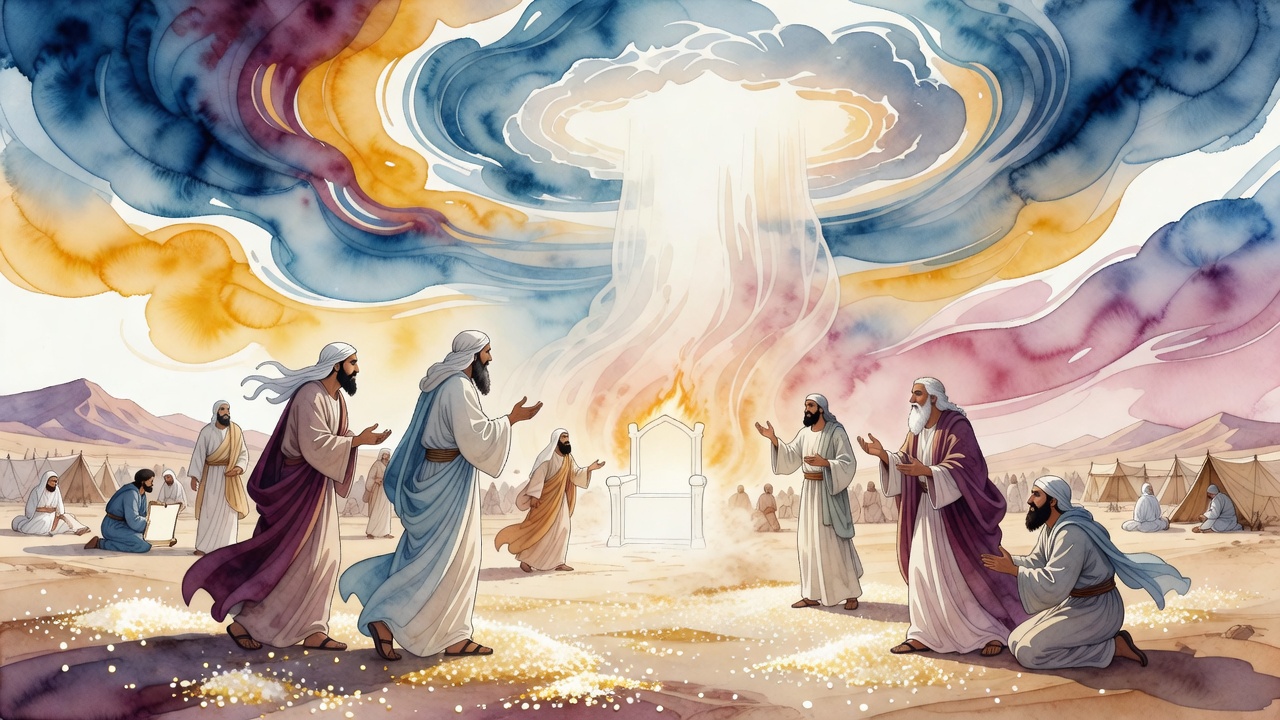
In the courtyard that Friday, no one recited the six rewards. They only lit the day as best they could with a stranger in the doorway of the covenant. Still the teaching hung over the scene like a second roof. Rest is not a small hygiene of the week. Rest is a gate into land, eternity, kingship, and Temple song.
The servant slept on a mat that smelled of the house's own people. Above him, the master lay awake calculating dawn of Sunday and the earliest hour a knife could finish what purchase had begun. Mercy had bought them one Shabbat. Precision would reclaim the morning after.
Left Hand Near the Heart
Morning prayers in that house bound tefillin (leather boxes of scripture worn in prayer) on the left arm, the weaker hand, because "hand" without "right" means left in the old proofs from Isaiah and from Yael in Deborah's song. The box rests toward the heart. Words of Torah lean on the seat of devotion, not on the arm that swings a tool with easy strength.
The uncircumcised servant watched the straps and did not yet wear them. Watching is also a kind of study. He saw men place a sign against the pulse and speak names of freedom while their bodies stayed still. The house was teaching him with gestures before it taught him with a blade.
When the holy day ended, stars permitted ordinary work again. The delay ended with them. Covenant returned to the center of the week, not as cruelty after kindness, but as the next sentence after a sentence of rest.
One Night the Law Chose Both
Years on, the servant, marked and bound into the household's rhythm, still remembered the first Shabbat when he was almost inside and almost outside at once. He told his son that heaven knows about late afternoons. Heaven budgets for the minute when two duties collide and a human being still has to sleep somewhere.
The master, for his part, learned not to buy lives at the edge of sunset if he could help it. He also learned that strictness without a window for the real clock becomes a different kind of violence. Akiva's precision is not softness. It is the refusal to pretend time is infinite when the sun is clearly falling.
In the schools the case stayed narrow. In the courtyard it stayed human: bread shared, work stopped, a body waiting for a cut that would come, and a day that arrived anyway because rest is older than any single purchase.
← All myths