Parshat Noach4 min read

Seven Hands Folded Up the Measured World

Enoch buried Adam. Methuselah lived until the year the water came. The count names seven lives that overlap like tiles on a roof that must not leak.

Curated by Arthur · Told by Maggid ·
Table of Contents
  1. A Ledger With Breath in It
  2. Seven Who Folded the World
  3. Noah's Exile in Wood
  4. Rainbow for the World, Voice for Israel
Seven Hands Folded Up the Measured World Click for full size

A Ledger With Breath in It

From Adam to the Flood the count is one thousand six hundred fifty-six years. Adam. Seth. Enosh. Kenan. Mahalalel. Jared. Enoch. Methuselah. Lamech. Noah. The names are not mist. They are measured. A chronicle that can bury and remarry across catastrophes is already telling a story before it admits it is telling one. Years are the bones. Lives are the breath between them.

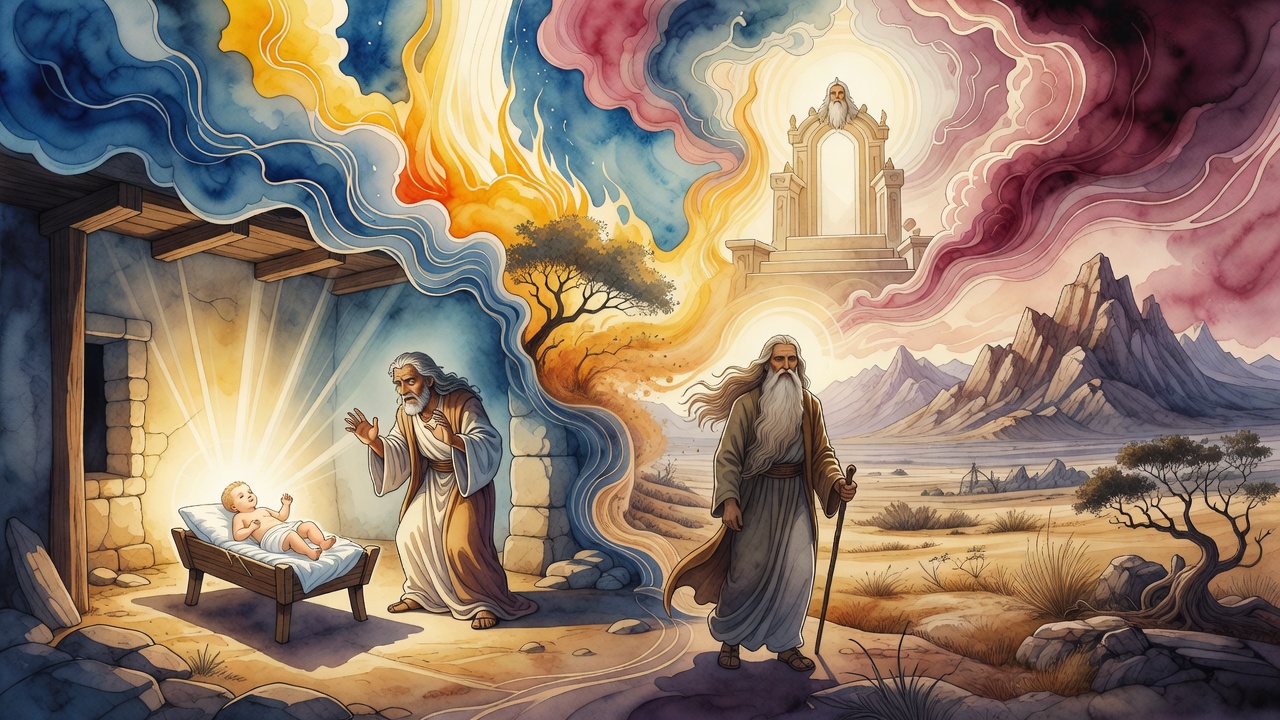
Enoch buried Adam. Methuselah lived until the edge of the Flood. Noah survived ten years beyond the Dispersion at Babel. The numbers keep stitching lives across breaks that should have erased them. Abraham was already forty-eight when the earth was divided, and Eber named Peleg by the Holy Spirit because he foresaw the split.

History here is not haze. It is a chain of hands that refused to drop the next year, even when the next year arrived as water.

Seven Who Folded the World

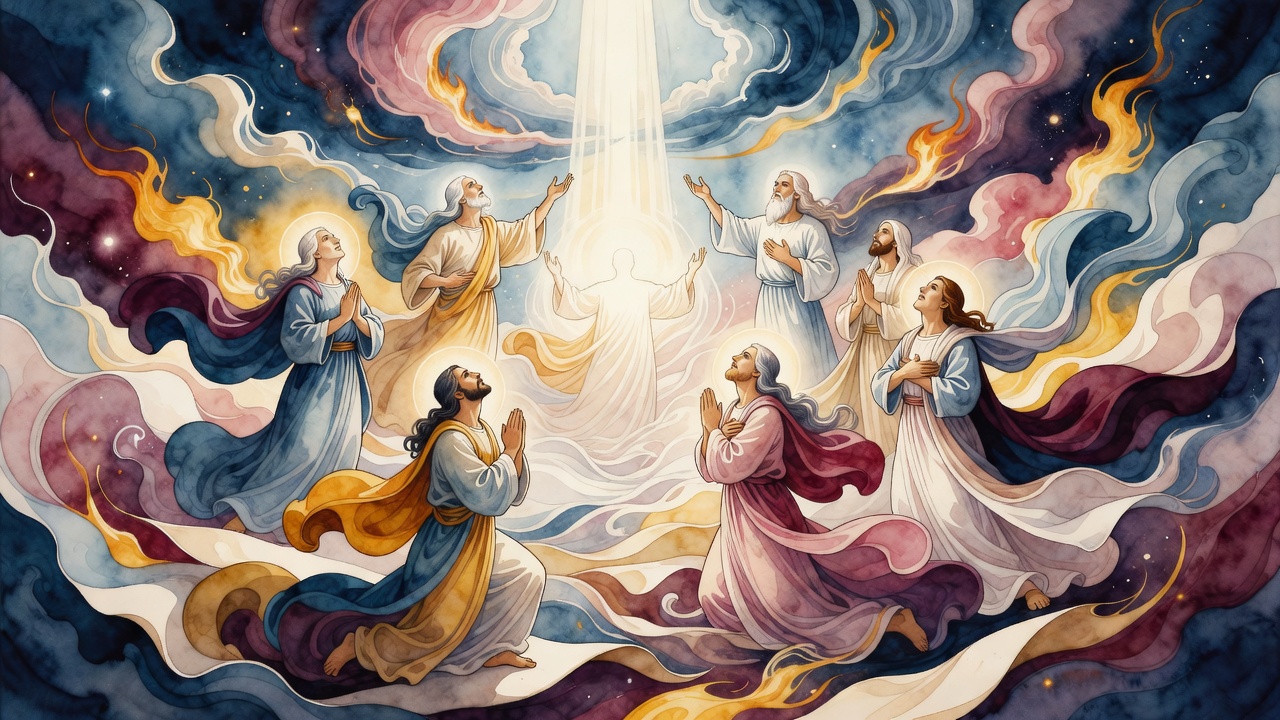
Across twenty-two generations, seven people folded up the whole world. Adam. Methuselah. Shem. Jacob. Amram. Ahijah the Shilonite. Elijah, who still exists. The claim is sharp enough to cut a map. The world is vast, but the tradition imagines it carried hand to hand by a small company whose lives overlap like tiles on a roof that must not leak.

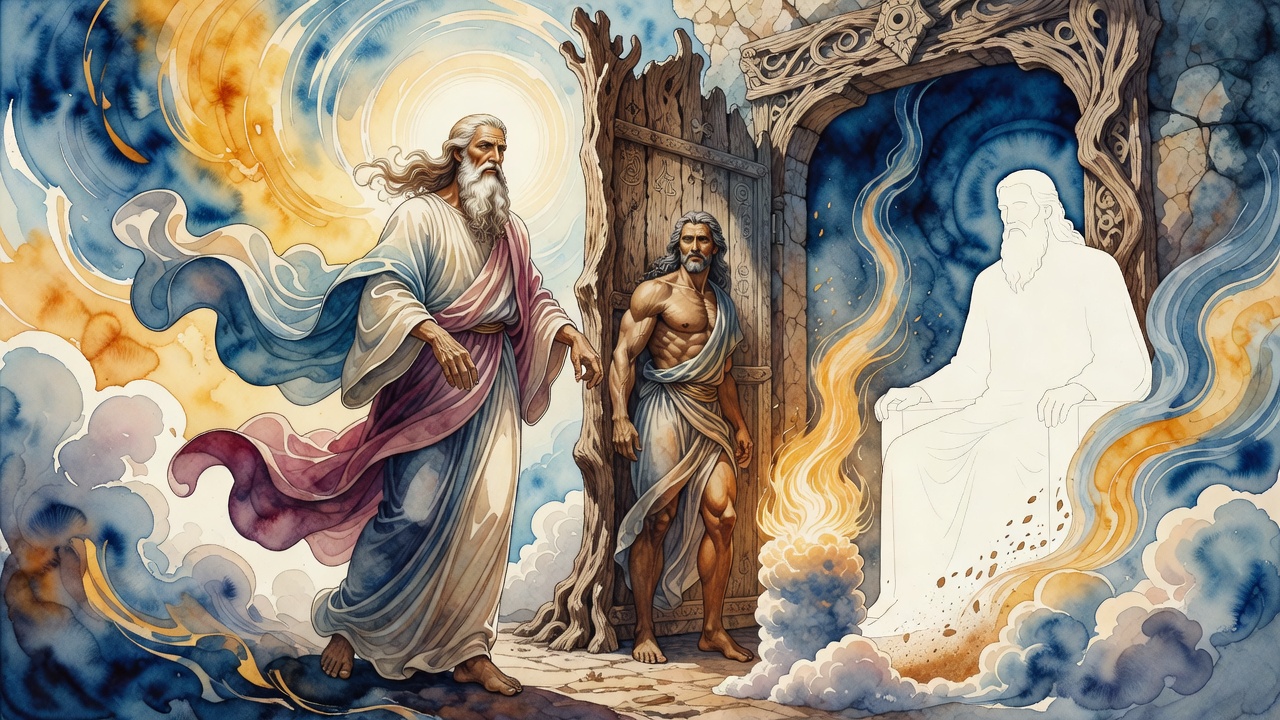
When Methuselah's years ran out, the Flood was already leaning on the door. When Noah sealed the wood, he was not inventing survival. He was the next tile in a count that had been preparing him since Adam's first breath left the ledger. Shem would carry memory past the water. Jacob would carry the claim into Egypt. Amram would father the man who would walk a people out. Ahijah would speak hard truth in a later palace. Elijah would refuse to finish dying.

Seven hands. One planet that keeps needing them. The rest of us live under their overlap without always knowing whose hand is currently bearing weight.

Noah's Exile in Wood

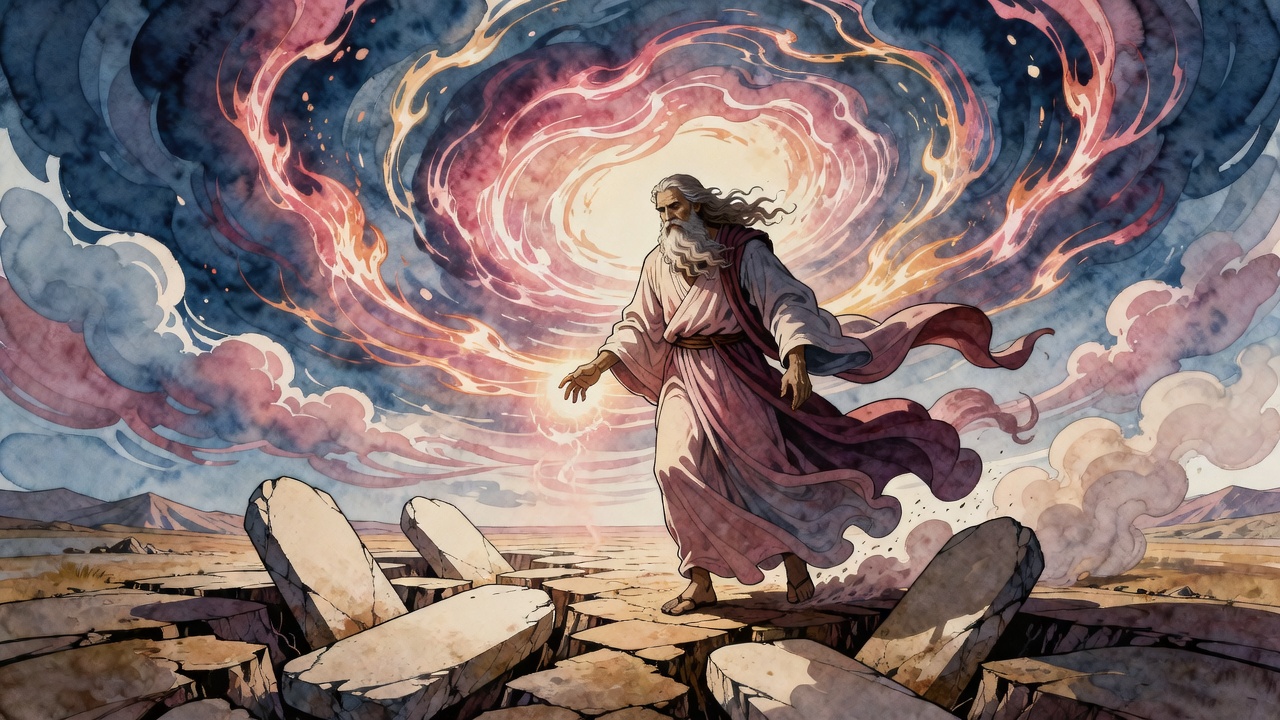
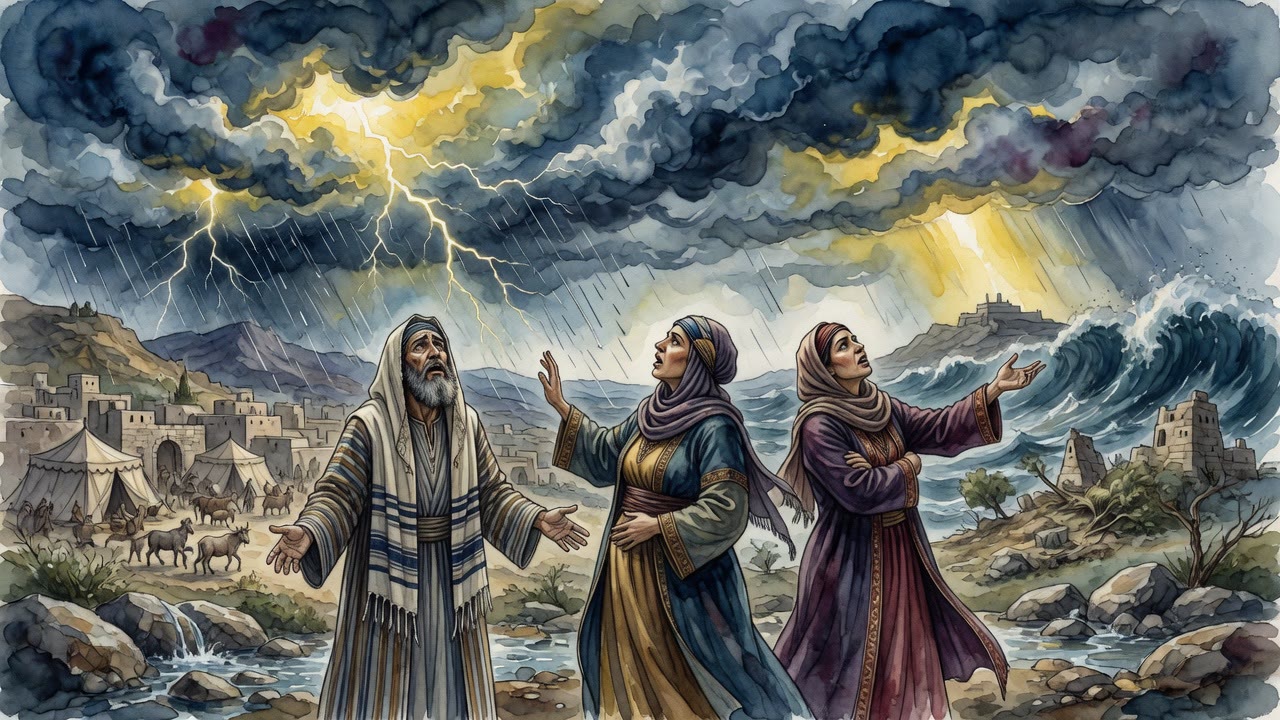
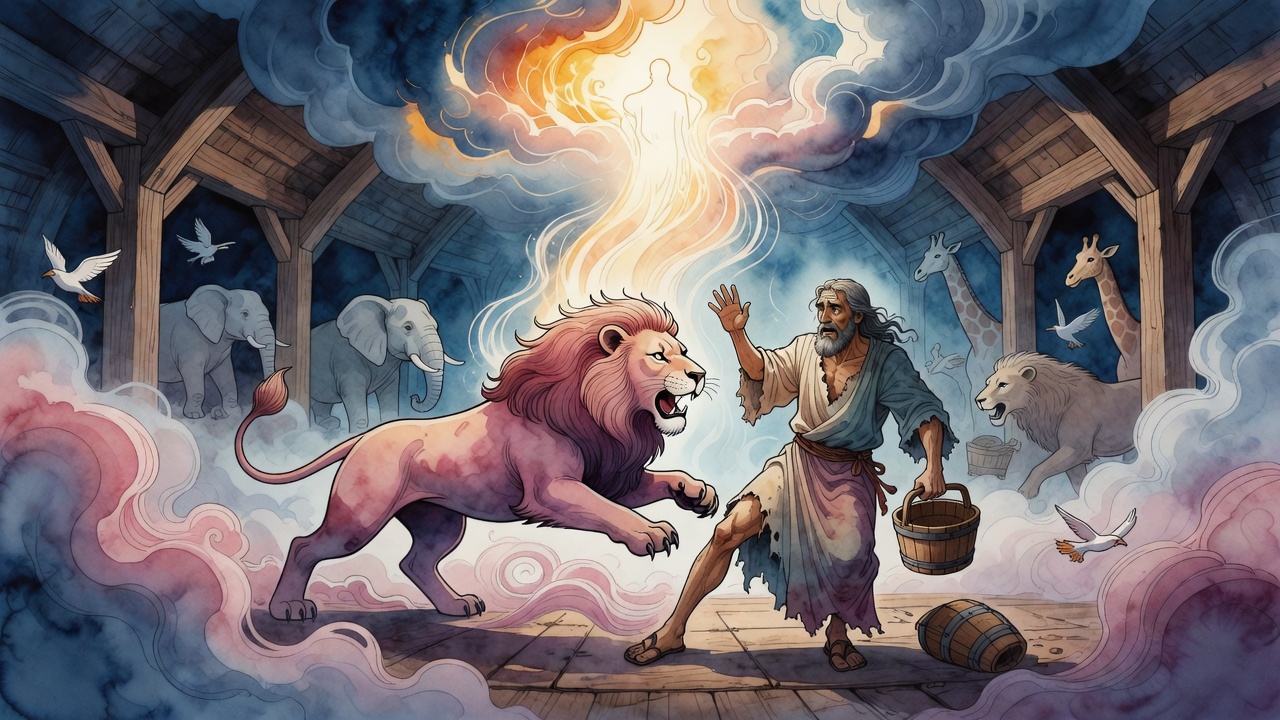
Noah sat sealed while the world was destroyed, bearing the weight of what humanity had done. That too was a kind of exile. Outside, water. Inside, animals and a family and the sound of rain that would not negotiate. Pitch on the seams. Dark that smelled like fear and fodder. Afterward the rainbow rose as more than weather. It was the structure of divine patience. Punishment has a limit. Water will not again finish the story that way (Genesis 9:13-15).

Israel in later exile would learn to stop lying. Master of the Universe, at first I said I have not sinned, and You brought suffering. Now I say I have sinned. Have mercy (Micah 7:9). Confession, not suffering alone, turns the key. Noah's generation refused that turn until the rain made argument impossible. The ark was a floating courtroom that ended in a covenant painted on open sky.

Noah stepped onto wet ground and planted. The ledger continued. The seven hands were not done.

Rainbow for the World, Voice for Israel

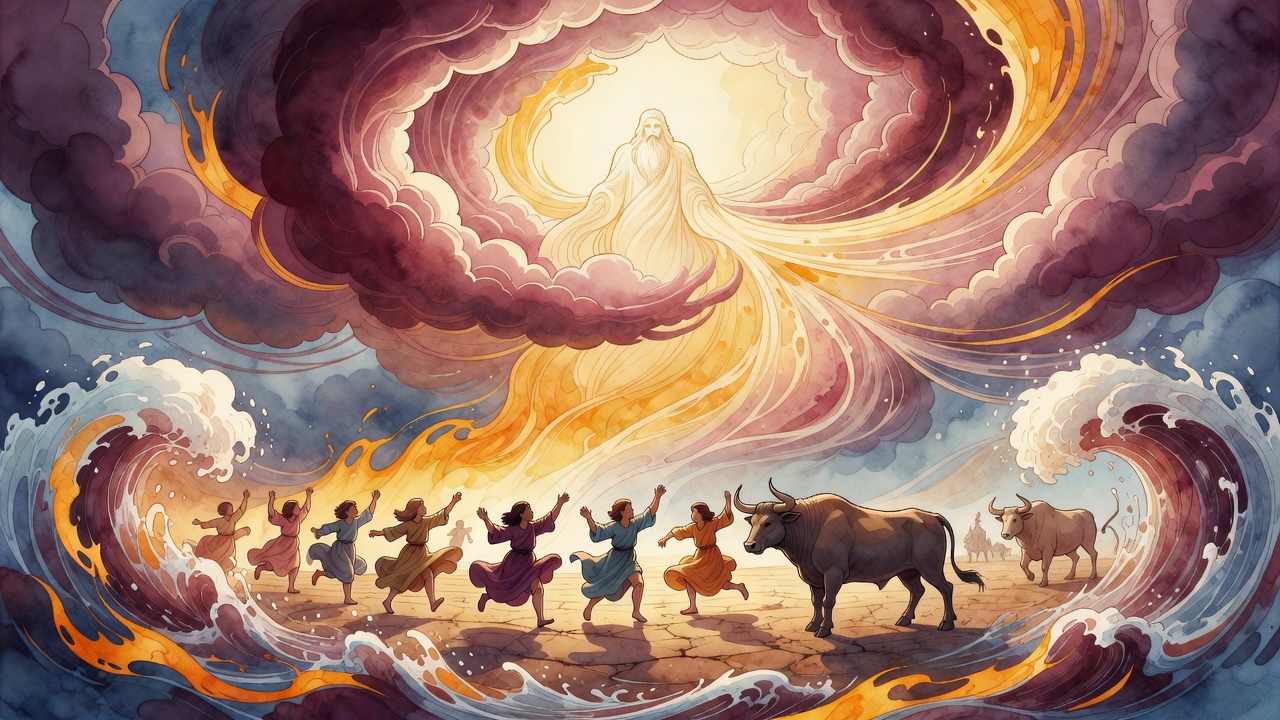
"I am He, I am the first, and I am the last as well" (Isaiah 48:12). The proof is not a philosophy class. It is memory. You have seen what I did to Egypt, and how I carried you on eagles' wings (Exodus 19:4). Rabbi Abbahu said that in the future everyone will come to hear God's voice, but Israel alone will say we already know that voice. Sinai. The sea. A people trained by sound.

The rainbow was God's promise to the whole world. Sinai was His promise to Israel, more particular, more demanding, more intimate. The two are not in competition. The rainbow holds. Sinai layers on top. Aggadat Bereshit ends where Genesis ends, with Jacob's descendants in Egypt, covenant still intact, exile already breathing, the ledger still open for the next hand.

Seven hands carried the world. A painted bow keeps it from drowning the same way twice. A people still learning to say we have sinned keeps the next page from being written only in water. The count from Adam remains a living chain, not a museum label, as long as someone still answers when the year turns and the weight shifts.


← All myths
From the tradition

Sources

3 sources

The texts behind this telling. Some cards carry a translation of the source; others are our own retelling of it, and each card says which. Every card links out to the original.

Seder Olam Rabbah 1Seder Olam Rabbah

Translation of the source text.Seder Olam, Warsaw 1904 + Sefaria Community Translation · Public Domain

Chapter 1.

From Adam until the Flood were 1,656 years, and this is their detail: Adam, 130; Seth, 105; Enosh, 90; Kenan, 70; Mahalalel, 65; Jared, 162; Enoch, 65; Methuselah, 187; Lamech, 182; "and Noah was six hundred years old," and so on (Genesis 7:6). Enoch buried Adam and lived after him 57 years. Methuselah completed his days up to the Flood. From the Flood until the Dispersion were 340 years. It follows that Noah lived ten years after the Dispersion. Our father Abraham was 48 years old at the Dispersion. Rabbi Yose said: Eber was a great prophet, for he named his son Peleg by the Holy Spirit, as it is said, "for in his days the earth was divided" (Genesis 10:25). If this happened at the beginning of his days, was not Joktan his brother younger than he, and did he not beget thirteen families before they were divided? And if it happened in the middle of his days, Scripture did not come to conceal but to explain. Therefore it says "in his days the earth was divided" only because it happened at the end of his days.

Our father Abraham was 70 years old when He spoke with him at the Covenant between the Pieces, as it is said, "And it came to pass at the end of thirty years and four hundred years" (Exodus 12:41). After He spoke with him, Abraham went down to Haran and spent five years there, as it is said, "And Abram was seventy-five years old when he went out from Haran" (Genesis 12:4). It follows that from the Dispersion until our father Abraham left Haran were 27 years. These are the twelve years in which they served Chedorlaomer, the thirteen years in which they rebelled, and the fourteenth year in which Chedorlaomer came (Genesis 14:4). The year in which our father Abraham left Haran was the year of the famine. He went down to Egypt and spent three months there, then went up, came, and dwelt by the terebinths of Mamre in Hebron. That was the year in which he conquered the kings. He spent ten years there before he married Hagar, as it is said, "And Sarai, Abram's wife, took Hagar the Egyptian, her maidservant, at the end of ten years of Abram's dwelling in the land of Canaan" (Genesis 16:3), and it is written, "Abram was eighty-six years old when Hagar bore Ishmael to Abram" (Genesis 16:16). It follows that Ishmael was fourteen years older than Isaac. It follows that from the Dispersion until our father Isaac was born were 52 years. The settlement of Sodom lasted 51 years; of those, she and her daughters had 26 years of calm and quiet.

From the Flood until Isaac was born were 392 years, and this is their detail: "These are the generations of Shem: Shem was one hundred years old and begot Arpachshad two years after the Flood" (Genesis 11:10); Arpachshad, 35; Shelah, 30; Eber, 34; Peleg, 30; Reu, 32; Serug, 30; Nahor, 29; Terah, 70; and "Abraham was one hundred years old when Isaac his son was born to him" (Genesis 21:5). Our father Isaac was 37 years old when he was bound upon the altar. "And Abraham sojourned in the land of the Philistines many days" (Genesis 21:34): those days were more than the days of Hebron, which were 25 years, while these were 26 years. At that same time Rebecca was born. It follows that our father Isaac married Rebecca when she was [three] years old. Our father Abraham buried Terah his father two years before Sarah's death. Jacob attended our father Abraham for 15 years, and Shem for 50 years. You therefore find that our father Jacob attended Shem for 50 years, Shem attended Methuselah for 98 years, and Methuselah attended Adam the first man for 243 years. You therefore find four out of twenty-two generations, and seven human beings who folded up the whole world. These are they: Adam the first man, Methuselah, Shem, Jacob, Amram, Ahijah the Shilonite, and Elijah, who still exists.

Full source
Aggadat Bereshit 11Aggadat Bereshit

Retold in our words. Read the original at the link below.Sefaria Community Translation · CC0

Israel in exile speaks like a child who has finally stopped lying. "Master of the Universe, at first I said 'I have not sinned,' and You brought suffering upon me. Now I say: I have sinned. Have mercy on me" (Micah 7:9). The confession is the turning point. Not the suffering itself, suffering that remains unacknowledged just accumulates. It is the moment the assembly of Israel admits what it already knows that changes everything.

The midrash opens a strange conversation. God sent Israel into exile. Israel asked, "Who gave Jacob to the despoilment?" The answer, from (Isaiah 42:24), is devastating: "Was it not the Lord, against whom we sinned?" Israel wanted someone to blame other than themselves. The exile kept insisting: look at your own hands. This is the covenant's hardest clause, that the people who know God most intimately are held accountable with the most precision.

Noah sits quietly behind this passage as a type. He too endured a kind of exile, sealed in wood while the world was destroyed, bearing the weight of what humanity had done. The promise God made afterward, the rainbow covenant, wasn't just about water. It was about the structure of divine patience: punishment has an end, mercy is the final word. The assembly of Israel in exile knew this. They had the Torah. They knew the flood ended. They knew the door would open again. They waited, not passively, but in the posture of confession, which the rabbis called the beginning of return.

Full source
Aggadat Bereshit 84Aggadat Bereshit

Retold in our words. Read the original at the link below.Sefaria Community Translation · CC0

"Listen to Me, O Jacob, Israel, whom I have called: I am He, I am the first, and I am the last as well" (Isaiah 48:12). God speaks with the full weight of eternity, before everything, after everything, present through everything. And the proof of this claim is not philosophical. It is historical: "You have seen what I did to Egypt, and how I carried you on eagles' wings and brought you to myself" (Exodus 19:4). I carried you. You were there. You saw.

The rainbow enters at the end because it was God's first public covenant, the promise made to all of creation after the flood that the world would not be destroyed again (Genesis 9:13-15). Rabbi Abbahu said: in the future, everyone will come to hear God's voice. But Israel alone will say "we already know that voice." They heard it at Sinai. They heard it at the sea. The rainbow was God's promise to the whole world; Sinai was His promise to Israel; the two promises are not in competition. The rainbow covenant holds. The Sinai covenant is layered on top of it, more particular, more demanding, more intimate.

The text of Aggadat Bereshit ends where Genesis ends, with Jacob's descendants in Egypt, with the covenant still intact, with the promise still open. The flood came and went. The rainbow held. Egypt came and would go. The covenant would hold. Every generation that stood between the rainbow and the Messiah was held inside the same arch: first and last, beginning and end, the God who carries you on eagles' wings and has not yet put you down.

Full source