She Picked Barley from Under the Horse Dung
A student reached for a coin and the sage stopped him. Refuse the half-shekel for the Temple, he said, and you will pay fifteen to a foreign king.
Table of Contents
 Click for full size
Barley Under the Dung
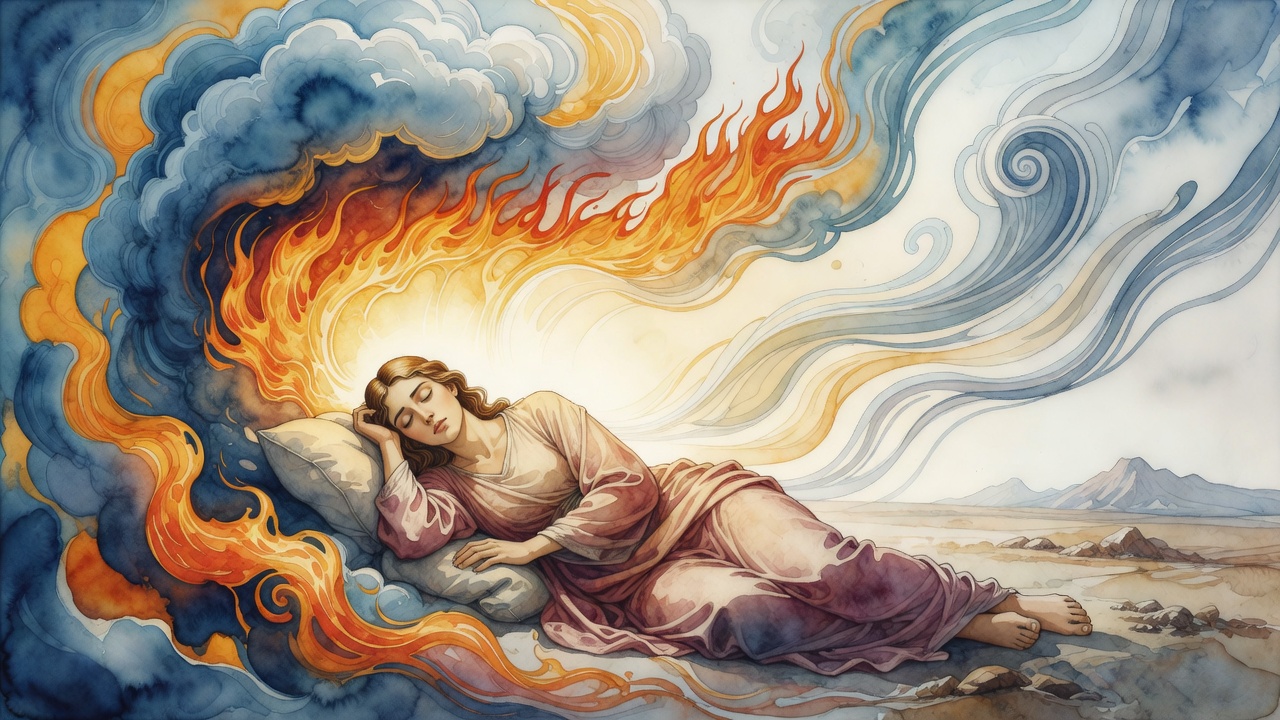
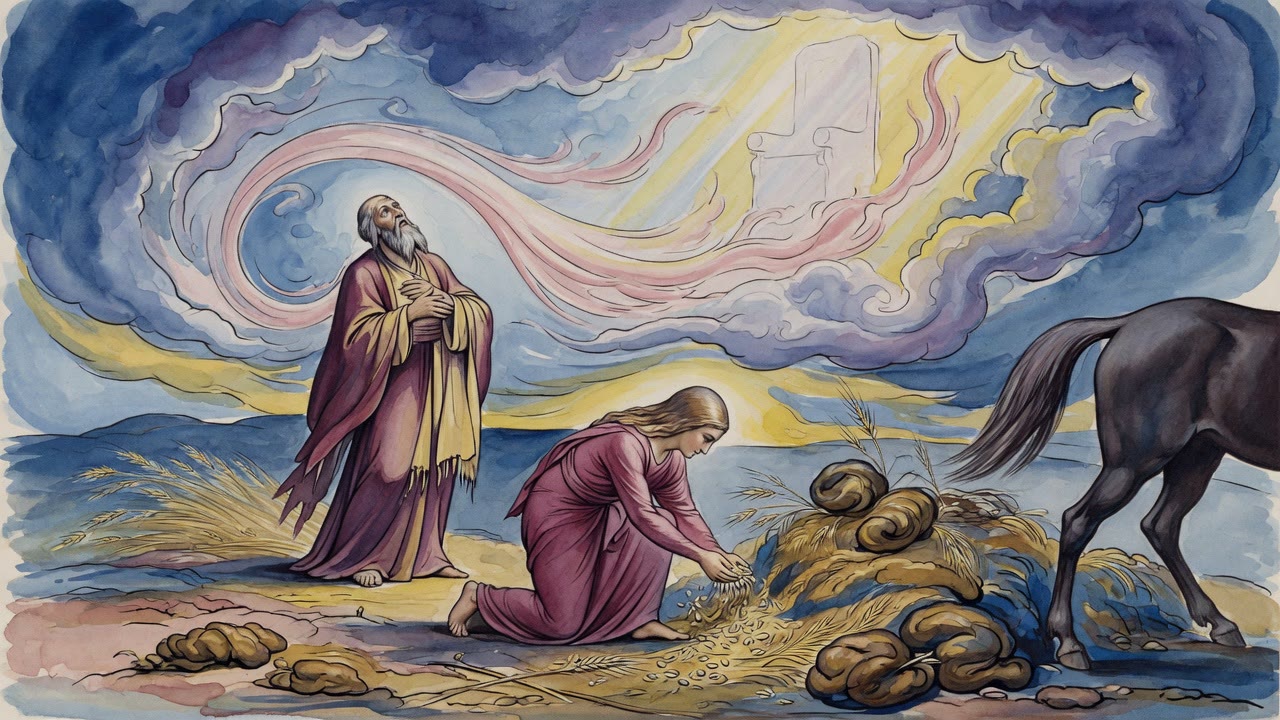
Rabbi Yochanan ben Zakkai went up to Maon Yehudah and stopped as if struck. A young girl knelt in the road dirt, fingers picking grains of barley from beneath the dung of a horse. She did not look up at the sage. Hunger is a kind of blindness that keeps the eyes on the next edible fleck.
He asked the bystanders who she was. A Hebrew, they said, a daughter of Israel reduced to scavenging. He asked who owned the horse. An Arab rider, they answered. The foreign master's mount had already eaten. What passed through the animal became her field.
The smell was animal and warm. The grains were few. The girl kept working as if dignity were a luxury priced above food. Yochanan felt the verse he had never cracked open itself in his chest without asking his permission.
Disciples behind him shifted, ashamed to stare and unable to look away. One started forward with a coin and froze when the sage lifted a hand. First the reading. Charity without understanding would leave the next girl in the next dung heap unexplained.
The Fairest Among Women
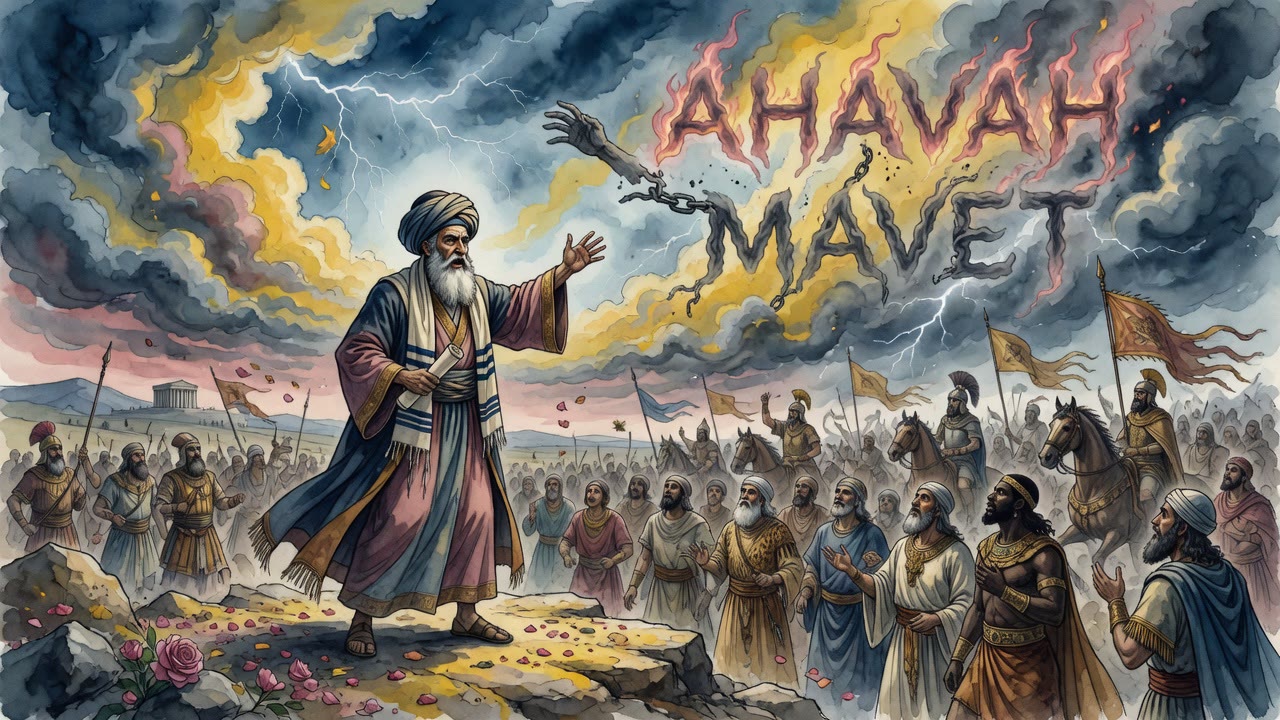
All his days he had read from the Song of Songs and not understood: "If you do not know, you fairest among the women." Now the road explained it. Refuse service to Heaven, and you will serve the nations. Refuse the modest half-shekel for the Temple, and you will pay fifteen shekels in tribute to an enemy kingdom.
The light burden, declined, returns as a heavier yoke. The girl in the dung was not a parable invented in a study house. She was the bill come due. He turned to his disciples with the confession of a man whose learning had finally met a body that made the metaphor bleed.
If you did not wish to subserve Heaven, you will end by subserving the nations. The sentence left no room for clever escape. The fairest among women can still be found on her knees in another man's waste if the covenant's small dues are treated as optional theater.
A student who had joked about Temple taxes the week before went pale. Numbers that had seemed small in argument became large on a road that smelled of horses.
Once a Kingdom of Priests
Memory behind the scene ran older than the Arab's horse. At Sinai, God had named Israel a kingdom of Cohanim and a holy nation (Exodus 19:6). The midrash holds that the whole people once stood fit to eat of offerings as priests do, a shared high standing, until the golden calf broke the privilege and left it with Aaron's line alone.
A scattered sheep is Israel, harried by lions. When one lamb is struck, all the lambs feel the blow. Among the nations, the midrash says, one death can become another's joy. Israel was built to feel together. That mutual sensitivity did not vanish when the universal priesthood narrowed. It made scenes like Maon Yehudah more terrible: one girl's humiliation is a national nerve exposed.
Holy of holies is not only a room of stone. The Mekhilta dares to set the phrase on the people themselves, set apart among the nations. Set-apart status without faithfulness becomes a bitter joke when a child of that people digs dinner from dung.
Yochanan had seen Temple courts in glory and ruin. He knew how fast "holy nation" language can become empty if the bodies of the nation are left to forage in waste. Holiness without shared burden is costume.
What the Disciples Carried Away
Yochanan did not offer the girl a lecture. The text remembers his reading of the verse more than any coin he may have given. Still, the force of the story is not abstract. Disciples who watched him stop learned that Torah can be finished only when a road interrupts it.
Half-shekels unpaid, service refused, crowns of priesthood narrowed by sin, and then a foreign horse and a Hebrew hand. The chain is moral, not mechanical, yet it is tight enough to choke. The sage who rebuilt Jewish life after Temple disaster knew collapse in its small daily form: a girl who should have been fairest among women reduced to undigested barley.
They left Maon Yehudah with a living proof. Covenant dues that feel light when paid feel crushing when collected by empire. The road kept the dung warm long after the teaching party passed.
Years later, when students retold the stop on the road, some added bread they wished he had handed her. The midrash keeps the harder gift: a nation forced to see itself in a child on her knees, and a teacher honest enough to say he had not understood the verse until then.
← All myths