Solomon Wept While Paradise Filled the Air
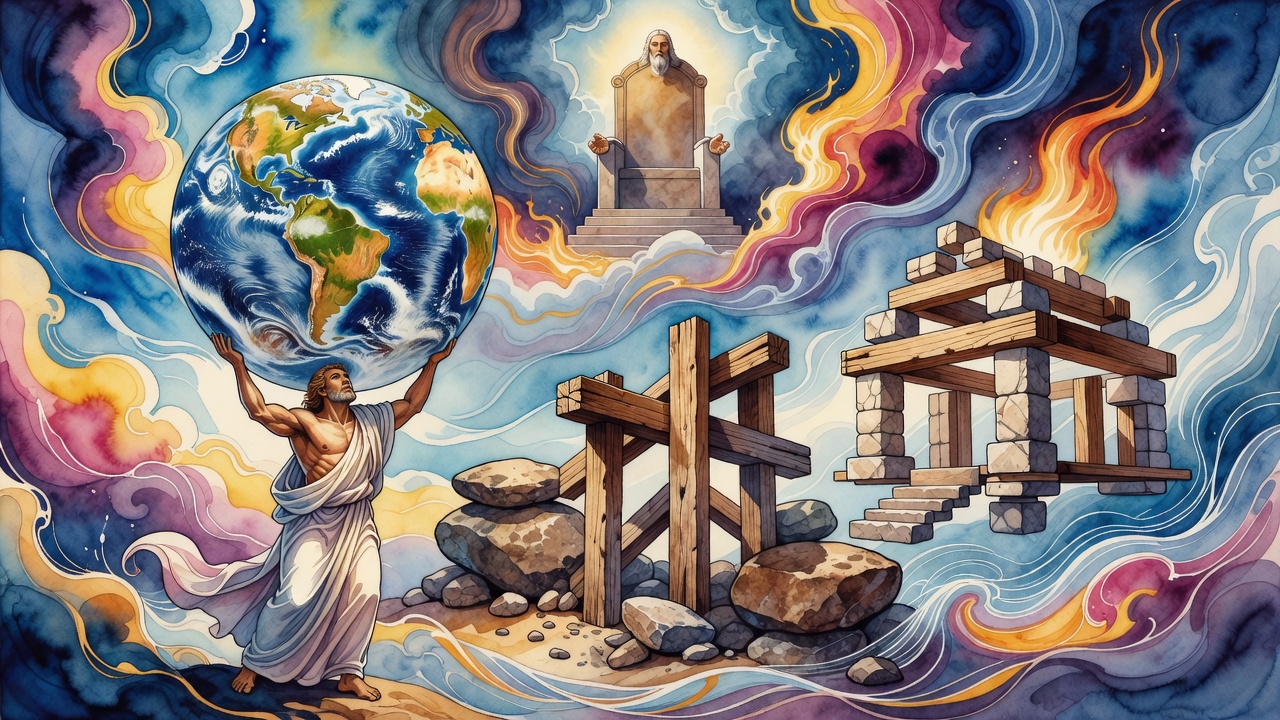
Temple spice filled the earth on dedication day. Solomon wept for coming ruin while cedar beams woke and bore fruit for priests' children.
Table of Contents
 Click for full size
The Day the World Smelled Like Eden
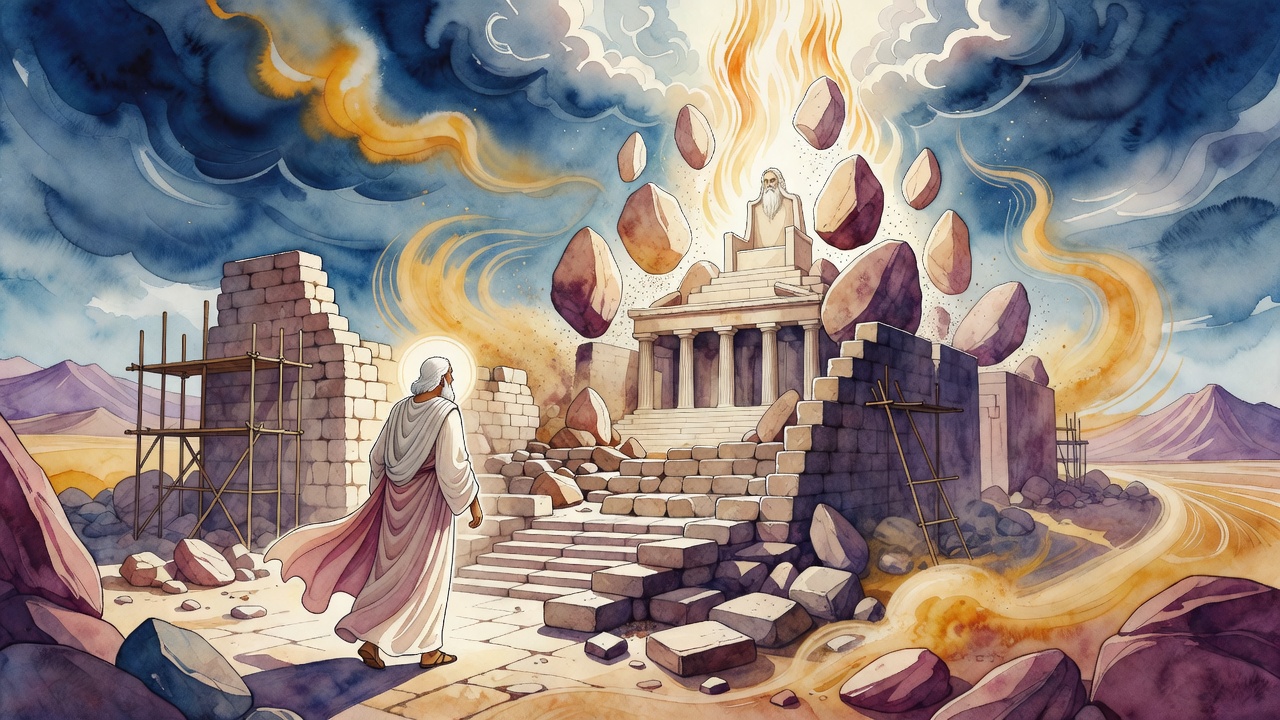
On the day King Solomon finished the House in Jerusalem, spice-scent poured past the city walls and into the lungs of distant markets. Caravans stopped mid-bargain. Sailors on far coasts lifted their heads. Paradise, people said without theology, had opened a window over Zion.
Gold caught sun. Cherubim spread wings that did not fly and still seemed ready. The Ark found its room. Priests moved like carefully lit lamps. The crowd expected a king's grin. They received a king's tears.
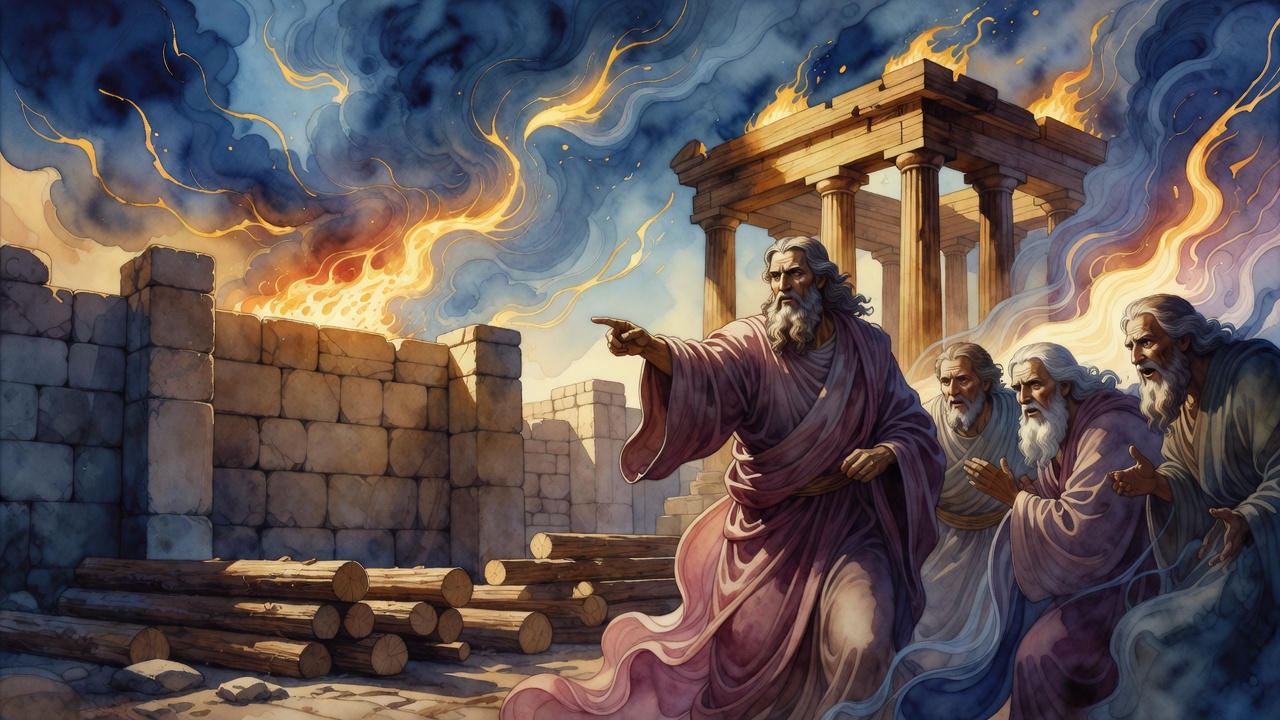
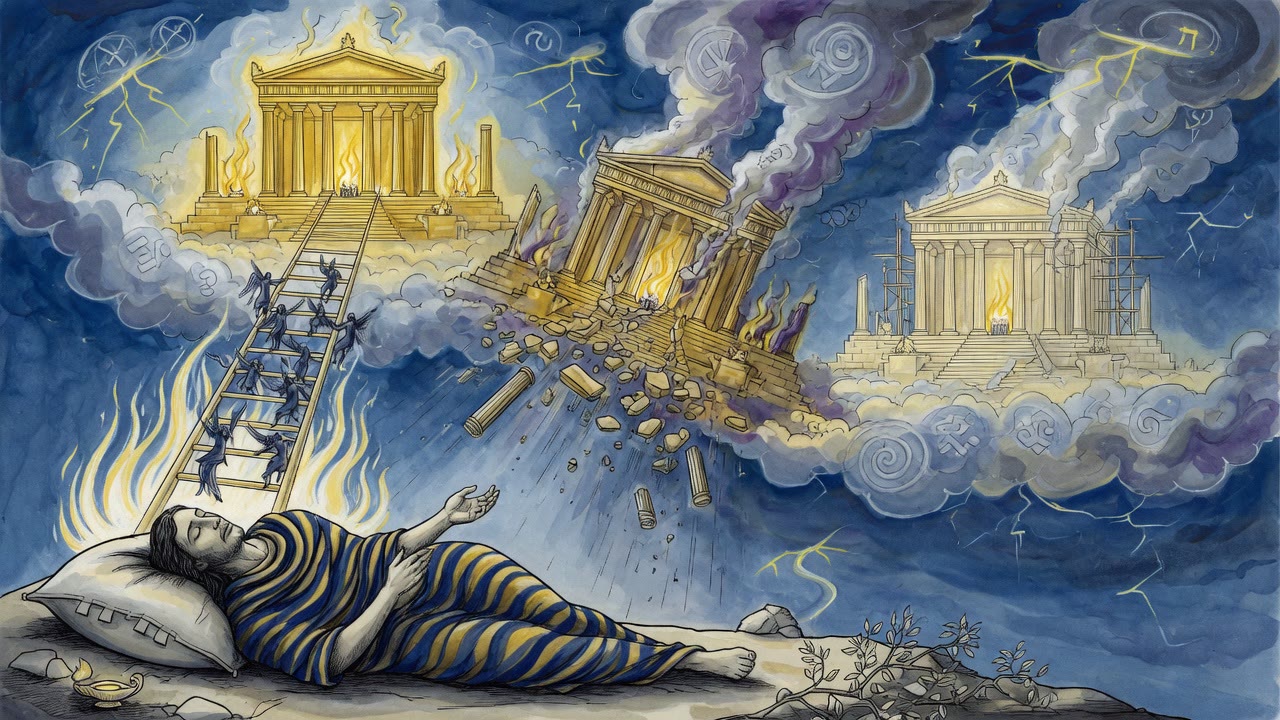
Solomon stood among the fragrances he had ordered and saw past them. He saw fire that had not yet been lit by an enemy. He saw stones pried up. He saw the scent becoming a memory instead of a daily weather. "This fragrance was all for naught," he cried, and his tears hit the floor he had just completed.
A Promise Spoken into Grief
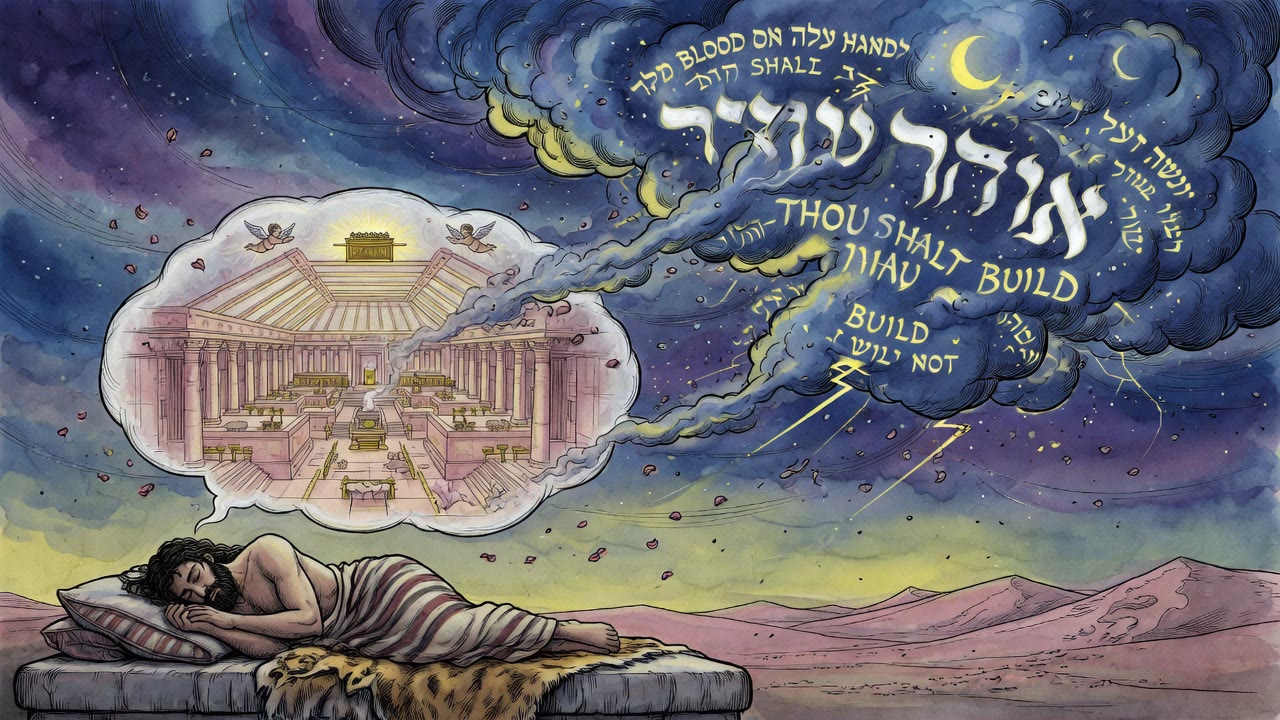
God answered the weeping builder. Do not be distressed. I will build it as an eternal construction. The verse from Song of Songs moved through the midrashic ear like a hand on a shoulder: between my breasts he shall lie. The House would be held close even when timber burned. Fragrance would outlive walls.
Solomon's wisdom had always been a burden as much as a crown. Seeing the end at the beginning is a lonely talent. The people danced while their king mourned a funeral decades early. Both responses stood in the same courtyard without canceling each other. Celebration without foresight rings thin. Foresight without celebration refuses the gift of the hour.
He wiped his face and returned to the liturgy of dedication. Prayer rose. Fire from heaven taught the altar its first professional meal. The smell of spice mixed with the smell of offering until the city could not tell which was which.
Cedar Remembers It Was a Tree
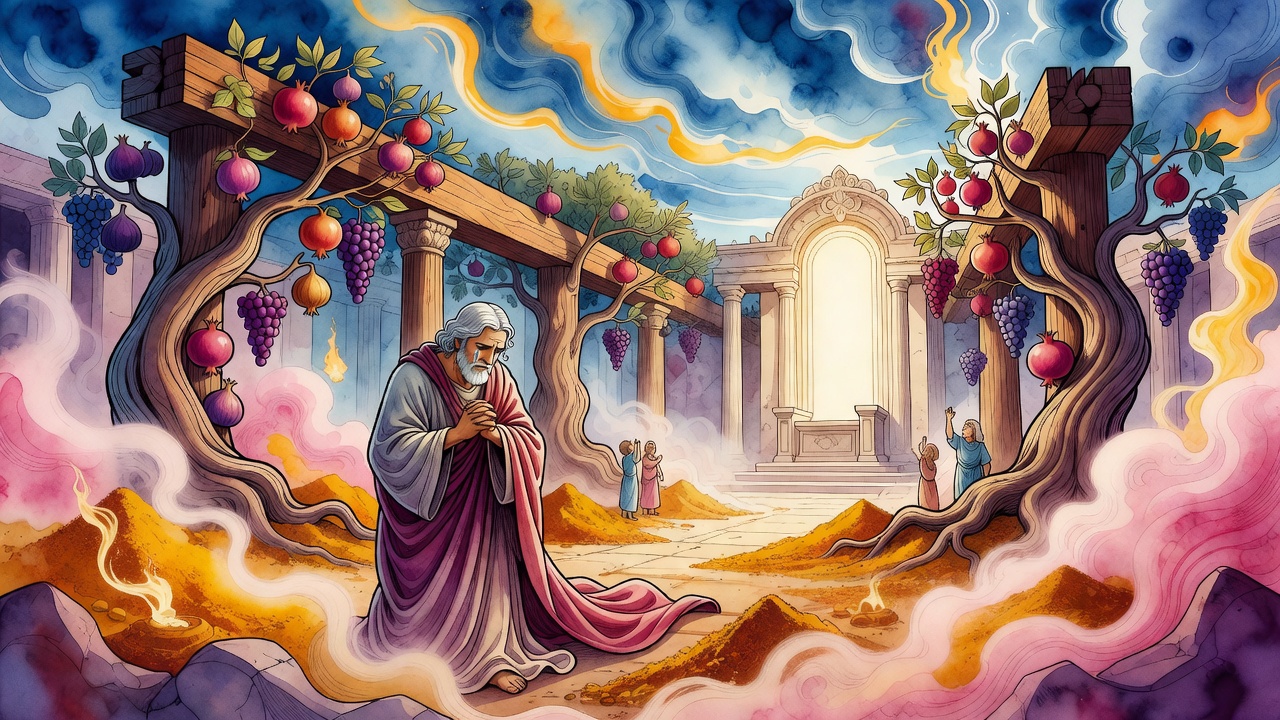
When the Ark entered, something happened to the wood. Beams of cedar that had been cut, dried, carved, and locked into walls woke as if sap had been waiting under varnish. Buds pressed through ornament. Fruit swelled on timber that should have been dead. The House was planted ground. Psalm-language about flourishing in the courts became literal enough to feed children.
Priestly boys and girls too small for service still tasted sweetness from the beams. The sanctuary did not only house holiness. It fruited. Generations learned that a building dedicated without iron violence against stone could still behave like a living grove.
Solomon walked the courts and touched a beam that had no business bearing figs or dates of whatever species heaven preferred that year. His earlier tears made a new kind of sense. A living House could be murdered more cruelly than a pile of inert rock.
Until an Idol Entered
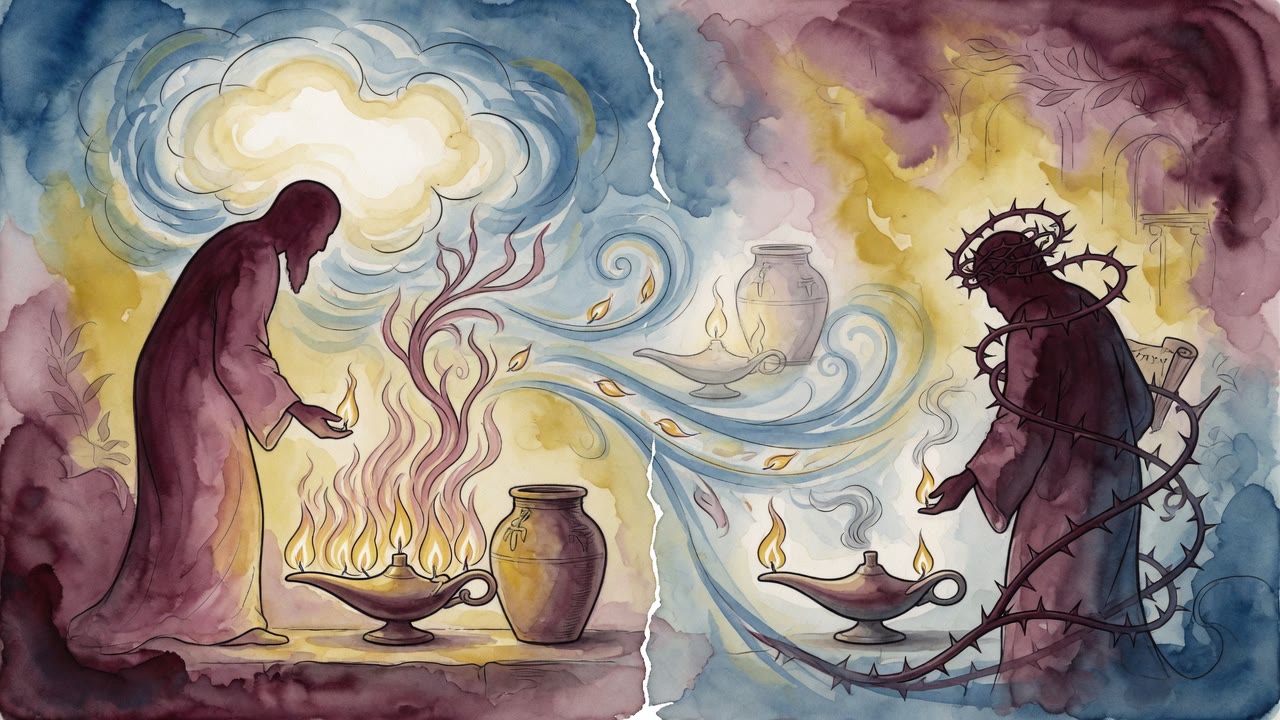
The fruiting did not last forever. When Manasseh brought an idol into the Temple, the beams stopped their generosity. Life withdrew from the wood the way the Presence withdraws from a desecrated room. Children of priests found only dry carving where snacks had grown. The House still stood, but it had become architecture again, not orchard.
Between Solomon's dedication tears and Manasseh's insult stretched centuries of smoke, song, repair, and political stupidity. Memory refuses to let either moment blur. Fragrance at the start. Fruit through the middle. Sterility when an image that was not God took a seat that belonged to no image.
What the Tears Already Knew
Solomon's weeping was not failure of nerve. It was accurate love. He consecrated a building while refusing to lie about history's teeth. God answered not by canceling ruin, but by promising that ruin would not cancel nearness. Eternal construction is not always stone that never falls. Sometimes it is scent that survives the fall.
Later generations would fast on summer days when walls were breached and the House burned. They would still turn toward the mountain that once smelled like paradise. Somewhere in that turning, Solomon's tears and the beams' old fruit shared a single argument: what is dedicated in truth can be broken in matter and still held against the heart of the Holy One.
On that first night after dedication, the king walked alone among pillars. Spice hung in the dark like a second set of stars. He did not smile. He also did not abandon the work. Building while weeping is one of the hardest royal crafts, and he practiced it until the lamps burned low.
Priests who saw the king's face that day told their students years later that wisdom looks like grief when it is honest. The crowd wanted a ribbon-cutting. Heaven accepted tears as a truer libation than wine. Solomon's father David had danced before the Ark; Solomon wept before the finished walls. Both motions were worship. Neither canceled the other across the generations.
When the beams later fruited, children of the priestly courses learned to treat the House as a living relative, not a museum of gold. Sticky fingers on sacred wood would have been a scandal in a dead building. In a fruited sanctuary they were almost a liturgy. Manasseh's idol ended that intimacy with a single imported face of stone or wood that demanded the wrong kind of nearness. The beams went barren the way a face goes blank when love is replaced by theater.
← All myths