5 min read

Solomon Yoked the Shedim Until the Temple Opened

The Temple stood finished and its doors stayed shut for almost a year. The streets laughed at Bath-sheba's son. Then fire fell from heaven.

Curated by Arthur · Told by Maggid ·
Table of Contents
  1. A King Who Ordered Spirits
  2. A House Finished and Locked
  3. Fire That Shut the Mockers' Mouths
  4. The Rains That Stopped After Noah
  5. Power Under and Over the Roof
  6. What Waited Inside the Locked Year
Solomon Yoked the Shedim Until the Temple Opened Click for full size

A King Who Ordered Spirits

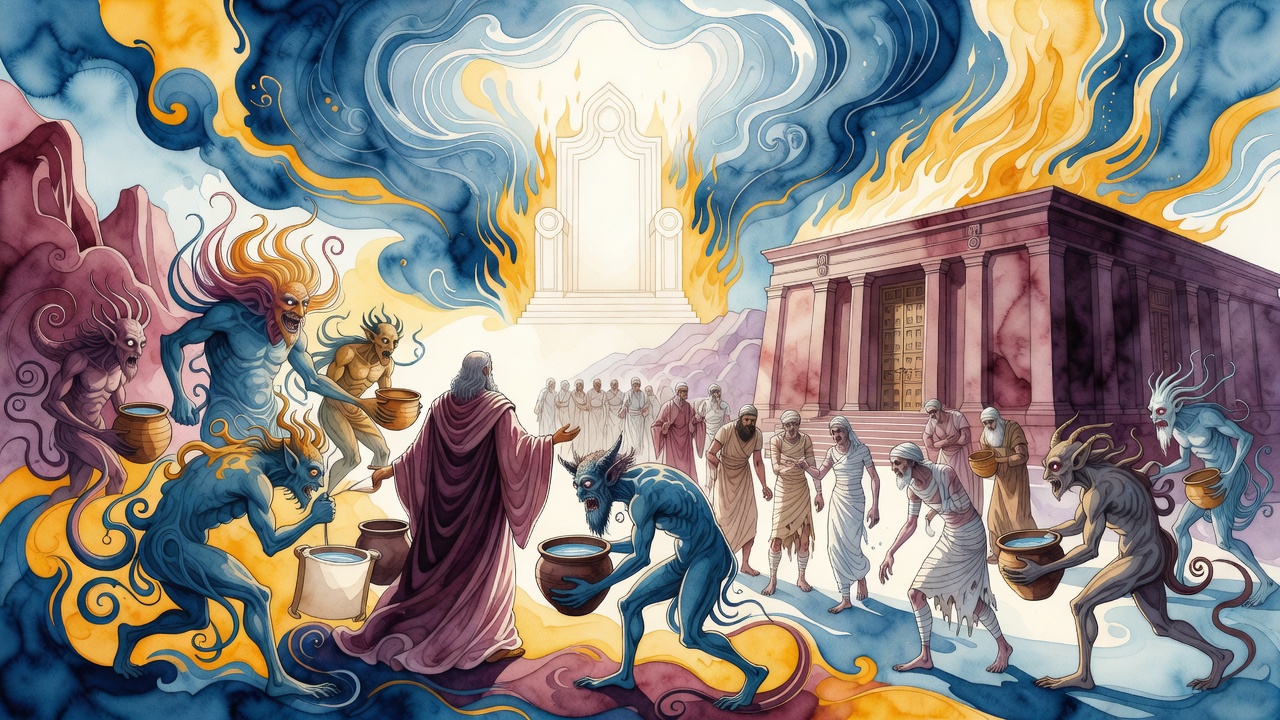
No man before him held what Solomon held. God gave him power to turn the vicious force of the shedim (harmful spirits, the demons of Jewish tradition) toward human use. He did not only cast them out. He put them to work. Formulas of incantation eased disease. Other formulas drove a spirit out so it would not return. Personal attendants, spirit and sheyd, ran on the instant at his word.

He grew tropical plants in the soil of the land because ministering spirits brought water from India. The court lived inside a secret history. Wisdom on the throne. Invisible labor under the floorboards. The builder of the House commanded more than masons and cedar. He commanded what other kings only feared in the dark.

A House Finished and Locked

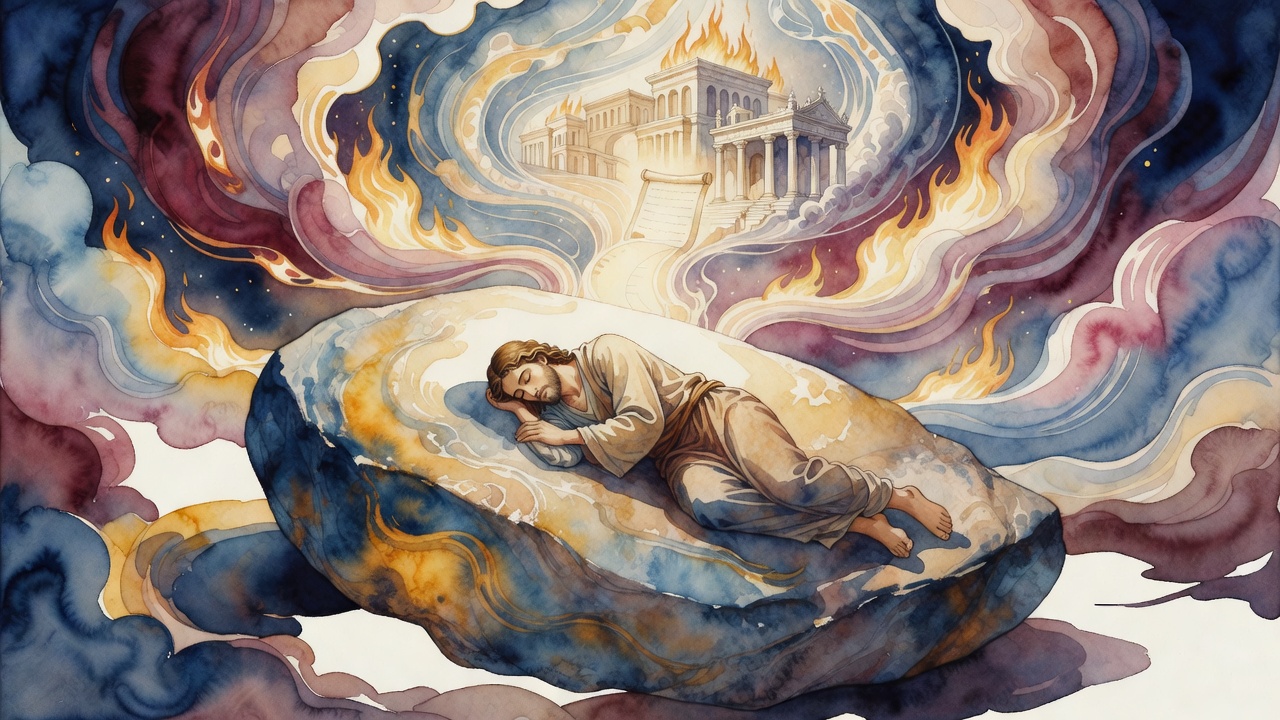
The Temple stood complete in the month of Bul, later called Marheshwan. Walls. Courts. Holy rooms. Then the doors stayed shut for nearly a full year. Not because the work failed. Because heaven wanted the dedication in the month of Abraham's birth. The building waited on a patriarch's calendar more than on a king's impatience.

Enemies of Solomon laughed in the streets. "Was it not the son of Bath-sheba who built the Temple? How, then, could God permit His Shekhinah (His indwelling Presence) to rest upon it?" A sealed House looked like a rejected House. Scandal sat on the threshold like a dog. Solomon had yoked shedim and still could not force the Presence on his own schedule.

Fire That Shut the Mockers' Mouths

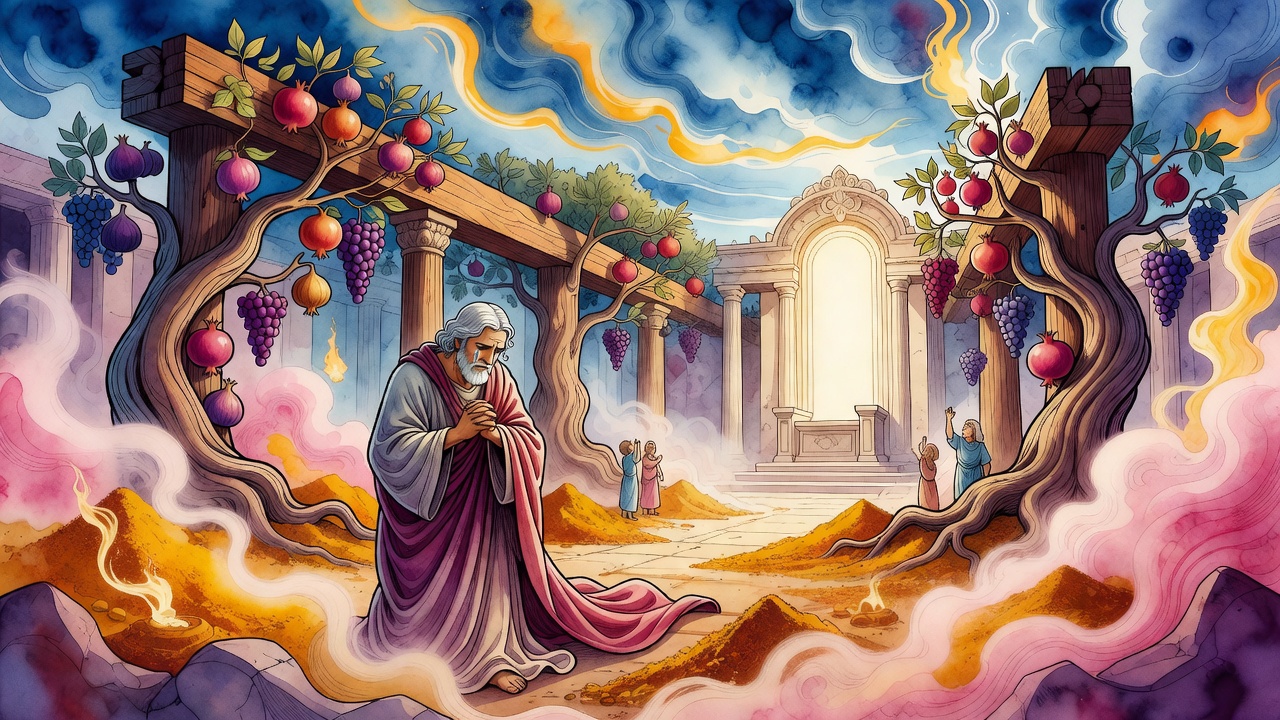
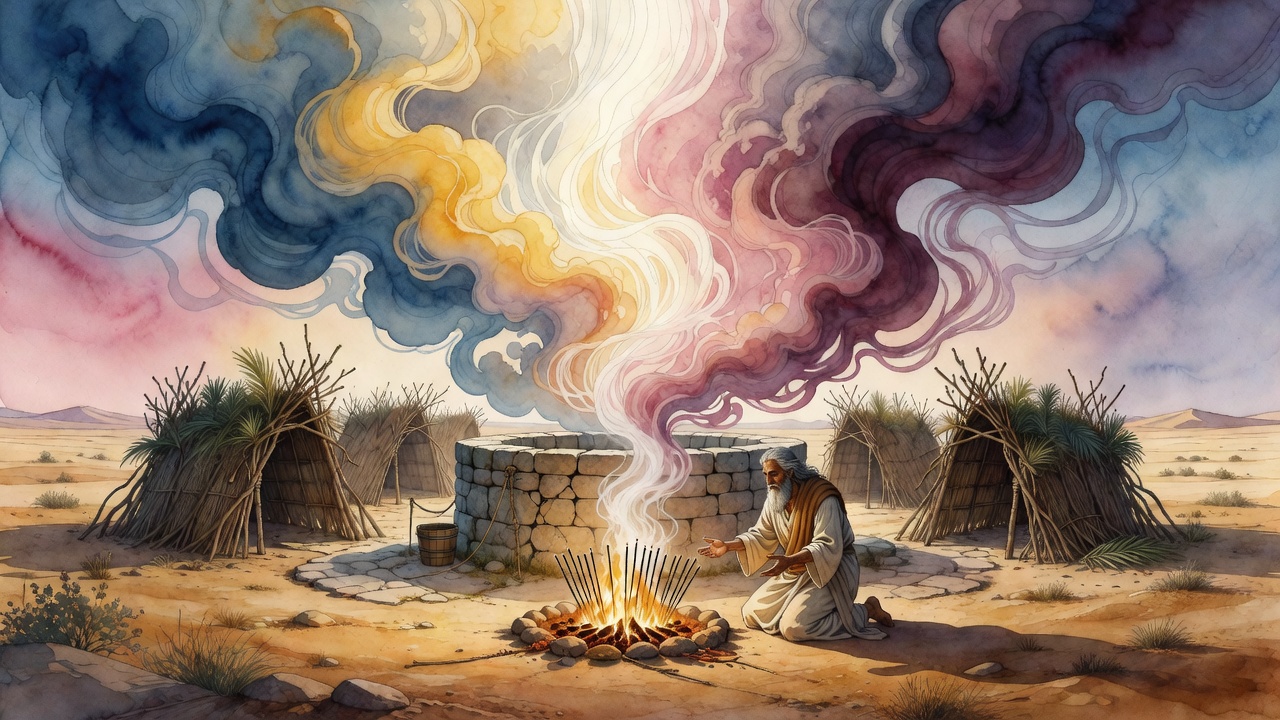
When the consecration came, fire fell from heaven. The mockers saw the flame and swallowed their jokes. The Shekhinah (the Divine Presence) did not care for their genealogy charts. It answered the month God chose and the House Solomon raised. Scandal turned into silence, then into song. The son of Bath-sheba was still the builder heaven used.

The people held the consecration even on the Day of Atonement, joy running hotter than fear of the fast. A heavenly voice cut through the throng. "You all shall have a share in the world to come." Dedication was not only architecture. It was a verdict of belonging over a nation that had waited a sealed year for the doors to mean something.

The Rains That Stopped After Noah

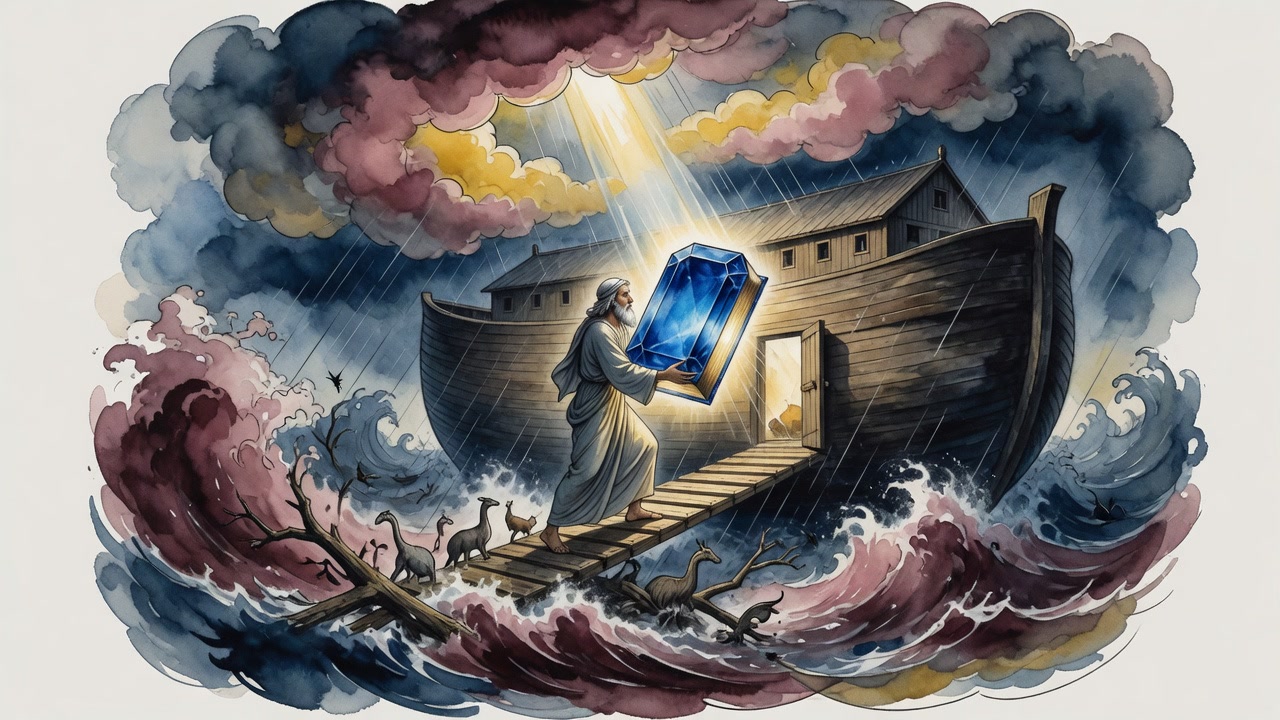
Since the flood, torrential rains had fallen for forty days each year beginning in Marheshwan. Water remembered the old drowning on a schedule. When the Temple opened, those rains failed for the first time and did not return in that pattern. The House did more than house offerings. It reordered the weather that had haunted the world since Noah.

A sealed year in Marheshwan. Then an open House and a broken flood-habit. The month of Abraham's birth became the month that stopped the echo of the deluge. Patriarch, king, and climate sat on one hinge. Solomon's command of shedim looked small beside a Presence that could quiet forty days of remembered water.

Power Under and Over the Roof

Below the story of public glory runs the quieter engine of spirit labor. Water from India. Plants that should not have thrived. Healing words. Exorcisms that stuck. Above that engine rises a Temple that refused to open until the calendar of promise aligned. Solomon could dispatch a sheyd across the world and still had to wait on Abraham's birth-month like a servant waits on a master clock.

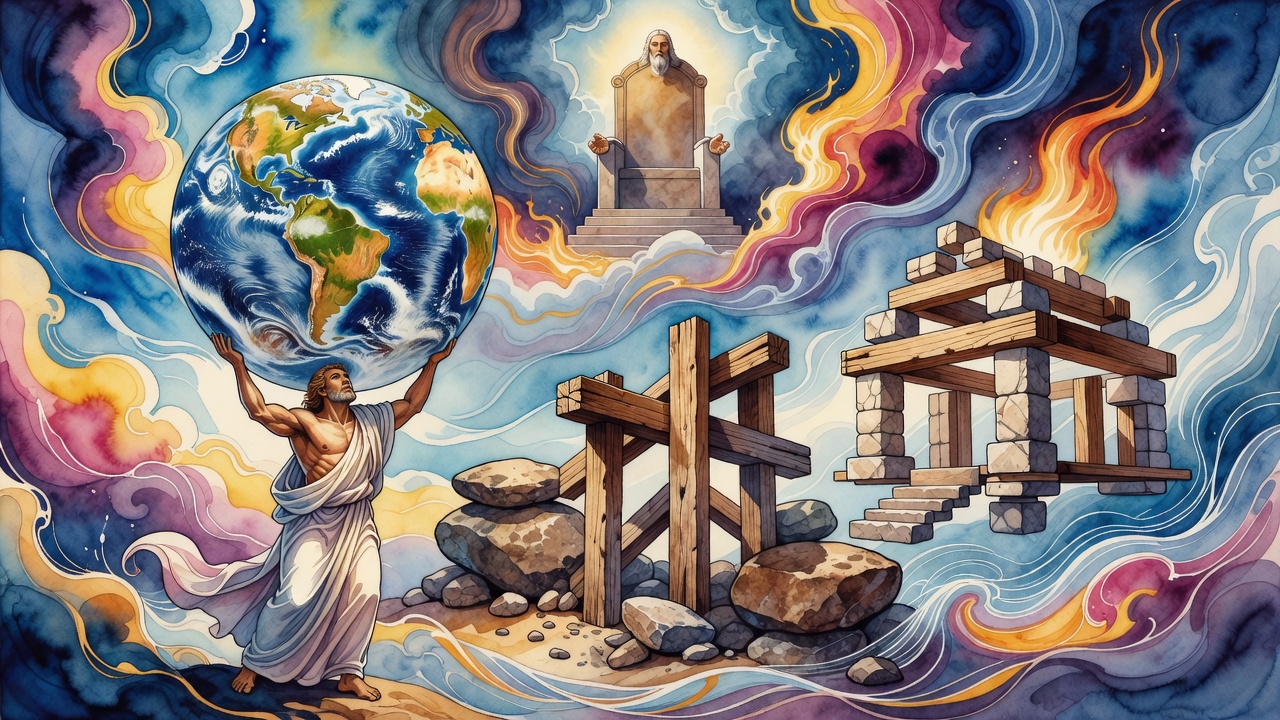
The myth will not let magic outrank covenant. Dominion over shedim is a gift. Rest of the Shekhinah is a decision. Between them stands a locked door and a year of mockery, then fire, then rain that finally forgets how to drown the season. The wisest king learned that some keys are not cut in the forges of spirits. They are cut in the months of the fathers.

What Waited Inside the Locked Year

Imagine the craftsmen going home with sawdust still in their hair and no festival to crown their labor. Imagine priests walking past shut doors and counting months on their fingers. Marheshwan turned over. Then another season. The enemies' laughter did not need to be loud. A sealed Temple is a joke that tells itself every sunrise.

Solomon still ruled spirits in private. Water still arrived from far rivers. Plants still greened against climate. Healing formulas still worked in sickrooms. None of that could bribe the calendar. The month of Abraham's birth held a claim older than the king's genius. The first Jew's nativity outranked the completion date stamped on cedar.

When fire finally fell, it fell on more than wood and offering. It fell on a year of doubt. The Shekhinah resting was an answer to Bath-sheba's critics as much as to any liturgical cue. The voice promising a share in the world to come stretched the dedication past architecture into destiny. A people that had watched doors stay shut learned that delay can be election, not rejection.

And the rain. Forty days of Marheshwan torrent had been a scar the planet wore since Noah. The Temple did not only house sacrifice. It stitched that scar closed. Flood memory lost its annual appointment. Solomon's shedim could fetch Indian water, but only the Presence could tell the sky to stop reenacting the deluge. The secret history of spirit labor ends, properly, under a public roof that answers to Abraham's month and Noah's wound at once.


← All myths
From the tradition

Sources

3 sources

The texts behind this telling. Some cards carry a translation of the source; others are our own retelling of it, and each card says which. Every card links out to the original.

Legends of the Jews 5:84Legends of the Jews

Retold in our words. Read the original at the link below.The Legends of the Jews by Louis Ginzberg (1909) · Public Domain

The familiar version gives us Solomon as the wise king, the builder of the Temple. But there's another layer to his story, a secret history whispered in the ancient texts. A history of power over demons.

Ginzberg, in his monumental Legends of the Jews, paints Solomon as uniquely blessed. Not just with wisdom, but with dominion over the shedim – the spirits, the demons. God, it seems, granted him the ability to harness their chaotic power and turn it towards good. To make them amenable to his will. The legends say he didn’t just defend himself from demons. He commanded them. He used them.

How did he do it? Through incantations, formulas of words so potent they could alleviate disease and banish demons forever. These weren't just spells; they were keys to unlocking a fundamental force in the universe.

Solomon didn’t just banish them. He put them to work. As his personal attendants, these spirits were at his every whim, able to travel vast distances in an instant. Need something from far away? No problem.

The legends go on to say that Solomon even used his demonic workforce to cultivate exotic plants in Palestine. Tropical plants, mind you, in the arid landscape of the Middle East! How? His ministering spirits, the shedim, would fly to India and back in the blink of an eye, securing water for him.

The wise king, the master builder… and the overlord of demons. It certainly adds a new dimension to the stories we thought we knew.

Of course, we have to remember that these are legends. But even legends hold a kernel of truth, a reflection of something deeper. Perhaps it's a commentary on the nature of power, the temptation to control forces beyond our understanding. Or maybe it's simply evidence of the boundless imagination of those who sought to understand the world through stories.

Whatever the meaning, the legend of Solomon and his demonic servants is a reminder that even the most familiar figures in our tradition have secrets waiting to be uncovered. What other hidden stories are waiting to be found in the vast pattern of Jewish folklore? What other powers might be within our reach – if we only knew the right incantations?

Full source
Legends of the Jews 5:99Legends of the Jews

Retold in our words. Read the original at the link below.The Legends of the Jews by Louis Ginzberg (1909) · Public Domain

The construction? Finished! The stones perfectly aligned, the craftsmanship impeccable. It was the month of Bul, later known as Marheshvan (roughly, October-November). But…the doors remained shut. The Temple stood silent for almost a year. Why?

The tradition says God Himself desired that the dedication happen in the month of Abraham's birth. It had to be timed perfectly. A little cosmic calendar alignment, if you will.

You can imagine how this looked to Solomon's enemies. They were practically gloating. "See!" they sneered, "It was Solomon, son of Bathsheba, who built it. How could God possibly let His Shekinah (His divine presence) rest upon something built by him?" They were judging, plain and simple, questioning the legitimacy of the whole endeavor.

Then came the consecration.

The moment arrived, and something extraordinary happened. As the Bible tells us in (2 Chronicles 7:1), and as the legends amplify the moment, "the fire came down from heaven." Not just metaphorically, but literally. A divine blaze, consuming the offerings, a clear sign of acceptance.

Suddenly, those doubters? They weren't laughing anymore. They realized their mistake. God's ways, as they say, are not our ways. And sometimes, the timing of things is just as important as the thing itself.

How often do we rush to judgment, questioning delays or apparent imperfections, only to be surprised by the unfolding of a greater plan?

Full source
Legends of the Jews 5:101Legends of the Jews

Retold in our words. Read the original at the link below.The Legends of the Jews by Louis Ginzberg (1909) · Public Domain

It wasn’t just bricks and mortar. It was a turning point, a cosmic shift that reverberated through the world.

Ginzberg, in his Legends of the Jews, paints a vivid picture. Remember how after the great flood, the rains came, relentlessly, for forty days every year, starting in the month of Marheshwan (that's around October/November on our calendar)? Well, with the Temple’s construction, something extraordinary happened. Those torrential rains? They simply stopped. For the first time since Noah’s ark, the heavens held back.

Think about the symbolism there. The Temple, this physical manifestation of the divine presence, had such power that it could even alter the natural order. It was a sign, a clear message that things were different now. A new era had begun.

The joy? It was palpable. The people were ecstatic. So ecstatic, in fact, that they held the consecration ceremonies on Yom Kippur, the Day of Atonement. Can you imagine celebrating such a momentous occasion on the holiest day of the year, a day usually reserved for solemn reflection and repentance? It speaks volumes about the depth of their elation.

But the best part? The most comforting, perhaps? A bat kol (בַּת קוֹל), a heavenly voice, was heard. It proclaimed: "You all shall have a share in the world to come." The promise of eternal life, a place in the olam ha-ba (the world to come), was granted to everyone present. The consecration of the Temple wasn’t just a historical event; it was a moment of universal salvation, a guarantee of hope for all generations. It’s a reminder that even in the midst of the everyday, the sacred can break through, offering us glimpses of something beyond our earthly existence.

Full source