Solomon's Throne Smashed the Thighs of Kings
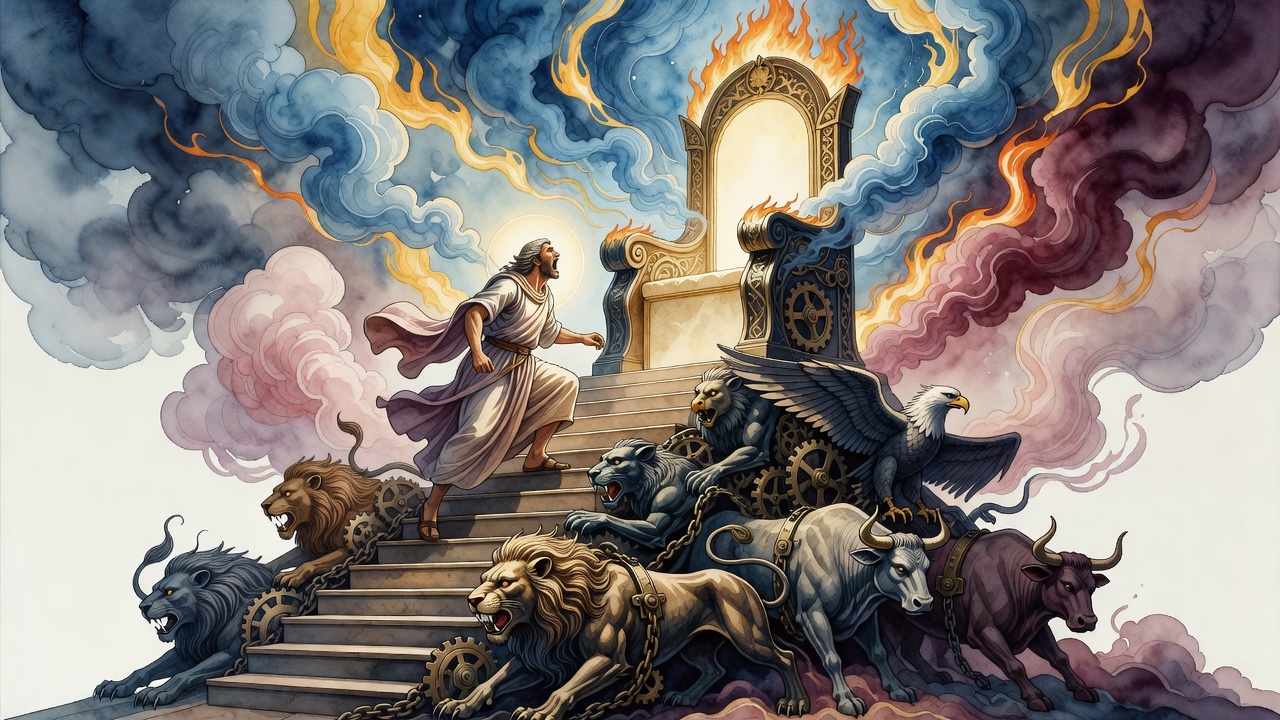
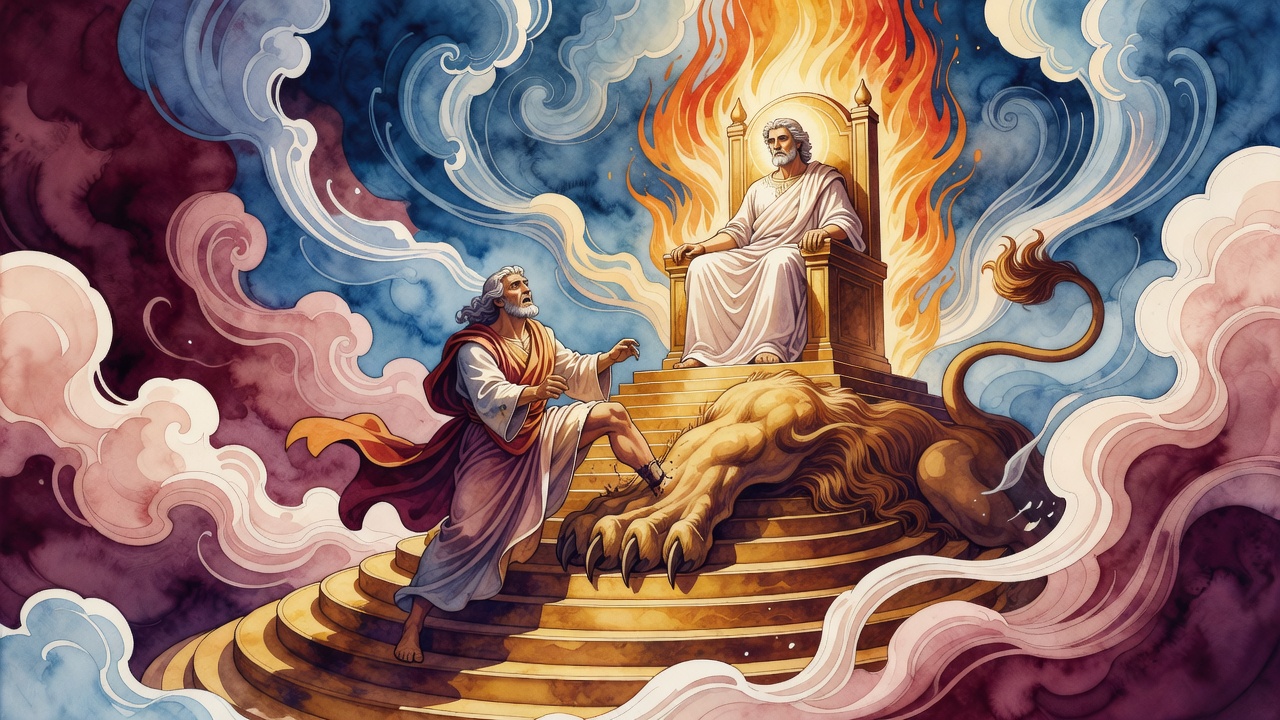
Nebuchadnezzar climbs Solomon's golden steps and a lion paw shatters his thigh. Only Cyrus sits whole on the seat that once judged beasts.
Table of Contents
 Click for full size
A Seat Stolen from Jerusalem
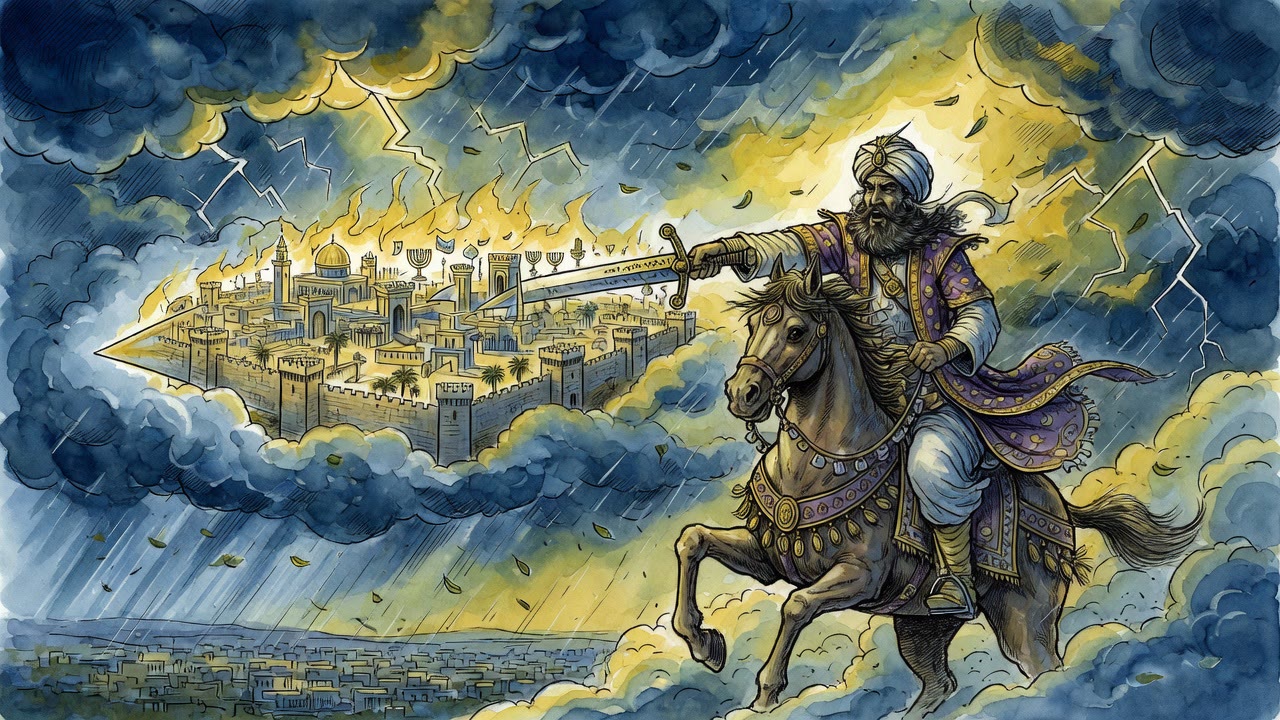
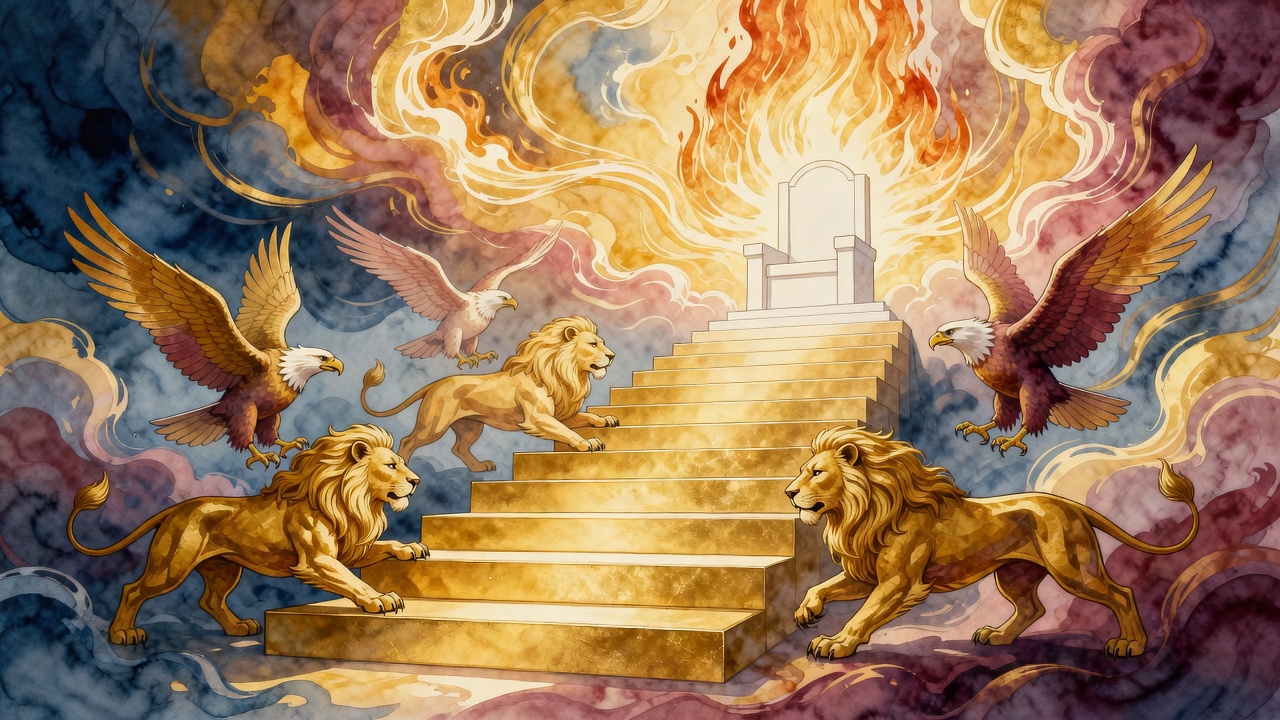
When the Temple fell and Nebuchadnezzar dragged Israel to Babylon, he carried off something stranger than gold: the throne of Solomon. He meant to sit on it the way conquerors sit on anything that once held another man's spine straight. He did not know the throne was a machine with memory, joints, and a taste for justice older than his siege engines.
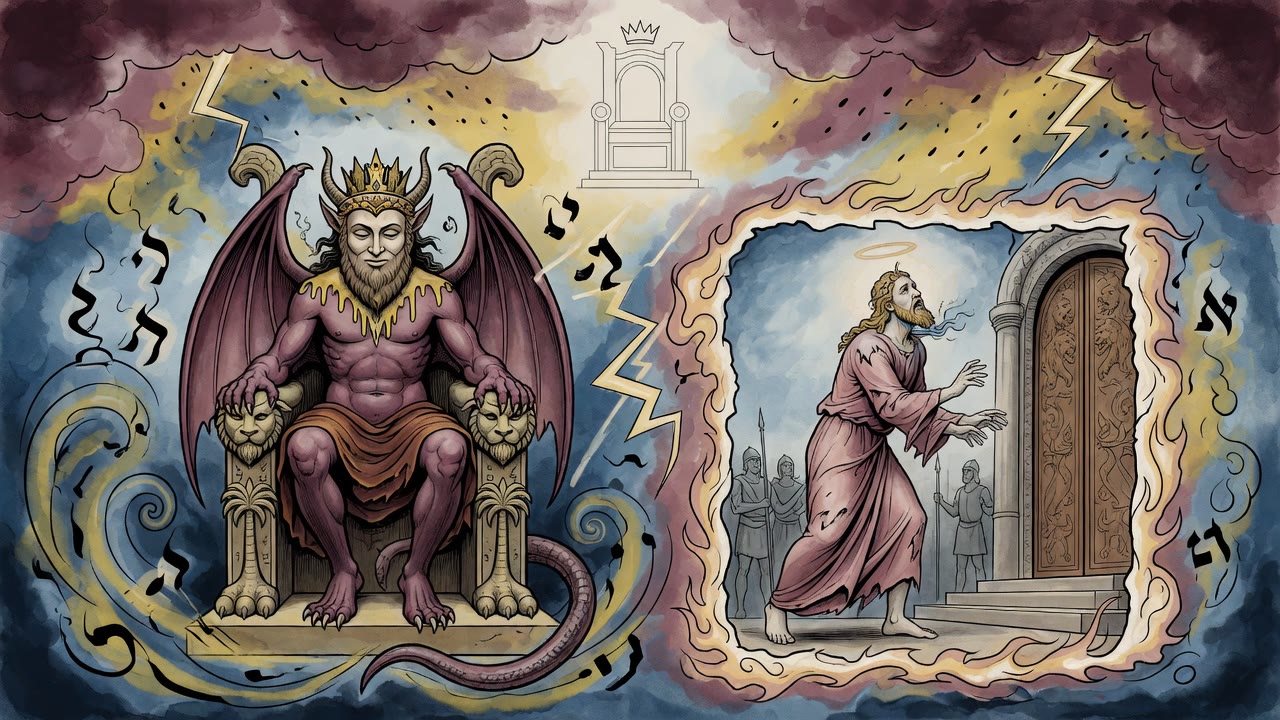
He set his foot on the first step. A golden lion swung its right paw and smashed his left thigh. Bone spoke. The king who had burned a house of prayer left the steps with a limp that would outlive his speeches. He limped until the day he died. The seat that had held wisdom would not hold a thief of sanctuaries. Courtiers learned to walk slower behind him so the hitch in his gait would not look like mockery.
Lions Keep Working After Empire Changes Hands
Then Alexander of Macedon seized the throne and hauled it toward Egypt, and Shishak the Egyptian king climbed it and took the same blow on the same thigh. They called him Pharaoh the Lame ever after, a title no stonecutter could sand away. When a general under Antiochus carried the throne off by ship, one of its golden legs snapped loose on its chain, and every craftsman on earth failed to mend it from that day to this. The furniture of holiness does not accept repair from the workshops of plunder. Hammers rang. Alloys failed. The broken leg remained a rumor that traveled farther than intact crowns.
Only one king sat on Solomon's throne and rose whole: Cyrus the Persian, and only because he had given himself to rebuilding the House of God (Ezra 1:2). The throne did not care for crowns. It cared who had earned the climb. Rebuilders leave without limps. Burners do not.
Before the Lions Learned to Strike
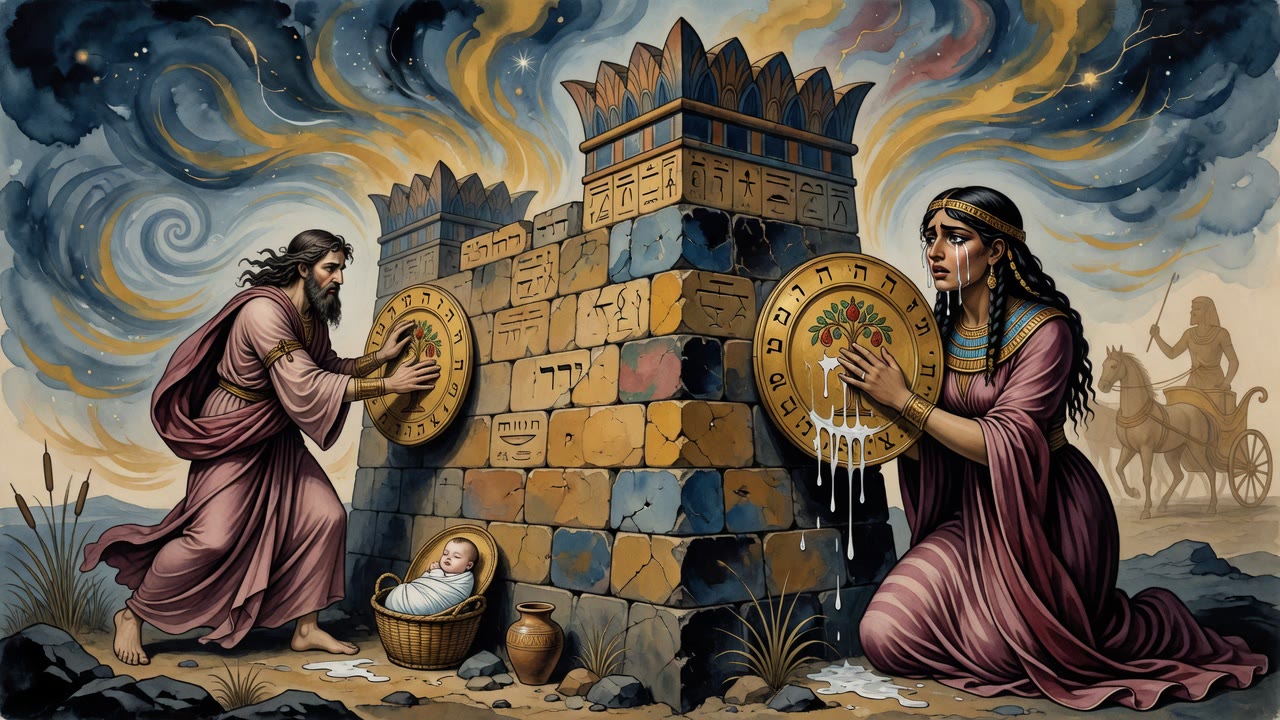
The throne Ahasuerus later claimed in Shushan was never his. It belonged to Solomon, fashioned by Hiram of Tyre, the seat of a king the Holy One had marked before birth. While Solomon still lay in his mother's womb, God loved him and opened to him hidden mysteries, granting wisdom and an understanding heart from the beginning (1 Kings 4:31). The gift arrived before the first cry, before the first public judgment, before anyone could coach the child into looking wise.
He judged without hearing a word. Litigants approached with their carefully arranged faces, and before any of them could shape a lie, Solomon already knew the innocent from the guilty. Radiance poured over him. The crown rested. Grace clothed him as it had clothed his father David. Demons, harmful spirits, pestilences, and night-spirits were handed into his control. Fish and birds carried tribute. Cattle and wild beasts climbed of their own will toward his slaughterhouses. Lions and leopards ran before him like living heralds. He understood the speech of every bird and beast, so that the world of mouths became a second library.
What a Throne Remembers
That is the gap the later kings never closed. Solomon sat because heaven had opened secrets to an unborn child and then tested the grown king with creatures and spirits that still obeyed. Nebuchadnezzar sat because he had burned a city and wanted the furniture. The same gold steps, the same lion joints, two different claims. One claim was mastery received in the dark of the womb. The other was theft performed in public after smoke still clung to Jerusalem's stones.
When the leg finally broke on the sea road under Antiochus's men, the world lost the chance to watch more thighs shatter. What remained was the rumor of a seat that measured kings by a standard no army could pack into a chest. Cyrus alone left without a limp, because rebuilding is not the same gesture as climbing. Ahasuerus could drape himself in banquets and decrees, but the wood and gold under him still belonged to a wiser story. The lions, even damaged, still told it.
Courts that later told the story liked to pause on the sound of the lion's paw. Gold should not be able to break bone, and yet the midrash insists the joint of the throne was never only metal. It was judgment given shape. Nebuchadnezzar could burn cedar and seize vessels, but he could not sit where wisdom had sat without paying in flesh. Alexander's path and Shishak's limp extended the same sentence across languages and centuries until even sailors knew a broken leg of the throne as a cargo that refused repair.
Solomon's earlier mastery hangs over every later climb. A king who heard beasts and bound spirits did not need to prove himself with theatrics on the steps. The steps remembered him. When lesser kings treated the seat as loot, the seat treated them as defendants. Cyrus alone approached as a builder, and the lions, for once, kept their paws still. That stillness was not softness. It was recognition.
← All myths