Israel Demanded a House for God and God Said He Did Not Need One
Israel told God every earthly king had a palace. God said He needed none. Israel refused ancestral credit and demanded to earn the relationship themselves.
Table of Contents
 Click for full size
The Complaint at the Foot of the Mountain
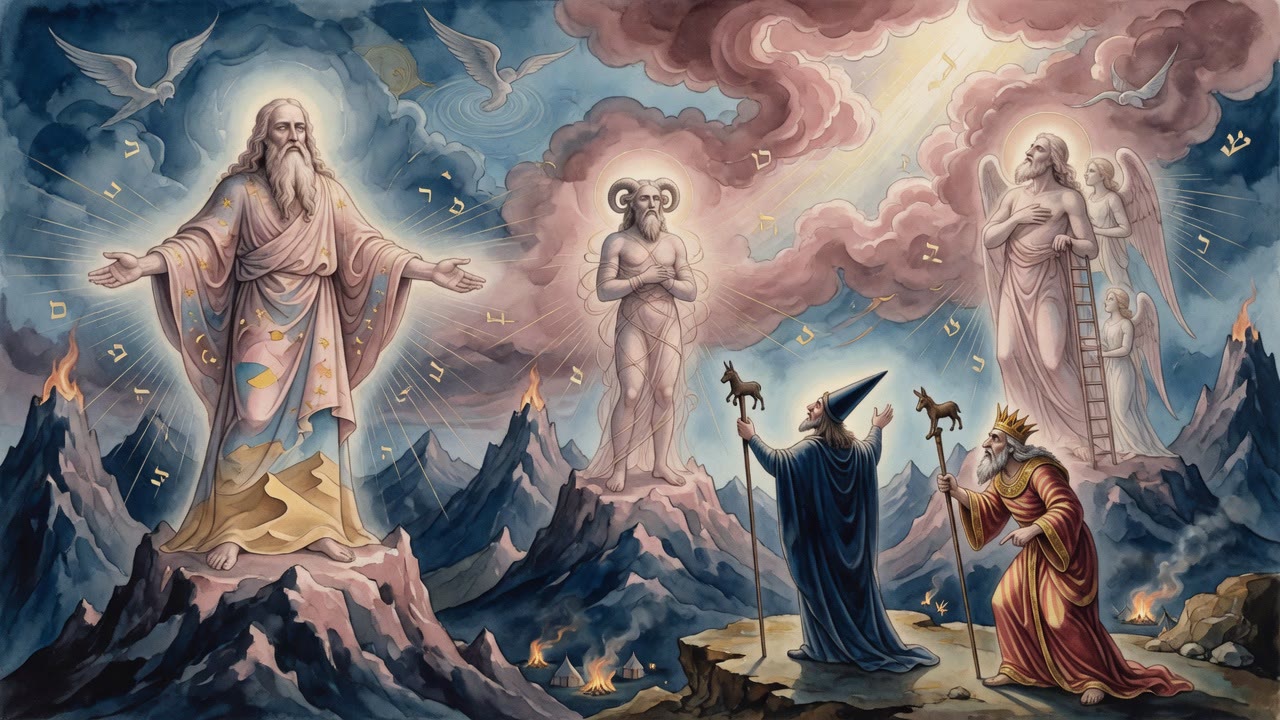
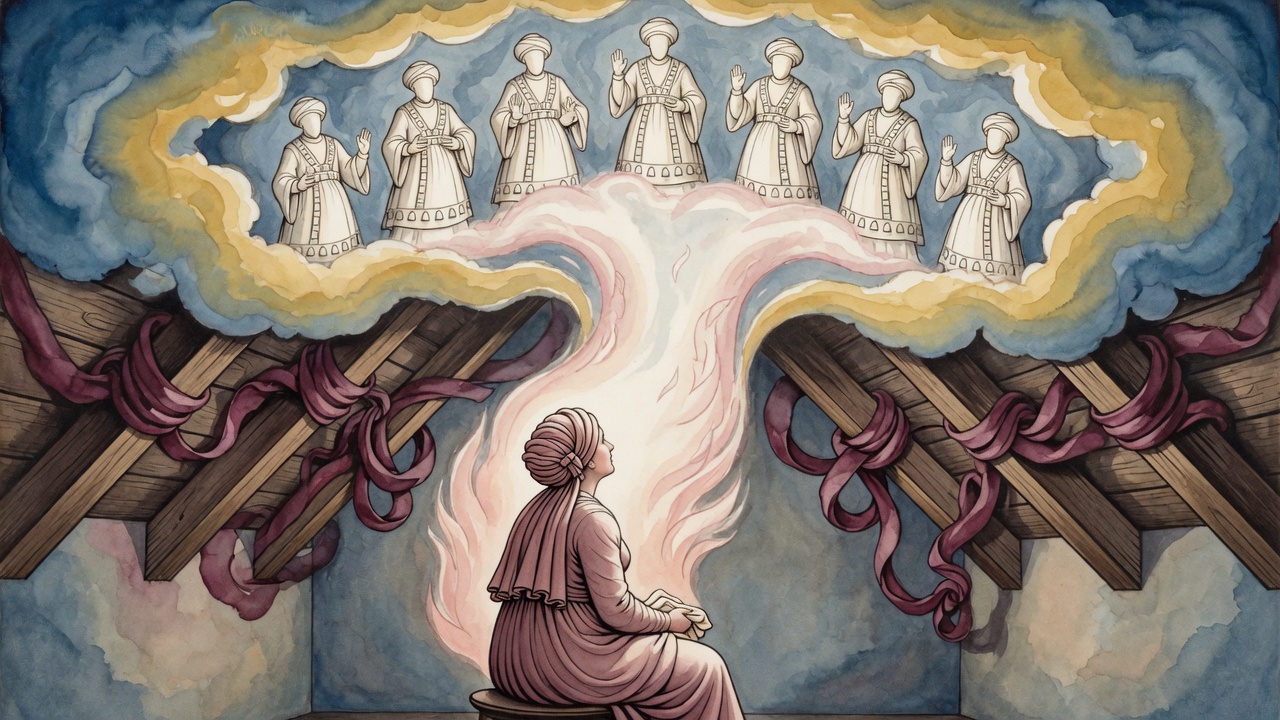
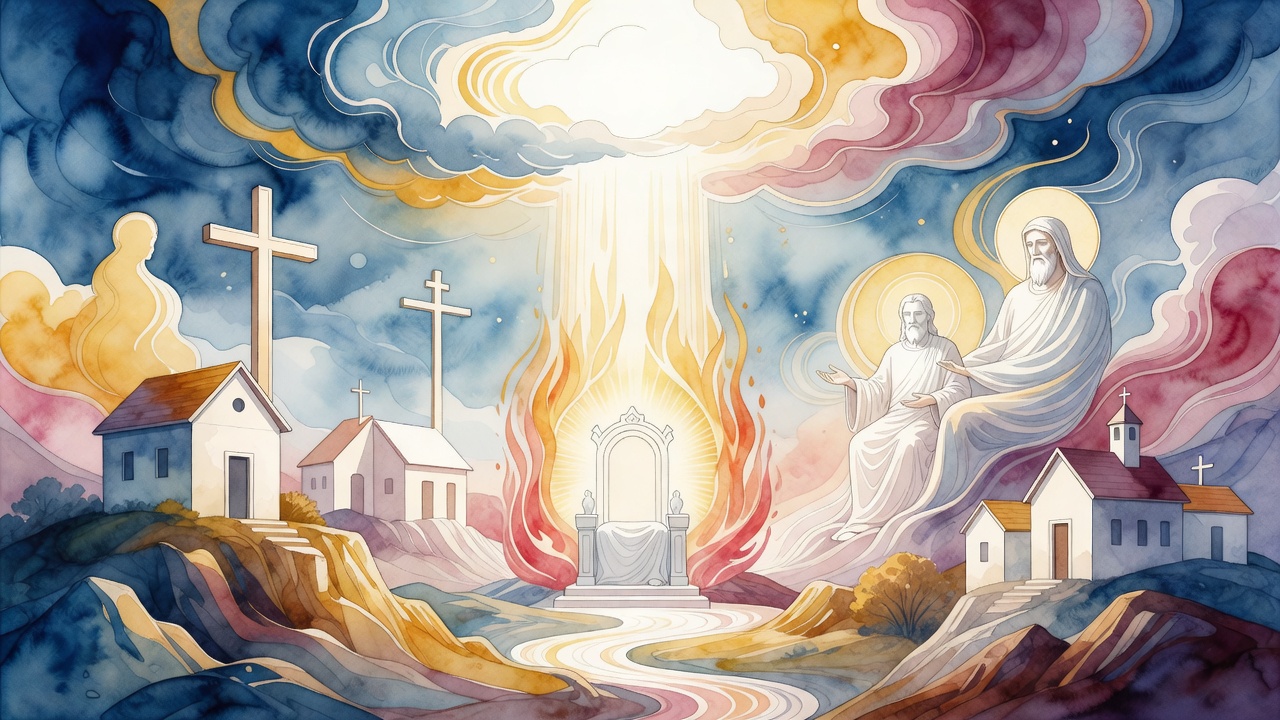
The Israelites came before God after Sinai with a grievance. Every earthly king had a palace. Tables. Lamps. Royal insignia displayed prominently so the world knew who ruled. Their God, the King of kings, the one whose voice had just come out of fire and killed every nation that heard it except them, had no house at all. He had a mountain and a pillar of cloud. No throne room. No lamps. Nothing you could point to and say, that is where He lives.
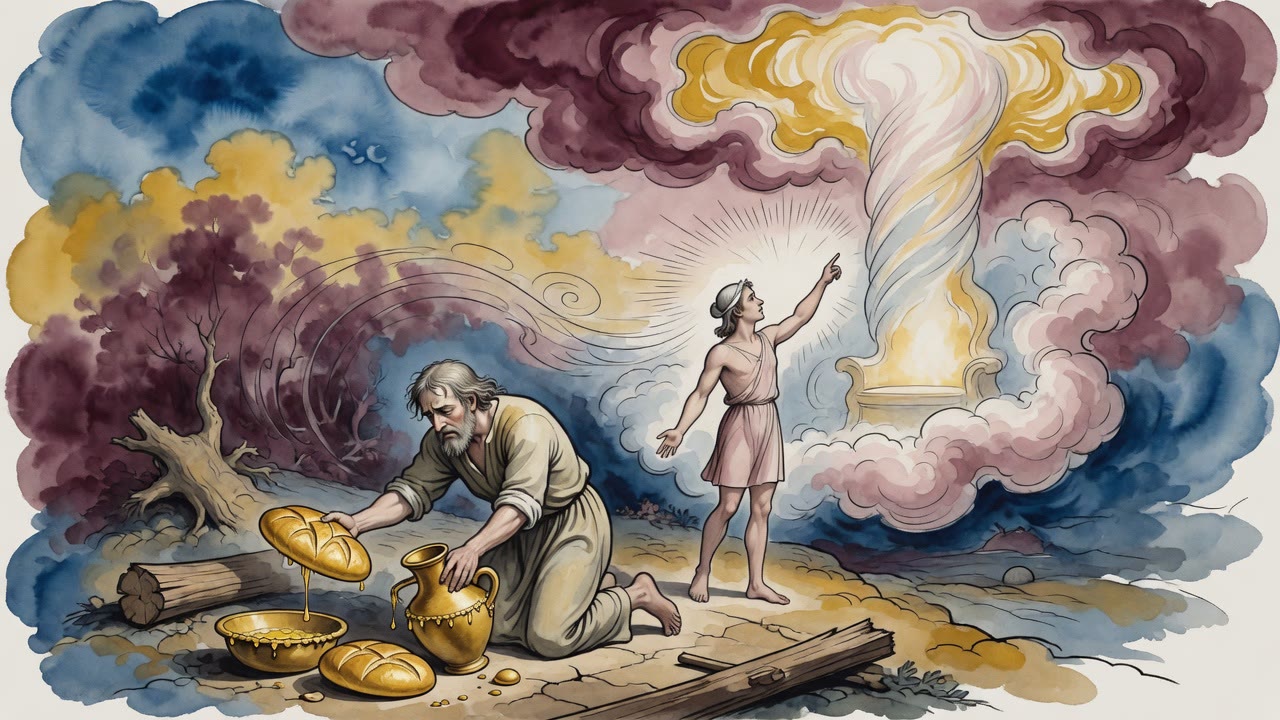
God pushed back like someone tired of being misunderstood. He did not need food. He did not need drink. He did not need light, because the sun and the moon were His servants who shone with His borrowed fire. He was already providing for Israel on the merit of their ancestors. The covenant made with Abraham, Isaac, and Jacob had purchased centuries of divine protection and sustenance. He was willing to continue on that basis indefinitely.
Israel refused the offer.
We Do Not Want to Live on Inheritance
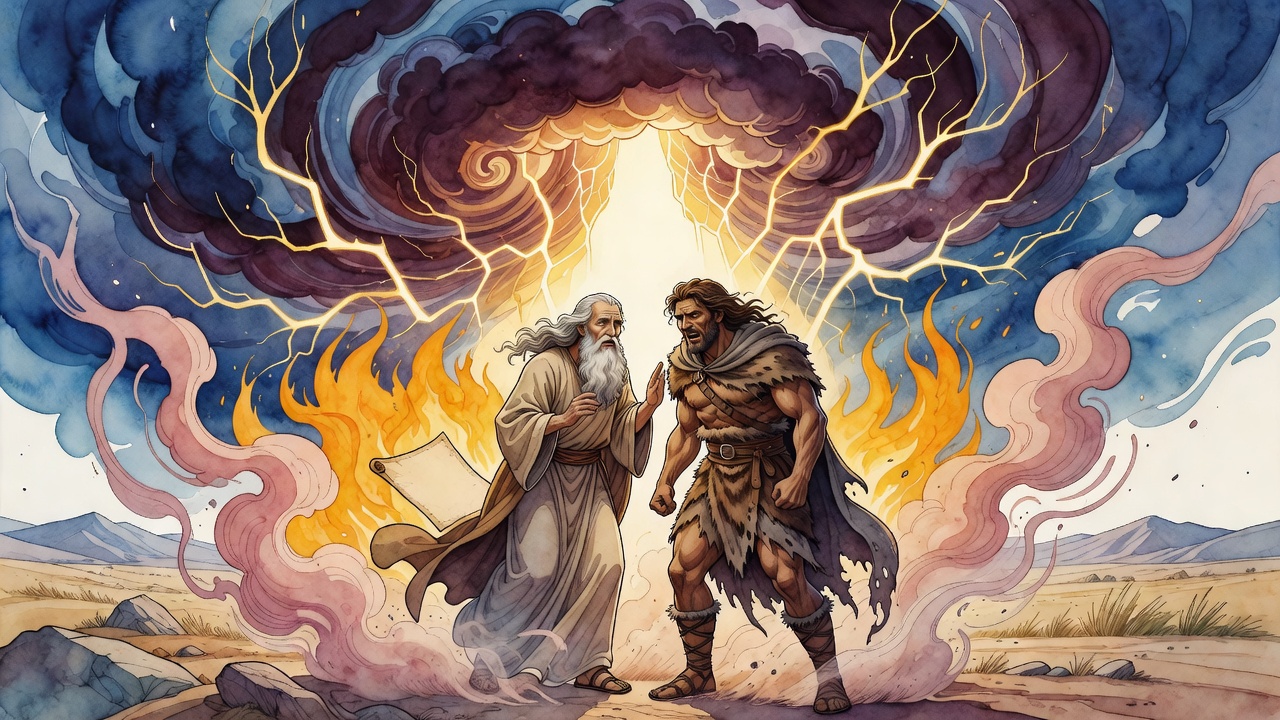
What Israel told God next was the line that made the argument strange. They said, in effect, that ancestral merit was not enough. They did not want to receive protection as a benefit of their fathers' piety. They wanted to earn the relationship themselves, to have a present obligation that was theirs and not borrowed from the dead.
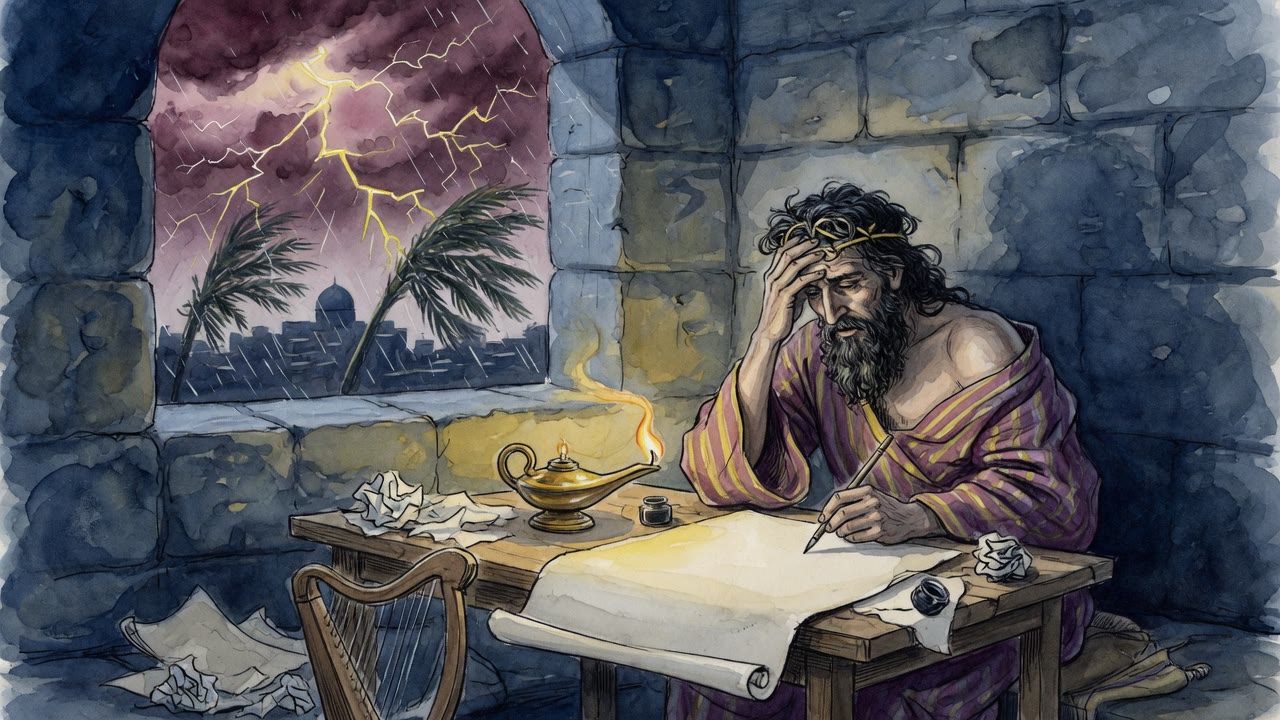
They quoted a verse from Isaiah that would not be written for centuries: "Doubtless Thou art our Father, though Abraham be ignorant of us, and Israel acknowledge us not. Thou, O Lord, art our Father, our Redeemer from everlasting is Thy name." Even if the patriarchs did not know us, they said, "You are still our Father. We are claiming You directly."
The Tabernacle was the result. God gave them what they asked for, a house for His Presence to dwell in, but the instruction was precise. Make it movable. Put it on poles. Keep it portable. What God agreed to was not a fixed palace but a tent that traveled with a people who were still in motion.
The Well at Aram-Naharaim
The same argument about direct relationship versus inherited credit runs through the story of Rebekah at the well. When Abraham sent Eliezer to find a wife for Isaac, the servant arrived at the well outside the city and prayed for a sign. The woman who offered water to both him and his camels unprompted, who gave without waiting to be asked, would be the right one.
Rebekah came to the well with her jar, drew water, offered it to the servant before he finished asking, and then ran to water all ten camels. She did not know she was being tested. She was simply the kind of person who moved toward need automatically. The trait was hers, not inherited from her father Bethuel, who comes across in the text as a man primarily interested in the gold Eliezer was carrying.
The rabbis read this as the sign not of Rebekah's virtue alone but of the covenant finding its own continuation. The relationship between Israel and God required people who acted out of their own character, not people who performed obligatory kindness because the rules required it.
Isaac and the Unspoken Things
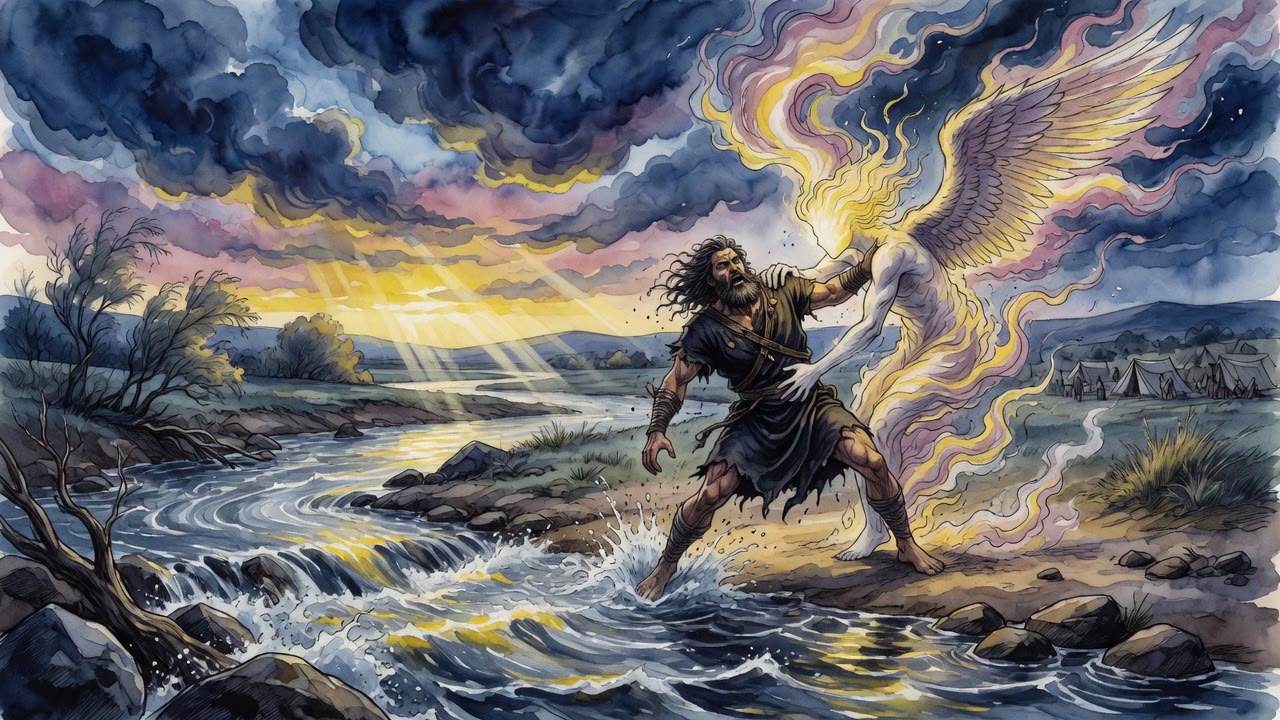
Abraham was called the father of many nations, the friend of God, the man who walked before the divine Presence and was counted as righteous. Isaac is called something different. The rabbis called him the one who feared. He was the man who had looked up at a knife and seen his father's face and held still. The binding on Moriah was not a test that ended when the angel intervened. It stayed in Isaac's body for the rest of his life.
When the midrash calls Isaac Abraham among the fathers, it means that Isaac carried inside him the concentrated weight of what it cost to be the next link in a covenant that required everything. Abraham had left Ur. Isaac was offered up. Jacob would wrestle until his hip broke. The relationship between Israel and God was not a gift passed quietly between generations. Each generation had to absorb the full cost of what it meant to be the people on whom the Presence rested.
← All myths