The Boy Slept While the Idols Failed at Sea
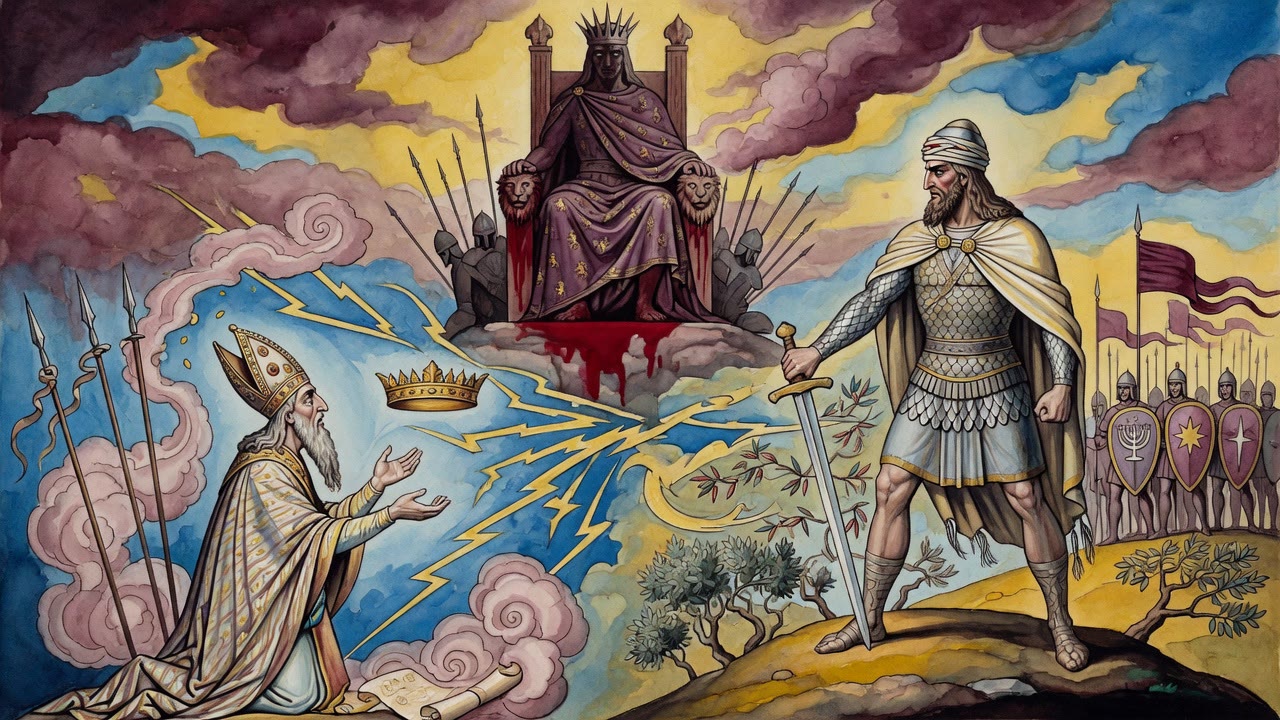
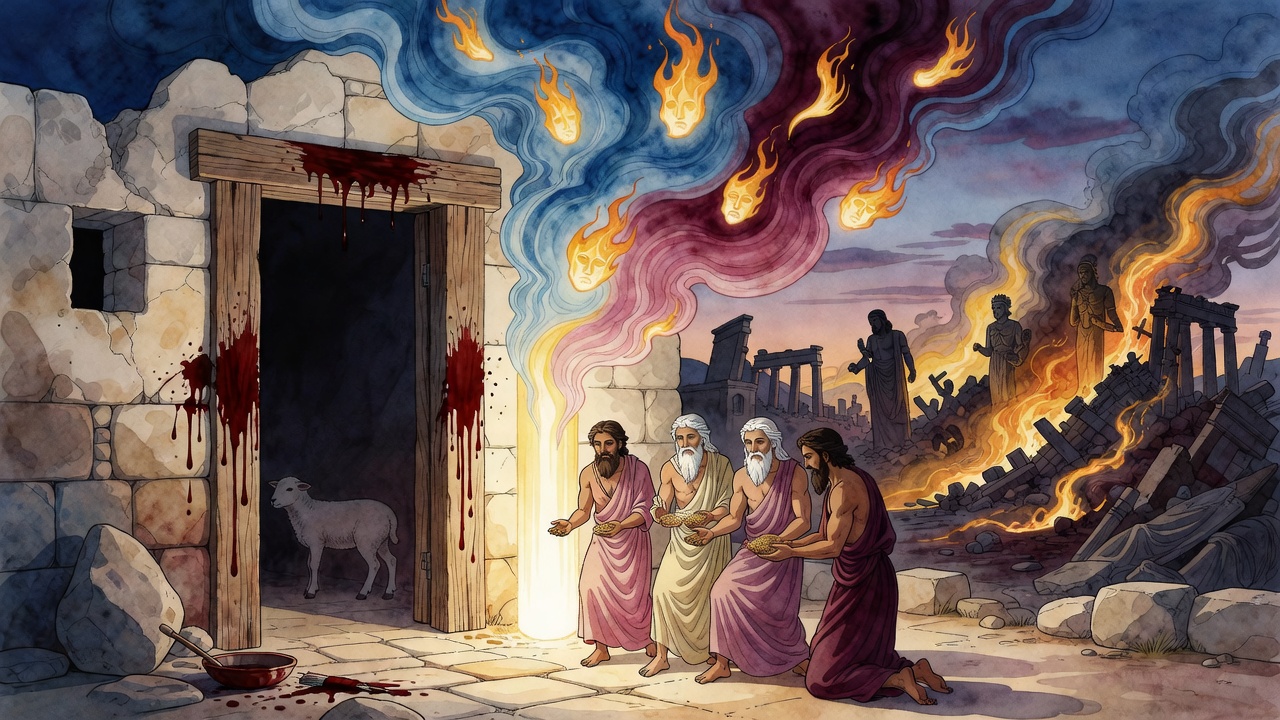
Storms tore the deck while rich men shook wooden gods. A poor boy went below, slept, then woke and called on the God who needs no carving.
Table of Contents
 Click for full size
Wooden Gods on a Wet Deck
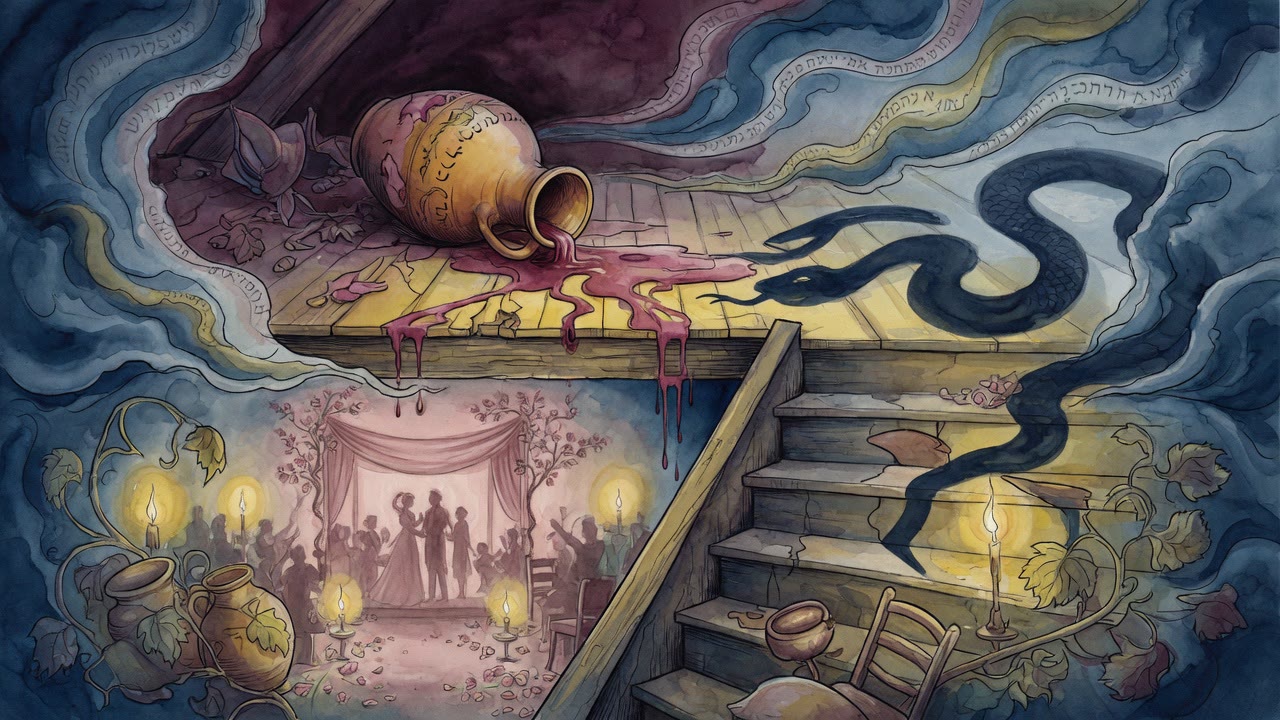
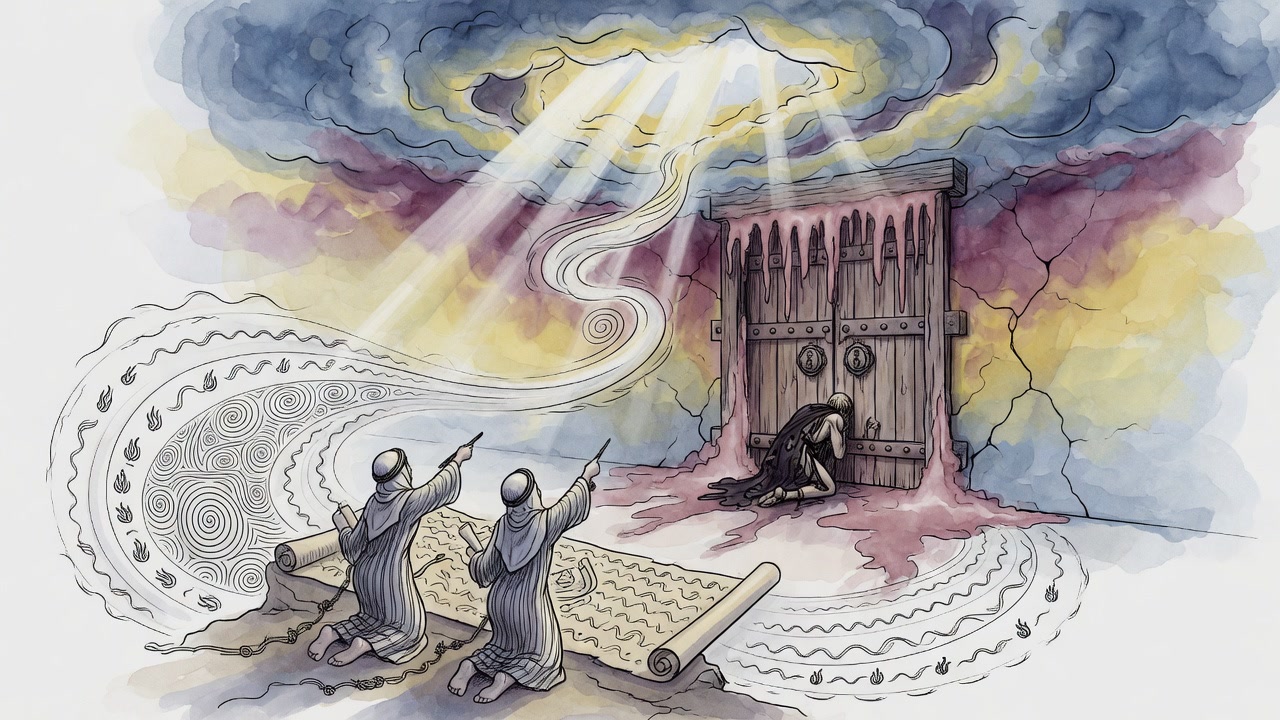
Salt water climbed the rail. The ship leaned, and wealthy passengers dragged idols from their packs as if wood could argue with the sea. They held the carvings close, kissed them, shouted names that the wind tore apart. The sea did not answer.
Below deck, a poor boy wrapped himself in a thin cloak and lay down. He owned no idol. He trusted no carved face. His body shook with the hull, and sleep still took him the way a tired servant falls into a corner after a long road. Above him, panic made a circle of noise that could not buy calm.
The carvings stayed dry under a rain of spray. The boys of wealth clung to them until their knuckles whitened. Nothing in the water changed for that loyalty.
They Woke the Only Quiet Passenger
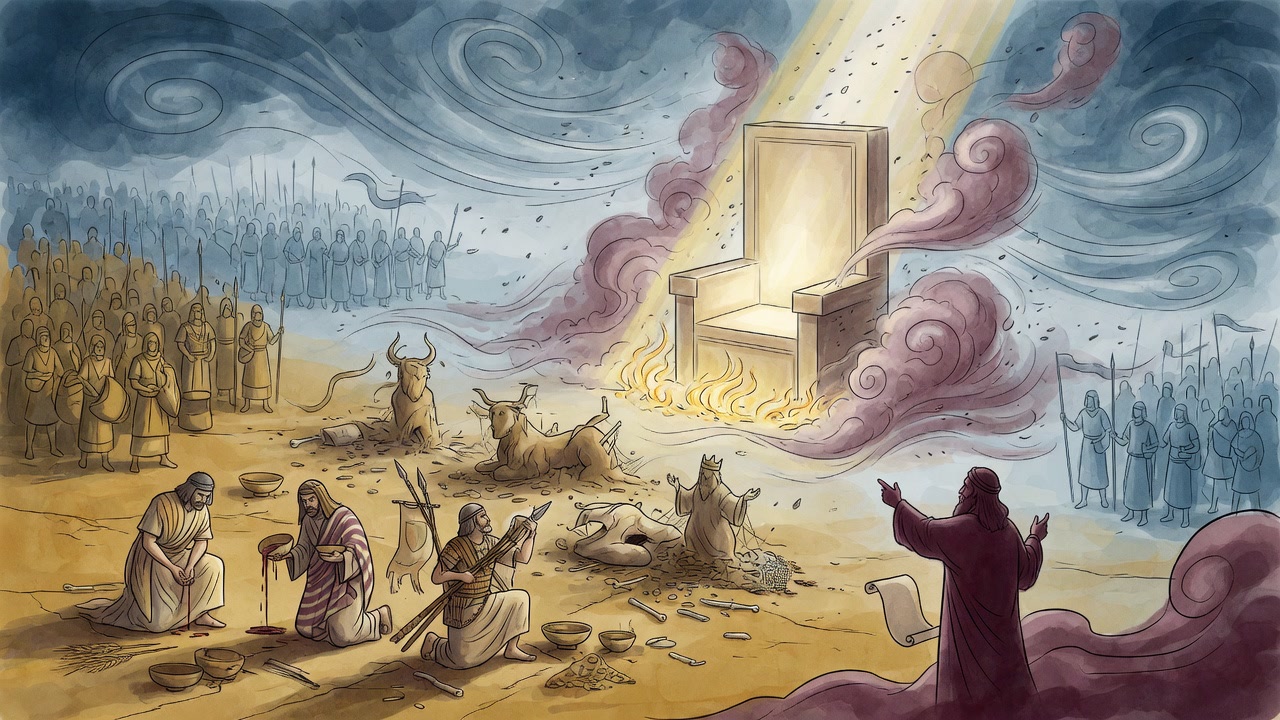
When the planks screamed and the cargo shifted, the others hauled him up. "Pray," they begged. "Do something." He looked at their gods hanging from necks and belts. Then he spoke to the One who has no image, the God of Israel, near to whoever calls and not strapped to a throat.
The water settled as if a hand had pressed it flat. Sails that had been thrashing hung slack. The passengers stared at the boy the way people stare at a door that opened without a key. On shore they bought food with heavy purses. He hung back, empty-handed. They tried a taunt dressed as wisdom. "Your God is with you everywhere, so how can you be poor?"
He turned their words. "Your god hangs on your neck and is far from you even while it touches your skin. My God seems distant in the heavens, and still He is near when a person cries out." Some of them left their carvings on the sand and learned a new prayer on salt-stiff lips.
A Plank and a Bowed Head
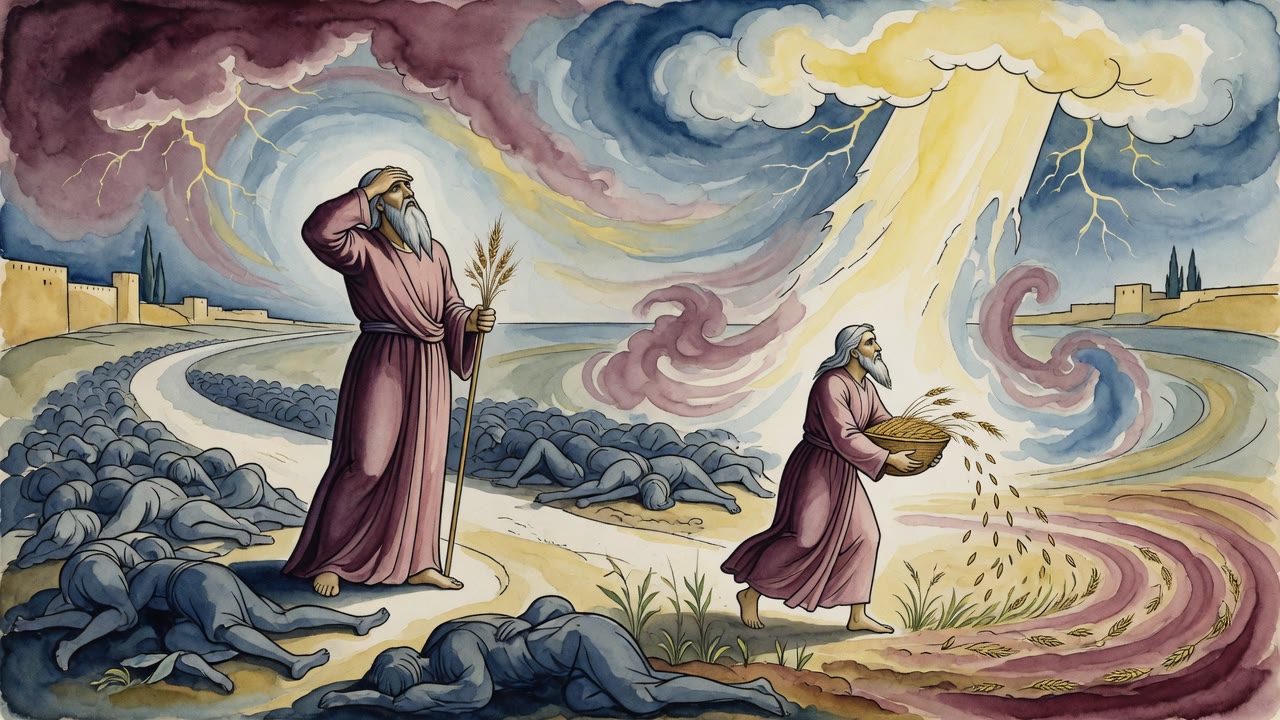
Years and storms later, another voyage broke under harder weather. Rabbi Akiva was thrown into open water when the hull failed. He caught a plank. For hours the sea lifted him and dropped him. With each wave he bowed his head and let the water pass rather than fight every crest as if pride could outswim the deep.
He crawled onto sand bruised and breathing. Townspeople asked how he alone lived. "A plank came to my hands," he said. "I held it. I bent." The same teacher who would later compare Torah to water for fish knew that a rigid body snaps. Hold what is solid. Yield where the blow is only water. The shore received one man who had practiced humility under green mountains of wave.
Bodies on the Shore
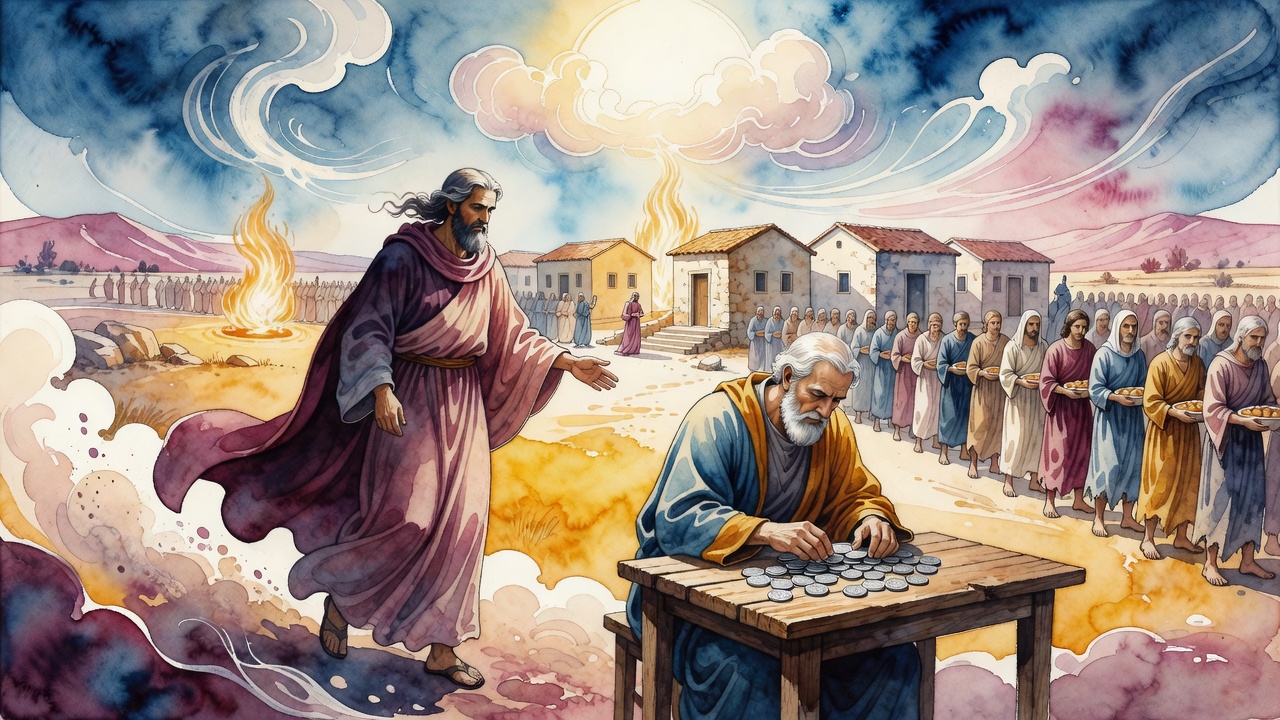
Bar Kappara walked a different beach and found strangers shivering after a wreck, goods gone, names unknown. He did not audit their ancestry. He fed them, clothed them, put bread in hands that still shook. One of those strangers later rose to power. When Bar Kappara's people needed an advocate, the rescued man remembered the seashore and repaid the kindness with protection no coin could have bought that day.
Bread cast on water returns, the verse says (Ecclesiastes 11:1). Sometimes it returns as a calmed sea. Sometimes as a plank under one sage's grip. Sometimes as a Roman door that opens because a Jew once shared a cloak with a wrecked man. The ledger of the tide is longer than the ledger of a single voyage.
What the Storm Sorts
Idols fail in spray. Sleep that trusts the living God is not laziness; it is a refusal to negotiate with wood. Akiva's bowed head is not surrender to chaos; it is skill under pressure. Bar Kappara's open hand is not a calculation of future rank; it is the same faith that the boy on the first ship practiced when he had nothing to hold but a Name.
Three shores. One sea. The wood that people worship sinks. The wood that becomes a plank can save. The bread given without a receipt can outlast the storm that swallowed the cargo. When the next gale rises, the question is not how many carvings hang from how many necks. The question is who still knows whom to call, and who still feeds the stranger the sea throws back.
On the first ship the boy's prayer did not arrive as theater. It arrived as a thin voice after sleep, and the deck crew still had idols in their fists when the water went flat. That ordering matters. First the refusal of wood. Then rest. Then speech. The wealthy men had reversed the order, speech to dead things first, and only panic afterward.
Akiva's plank years later rhymes with that refusal. He did not invent a new god of the sea. He held timber that had once been part of a vessel men built, and he treated each wave as a fact rather than an insult. When he later told the fish-and-water parable under Roman threat, the memory of salt in his lungs was already in the teaching. A Jew without Torah is a fish without water. A man without a plank in a storm is only a theory of swimming.
Bar Kappara's beach adds the third hinge. The boy proved God is near. Akiva proved the body can ride what it cannot master. Bar Kappara proved that nearness includes strangers whose future rank no one can see. The same sea that broke their ships also delivered the next chapter of their lives onto sand where a sage could choose to open his hand.
← All myths