The Egyptian Son Who Reviled the Name at Sinai
A son of the Egyptian Moses killed tried to pitch with Dan and lost. From that loss he hurled the Name heard at Sinai, and the camp answered with stones.
Table of Contents
 Click for full size
The Peg That Found No Ground
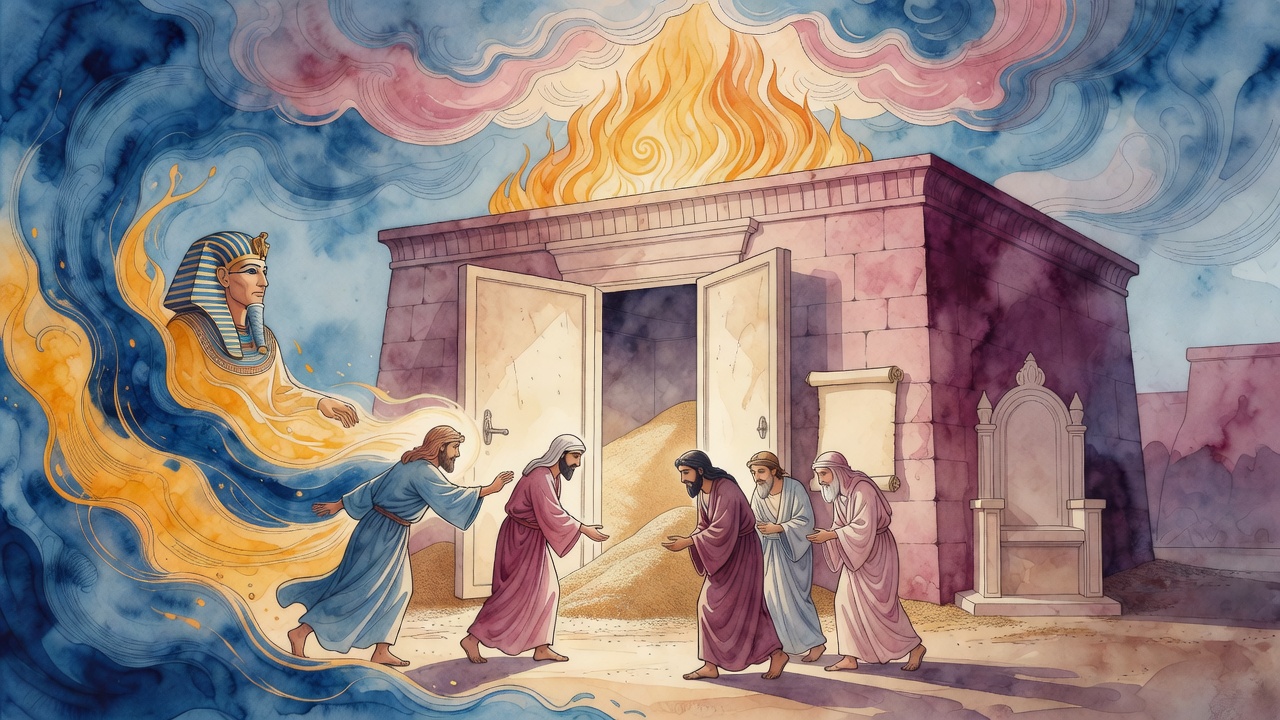
He came into the camp of Dan carrying his tent poles on his shoulder and looking for a gap between the ropes. His mother had been born under those ensigns. That was the whole of his claim and he knew it was thin, so he had waited for midday, when men are slow, and he picked a stretch of open sand at the edge of the block where nobody's guy ropes would cross his own.
Three men were standing on it by the time he set the first peg down. They did not shout at him. They stood where the peg would have gone and let him work out for himself that the sand was not open.
In the arrangements of Israel every man camped with his family by the ensign of his father's house, and his father had been the Egyptian taskmaster Moses struck down in the sand years earlier. The tribes ran through the father. Through his father he was nothing in that camp, and no amount of mother would move those ropes an inch.
He Took It to Court
So he brought the case, since bringing a case was the one tool he still owned. For a while the argument was decent. His mother's line. His own body standing there in the wilderness, eating the same manna as the men who would not let him unroll a tent. The judges heard all of it out. Then they ruled against him, because the law of the encampment did not turn on where a man had been born or what he had eaten, only on whose house his father belonged to.
He had come out of Egypt with everybody else. He had walked the same road and drunk from the same rock, and now the ruling put him outside the ropes for good, with no tribe to bury him and no ensign to stand under.
The Only Thing He Still Had From Sinai
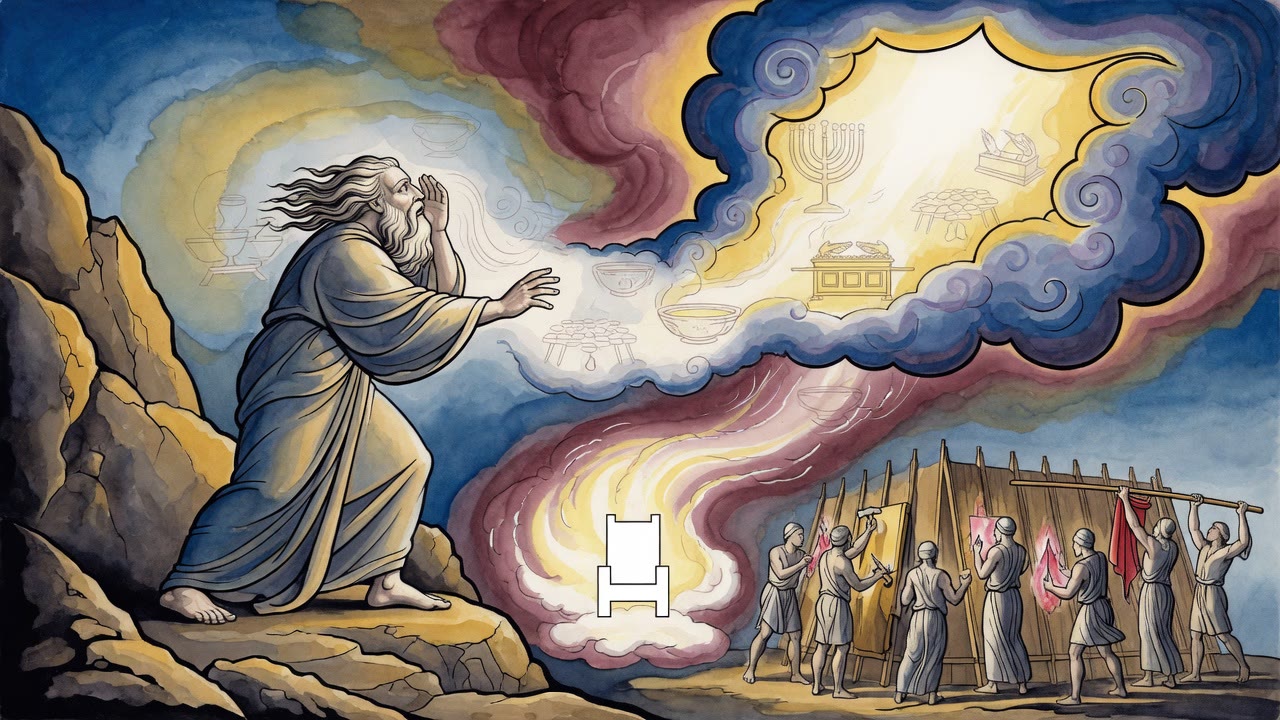
He had stood at the mountain. Whatever else the court had taken off him it could not take that, because he had been in the crowd on the day the great and glorious Name was spoken aloud, and he had heard it with his own ears the way everyone standing there heard it.
So he used it.
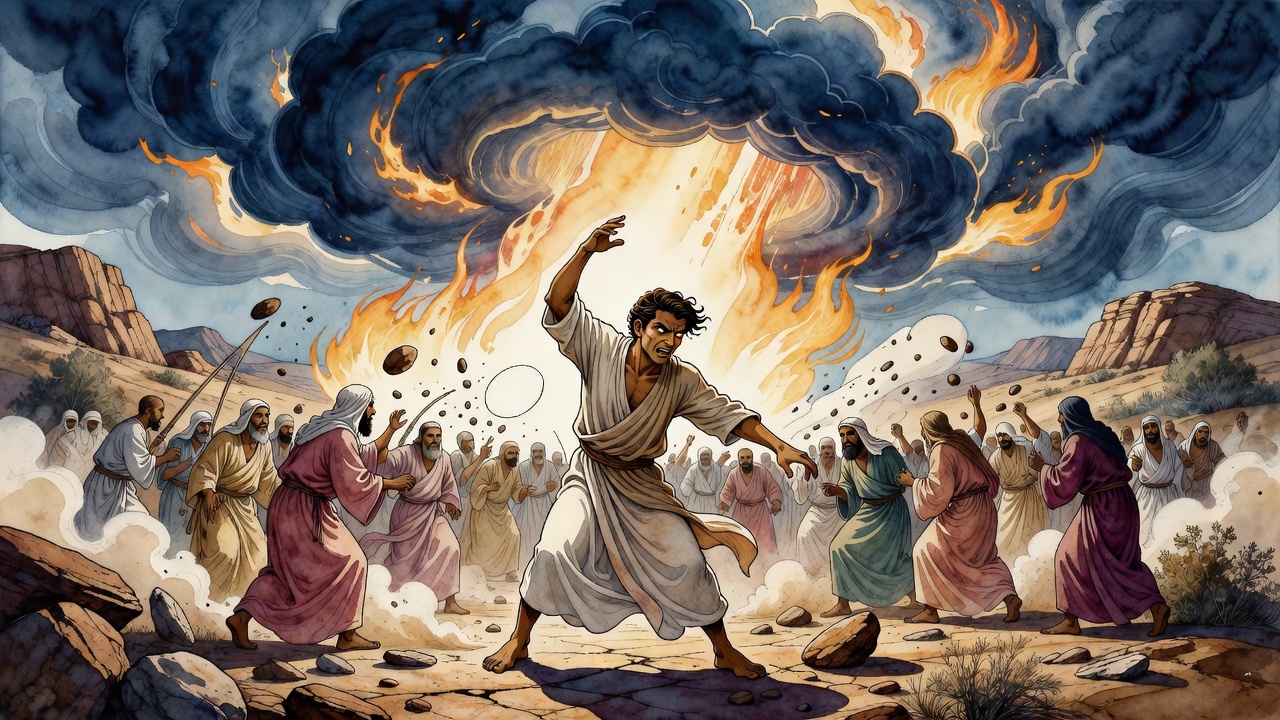
He turned around in front of the judges and brought the Name up out of himself and threw it. It came out of a mouth that Sinai had shaped to hold it, and it came out fast, before anyone had the presence of mind to put a hand over it. Men who had been talking stopped talking. Somebody behind him made the noise a man makes stepping into cold water, and the sand around the tent poles emptied of everybody who could get far enough away.
Moses Did Not Answer Quickly
They put him under guard and carried the case up to Moses, and Moses did not rule that afternoon.
In money cases he was fast, since money can be counted and returned. In a case with a life inside it he slowed everything down, and this was one of four such judgments brought to him in the wilderness. He said, in front of the men waiting on a verdict, "I have not heard." He was not confused. He said it so the chiefs who would sit in judgment after him would know that a judge can stand in front of a crowd and admit he does not yet know, and that admitting it costs him nothing worth keeping.
The camp waited. The man waited with them, guarded, unclaimed by any tribe, which meant there was nobody arguing for him in anyone's tent in the evenings.
The Men Who Held the Stones
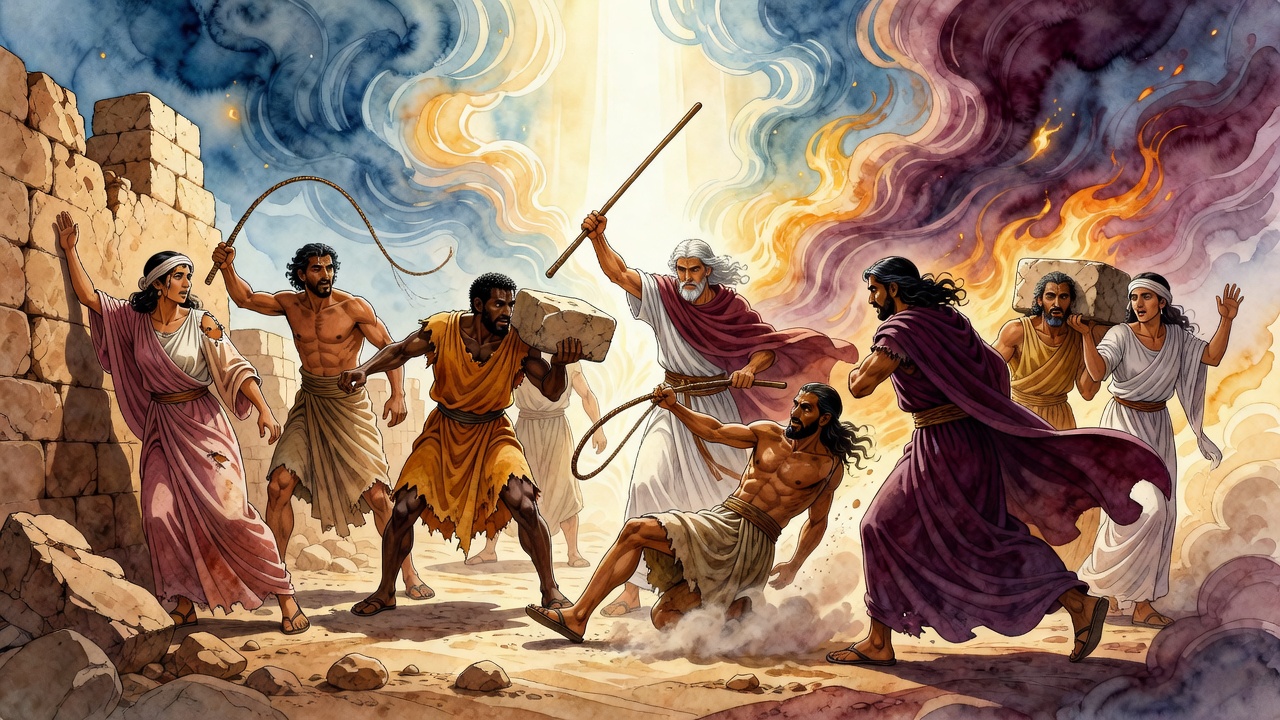
The sentence came down and the camp carried it out, and among the hands that picked up stones there were men who had danced around the calf.
They had not been let off. The ones who had built the thing and sacrificed to it were already dead for it, and the ones who had only danced had been given something smaller to carry, because heaven had weighed the difference between making a god and enjoying one. Every man in that crowd knew which side of the line he had come down on. They had all been measured once, one at a time, by a court that would not hand out the same death twice unless the deeds were the same deed.
So they killed him for what he had said and not for what his father had been, which was the only thing he had ever asked that camp for. The poles were still lying where he had dropped them. Nobody from Dan came out to move them.
← All myths