The False Prophet Who Made His Grandson Arrest Jeremiah
Hananiah promised the exiles would be home in two years. Jeremiah gave him one year to live, and Hananiah's sons hid the body for two days.
Table of Contents
 Click for full size
The Watchman at the Benjamin Gate
Jeremiah walked toward the gate of Benjamin with an empty sack under his arm. The Babylonian army had pulled back for a season, the road north was open, and he meant to reach Anathoth and collect the priestly portion owed him.
The watchman stepped into the gateway and took hold of the sack.
"You are falling away to the Babylonians," he said.
Jeremiah told him it was a lie, that he was going for what the law owed a priest of Anathoth. The watchman did not let go. His name was Jeriah, and he had been raised on one instruction, given to his father by a dying man.
The Two Years Hananiah Sold in the Temple Court
The dying man was Hananiah. Years before this he had stood in the Temple court in front of a crowd that wanted very badly to believe him, and he told them that within two years Nebuchadnezzar would be broken, the exiles would walk back through these gates, and the vessels hauled off to Babylon would be set on their own tables again.
Nobody had revealed this to him. He had worked it out. God had announced judgment against Elam, and Elam marched under Babylon's banner, so Hananiah reasoned that a master who lets his servant be beaten will be beaten worse, and sooner. Clean arithmetic, delivered as revelation.
Jeremiah stood in the same court and said the opposite in the plainest words he had. Nebuchadnezzar would come, the city would burn, and the yoke was iron that nobody was going to snap in two years.
The crowd was not neutral. One of the two was promising their sons back.
The Sign That Was Never Owed
"Give a sign," Hananiah said. "Prove it."
Jeremiah refused, and the refusal had hard logic under it. A prophecy of ruin owes nobody a sign, because a decree of punishment can still be revoked. Let the city turn back and the word goes unfulfilled, and the prophet who spoke it is no liar. Comfort works the other way. God does not take back a good thing once He has announced it, so the man promising comfort is the one who owes proof. Hananiah had offered none.
Then Jeremiah turned on him. "You are a Gibeonite," he said. "If the Temple stands, I eat from its altar as a priest. You haul its wood and draw its water, the way your fathers did. I am prophesying against my own bread. You are prophesying against your own back. Ask them which of us has a reason to lie."
Hananiah had nothing for that.
"You will not see the end of this year," Jeremiah said, and left the court.
The Death He Kept Secret for Two Days
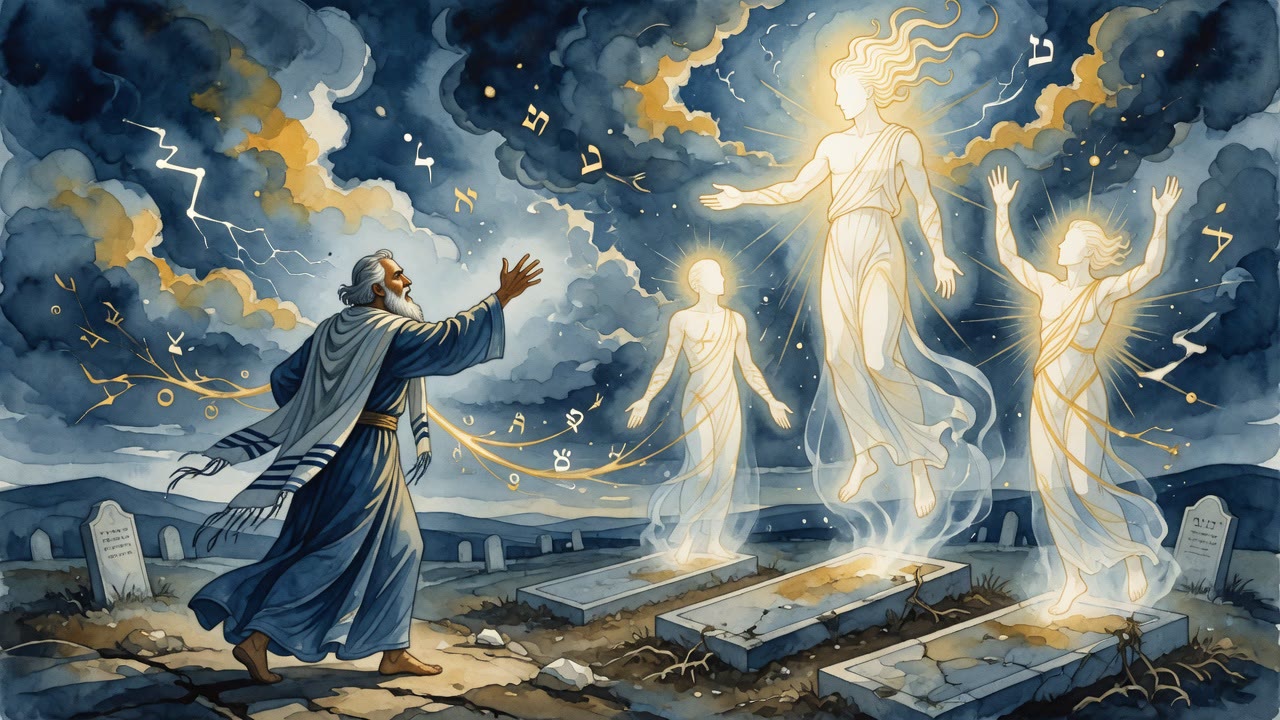
Hananiah died in the last days of that year, inside the window Jeremiah had drawn.
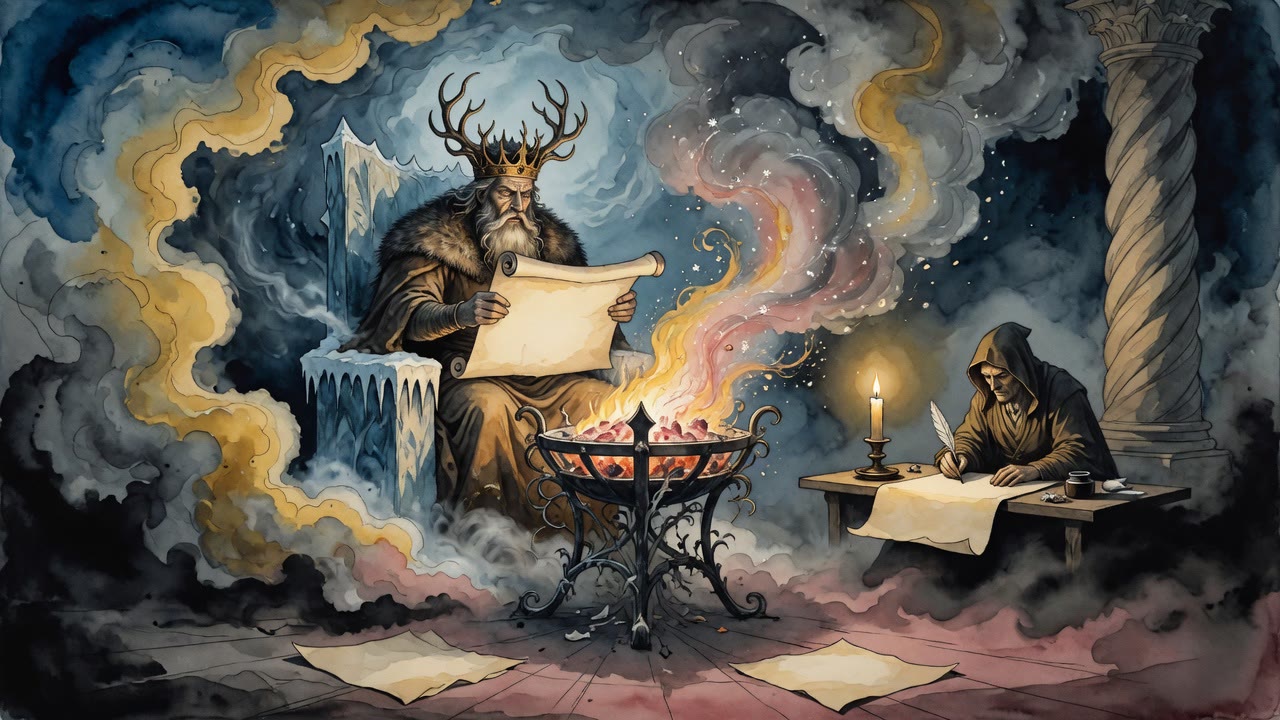
He had time to give orders. Hold the death quiet for two days, he told his household, and bury him after the year had turned, so the city would count backward and conclude that Jeremiah's word had come up short. A false prophet staging his own funeral to break a true one. Then he called his son Shelemiah close and laid the charge on him. Avenge me on Jeremiah.
Shelemiah never found his opening. He passed the charge to his own son and died with it undischarged, and Jeriah grew up knowing whose name the family owed.
So the watchman at the gate did not hesitate. He arrested the prophet, marched him in to the officials, and used the word treason. They were glad to hear it. They had wanted Jeremiah quiet for years without a charge that would hold.
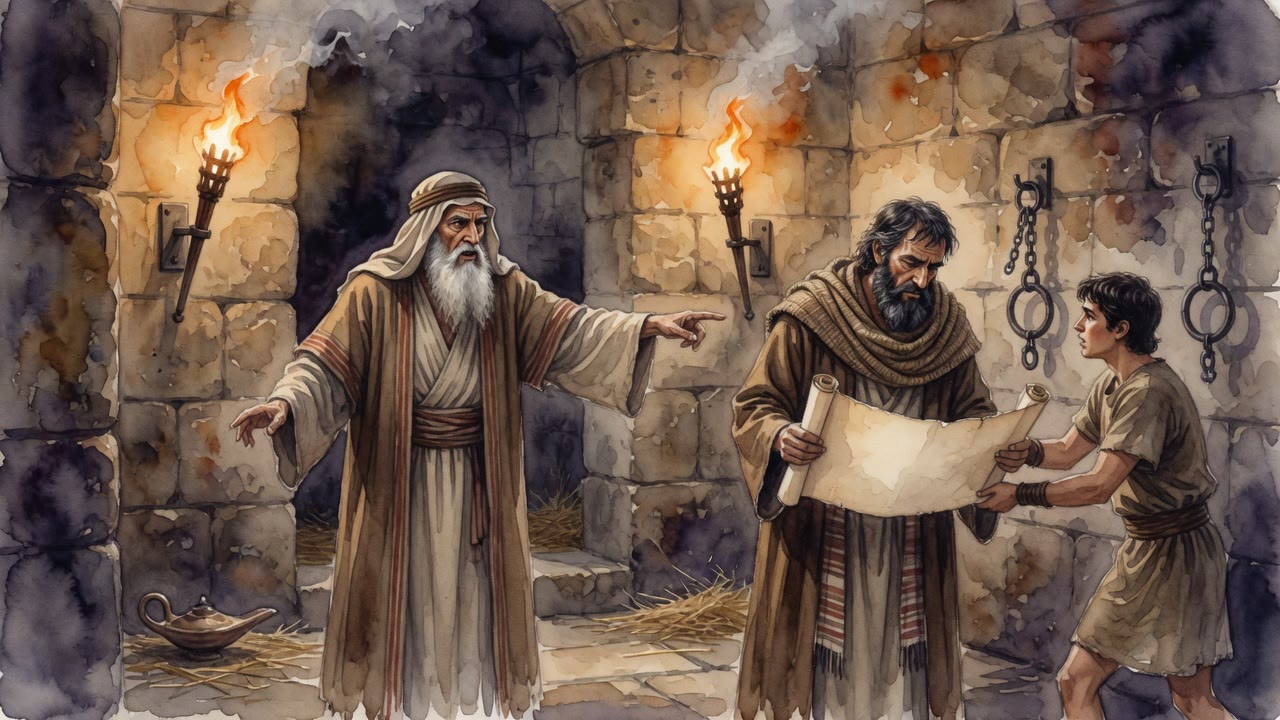
They put him in the house of Jonathan, who had been a friend of Hananiah's, in a vaulted cell below the floor. Jonathan came down the steps to visit. He called the cell "a royal palace." He said it slowly, the way a man says a line he has been saving, and came back the next day to say it again.
The Scribe Who Kept Writing
While Jeremiah sat under Jonathan's floor, Baruch ben Neriah kept writing.
He had done it for years, taking the words down at dictation and reading them aloud where they were least welcome. Nobody in Jerusalem wanted these sentences written. Baruch wrote them and tied the scroll.
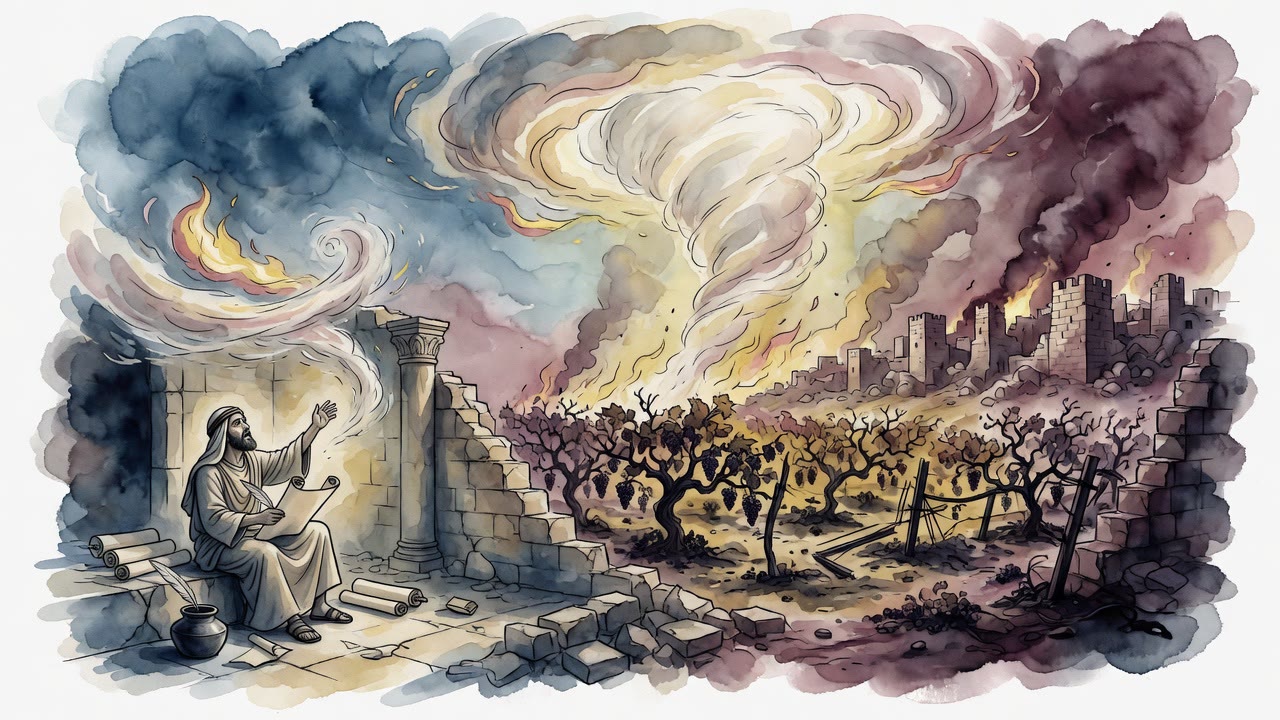
Then the last siege closed. God sent Baruch out the day before the Babylonians came over the wall, and the reason was not tenderness. A righteous man standing inside those walls could hold back a decree already sealed. His prayers were an obstruction. So Baruch went out, stood at a distance, and watched the city he had spent his life warning.
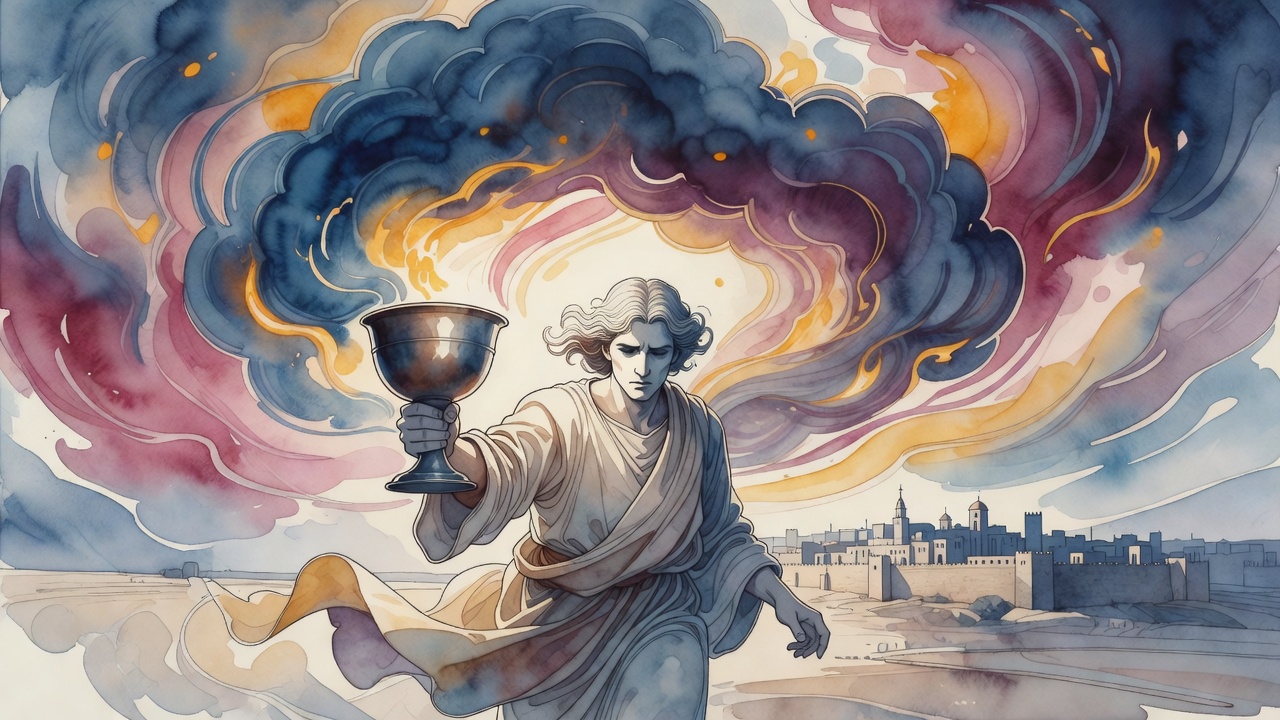
No soldier lit the first fire. Angels came down and set their hands on the walls, and the stone burned. Other angels went into the Temple ahead of the looters, took the menorah (the lampstand) and the ark, and hid them where no Babylonian inventory would ever list them. The gold went into the ground while the smoke went up.
Baruch sat where he was and fasted seven days.
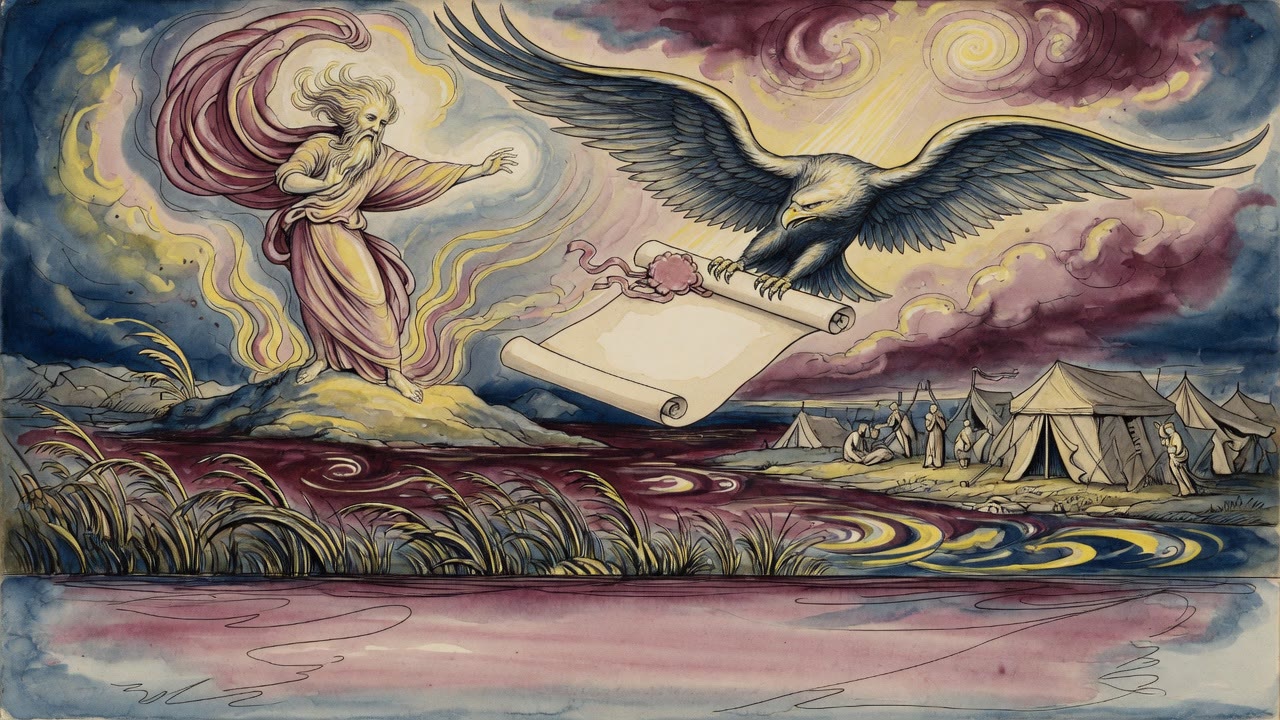
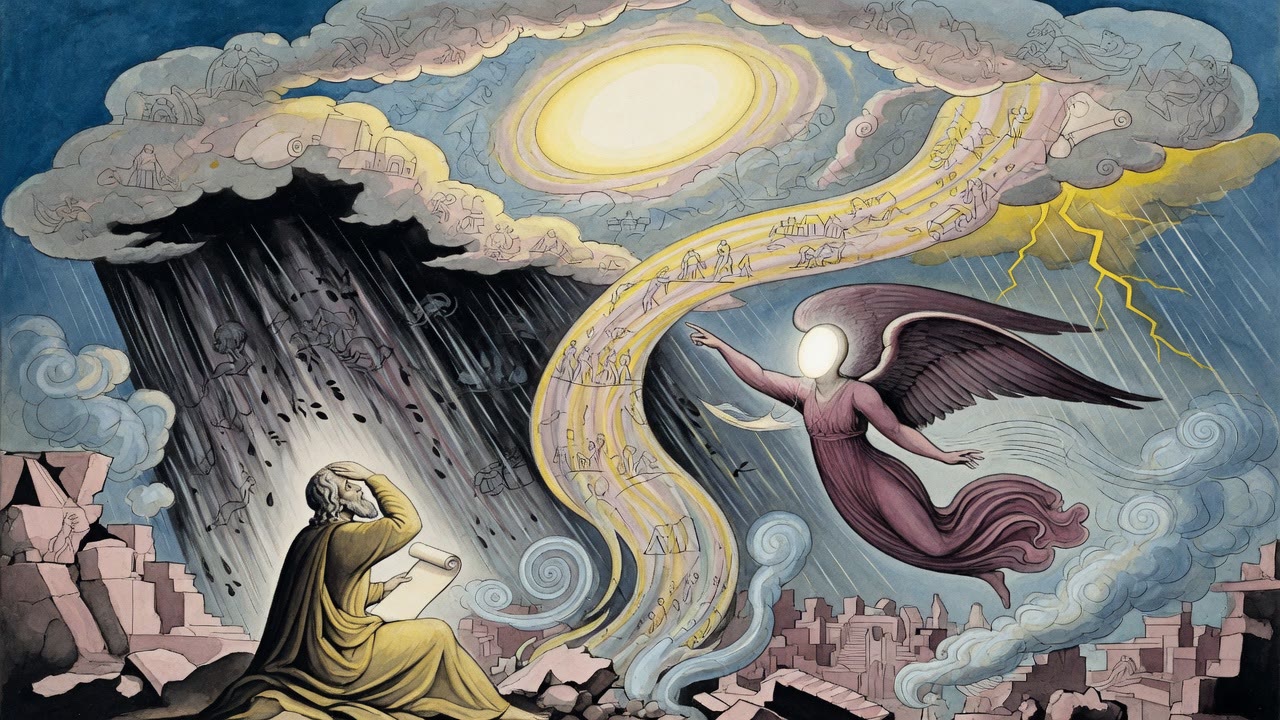
What came back at the end of the fast was not comfort about the present. The nations that had done this would stand in a judgment of their own. Then the generations of humankind opened in front of him like a road seen from a height, and past the last trial Israel would walk through, the coming of the Messiah, after which nobody would mourn anything again.
One thing more was said to him. He would not die. He would be lifted off the earth and kept until the last days, so that the man who had taken the ruin down in his own hand would be standing when the rest of it came true.
← All myths