The Gate No One Could Finish and the Spring That Ran Red
Rabbi Yose ben Qisma names the hour by a gate that keeps falling, and his students break their word before the dust leaves the road.
Table of Contents
 Click for full size
The Question They Carried Through Tiberias
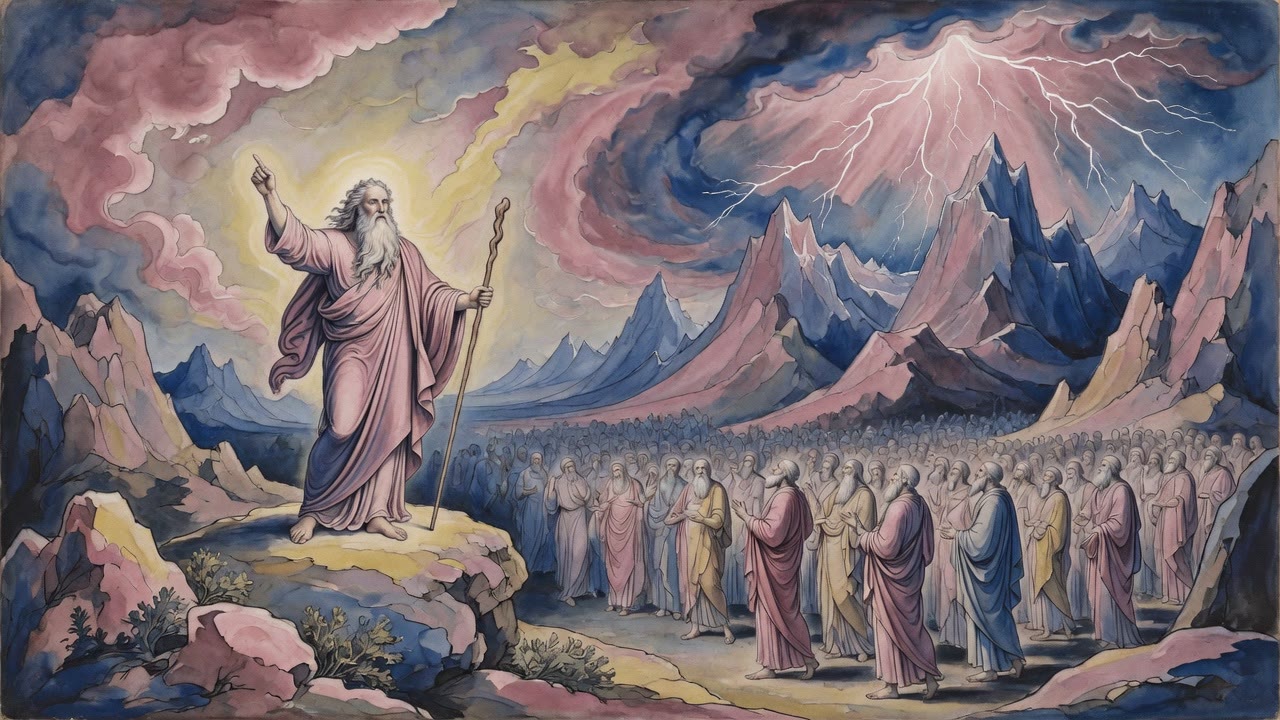
The lake road was already white with dust when Rabbi Yose ben Qisma came down it, walking at the pace of a man with nowhere he had to be. His students matched him step for step. They had been matching him since morning, and every one of them was waiting for somebody else to ask first.
The youngest broke. "Our master," he said, "when is the son of David coming?"
Yose ben Qisma kept walking. That question had followed him through every street in Tiberias, murmured at funerals, shouted once at a wedding by a man who had drunk too much and wanted to know why heaven was taking so long. He watched the water below the road go flat and bright.
"If I tell you," he said, "you will seek a sign from him."
They understood. Not a sign from a teacher. A sign demanded from the anointed one himself, the way a creditor demands a seal on a document he does not trust.
"We will not," they said. All of them, together, in the road.
The Gate That Would Be Raised and Thrown Down
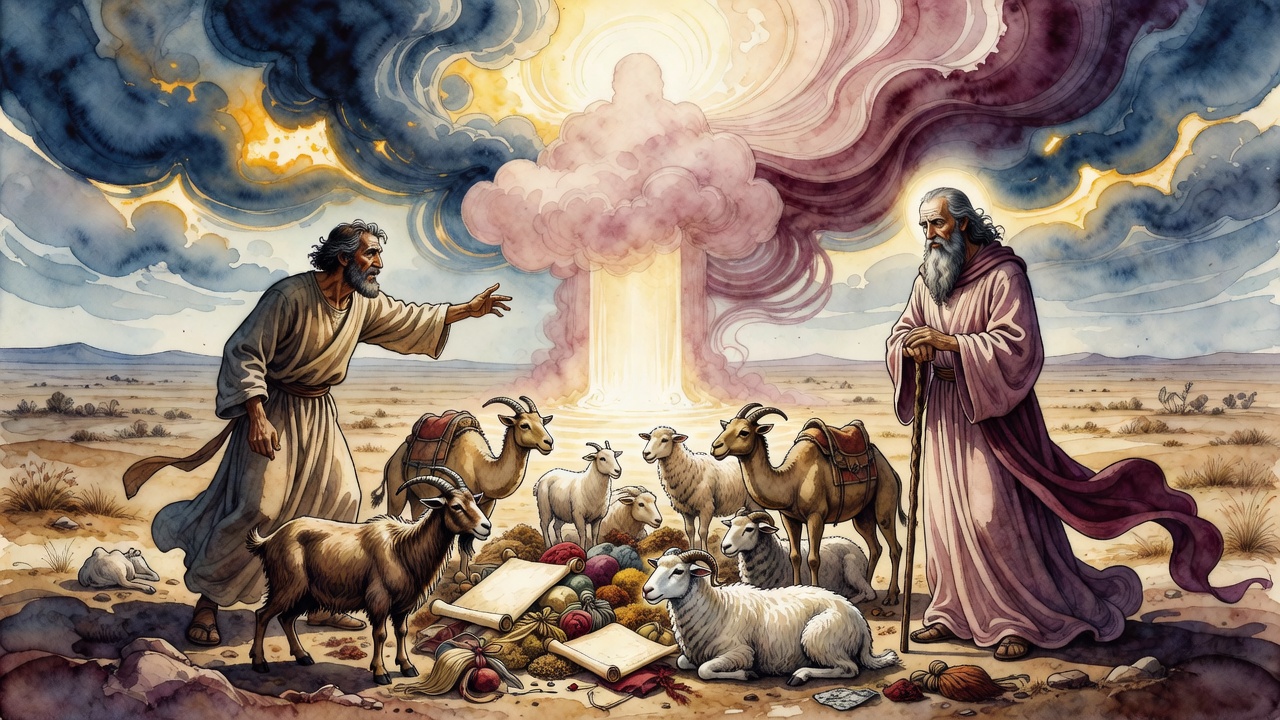
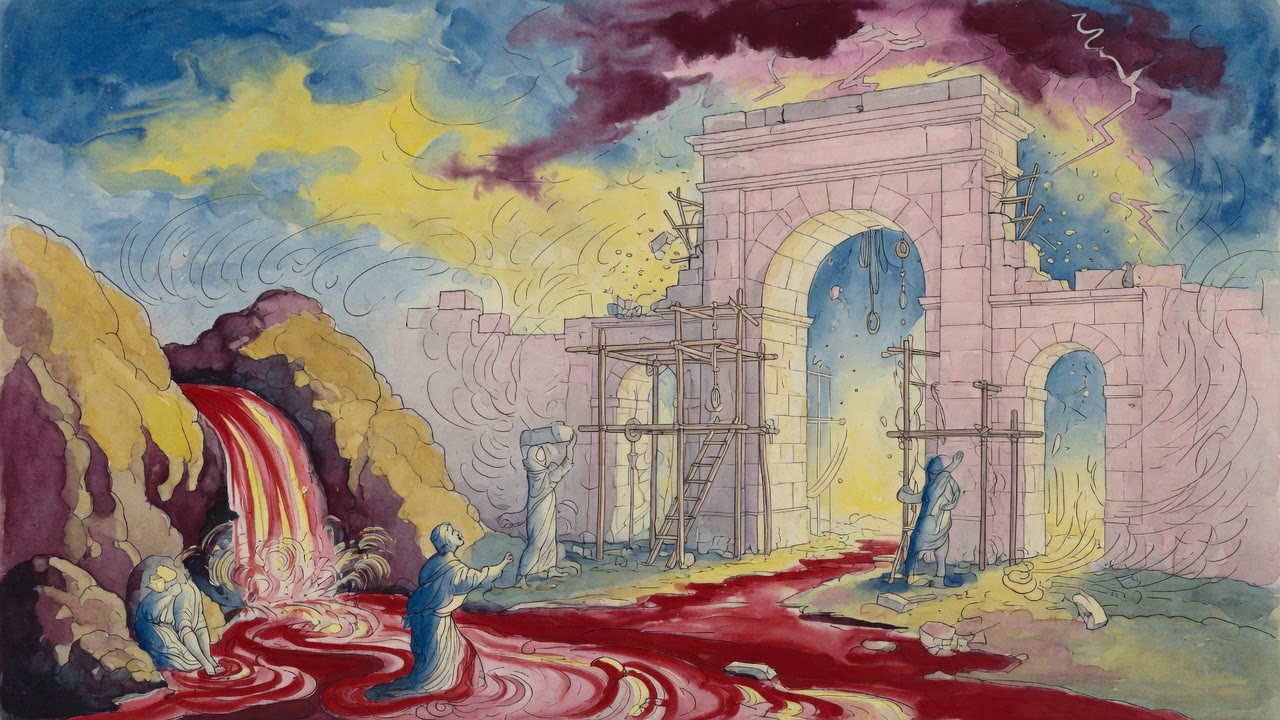
He turned toward the wall, and they followed, and he stopped at a gate that was not finished. Scaffolding leaned against the near pier. A boy hauled water to the mortar trough with a jar on his hip, and two masons crouched over a half-set course of stone, arguing about a joint. Dust from the cut limestone hung in the air and settled on their arms.
Yose ben Qisma lifted his hand toward it.
"This gate will be built and fall," he said, "and be built and fall, and they will not manage to build it before the son of David comes."
Nobody spoke. One of the students counted the courses of stone with his eyes, twice, as though the number could be made to mean something. The masons did not look up. The boy set his jar down, and the water in it shivered and went still, and the older mason took up his trowel and laid another line of mortar as if the sentence had never been spoken over his work.
The kingdom that had raised those piers traced itself back to a man who came out of the womb red. That house had a gate here, a garrison, a road, a tax on the fish in the lake below. It also had, somewhere, a last day.
The Bargain Israel Made in the Dark of Egypt
The counting behind that promise was older than the gate, and Israel had argued it out once already, in Egypt, with its mouth full of fear.
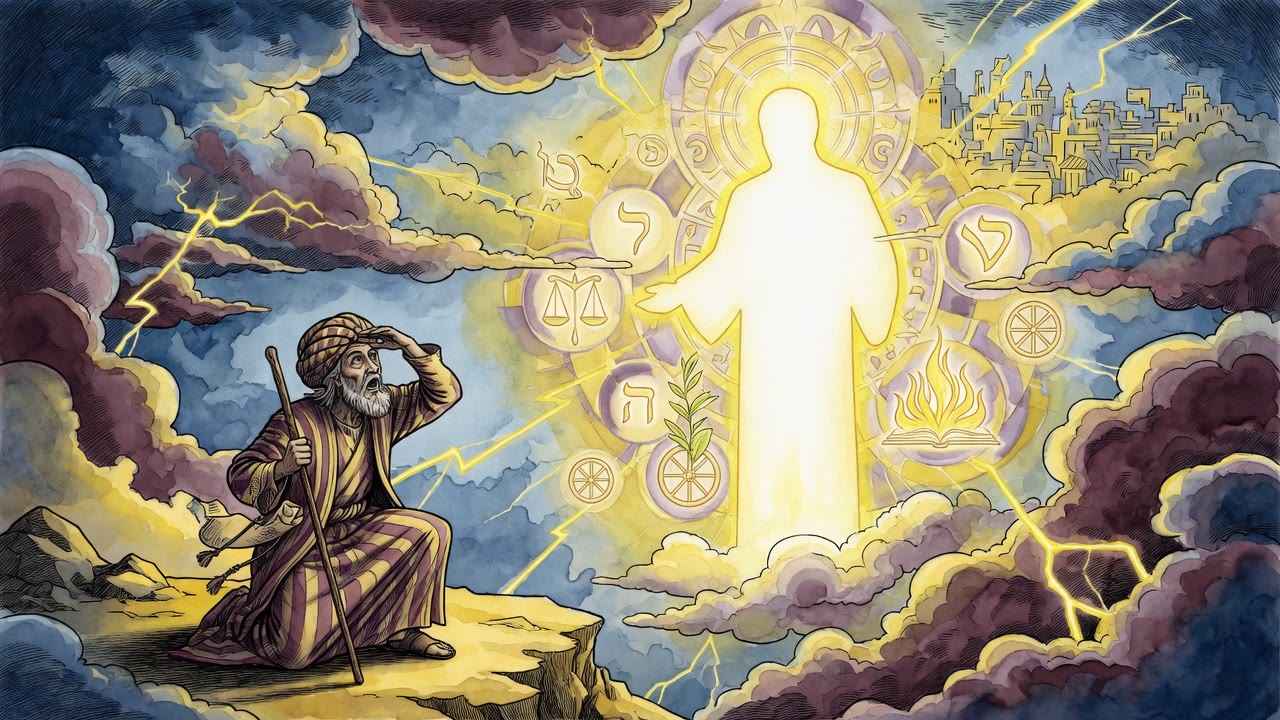
God had said to them, in that month, "In this month you are redeemed."
They did not cheer. A people that has been owned learns to hear a gift and wait for the second clause. "You say that we are redeemed," they answered, "and we are destined to be enslaved all over again?"
"Until now," He said, "you have a head and a first."
The head was Babylon. It was the head of gold in a king's dream, and it had a name, Nebuchadnezzar. The first was Esau, who came out of his mother ruddy and ahead of his brother, and whose kingdom was still collecting tolls at the gates of the Galilee.
Two. A head and a first. Not a hundred empires stacked to the end of time, but two, and the second one was already in the room.
They Broke Their Word Before the Dust Settled
Back on the road the students stayed quiet for maybe fifty paces. Then the older ones, the ones who had said "we will not" loudest, closed the distance and walked at his shoulders.
"Our master," they said, "we seek a sign from you."
He did not stop. He did not remind them of the promise, and he did not ask what kind of men swear a thing before noon and unswear it before the dust comes off their sandals. Something in his face gave, the way a man gives when he has decided to pay a debt he does not owe.
"Behold," he said, "the cave of Paneas shall turn into blood."
The Water at the Mouth of the Cave
Paneas sits at the foot of the great white mountain in the north, where the rock opens and the water comes out of the dark under it, cold enough to ache in the teeth, and runs down to become the Jordan. Every village below it drinks from that mouth. Women fill jars there at first light and carry them home on their heads.
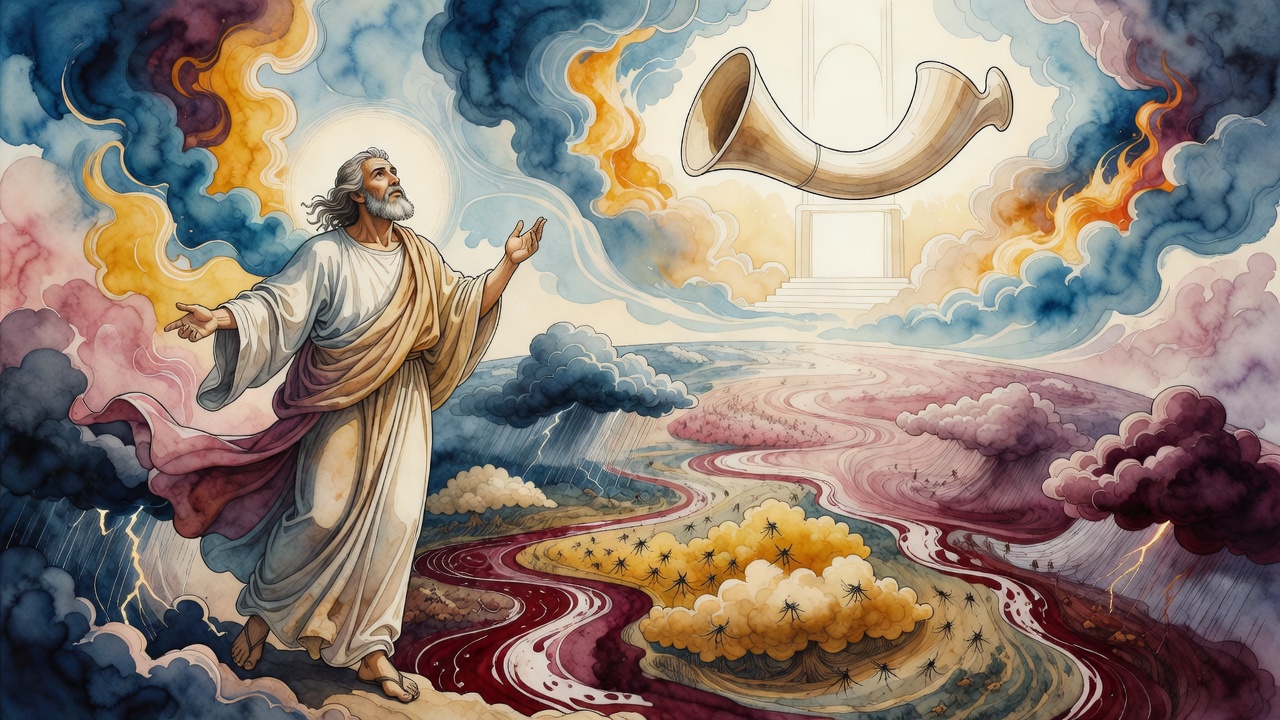
The water turned to blood, exactly as he had said.
It came out of the cave dark and kept coming. It reddened the gravel in the shallows and ran red past the roots of the fig trees and stained the flat stones where the women knelt. One of them had her hands in it before she understood, and lifted them, and the color ran off her fingers back into the current, and she did not scream. She stood up in the shallows with her wet red hands held away from her clothes and looked at the black mouth in the cliff, where the water kept pouring out the same color and would not go clear.
Word came down the valley ahead of anyone reliable. Men left their tools, walked out to the spring, and stood on the bank without going in.
And in Tiberias, in that same hour, a mason lowered a block into its bed of wet mortar, tapped it level with the handle of his trowel, wiped his hands on his thigh, and reached for the next stone.
← All myths