The Hedge of Thorns and the Banner Raised Over Daniel
A king fells his cedars but keeps the thorns that hedge his vineyard, while Daniel eats only pulse ten days to refuse the king's table.
Table of Contents
 Click for full size
The King Who Cut the Cedars and Spared the Thorns
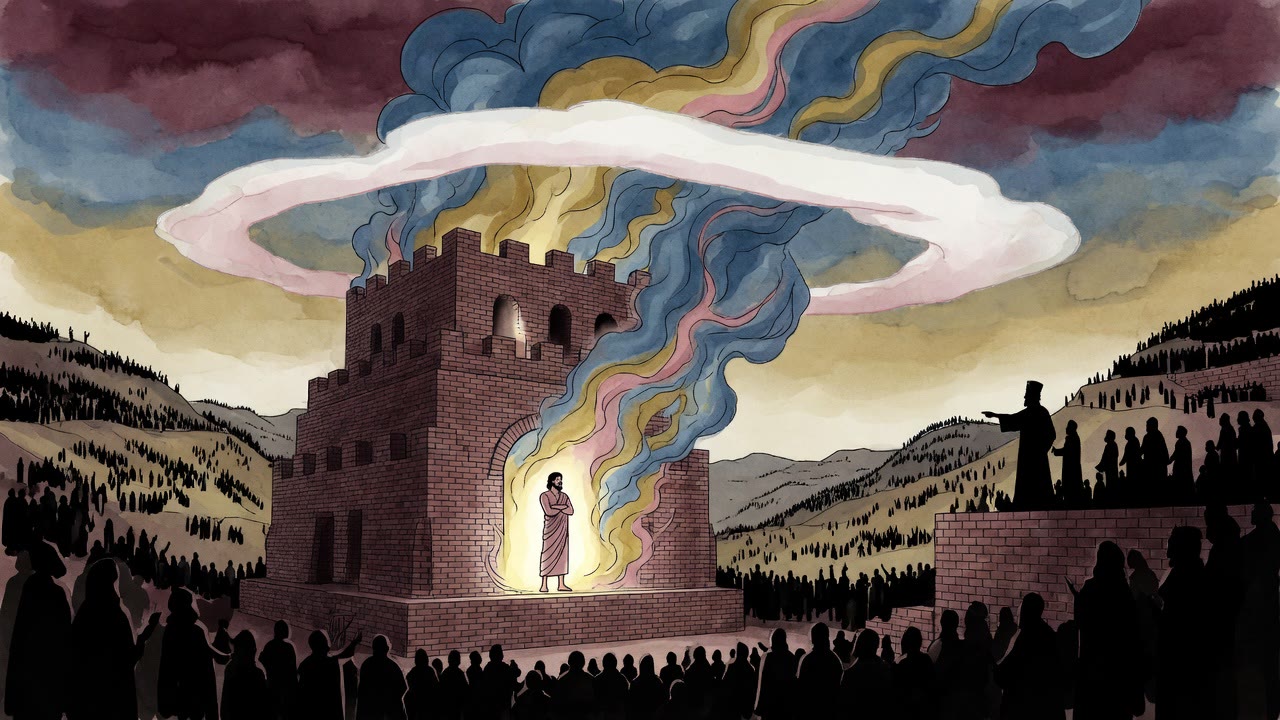
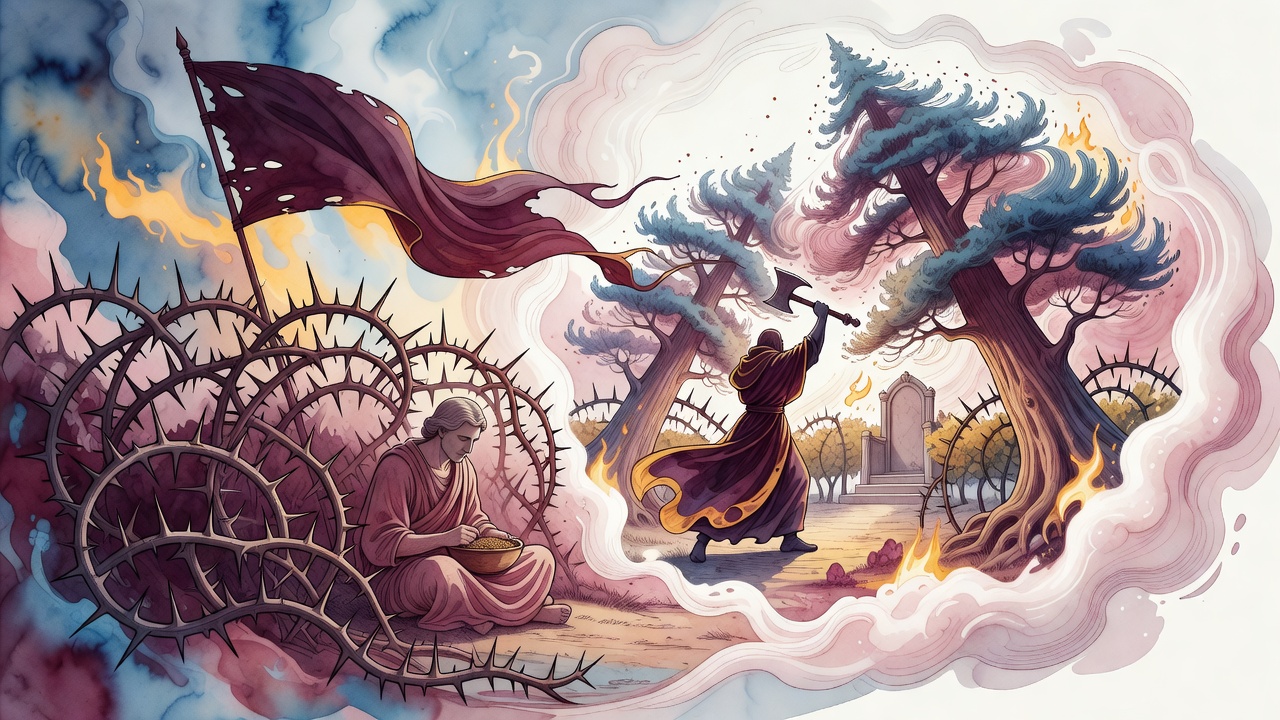
The king walked his vineyard at first light, and the great cedars came down behind him. His men swung the axes wherever he pointed. The tall trunks fell, one after another, until the ground lay open to the sun and the young vines could breathe. But when the king reached the thorn hedge that ringed the whole plot, low and tangled and sharp, he lowered his hand and turned away. The thorns stayed.
His servants could not make sense of it. "Our lord the king," they said, "you have left the thorns that catch our garments and tear our arms, and the cedars, the finest wood in the land, you have thrown down to rot?" The king looked at the hedge that had snagged his own robe more than once. "If I had cut down the thorns," he said, "with what would I have fenced my vineyard?"
The Vineyard Was Israel and the Cedars Were the Amorites
The vineyard was Israel, planted by the hand of the Holy One in a land already crowded with giants. When He brought them in, He cut the cedars first. The Amorites had stood in that soil like cedars, tall past reckoning, and He felled them before the vines could be trampled. Their height had been the height of the cedars and their trunks strong as oaks, and He broke both so the planting could take root.
But He did not clear the land bare. Around the vines He left a hedge of sharper nations, the sons of those He had not destroyed, briars that would snag at Israel's clothing for generations. These were the nations that the LORD left. They stayed so that the vineyard would have a fence, and so that Israel, hemmed in on every side, would hold fast to the Torah rather than sprawl untended and be crushed into the dirt.
The Banner Raised Over Those Who Fear
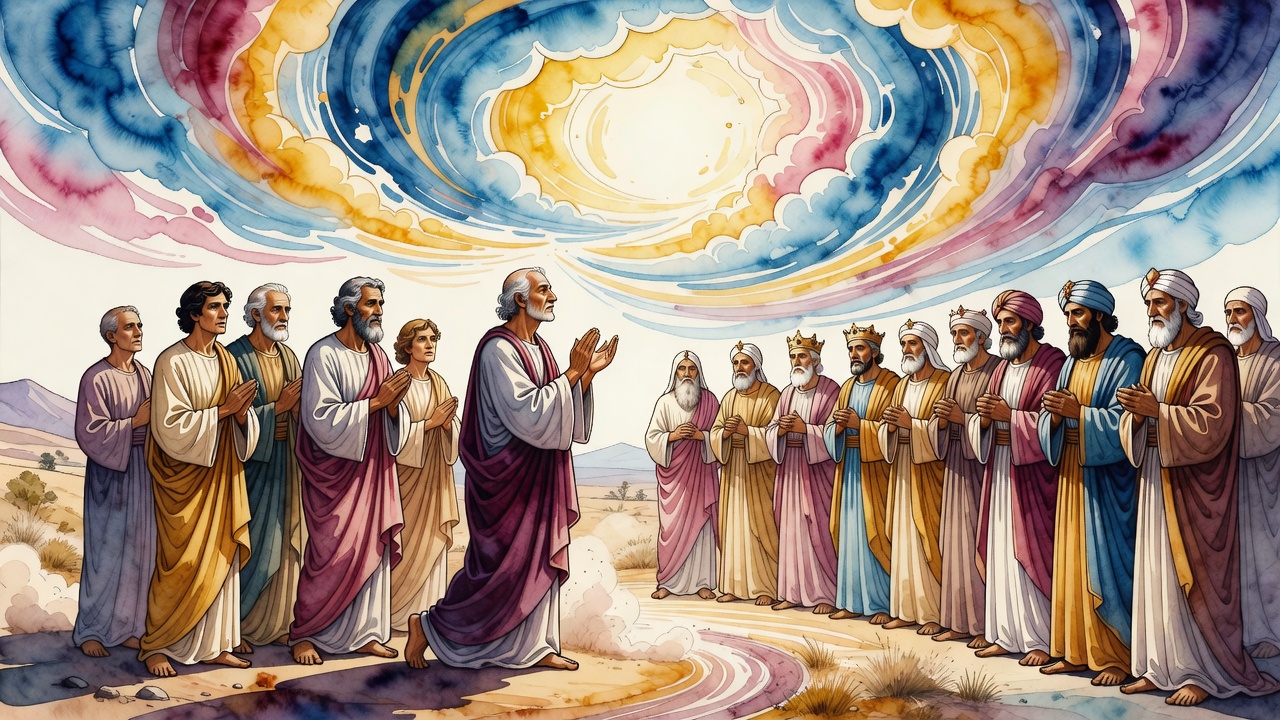
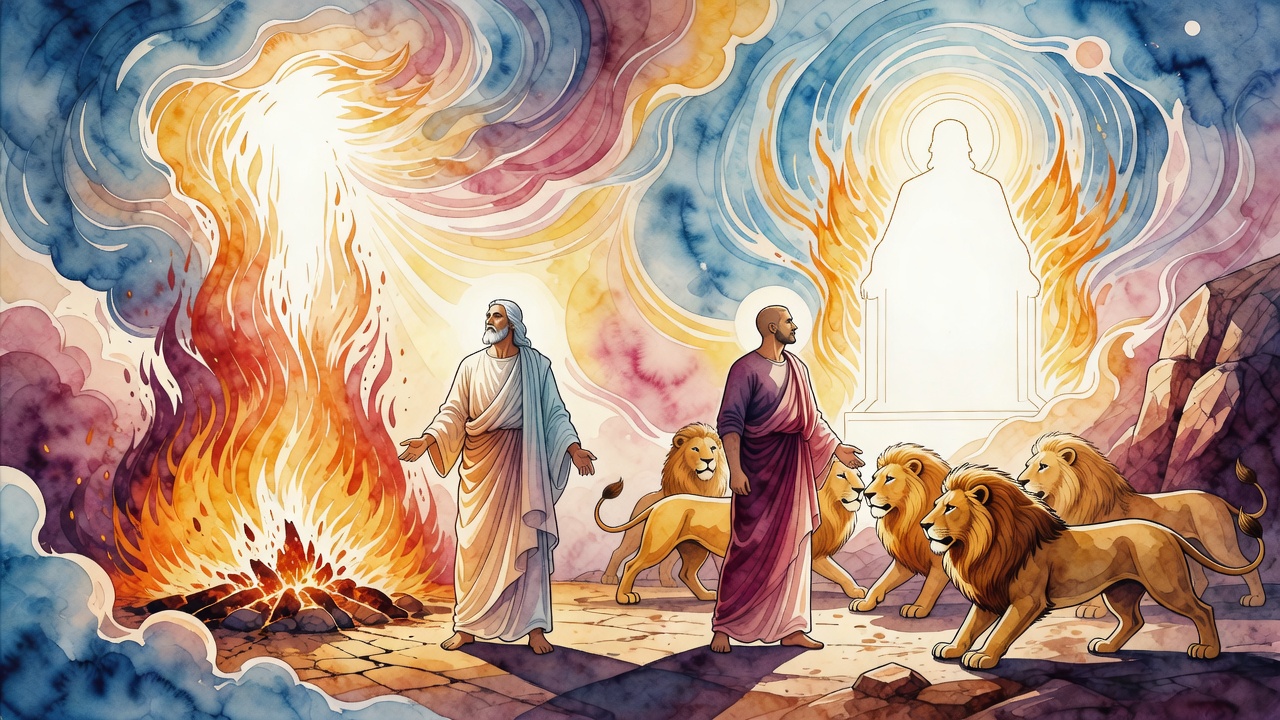
Over the fenced vineyard the Holy One raised a banner. He gave it to those who feared Him and lifted it high, a standard they could be gathered to, a refuge from the fire of Gehinnom (the place of punishment after death). The wicked had no such banner. For them refuge failed and the eyes darkened and there was nowhere left to run. But the ones who kept faith were marked out to be saved, and their reward was set aside to be paid back in truth.
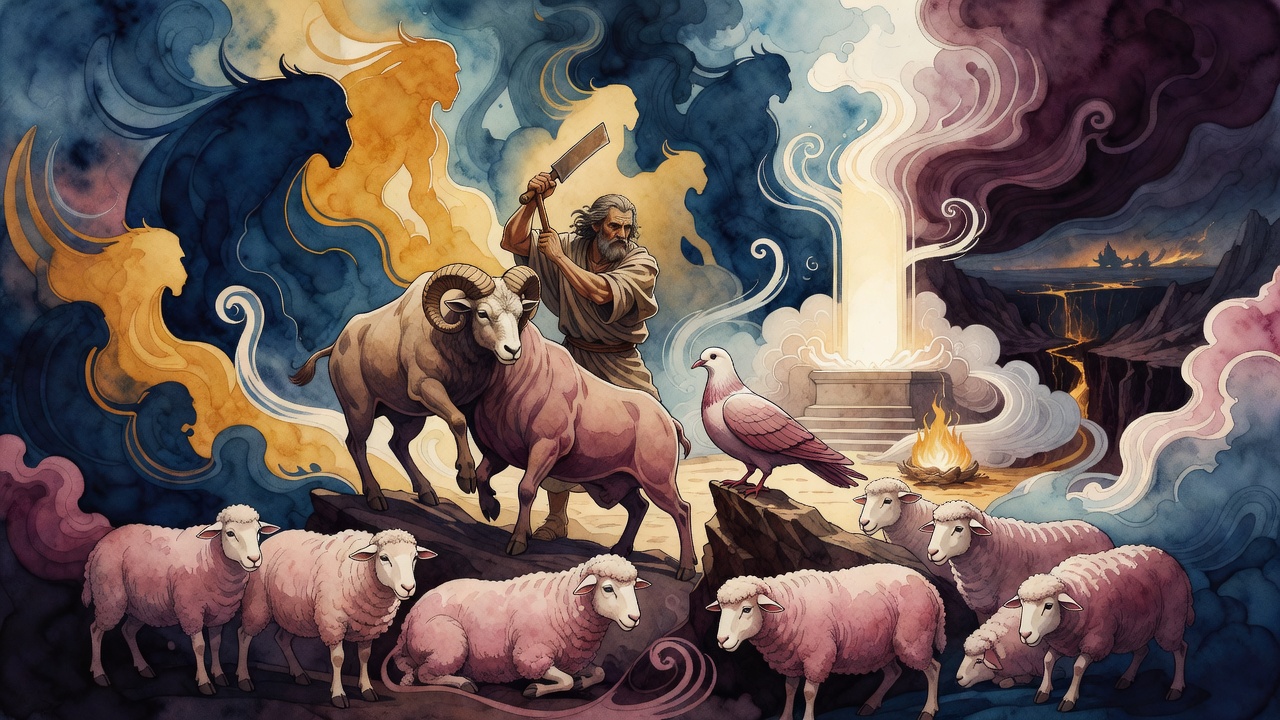
There was a difference between the first ones tested and the last. The early ones were tried by the hand of the Holy One Himself. He tested Abraham with ten trials, and He tested the generation in the wilderness with bread that fell each dawn, to see whether they would gather only what the day allowed. The later generations He did not try with His own hand. He left them to the hand of the nations, to the thorns in the hedge, to learn who among them would do His will in truth once the pressure came from outside the vineyard.
Daniel Refuses the King's Table
The proof came in Babylon. Long before, the word had gone out that the children of Israel would eat their bread unclean among the nations, and now Nebuchadnezzar rose to make it true. He had the young captives of the royal line brought into his palace, and he appointed for them a daily portion from his own stores, the king's rich food and the king's wine, set before them each morning.
Daniel would not touch it. He looked at the provision the king had measured out and would not let it pass his lips.
And the Holy One saw the trial for what it was. "This king seeks to test My people," He said, "the children of the children of Abraham, who was tried with ten trials and did not break. Perhaps the merit of the father will stand for the sons."
Ten Days and Ten Times Brighter
Daniel went to the chief of the eunuchs, the man charged with keeping the captives fed and fit for the king's service, whose own head would answer if their faces grew thin. "Test your servants ten days," Daniel said. "Give us only pulse to eat and water to drink, and then look at our faces and the faces of the young men who eat the king's food, and deal with your servants as you see."
Ten days passed. At the end of them the faces of Daniel and his companions were fuller and brighter than the faces of the boys who had eaten from the king's portion. And when Nebuchadnezzar himself questioned them, he found these four ten times better than every magician and enchanter in his realm. The father had been tried ten times over, and the sons came out ten times better.
The banner had done its work. The thorns had pressed in, the king's table had been laid as a snare, and the vineyard held. It held because the vines had roots the thorns could not reach, and because a boy in Babylon would sooner live on pulse and water than eat what the king spooned out.
The thorns stand in the hedge only so long as the vineyard needs a fence. On the day the vines are strong and full and the Torah is kept, the hedge has served its purpose. Then the nations that once ringed Israel become chalk in the kiln, briars cut up and thrown to the fire, burned to lime while the vineyard drinks the sun.
← All myths