The Hidden Ledger of Heaven and the Inn That Was a Trap
For thirty years a basket of warm bread and figs appeared at a widow's door every Friday. She never once caught the hand that left it there.
Table of Contents
The man had no mourners. He had shorted the scales in the market, spat at strangers who asked him for directions, and laughed in the faces of the sages who came to rebuke him. The whole town had already decided where his soul was going. Gehinnom (the fiery place of punishment after death) had a seat with his name on it, and not one neighbor doubted that he would sit in it.
 Click for full size
What the town did not know was what the widow at the edge of the road did not know either.
The Basket Nobody Saw
Every Friday, in the slow gold hour before Shabbat, a basket appeared at her door. Bread, still warm. Dried figs and dates in the bottom. She never caught the hand that left it. In sickness it came. In the worst of the winter it came. For thirty years it came, and she ate from it and blessed a benefactor she could not name, who never once paused to be thanked.
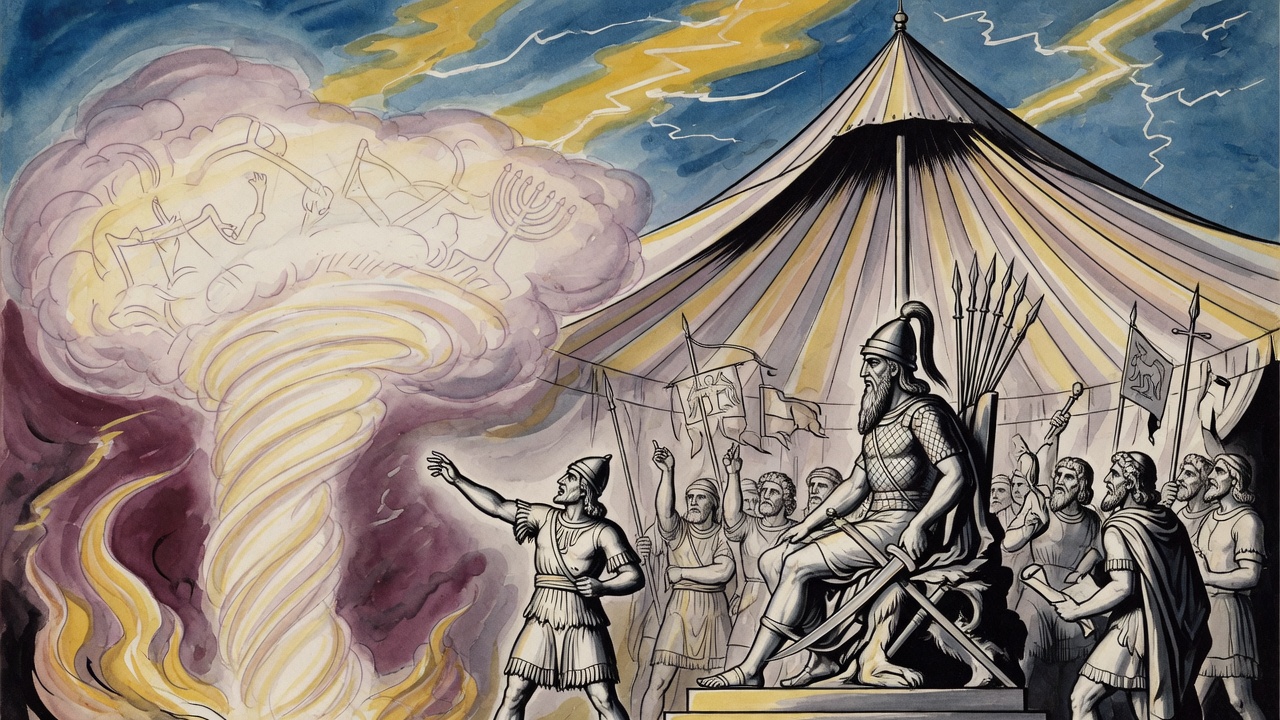
So when the man died and the heavenly court convened, the prosecuting angels had thick scrolls and a great deal to read. The false weights. The cruelty to travelers. The mocked sages, one by one, until the list ran past judgment into formality. Then a single angel stepped forward holding one basket of bread, and set it on the scale opposite the scrolls.
"He fed a widow every week for thirty years," the angel said. "He told no one. He waited for no reward. It was the one clean thing he ever did, and he did it in the dark."
The beam shivered. Thirty years of bread carried in secret against a lifetime of public sin, and the secret won. The man was not sent up to the high chambers. He was let through the outer gate, into the lowest garden, where even the worst soul that carried one hidden mercy may rest. Heaven had been keeping a ledger the town never got to see.
The Inn on the Bandit Road
The same accounting ran for the living, and it ran the other way.
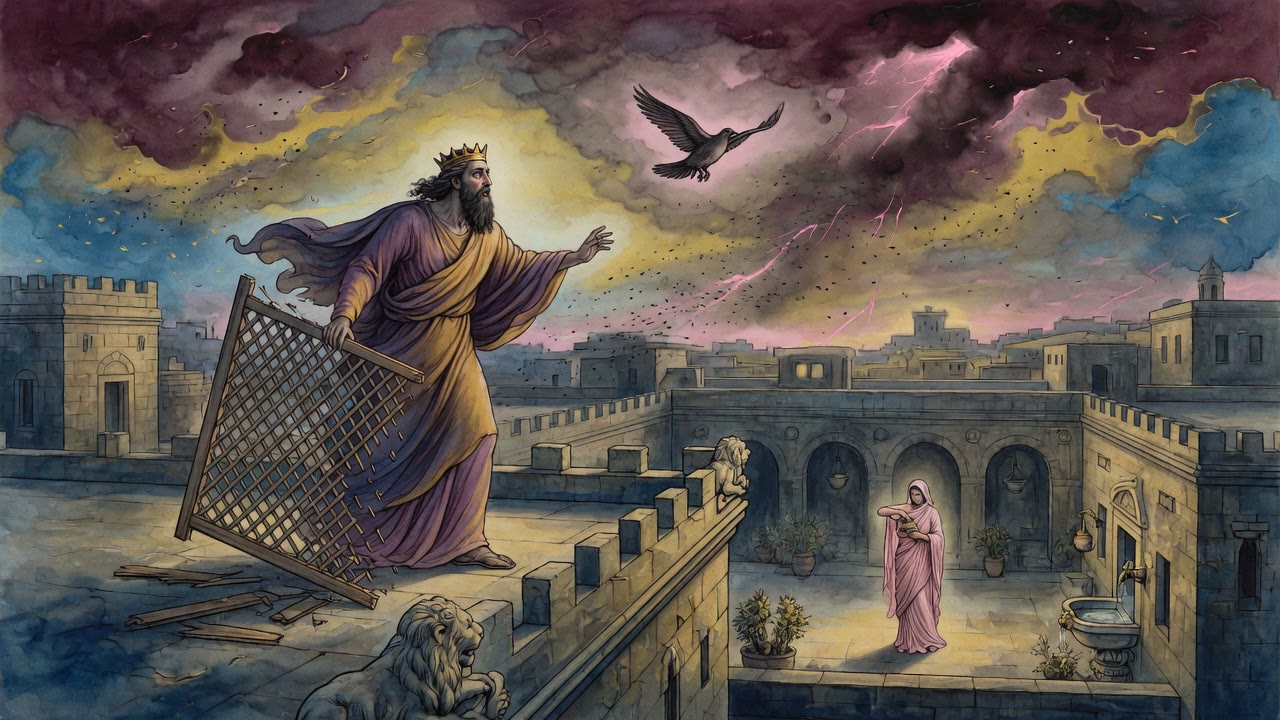
There was an innkeeper who had built his whole trade as a snare. The inn was warm and the beds were clean, and all of it was bait. Deep in the small hours, when his guests were thickest in sleep, he would throw open the doors and start screaming. Fire. Thieves. Soldiers at the gate. He drove them out half dressed into the black road, and on that road his partners waited, robbing the fleeing in the cold and splitting the take with the man whose smile had taken them in.
Rabbi Meir came to that inn one evening, traveling with his brother Tov. He took a room. He lay down. And in the dead middle of the night the shouting began, fire, fire, everyone up, run, and the other guests bolted for the door in their nightclothes exactly as they were meant to.
Meir did not move.
The innkeeper came at him, urgent, leaning over the bed. "Everyone is leaving. The whole house is emptying. You have to go."
"I am waiting for my brother Tov," Meir said. "He is coming in the morning. I will not leave this place without him."
The man stood there with the lie still hot in his mouth. He could not drag the rabbi onto the road without admitting there was a reason to fear the road, and he could not light a real fire to chase out one stubborn guest. So he said nothing. The fire that was not a fire burned itself out, the screaming stopped, and the inn went quiet around the one man who had refused to run. Dawn came up clean. Meir walked out into it untouched and went to find his brother. The name Tov means good. He waited for the good to arrive, and the trap closed on empty air.
Two Sages at a Broken Wall
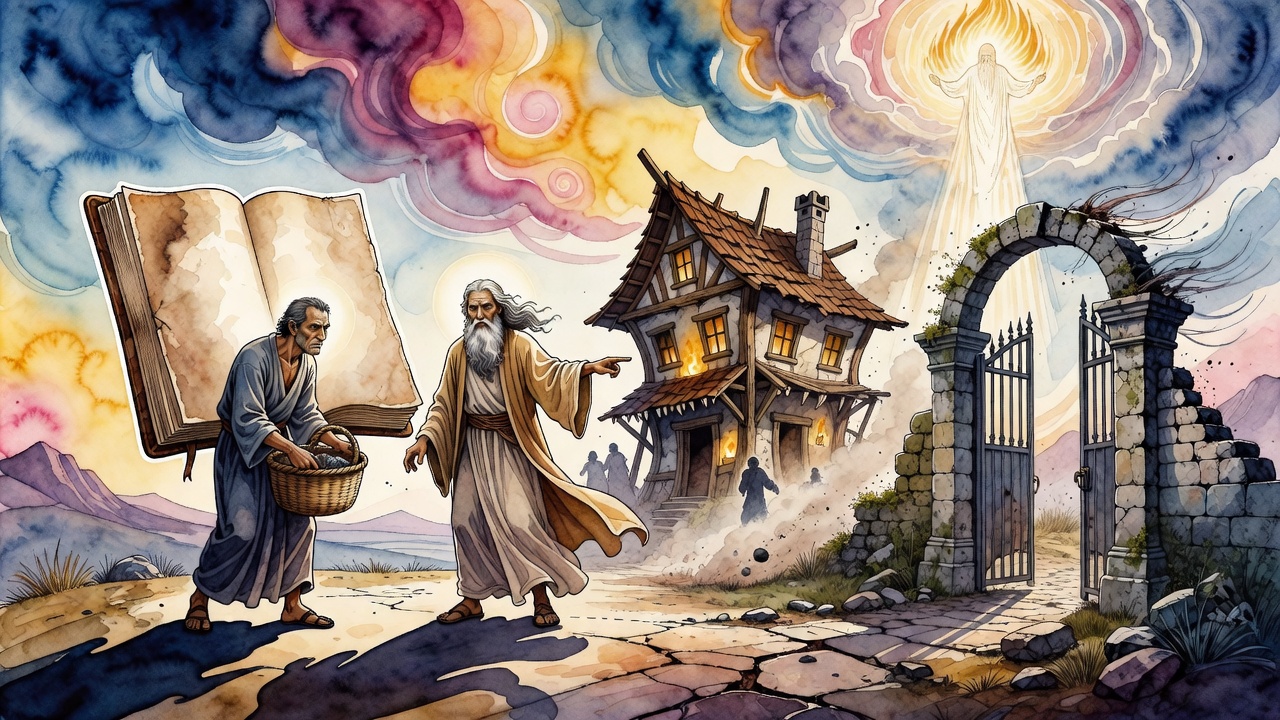
Years and miles away, Ulla and Rav Chasda were walking together and came to a gate. Behind it stood the wreck of a great house, the house of Rav Chana bar Chenelai, its walls half down, its courtyard choked with weeds. Rav Chasda stopped. He looked up at the ruin and let out a long, broken sigh.
"Why are you sighing?" Ulla said, startled. "Rav taught that a sigh breaks the body in half. Rabbi Yochanan taught that a sigh breaks the whole frame apart. Why do that to yourself over fallen stones?"
What the Ruin Was Hiding
Rav Chasda kept his eyes on the broken wall.
"How can I not sigh at this house," he said. "Sixty bakers worked here by day and sixty by night, and every loaf they pulled from the ovens went out to the poor and the hungry. Rav Chana kept his hand resting on his open purse at all times, so that no poor man of good family would ever have to wait and feel his face go hot. He knew that a single heartbeat of hesitation can make a person blush and turn away with an empty stomach."
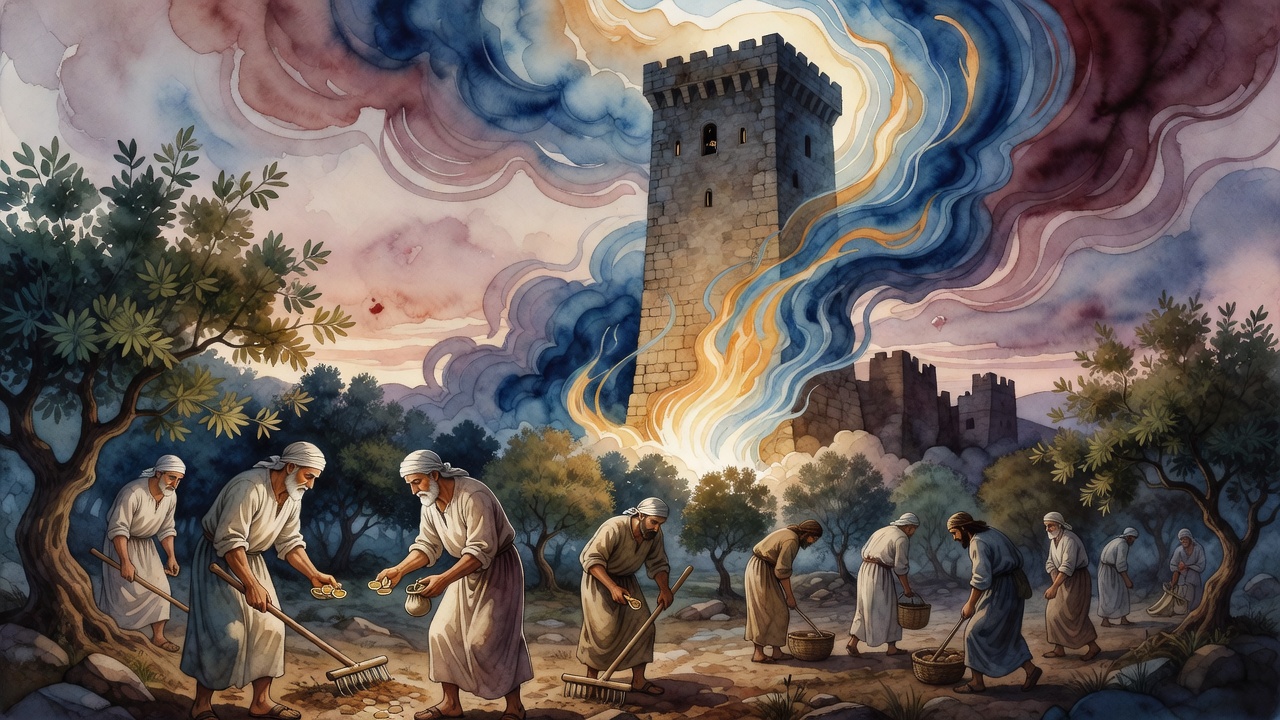
"And that was the least of it," he went on. "He cut four doors into this house, one to each quarter of the sky, so a beggar could enter from whatever side he came and never feel that the others were watching him come. In the famine years he scattered wheat and barley loose across the streets outside, so that anyone too ashamed to gather in daylight could creep out at night and fill his sack in the dark, with no one to see his hunger."
The weeds moved in the wind. The four doors were gone. The ovens were cold, sixty and sixty over. The man who had cut every door and scattered every midnight handful so the poor could eat unseen had left nothing standing but a gate.
"The doors are gone," Rav Chasda said. "The bakers are gone. The grain in the street is gone. And you ask me why I sigh."
The Column the Eye Cannot Read
The town had weighed the cruel man and missed the basket at the widow's door. The innkeeper had weighed his takings and forgotten that a guest might weigh the silence and stay. The world weighed Rav Chana's house by its broken wall, while the four doors and the midnight grain went uncounted in the rubble. On the scale that mattered, the basket nobody saw still tipped the beam, and the door cut so a hungry man would not be watched still stood, long after the wall came down.
← All myths