The Prophecy of the Generation Whose Lives Shrank to Seventy
An old man dreams the centuries draining out of human bodies until a life of seventy years is called long, and a drowned world answers back.
Table of Contents
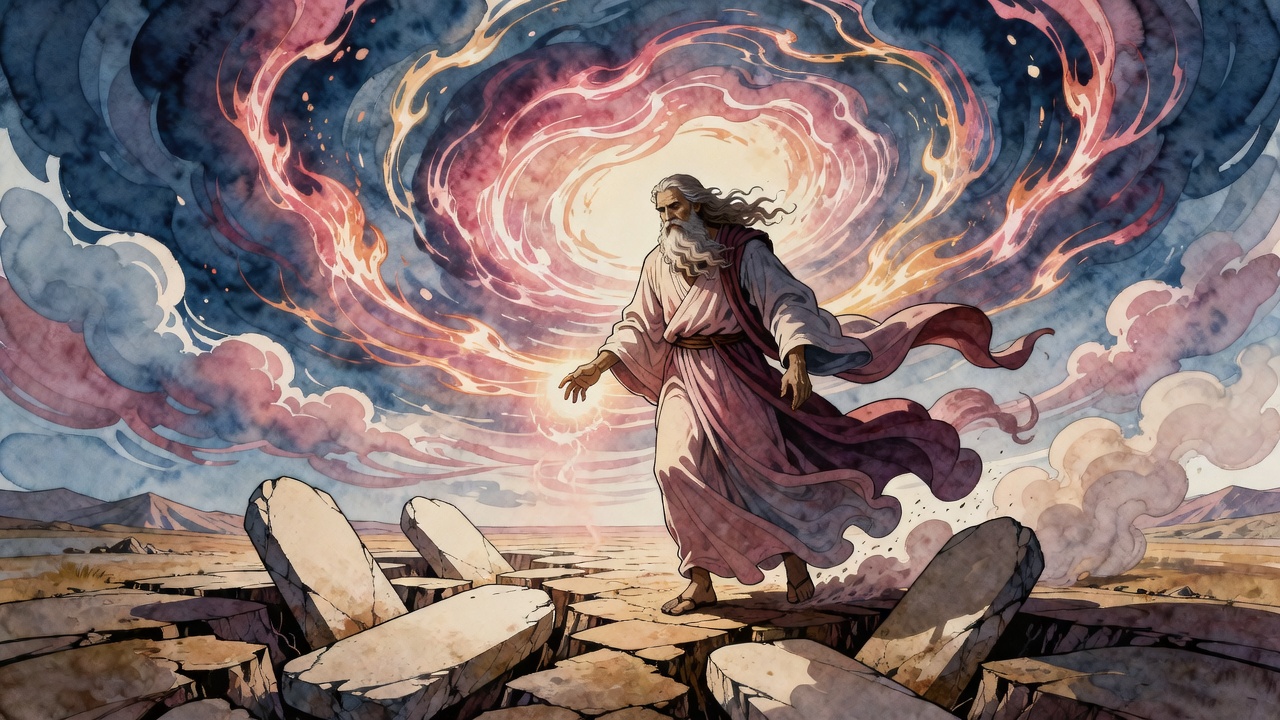
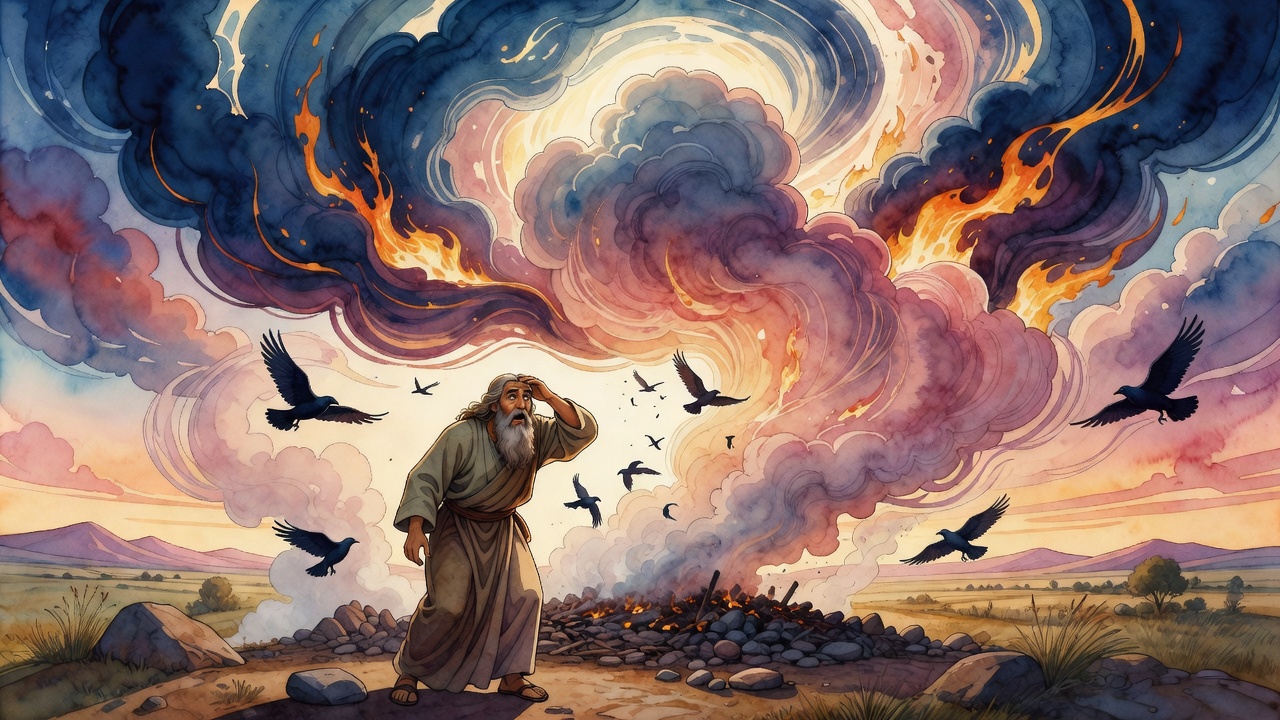
The old man fell asleep counting his own years and woke counting everyone else's, far ahead, in a future that had not happened yet. He was already worn thin. He had not finished four jubilees, not even the two hundred years a man of the old stock could carry, and still his hands shook like a reed and his memory leaked. In the dream the years kept draining out of bodies the way water drains out of cracked clay, and he knew before long that this was prophecy and not mere nightmare.
 Click for full size
The Years Drained Out of the Body
He saw children born already old. A boy of forty walked bent. A girl of fifty had forgotten her own mother's face. The wisdom a man spent a lifetime gathering spilled out of him before he could pass it on, so that the young learned nothing and the old remembered nothing, and the chain that had run unbroken from the first father snapped link by link.
One generation reached two jubilees and called it a full span. The next did not reach it. The seer watched the number fall and could not make it stop. Knowledge forsook them by reason of old age, and the old age came early, and came hungry. A man would grow gray at an hour when his grandfather had still been young.
When Seventy Was Called a Long Life
Then he heard them talking, the people of that thin time, gathered at a graveside. "The days of the forefathers were many," one of them said, "even unto a thousand years, and were good." The old voices had stretched almost to a millennium. Adam had lived nine hundred and thirty. Methuselah had nearly touched a thousand. The speaker looked down at the small grave and his mouth twisted. "But behold, the days of our life, if a man hath lived many, are three score years and ten, and, if he is strong, four score years, and those evil, and there is no peace in the days of this evil generation."
Seventy years. Eighty for the strong. And of someone who reached a jubilee and a half, seventy-five, they would say in wonder, "He hath lived long." The seer heard them say it and understood that the wonder itself was the wound. A span that the patriarchs would have grieved as a child's death had become, in that future, the prize.
The Sons Turned on the Fathers
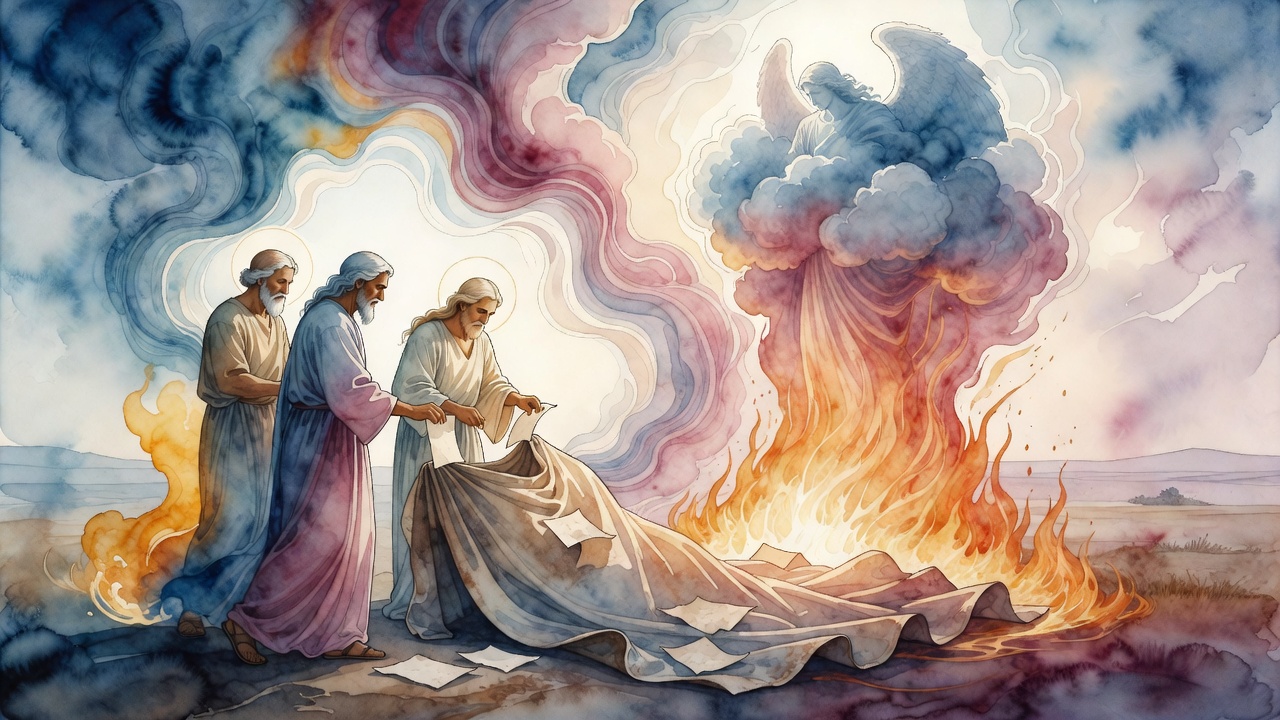
The graveside argument did not stay quiet. The young rounded on their elders. They convicted them of sin and of unrighteousness, of the words of their mouths and the great wickedness they worked with their hands. Sons stood over fathers and named the crime aloud, that the elders had forsaken the covenant the Lord made between Himself and them, to keep His commandments and His ordinances and turn neither to the right hand nor the left.
It was not the disrespect of children too young to know. It was an indictment, and it was true. The fathers had let the covenant fall, and the bodies of the sons paid for it in stolen decades. The seer wanted to wake. He could not. The dream had one more thing to show him, and it was older than the future. It was the past that had taught the future how to rot.
The World That Drowned for Its Ease
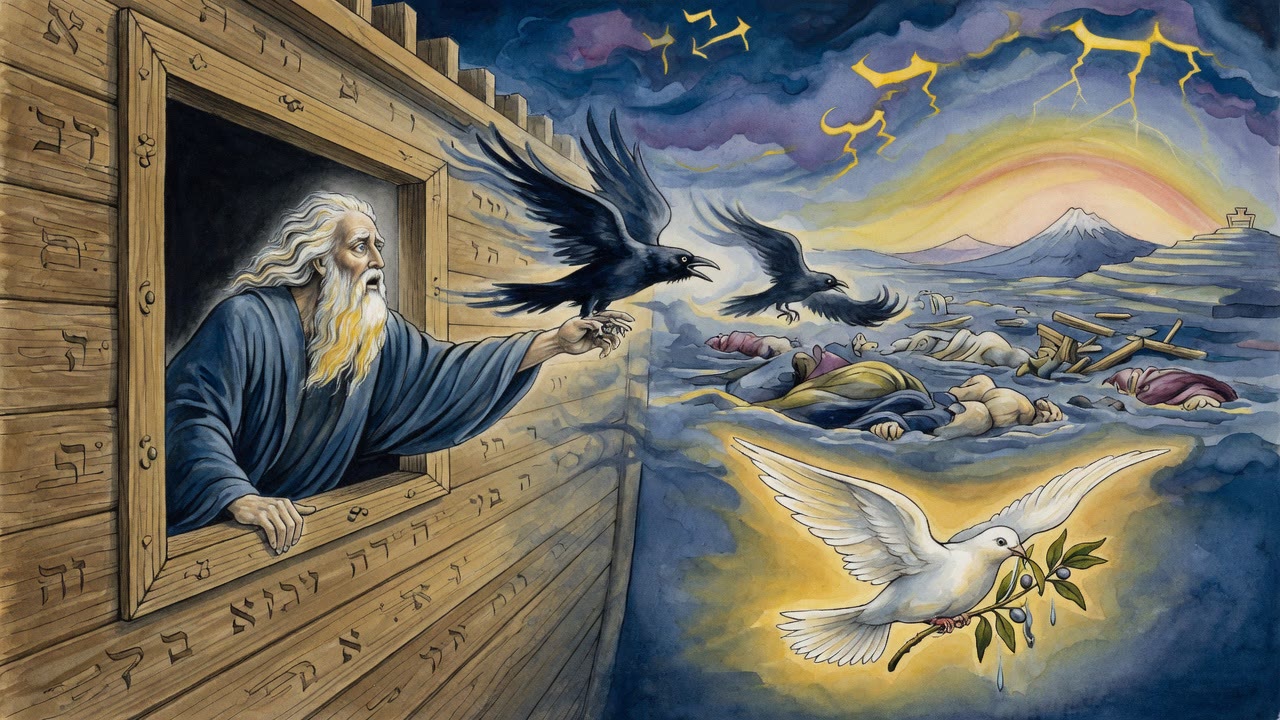
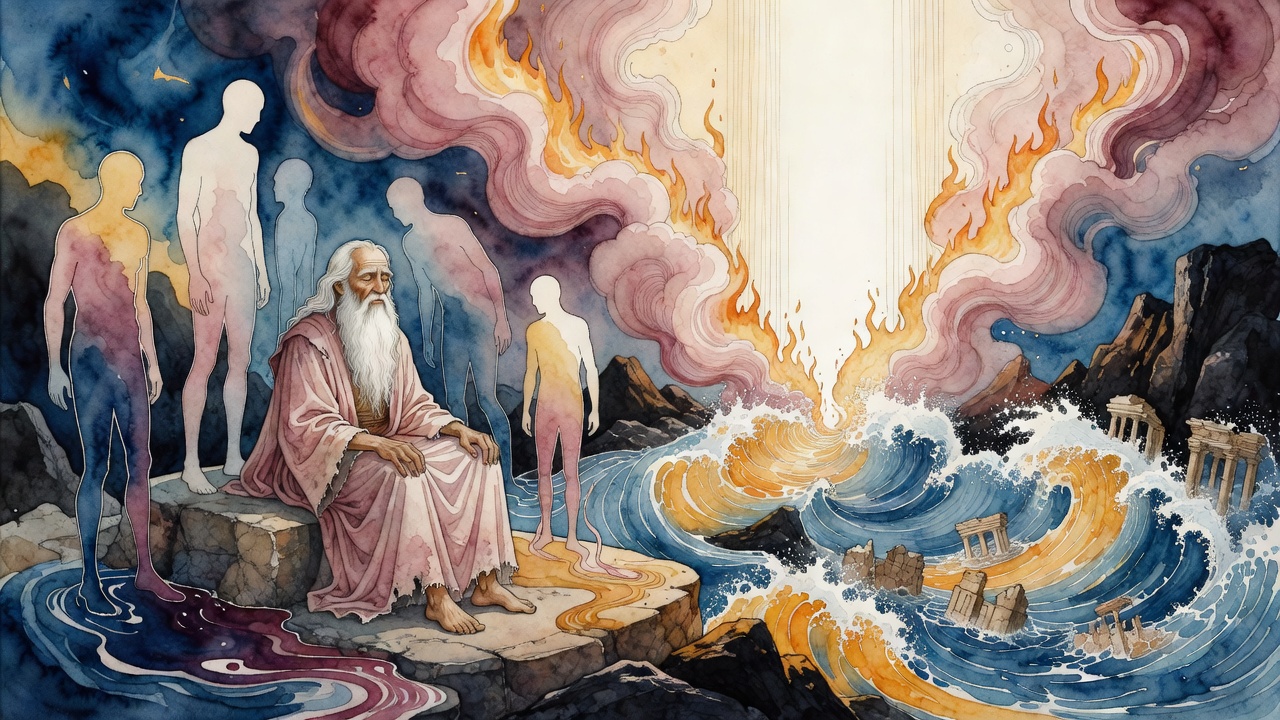
The vision swung backward, to the generation before the waters. They had everything. The ground gave its fruit without much asking, the seasons were kind, the days were long and soft. And the softness was the trap. Their care-free life afforded them the space and the leisure for their infamies, and into that empty comfortable time crept two sins that finished them.
The first was unchastity, lives turned over wholly to appetite. God was slow to anger, erekh apayim, and He overlooked much, chance after chance after chance. But there was a floor under His patience. "God is patient with all sins," the old teaching ran, "save only an immoral life." When they crossed that line the clock began to run out.
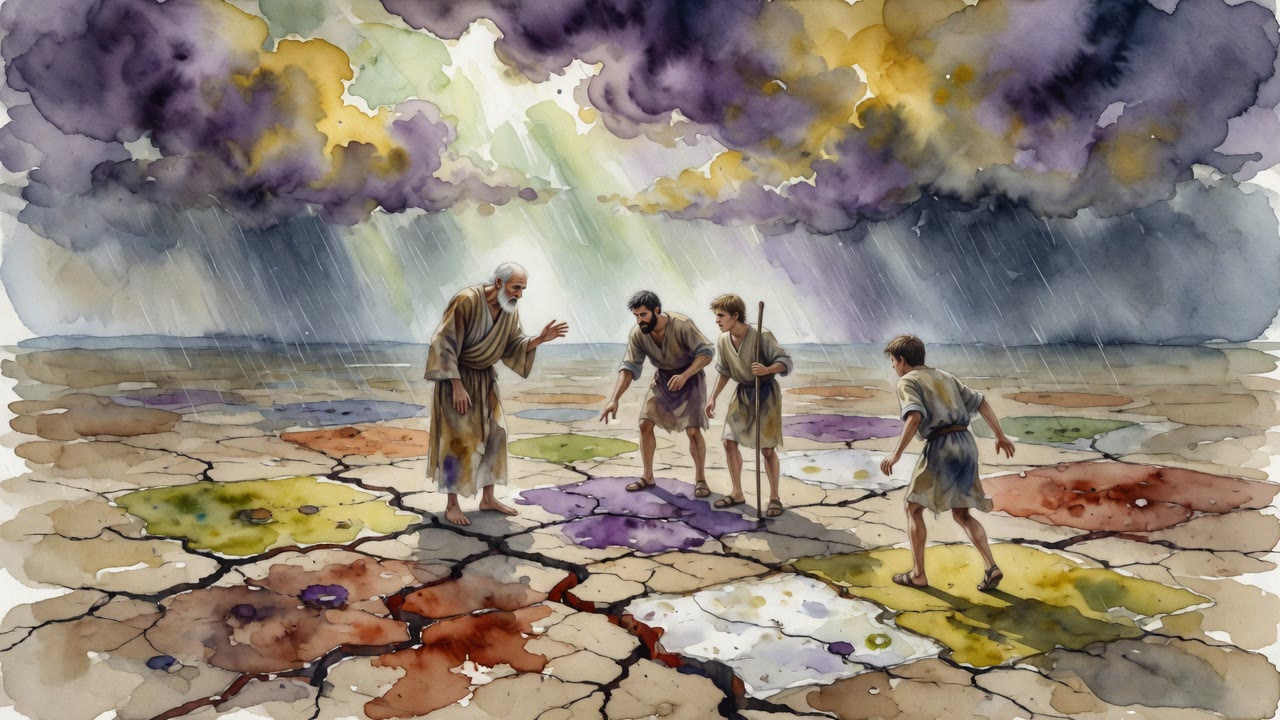
The second sin was cleverer, and it wore the mask of nothing at all. A farmer set down a heaped basket in the market. One neighbor drifted past and lifted a single carrot. Another took a handful of beans. Each theft too small to charge, too trivial to name, and one by one the basket emptied while the farmer watched and could prove nothing. So cunningly were their depredations planned that the law could not touch them. The robbery that drowned a world was not a raid. It was a thousand small reaching hands, each one certain it had stolen too little to matter.
The Same Hunger, Centuries Apart
The seer saw the two pictures lie down over each other and become one. The generation that drowned and the generation whose years shrank were the same animal in different skins. Ease bred the appetite. Appetite forsook the covenant. The forsaken covenant came back as premature ruin, water for the first, withered years for the second. The penny-thieves at the basket and the gray boys of forty were kin.
He woke at last in his own thinned-out body, not yet four jubilees old and already full of his days. Outside, someone young was complaining that everything used to be better, that the old ones had lived longer and the world had since gone soft. The old man lay still and did not answer. He had just watched where that softness went.
← All myths