5 min read

The Road Was Set With Snares and a Man Walked It Twice

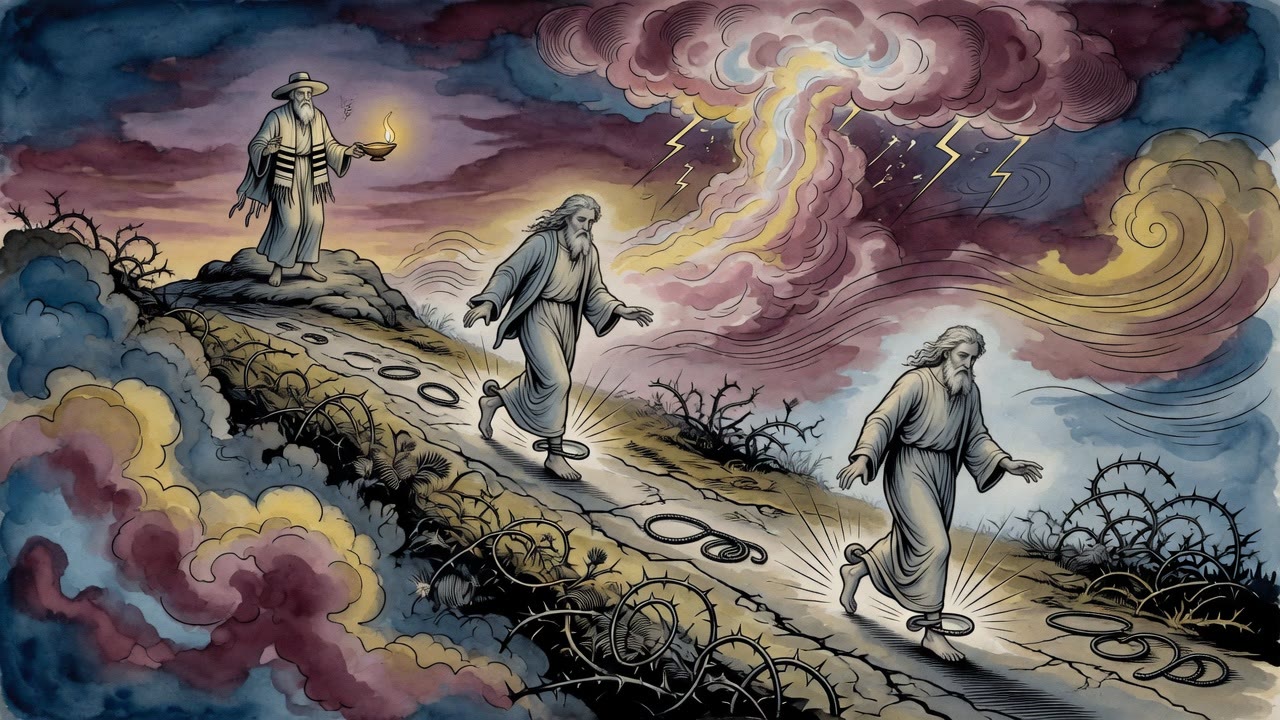
None of it was painted red. The trap looked like a shortcut, a friend who laughed at caution, a deal that smelled of easy silver.

Curated by Arthur · Told by Maggid ·
Table of Contents
  1. The First Step Already Humming With Wire
  2. Stumble Not at an Offense Twice
  3. Counsel Drawn From Twilight
  4. Pleasure Without Emptiness
The Road Was Set With Snares and a Man Walked It Twice Click for full size

The First Step Already Humming With Wire

He saw the road and liked how straight it looked. Dust lay even. Shadows of trees made a friendly pattern. The snares were not painted red. They were habits disguised as shortcuts, a friend who laughed at caution, a deal that smelled of easy silver, a door left ajar at the wrong hour.

Ben Sira's warning is blunt enough to bruise. Go not in a way set with snares. Do not stroll into a trap because the trap has learned good manners. The man who walks there is not unlucky. He is unobservant, or proud, or both.

The first stumble came fast. An offense that left a taste of copper in the mouth. He told himself it was a lesson. He told himself he would never again. The road, patient as a hunter, kept its wires strung for the second pass.

Night found him counting bruises and calling them education. Morning found him back on the same dust, because the snare's real skill is making the path feel like home.

Stumble Not at an Offense Twice

The second fall hurt differently. Same shape. Same bait. Less surprise. Shame arrived with memory attached. Ben Sira's line cuts here. Stumble not at an offense twice. The first wound can be a teacher. The second is a volunteer.

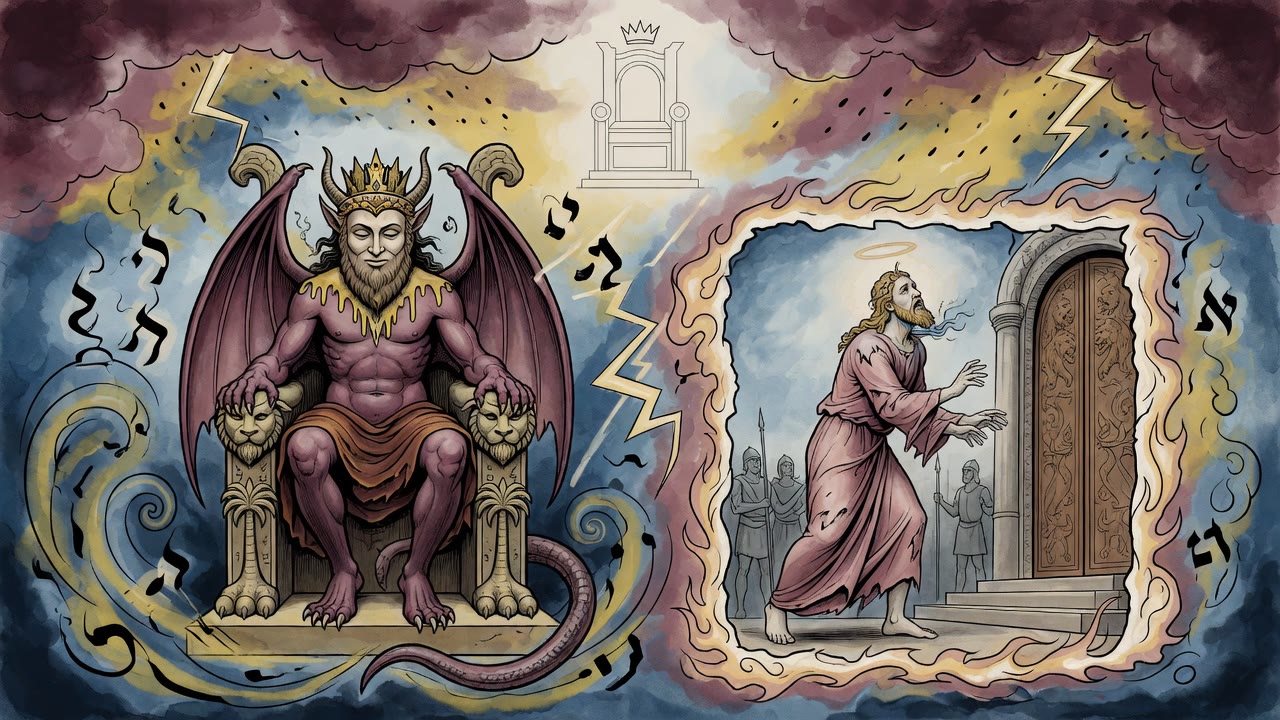
He had trusted the way of the spoiler, the one who ruins while smiling, the companion whose map always ends at someone else's loss. Trust not in the way of the wicked. Be ware in thy paths. The counsel is not poetry. It is trail craft for a soul that wants to stay intact.

In all thy ways keep thy soul, the sage presses. Not only in the sanctuary. In the market. In the joke told too loudly. In the night visit that should have ended at the threshold. The soul is not a guest who visits on festivals. It walks every road you walk.

He sat in the dust after the second snare and finally hated the road more than he loved its ease. Hatred of the trap is the beginning of leaving it. Love of the trap is how a man dies polite and empty.

Counsel Drawn From Twilight

Twilight is when paths blur. Edges soften. Judgment becomes guesswork for anyone who lives by appetite alone. Ben Sira says the one who fears the Lord shall discern judgment and bring forth counsel from twilight. Fear of heaven is not paralysis. It is night vision.

A man of violence will wrest reproofs and drag the law after his need. He does not ask what is true. He asks what can be twisted. Against him stands the person who waits in the dim hour, checks the wire, and refuses the shortcut that sings.

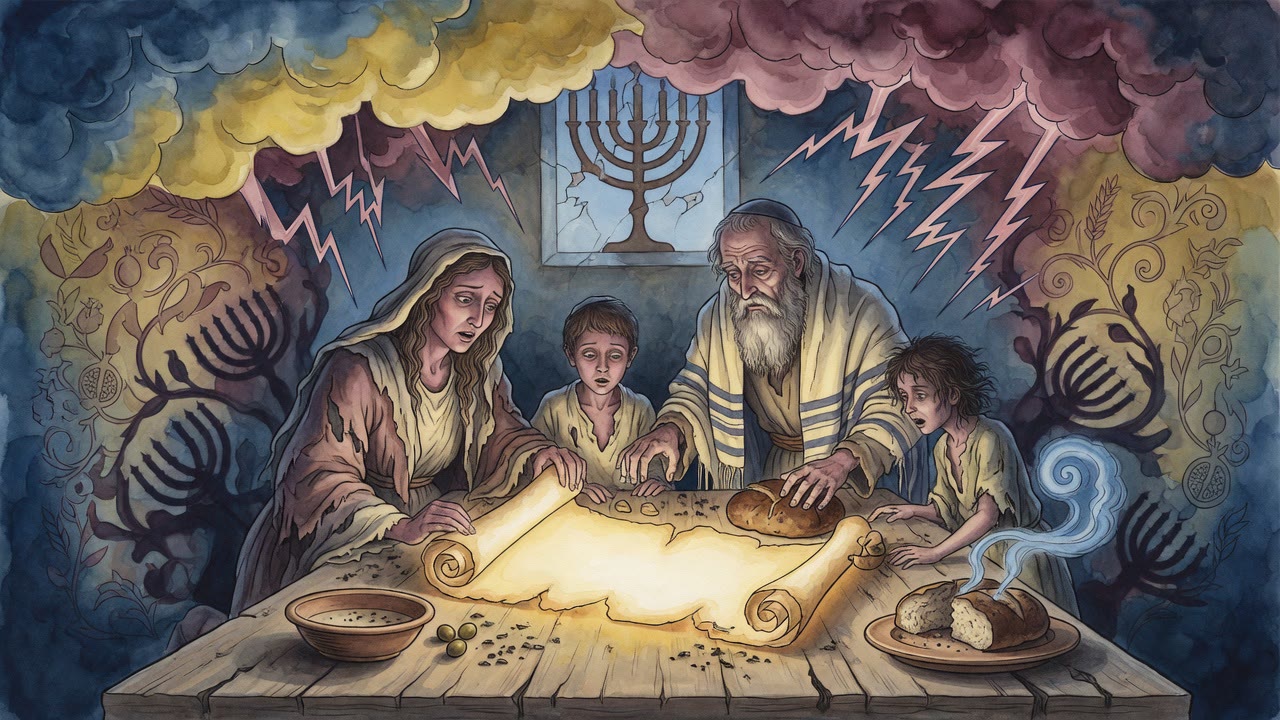
Wisdom that stays sealed helps no one. A wise man will not conceal wisdom. The survivor of two snares becomes useful only if he speaks. Silence after rescue is another snare, set for the next traveler.

So he began to talk at the edge of evening, when boys wanted daring stories and men wanted excuses. He gave them neither. He gave them the feel of wire against an ankle and the sound a soul makes when it hits the ground twice in the same place.

Pleasure Without Emptiness

Fear of God does not cancel pleasure. Ben Sira tells a person to act in the heart and do pleasure in the fear of God, not with lack of understanding. Joy without awe becomes another snared road. Awe without any joy becomes a different trap, pride wearing gray clothes.

For all these things bless thy Maker, who satisfies with goodness. Gratitude steadies the feet. A man who blesses the source of bread is less hungry for stolen bread. A man who thanks for ordinary light is less eager for the glamorous dark.

The balance is a daily craft. Heart open. Understanding awake. Path checked. Counsel shared. The snares do not retire because one traveler learned. They wait for the next straight-looking road and the next man who thinks he is too clever for wire.

He never trusted that road again. When he passed its turnoff, he spat dust and kept walking. Somewhere behind him, metal still hummed in the grass, patient, hungry, and no longer his problem.

He washed his hands twice, not only for law, but because he needed a motion that still answered him. Water ran clear. He wished judgment were as simple as dirt leaving skin.

She walked the length of the place after the shouting died and counted faces that would not meet her eyes. Silence after a public trial is never empty. It is full of people rewriting what they cheered an hour earlier.

He walked the length of the place after the shouting died and counted faces that would not meet his eyes. Silence after a public trial is never empty. It is full of people rewriting what they cheered an hour earlier.


← All myths

From the tradition

Sources

3 sources

The texts behind this telling. Some cards carry a translation of the source; others are our own retelling of it, and each card says which. Every card links out to the original.

Ben Sira 33:1Ben Sira

Retold in our words. Read the original at the link below.The Wisdom of Ben Sira, Cambridge University Press (1899) · CC-BY

One wrong step, and BOOM.

In chapter 33, he offers some pretty direct advice for staying safe and staying true.

"Go not in a way set with snares," he warns us. Don't walk blindly into danger. And if you DO stumble, "stumble not at an offense twice." Learn from your mistakes! Don't repeat them. But how often do we find ourselves making the same errors, falling into the same traps?

Then comes a warning about who to trust – and who not to. "Trust not in the way of the spoiler," Ben Sira cautions. Now, the "spoiler" here is a little ambiguous. Some translations interpret it as someone who causes ruin or destruction. But whatever the exact meaning, the message is clear: be wary of those who would lead you astray. Be especially "watchful of thy latter end." Keep the long game in mind. What are the consequences of your choices? Where will they lead you?

And expanding on this idea, Ben Sira continues: "Trust not in the way of the wicked; And be ware in thy paths." The path of the wicked might seem appealing, maybe even easy, in the short term. But it's a dangerous road. Pay attention! Be mindful of where you're going.

He follows this with a powerful statement of personal responsibility: "In all thy ways keep thy soul." In everything you do, protect your inner self. Nurture it. Guard it. "For whoso doeth these things keepeth a commandment." Living a mindful, ethical life IS a commandment in itself.

The sentiment is repeated, for emphasis, in the very next verse: "In all thy doings keep thy soul; For he that doeth this keepeth a commandment." Ben Sira really wants us to get this point!

So, how do we keep our soul? Ben Sira tells us, "He that observeth the law keepeth his soul; And he that trusteth in the Lord shall not be ashamed." Torah, the Law, isn't just a set of rules. It's a guide for living a meaningful life, a life that honors our connection to something larger than ourselves. And when we trust in God, we have nothing to be ashamed of. We're grounded, secure, and on the right path.

Finally, Ben Sira offers a promise: "Evil shall not befall him that feareth the Lord; But in temptation even again he shall be delivered." Now, this doesn't mean bad things will never happen to us. Life is full of challenges. But it means that if we live with reverence, with a sense of awe and respect for the world and for something higher, we'll be protected. Even when we're tempted to stray, we'll find a way to be delivered.

So, what does it all mean for us today? Ben Sira’s words are a reminder to be mindful, to be ethical, and to trust in something greater than ourselves. To walk through life with open eyes, avoiding the snares and pitfalls that can lead us astray. To protect our souls and to strive to live a life of meaning and purpose.

Maybe it's not about avoiding the minefield altogether, but about learning to navigate it with grace, wisdom, and a little bit of faith.

Full source
Ben Sira 32:19Ben Sira

Retold in our words. Read the original at the link below.The Wisdom of Ben Sira, Cambridge University Press (1899) · CC-BY

He tells us, "He that feareth the Lord shall discern judgement; And shall bring forth counsels from twilight." (Ben Sira 32). Or, as another version puts it, "They that fear the Lord shall discern his judgement; And they shall bring forth much wisdom from their heart." "twilight" image for a moment. It's that liminal space, that in-between time when day and night blur. It's a time of uncertainty, perhaps even a little bit of fear. But Ben Sira suggests that yirat Hashem, that sense of awe and reverence for the Divine, isn't about cowering in fear. Instead, it's the key to unlocking clarity. It allows us to extract wise counsel even from the most confusing and shadowy moments. It's from our heart that wisdom springs.

What happens when we don't approach the world with that sense of reverence? Ben Sira has some thoughts on that, too. "A man of violence will wrest reproofs; And will draw the law after his need." In other words, a person driven by ego and force will twist everything – even the law itself – to suit their own desires.

The person of violence, driven by selfish desires, versus the one who fears the Lord, guided by wisdom and a sense of something larger than themselves.

What about sharing that wisdom? Ben Sira emphasizes the importance of speaking up. "A wise man will not conceal wisdom; And a scorner will not keep his tongue." Wisdom is meant to be shared, to benefit the community. The wise person understands this, while the scorner, filled with arrogance, lets their words run wild.

This idea of integrity extends to all aspects of our lives. Ben Sira warns, "A wise man will not take a bribe: One that is proud and a scorner will not keep the law." A bribe, in the literal sense, but also metaphorically. The truly wise person isn't swayed by personal gain or the praise of others. They stand firm in their principles, guided by yirat Hashem and a commitment to justice.

And finally, Ben Sira offers some practical advice: "Without counsel do not anything; And after thy doings vex not thyself." Think before you act! Seek advice from wise and trusted sources. And once you've made a decision, don't torture yourself with endless second-guessing. Learn from the experience, and move forward.

So, where does this leave us? Ben Sira's words are a call to cultivate yirat Hashem, not as a source of fear, but as a wellspring of wisdom and discernment. It's about recognizing that we are part of something bigger than ourselves, and that our actions have consequences. It’s about seeking counsel, acting with integrity, and sharing our wisdom with the world. Easy to say, harder to do. But perhaps that's the point. The journey towards wisdom is a lifelong pursuit. It is a continuous striving to bring light into the twilight, and to live a life guided by purpose, compassion, and a deep respect for all that is.

Full source
Ben Sira 32:15Ben Sira

Retold in our words. Read the original at the link below.The Wisdom of Ben Sira, Cambridge University Press (1899) · CC-BY

Ben Sira turns to Finding the Balance Between Torah and Daily Life.

Ben Sira, in chapter 32, dives right into it. He tells us to act "in thy heart, and do pleasure; In the fear of God, and not with lack of understanding." Now, what does that mean. It's not about suppressing joy or blindly following rules. It's about intention. It's about acting from a place of genuine feeling, but always tempered by yirat Hashem, the awe and respect for the Divine. It's about finding pleasure, yes, but doing so with awareness and a sense of responsibility. Crucially, "not with lack of understanding," hinting at acting wisely, not foolishly.

Then comes this fascinating line: "And for all these things bless thy Maker; Which satisfieth thee with his goodness." Gratitude. Simple, yet profound. It shifts our perspective and allows us to appreciate the abundance around us. Ben Sira urges us to express that gratitude, to actively bless the Maker.

But what about the path to finding God? Is it a free-for-all, or is there a method to the madness? Ben Sira says, "He that seeketh God may expect favour (?); And he that is a madman shall be snared thereby (?)." This is where things get interesting. Seeking God isn't just a passive wish; it requires effort, intention, a genuine desire to connect. And it seems, according to Ben Sira, that those who approach this search with sincerity and humility can expect to find favor. The "madman," on the other hand, someone perhaps driven by ego or ulterior motives, risks getting "snared."

Ouch.

He continues, "He that seeketh God will receive discipline; And he that seeketh him diligently shall obtain an answer. He that seeketh things pleasing to God shall receive instruction; And he will answer him in his prayer." Discipline. It’s not exactly the most appealing word, is it? But here, it suggests a structured approach, a commitment to learning and growth. It’s not just about wanting to connect with God; it’s about actively working towards it. And if we seek Him diligently, we are promised an answer. It implies that God is responsive, that He is listening, and that He rewards genuine effort.

And it's not just about seeking God, but also about seeking what's pleasing to Him. This requires constant learning, a willingness to be instructed, to adjust our actions and beliefs in accordance with Divine wisdom. And for those who do, Ben Sira assures us, "He will answer him in his prayer."

Finally, Ben Sira concludes with a powerful statement: "He that seeketh the law shall obtain her; And he that is a madman shall be snared thereby." The Law – the Torah – isn't just a set of rules. It's a path, a guide, a source of wisdom. It's a living, breathing entity, and those who approach it with respect and a genuine desire to learn will find its treasures. But again, the "madman," the one who approaches it with arrogance or a closed mind, will only find themselves "snared."

So, what's the takeaway? Perhaps it’s this: the journey to connect with the Divine is a multi-faceted one. It requires joy and reverence, gratitude and discipline, intention and humility. It’s about balancing our own desires with a deep respect for something greater than ourselves. And ultimately, it's about approaching the search with an open heart and a willingness to learn.

Full source