The Ruffians Turned Back When Zeira Was Gone
Rabbi Zeira befriended lawless neighbors until his death, then they asked who would plead for them, while Beruria taught Meir to pray for sinners to change.
Table of Contents
They called him the short one with the scorched legs. Rabbi Zeira lived among rough men who broke laws the way other people break bread, and the other sages kept their distance. They were annoyed that he did not. He drew the ruffians close, treated them with warmth, and never lectured them into a corner. He simply stayed near, as if nearness itself were a form of prayer that did not need a final amen to finish.
 Click for full size
After the Short One Died
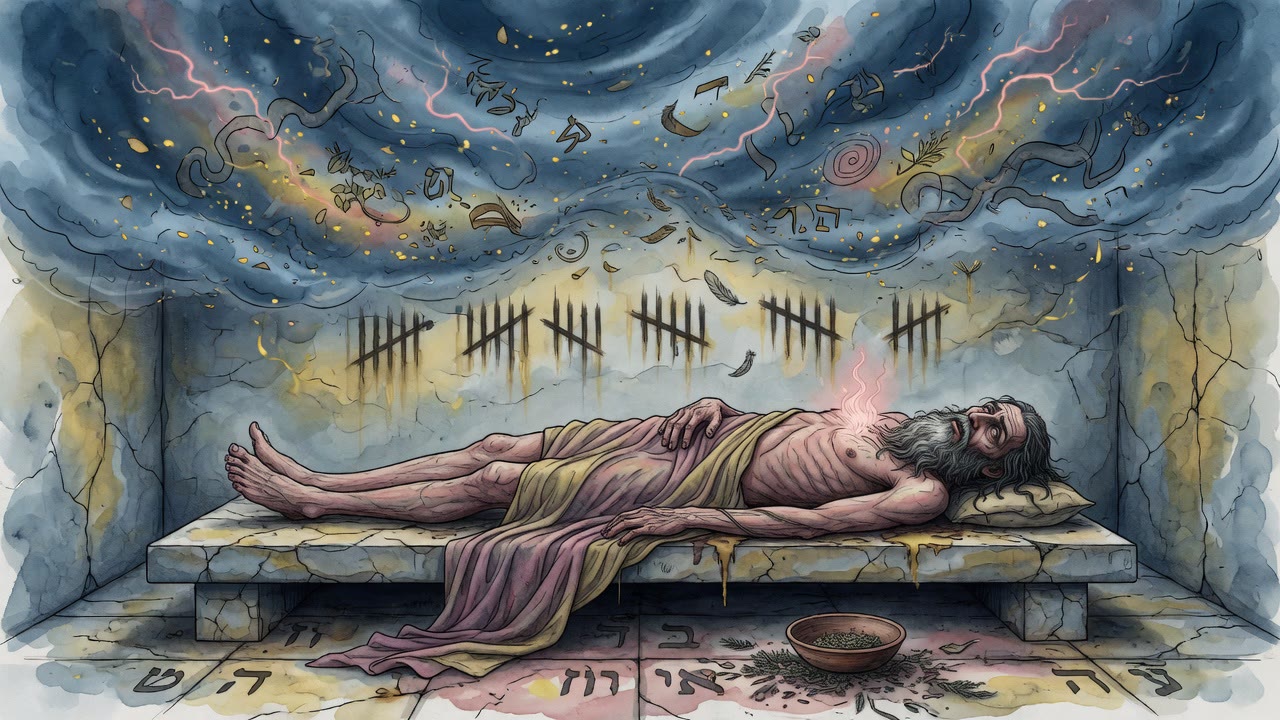
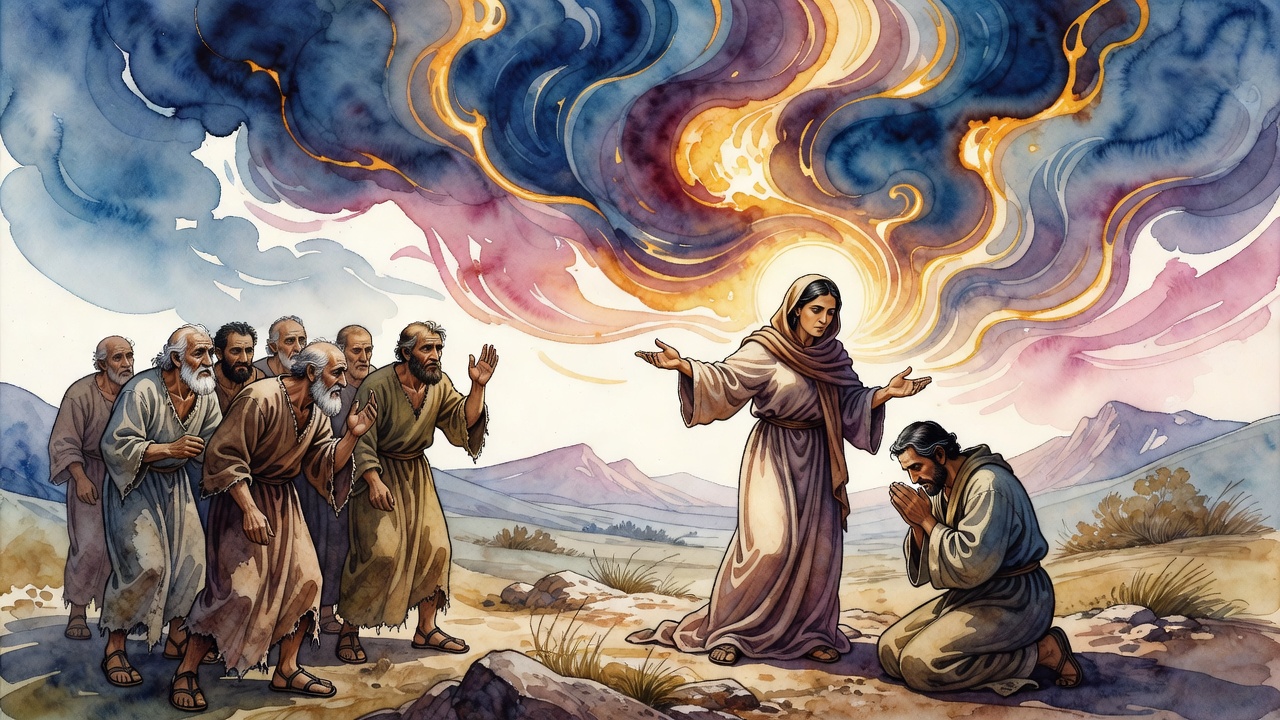
For a long time nothing seemed to come of it. Then Zeira died. The ruffians heard and said to one another, "Until now the short one with the scorched legs would seek mercy for us; now who will plead for us?" In that moment they felt the weight of being unguarded, of having lost the one man who had believed they could be better. They searched their own hearts and turned back.
Patience can look like wasted effort while it lives. Only death revealed that nearness had been working on those men all along. The love of one righteous person can ripen into repentance even after he is gone. The funeral did what sermons had not. Absence became the last teacher.
The other sages who had stayed clean of those neighbors now faced a quieter shame. Distance had protected their reputations. Nearness had protected the ruffians' future. Heaven, it seemed, preferred the scorched legs.
Beruria at the Window of Prayer
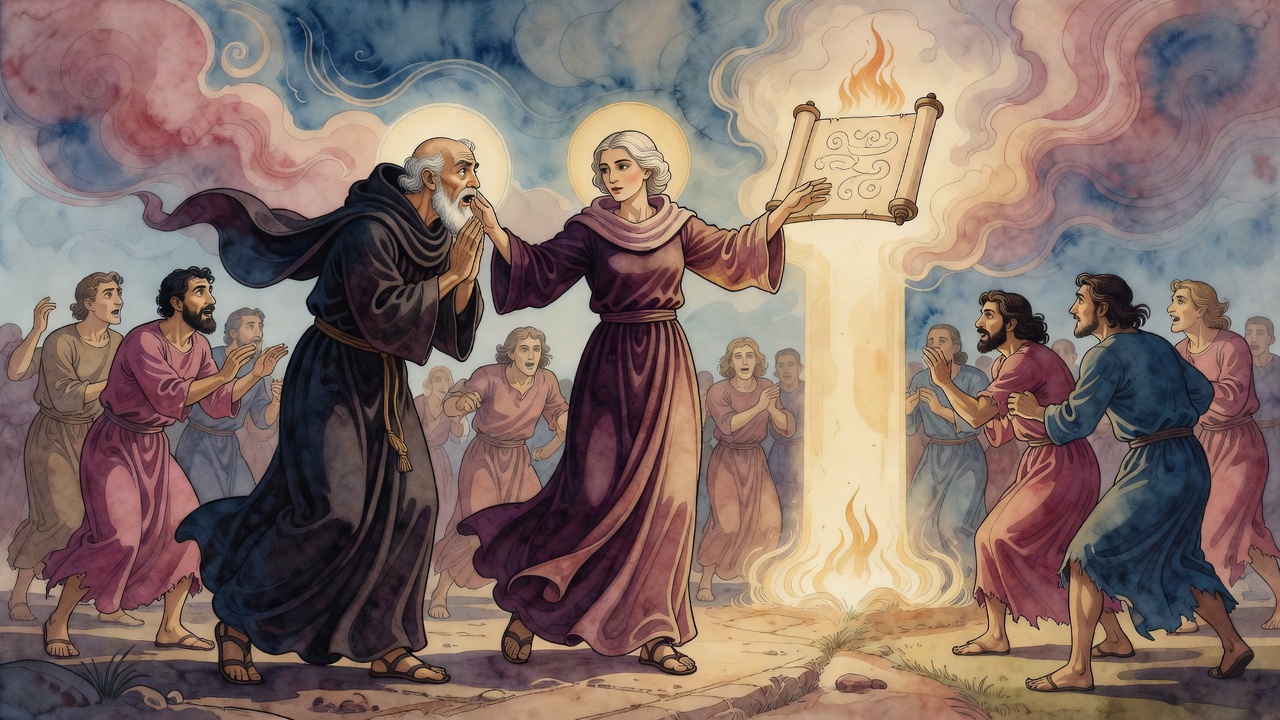
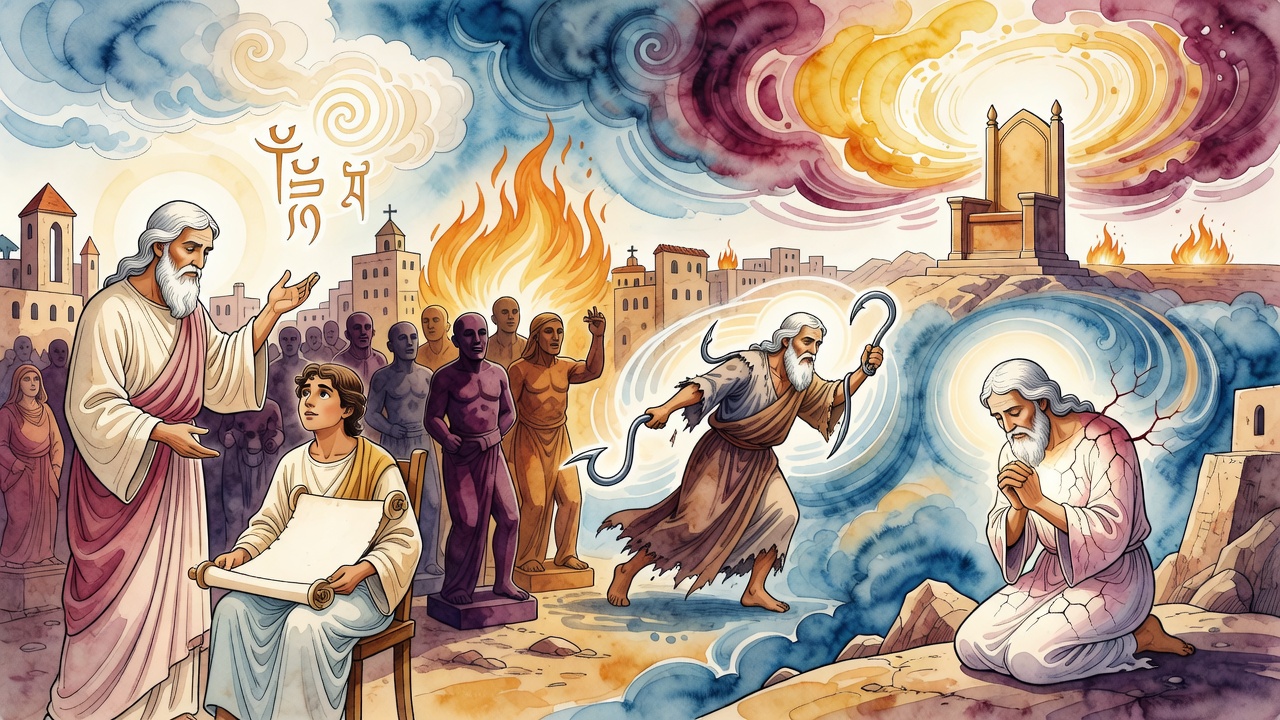
Rabbi Meir had a different neighbor problem. A heretical troublemaker lived close enough to fray the nerves, and Meir prayed for the man's death. His wife, Beruria, stopped him with a reading. On the verse "Let sins be finished from the earth" (Psalms 104:35), she refused the easy hearing that ends sinners. Pray that sins cease, she taught, which means pray that sinners change. Destroy the crime. Spare the person enough room to become someone else.
Meir's first prayer was a locked door. Beruria's correction was an open window. The neighbor's wickedness was real. So was the possibility that heaven would rather receive a changed life than a finished corpse. A wife midrash can be sharper than a colleague's rebuke because it arrives at the table where the anger is still hot.
Psalm 104 moves through creation's praise before it reaches that line about sins. Beruria heard the whole movement: a world ordered toward blessing does not need extra corpses to complete its song. It needs less crime inside living mouths.
Two Ways to Stand Near Evil
Zeira stood near ruffians without a sermon. Beruria stood near her husband's anger with a verse. Both refused the clean solution of distance and destruction. Distance protects a reputation. Destruction protects a mood. Neither protects a soul that might still turn.
The ruffians did not repent because Zeira won an argument. They repented because they suddenly imagined a world without an intercessor who knew their names. Beruria did not deny Meir's pain. She redirected its aim from the person to the pattern. In both houses, the wicked are not romanticized. They are simply not discarded while breath remains.
Standing near evil without blessing it is a craft. Too close without spine, and you become company for crime. Too far with pure hands, and you become irrelevant to the only people who need your heat. Zeira and Beruria mark the narrow path between those failures.
What Death and Prayer Share
Death forced the ruffians to see the cover they had been living under. Prayer, rightly aimed, forces the righteous to see the cover they still owe the wicked. Zeira's cover was friendship. Beruria's cover was a precise petition. When the short one was gone, the men had to become their own plea. When Meir listened to his wife, he had to become a different kind of neighbor in heaven's court.
Communities often prefer either exile or execution of the difficult. These stories offer a slower tool: presence that does not bless the crime, and prayer that does not confuse the criminal with the crime. The turn may come late. It may come after a funeral. It may come after a wife's sharp midrash. Late is still a time heaven recognizes, and a turned ruffian is a better monument than a quiet street that never risked kindness.
After the funeral the street felt wider and more dangerous. The ruffians who had mocked the short sage now walked past his empty doorway and slowed without meaning to. One of them began to return a stolen tool. Another stopped a fight he would once have joined for sport. Repentance rarely arrives as a speech. It arrives as a series of refused crimes, each one smaller than a legend and larger than a mood.
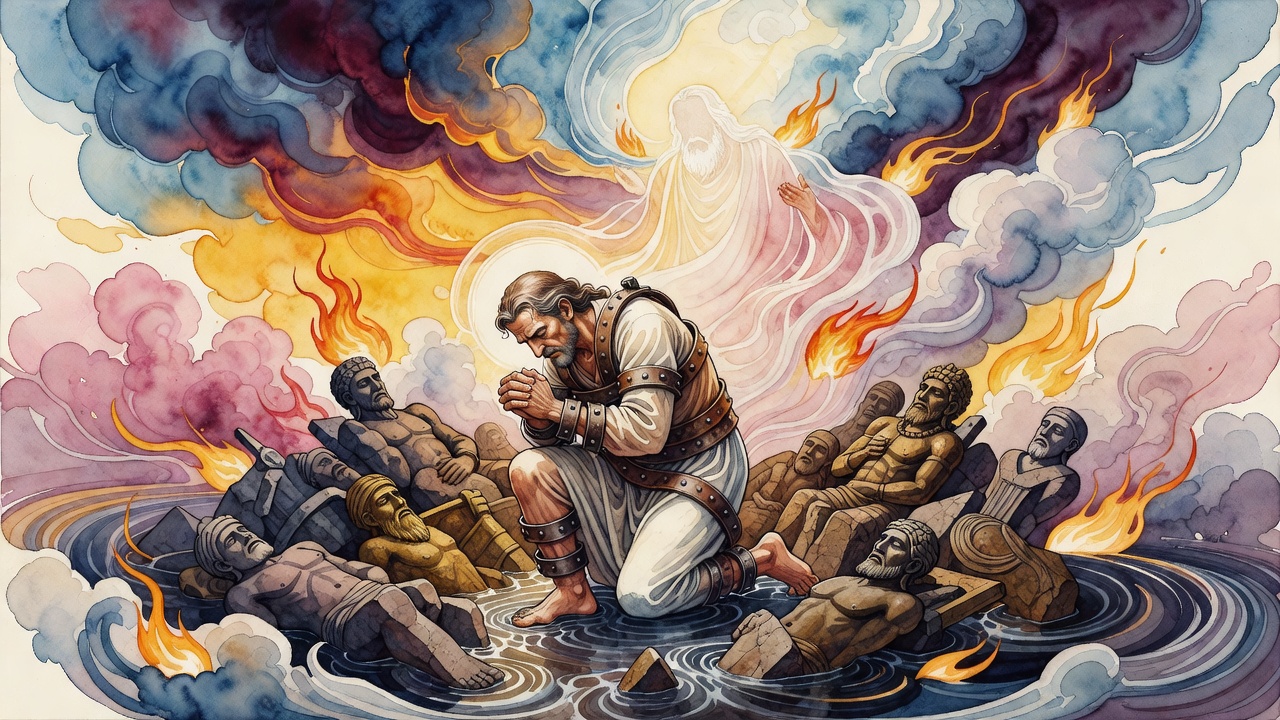
Meir, for his part, had to learn to aim prayer the way an archer aims past anger. Beruria's correction did not make the neighbor gentle overnight. It made Meir's mouth honest about what heaven should be asked to do. Between Zeira's nearness and Beruria's precision, the tradition keeps a double tool for hard people: stay close without blessing the crime, and petition for change without craving a corpse.
← All myths