Parshat Vayetzei6 min read

The Seven Wicked Kings Hidden Inside Leah's Thanksgiving

God saw Leah hated and opened her womb, but she gave clean thanks only at Judah, unaware seven wicked kings already hid inside that praise.

Curated by Arthur · Told by Maggid ·
Table of Contents
  1. The Wife Heaven Called Hated
  2. The Three Sons She Would Not Praise
  3. The Thanks She Gave at the Fourth Son
  4. The Seven Kings Folded Into One Word of Praise
  5. The Barren Sister Named Principal of the House
The Seven Wicked Kings Hidden Inside Leah's Thanksgiving Click for full size

The Wife Heaven Called Hated

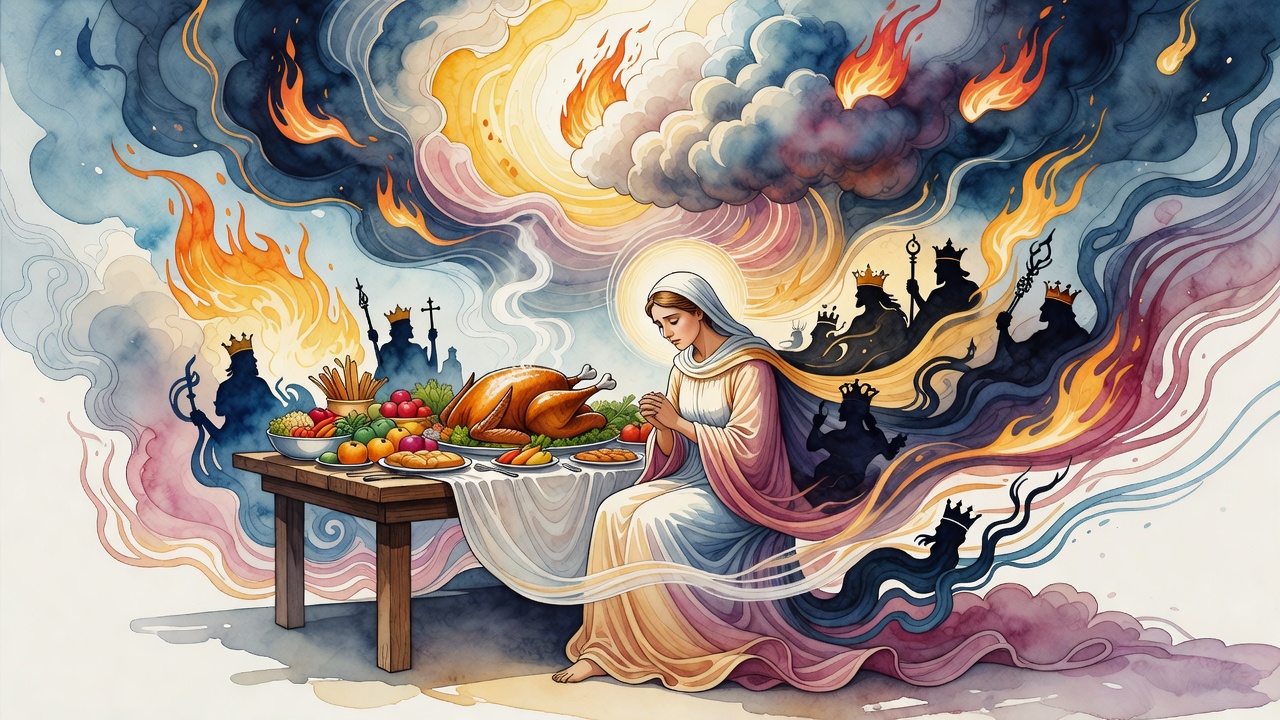
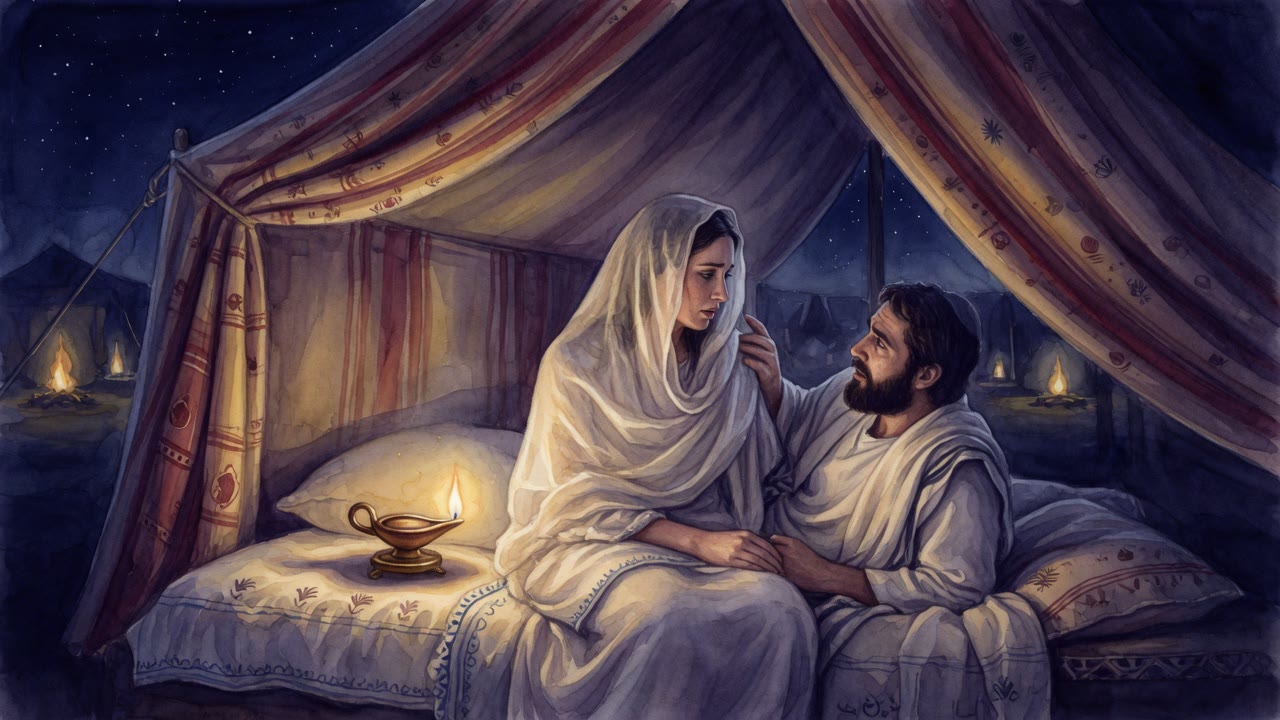
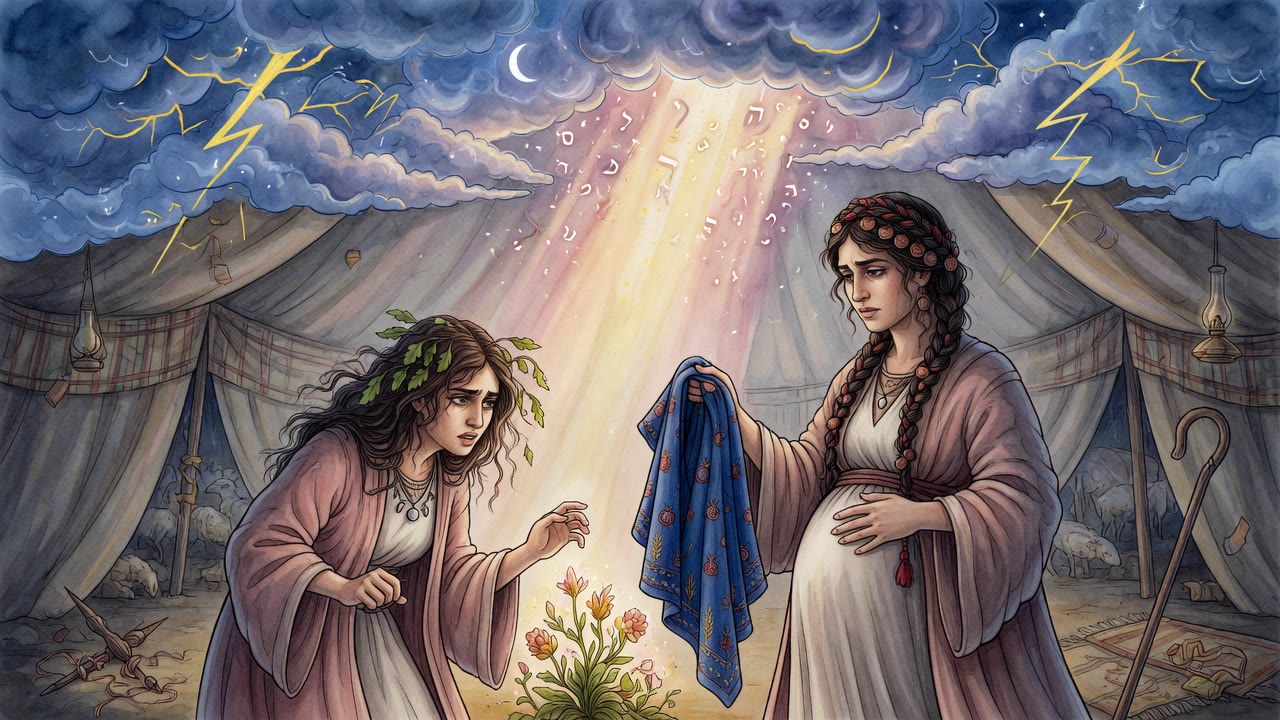
The word came down from heaven before Leah had wept out the last of her wedding night. Scripture says the LORD saw that she was hated, and men read it as Jacob's coldness. But heaven meant something older and heavier. God had looked down the long line of her descendants and seen the kings who would come from her, crowned men who would burn incense to idols inside the House He had not yet built. For their sake He called her hated, the way the prophet would one day cry, "My heritage has become to Me like a lion in the forest. Therefore I have hated her."

And then He opened her womb.

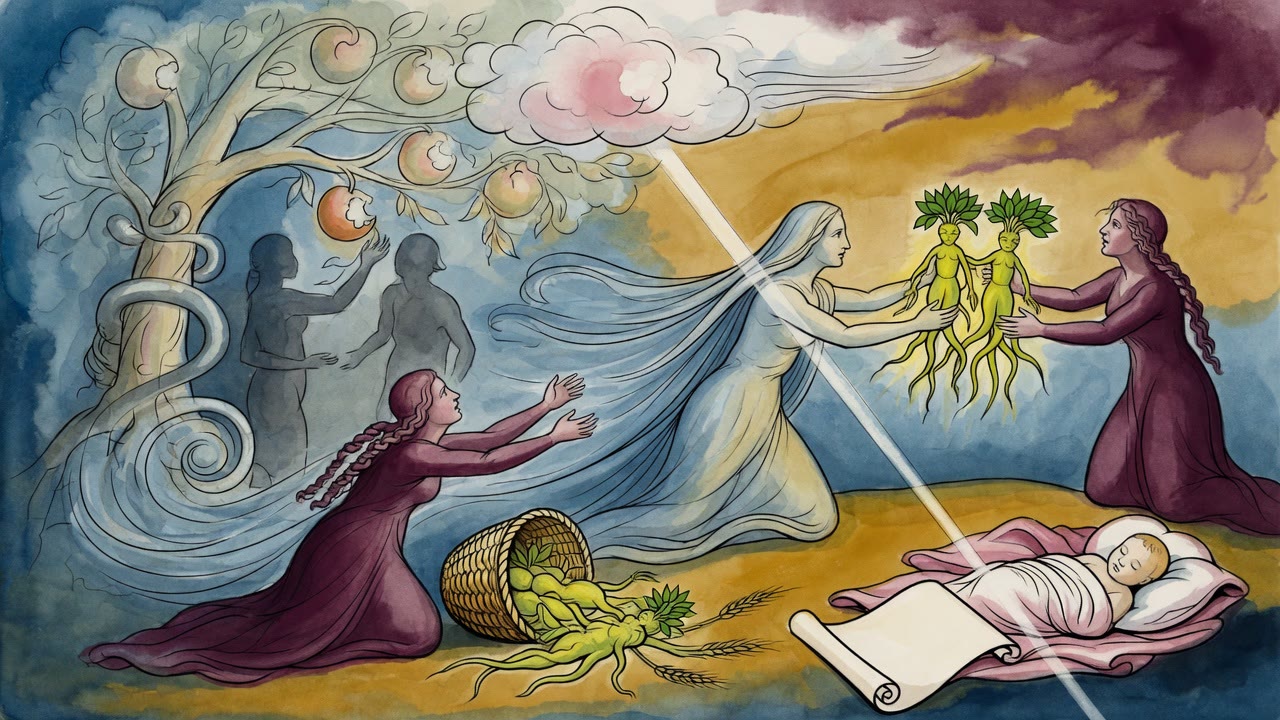
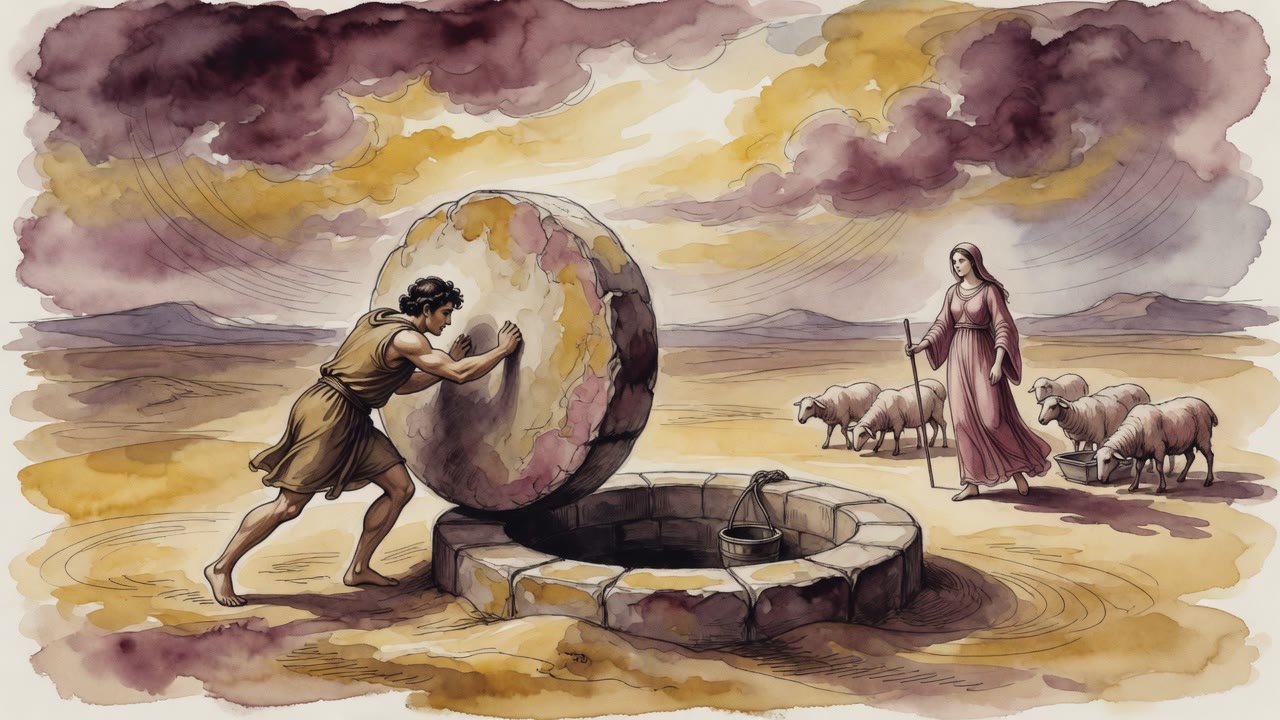
The same seeing that named her hated unlocked her body while her sister stayed shut. Rachel, whom Jacob had served seven years to win, went barren month after month. Leah conceived and conceived, and carried the future of a nation in a body no one had asked for.

The Three Sons She Would Not Praise

She bore her firstborn and called him Reuben, and she gave no thanks. She had seen in him Dathan and Abiram, the men who would defy Moses and be swallowed alive when the ground split open under their feet. What praise fits a son with that folded inside him?

She bore a second and named him Simeon, and again she held her tongue, because she saw Zimri in him, the prince who would drag a Midianite woman through the camp in front of everyone. She bore a third, Levi, and saw Korah, the rebel who would rise against Moses and Aaron until the earth opened and devoured him. Three sons, three cradles, and each time the thanks died in her throat.

The Thanks She Gave at the Fourth Son

Then came the fourth, and something broke open in her. She said, "This time I will praise the LORD," and called him Judah, from the word for thanks. This was her first clean praise, the first son over whom she withheld nothing.

She had seen further into this one. She saw a man who would stand exposed before a whole household one day, holding a staff and a seal and a cord that proved the child in a widow's belly was his. She saw Tamar being led out to the fire, and Judah with one word in his mouth that could burn her or save her. And she saw him choose. "She is more righteous than I," he would say, naming his own sin aloud when silence would have been cleaner and safer. A son who could confess like that was worth thanking heaven for.

Years later his father felt the same pull. When Jacob lay dying and his sons filed past him for their blessings, he cursed the fury of Simeon and Levi and scattered them through Israel. Then Judah stepped forward, and the old man's voice changed. "Judah, you, your brothers shall praise you," he said, and the echo was deliberate. Through your name your mother gave praise the day she bore you. You confessed, and so your brothers bow to you. The whole nation would answer to Judah's name and be called Yehudim after him, and the one who would save Israel at the end of days would rise like a fresh shoot from his stump.

The Seven Kings Folded Into One Word of Praise

But the praise was not clean all the way to the bottom. Inside that one grateful word, seven crowned men lay hidden and waiting.

They would all descend from Judah, kings of his own tribe, and each betrayed the House. Ahaz would stand before Isaiah, offered any sign he wished, as deep as Sheol (the land of the dead below) or as high as heaven, and would refuse it behind a pious face. "I will not ask, nor will I test the LORD," he said, not from faith but because he did not want the Name of Heaven honored through him. Manasseh would set a carved idol inside the Temple itself. Amon would bow to every image his father had made. Jehoiakim would despise the covenant mark in his own flesh and draw the skin over it to hide it. Jehoram, Jehoash, and Zedekiah filled out the seven, and for all of them the prophet would one day mourn, "She who bore seven languishes."

Seven wicked kings, already curled inside the birth that made their mother weep with gratitude. She had thanked heaven for Judah and never known how much grief she was thanking it for.

The Barren Sister Named Principal of the House

Across the tents, the woman with the shut womb was named the greater one.

They called Rachel barren, aqarah, and the sages heard inside that word iqqar, the principal, the root of the house. Jacob had labored seven years for her alone. Generations later, when the elders of Bethlehem blessed Ruth at the town gate, they reached first for the barren sister's name. "May the LORD make the woman coming into your house like Rachel and like Leah, who both built the house of Israel," they said, and the men saying it were sons of Judah, sons of Leah, and still they set Rachel first.

Rabbi Berekhyah the Priest put the paradox plainly. She had no principal womb, he said, no working root in her body at all, and yet she and her children were the foundation of the world, for none establishes Israel except the children of Rachel. The sister heaven opened filled the cradles and folded seven traitor kings into her thanksgiving. The sister heaven kept shut was named the ground the whole house would stand on. Between the two of them, the hated and the barren, the nation's every fault-line and every root was already laid.


← All myths
From the tradition

Sources

3 sources

The texts behind this telling. Some cards carry a translation of the source; others are our own retelling of it, and each card says which. Every card links out to the original.

Midrash Tanchuma Buber, Vayetzei 14:1Midrash Tanchuma Buber, Vayetzei

Translation of the source text.Midrash Tanchuma (Buber), Public Domain, on Sefaria · CC-BY-SA

Another interpretation of (Genesis 29:31): "And the LORD saw that Leah was hated." This is what Scripture says (Jeremiah 12:8): "My heritage has become to Me like a lion in the forest [it has roared against Me; therefore I have hated her]." How so? The Holy One, blessed be He, saw that wicked sons were destined to come forth from her, and so He called her "hated." And these are the wicked ones: Jehoram, Jehoash, Ahaz, Manasseh, Amon, Jehoiakim, Zedekiah.

Of Jehoram it is written (II Kings 8:18): "And he walked in the way of the kings of Israel, as the house of Ahab had done." Of Ahaz it is written (II Kings 16:2): "And he did not do what was right in the eyes of the LORD [his God], like David his father." Isaiah said to him (Isaiah 7:11): "Ask for yourself a sign from the LORD your God; make the request as deep as Sheol", that the dead might live, or that Korah might come up from Sheol, "or as high as above" (ibid.): you may ask that Elijah come down from the heavens. He said to him: I know that He has the power to do it, but I do not want the Name of Heaven to be sanctified through me, as it is said (Isaiah 7:12): "And Ahaz said, I will not ask, nor will I test the LORD."

Of Jehoash it is written (II Kings 12:3 [12:2]): "And Jehoash did what was right in the eyes of the LORD all his days, as Jehoiada the priest instructed him." But once Jehoiada died, he turned to evil, as it is said (II Chronicles 24:17): "And after the death of Jehoiada [the princes of Judah came and bowed down to the king, and the king listened to them]." See what is written of Manasseh (II Chronicles 33:7): "And he set up the carved image of the idol that he had made in the House of God." Of Amon it is written (II Chronicles 33:22-23): "[And he did what was evil in the eyes of the LORD] and to all the carved images that Manasseh his father had made [he sacrificed and served them; and he did not humble himself before the LORD, for he, Amon, multiplied guilt]."

And of Jehoiakim it is written (II Chronicles 36:8): "And the rest of the acts of Jehoiakim, and his abominations [that he did], and what was found upon him", that he despised circumcision, and drew the foreskin over himself, and entered through the opening from which he had come forth. Of Zedekiah it is written (II Chronicles 36:12): "And he did what was evil in the eyes of the LORD his God." Here, then, are seven wicked ones. Therefore the prophet cries out and says (Jeremiah 15:9): "She who bore seven languishes." Therefore (Genesis 29:31): "And the LORD saw that Leah was hated."

Full source
Midrash Tanchuma Buber, Vayechi 12:5Midrash Tanchuma Buber, Vayechi

Translation of the source text.Midrash Tanchuma (Buber), Public Domain, on Sefaria · CC-BY-SA

(Gen. 49:6) "FOR IN THEIR ANGER THEY KILLED A MAN." When they killed Shechem ben Hamor, he [Jacob] said to them: "You have brought trouble upon me." Immediately (Gen. 49:7): "CURSED BE THEIR ANGER, FOR IT WAS FIERCE." These tribes are not able to dwell as one; rather, "I WILL DIVIDE THEM IN JACOB AND SCATTER THEM IN ISRAEL."

Judah entered, and he [Jacob] praised him: (Gen. 49:8) "JUDAH, YOU, YOUR BROTHERS SHALL PRAISE YOU." Through your name your mother gave praise when your mother bore you: (Gen. 29:35) "THIS TIME I WILL PRAISE THE LORD." And what did she see, to give praise to the LORD? Rather: she bore Reuben, and she foresaw Dathan and Abiram, and she did not give praise over him. She bore Simeon and foresaw Zimri, and she did not give praise over him. She bore Levi and foresaw Korah, and she did not give praise over him. When she bore Judah, immediately she gave praise over him, for he confessed in the matter of Tamar, as it is said (Gen. 38:26): "AND JUDAH RECOGNIZED, AND HE SAID: SHE IS MORE RIGHTEOUS THAN I."

His father said to him: Your mother gave praise over you, and you confessed; therefore "your brothers shall praise you." When Isaac blessed Jacob, he said to him (Gen. 27:29): "AND MAY YOUR MOTHER'S SONS BOW DOWN TO YOU," for he [Isaac] had but one wife. But Jacob, who had four wives, said: "your father's sons." Why "your brothers shall praise you"? For all Israel shall be called by your name, "Yehudim" [Jews]. And not only that, but the Messiah comes forth from you, who saves Israel, as it is said (Isa. 11:1): "AND A SHOOT SHALL COME FORTH FROM THE STEM OF JESSE."

Full source
Midrash Tanchuma Buber, Vayetzei 15:1Midrash Tanchuma Buber, Vayetzei

Translation of the source text.Midrash Tanchuma (Buber), Public Domain, on Sefaria · CC-BY-SA

[Another interpretation of (Genesis 29:31): "And the LORD saw that Leah was hated."] But "and Rachel was barren ('aqarah)", she was the principal ('iqqar) of the house, for Jacob subjugated himself only for her sake, as it is said (Genesis 29:20): "So Jacob served seven years for Rachel." Whence do we know that she was the principal of the house? From the fact that the sons of Leah themselves acknowledge it. Boaz and all his Sanhedrin were from the sons of Judah, from the sons of the sons of Leah. And what is written (Ruth 4:11)? "And all the people who were in the gate, and the elders, said: We are witnesses. May the LORD make the woman who is coming into your house like Rachel and like Leah, who both built the house of Israel; and do worthily in Ephrath, and be renowned in Bethlehem." From here we learn that Rachel is the principal of the house, as it is said: "and Rachel was barren ('aqarah)."

Rabbi Berekhyah the Priest, son of Rabbi, said: She had no principal womb (root '-q-r), as it is said: "and Rachel was barren," and so forth. Even so, she and her children are the foundation ('iqqar) of the world, for none establishes Israel in the world except the children of Rachel.

Full source