The Student Who Swallowed Torah Without a Voice
His lips never moved. A whole hour of mishnah sat behind his teeth. Fever emptied him, and only a cracked recitation brought the words back.
Table of Contents
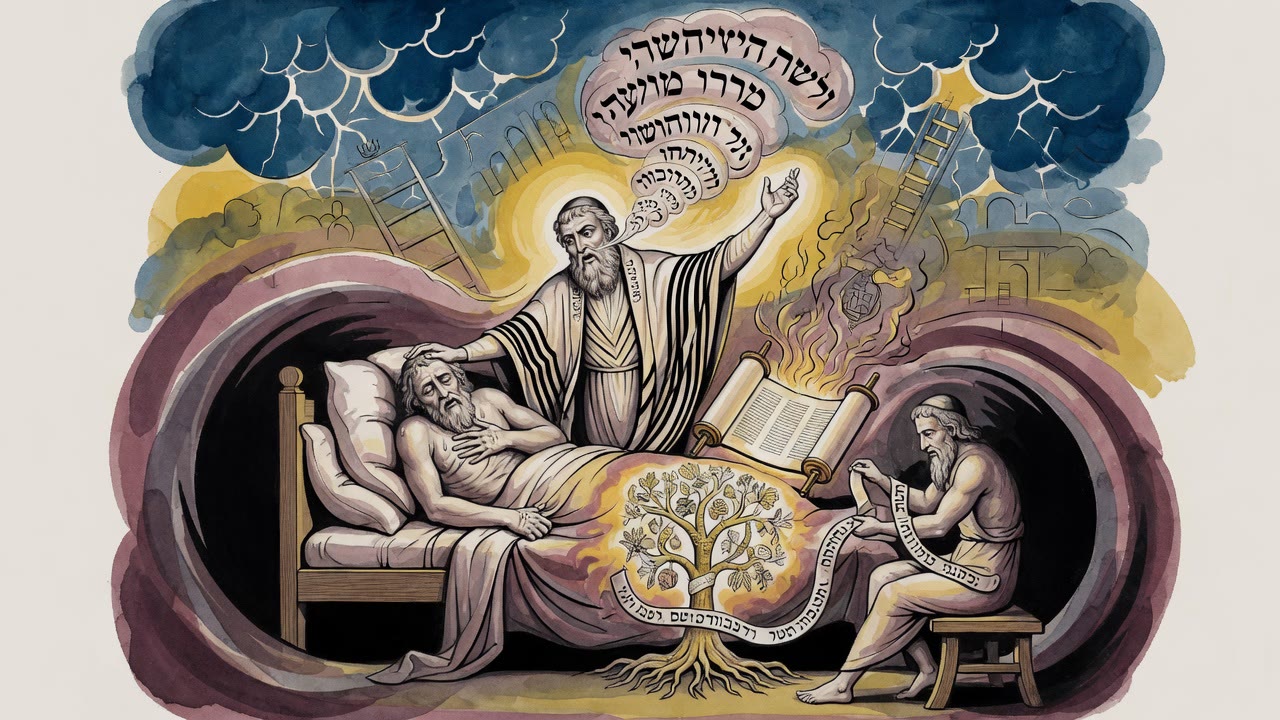
The young man shut his mouth on purpose. For one hour the mishnah poured in and nothing came out.
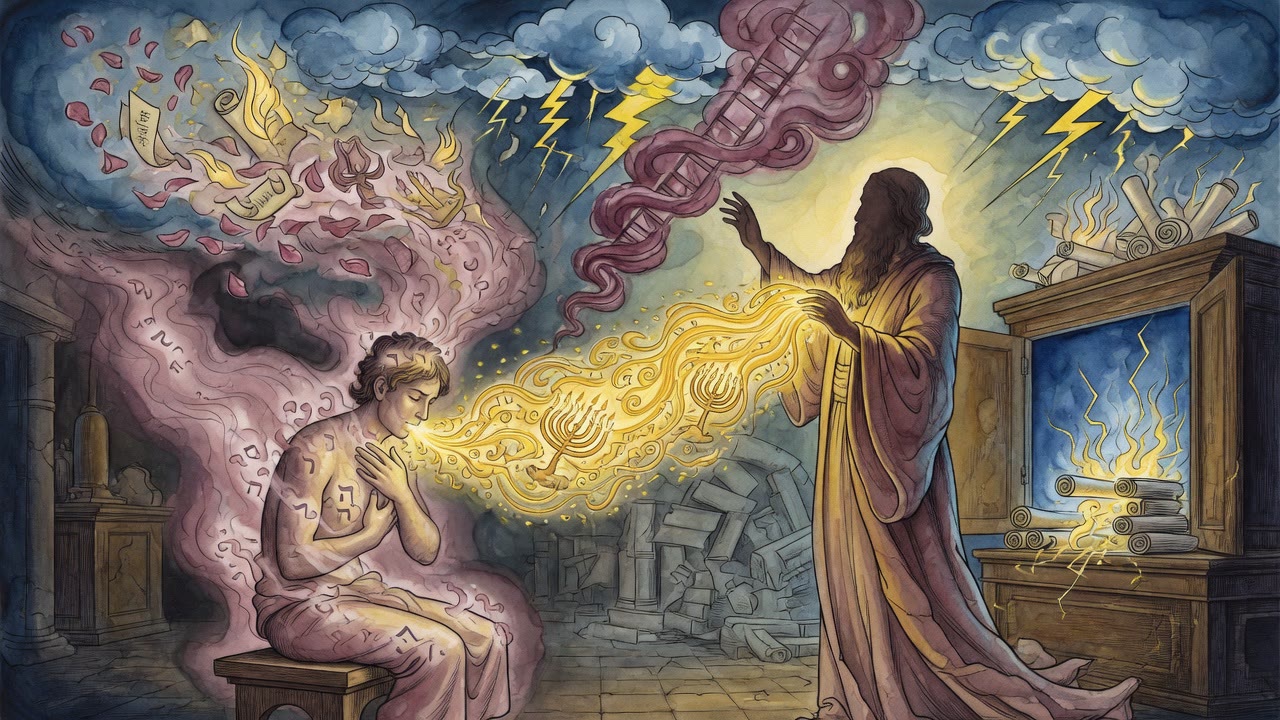 Click for full size
He was a disciple of Rabbi Eliezer ben Yaakov, quick enough to gather in sixty minutes what other men hunted for seasons. He stacked lines behind his teeth. Arguments locked into place. He did not move his lips. He did not taste a single word on the air. When the hour ended he believed he owned what he had swallowed.
Fever Found the Closed Mouth
The heat started in his bones and climbed. Names slipped first. Then the chains of law broke. He woke to a bright room he could no longer enter. The hour of brilliance sat in his memory like a door without a handle. He turned his face to the wall and tasted panic more bitter than the fever.
He tried the old method. Take it in. Keep it private. Own it. Nothing came. A salve that never touches the eye does not heal. Teaching is life to those who find it (Proverbs 4:22), and he had found nothing he could issue. The commandment of the Lord is pure and enlightens the eyes (Psalms 19:9). His eyes were open. The light had gone out.
He pressed his palm to the plaster and waited for a single mishnah to rise without sound. The plaster was cool. The room stayed empty.
Rabbi Eliezer Prayed Out Loud
Rabbi Eliezer did not ask the student to explain. He stood by the bed and prayed with a full throat. The words that had refused to leave the young man's mouth left the teacher's. Healing came on that sound. Learning returned, not as a silent hoard, but as something that demanded air.
The student sat up. Sweat cooled on his neck. Torah wanted a throat, and he had tried to starve it of one.
He opened his mouth on a short mishnah he had once swallowed whole. The first word tore. The second followed, thinner. He recited until his voice cracked. Each word that left him seemed to nail itself back into place. The fever's theft reversed only where breath met text.
He Blessed the Water Before He Drank
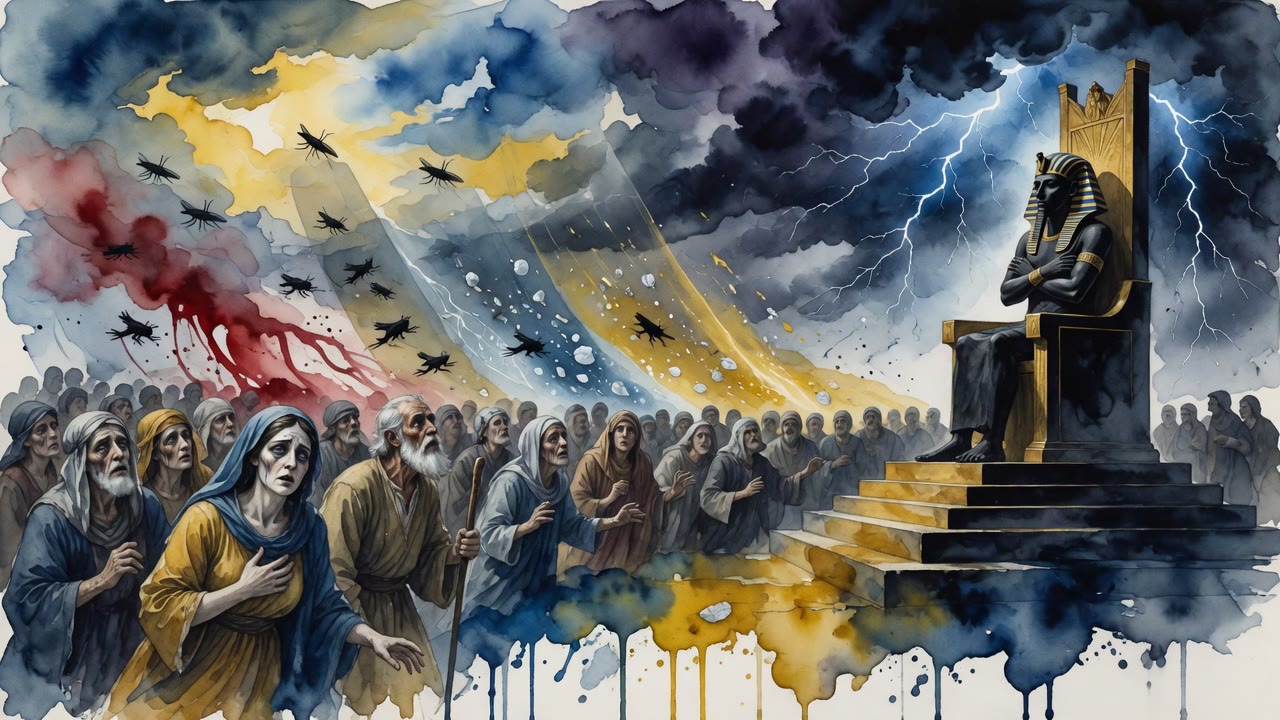
They brought him water. His hands shook on the cup. In that house of teaching, older rescues moved through the same air. All the miracles the Holy One performed for Israel, He performed through water. In Egypt the plague of blood left Israelites drinking clear while Egyptians tasted judgment in the cup. At the sea the waters saw and fled (Psalm 114:3). At Mara a tree thrown into bitterness made the drink sweet (Exodus 15:25).
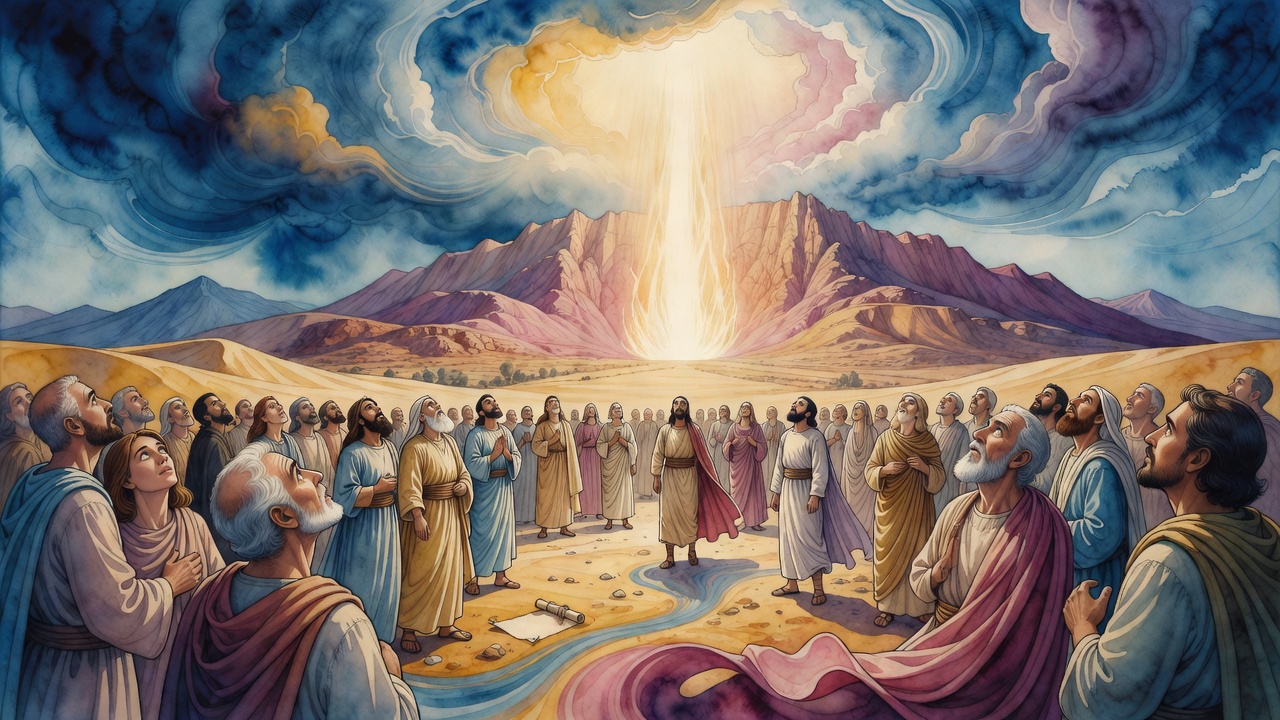
Water is not silent work. It moves. It answers. It takes a staff, a Name, a thrown branch. Israel did not cross on a private meditation. Israel crossed on a shouted command and a staff raised where every eye could see.
The student had to bless before he drank. "By whose word all things came to be," the usual blessing, or, in Rabbi Tarfon's version, the One who creates many forms of life and their needs. His cracked voice made the blessing. Then he drank. The medicine had found its proper door.
Two Letters Were Never Enough
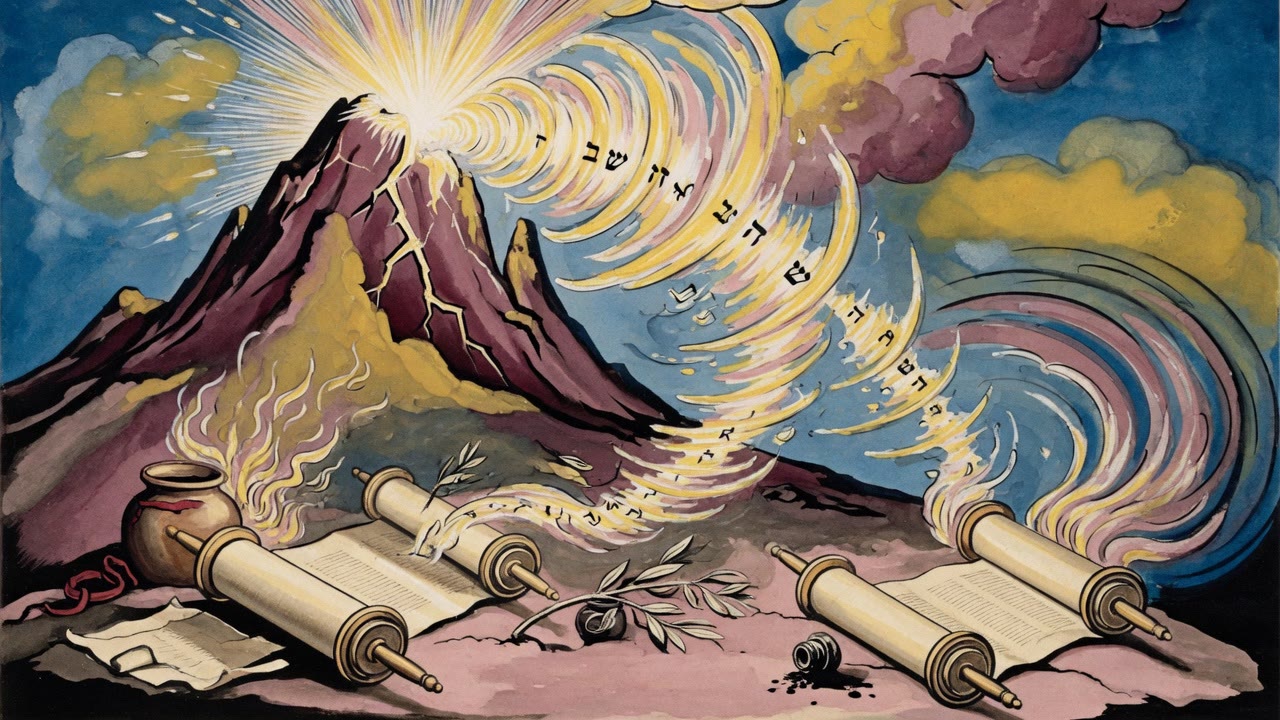
When his legs could hold him, he sat again in the chamber and heard a teaching he had once stored without sound. God had told Abraham of a redemption framed in the two letters of dan, "I will judge" (Genesis 15:14). When the hour of Egypt finally came, the redemption unrolled in seventy-two letters of divine action, a fullness greater than the first thin promise (Deuteronomy 4:34).
The student held that surplus against his own fever. He had tried to take a full gift in a thin method. Silence had been his two letters. Fever had emptied them. Speech was the seventy-two, the long way that actually carried him out.
He Taught One Line in the Courtyard
He stood on weak legs and taught one short line to a younger boy in the courtyard. The boy repeated it wrong. Then right. The air between them held the words. No one fainted. No one forgot.
Years later, when men asked how he learned so securely, he did not boast of the silent hour. He told of the wall, the empty mind, the teacher's prayer, and the first cracked sentence he forced out while sweat still cooled on his neck. The boy in the courtyard had grown. The words still had air.
← All myths