Hope Sickens While Pharaoh Hardens His Heart
They knelt an arm's length apart. The Egyptian drank blood. The Israelite drank water from the same river, and Goshen believed it was over.
Table of Contents
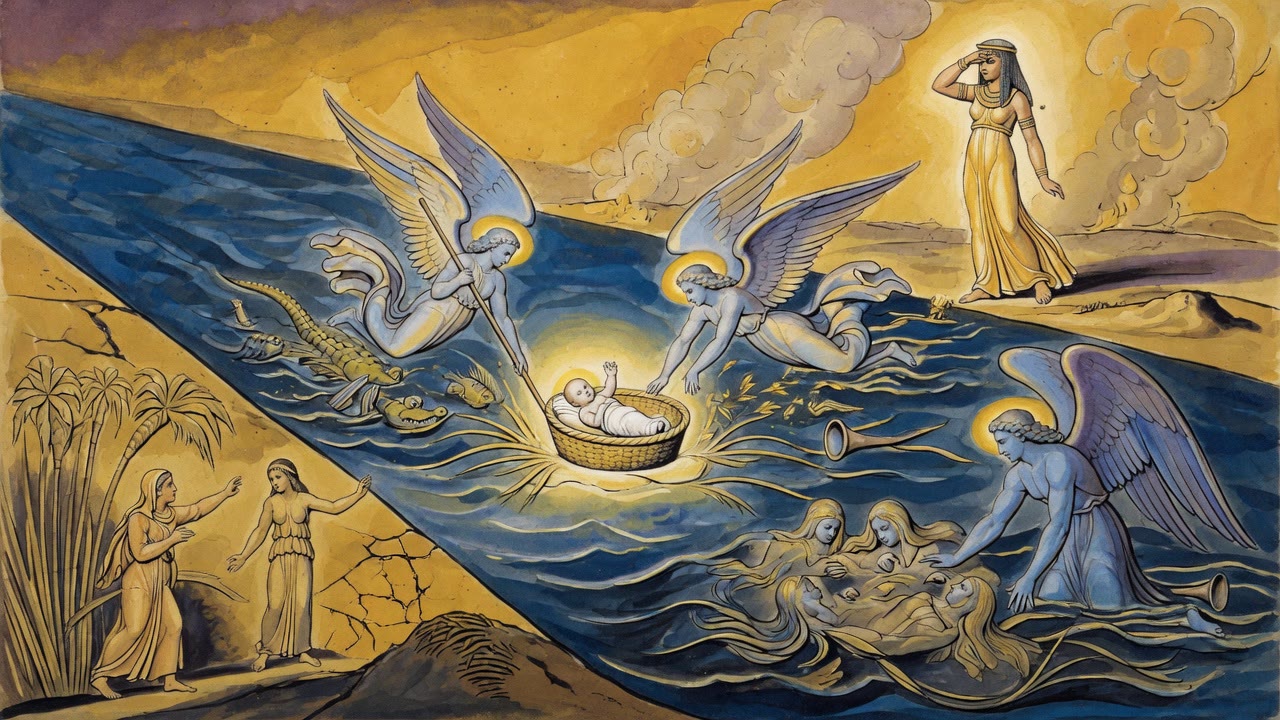
They knelt an arm's length apart on the same bank of the Nile and put their jars into the same water. The Egyptian lifted his and it was blood, thick, already going dark at the rim. The Israelite lifted his and it was river water, and he drank it in front of the man who could not.
 Click for full size
That was the first sign, and word of it went through Goshen before the day was over. That night people let themselves believe it was finished. Some of them said out loud that they would be gone by the new moon.
They Were Not Gone by the New Moon
They were not gone by the new moon.
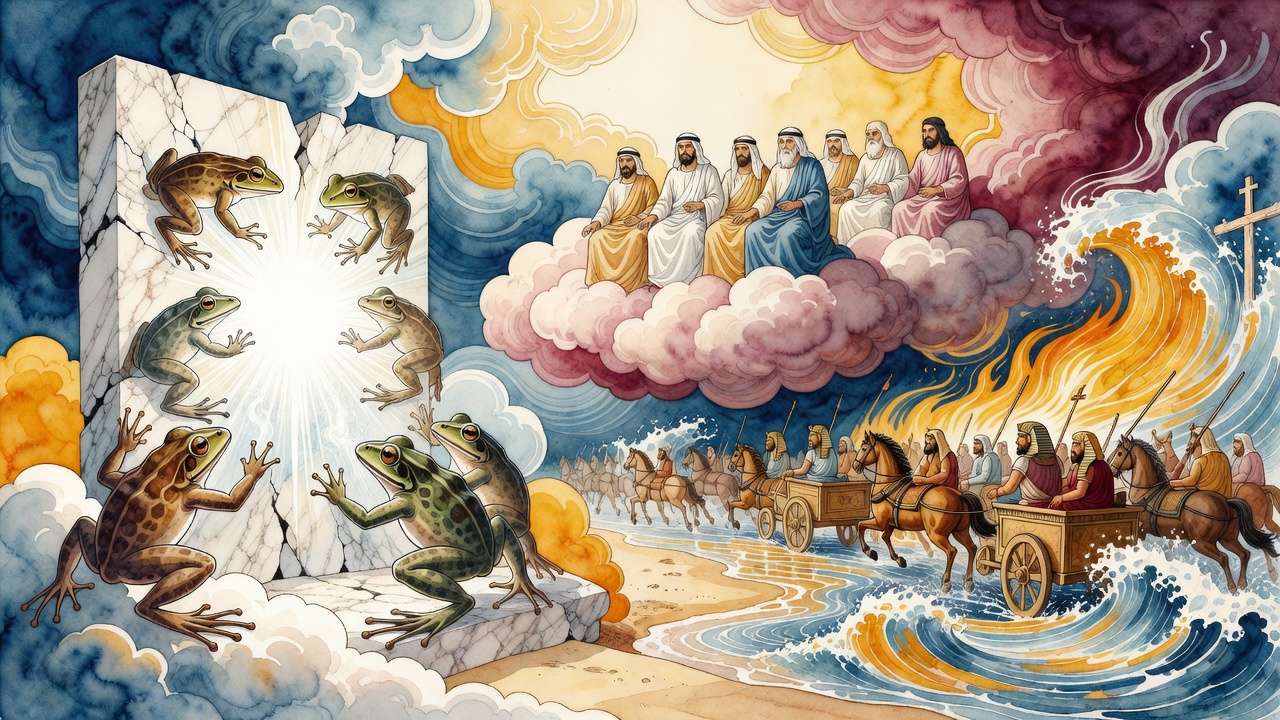
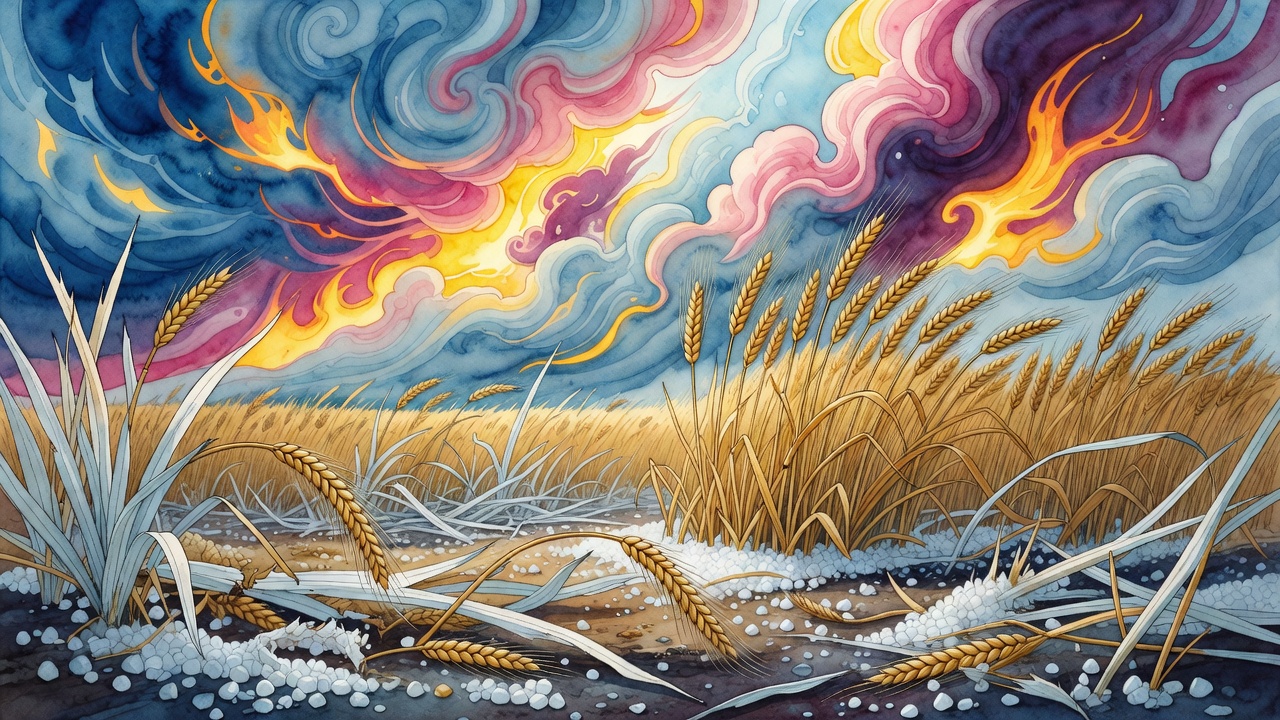
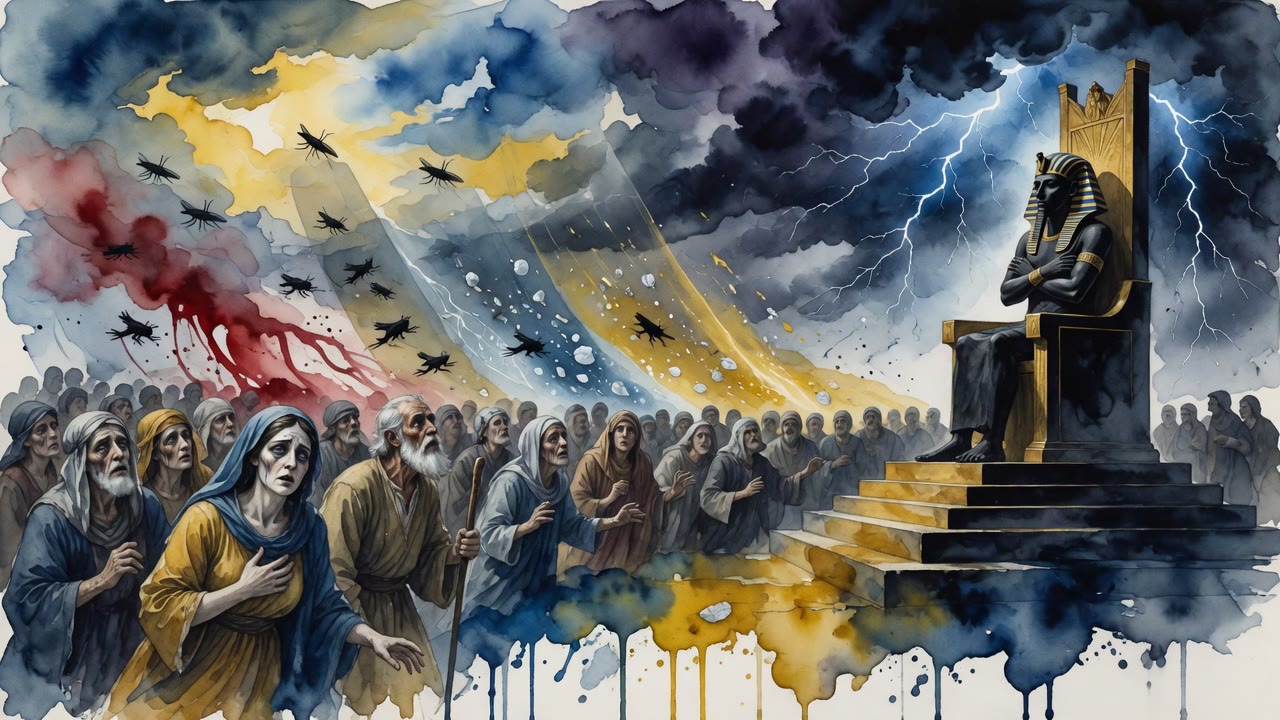
Moses came and went, came and went, and each time he came the sky or the ground or the livestock did something impossible, and each time Pharaoh's face closed again. Frogs, and then no. Lice, and then no. Hail that came down burning, and then no. Darkness so thick that a man could not lift his arm through it for three days, and then no.
Waiting like that sickens people. Not as a figure of speech. Mothers counted the days between signs the way the sick count the hours between fevers. Children learned not to cheer at the first crack of thunder. A heart can only be lifted and dropped so many times before it stops going up.
Hope kept deferred does that. The generation that finally walked out of Egypt carried the scar of it into the wilderness, having been taught ten separate times that a door opening means nothing until a king actually lets go.
The Water Chose a Side
Whatever God did for Israel, He did with water. At the river an Egyptian drank blood and an Israelite drank water from the same stretch. At the sea it stopped being subtle.
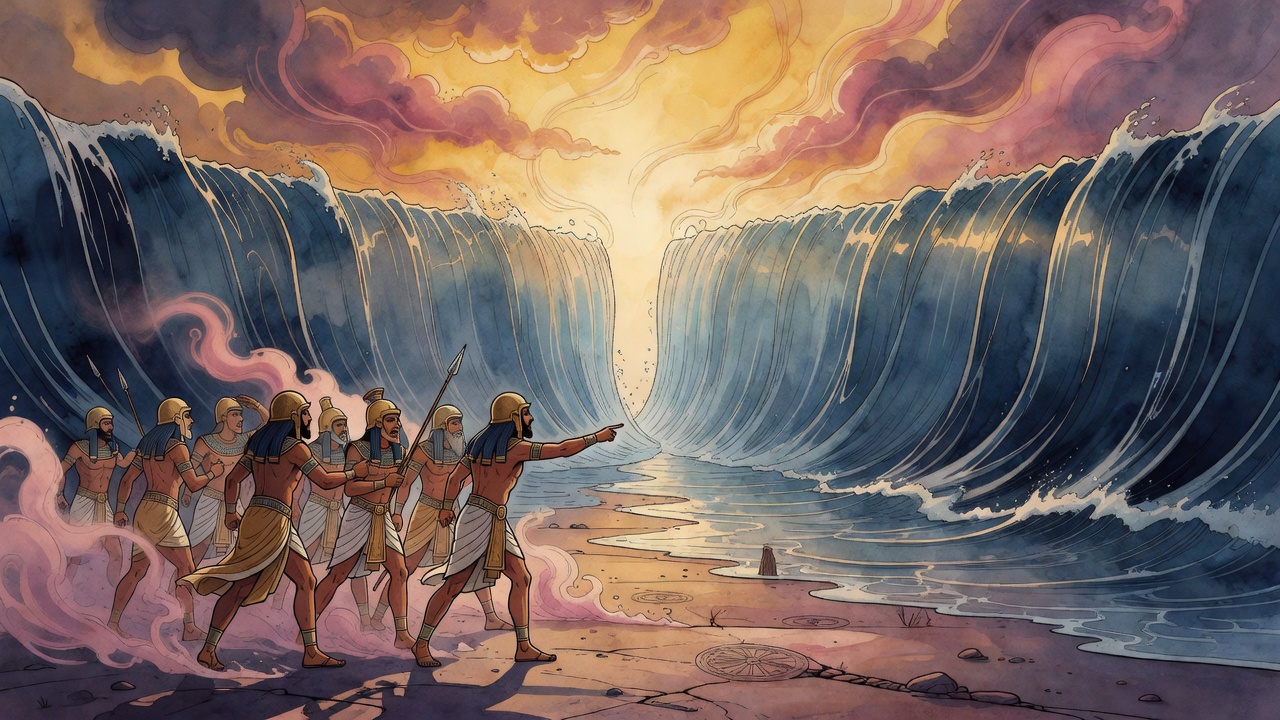
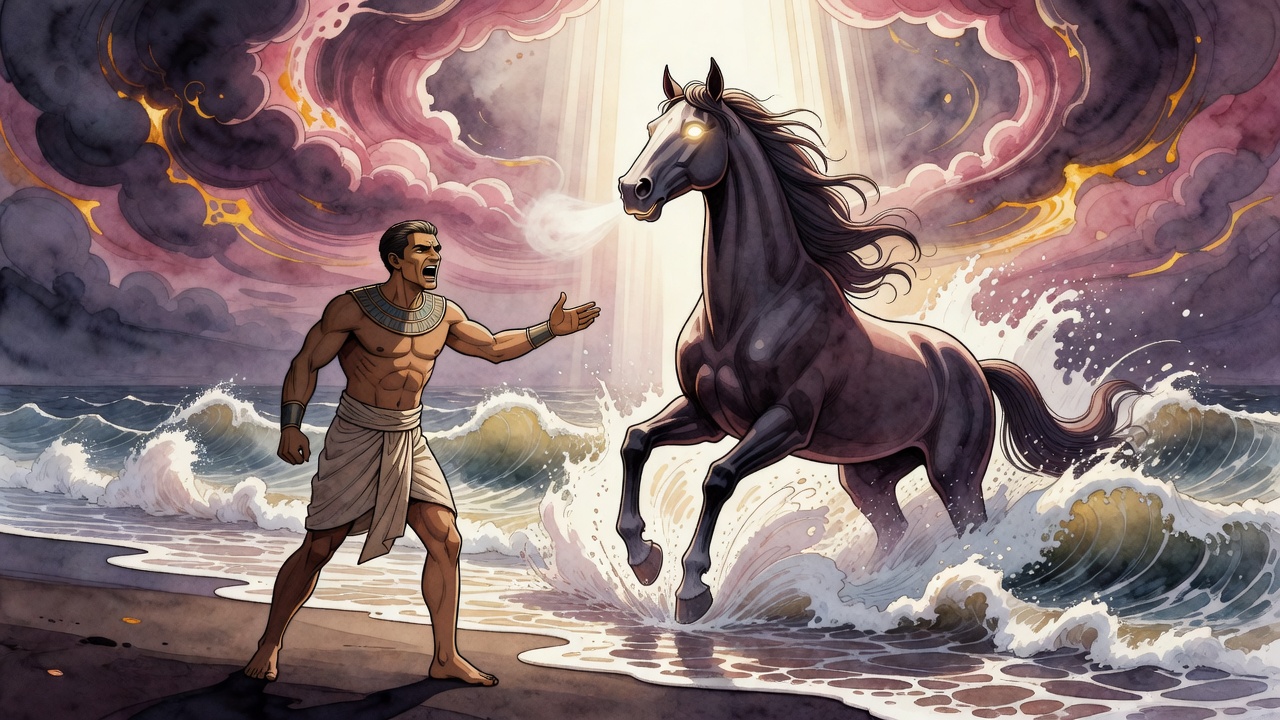
The water saw something and ran. One account says it saw the Name of God cut into the staff Moses was holding. Another says it saw the hand of the Holy One itself and bolted like an animal. Either way the sea broke open and a nation walked through on ground that had been sea floor an hour earlier.
Three days later they came to Marah and the water there was bitter, and they said so, loudly. God showed Moses a tree and Moses threw it in and the water turned sweet. At the rock, water came out when it was spoken to. At the well they stopped complaining long enough to sing.
Every miracle ran through the same element. Blood and water. Sea and dry ground. Bitter and sweet. A rock that answered. A well that drew a song. The people who had sickened on delayed hope learned to watch water the way a hunted person watches a door.
See, I Have Begun
Forty years on, the children of those slaves stood in front of Sihon, and Sihon had walls and a standing army and a country.
There was no theater this time. No going back to the palace ten times. No plague, no negotiation, no morning that looked like freedom and evening that looked like brick.
God said to Moses, "Look. I have already knocked down the one who guards him. He is tied up in front of you. Do to him whatever you want."
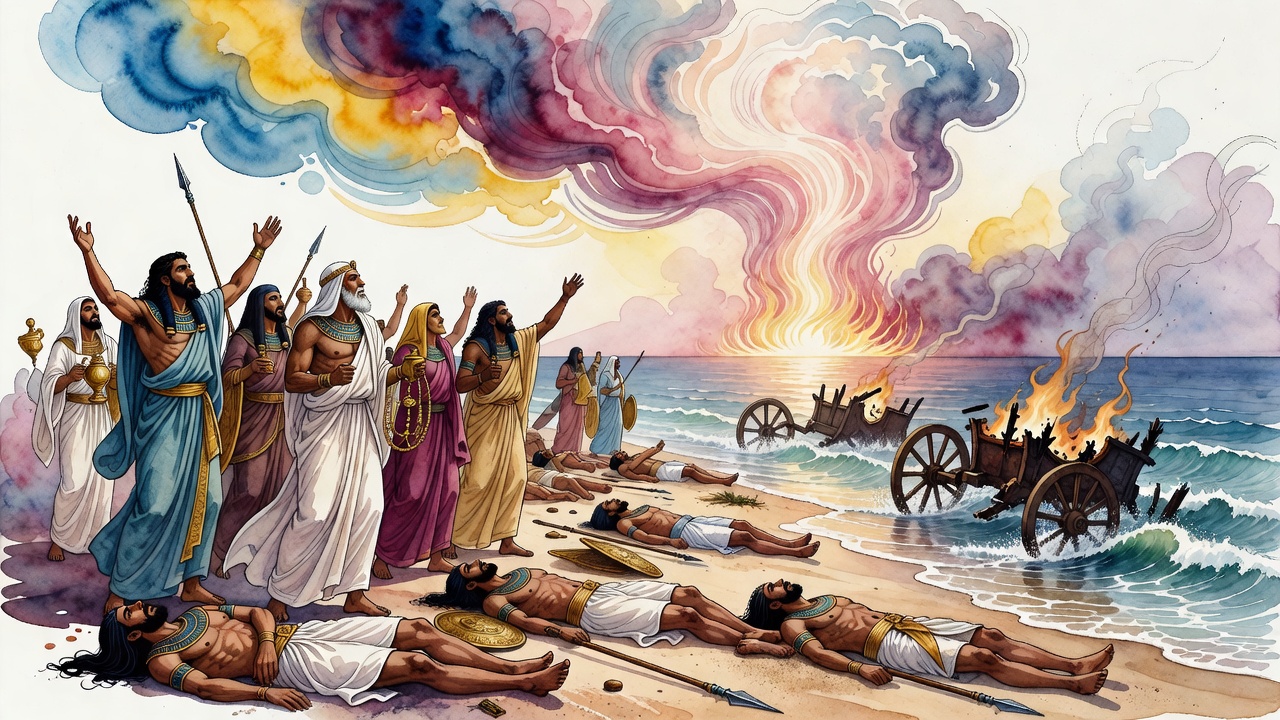
It was the difference between a father who makes his son wait for justice and a father who drags the enemy into the room by the collar and hands over the rope. Sihon fell. Og fell after him. The whole thing took less time than one of the plagues had taken. Desire realized, after all those years of a sick heart, arrived like a tree that had been waiting in the ground.
He Stopped at the Jordan
On the far bank, with the Jordan running between them and the land, Moses stood in front of a generation that had never seen the sea split and told them what he wanted them to carry across.
Every miracle, he said. Every single one. The river in Egypt that gave you water and gave them blood. The sea. The bitter water at Marah. The rock. The well. All of it came through water, and when you cross the Jordan, it will happen there too.
He was a hundred and twenty years old and he was not going over with them. He said it anyway, standing at the edge of a river he had been forbidden to enter, telling other people what the water was going to do for them.
Pharaoh had hardened his heart until hope itself felt like a fever. God had answered, at last, by tying the next enemy and handing Moses the rope. The old man at the Jordan held both memories and would not let the younger ones carry only the scar.
← All myths