Parshat Vaera4 min read

The Flax Fell While the Wheat Waited in Egypt

Hail shattered flax and barley in the stalk. Wheat and spelt lived. Was it late ripening, or a miracle of wonders?

Curated by Arthur · Told by Maggid ·
Table of Contents
  1. Late or Wondrous
  2. The Month That Needed No Patch
  3. What Pharaoh Still Would Not See
  4. Bread for a Road Not Yet Taken

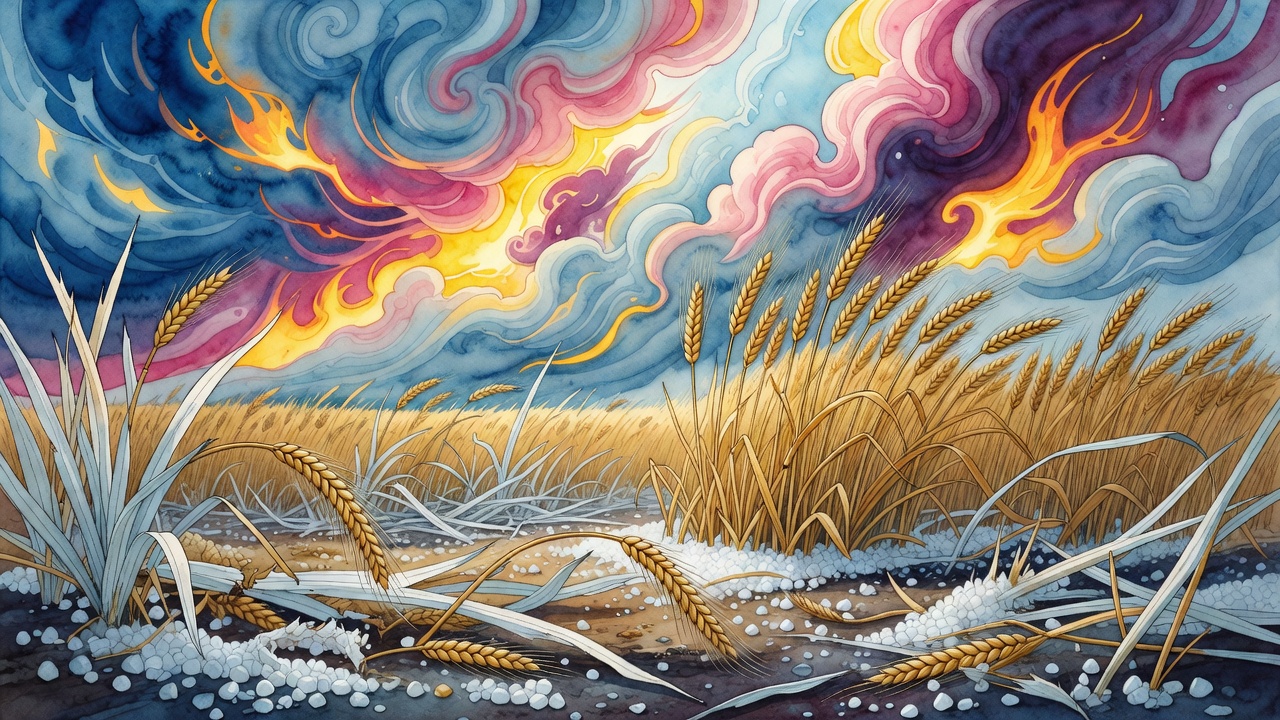
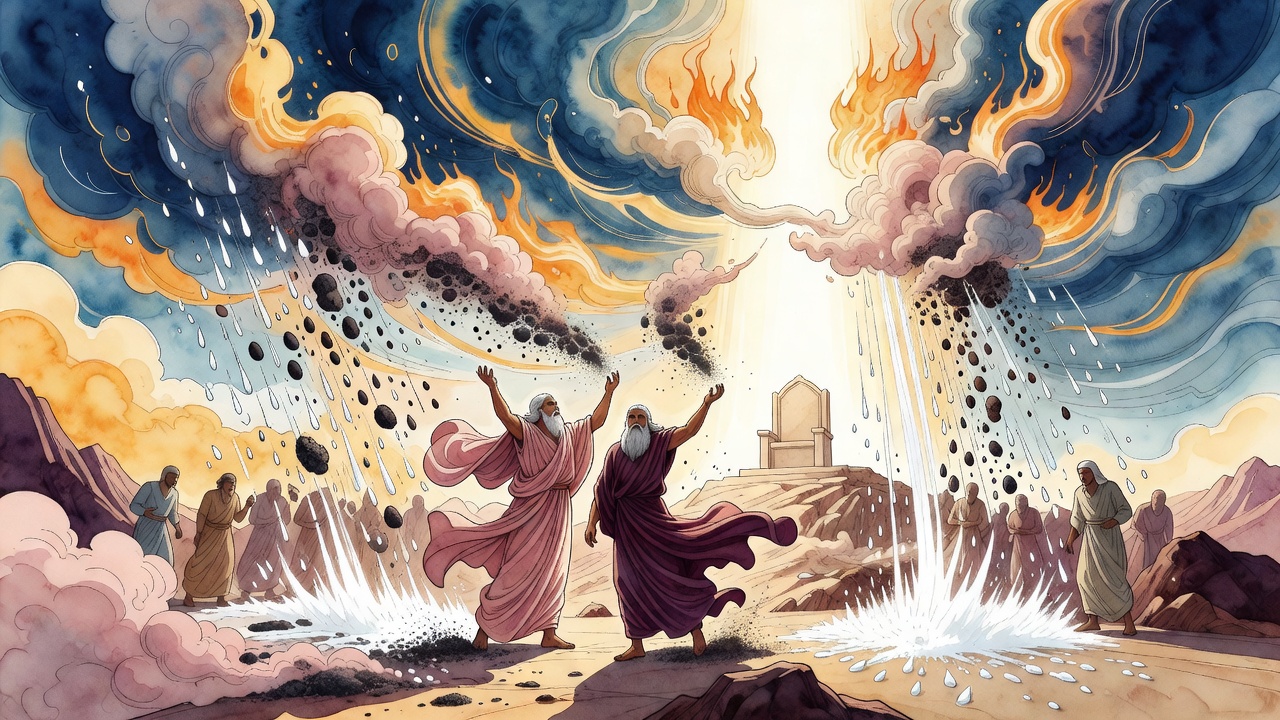
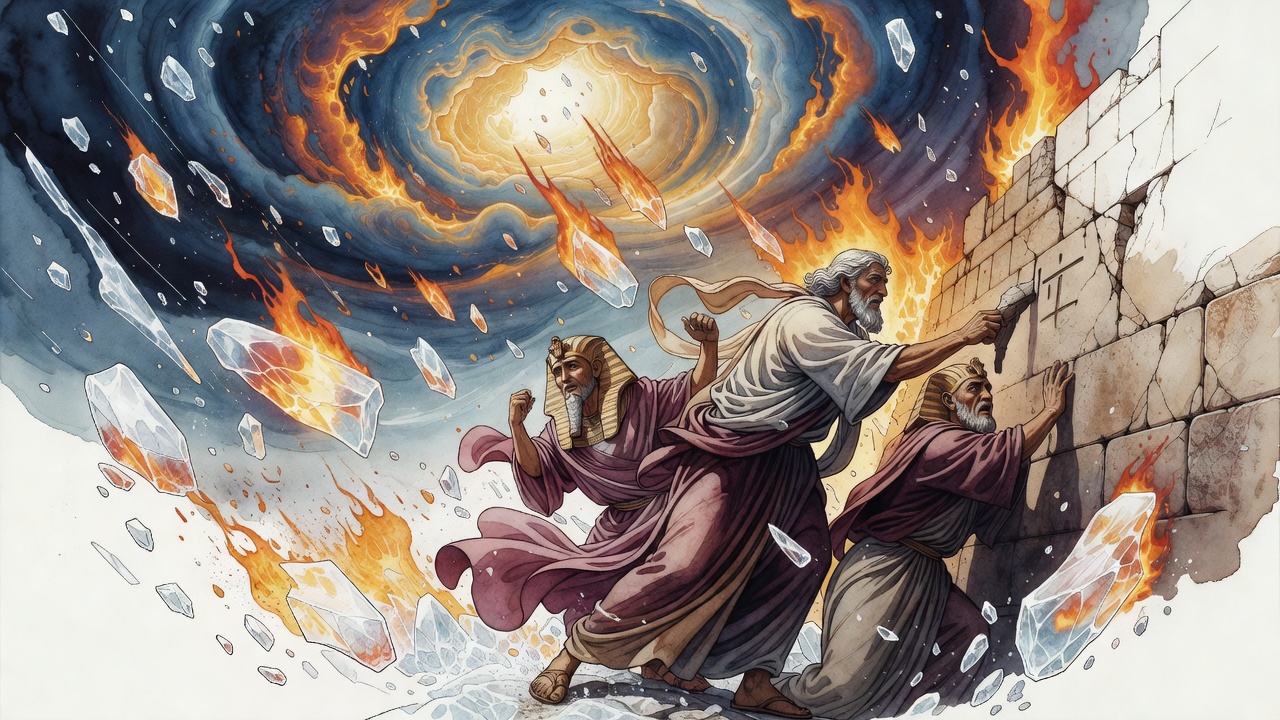
The sky over Egypt cracked. Hail mixed with fire tore through the fields, and men who had laughed at Moses ran for cover that would not hold (Exodus 9:23-25). Livestock left outdoors died. Trees shattered. When the storm lifted, the damage told a strange story across the blackened rows.

The Flax Fell While the Wheat Waited in Egypt Click for full size

"The flax and the barley were stricken, for the barley was ripe and the flax was in stalk. But the wheat and the spelt were not stricken, for they ripen late" (Exodus 9:31-32). Two crops ruined. Two crops standing. The land itself looked like a verdict written in green and black.

Servants who had feared the word of God and hurried their cattle indoors now walked the edges of fields and counted what still lived.

Late or Wondrous

Rabbi Pinchas heard more than agriculture in the phrase afilot hena, "they ripen late." He heard pela'im, wonders. The hail should have destroyed the wheat and spelt too. God performed wonders and spared them. Late was not the whole truth. Mercy aimed between stalks.

Rabbi Yehuda ben Rabbi Shalom held the plain sense. Wheat and spelt simply mature later. At the hour of the hail their stalks were still soft and low, less ready to shatter. Timing, not open miracle. The verse names a botanical fact and needs no fireworks.

Rabbi Pinchas answered with another verse: the hail struck all the vegetation of the field (Exodus 9:25). If small green shoots were simply too young, how does "all" survive that sentence without becoming a lie? Something else had to be at work. Sparing was an act, not an accident of the farmer's calendar.

The Month That Needed No Patch

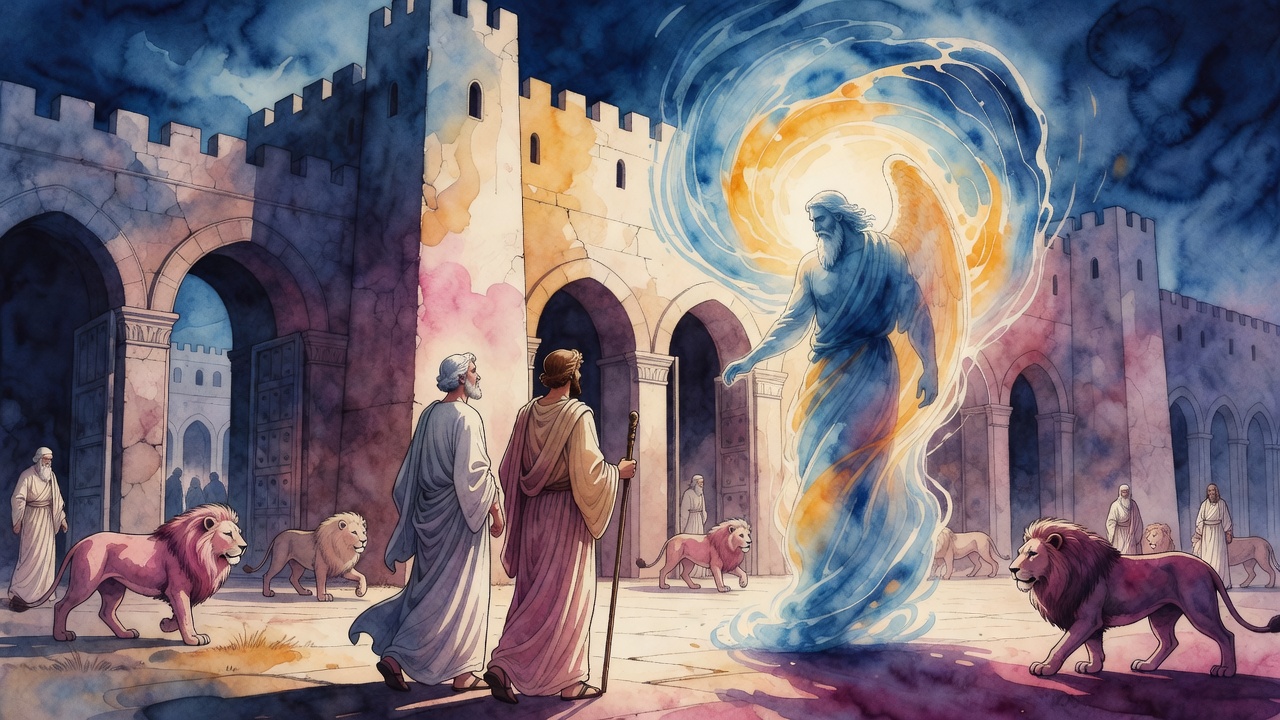
Months later Israel walked out under a different sky. "This day you go out in the month of Aviv" (Exodus 13:3). The verse seems to state the obvious. Of course they left in spring. The Mekhilta presses the repetition. The year of the Exodus did not require intercalation.

No extra month was stitched into the calendar to force spring into place. The timing of redemption lined up without a human patch on the year's body. God who could aim hail between crops could also aim a people through a year that needed no correction.

Nature and history both bent around the leaving. Dough on their shoulders did not rise, and the moon did not need an added turn to make Aviv arrive on cue.

What Pharaoh Still Would Not See

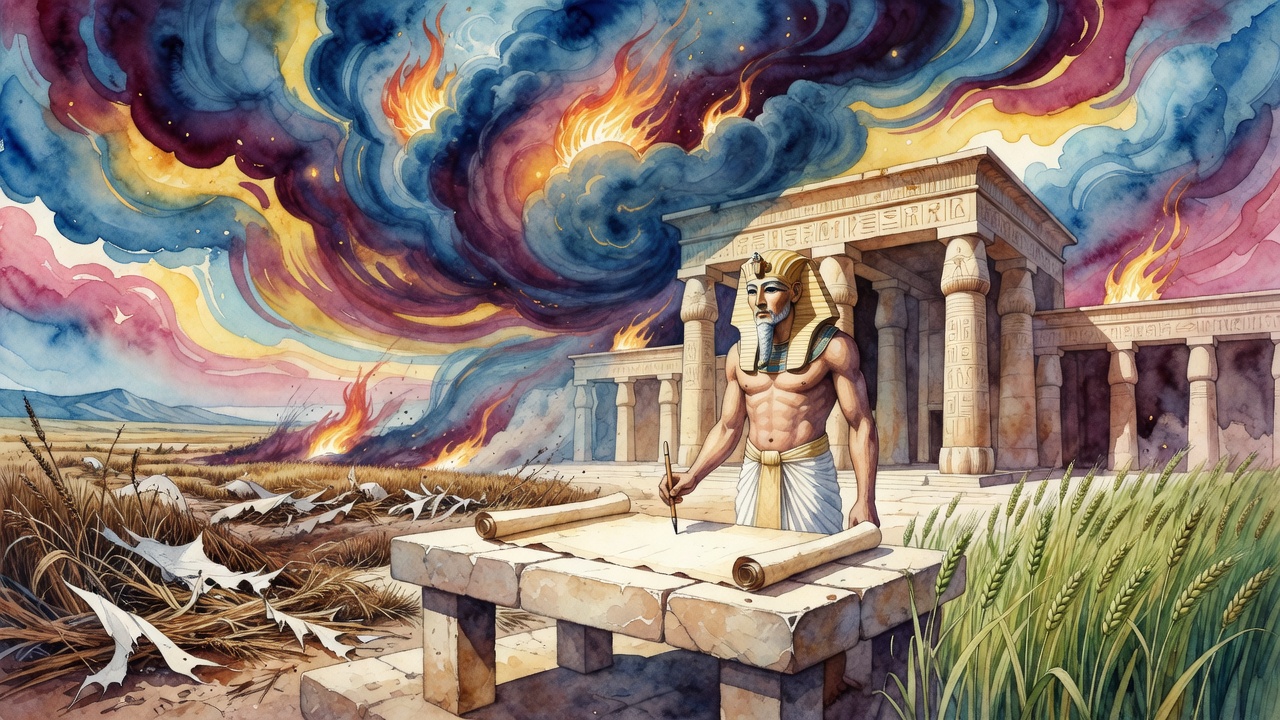
Pharaoh watched flax go down and wheat stand and still hardened. A field that tells the truth is useless to a king who will not read. The servants who feared had already hurried their livestock indoors before the hail. The rest lost what they refused to shelter.

Moses had stretched out his staff at God's word. The split in the crops became another warning: judgment can be precise. It can leave a remnant of grain standing while it levels what is ready to fall. Mercy can look like a green field beside a ruined one, and a hard heart will call both sides luck.

Bread for a Road Not Yet Taken

Why spare wheat while breaking flax? Flax means linen, sails, the soft wealth of Egypt's weaving. Barley feeds beasts and the poor man's loaf early in the season. Wheat is the later bread, the staple that waits.

Whether by late ripening or open miracle, the standing grain preached the same sermon. God can destroy and preserve in one storm. Egypt's pride can be cut down while something edible remains for the long work of release.

Israel would leave in Aviv, in a year that needed no extra month, carrying dough that did not have time to rise. Behind them, fields still told the story of the hail that knew the difference between stalks.

The pressure that shaped the hour is the same pressure that still visits households and camps whenever power, desire, or justice comes due.


← All myths

From the tradition

Sources

2 sources

The texts behind this telling. Some cards carry a translation of the source; others are our own retelling of it, and each card says which. Every card links out to the original.

Shemot Rabbah 12:6Shemot Rabbah

Retold in our words. Read the original at the link below.The Sefaria Midrash Rabbah, 2022 · CC-BY

It turns out, even a seemingly simple verse about crops can open up a whole world of midrashic (rabbinic interpretive commentary) interpretation.

Take (Exodus 9:31-32): “The flax and the barley were stricken, as the barley was ripe, and the flax was in stalk. But the wheat and the spelt were not stricken; for they ripen late.” Okay, Some crops were destroyed by hail, others weren’t because they weren't ready yet. But the Rabbis of the Shemot Rabbah, a collection of homiletic interpretations on the Book of Exodus, weren’t satisfied with the simple explanation. They dove deeper.

The key phrase that sparked their debate was “they ripen late” – afilot hena in Hebrew. Rabbi Pinchas and Rabbi Yehuda ben Rabbi Shalom locked horns over this one. Rabbi Pinchas offered a dazzling idea: What if afilot hena didn’t just mean "late," but instead hinted at a miracle? Maybe, he suggested, "afilot hena" actually meant that God performed wonders, pela’im, with the wheat and spelt! The hail should have destroyed them, but God miraculously spared them.

Rabbi Yehuda, however, stuck to the more literal reading. Nah, he argued, wheat and spelt simply ripen later than barley and flax. At the time of the hail, their stalks were still green, not fully grown, and therefore less vulnerable.

But Rabbi Pinchas wasn't buying it. He countered with another verse from (Exodus 9:25): “And the hail struck all the vegetation of the field.” If the wheat and spelt were just small and green, wouldn't that contradict the Torah's statement that all the vegetation was struck? Instead, Rabbi Pinchas reiterated, it had to be a miracle! God actively intervened to save those crops.

So, what are we to make of this little debate? It’s more than just an agricultural discussion. It's about how we understand the Torah and God's role in the world. Do we see the hand of God in the everyday workings of nature, or only in the extraordinary, the miraculous?

Rabbi Pinchas leans towards the latter, emphasizing God's direct intervention. Rabbi Yehuda, on the other hand, finds God's presence in the natural order, in the way different plants have different growing cycles. Both views are valid, and both offer us a way to connect with the divine. Maybe, just maybe, the miracle is in the timing itself. Perhaps the timing of the wheat and the spelt, ripening late, was itself orchestrated.

The Shemot Rabbah invites us to find the wonder in the details. What do you think? Was it miracle, or just nature? Or perhaps, were they one and the same?

Full source
Mekhilta Tractate Pischa 16:41Mekhilta DeRabbi Yishmael

Retold in our words. Read the original at the link below.Mechilta, translated by Rabbi Shraga Silverstein · CC-BY

"This day you go out in the month of Aviv" (Exodus 13:3), a verse that seems to state the obvious. Of course Israel left in the month of Aviv (spring). The Torah already told us that. So why repeat it?

The Mekhilta answers: the repetition teaches that the year of the Exodus did not require intercalation. In the Jewish lunar calendar, a leap month (a second Adar) must periodically be added to keep the calendar aligned with the agricultural seasons. Without this correction, Passover would drift through the year, sometimes falling in winter, sometimes in summer. The intercalation ensures that Passover always falls in the spring, in the month of Aviv, the month of ripening grain.

The year Israel left Egypt, no adjustment was needed. The lunar and solar calendars happened to be perfectly aligned. The month of Aviv fell exactly where it should, in the spring, without human intervention. The verse "this day you go out in the month of Aviv" is not redundant. It is confirming that the calendar was naturally correct that year.

The Mekhilta sees this as more than astronomical coincidence. God orchestrated the timing of the Exodus so precisely that even the heavens cooperated. The moon and the sun, the lunar months and the solar seasons, aligned perfectly for Israel's departure. No rabbinical court needed to add a month. No calendrical adjustment was required. The cosmos itself was synchronized with the plan of redemption. When God chose the moment to free His people, He arranged the very orbits of the heavenly bodies to match.

Full source