Fire Ate the Hail While Pharaoh Marked the Wall
Moses scratched a line in Pharaoh's plaster and named the hour. When the sun reached it, ice fell with fire still burning inside.
Table of Contents
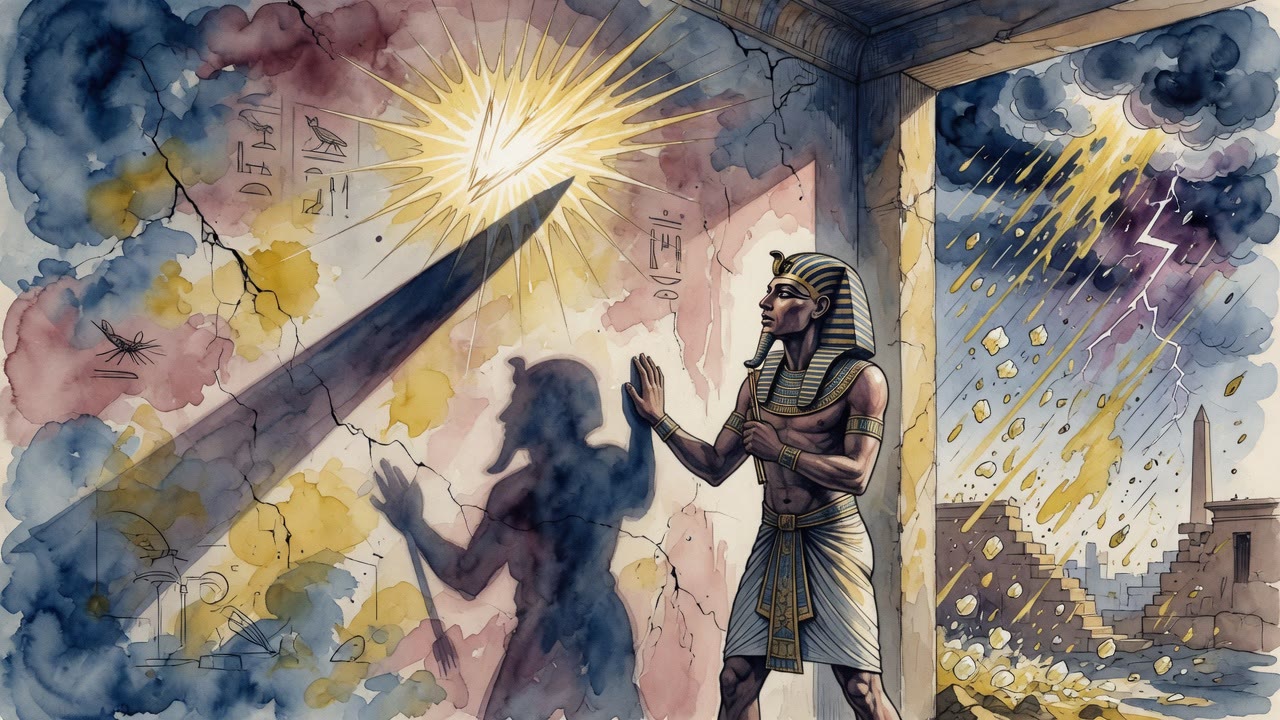
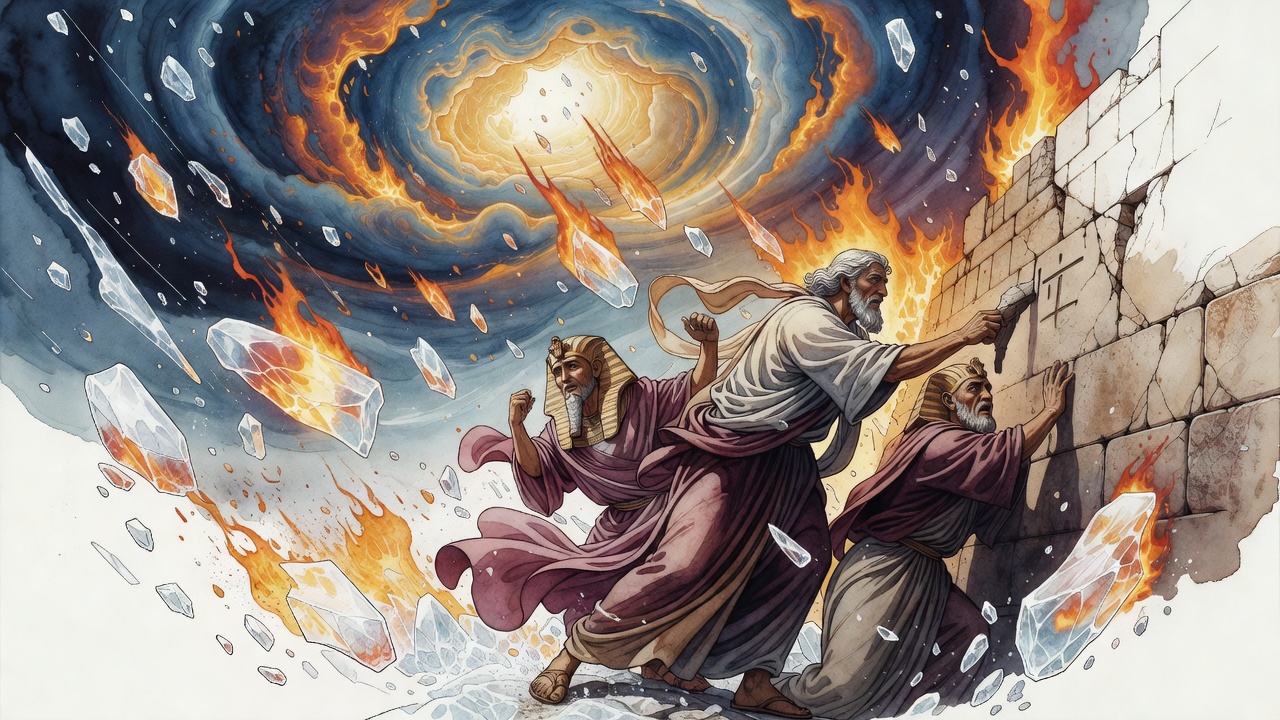
Moses set his nail against the plaster in Pharaoh's hall and dragged a mark. "When the sun reaches this line tomorrow, the hail begins." Time became a scratch in a wall. Pharaoh watched the line as if he still owned the morning.
 Click for full size
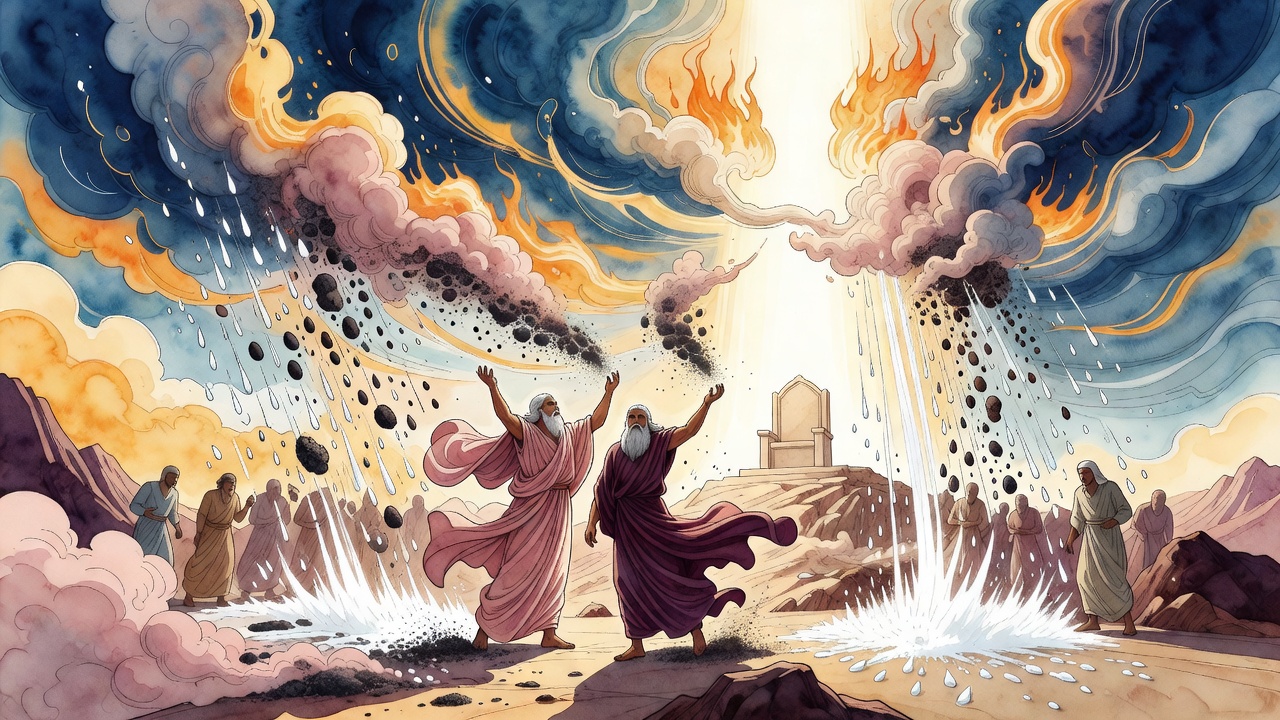
"Stretch forth thy hand toward heaven that there may be hail" (Exodus 9:22). Heaven and earth had been divided at creation. The heavens were the Lord's. The earth was given to the children of men (Psalm 115:16). Hail would tear the treaty until a king who claimed the Nile learned the air was never his.
A Scratch on Pharaoh's Wall
"Behold, tomorrow about this time I will cause it to rain a very grievous hail" (Exodus 9:18). Zabdi the son of Levi said Moses made that mark and told Pharaoh the storm would begin when the sun reached it. Light crawled toward a gouge in plaster. "Such as hath not been seen" meant a hail without past, and nearly without future, reserved also for the war of Gog and Magog. Egypt was rehearsal. The wall-mark was a clock for a rehearsal of the end.
"Send, hasten in thy cattle" (Exodus 9:19). Mercy rode inside the threat. Shelter was offered to anyone who still feared the word of the Lord. Servants dragged beasts indoors. Livestock left in the field was a confession written in hooves. Warning removed the excuse of surprise. Pharaoh's body had been kept alive through earlier blows so the Name could be declared through all the earth. Survival was not favor. Survival was a stage left standing for a harder lesson.
Ice That Held Fire
"And the Lord sent thunder and hail" (Exodus 9:23). The court stood open with Him, as it had for Sarah's promised birth and for Sodom's rain. Gift and sentence alike. Egypt's storm was no private blow.
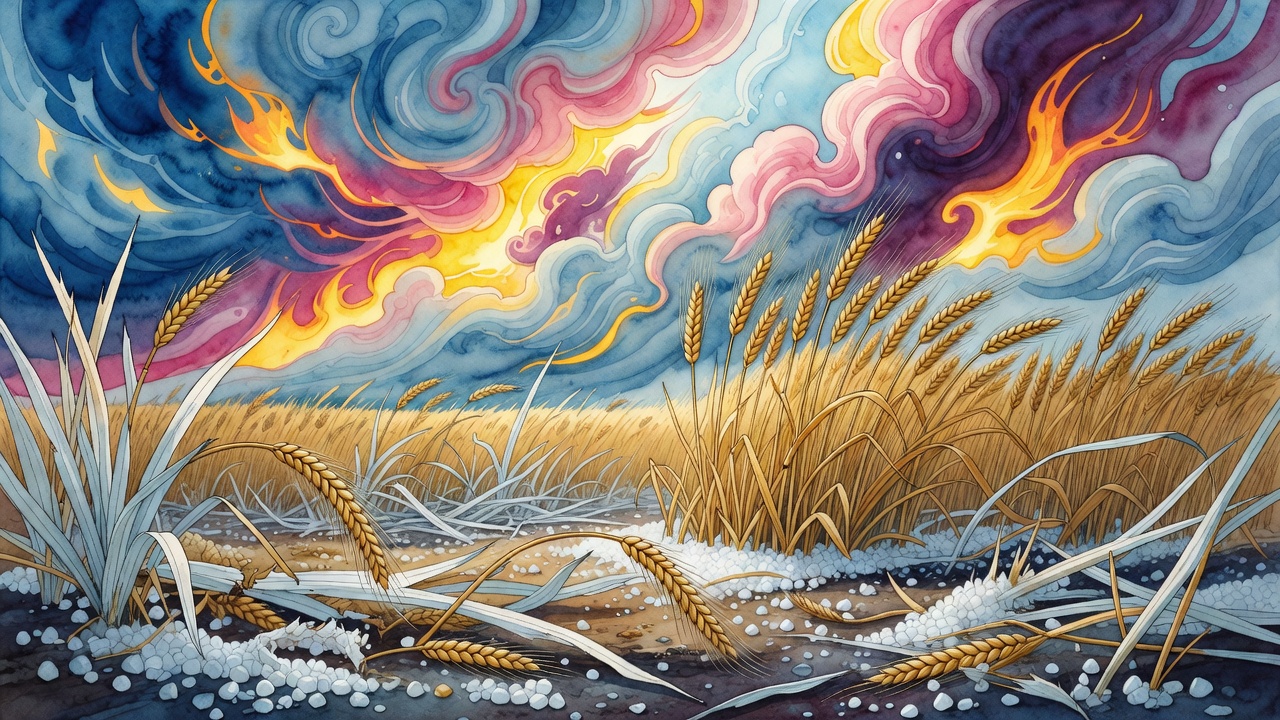
"So there was hail, and fire flashing up amidst the hail" (Exodus 9:24). Ice did not cancel flame. After the hail, fire flashed and consumed what the ice had crushed. Fields went under. Wheat and spelt survived because they were late. Rabbi Phinehas heard a miracle in their lateness. Rabbi Judah heard ordinary seasons. Some green stayed for a people still learning whether repentance can last past weather.
Fire ate ice in midair. A king who had claimed the sky watched two enemies share one storm. The mark on the wall still held its scratch while the air burned and froze together.
Pharaoh Begged While Thunder Lasted
"Entreat the Lord, and I will let them go" (Exodus 9:28). Moses answered with memory. "You said this at the first plague. I pleaded. You did not send them." Pharaoh pressed harder and confessed sin against God and against Moses. Moses went out of the city and spread his hands. He left so the storm would not be accused of sparing the prophet's roof. Distance made the mercy clean.
Rain, hail, and thunders ceased. They did not vanish. They hung. Some of the stones would fall later on the Amorites in Joshua's day (Joshua 10:11). The rest wait for Gog and Magog. The thunders, too, were suspended. They descended in Elisha's day as the noise of chariots against the Arameans (2 Kings 7:6). Egypt's sky went quiet. The inventory of the storm was only paused.
The Quiet That Taught Arrogance
"When Pharaoh saw that the rain and the hail and the thunders were ceased, he sinned yet more" (Exodus 9:34). Trouble teaches a wicked mouth humility. Quiet teaches the same mouth arrogance again. Servants who had dragged cattle indoors under the warning now watched their king harden in dry clothes.
Nebuchadnezzar would later praise God while grass was his dinner, then boast of great Babylon while the boast was still warm, and hear a voice strip the kingdom from his mouth. Pharaoh did the same work in a shorter hour. He knelt while thunder lasted. He stood when silence returned. The mark on the wall remained after the storm, proof that time had been fair and the answer had not.
A Door Pharaoh Shut
Heaven had already declared the end from the beginning. Pharaoh would speak and demand wonders. Hearts would harden. Counsel would stand. The pleasure of the Holy One is to justify creatures, not to delight in their death. "I have no pleasure in the death of the wicked, but that the wicked turn from his way and live" (Ezekiel 33:11). Hail that leaves a door for cattle is still a door. Pharaoh shut it with dry linen and an old heart.
When Moses returned, the quiet was complete enough for Pharaoh to sin in comfort. Egypt's fields had learned what its king refused. The sky has an Owner, and the Owner keeps appointments. The wall-mark still held its scratch. Egypt had been given a clock and had chosen sleep.
← All myths