When Pharaoh Counted Days Between the Plagues
He cut a line in the plaster after every blow. If a plague had a length, he could wait it out and send the overseers back to the bricks.
Table of Contents
Pharaoh scratched a line into the plaster of his chamber each dawn after the Nile turned. He did not pray. He counted. If the blow had a length, he could outlast it. If the blow had a gap after it, he could fill the gap with orders and brick quotas and the same old refusal.
 Click for full size
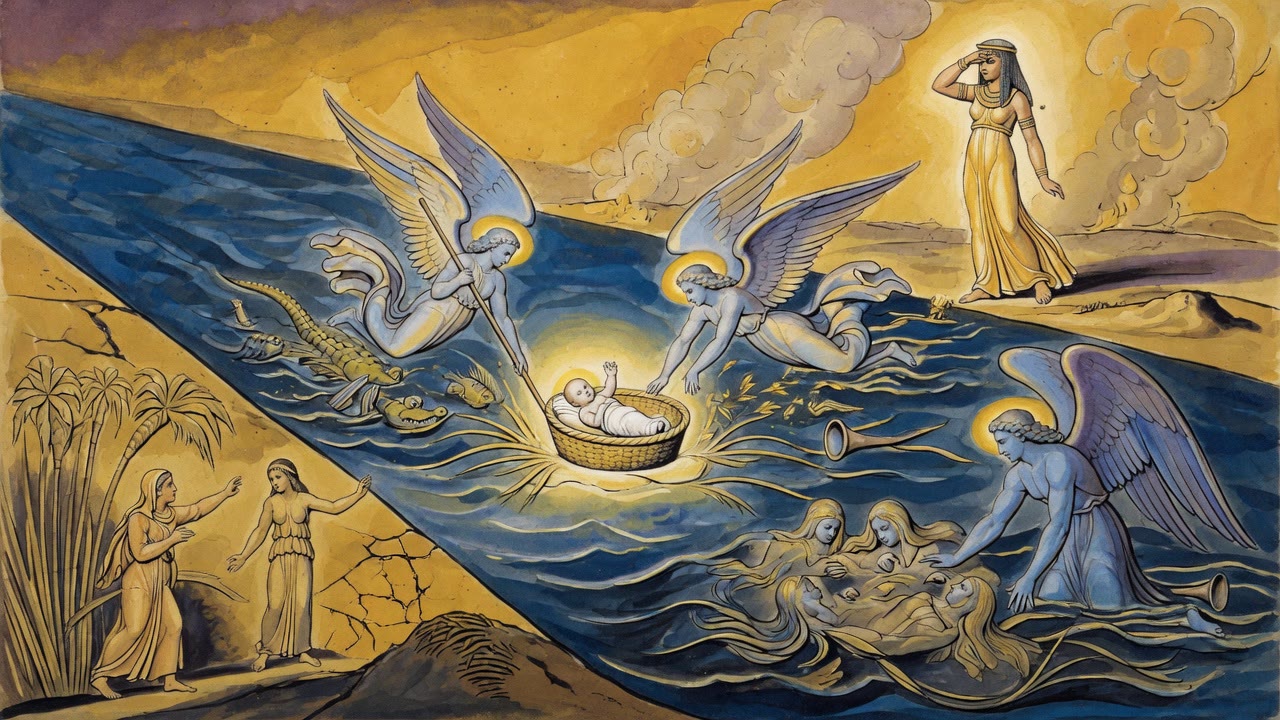
The river still smelled of blood when the first clear water returned. Servants brought him a cup. He drank, wiped his mouth, and asked for the slave overseers. The Israelites would work harder to make up the lost days. That was the plan. Then frogs climbed the plaster lines he had made and sat on the cup itself.
Twenty-Four Days and Seven
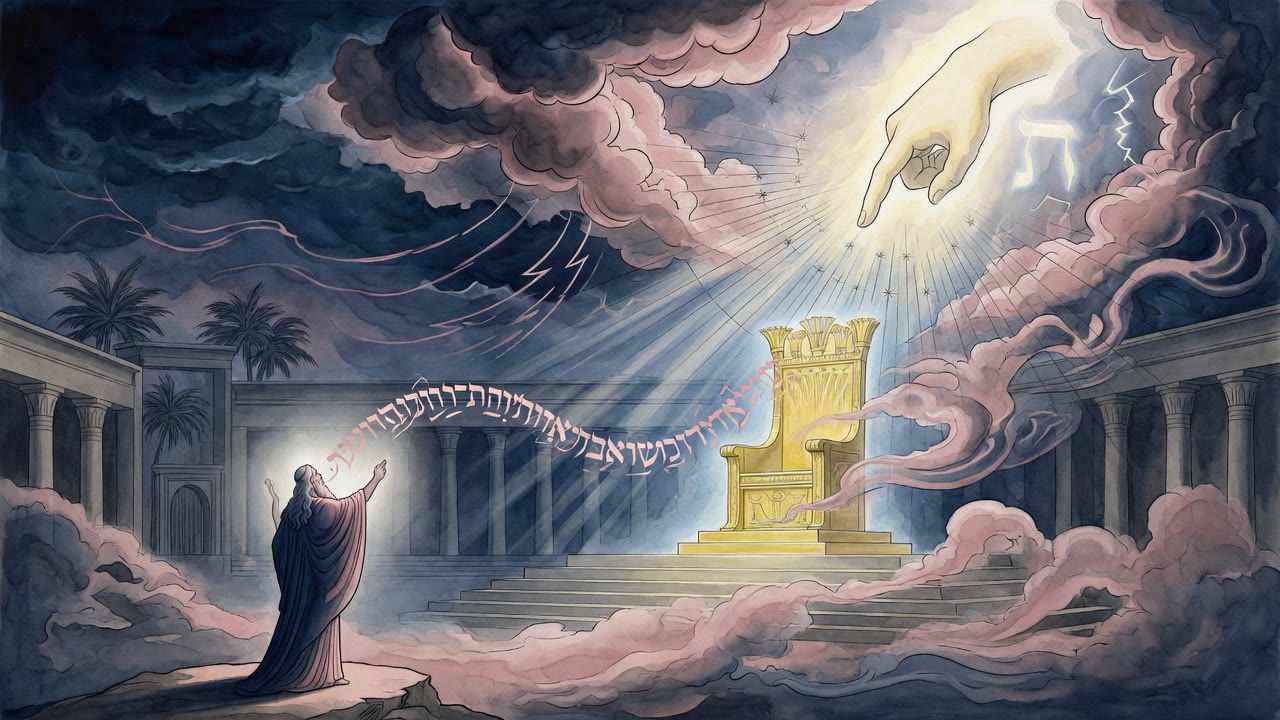
In the courts of heaven the plagues were not random weather. Before each strike, a warning went out into Egypt's air, long enough for a hard king to soften and short enough that he could not invent excuses forever. Some counted the warning as twenty-four days and the plague as seven. Others flipped the numbers: seven days of notice, then twenty-four days of pressure that would not let the city breathe.
God did not explain the arithmetic to Pharaoh. Pharaoh only felt it in his skin. A quiet week after blood. A louder week of frogs. A stretch when lice made the priests refuse to stand at the altars. He kept marking plaster. He kept saying no.
Each time a plague lifted, his advisors told him the gods of the Nile had recovered. Each time the next plague began, the same advisors lowered their eyes. While one blow still held the land, the next was already being prepared, the way a smith heats a second iron before the first has cooled.
"Seven days were completed, after the Lord had struck the Nile" (Exodus 7:25). In the palace the phrase meant only this: the silence between horrors was not mercy he owned. It was time borrowed against a debt he refused to pay.
Hail Chose the Flax and Left the Wheat
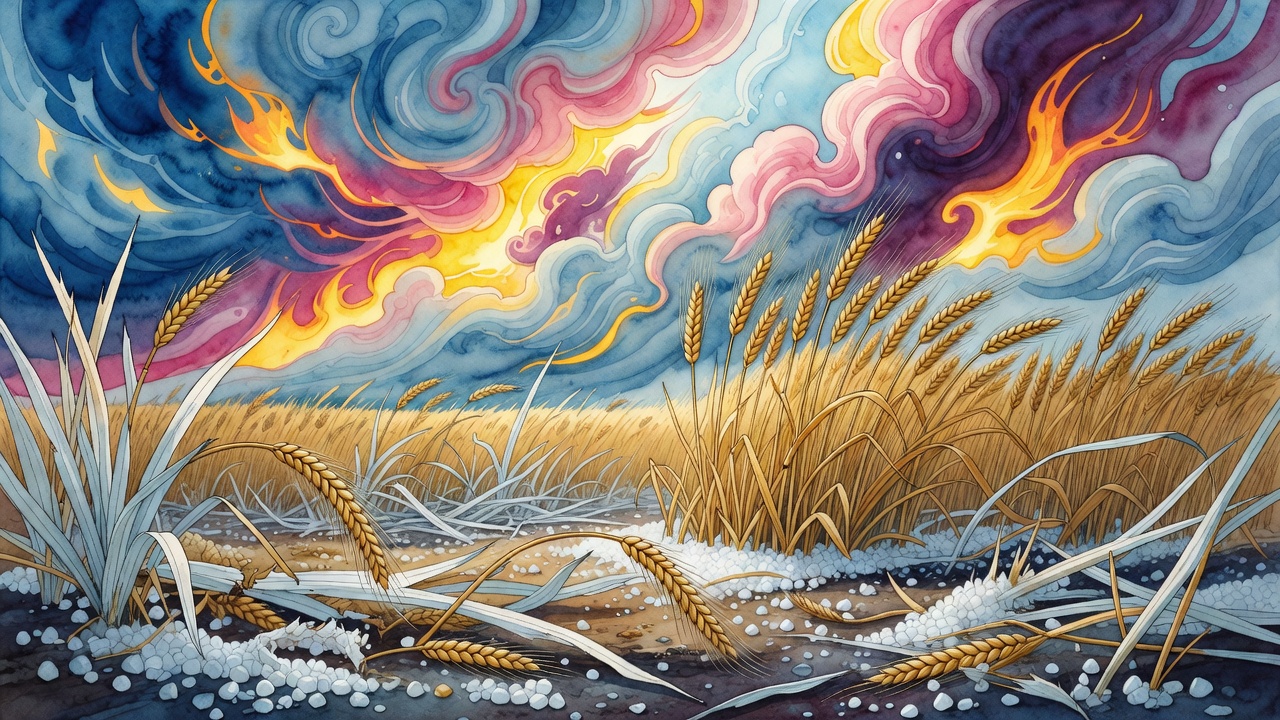
When ice finally fell, it did not fall politely. Fire ran inside the hailstones. Cattle left in the open went down. Trees split. The sound on the palace roof was continuous, a drum without rhythm.
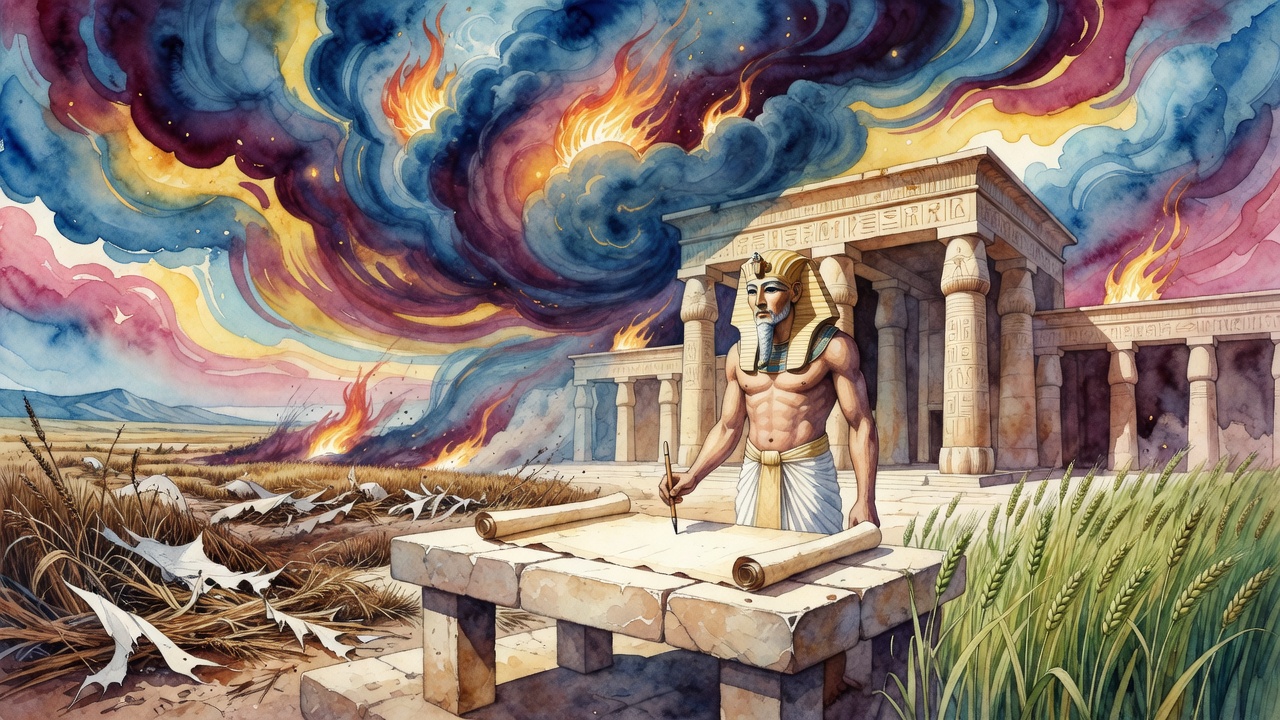
Pharaoh sent runners into the fields at first light after the storm. They came back with torn flax in their fists and barley heads blackened and soft. The flax had stood tall and ready. The barley had been ripe. Both paid for their readiness. Then a runner held out something green.
Wheat. Spelt. Stalks still soft, still late, still alive in mud punched full of ice holes.
The king walked the edge of a wrecked estate himself. Broken barley lay like snapped spears. Beside it, rows of young wheat bent and rose again when the wind moved. The verse would later say they were not stricken because they ripen late (Exodus 9:31-32). Standing in the field, Pharaoh tasted a different reading. The hail had been told to strike all vegetation of the field (Exodus 9:25). Something had held the late grain as if a hand had cupped it.
He kicked a clump of ice into a furrow. The wheat stayed green.
Magicians Argued Nature Against Wonder
His magicians argued both ways before he asked them to. One said nature: young stalks flex, ripe stalks shatter. Another said wonder: the same sky that killed the flax had been ordered to spare the wheat, pela'im (פלאים), acts that leave a king without a clean story for his own court.
Pharaoh wanted the nature answer. Nature could be taxed and replanted. Wonder meant the enemy's God was editing the harvest while Pharaoh still held the keys to the storehouses.
He ordered the Israelites' labor increased anyway. If wheat had survived, bread would return. If bread returned, the crisis was weather. He returned to the plaster wall and cut a new line. The count continued. Warning days. Plague days. The stubborn arithmetic of a man who believed time itself could be bargained with if he only refused long enough.
He Spent Every Quiet Window
Moses came between blows with the same demand. Let the people go. Worship in the wilderness. Each visit arrived inside the schedule Pharaoh was tracking, as if the prophet could read the same calendar from the other side of the door.
Once, during a lull that felt almost like peace, Pharaoh nearly spoke a different sentence. His tongue found the edge of yes. Then he saw the green wheat in his mind and told himself he had already won a round against the sky. He sent Moses out. The next plague was already walking toward the border.
Egypt learned the cost of a king who uses every gap between judgments as a chance to rebuild the old order. The gaps were not empty. They were offers. He spent them on plaster marks and harder brick.
When darkness finally came for three days that did not behave like ordinary night, Pharaoh could no longer see his wall of lines. He counted on his fingers in the black and lost the place. Somewhere beyond the palace, late wheat still stood in ruined fields, a green insult and a green mercy at once, waiting for a harvest that would not belong to him.
← All myths