The Word Hamas Held Three Sins That Flooded Earth
Before the rain, the earth filled with hamas. Rabbi Levi heard idolatry, bloodshed, and sexual ruin in one word, and only Noah found favor.
Table of Contents
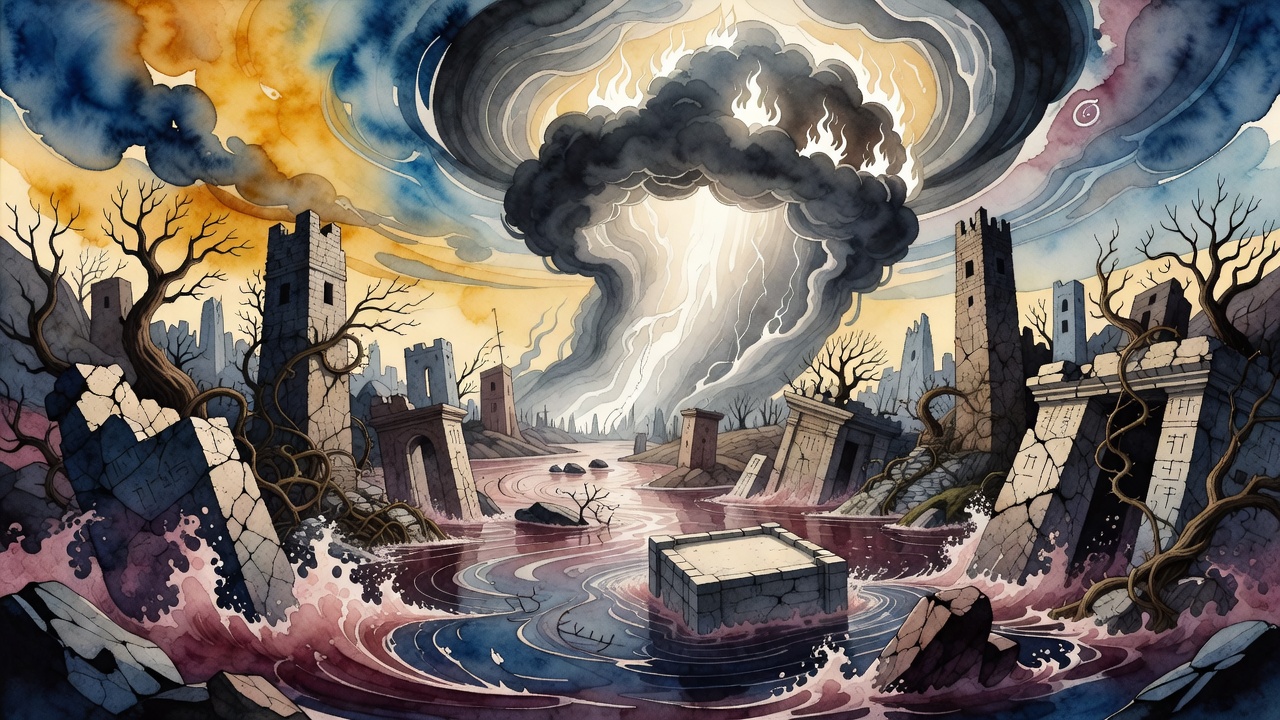
The decree did not begin with rain. It began with a word that filled the earth until the earth itself seemed sick of standing. Hamas, violence, wrong, the crush of one body against another until law becomes a joke told by the strong.
 Click for full size
Rabbi Levi refused to leave the word thin. In ḥamas he heard three ruins braided into one. Idolatry. Sexual immorality. Bloodshed. One Hebrew sound carrying three ways a world ends while still looking busy.
Three Crimes in Four Letters
He tied each strand to Scripture. Idolatry, where a land fills with hamas and the prophet sees abominations in the Temple courts (Ezekiel 8:17). Bloodshed and sexual chaos, the twin engines that make neighbors into prey. The generation did not merely steal. It reorganized reality around appetite and force until the ground cried harder than the victims could.
Creation's early map already held warnings. Emptiness and disorder pointed toward Adam's fall. Disorder pointed toward Cain. Darkness toward the generation of Enosh that profaned the Name. The flood generation was not a surprise ending. It was the chapter where the pattern stopped being local.
Noah Alone Finds Favor
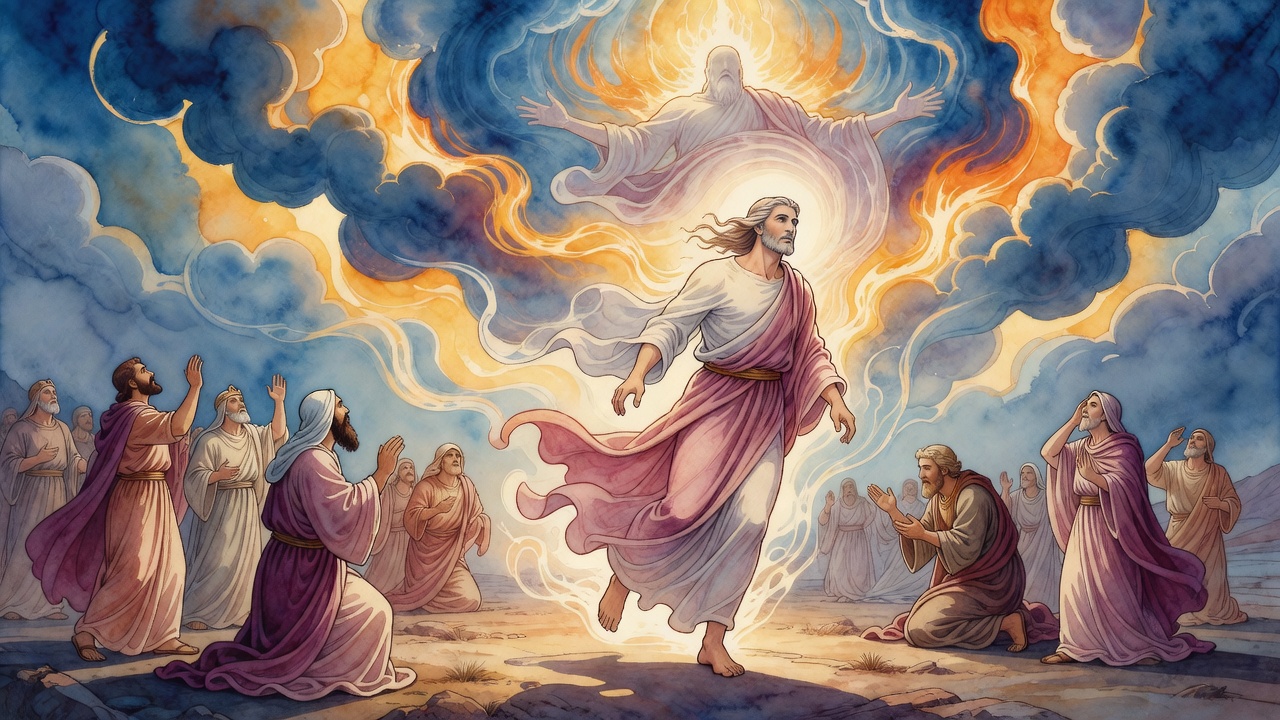
In that thick air, Noah found favor in the eyes of the Lord (Genesis 6:8). Favor is not a slogan. It is the difference between a sealed door and a sky that will not stop. Philo's reading presses on why grace attaches to one man when a civilization rots. Righteousness in a generation is not average behavior. It is resistance that looks lonely until the water proves the loneliness was the point.
Noah built while neighbors laughed. Pitch sealed what sermons could not. The ark was not a metaphor first. It was lumber, cubits, and the smell of animals that did not yet know they were survivors.
When the Head Falls, the Body Follows
Why did all flesh die, beasts with humans? One parable answers like a battlefield. When a king falls, the army's strength collapses with him. Humanity was the head of the living world. When the head was judged, the body could not keep its own purpose. Animals created for human service do not continue a festival after the banquet hall burns.
Another image is a body with its head severed. Vital organs may still be warm for a moment. They do not remain a person. The flood did not only punish private sins. It withdrew the world that those sins had already hollowed out.
Leaving the Ark Under Orders
When the waters fell, exit was not casual. The Hebrew of "take out" carries a reading of coercion. Some creatures preferred the floating cage to a washed earth. They were not to teem inside the ark. Life after judgment came with rules as strict as the voyage. Blood was forbidden as food. Boundaries rewritten for a second beginning.
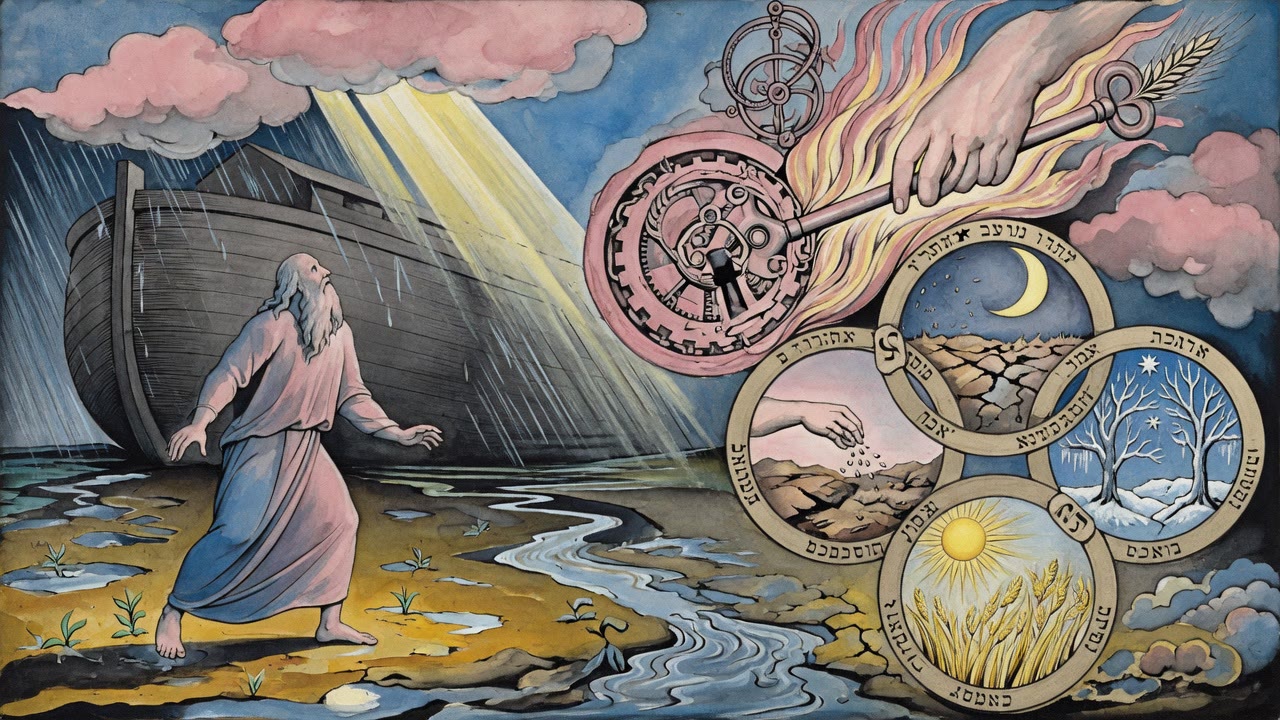
Noah stepped onto mud that had been mountains and cities. The word hamas still existed in human mouths. The rain had not deleted the alphabet of violence. It had shown what that alphabet costs when heaven stops arguing and starts flooding.
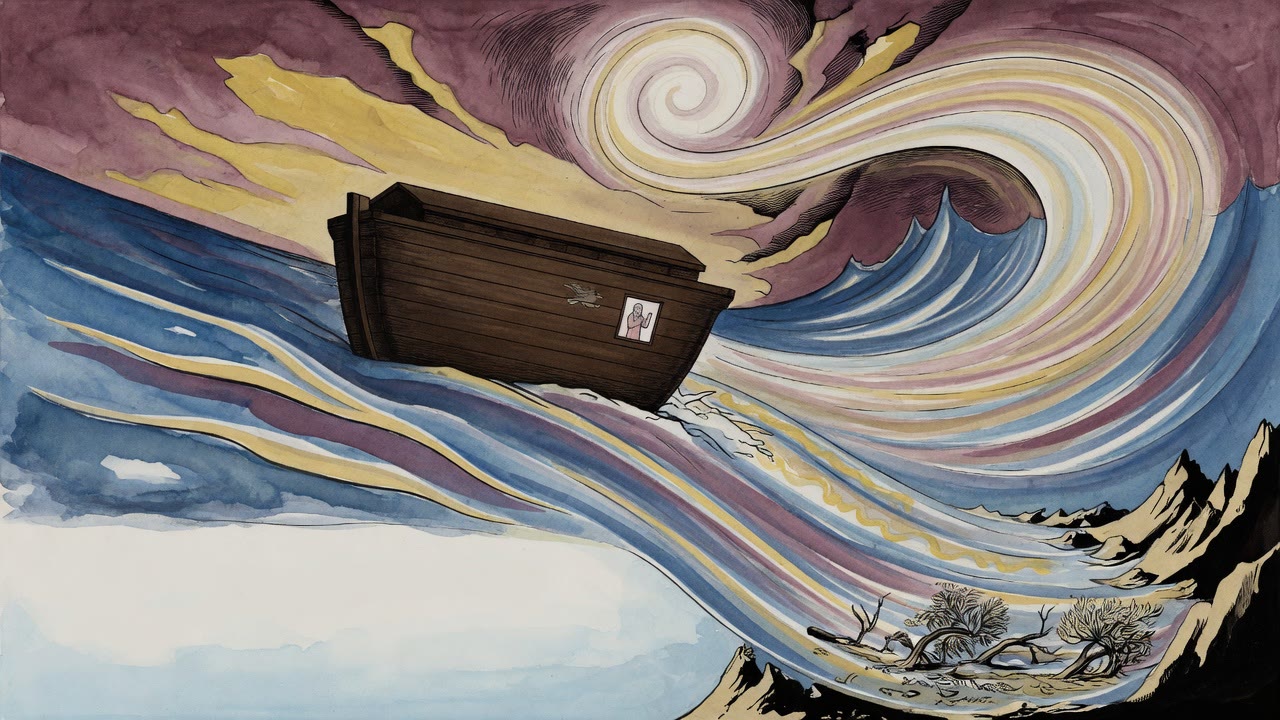
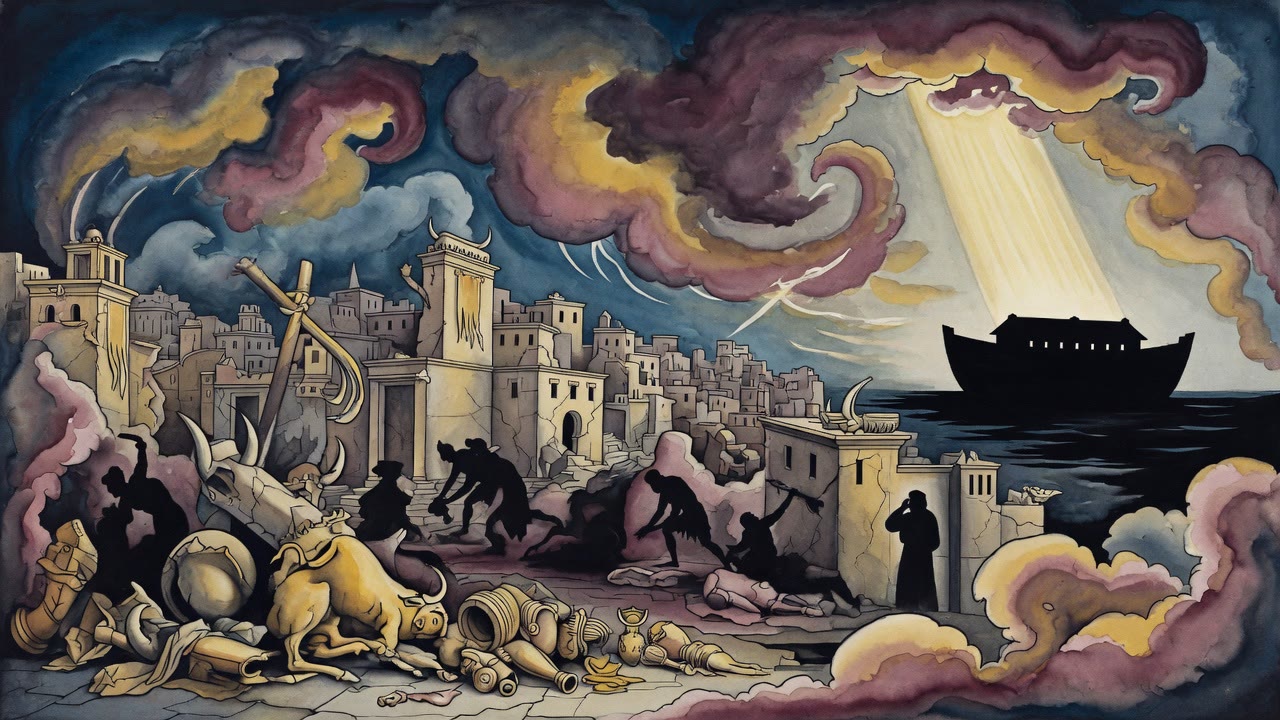
Rain that begins as judgment does not fall like ordinary weather. Windows of heaven and fountains of the deep opened on a world that had already flooded itself with force. Noah's family heard wood strain. Outside, the three crimes braided in hamas lost their markets and their temples in the same dark hour. Favor is a small word for a sealed door while a civilization sinks.
When the ark finally rested, the rules waiting on the mud were not a return to the old free-for-all. Blood stayed forbidden. Boundaries stayed loud. The second world began under stricter speech because the first world had died of loose violence.
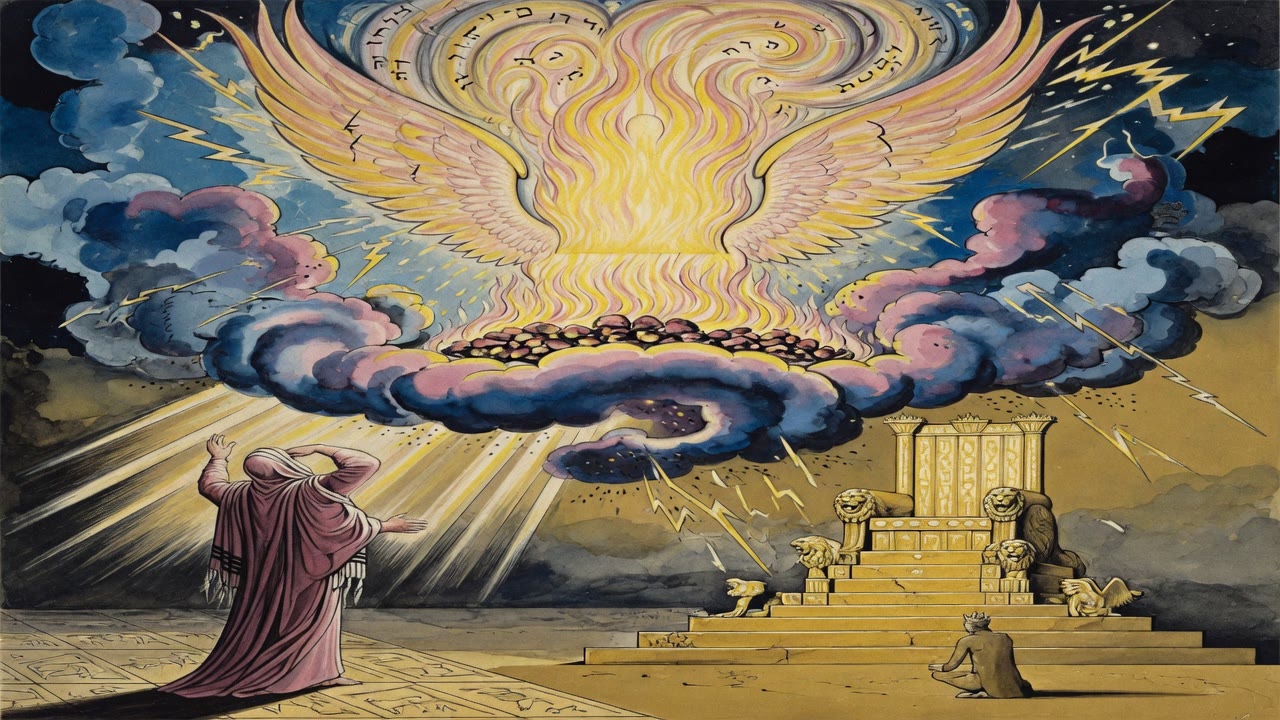
Idolatry teaches a person to bow to what he made. Bloodshed teaches him to erase a face. Sexual ruin teaches him to treat bodies as unlocked doors. Rabbi Levi heard all three inside hamas because the flood generation did not specialize. It ran the full curriculum of force until the earth filed a complaint heaven could not ignore.
Noah's favor did not make him popular. It made him a builder in a town that preferred noise. When the parable says the head's fall kills the body, it means human corruption is never only human. The world arranged around our rule shares our sentence. The ark's sealed wood was the narrow exception, not the new normal of easy pardon.
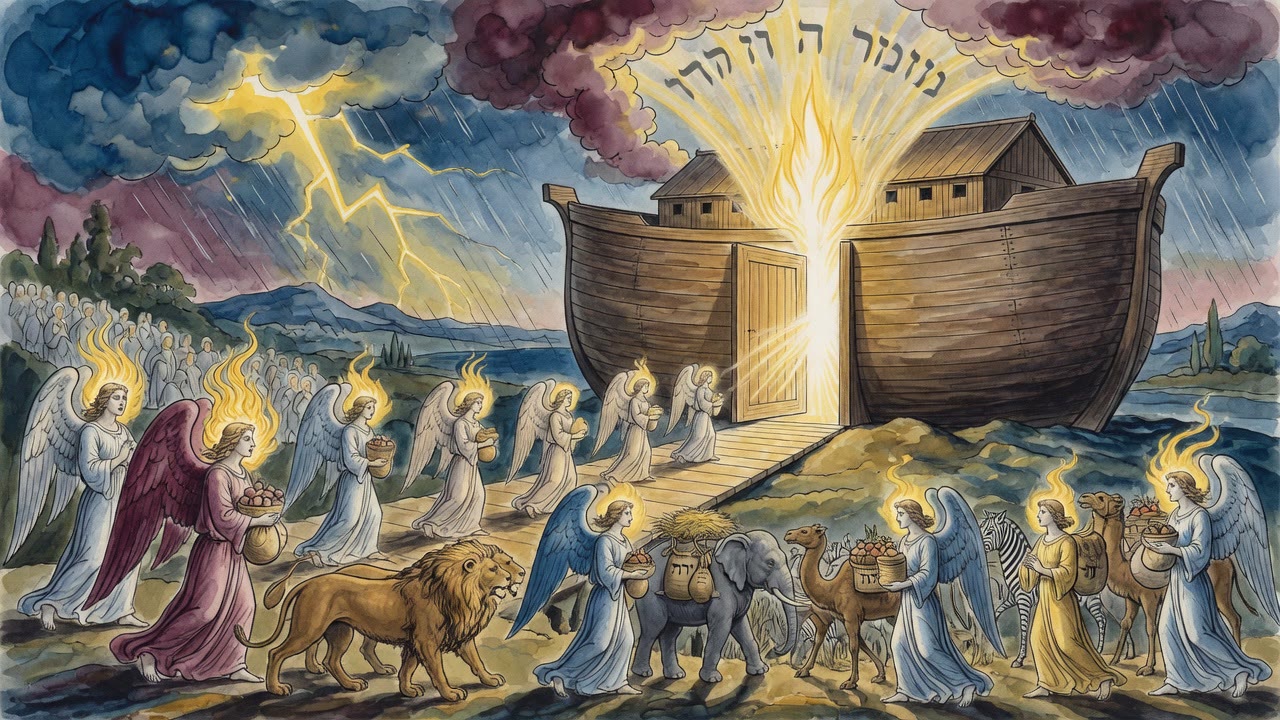
When the animals finally left, some had to be forced from the dark comfort of the hull. Teem on the earth, the command said, not inside the boat. Noah's altar smoke rose over mud that remembered cities. The three strands of hamas had drowned with their markets, yet the prohibition of blood still needed saying, as if violence might try to relearn speech on a clean planet.
← All myths