What Seems Empty in Torah Is Your Whole Life
A student skips the simple passages for flashier law until the Sifrei warns that empty Torah is empty only because he emptied it.
Table of Contents
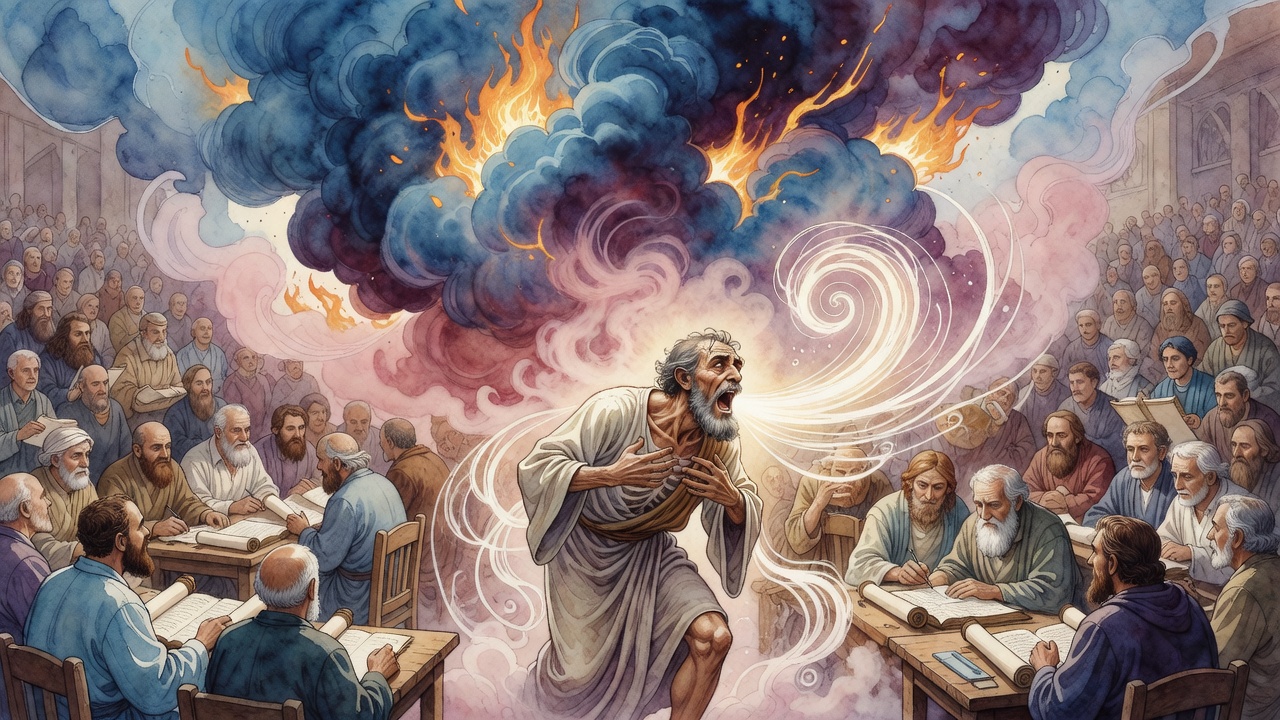
The young man closed the scroll in the middle of a passage he had already decided was thin. Laws of lost objects. Details of a bird's nest. Wording that looked, to him, like spare change beside the great debates. He wanted the sections that made the study house lean forward. He wanted the flash. He slid the "simple" columns aside the way a merchant slides damaged fruit to the edge of the stall.
 Click for full size
An older student watched his hands and said nothing yet. Oil lamps smoked. The courtyard dog slept across the threshold. Outside, a vendor called the last of the day's figs. Inside, the young man reached for a denser tractate as if density alone were holiness.
Not an Empty Thing from You
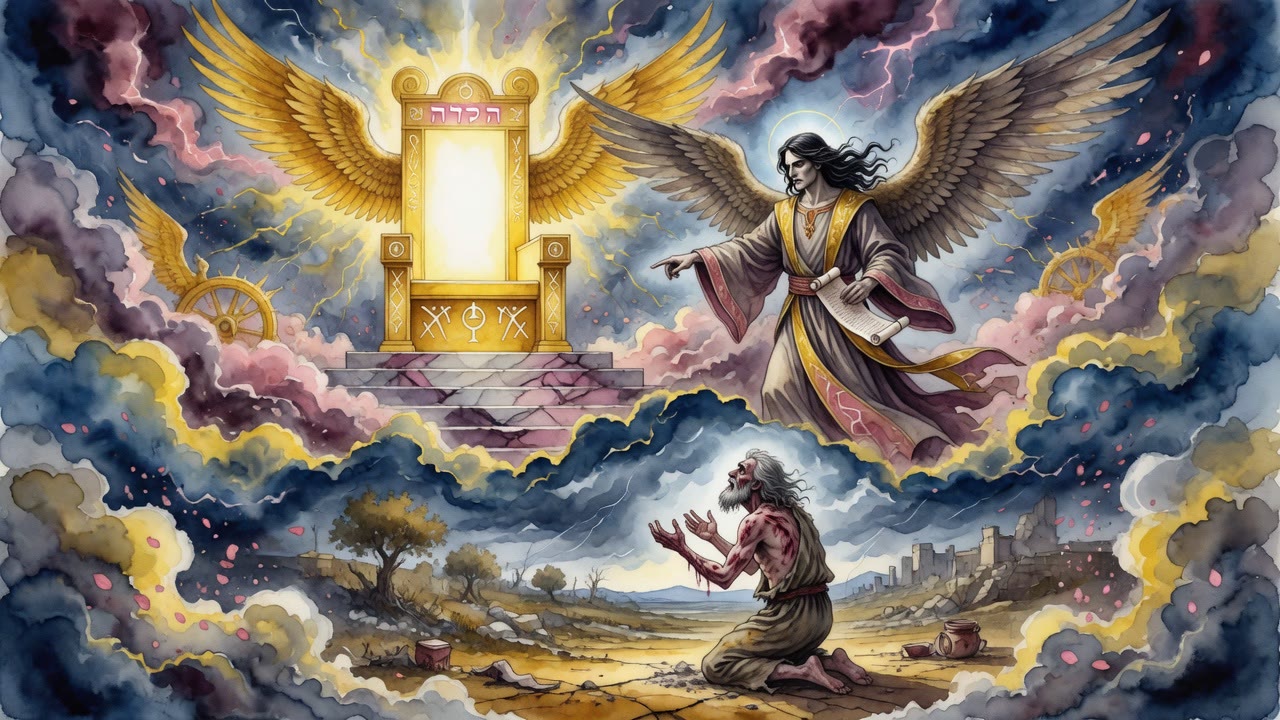
The verse rose against his habit before any elder did. "For it is not an empty thing from you, for it is your life" (Deuteronomy 32:47). The knife in that line turns toward the student who closed the columns, not toward the columns. What seems empty is empty only because of him. He called it empty. He left it unopened. The emptiness is neglect wearing the mask of taste.
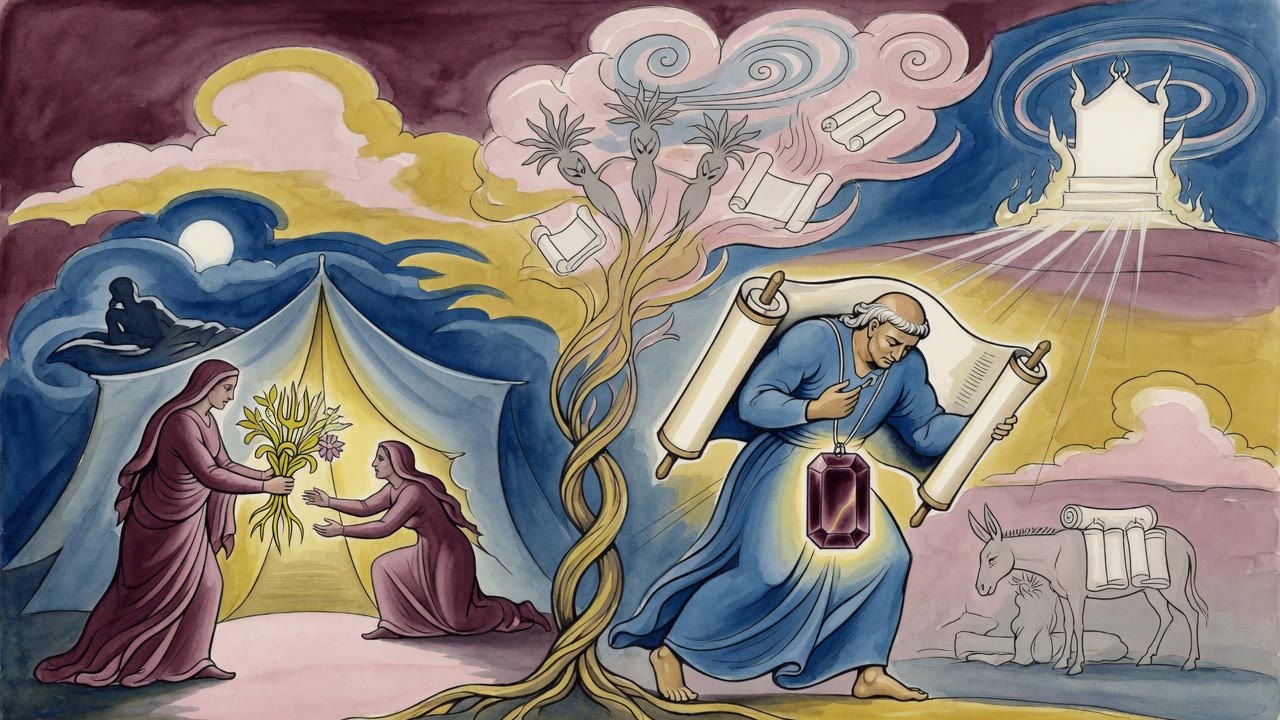
"If you keep, keep, all of this mitzvah (a commandment)." Not the impressive half. Not the portion that feeds pride in public argument. All of it. Midrash, halakhot, aggadot. Story, law, and the soft flesh between them. A diet of only hard rulings is still a partial fast. Bread alone does not keep a body alive. "Not by bread alone shall a man live, but by everything that issues from the mouth of the Lord" (Deuteronomy 8:3). Bread can stand for midrash. What truly sustains includes the laws and the tales a proud student was ready to skip.
The young man's fingers stopped on the denser scroll. Heat from the lamp licked his wrist. He had wanted a shortcut to greatness. The verse called his shortcut a way of shortening his own days.
Slight and Weighty on the Same Scale
"Take heed and hearken." Whoever is not in the class of learning is not in the class of doing. Action without understanding is flailing. Understanding without the small commandments is a map with the side roads torn off. Even a slight mitzvah should sit as beloved as a weighty one. The eye loves the large public deed. Heaven counts the quiet ones that never draw a crowd.
The young man had been collecting weighty titles the way other men collect coins. He could name famous disputes. He could not name the bird's nest rule without looking. An elder finally spoke from the far bench, voice dry as old parchment.
"If you merit learning," the elder said, "you merit it for yourself and for your descendants until the end of the generations." The promise stretched past the young man's own spine. Skip the simple columns and you thin a river that was meant to run through children not yet born. Keep the whole mitzvah and the river keeps its banks.
The dog at the threshold scratched once and slept again. The young man opened the thin passage he had closed. The words did not sparkle. They sat there like water in a plain cup. He drank anyway.
Good in Heaven, Just Among Men
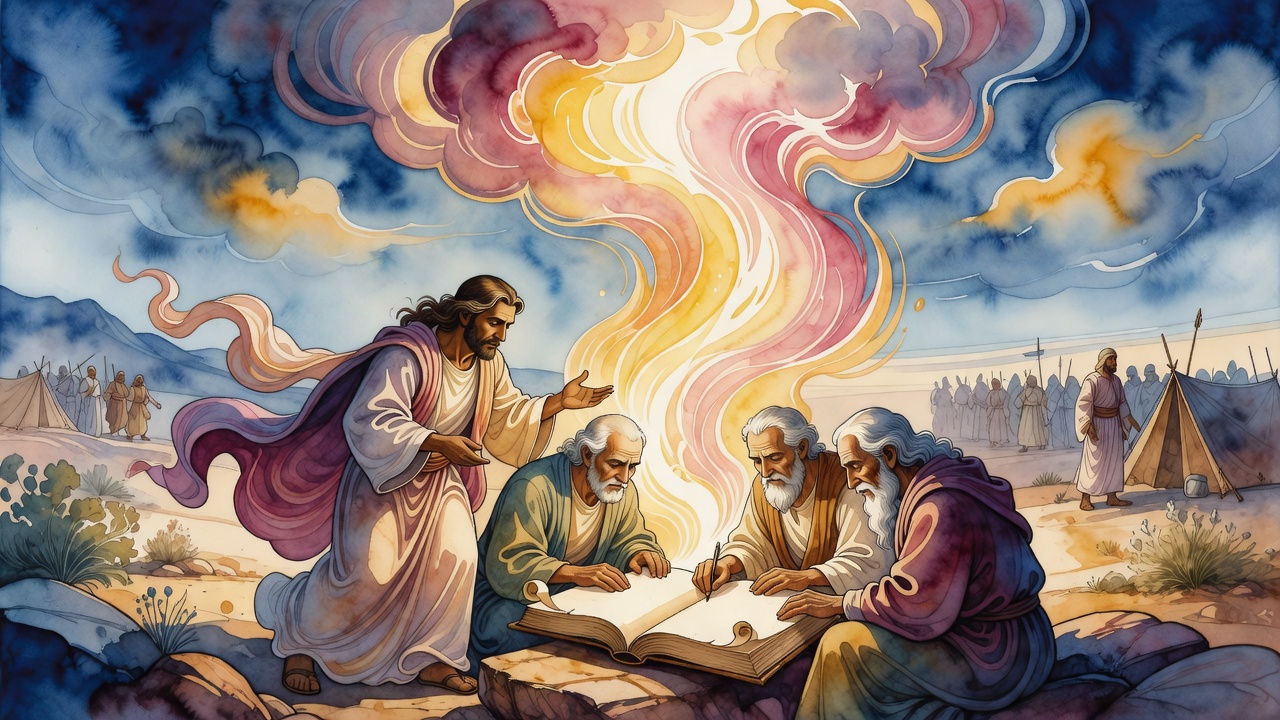
Rabbi Akiva and Rabbi Yishmael split the phrase "what is good and what is just" in the open hall while students held their breath. Rabbi Akiva heard both directions at once: what is good in the eyes of Heaven and what is just in the eyes of man. A deed must clear the upper court and the human street. Piety that shames neighbors is not the full good. Fairness that forgets Heaven is not the full just.
Rabbi Yishmael pressed his own edge of the same stone. The debate was not decoration. It forced every listener to weigh a life that tries to satisfy two juries without cheating either. The young man, still tasting the "empty" passage, felt the floor shift. Flashy learning had been his private Heaven. The street outside, with its figs and dogs and lost objects, had been beneath him. Akiva's reading would not let that split stand.
He pictured a man who prays beautifully and cheats a laborer by an hour's wage. He pictured a man who pays every coin on time and never opens a book. Both failed a half of the phrase. The study house suddenly felt less like a theater for brilliance and more like a workshop for whole lives.
A Father's Heart on the Line
Rabbi Shimon bar Yochai hears Proverbs lean over the student's shoulder like a father who cannot hide his stake. "Grow wise, my son, and make my heart glad, that I may answer him who taunts me" (Proverbs 27:11). "My son, if your heart is wise, my heart too will be glad" (Proverbs 23:15). The joy is not abstract. A father's honor among mockers hangs on whether the child actually grows wise. Heaven, in that image, is not a bored examiner. Heaven wants a heart that can answer the taunt because the child did the work.
The young man returned to the thin columns the next morning and the morning after. Lost objects. Nests. Phrases that once looked like spare change. Some days the work still bored him. Boredom was part of the test. He learned to sit through it without sliding the fruit aside. When he rose to argue a weighty point weeks later, the simple passages held his feet. They had become the floorboards under the flash.
Years on, a son of his own would open a scroll and wrinkle his nose at a plain section. The man who had once closed the same kind of page would put a hand on the boy's wrist and leave it there until the boy read the line again. Not empty. Not from you. Your life, if you will stop calling it nothing.
In the courtyard the dog eventually died and another dog took the threshold. Lamps were refilled. The vendor of figs was replaced by his nephew. The warning did not retire with any of them. Torah left unread will always look vacant to the one who refuses to enter it. The vacancy is a mirror, not a verdict on the text.
← All myths