Two Ships Held Israel's House on the Water
On the lashed decks men raised walls and a roof. The bars between the hulls held. Then they snapped, and the house went into the water.
Table of Contents
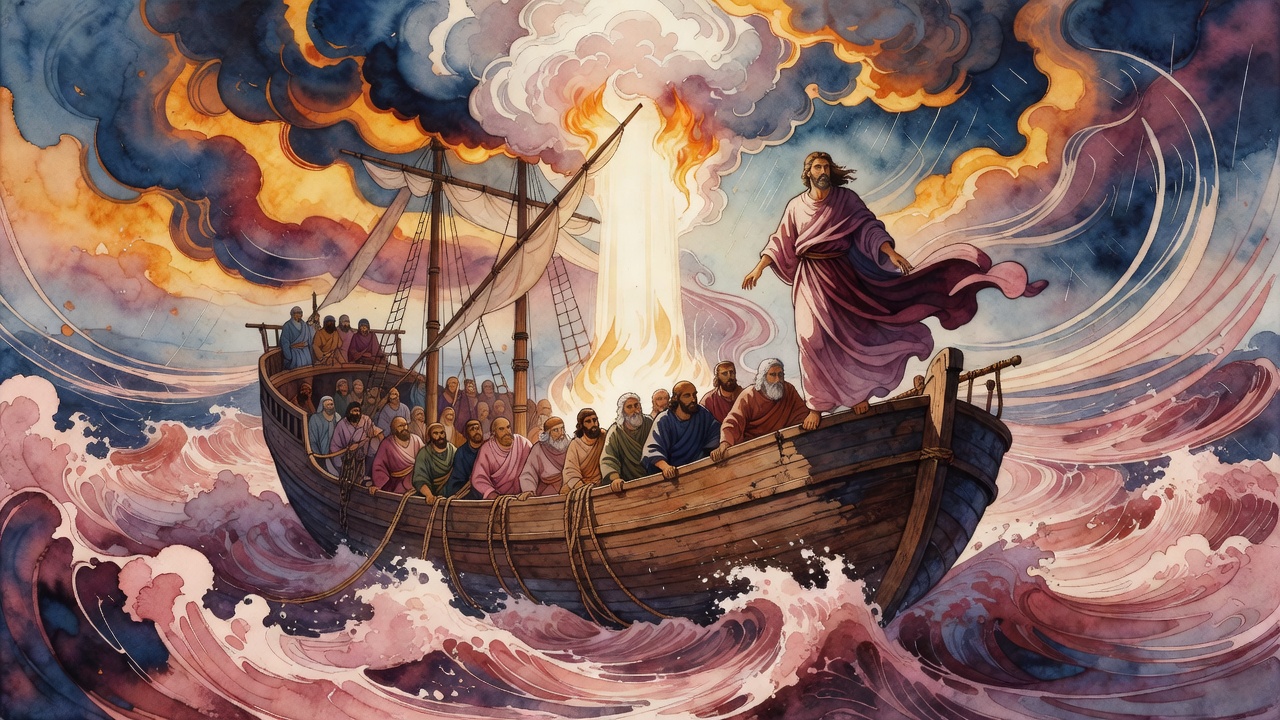
Two ships rode a hard current, braced together with bars that bit into timber. On the lashed decks men raised a building, walls, a roof, a place that looked solid enough to outlast weather. As long as the ships held each other, the house stood. The moment the braces snapped and the hulls drifted, the building cracked, leaned, and went into the water with a sound like a rib breaking.
 Click for full size
Rabbi Shimon bar Yochai set that image on Israel. When the tribes act as one body before God, their heights sit in the heavens and the bond on earth endures (Amos 9:6). When they pull apart, the structure above them has nothing left to stand on.
The House Stood While the Ships Held
"Together, the tribes of Israel." Geography is cheap. Shared purpose is expensive. Fractured camps can pitch tents side by side and still be many nations wearing one name. Banners faced different horizons. Old grudges over wells, wives, and rank lived under the surface like rot in a beam.
A man from one tribe could refuse a loan of grain to a man from another and call it prudence. The braces that held the ships were not rope alone. They were the decision, renewed each morning, not to let the hulls decide they were safer alone.
When the decision held, the building of common life could rise. Study, judgment, war, harvest. When the decision failed, even a fine roof became a weight that helped the wreck. God does not need to invent a special punishment for division. Division is already the wreck, loud in the water.
A Soul From Heaven in Dust
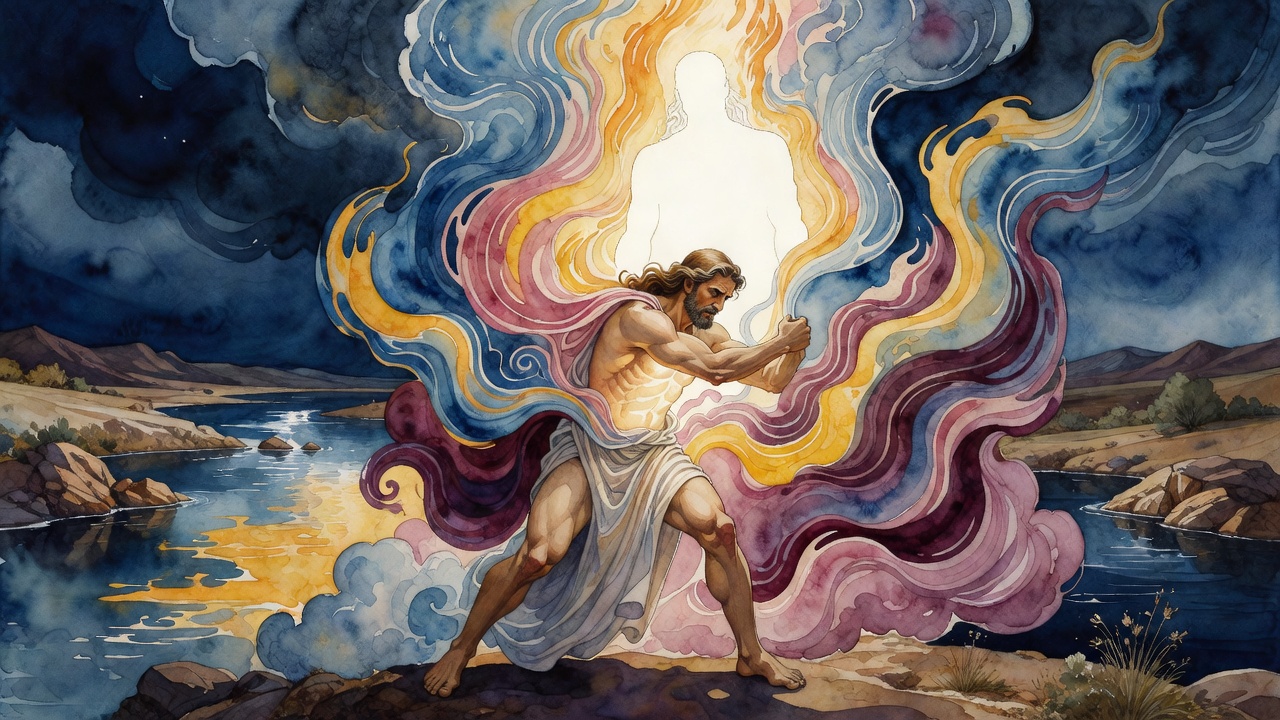
Rabbi Simai pressed a different pressure into the same human frame. Every creature formed from the earth carries spirit and body from the earth. The human is the exception. The body is still dust. The neshamah (נשמה), the soul, comes from heaven.
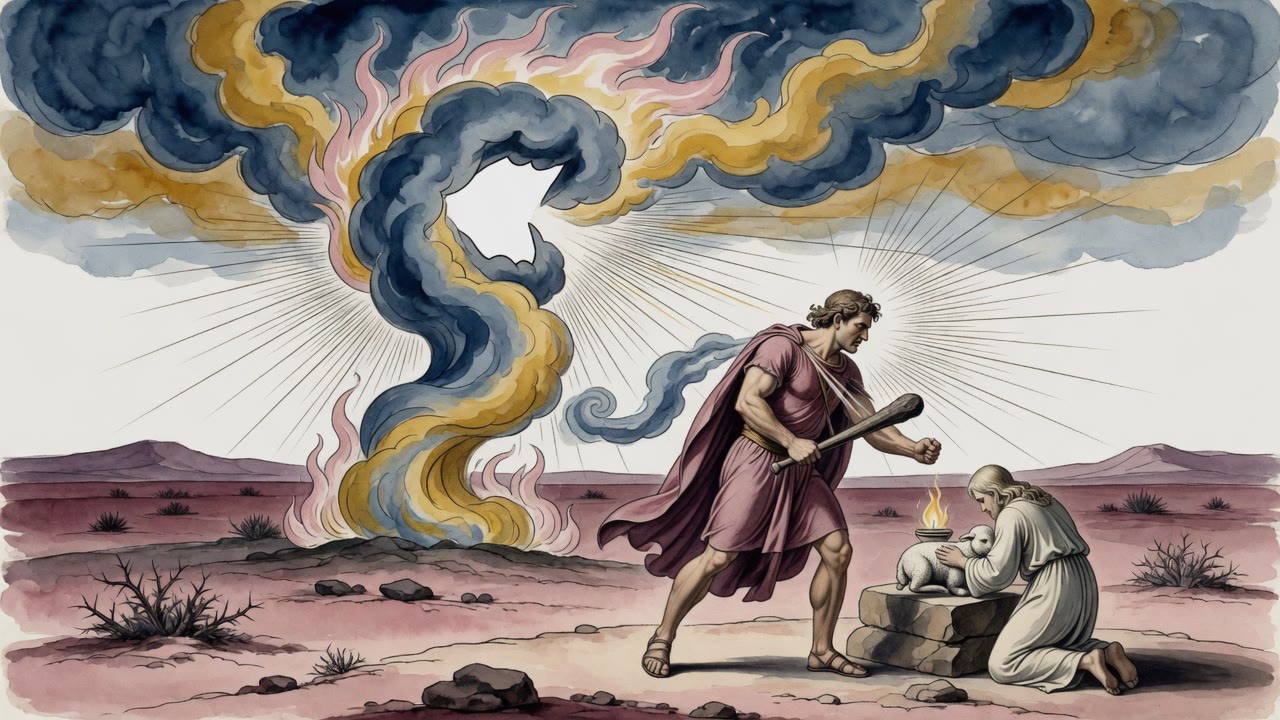
That split is not a compliment. It is a risk. If a person learns Torah and does the will of the Father in heaven, he becomes like the celestial creatures. "I said that you are gods, and all, children of the Most High" (Psalm 82:6). If he drops the learning and the will, he drops to the level of the lower creatures. "But you shall die like Adam" (Psalm 82:7). The same pair of lungs can rise or sink depending on what the mouth and hands do with the days they are given.
East wind blesses. West wind harms. North helps wheat a third grown and hurts olive blossom. South flips the gifts. Nature itself refuses a single mood. A person is weather from two realms forced to share one skin.
Heaven Called the Soul, Earth Called the Body
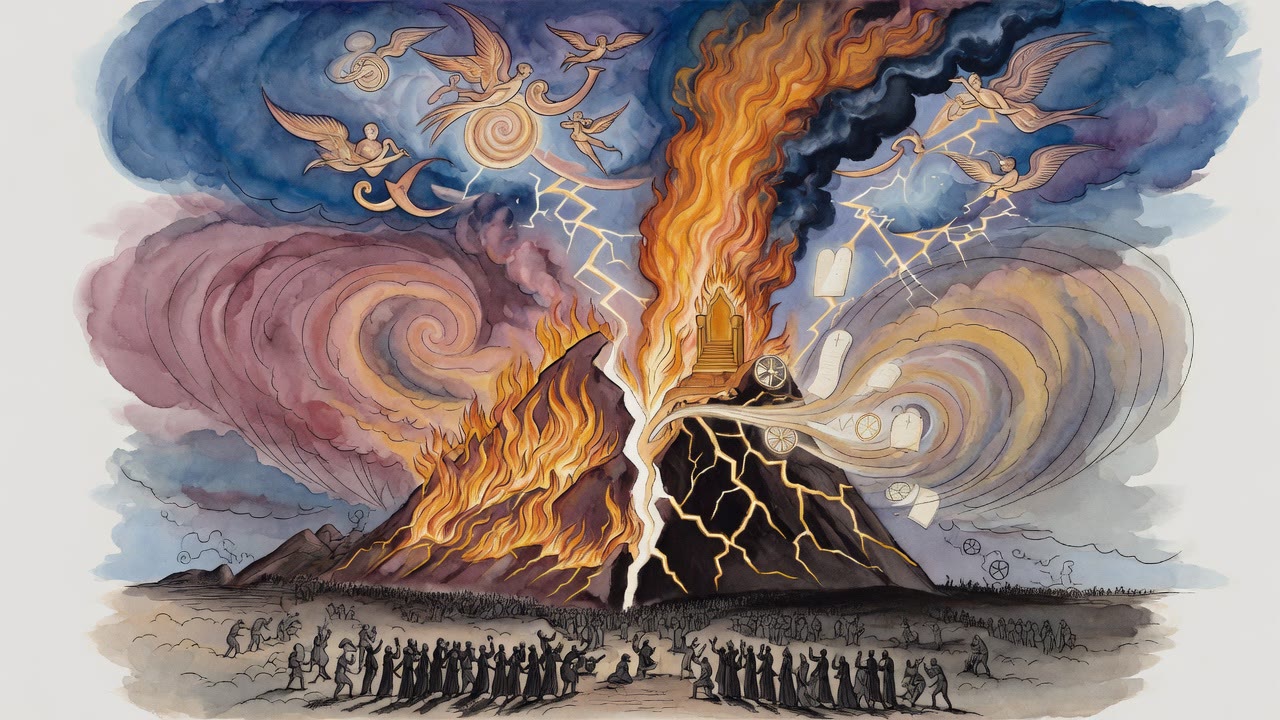
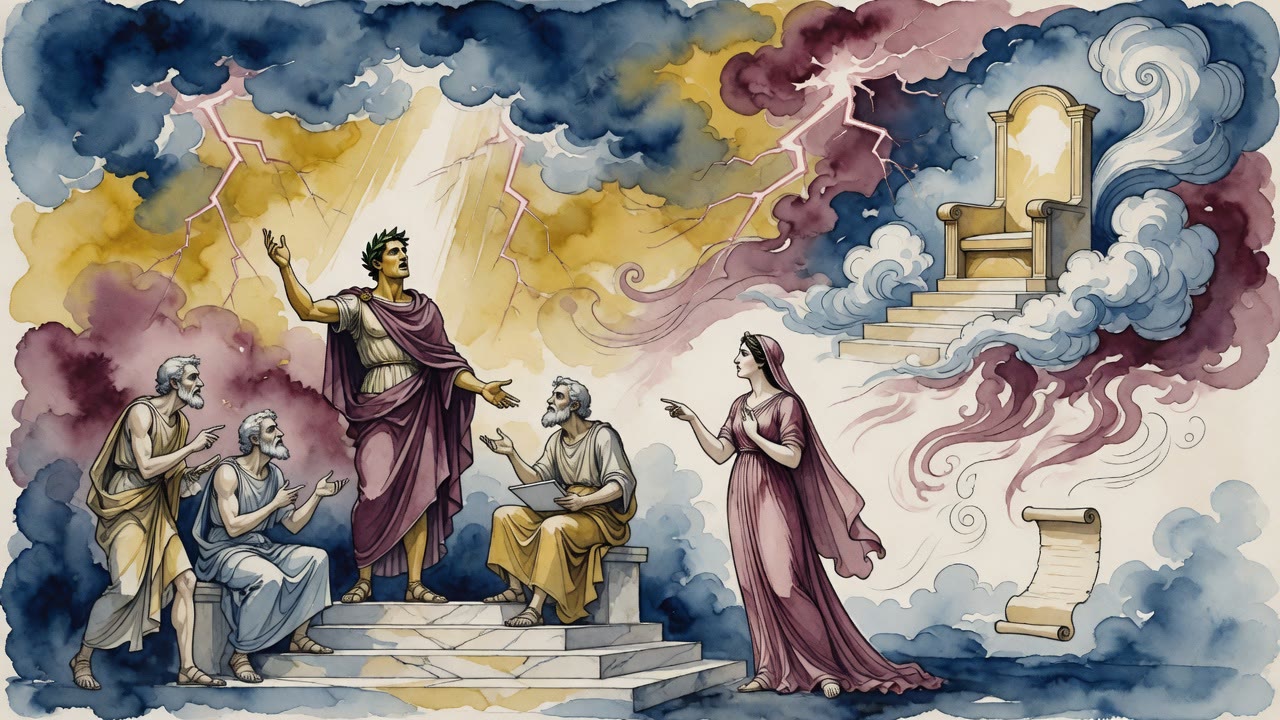
"And He shall call to the heavens from above and to the earth for din with him" (Psalm 50:4). Rabbi Simai heard the summons as court. Heaven is called for the soul. Earth is called for the body. Din (דין), judgment, a hearing, not a vague mood of guilt.
"Listen, O heavens" becomes the soul's name in that courtroom. "Hear, O earth" becomes the body's. A man cannot send his soul alone to answer while the body pretends it only ate and slept. He cannot send the body to suffer while the soul claims it always meant well. Both are summoned. Both must speak.
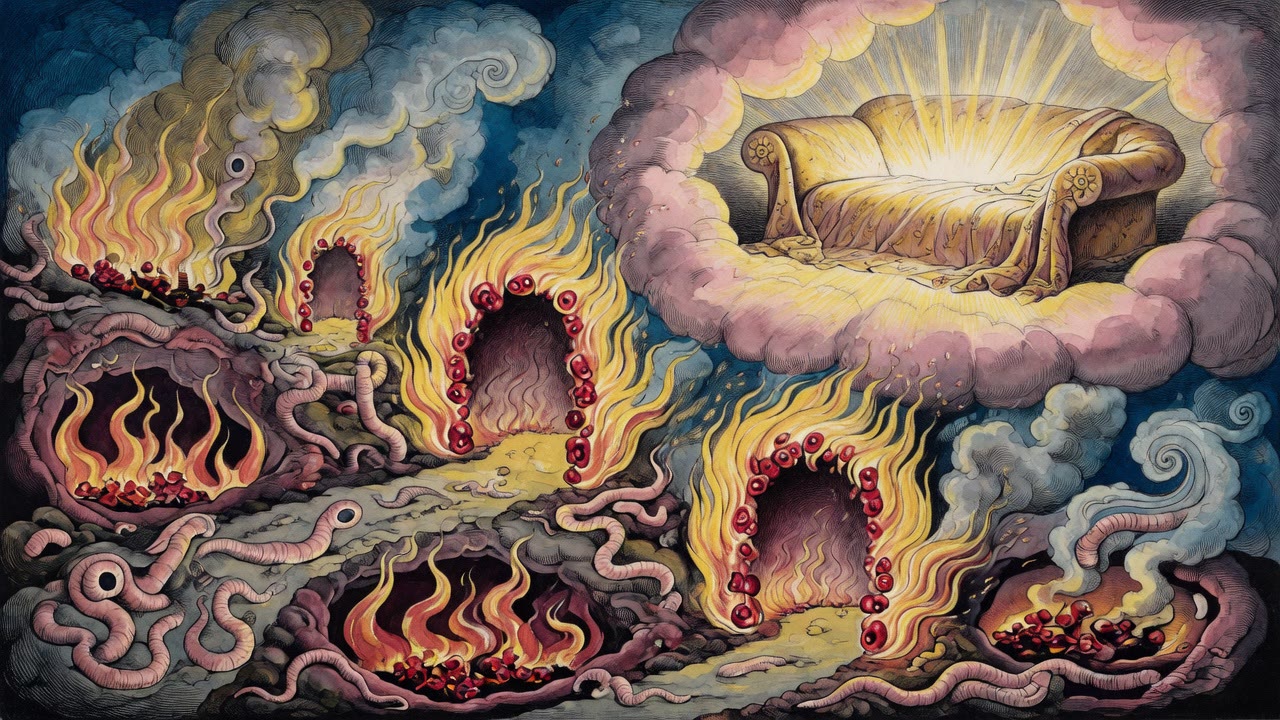
The tribes' ships and the person's two natures share a structure. Two parts must stay braced or the house fails. Soul without body is not the life Israel is commanded to live. Body without the soul's discipline is only clever dust. When the braces hold, the person stands like the celestial ones. When they snap, the fall is ordinary and final in the way animals fall.
Rain That Wakes the Slain
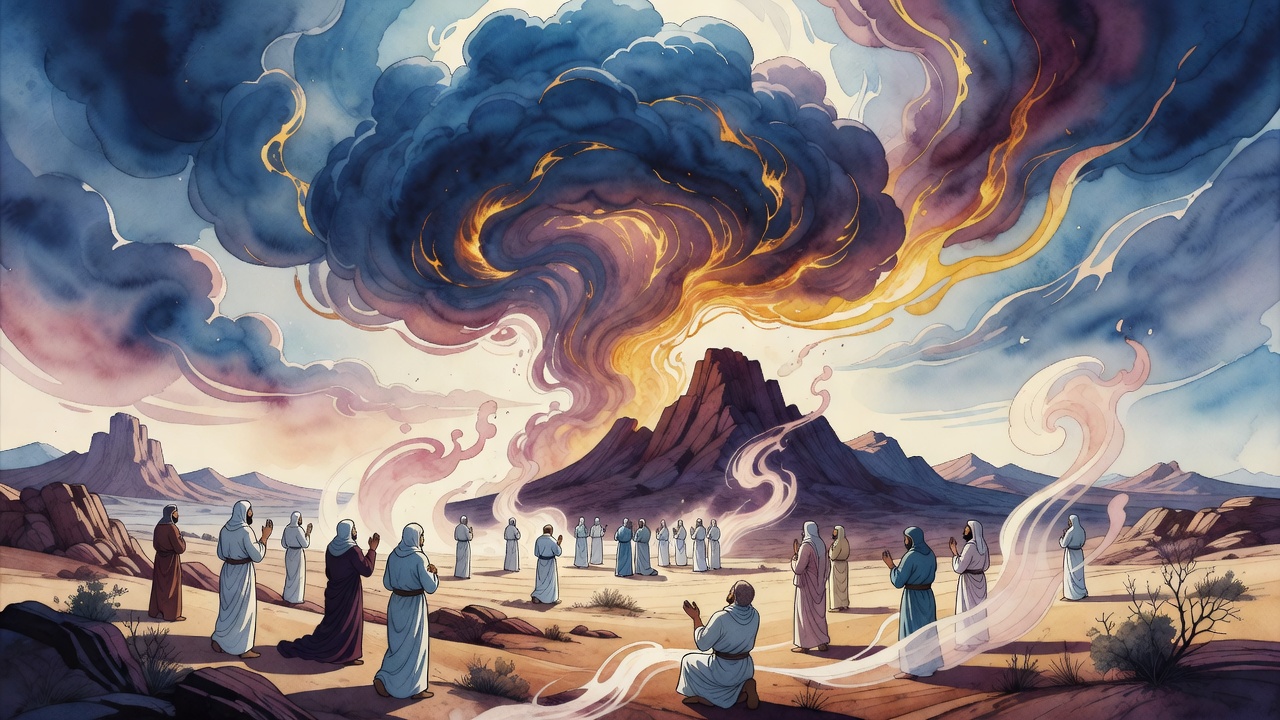
Rabbi Simai would not leave the rain verse as soft weather. "My taking shall drip as the rain." Taking is Torah, but the drip also points forward. From the four corners of the wind comes spirit into the slain, that they may live (Ezekiel 37:9). The same four directions that bless and ruin grain also carry the breath that stands bones up again.
He said there is no section in the Torah that does not touch the resurrection, only that strength fails to expound it. Rain revives cracked earth. Spirit revives cracked people. The ships that hold, the soul that learns, the body that obeys, all of them lean toward a morning when the four winds are not only farm weather but life blown into mouths that had closed.
On a dry afternoon a threshing floor held only dust. Rabbi Simai looked at it and heard the future in the moisture that had not yet fallen.
What Breaks and What Holds
Israel on the water. A person between heaven and earth. Both live by braces. The tribes who stay one will keep a house that can hold height in the heavens. The person who keeps Torah in a dusty body keeps the right to be called child of the Most High when the court opens. The one who lets the hulls drift, or lets the soul starve while the body feasts, watches the roof go under.
At the end of a long day the braces still creak. Unity is work. Learning is work. The wind still chooses whom to favor among the wheat and the olives without asking permission. Two ships. One house. Soul and body under one name. Rain waiting with a harder job than crops.
When the bars hold through the night, morning finds the building still dry. No angel needs to descend for that smaller mercy. Timber and decision are enough until the greater rain comes.
← All myths