When a Son Walked the Road of Evil Friends
He smiled before he meant to. The friends had already taken the lane. His mother kept a lamp and a plate he would not eat.
Table of Contents
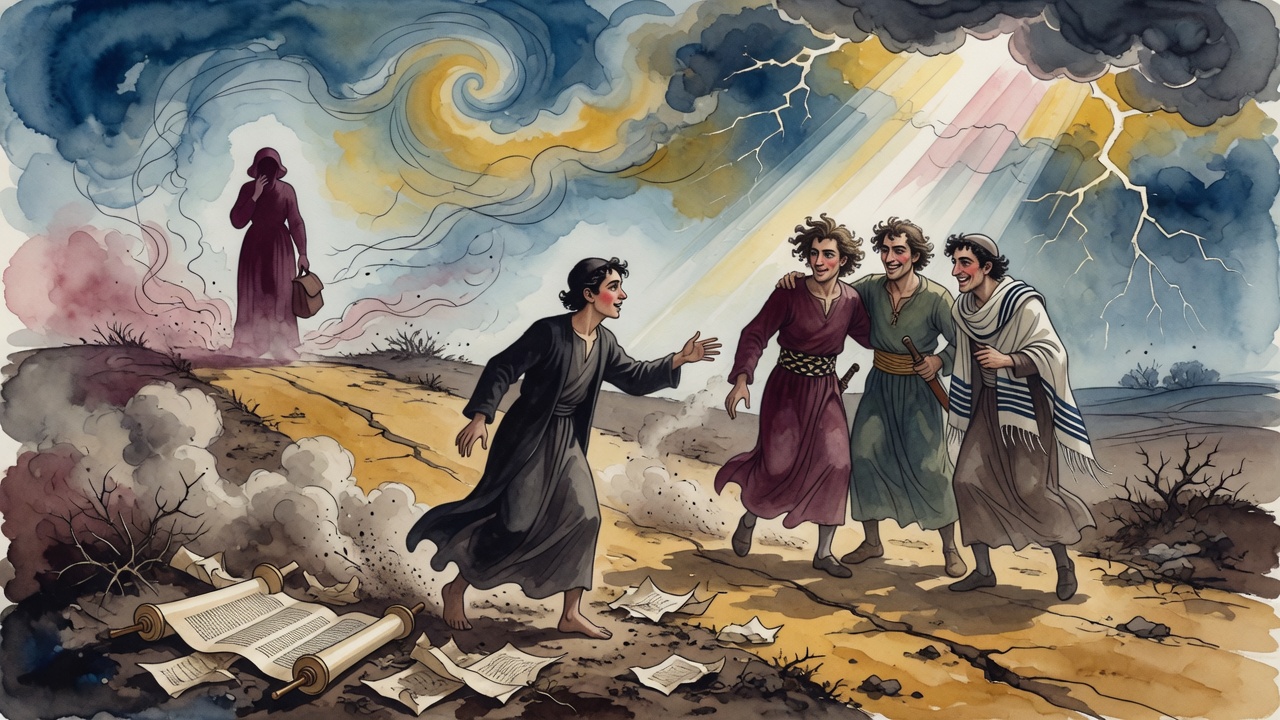
The young man smiled before he meant to. The friends had already stepped into the lane, laughing loud enough to shake the shutters, and his mouth answered them before his feet had chosen. One of them slapped his shoulder. Another dangled a skin of wine. The road out of town was short. The first turn hid the house where his mother waited with a lamp and a plate he would not eat.
 Click for full size
He walked with them anyway. Dust rose around their ankles. A dog barked once and went silent, as if even the street knew the pack had claimed another evening.
The Warning He Left on the Threshold
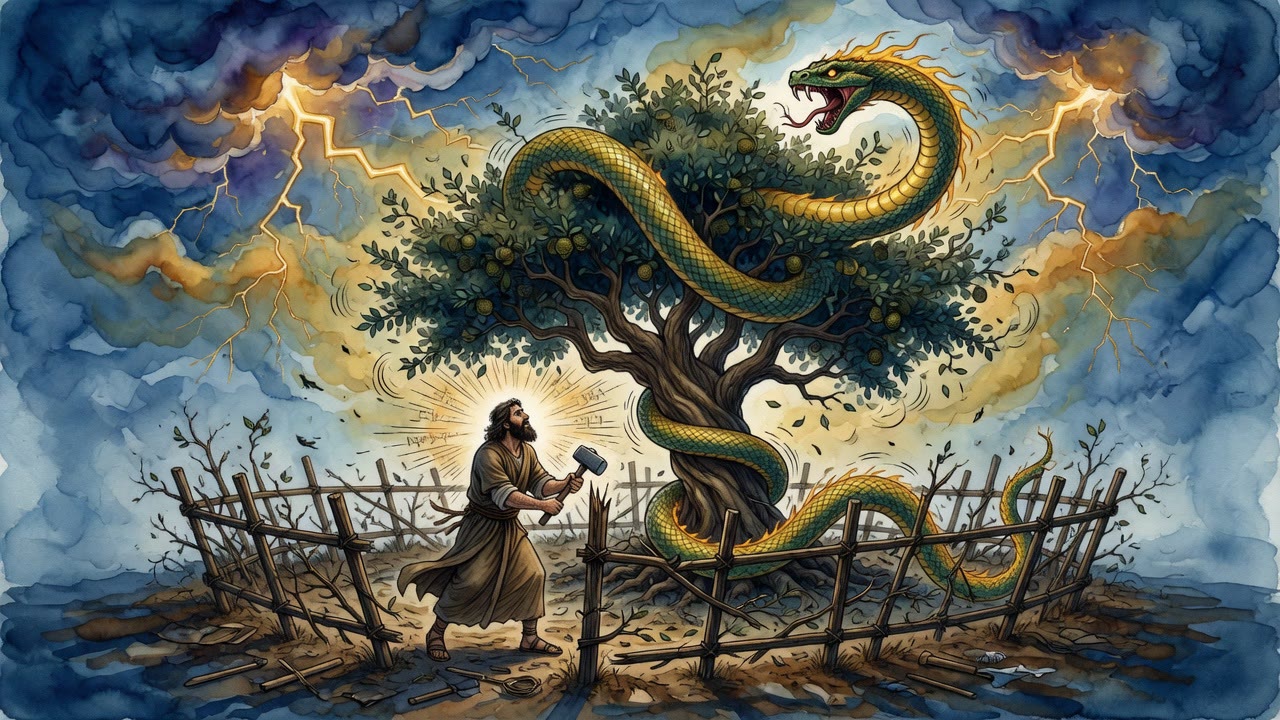
His mother had said it that morning, without raising her voice. "Control your face around evil friends. Do not walk on the road with them. Hold your feet back, or you will be caught in their trap." The image was a snare laid for animals, wire and bait and a sudden snap. Bad company does not argue. It sets a path and waits for a warm face and willing feet.
Roads in that world were not empty pavement. Deals were struck there. Bandits waited there. A name could be ruined between two milestones. To walk with them was to enter their jurisdiction. Holding the feet back was the last free decision before the lane bent out of sight of home.
He did not hold them back. The wine skin bumped his ribs. Someone sang a verse wrong on purpose and they all laughed. He laughed too, a beat late.
The House Where Pages Did Not Turn
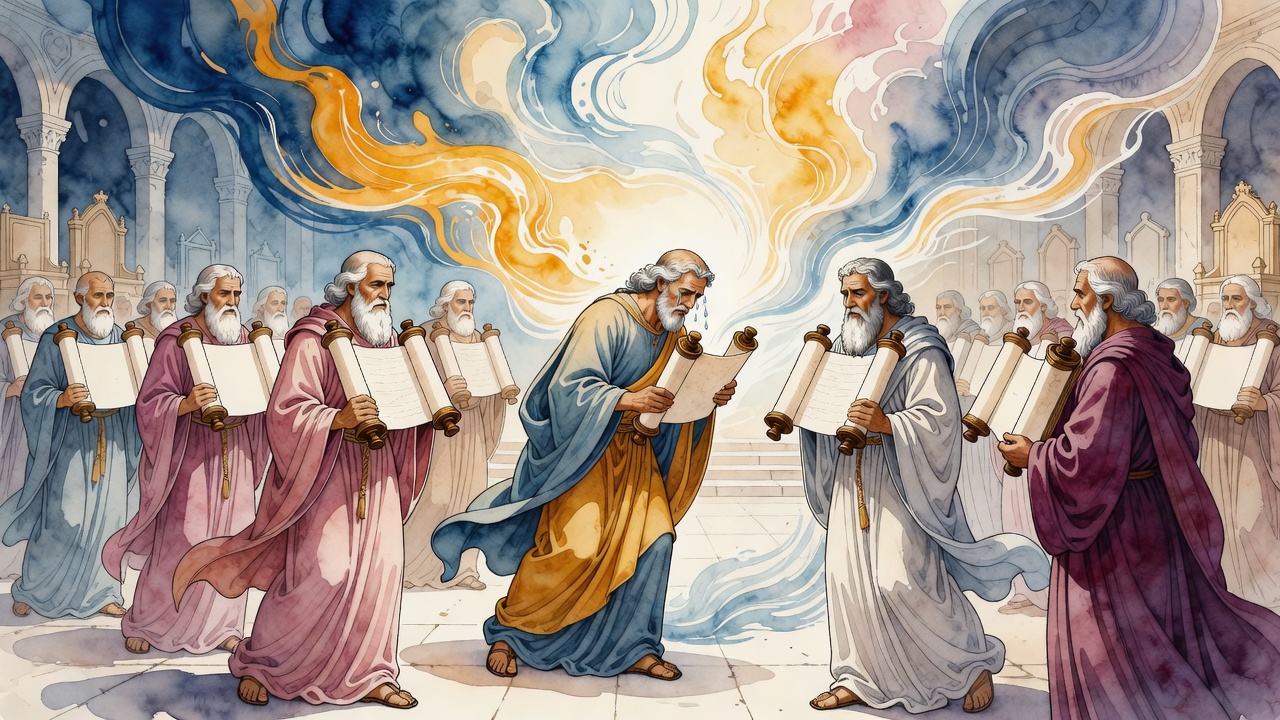
Behind him, in the room he had left, a scroll still lay open. A wise son makes a father glad when he studies Torah. The joy is not a compliment. It is the sight of a child becoming wise through learning, the lamp fed with oil his parents bought, the same words that held the household upright.
A foolish man despises his mother when he goes out to bad ways. Contempt is not only a sharp tongue at the table. It is the road he chooses when he abandons the teaching that formed him. The mother watches the door. The father hears no pages turning. The household learns the son by the sound of his absence.
The young man on the loud road did not think of himself as a fool. He thought of himself as borrowing an evening. The lamp at home did not know the difference.
The Jokes Turned Mean
Somewhere past the second mile the wine thinned. One friend mocked a man who still studied. Another laughed at a mother who still waited. The young man felt the snare tighten, not as law, but as shame climbing his throat.
He stopped. The road ahead still offered noise. The road back offered a lamp and a plate gone cold and a face he had trained himself not to meet.
He turned his feet. Control your face, she had said, and now he had to control his whole body against the pull of the pack. Behind him the laughter continued without him. Ahead, the house did not promise easy forgiveness. It only promised a door that still knew his name.
His Father Asked Who Had Come In
When he reached the threshold, the lamp was lower than when he left. His mother had not gone to bed. That small fact landed harder than any warning. She did not ask where he had been. She set the plate nearer the light. The food had gone cold. He ate it anyway.
In the next room his father sat with a scroll open and a question already used once. "Sit," the old man said, and then asked who had come in. The young man gave his name. He took his father's elbow when the old man stood, and the arm shook under his hand.
The honor of a father is a man's honor. He that curses his mother does greatly sin. Stay near all the days of his life. Even if his mind fails, bear with him. Do not dishonor him while his strength leaks away. Benefaction planted then is not blotted out. It stands in the place of sin. Neglect in that hour is a curse spoken without words.
The young man had thought parents were furniture that would always be solid. The shaking arm told him the later hour had already started. Honor was not a holiday speech. It was the daily decision to stay when staying cost patience.
The Scroll Still Waited
He could still choose the foolish road tomorrow. Tonight he had held his feet back, which is the first half of becoming a son again. He sat. The scroll was still open, as if it had been waiting for a body to return to it.
His mother blew the lamp a little lower. His father asked the name one more time, softer. The young man answered, and this time he did not smile at anyone in the lane. He kept his face. He kept his feet. The plate sat empty in the light that was left.
← All myths