5 min read

When Aaron Died the Border Kings Closed the Road

The protective cloud lifted when Aaron died, and Canaanite kings struck the road while Israel searched every border for a door that would not open.

Curated by Arthur · Told by Maggid ·
Table of Contents
  1. The Scout Road Without Its Scout
  2. Four Directions and Four Slammed Gates
  3. The Cage of the Cherubim
  4. Alone by Whose Hand
  5. The Voice That Would Not Stay Away
  6. The Camp That Lost Its Cover

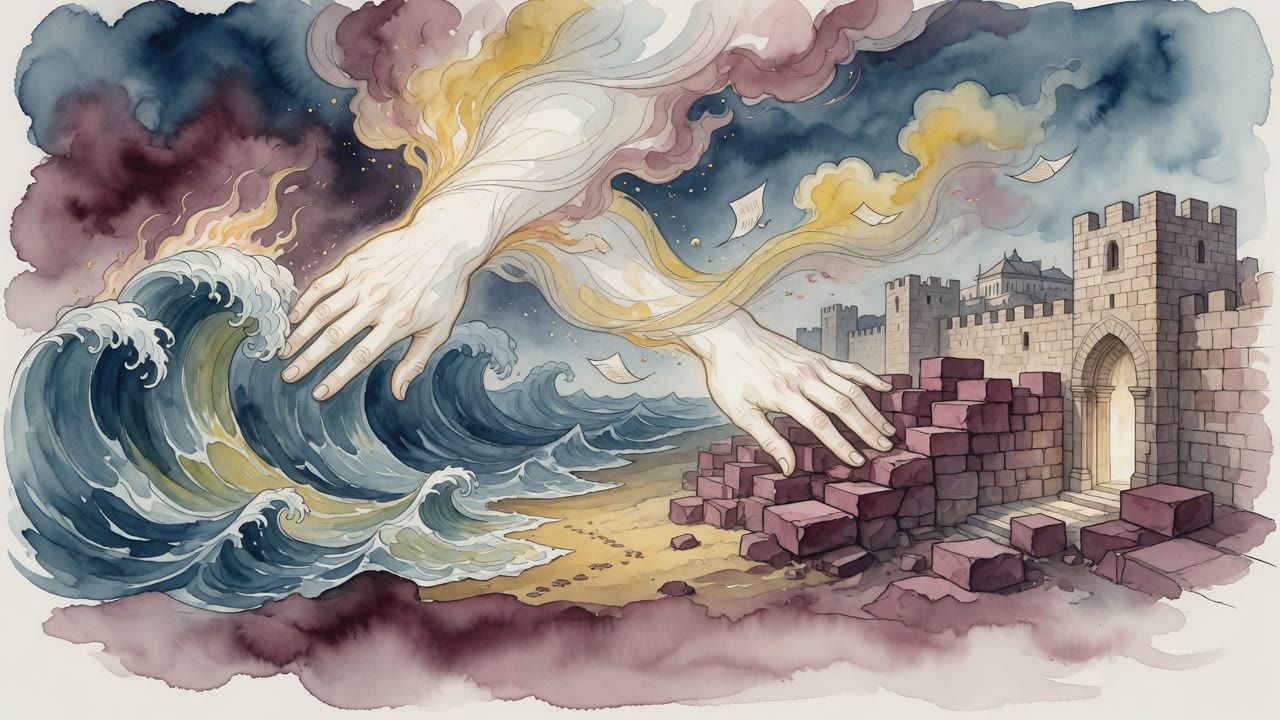
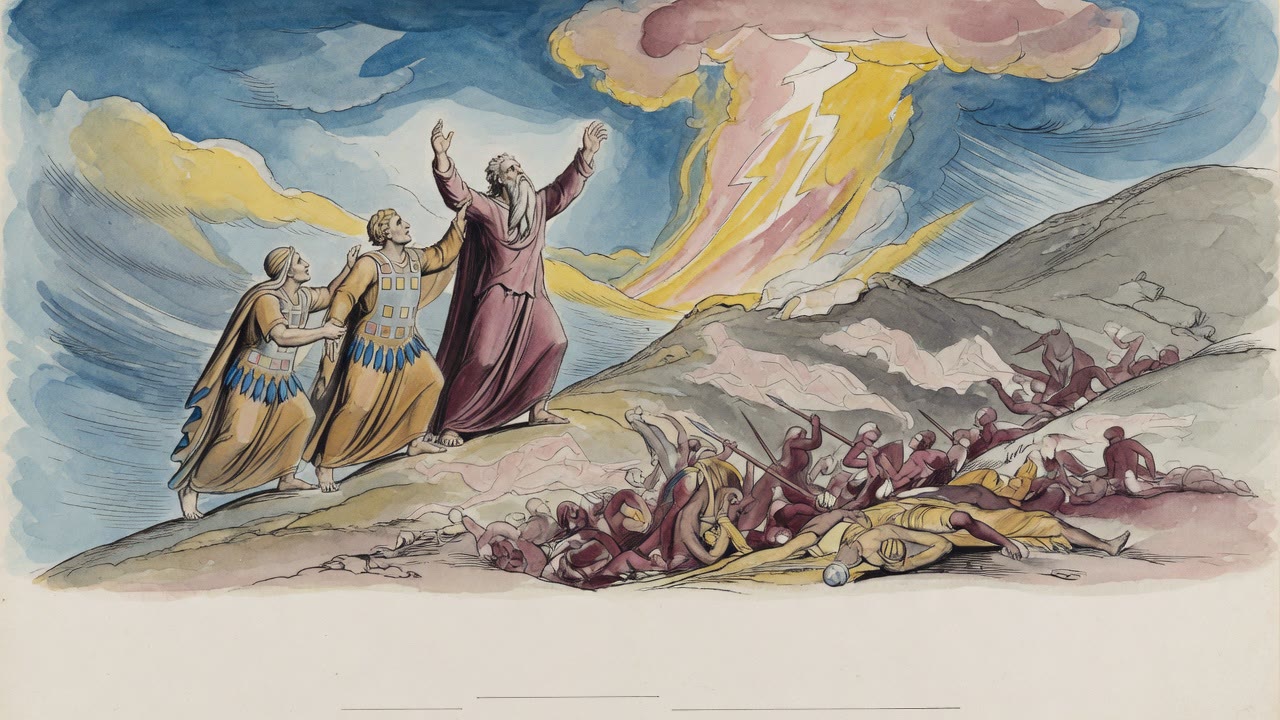
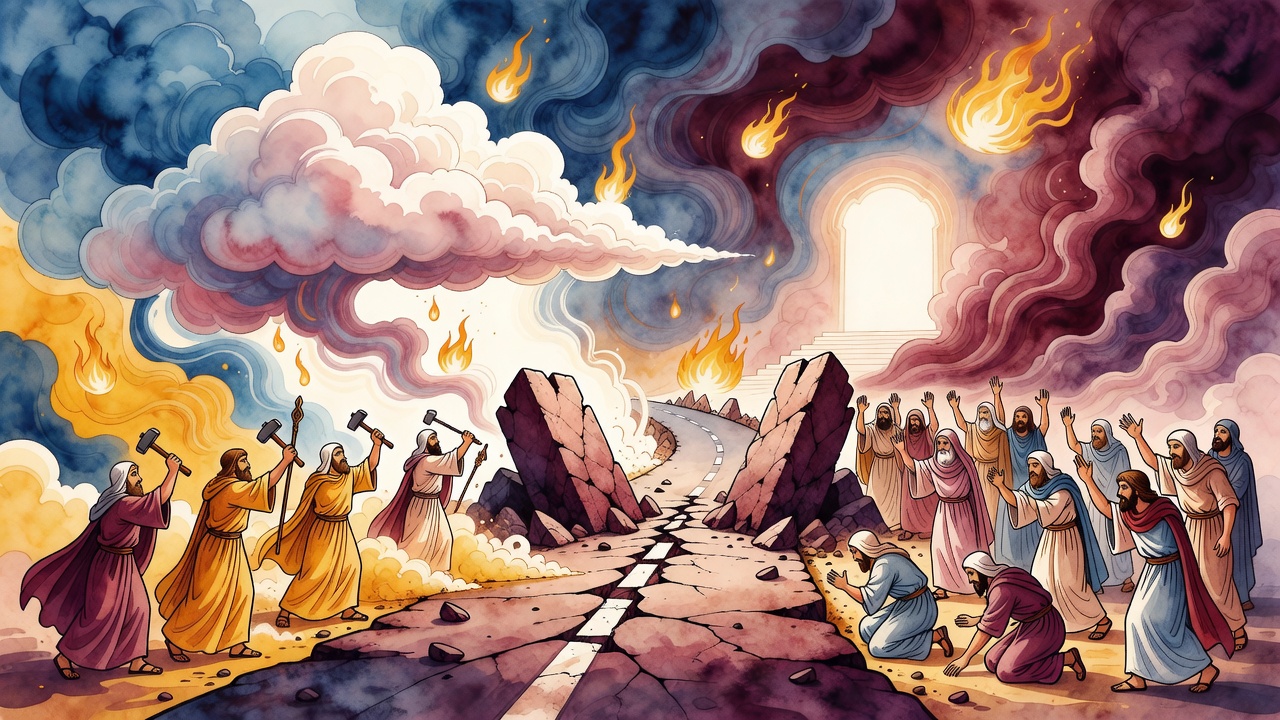
Aaron stopped breathing on the mountain, and the cloud that had walked ahead of the camp thinned like smoke after a snuffed lamp. Below, the people felt the change before anyone announced it. Children stopped singing to the well. Dust rose along the path of Atharim, the scout's road, and a Canaanite king heard the quiet and understood what it meant (Numbers 21:1).
When Aaron Died the Border Kings Closed the Road Click for full size

"The great guide is gone," the enemies said. "Strike now."

The Scout Road Without Its Scout

Moses tore his clothes. Eleazar put on the garments that still smelled of his father. Israel buried a high priest and did not yet know that the nations were already counting their chance. The midrash hears in Atharim the word for the great tayar, the scout who had steered them. When Aaron lived, the cloud itself scouted. When he died, the cloud's absence became an invitation to war.

The first wound was military. The second was lonelier. "They have heard that I sigh, and there is none to comfort me" (Lamentations 1:21). The sigh traveled farther than the camp. It reached borders that should have been doors.

Four Directions and Four Slammed Gates

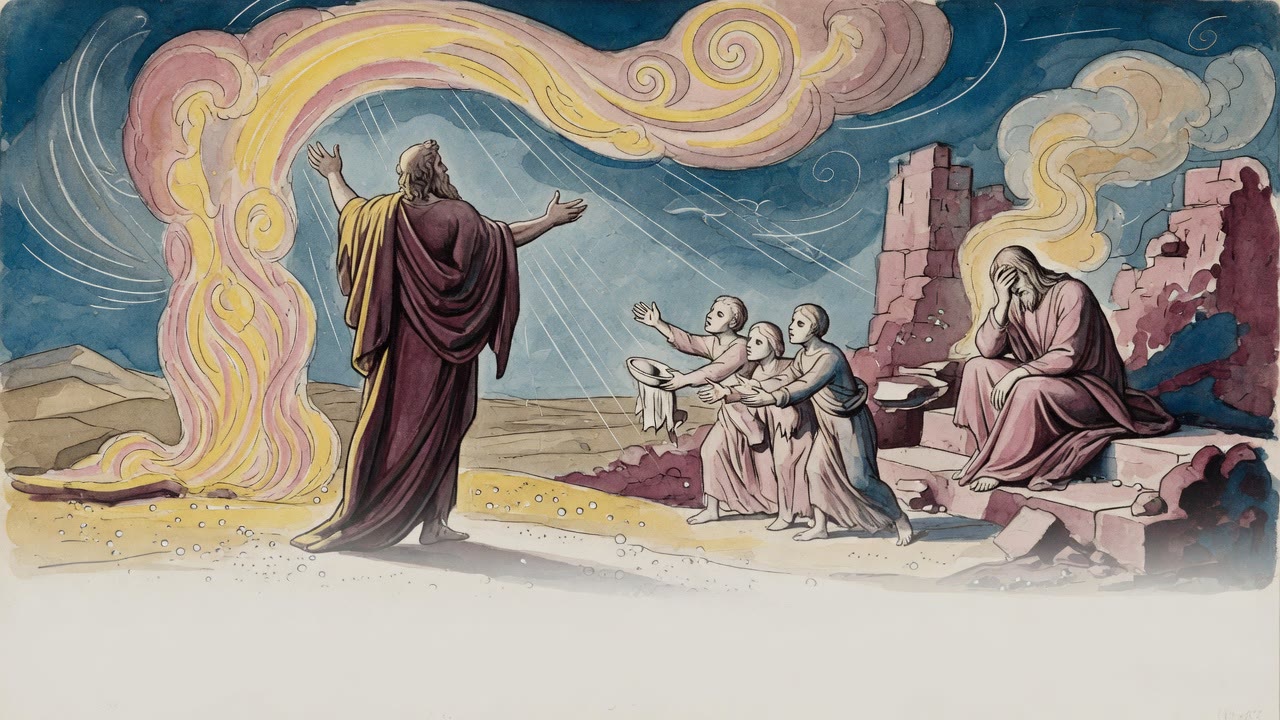
Years later, when Jerusalem fell, the same verse returned with heavier feet. Israel ran south and found a locked face. They ran east and found another. North and west answered the same way. Prophets watched refugee lines arrive at thresholds that would not lift. No neighbor wanted the people God had told them not to marry, not to host as kin, not to weave into their houses.

Israel answered heaven with a courtroom parable. A king married a noblewoman and forbade her friendship with the neighbors: no lending, no borrowing, no easy company. Later he grew angry and cast her out. Not one door opened. "My lord," she said, "you arranged this yourself. Had you let me build bonds, someone would have taken me in."

So Israel pleaded: You commanded separation. Why act surprised when the nations keep Your command better than we kept ours?

The Cage of the Cherubim

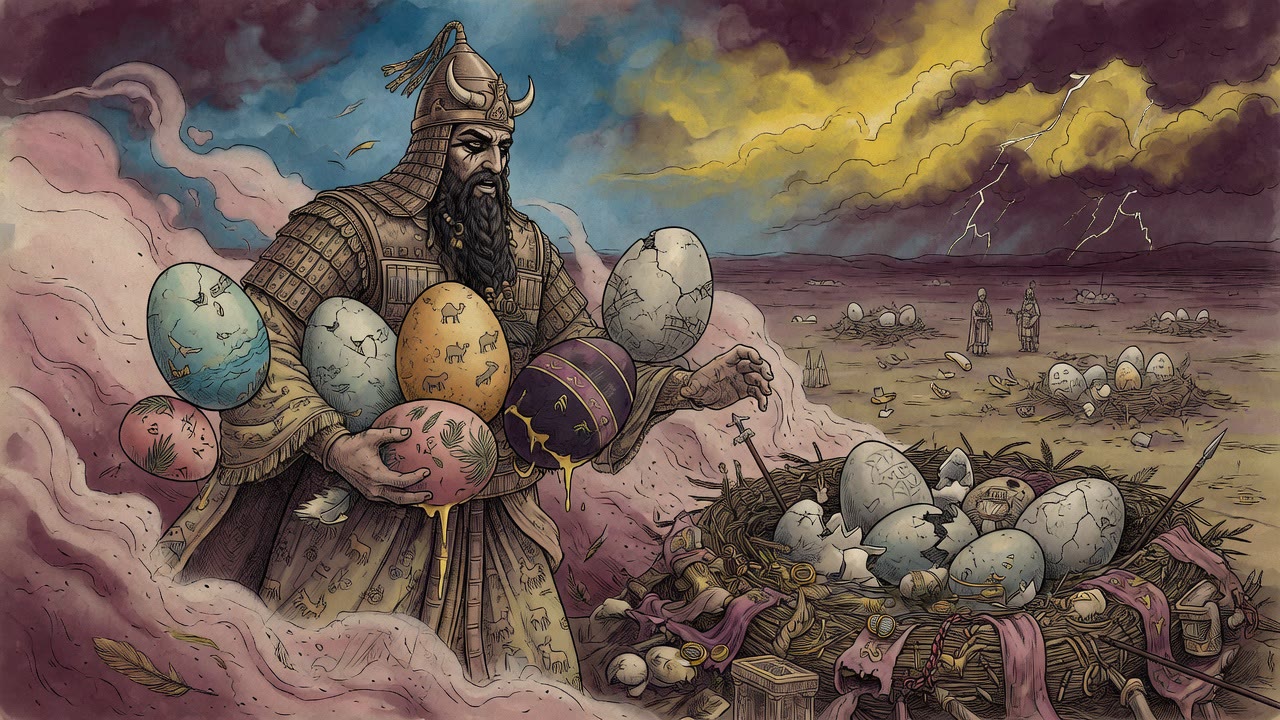
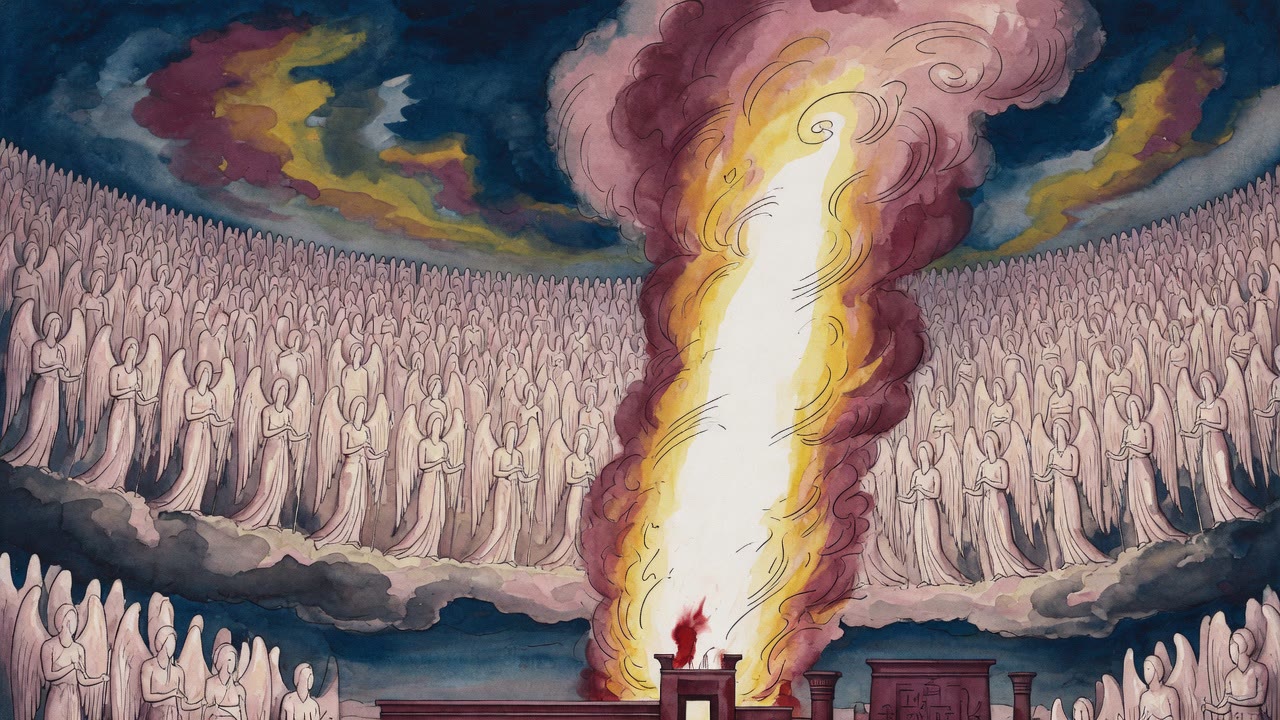
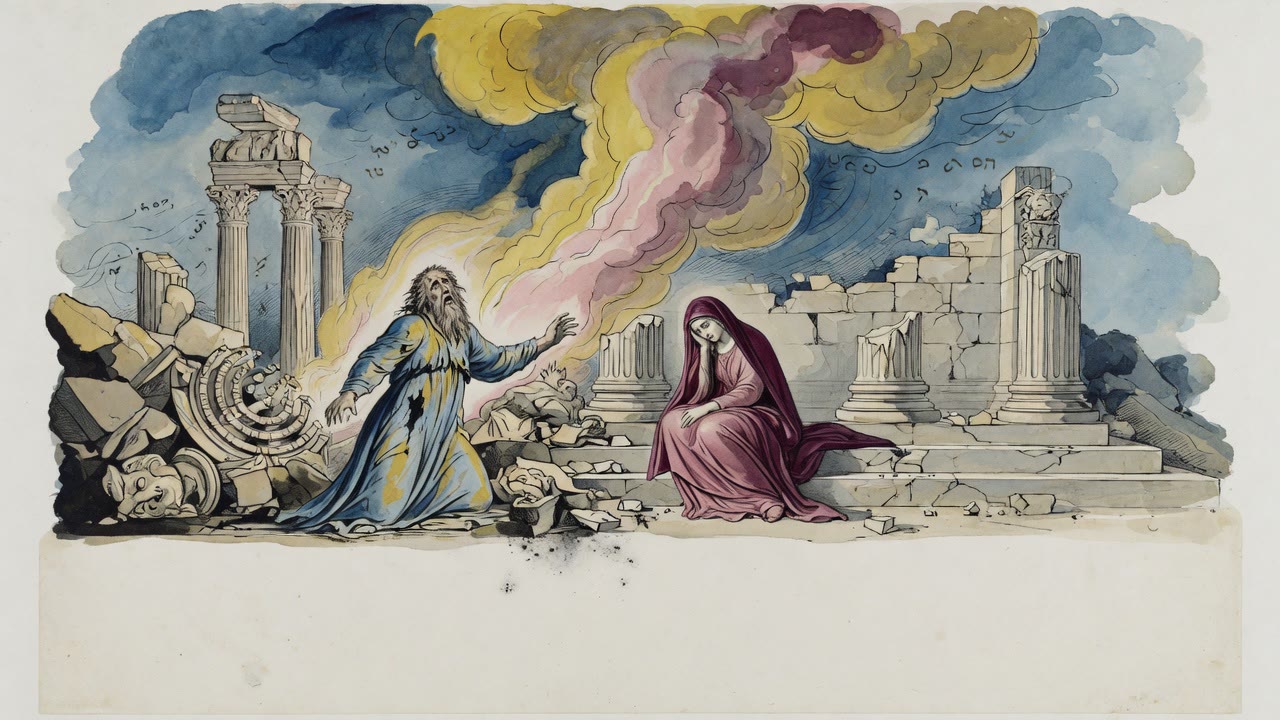
Ammon and Moab did worse than refuse shelter. When conquerors broke Jerusalem, those neighbors came behind them into the Holy of Holies. They seized the golden cherubim, locked them in a cage, and paraded the cage through the streets. "Israel always claimed they served no images," they jeered. "Look what they kept hidden in their innermost shrine."

The mockery cut the people's testimony at the root. Reproach broke the heart until the psalm's sickness became literal: pity looked for and not found, comforters sought and gone (Psalms 69:21). Heaven heard. "I have heard the reproach of Moab and the revilings of Ammon," God declared, and promised those mockers the fate of Sodom and Gomorrah (Zephaniah 2:8-9).

Alone by Whose Hand

The Assembly of Israel stood before God like a spouse listing her restraint. Never once did she enter the theaters and circuses of the nations to laugh with them. Pharaoh's hand struck her, and she did not sit alone. Sennacherib's hand struck her, and she did not sit alone. Company held through foreign fists.

This last blow was different. "Because of Your hand I sat alone." When the hand was God's, isolation finally stuck. How she sits alone was not Egypt's work. It was the felt withdrawal of the One who had always stood beside her.

The Voice That Would Not Stay Away

When no human comforter could be found among the nations, and when the cherubim had been dragged through dust for a joke, the only remaining voice answered without theater or circus applause. "I, I am He who comforts you" (Isaiah 51:12).

The double "I" is the sound of a door that does not belong to Ammon, Moab, or any border king. It opens after Aaron's cloud lifts, after the scout road fails, after every neighbor proves the old commandment about distance. Comfort arrives not because the nations soften. It arrives because God refuses to leave His own sentence unfinished.

The Camp That Lost Its Cover

Before the border kings moved, the camp itself learned what absence weighs. For forty years the cloud had decided when to rise and when to settle. Now the sky over the tents looked ordinary, and ordinary sky is a kind of nakedness. Women who had trusted the shade to tell them the hour suddenly watched the sun without a guide. Men who had argued under that cover argued louder without it. The Canaanite king did not invent the opening. He only noticed it.

Moses climbed and came down changed. Eleazar's hands shook once when he first fastened the breastpiece, then steadied. The people wanted a comforter the way a fever wants water. None of the usual mouths could supply it. The verse that later names the missing comforter was already true in the dust around Aaron's grave.

When the attack came on the scout road, it confirmed what the cloud's lift had already whispered. Protection had been a person as much as a miracle. Remove the person and the miracle thins. Israel fought and survived that first blow, yet the pattern was set: when the guide dies, the road becomes a question, and the nations answer with steel before they answer with kindness.


← All myths
From the tradition

Sources

3 sources

The texts behind this telling. Some cards carry a translation of the source; others are our own retelling of it, and each card says which. Every card links out to the original.

Pesikta DeRav Kahana 19:2Pesikta de-Rav Kahana

Translation of the source text.Pesikta de Rav Kahana according to an Oxford manuscript, Dov Mandelbaum ed., N.Y. 1987 · CC-BY

"They have heard that I sigh; there is none to comfort me" (Lamentations 1:21). Rabbi Yehoshua of Sikhnin in the name of Rabbi Levi explained the verse concerning Aaron the High Priest. You find that when Aaron the High Priest died, the Canaanites came and attacked Israel, as it is written, "And the Canaanite, the king of Arad, who dwelt in the south, heard that Israel came by the way of Atharim" (Numbers 21:1). What is "by the way of Atharim"? That the great explorer [tayar] had died, namely Aaron, who used to scout out the way for them. "There is none to comfort me" (Lamentations 1:21), Moses was in mourning, Eleazar was in mourning. "All my enemies have heard of my trouble and are glad" (Lamentations 1:21), they said, "Now is the time to go up and attack them, now is the time to go and destroy our enemies." And the rabbis explained the verse concerning the nations of the world. You find that when the sins caused it and the gentiles entered Jerusalem, they decreed that wherever Israel fled, they would hand them over. They sought to flee south and were not allowed, "Thus says the LORD: For three transgressions of Gaza, and for four, I will not turn away its punishment" (Amos 1:6). They sought to flee east and were not allowed, "Thus says the LORD: For three transgressions of Damascus, and for four" (Amos 1:3). They sought to flee north and were not allowed, "Thus says the LORD: For three transgressions of Tyre, and for four" (Amos 1:9). They sought to flee west and were not allowed, "The burden upon Arabia" (Isaiah 21:13). The Holy One, blessed be He, said to them, "You have turned your faces against Me." They said before Him, "Master of the worlds, was it not You who did this?" A parable: to what is the matter like? To a king who married a noblewoman and commanded her, saying, "Do not converse with your neighbors, do not lend to them, and do not borrow from them." One time she angered him and provoked him, and he sent her out of his palace. She went around to the houses of her neighbors, and not one of them would take her in. The king said to her, "You have turned your face away." She said to him, "My lord king, was it not you who did this? Did you not command me, saying, Do not converse with your neighbors, do not lend to them and do not borrow from them? Had I lent to them or borrowed from them, which of them, seeing me pass before her house, would not have taken me in? Therefore, You have done it" (Lamentations 1:21). So too Israel said before the Holy One, blessed be He, "Master of the worlds, was it not You who did this? Did You not write for us in the Torah, You shall not intermarry with them; you shall not give your daughter to his son, nor take his daughter for your son (Deuteronomy 7:3)? Had we married into them or married them to us, which of them, seeing my son or daughter standing at her gate, would not have taken him in? Therefore, You have done it" (Lamentations 1:21). "You have brought the day You proclaimed, and they shall be like me" (Lamentations 1:21), like me in trouble but not like me in ease. "There is none to comfort me" (Lamentations 1:21), the Holy One, blessed be He, said, "I, even I, am He who comforts you" (Isaiah 51:12).

Full source
Pesikta DeRav Kahana 19:1Pesikta de-Rav Kahana

Translation of the source text.Pesikta de Rav Kahana according to an Oxford manuscript, Dov Mandelbaum ed., N.Y. 1987 · CC-BY

"I, even I, am He who comforts you" (Isaiah 51:12). "Reproach has broken my heart, and I am sick; and I looked for some to take pity, but there was none, and for comforters, but I found none" (Psalms 69:21). "Reproach" refers to the reproach with which Ammon and Moab reproached us. You find that when the sins caused it and the gentiles entered Jerusalem, Ammon and Moab entered with them. They went into the Holy of Holies and took the cherubim and put them in a cage, and they carried them around through all the streets of Jerusalem, saying, "Did the Israelites not say that they do not worship idols? Look what they were doing!" This is what is written, "Because Moab and Seir say, Behold, the house of Judah is like all the nations" (Ezekiel 25:8). And what were they saying? "Woe, woe," all of them together. From that hour the Holy One, blessed be He, said, "I have heard the reproach of Moab and the revilings of the children of Ammon, with which they have reproached My people and magnified themselves against their border. Therefore, as I live, says the LORD of hosts, the God of Israel, surely Moab shall be as Sodom and the children of Ammon as Gomorrah" (Zephaniah 2:8-9). "And I am sick" (Psalms 69:21), a mighty blow has come upon me and weakened me. "And I looked for some to take pity, but there was none, and for comforters, but I found none" (Psalms 69:21), the Holy One, blessed be He, said, "I, even I, am He who comforts you" (Isaiah 51:12).

Full source
Pesikta DeRav Kahana 15:2Pesikta de-Rav Kahana

Translation of the source text.Pesikta de Rav Kahana according to an Oxford manuscript, Dov Mandelbaum ed., N.Y. 1987 · CC-BY

Rabbi Abba bar Kahana opened: "I did not sit in the company of merrymakers, nor did I rejoice" (Jeremiah 15:17). The Assembly of Israel said before the Holy One, blessed be He: Master of the worlds, never in my days did I enter the theaters and circuses of the nations of the world and make merry with them and rejoice. "Because of your hand I sat alone" (there): the hand of Pharaoh touched me, and I did not sit alone; the hand of Sennacherib touched me, and I did not sit alone; but when your hand touched me, I sat alone, "How she sits alone" (Lamentations 1:1).

Full source