5 min read

When Hebron's Worst Soil Beat Egypt's Best

Sages weigh refuse soil of Hebron against royal Zoan in Egypt and decide even Canaan's dregs outrank the seat of Pharaoh's officers.

Curated by Arthur · Told by Maggid ·
Table of Contents
  1. Refuse Against Royalty
  2. A Land God Inquires After
  3. Spies in the Dust
  4. Egypt's Water and Israel's Sky
  5. What the Ranking Costs

The argument started as a provocation. Someone suggested, half in scholarship and half in spite, that the Torah's praise might actually crown Egypt, not the land of Israel. The room needed an answer that was not only patriotism.

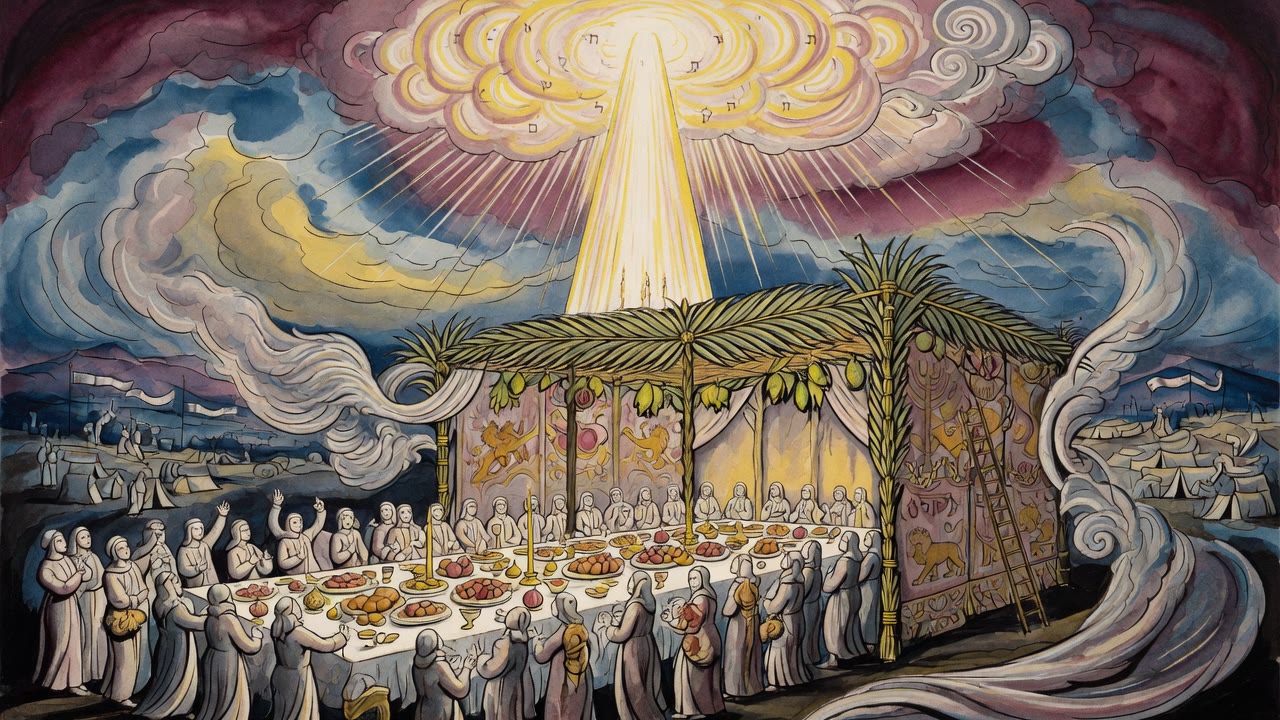
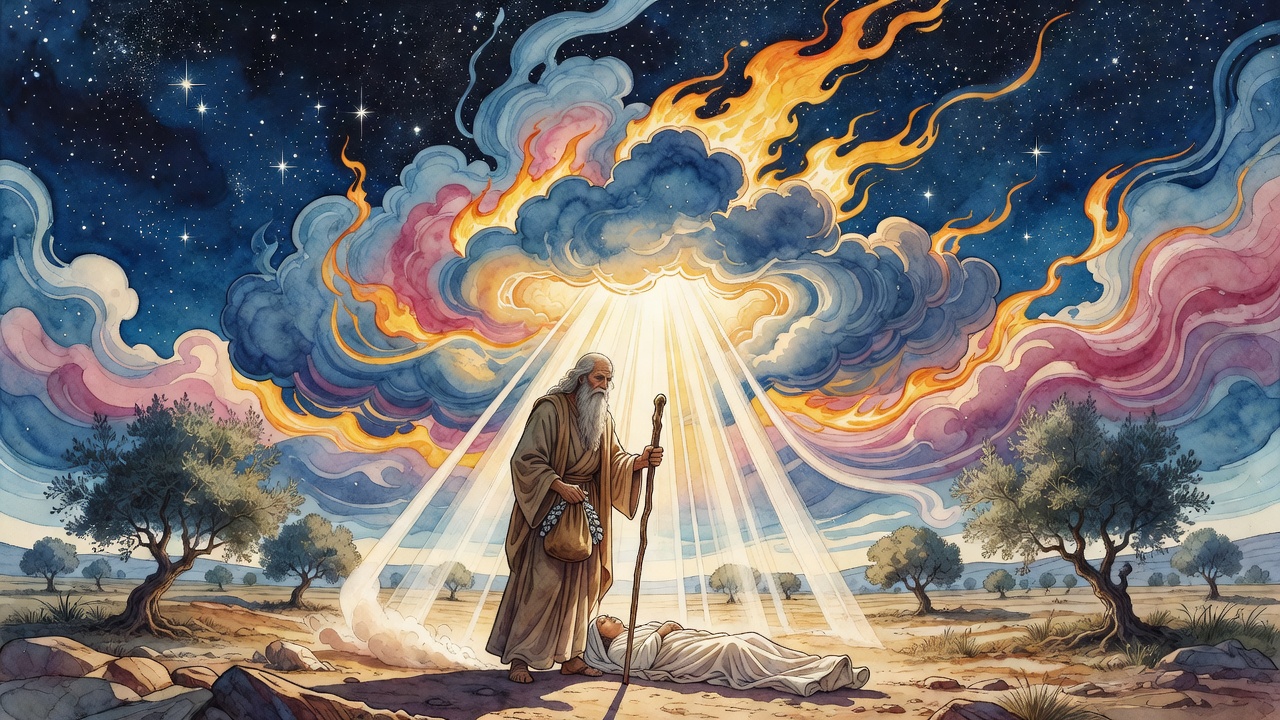
When Hebron's Worst Soil Beat Egypt's Best Click for full size

They reached for a verse that looks like a building date. "And Hebron was built seven years before Zoan in Egypt" (Numbers 13:22). The sages refused to leave it as architecture.

Refuse Against Royalty

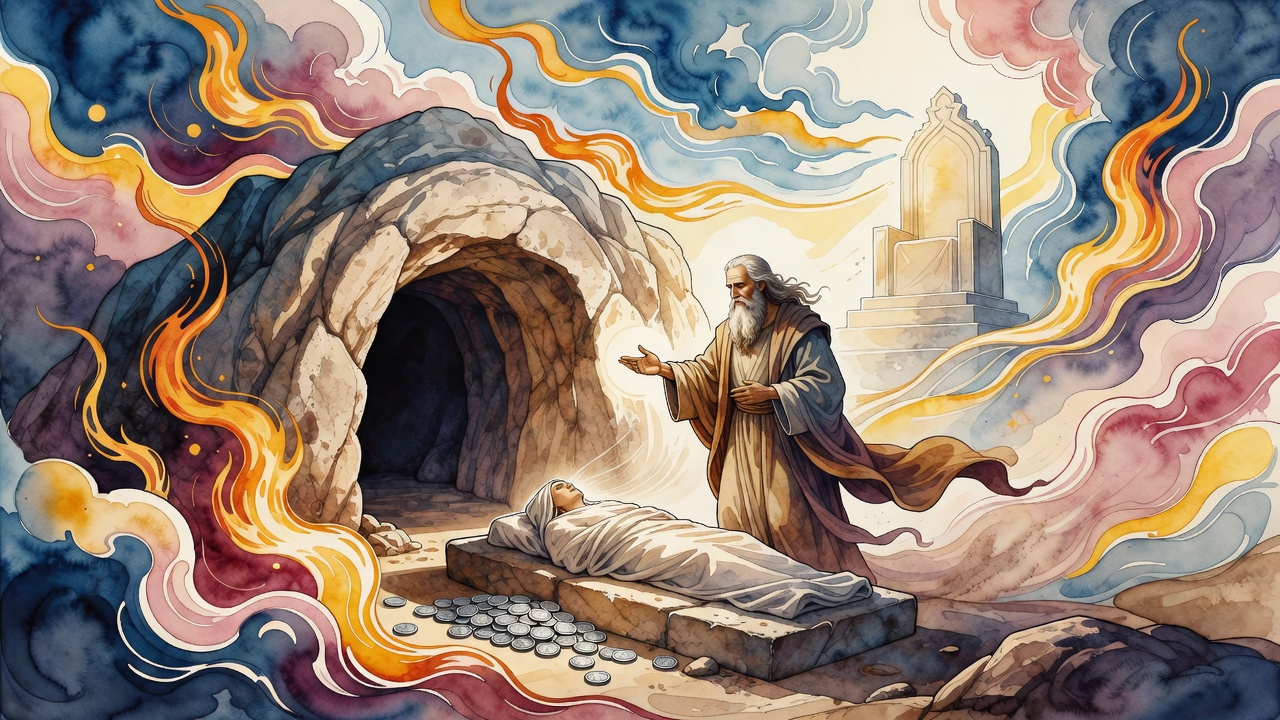
Hebron, in their reading, stood for the lowest-grade soil in Canaan, the refuse of the land. Zoan stood for the highest-grade soil in Egypt, the seat where officers gathered, a royal nerve (Isaiah 30:4). Sevenfold superiority is not a construction schedule. It is a hierarchy of holiness wearing the mask of years.

Even the worst of the Land of Israel, they concluded, outranks the best of Egypt. Crumbs from a king's table beat a commoner's feast. The claim is outrageous on purpose. It trains the eye to see value where tourist eyes see only dust and tombs.

Abraham bought a burial field there. Joseph's bones would one day pass through memory of that same ridge of earth. The "refuse" held patriarchs. The royal soil of Zoan held edicts against Hebrew sons.

A Land God Inquires After

Another teaching hears that God inquires after this land (Deuteronomy 11:12) and immediately blocks a jealous misreading. Does that mean heaven ignores every other field? Job already says God sends rain on land without a man, on desert where no person lives (Job 38:26). Care is wider than the border.

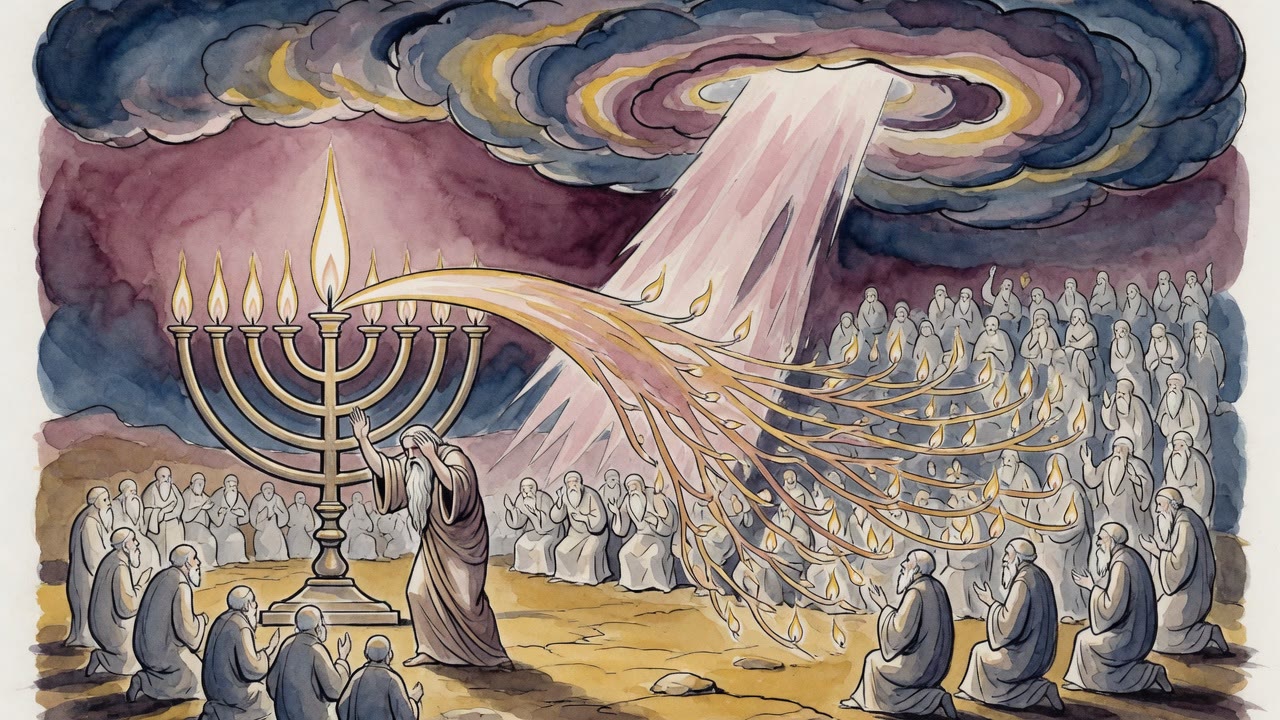
Rebbi's answer is delicate. It is as if God inquires only after it, and because He inquires after it, He inquires after all other lands along with it. A chef's best attention on the herb garden still flavors the whole kitchen. Focus becomes conduit. The land is a lens, not a prison for providence.

Rain falls elsewhere. The inquiry that sets the calendar of early and late rain for Israel still shapes how blessing is imagined to move through the world.

Spies in the Dust

When the spies walked Hebron's dust, they were walking the argument in advance. Giant clusters of fruit. Fear in the throat. The midrashic later claim that this low soil is still higher than Zoan would have sounded mad to men measuring walls. That is the point. Eyes trained by empire rank Zoan first. Eyes trained by covenant rank a burial cave and dry terraces higher than a capital's polish.

A student who has never farmed can still feel the insult to common sense. Good. The teaching wants the insult. It wants the moment when "best" and "worst" trade places because holiness is not loam content.

Egypt's Water and Israel's Sky

Egypt watered by foot, a garden of herbs forced by human spine. Israel drinks rain from heaven when the sky opens. Dependence looks like weakness to a Nile engineer. The sages call it intimacy. A land that must look up is a land that cannot pretend it is self-made.

Hebron's so-called refuse still looks up. Zoan's best soil looked along canals and thought the river was enough. Both places grow food. Only one is asked to teach a people how to wait on clouds.

What the Ranking Costs

To love Hebron as higher than Zoan is to accept that holiness may look like loss on a ledger. Tombs over palaces. Dust over officers. A seven-year figure that is really a sevenfold claim. The provocation that Egypt might be superior dies in that math, not because Egypt is nothing, but because the refuse of covenant ground still carries a weight no royal city can buy.

Night settles on both landscapes. In one, officers sleep near stores of grain. In the other, wind moves over Machpelah and over fields that will need rain. God inquires. The world, in Rebbi's image, is inquired after in the same motion. The student blows out the lamp with a new suspicion that the worst dirt he has ever walked might be the dirt that remembers his name.

A man who has farmed both kinds of dirt would laugh at the sages, then stop laughing when he remembers what grew in each place besides grain. In Zoan, decrees. In Hebron, graves that hold the first names of the people. Soil chemistry does not measure that harvest.

The spies who called the land devouring walked over the refuse that midrash would later crown. Fear made them honest about walls and dishonest about worth. The teaching that answers Egypt's superiority claim is a delayed correction to that fear: even what looks least is more than what looks most when the Name has bound itself to one ridge of earth.

Rebbi's wider care saves the doctrine from cruelty. Other lands are not trash. They receive rain without residents. They are inquired after in the overflow of the main inquiry. Hierarchy without hatred: Hebron above Zoan, and still a desert without a person watered because God is not a local idol. The student holds both sentences until they stop fighting and start orbiting the same center.


← All myths

From the tradition

Sources

2 sources

The texts behind this telling. Some cards carry a translation of the source; others are our own retelling of it, and each card says which. Every card links out to the original.

Sifrei Devarim 37:2Sifrei Devarim

Retold in our words. Read the original at the link below.Sifrei by Rabbi Shraga Silverstein · CC-BY

Let me tell you, they were masters of textual jujitsu, turning verses inside out to reveal hidden meanings. And sometimes, they got into arguments that sound, well, a little… strange to our modern ears.

Take this one, from the Sifrei Devarim, a collection of legal midrashim (rabbinic interpretive commentary) on the Book of Deuteronomy. The topic at hand? The superiority of Eretz Yisrael – the Land of Israel. Seems like a given. But someone, somewhere, dared to suggest: "Hold on a minute! Maybe the Torah is actually talking about the superiority of Egypt!"

How do you argue against that? You could But that’s not the rabbinic style here. Instead, the text throws a curveball, a verse from the Book of Numbers (Bamidbar 13:22): "And Chevron was superior, seven-fold to Tzoan in Egypt." Or, more literally, "Chevron was built seven years before Tzoan."

Okay, unpack that. Chevron – Hebron – is in the Land of Israel. Tzoan – Zoan – was a major city in ancient Egypt. According to the Sifrei Devarim, Chevron represented the lowest-grade soil in Canaan, while Tzoan was the highest-grade soil in Egypt.

So, what's the argument?

The comparison isn’t about soil quality per se, but about relative value and importance. The text goes on to explain why Tzoan was so significant. As it says in (Isaiah 30:4), "For its (Egypt's) officers were in Tozan," making it the seat of Egyptian royalty. In other words, Tzoan was the top of the heap in Egypt.

And Chevron? According to this reading, Chevron was built of the "refuse" of Eretz Yisrael. It was considered the dregs, the leftovers.

But here’s the kicker: Even the worst of the Land of Israel, represented by Chevron, is still superior to the best of Egypt, represented by Tzoan! That's the power of the land's inherent holiness.

It's not about literal construction dates, but about a hierarchy of holiness. Even the least desirable part of the Promised Land trumps the most glorious part of a foreign land. Think of it like this: even the crumbs from a king's table are better than a feast at a commoner's.

What does it truly mean to value something? Is it about inherent quality, or about the context, the history, the spiritual weight it carries? Perhaps, sometimes, the things we overlook, the places we consider "refuse," hold a hidden power, a spark of holiness that makes them more valuable than anything else.

Full source
Sifrei Devarim 40:1Sifrei Devarim

Retold in our words. Read the original at the link below.Sifrei by Rabbi Shraga Silverstein · CC-BY

(Deuteronomy 11:12) tells us that it is "a land which the L-rd your G-d inquires after." But wait a minute. Does that mean God only cares about Israel? Doesn't seem quite right, does it?

Rebbi, one of the sages whose teachings are recorded in Sifrei Devarim, wrestles with this very question. He points out that the Book of Job (38:26) tells us God makes it rain “upon a land without a man, a desert in which there is no person.” Clearly, God’s attention extends beyond the borders of the Promised Land.

So, what’s the deal? What does it mean that God “inquires after” Eretz Yisrael specifically?

Rebbi offers a beautiful explanation: It's as if God inquires only after it. But, because He inquires after it, He inquires after all the other lands along with it.

Think of it like this: imagine a master chef meticulously tending to their prized herb garden. They water it, weed it, and ensure it gets the perfect amount of sunlight. Does that mean they neglect the rest of their garden? Not necessarily. Their special attention to the herbs ensures the quality of their entire culinary creation.

In the same way, God's focused attention on Eretz Yisrael serves as a conduit for blessing and providence to the entire world. The land becomes a focal point, a concentration of divine energy that radiates outward. It's a reminder that even in the vastness of creation, there are places and moments that hold a special significance, influencing everything around them.

The idea that our actions, our intentions, can have ripple effects far beyond what we can see. And that sometimes, focusing our attention on a particular thing, a particular place, can be the key to unlocking blessings for the entire world.

Full source