When Prayer Reached Heaven and When Heaven Sent the Angels Back
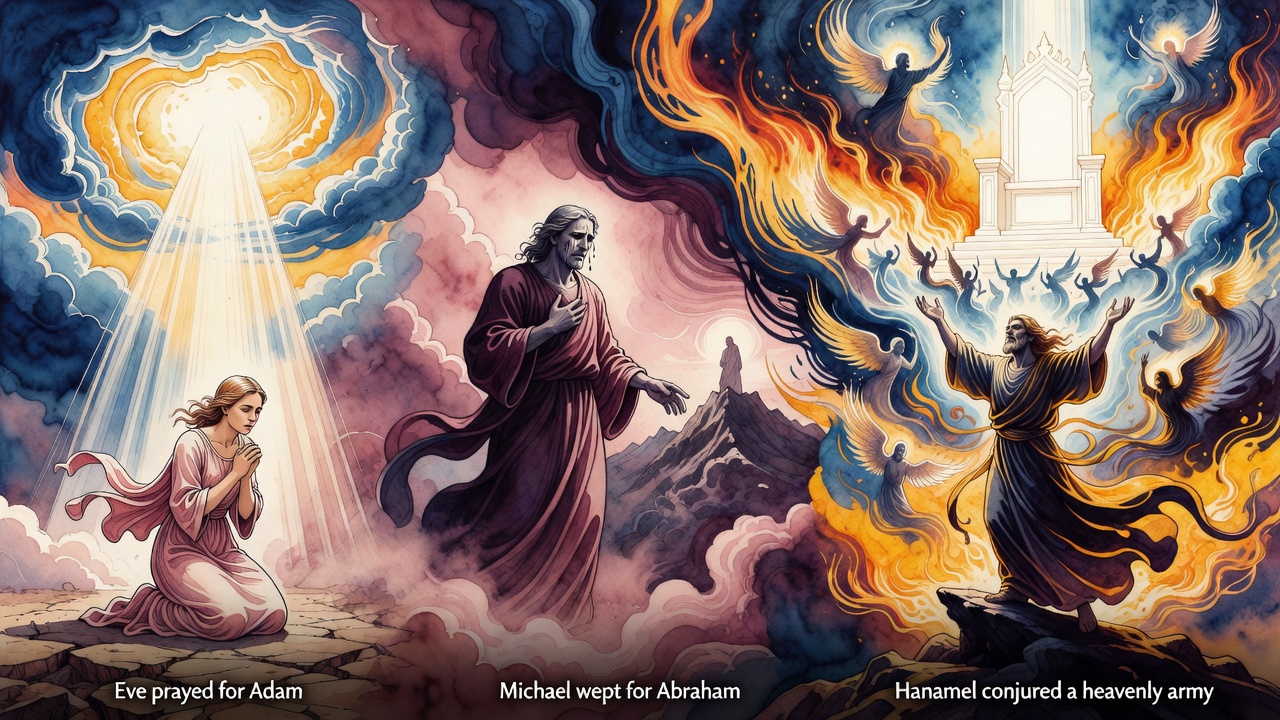
Eve prayed for Adam. Michael wept for Abraham. Hanamel conjured a heavenly army. Three petitions reached the throne, and only two came back answered.
Table of Contents
 Click for full size
The First Prayer Had No Form to Follow
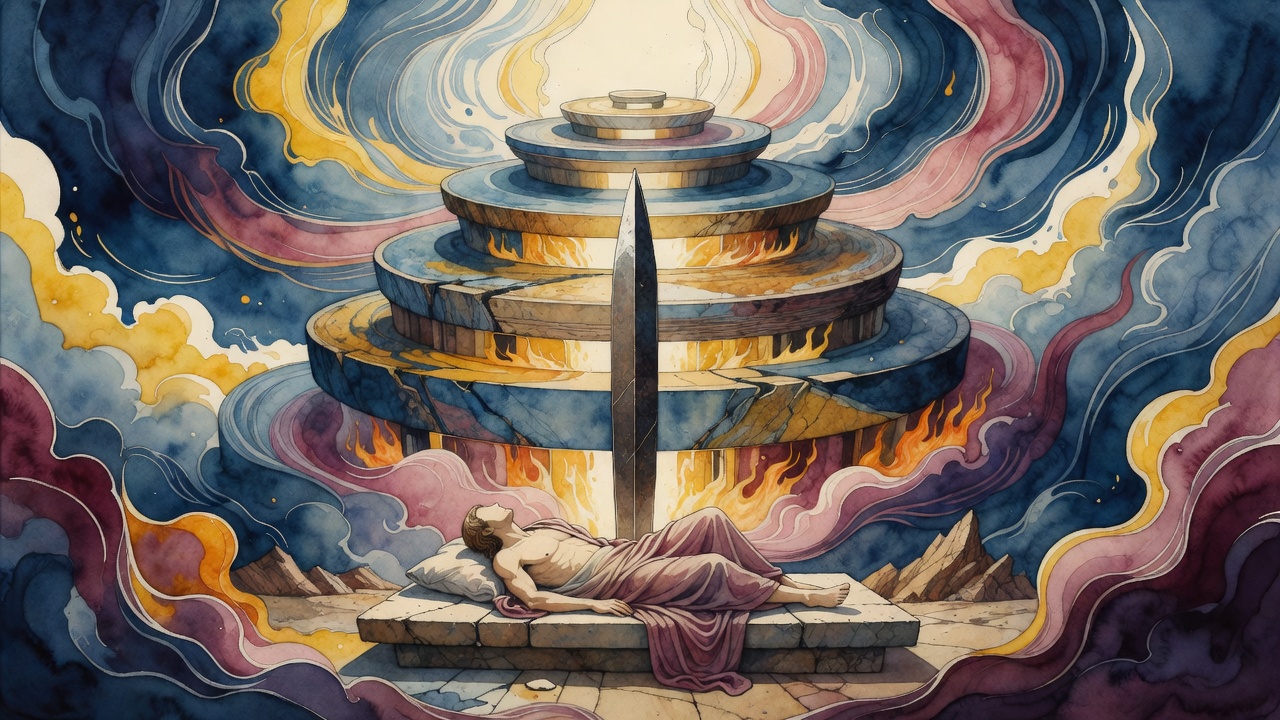
Adam was dying and he knew it. He had been dying slowly since the day they left the garden, his radiance contracting, his body learning the weight it had never carried before. Now the process was finishing and he had instructions for his wife: do not touch him, wait beside him, pray. An angel would come.
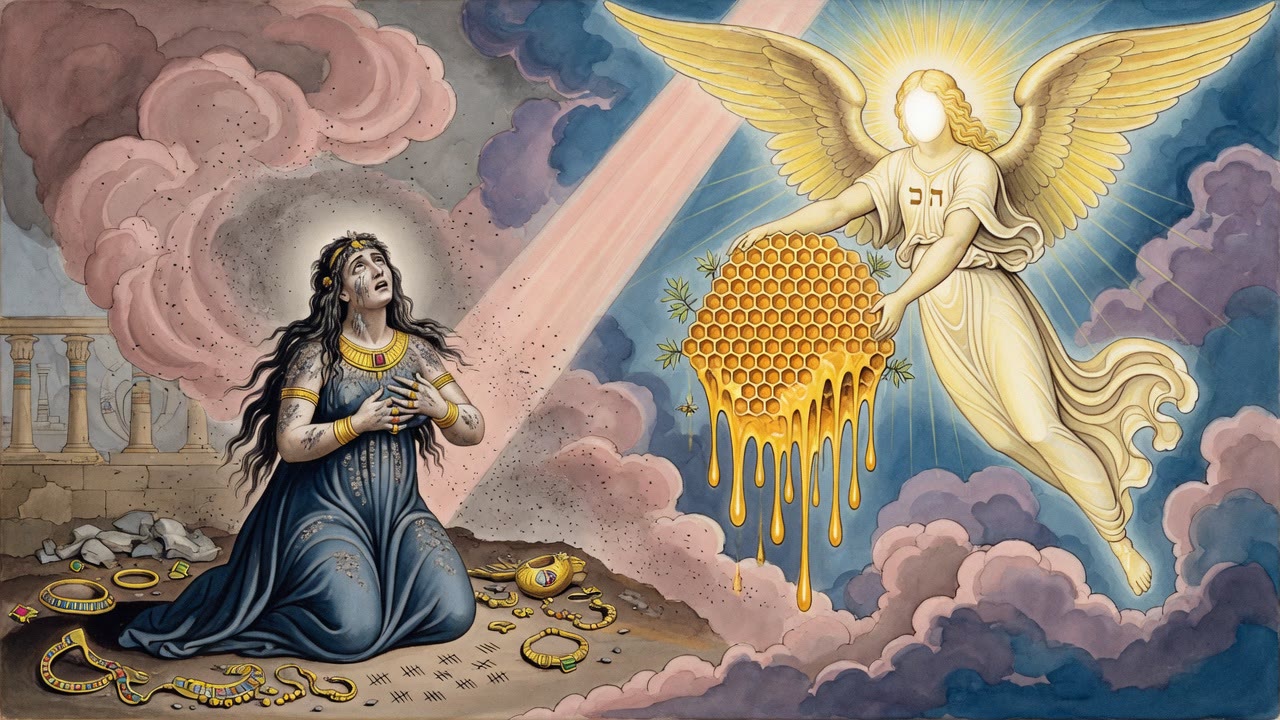
Eve knelt on the ground beside her dying husband and found there was no prayer she knew how to say. There was no liturgy. There was no tradition. There was only a woman and a man and a silence that had never been used for this purpose before. The first human woman, kneeling beside the first human man, asking the heavens to receive him gently. The rabbis called it the first prayer ever offered for the dying. Whatever she said, she was the one who invented the form.
What she saw next stunned her. A chariot of light descended, drawn by four shining eagles. Angels moved around it burning incense. The sun and moon dimmed at the edges of the sky. Her son Seth had to explain it: those lights cannot shine in the presence of the Father of lights. The whole created order was going quiet to make room for what was happening at that campfire in the dark outside the garden gate.
A trumpet sounded through the heavens. God reached forward from the throne and lifted Adam by the wrist. He handed the first man to Michael with a single command: take him to paradise. Keep him there until the great and fearful day. Then the chariot rose and the lights came back and Eve was alone on the ground where her husband had been.
Michael Stood Between Abraham and the Fire
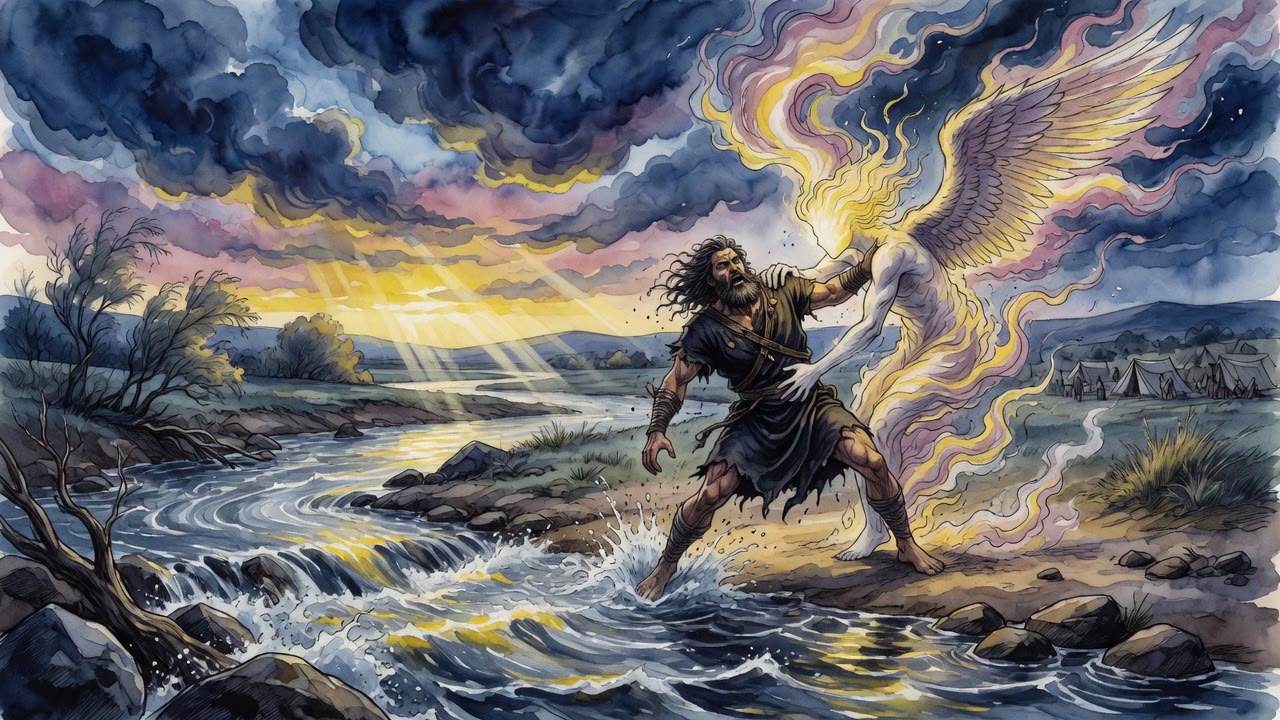
Generations later, a different kind of prayer rose from the earth. Abraham had been thrown into a furnace by Nimrod, the king who read in his astrologers' charts that a child had been born who would one day challenge his power. Abraham was that child, now grown, and the furnace was the king's answer to a theology he could not argue down. Abraham did not pray in the furnace. But Michael did.
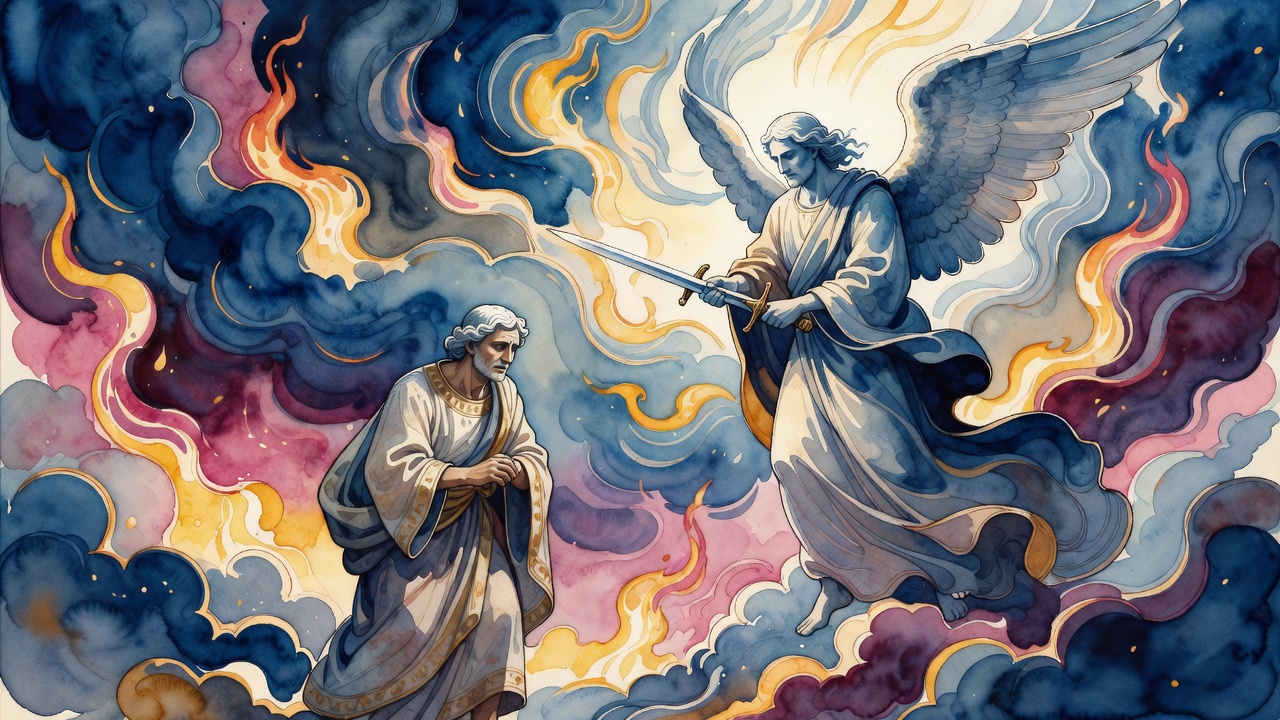
The angel stood before the throne and asked permission to save the man below. God gave it. Michael descended into the furnace and the fire turned cool. Abraham walked out unburned, and the noblemen who had pushed him in were scorched by the heat as they watched him walk away from it. What Michael's prayer accomplished was not just a rescue. It was a statement about whose fire it actually was. Nimrod's furnace could be cooled by the angel who served its maker.
Hanamel Opened a Book That Should Not Be Opened
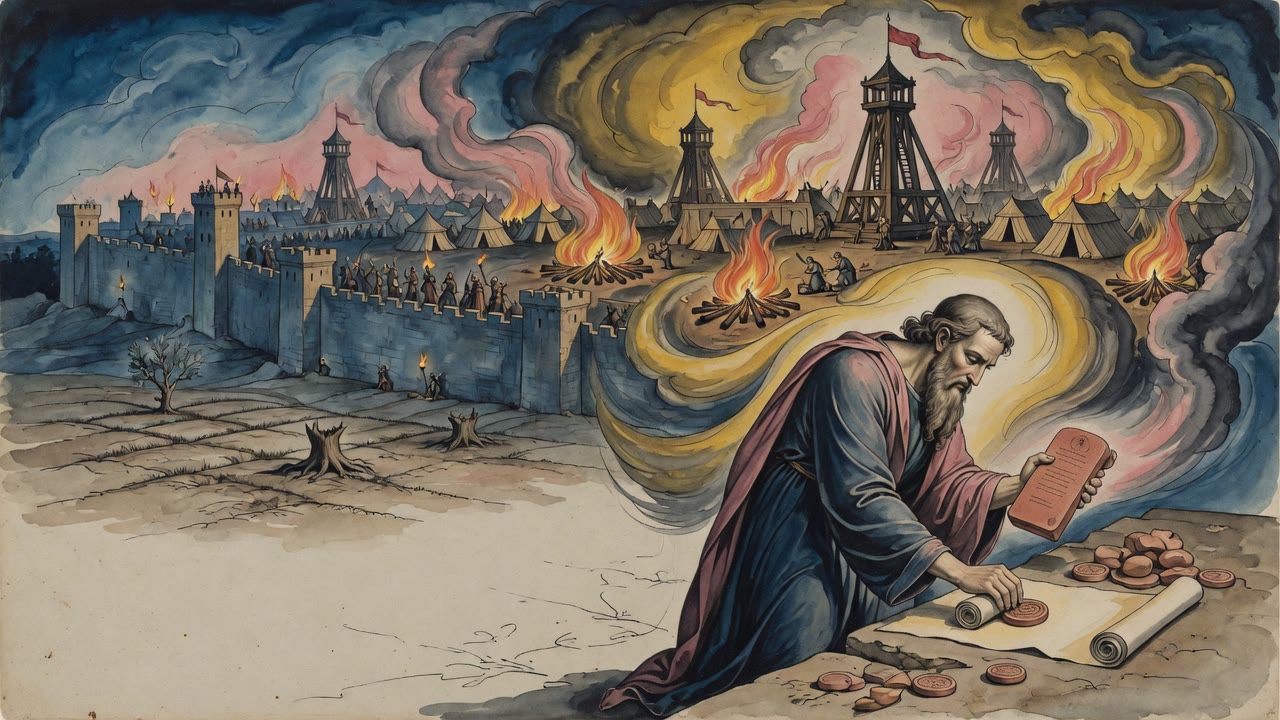
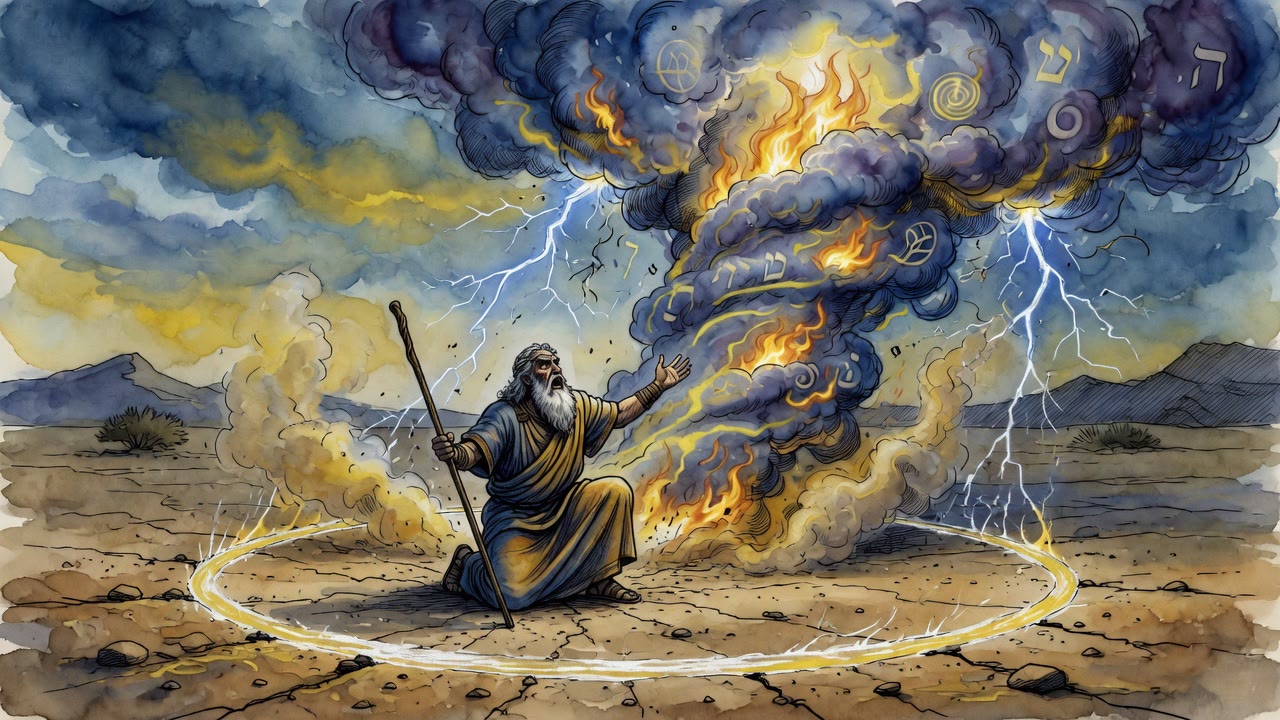
Much later, when Jerusalem was already surrounded and the Babylonian army was already counting the days, a priest named Hanamel tried a different approach. He knew the traditions. He had access to texts that described the names of the angels who kept the Temple's walls standing. So he called them. He opened the gates of the Temple and spoke the hidden names aloud, and the angels came.
Then he gave them the keys. He stood in the burning city and threw the Temple keys up into the sky and told the angels to take them back to God, because he and the other priests could no longer keep what they had been given. A hand reached down from the clouds and took the keys.
This prayer was answered, but not with what Hanamel wanted. He wanted an army. He got a receipt. The angels did not fight. The city fell as it was going to fall. The difference between Hanamel's prayer and Eve's prayer or Michael's prayer was not about sincerity or knowledge. It was about timing. Some moments are for rescue. Other moments are for release. Hanamel had the courage to know the difference even while his heart was refusing it.
What the Three Petitions Share
Eve asked with no words and no precedent and received a chariot. Michael asked with permission and received a cool furnace. Hanamel asked with secret names and received the acknowledgment that what he was releasing had been received. Three petitions, three answers, none of them turned away. The tradition that preserved all three understood what it was teaching: that prayer reaches heaven, but heaven decides what to send back. The gap between what was asked and what arrived was not failure. It was the shape of the covenant.
← All myths