Translation of the source text.Tanna debei Eliyahu Zuta, Warsaw 1880 · Public Domain
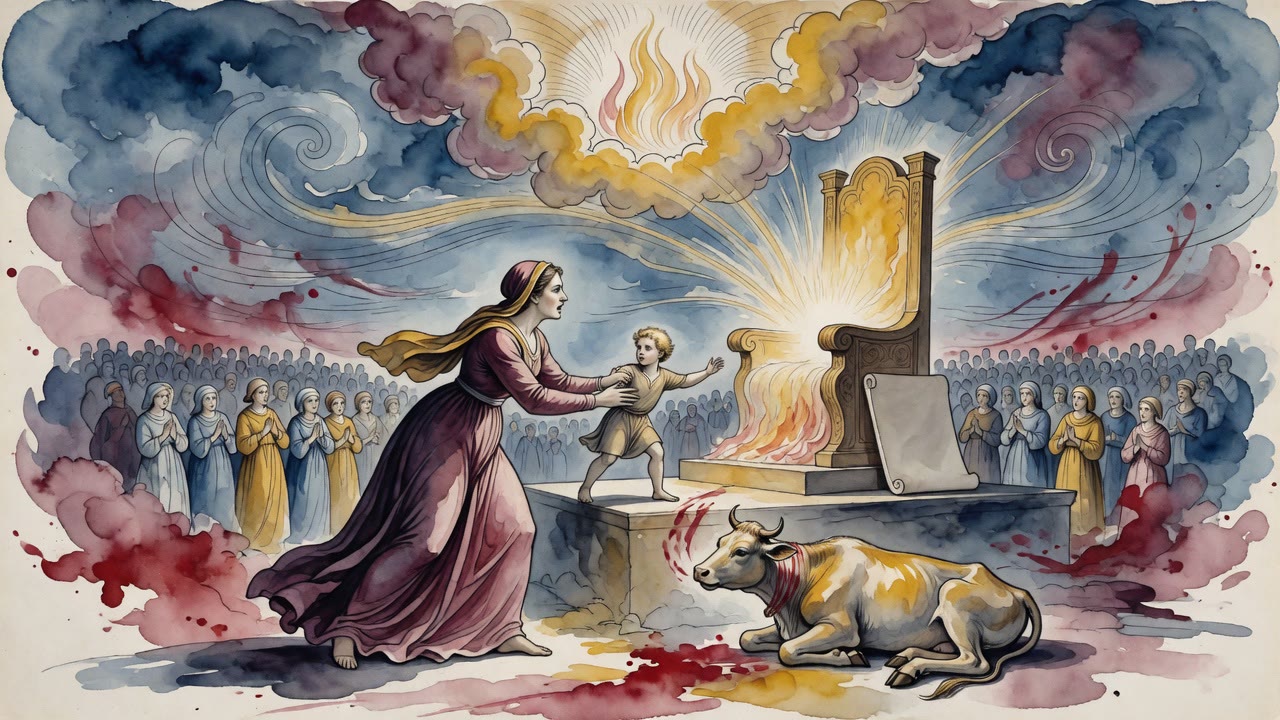
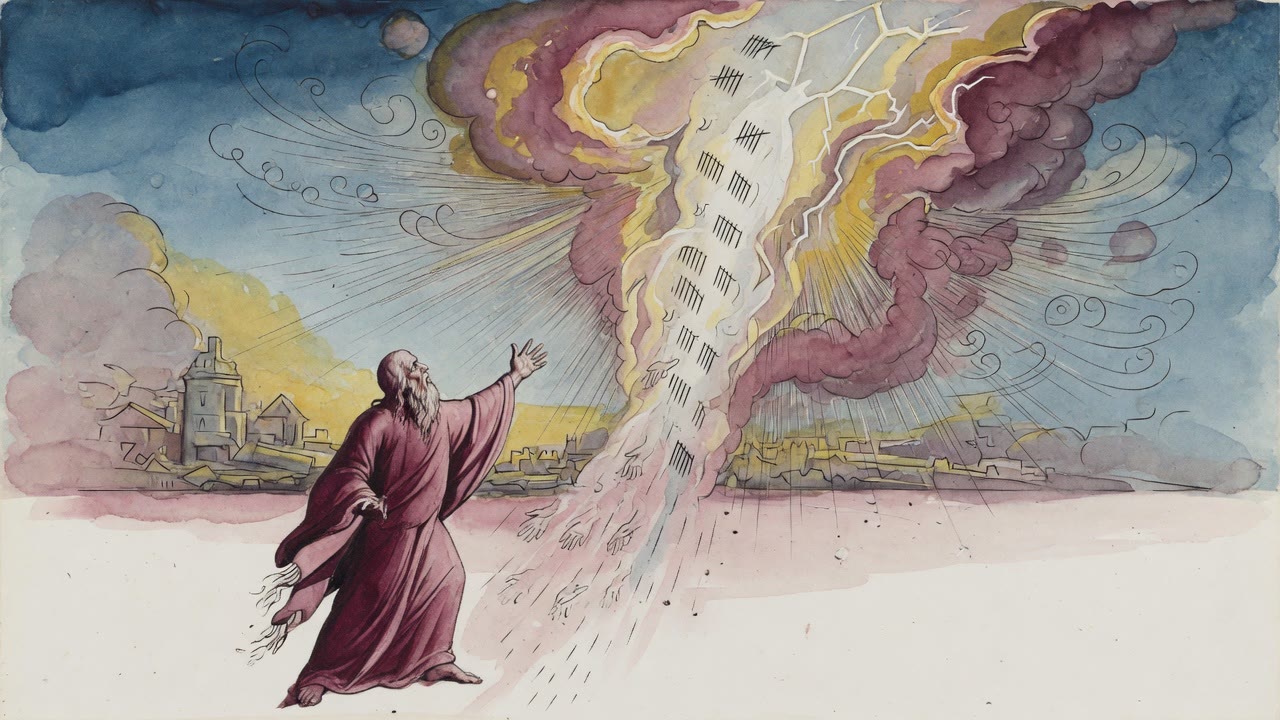
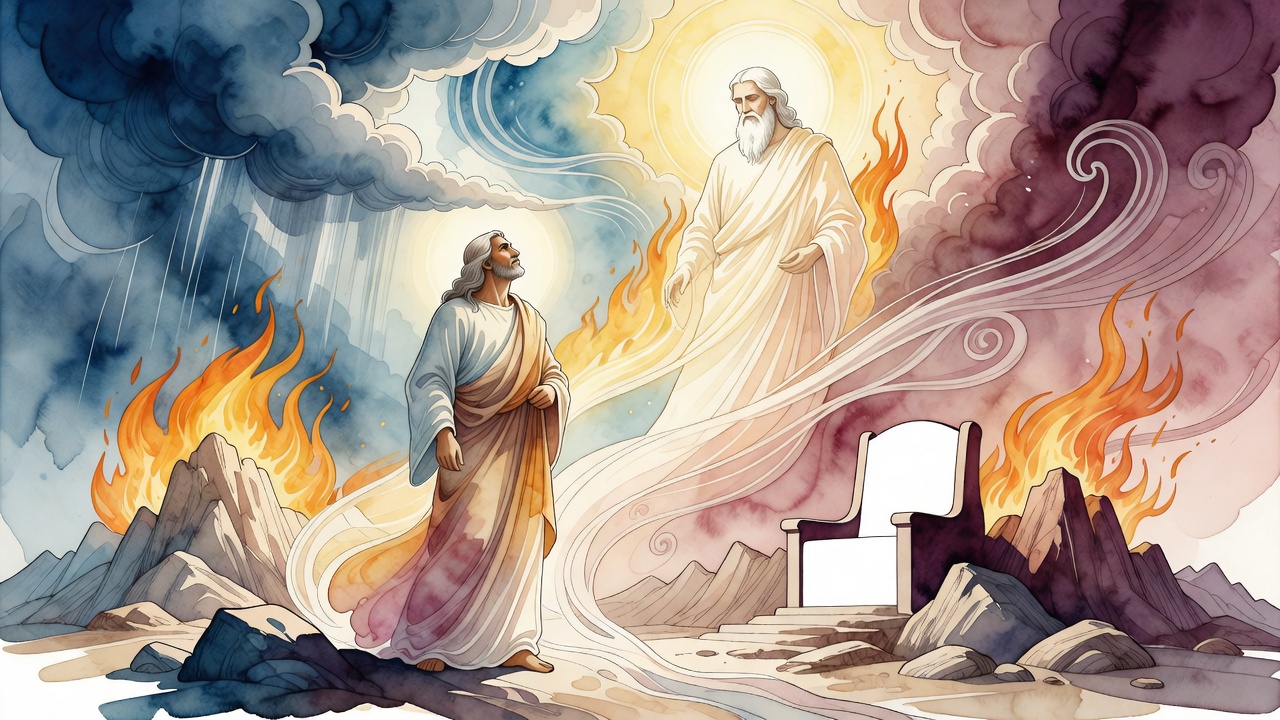
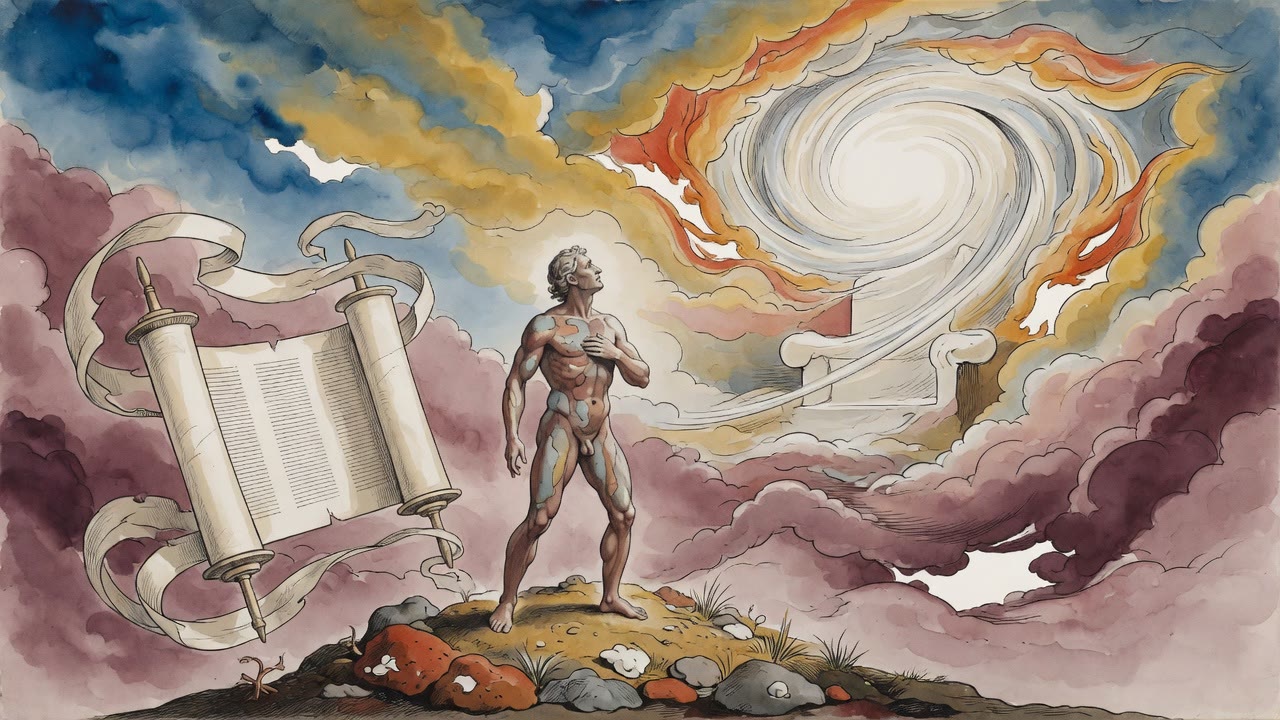
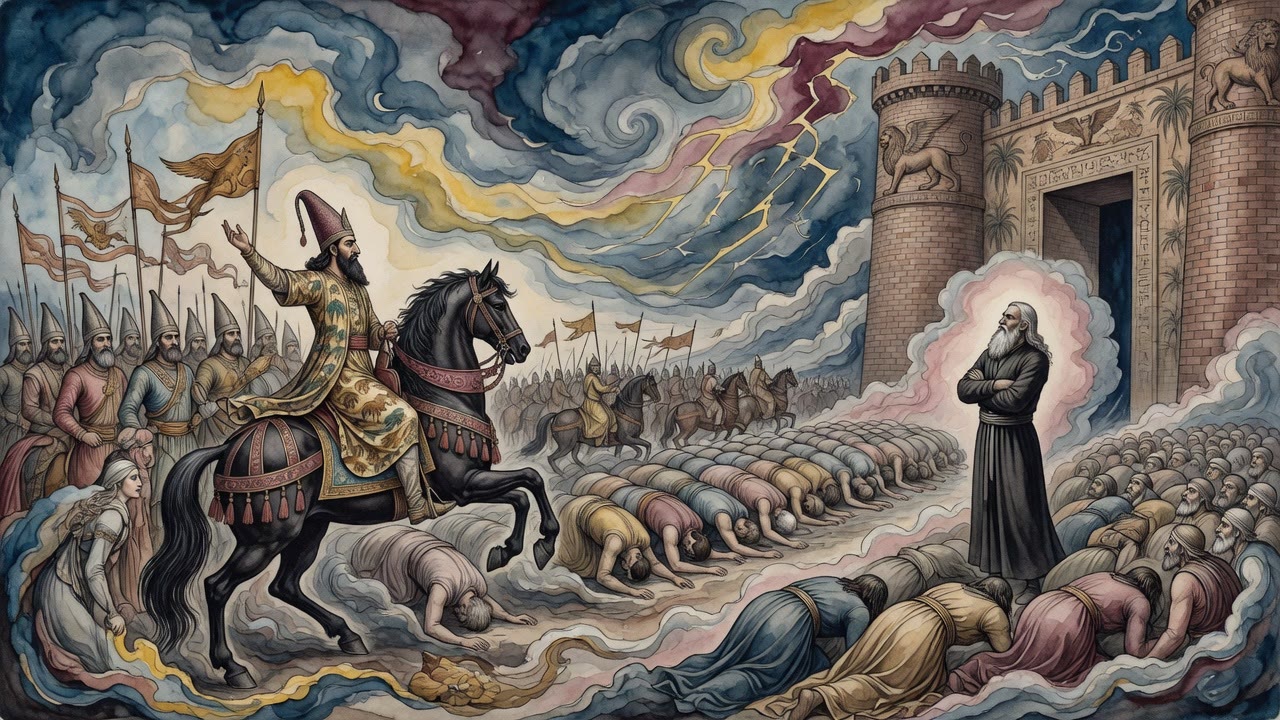
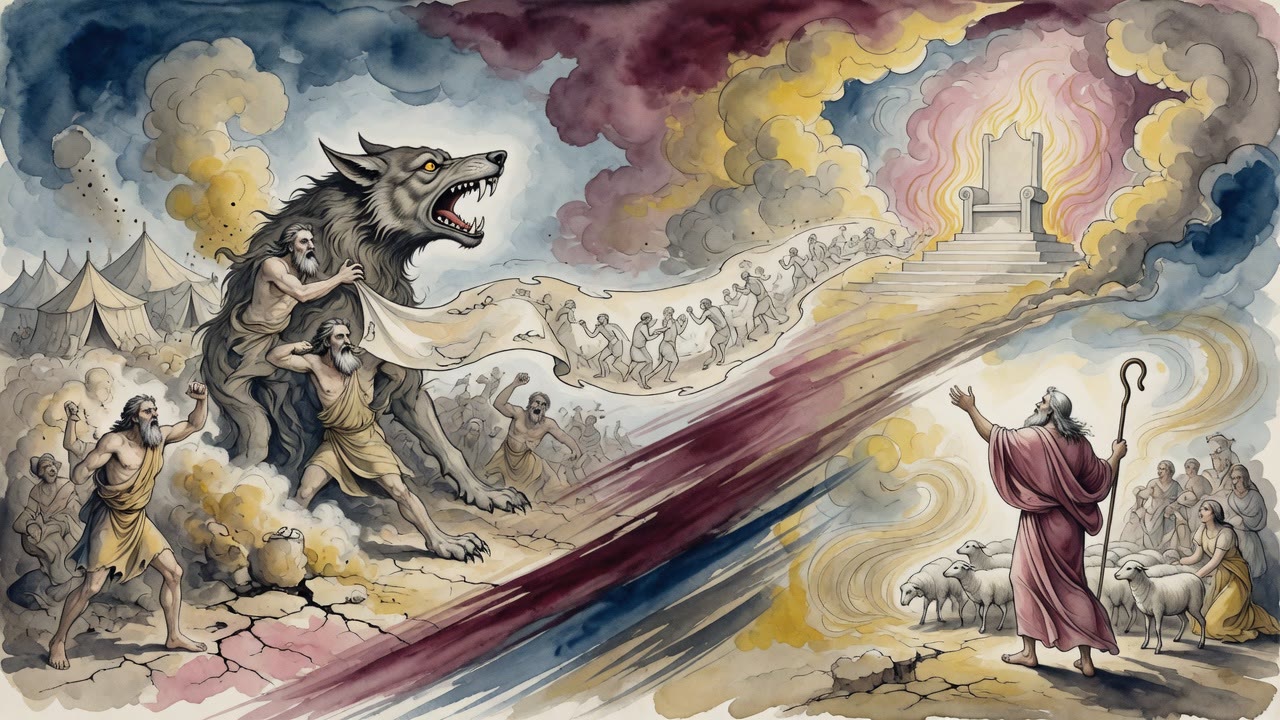
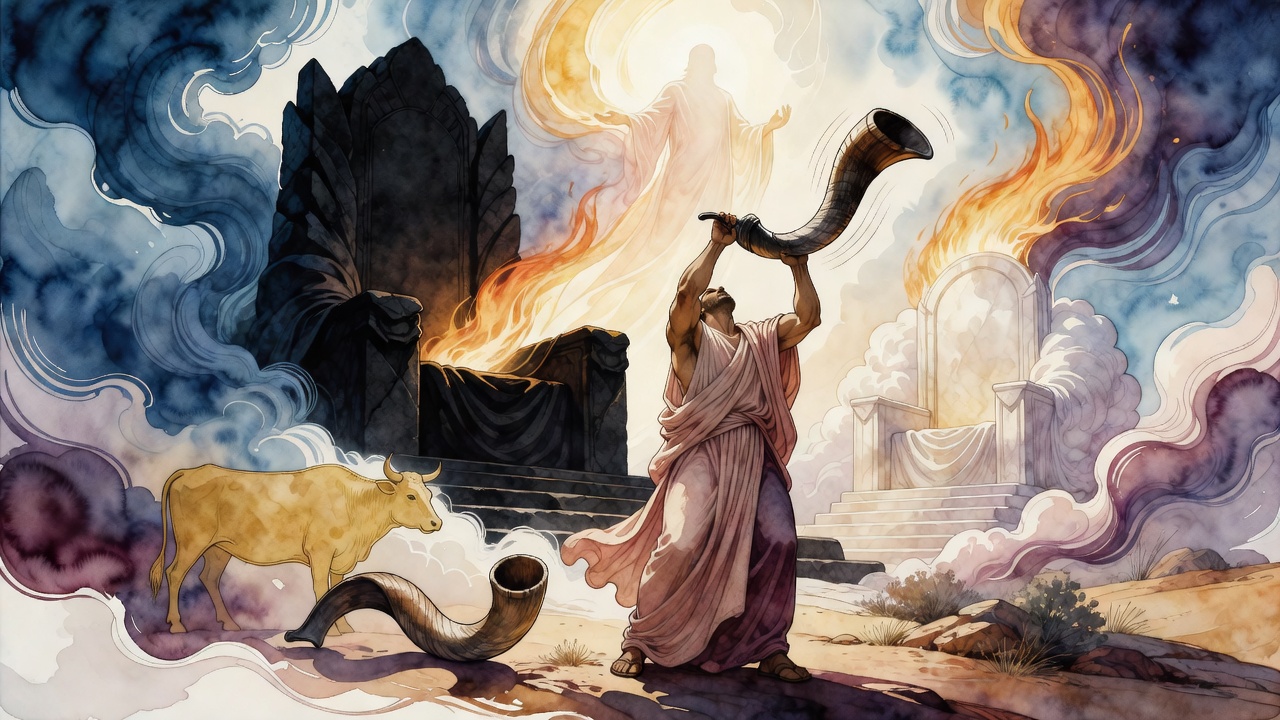
The sages taught: be lowly and humble to every person, and to the people of your household more than to anyone. And from where may you know that it is so? Go forth and learn from the Holy One, blessed be He, who was lowly and humble to His people in every place, and did not deal with them according to their ways, and did not judge them according to their iniquities, but treated them with His trait of humility. And from where do you know that it is so? You may learn it from the hundred and twenty days, from the day the Torah was given to Israel until the Day of Atonement: they are a hundred and twenty days, from the day Moses went up to Mount Sinai the first time to bring the Torah to His people Israel, until he came down from Mount Sinai the last time, the third time. And were it not that the Holy One, blessed be He, dealt with them with the trait of humility, the Torah would not have been given to Israel. They told a parable: to what is the matter like? To a king of flesh and blood who betrothed a woman and loved her with a complete love. What did the king do? He sent and brought a certain man to make him a messenger between himself and her, and showed him all his bridal canopies and all his chambers and all his hidden places; and afterward he said to that messenger, "Go to that woman and tell her that I need nothing of hers; only let her make me a small canopy, so that I may dwell and abide with her, in order that my servants and the members of my household may know that I love her with a complete love." And while the king was occupied with the canopies, and with charging the messenger, and with sending the woman many gifts, people said to him, "Your wife has played the harlot with another." Immediately the king lets everything fall from his hand, and the messenger was thrust backward and went out in panic from before the king. And so was the matter with the Holy One, blessed be He, and Israel, as it is said (Exodus 32:7), "Go down, for your people has become corrupt," and so forth; and it is written (Song of Songs 1), "While the king was at his table, my nard gave forth its fragrance." Blessed is He who spoke and the world came into being, blessed is He; blessed is He who does the Work of Creation; blessed is He who speaks and does; blessed is He who decrees and fulfills; blessed is He who remembered the former things and removed the latter ones, for it should have said, "my nard gave forth its stench," and not "gave forth its fragrance." And once Israel had accepted the kingship of the Holy One, blessed be He, upon themselves and said, "All that the Lord has spoken we will do and we will hear" (Exodus 24:7), immediately six hundred thousand ministering angels came down and placed upon the head of each one of Israel two crowns like the crown of Adam, one corresponding to "we will do" and one corresponding to "we will hear," as it is said (Exodus 19), "And you shall be to Me a kingdom of priests and a holy nation." And once Israel offended through the deed of the calf, a hundred and twenty thousand angels of destruction came down and took them from them, as it is said (Exodus 33), "And the children of Israel stripped themselves of their ornaments from Mount Horeb." One might think forever; therefore Scripture teaches (Isaiah 55), "And the ransomed of the Lord shall return and come to Zion with singing, and everlasting joy upon their heads; they shall obtain gladness and joy, and sorrow and sighing shall flee away." It does not say "in their heart" but "upon their heads"; rather, this teaches that the Holy One, blessed be He, is destined to restore them to Israel in the days of the son of David and in the World to Come; therefore it is said, "and everlasting joy upon their heads." And what thought was in the mind of the Holy One, blessed be He? Thus was in the mind of the Holy One, blessed be He: every nation and kingdom that would come and accept the Torah would be living and existing forever and ever, as it is said, "And the tablets were the work of God, and the writing was the writing of God, engraved (charut) upon the tablets" (Exodus 32). Do not read "engraved" (charut) but "freedom" (cherut), for you have no free man (ben chorin) except one over whom the Angel of Death does not rule; and once they made the calf, the Angel of Death returned over them, as it is said (Numbers 21:19), "and from Mattanah to Nahaliel", from the giving (mattan) of the Torah they inherited God (nachalu El); and once they worshiped idolatry, the Angel of Death came upon them, as it is said, "I said, You are gods, and all of you sons of the Most High; nevertheless, after you corrupted your deeds, like men you shall die" (Psalms 82). But of Aaron it is written (Malachi 2:6), "The Torah of truth was in his mouth, and injustice was not found on his lips; in peace and uprightness he walked with Me, and turned many away from iniquity; for the lips of the priest guard knowledge, and they seek Torah from his mouth, for he is a messenger of the Lord of Hosts." And would it enter your mind that Aaron worshiped idolatry, God forbid? Rather, Aaron did not worship idolatry, but he delayed them until Moses should come; and in the manner that Jacob our father did, who used to fulfill the entire Torah before the Torah was given, and intended to abolish idolatry, as it is said (Genesis 35:2), "And Jacob said to his household and to all who were with him, Put away the foreign gods that are among you, and purify yourselves, and change your garments; and they gave to Jacob all the foreign gods that were in their hand," and so forth, "and Jacob hid them under the oak that was by Shechem." And what was his reward for that commandment? This is what is said afterward (ibid.), "And they journeyed; and a terror of God was upon the cities that were round about them, and they did not pursue after the sons of Jacob." And likewise Aaron intended to abolish idolatry and was fulfilling the Torah before it was given; and even so Scripture accounts it to him as if he worshiped idolatry, as it is said (Exodus 32:35), "And the Lord struck the people, because they made the calf which Aaron made." The sages said: when Moses came down from Mount Sinai and saw the offense with which Israel had offended, Moses looked at the tablets and saw that the writing had flown off from them, and he broke them at the foot of the mountain; immediately Moses became dumb, and could no longer speak. From that hour a decree was issued upon Israel that they would learn the Torah out of distress, and out of subjugation, and out of wandering, and out of confusion, and out of straits, and out of having no provisions; and for that distress the Holy One, blessed be He, is destined to pay them their reward in the days of the son of David and in the World to Come, as it is said (Isaiah 40:10), "Behold, the Lord God will come with strength," and so forth; and in tradition it says (Job 41:3), "Who has preceded Me, that I should repay him?", He is for me, for my good the leg of my cow has been broken, so that my wages may be complete. And in the middle forty days of Moses, Moses took the tent and pitched it for himself outside the camp, as it is said (Exodus 33:7), "And Moses would take the tent and pitch it for himself outside the camp"; and Israel were mourning and conducting mourning over themselves all those forty days, until the King of the kings of kings, the Holy One, blessed be He, may His name be blessed forever and ever, was revealed and opened for Moses an opening of mercy, and the Holy One, blessed be He, said to Moses, "Moses, what are those poor ones doing, banished from the teacher, banished from the disciple, banished from Me, banished from you? Rather, retract, and bring the tent into the camp," as it is said (Exodus 33), "And the Lord spoke to Moses face to face, as a man speaks to his fellow." This verse, I do not know its meaning; but when it says afterward, "and he returned to the camp," it teaches that the Holy One, blessed be He, released for Moses his vow and told Moses to bring the tent into the camp. They told a parable: to what is the matter like? To a king who is angry with his son, and one of the great ones of the kingdom was sitting before him and was afraid to rescue him. Once he heard that the king said to his son, "You empty one, were it not that so-and-so my friend is sitting before me, I would already have struck you great blows," that friend said in his heart, "This matter depends on me"; immediately he arises and rescues him. And so was Moses likened at that hour; and likewise what is said (Exodus 32), "And Moses entreated the face of the Lord his God, and said, Why, O Lord, does Your anger burn against Your people whom You brought out of the land of Egypt?" and so forth; and once Moses said afterward (ibid.), "Why should the Egyptians say, For evil He brought them out, to slay them in the mountains?" and so forth, "Remember Abraham, Isaac, and Israel Your servants," and so forth, immediately the Holy One, blessed be He, was humble toward them and forgave them; therefore it is said afterward (ibid.), "And the Lord relented of the evil," and so forth. And in the last forty days, when Moses went up to Mount Sinai to bring the Torah, they decreed a day of fasting and abstinence; and on the last day of them all, which is the end of the forty days, they decreed a fast and spent the night in their fasting, so that the evil inclination should not rule over them. And on the next day they rose early and went up before Mount Sinai; Israel were weeping toward Moses, and he was weeping toward them, until their weeping went up on high. At that hour the mercies of the Holy One, blessed be He, were stirred over Israel, and He accepted their repentance; the Holy Spirit brought them good tidings and consolations, and the Holy One, blessed be He, said to Israel, "My sons, I swear by My great name and by My Throne of Glory that this weeping of yours shall be turned into gladness and great joy, and this day shall be for you a day of pardon and atonement and forgiveness, for you and for your children and for your children's children, until the end of all generations."

 Click for full size