Yehoyakhin Guarded the Last Seed of David
Nebuchadnezzar locked Yehoyakhin away under a decree of childlessness. Prison piety and a queen's hairdresser reopened the line that led to Zerubbabel.
Table of Contents
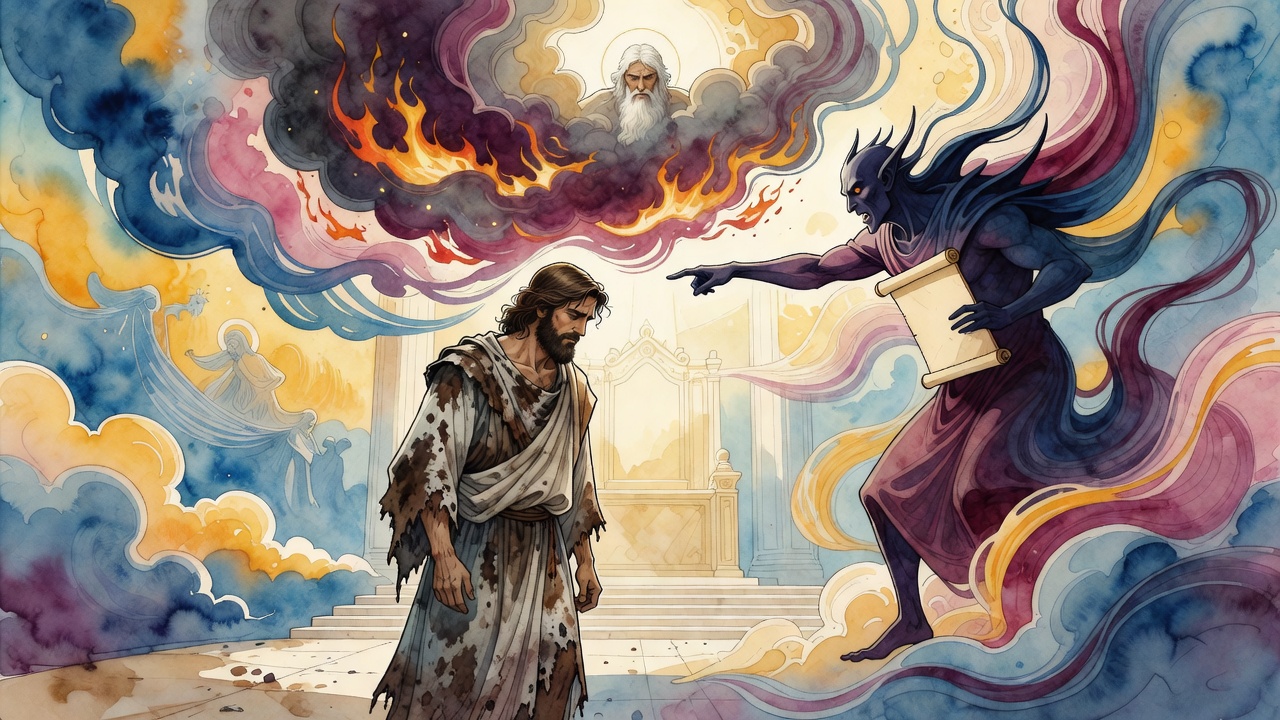
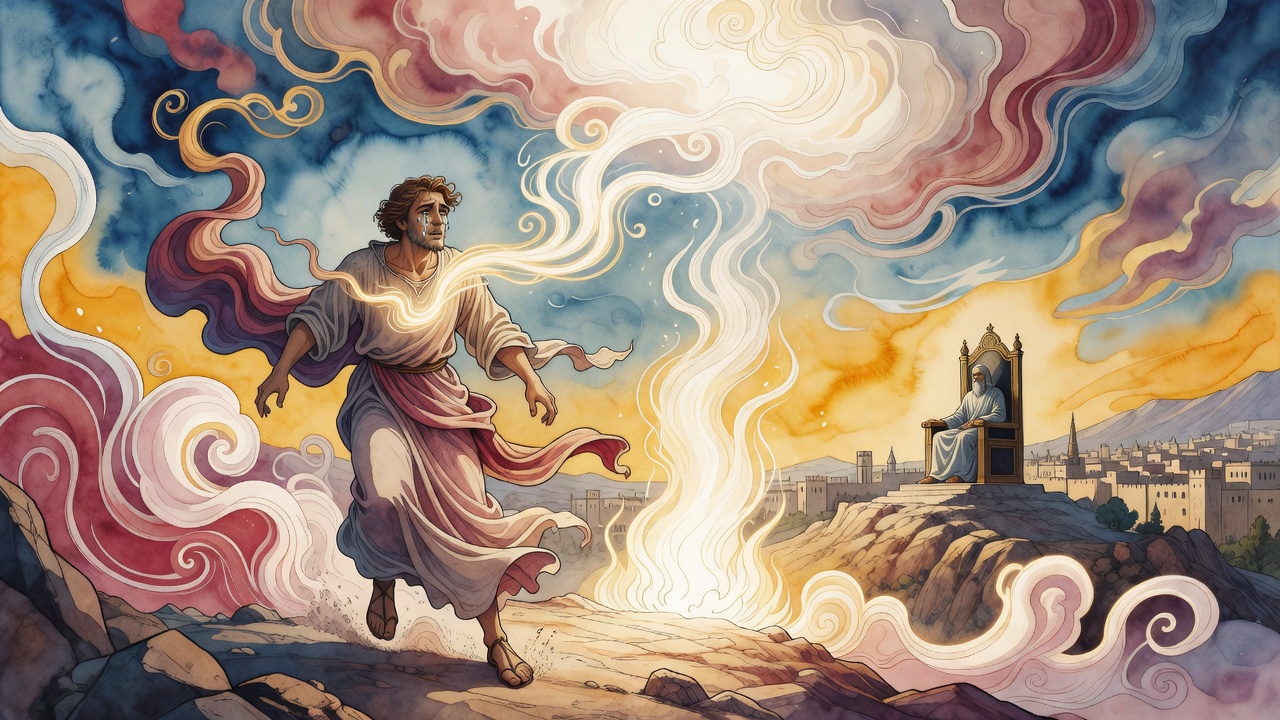
Yehoyakhin walked out of Jerusalem with his hands open and his city still standing behind him. He gave himself to Nebuchadnezzar's men so the stones might be spared. They swore. They lied. Ten thousand nobles and scholars followed him into exile anyway, and the House of David went into a cage with a prophet's curse already drying on the bars.
 Click for full size
"Write this man childless," the word had run (Jeremiah 22:30). Israel looked at the last living branch and saw it cut.
The Signet Torn From the Hand
Jeremiah had spoken as if the king were a ring on God's right hand ready to be yanked free. "As I live, if Konya son of Yehoyakim were a signet on My right hand, I would sever you from there" (Jeremiah 22:24). The oath sounded final. The midrash heard a crack in the Hebrew. Etkenka, I will sever you, could be read toward atakenkha, I will rectify you. From the place of cutting, repair. From the prison, a second chance shaped like repentance.
The people did not feel that hope yet. They only felt the end of a dynasty pressed into one young man's cell. Ezekiel had already ridden east in an earlier wave. The brain of Judah was scattering, and the heart of the royal line beat behind foreign locks.
A King Who Would Not Break Niddah
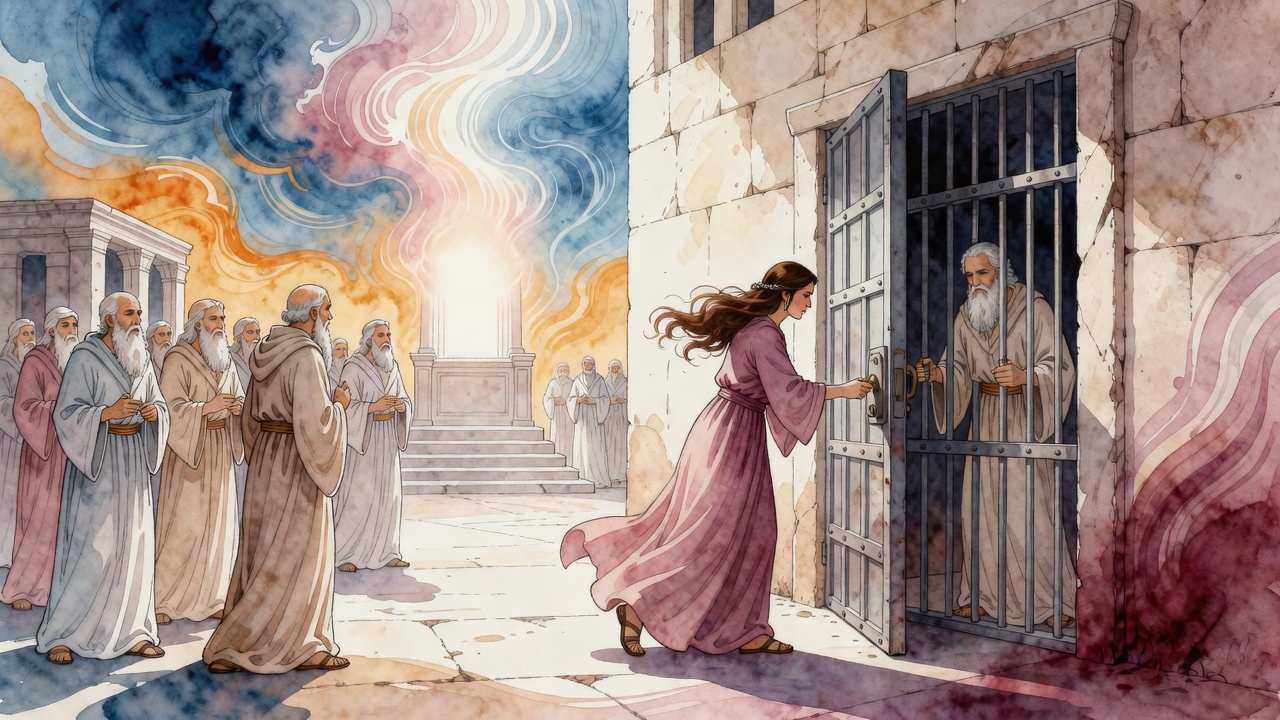
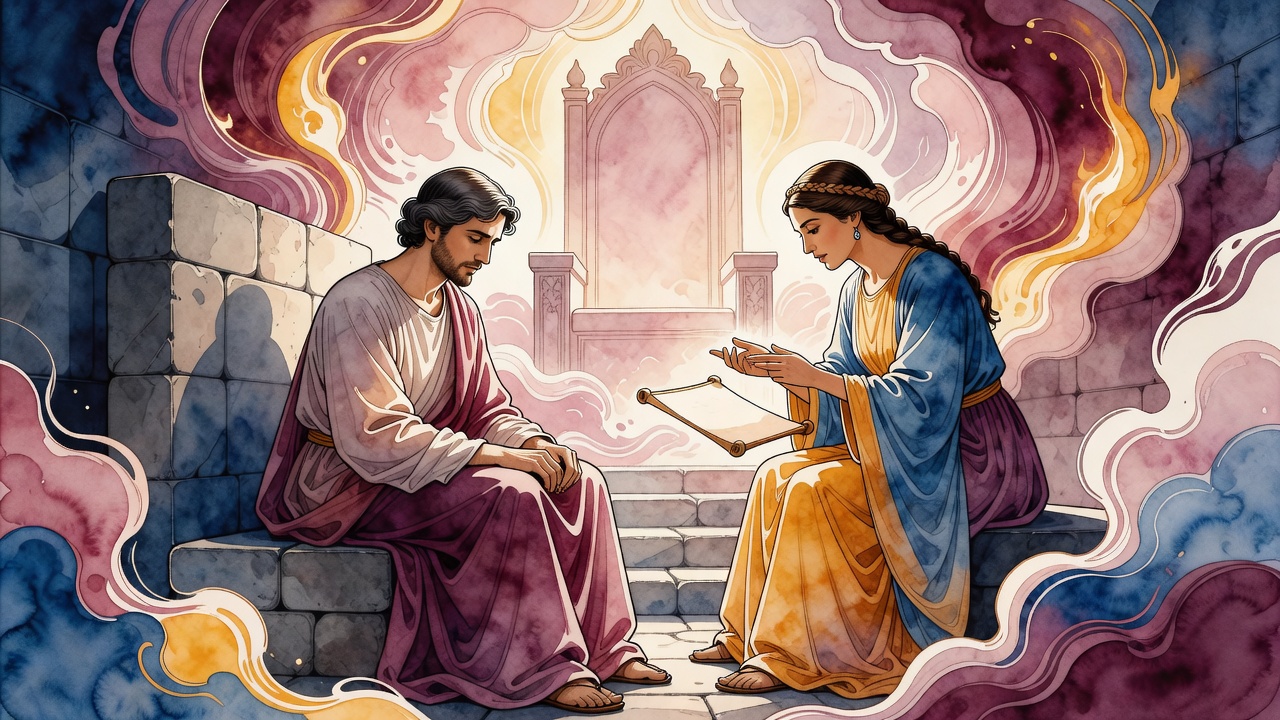
The Sanhedrin (Israel's high court of sages) in exile panicked. If Yehoyakhin died without a son, David's line ended. They worked a chain of favors no textbook of power would predict. A queen's hairdresser. Queen Semiramis. Nebuchadnezzar's reluctant mercy. A wife allowed into the prison of the King of Judah.
When the woman came, she said she was in niddah. Yehoyakhin stopped. Desire did not outrun the law of blood. He waited for immersion. Heaven watched a captive king refuse a night that would have secured a dynasty by sin. God annulled the decree. Great is the power of repentance, the sages said. It nullifies decree and oath. The sons came, Assir named for the prison, Shealtiel after him, and from that line Zerubbabel, who would stand like a signet again in Haggai's promise (Haggai 2:23).
The man written childless fathered the future because he kept a bed holy under foreign iron. The heavenly court, in the legends, released God from the oath that would have crushed the sovereignty of this branch. Mercy followed a prisoner who still treated Torah as thicker than panic.
The City He Tried to Save
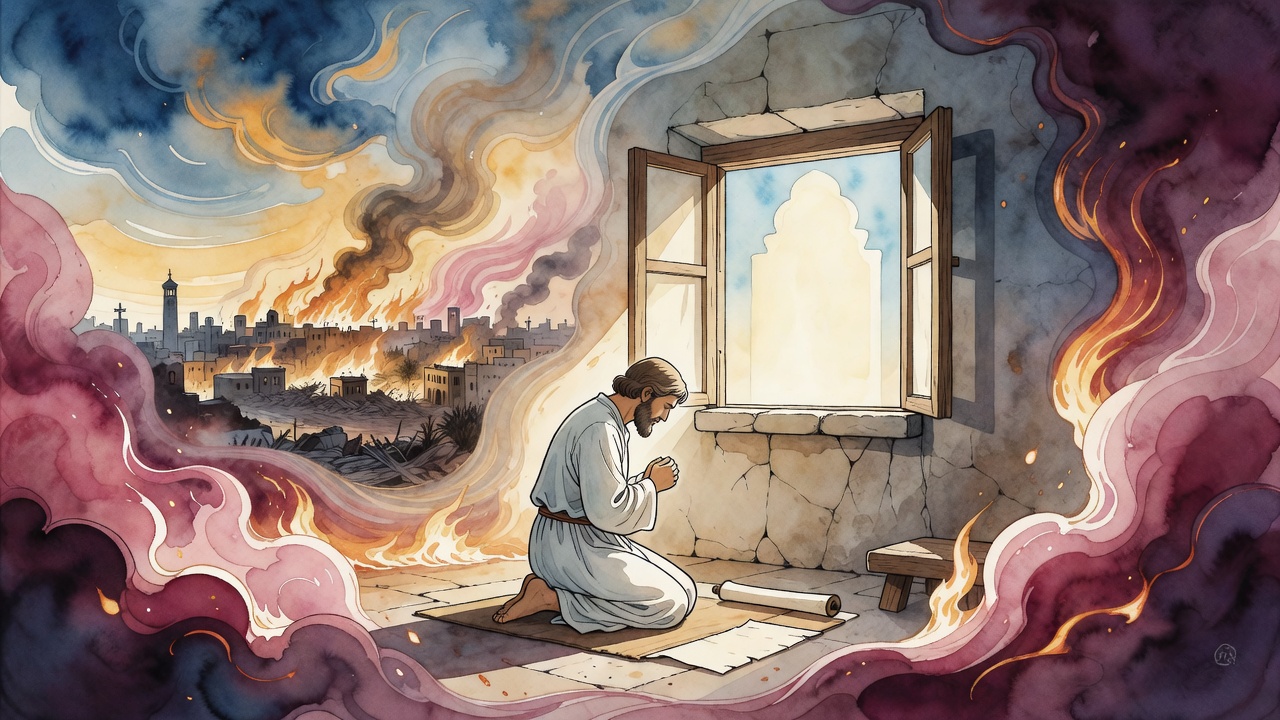
His surrender had not saved Jerusalem for long. Oaths broken by Babylon still tore the upper class away. Three hundred of the noblest had gone with Jehoiakim's fall. Yehoyakhin's turn emptied the city of ten thousand more. Leadership rode carts toward the rivers of Babylon while the Temple still waited for a harder fire.
Thirty-seven years later the exile of Yehoyakhin would be counted as a date that mattered. A prisoner became a clock for the nation. Time itself took his name while other kings rotted forgotten. Piety in a cell cannot rewind siege engines. It can keep a seed from dying in the wreck.
The Seal on Heart and Arm
Another reading of Song of Songs set seals on heart and arm as Shema (Hear O Israel) and tefillin, words and straps that bind a people when thrones fail. Yehoyakhin's story sits beside that image. The royal seal was nearly thrown away. The covenant seals on body and heart outlasted the crown. A king who honored niddah in a dungeon wore a different kind of signet, one heaven still recognized when earthly rings were confiscated.
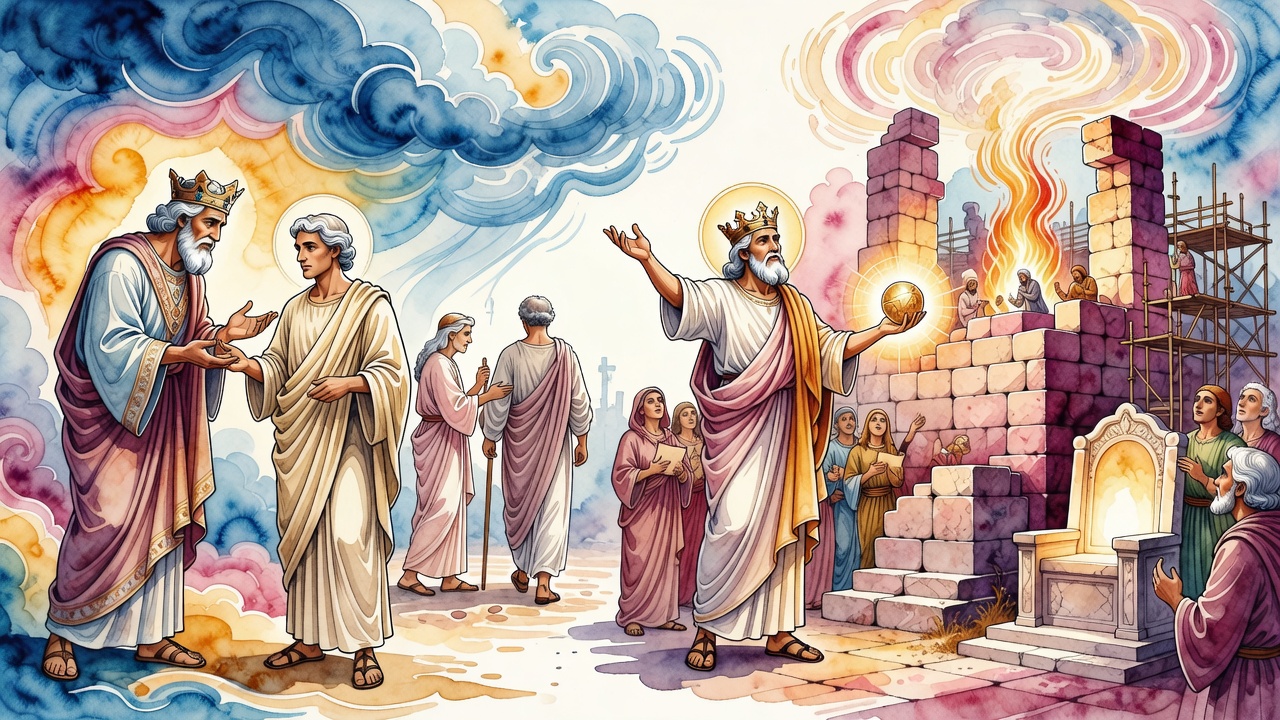
Zerubbabel would rebuild under Persian skies. Messiah, the legends say, still runs through this repaired branch. The hairdresser and the waiting for the mikveh are not ornaments on the tale. They are the hinge. Without them the oath of childlessness might have held, and the House of David might have ended as a footnote in a Babylonian ledger.
Yehoyakhin entered Babylon as a severed ring. He left the story as the man who taught a dynasty how to be born again from a cell, while a nation learned that repentance can rewrite even a prophet's hardest sentence.
In the dark of the prison the king learned a thinner kind of rule. He could not command armies. He could command his own hands to wait for the mikveh. That smaller kingdom proved larger than the oath against him. Babylon measured power in walls and deportees. Heaven measured it in a man who would rather risk a dynasty than soil a bed.
When Zerubbabel later stood before kings of Persia, the old prison ethics still traveled in his blood. The signet returned to a hand that remembered iron and restraint. Israel's hope for a son of David did not climb out of a palace first. It climbed out of a cell where Torah still set the hour.
← All myths