5 min read

Zepho Prayed and Half of Africa Fell in One Day

The king of Africa would not accept the loss. Agnias drafted every male in his land, boys of ten included, and seized the property of anyone who refused.

Curated by Arthur · Told by Maggid ·
Table of Contents
  1. Red Stew, Red Land
  2. A Grandson Among the Kittim
  3. Agnias and the Boys of Ten
  4. Edom's Revolving Crowns
  5. What the First Day Proved
Zepho Prayed and Half of Africa Fell in One Day Click for full size

Red Stew, Red Land

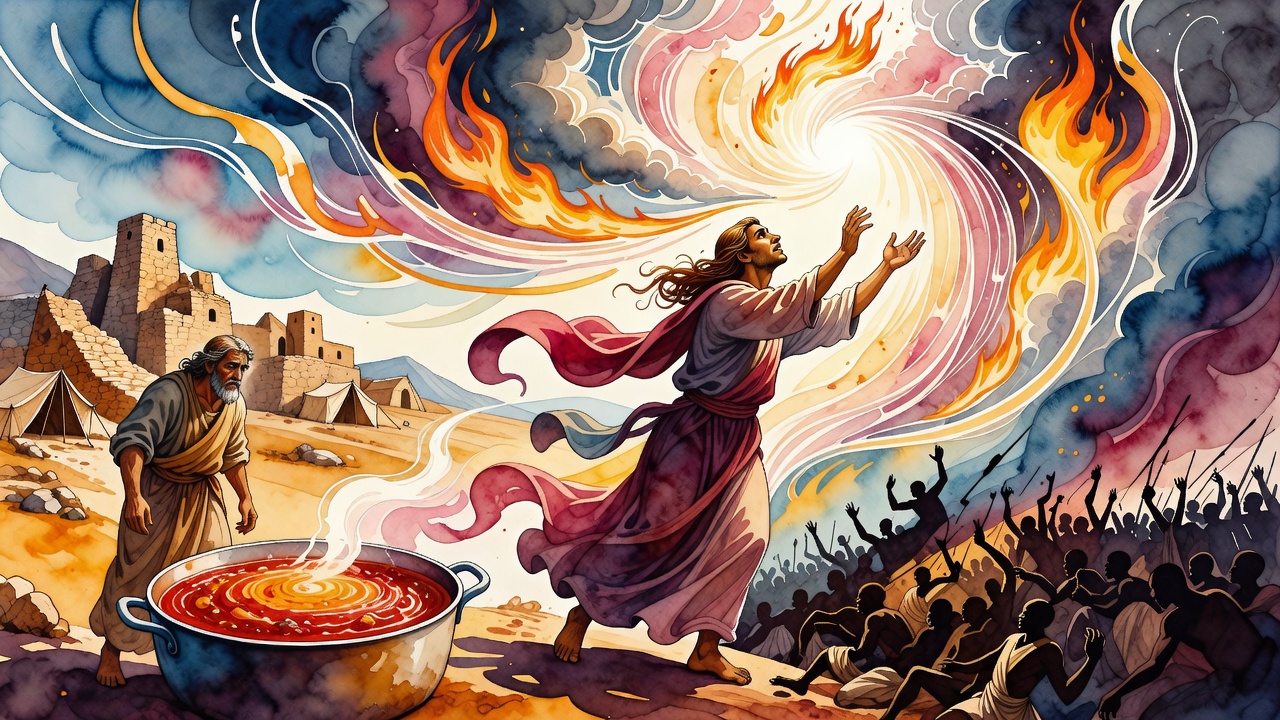
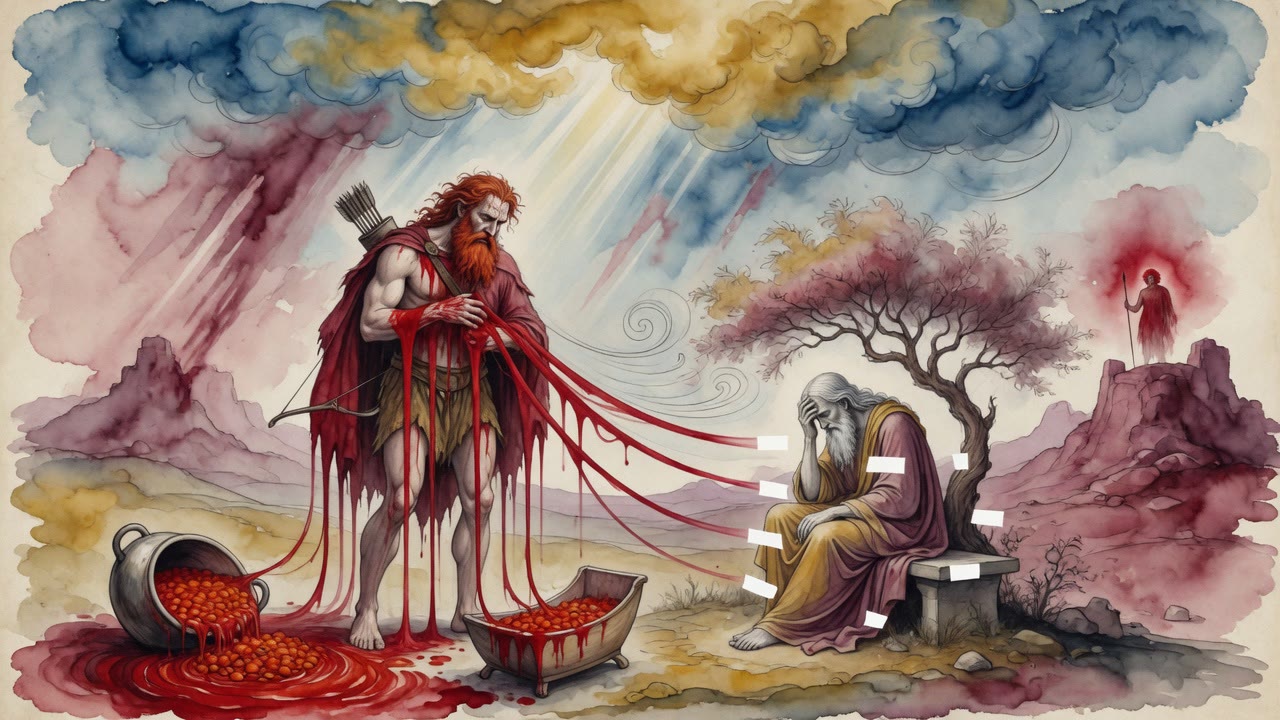
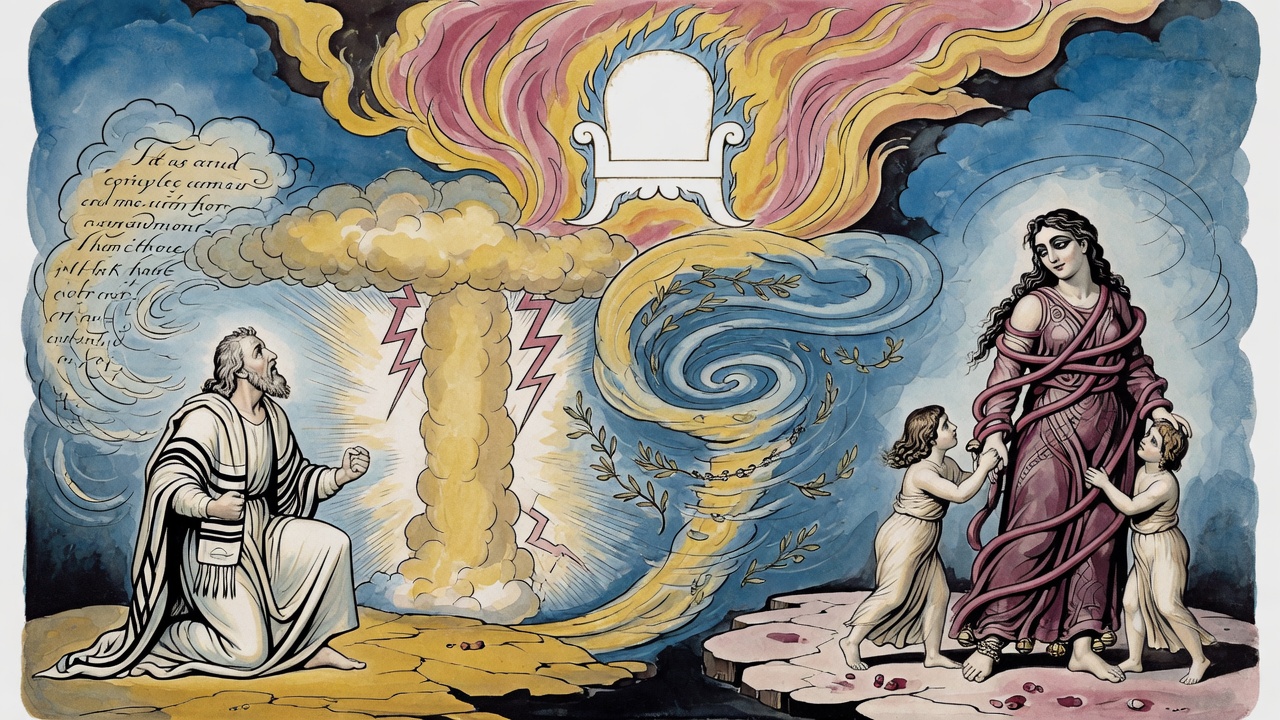
Esau came in from the hunt starved and found Jacob over a pot of red lentil stew. Hunger made the birthright cheap for one afternoon. He swore and ate, and the color of the stew stuck to him as a name: Adom, red. The land that grew from that name became Edom, later called Idumea by Greek tongues that softened the edge without erasing it.

After Isaac died, the twins divided what a house could not keep whole. Esau left Hebron to Jacob and took the hill country of Seir. There he raised sons by three wives, Aliphaz by Ada, Raguel by Basemath, and others by Alibama. From Aliphaz and the concubine Thamna came Amalek, a line that would later hunt Israel with a special hatred. Idumea spread wide enough for clans to hold districts while the whole country still wore Esau's name like a brand.

A bowl of stew became a map. The map became nations that would not forget each other.

A Grandson Among the Kittim

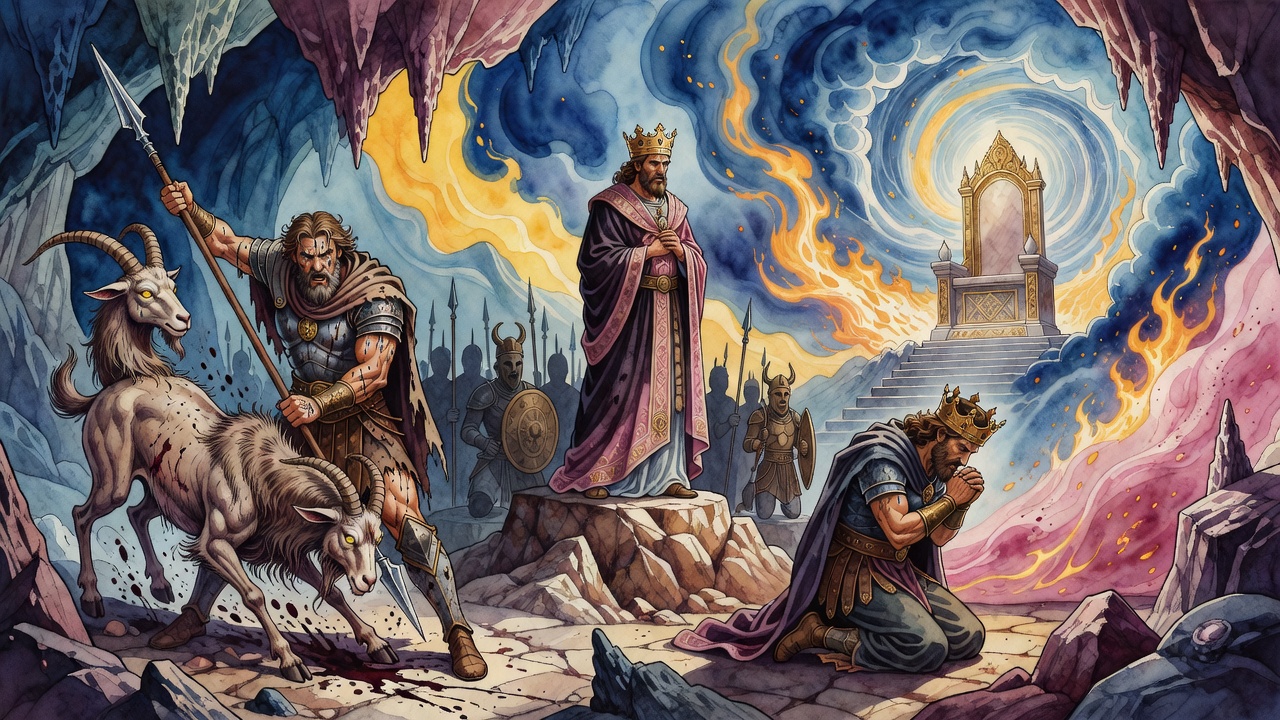
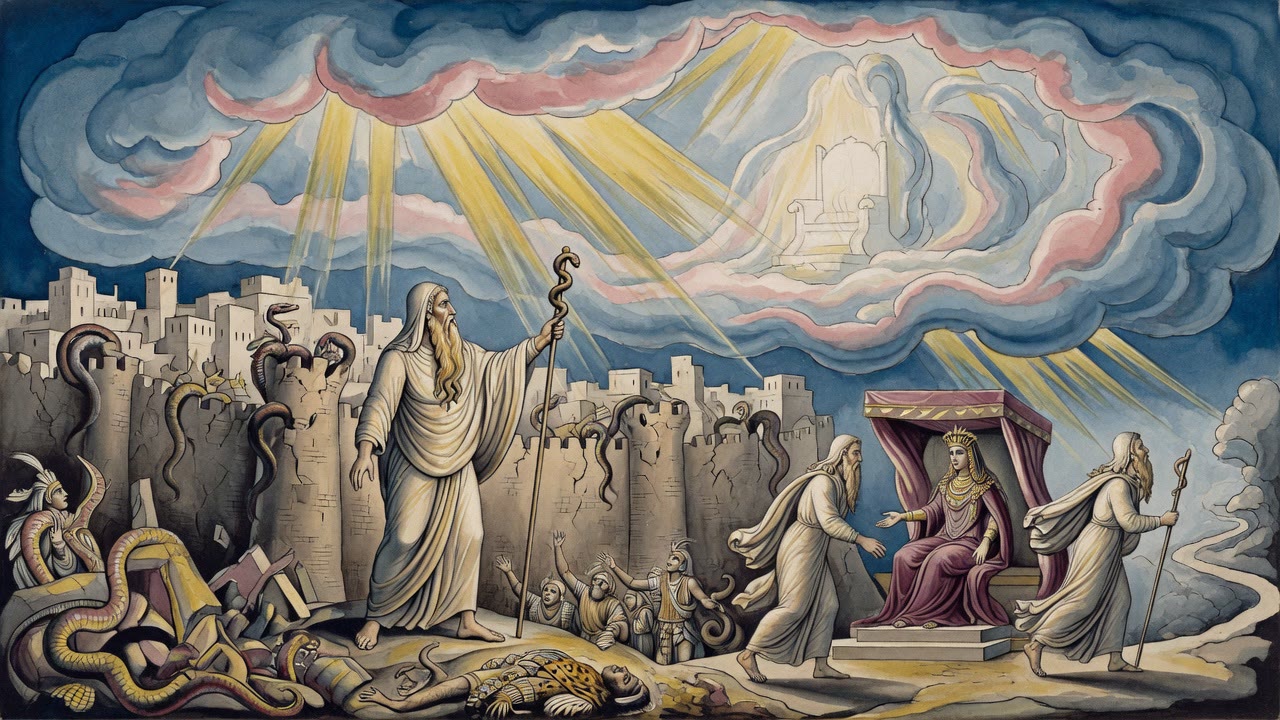
From Esau's stock rose Zepho, a leader among the Kittim when African armies pressed hard enough to erase a people. The threat was not a raid for cattle. It was a flood of men. Zepho did not first count spears or bargain for tribute. He prayed as if the sky were a court that still took petitions from Seir's seed.

God gave ear. On the first day of battle, half the African army fell. The field turned in a single day from certain doom to open shock. Survivors on both sides had to rewrite what power looked like when a prayer outran a host. Bodies that had marched at dawn did not answer roll call at dusk.

Zepho's prayer did not make him gentle. It made him dangerous in a way quartermasters could not budget for.

Agnias and the Boys of Ten

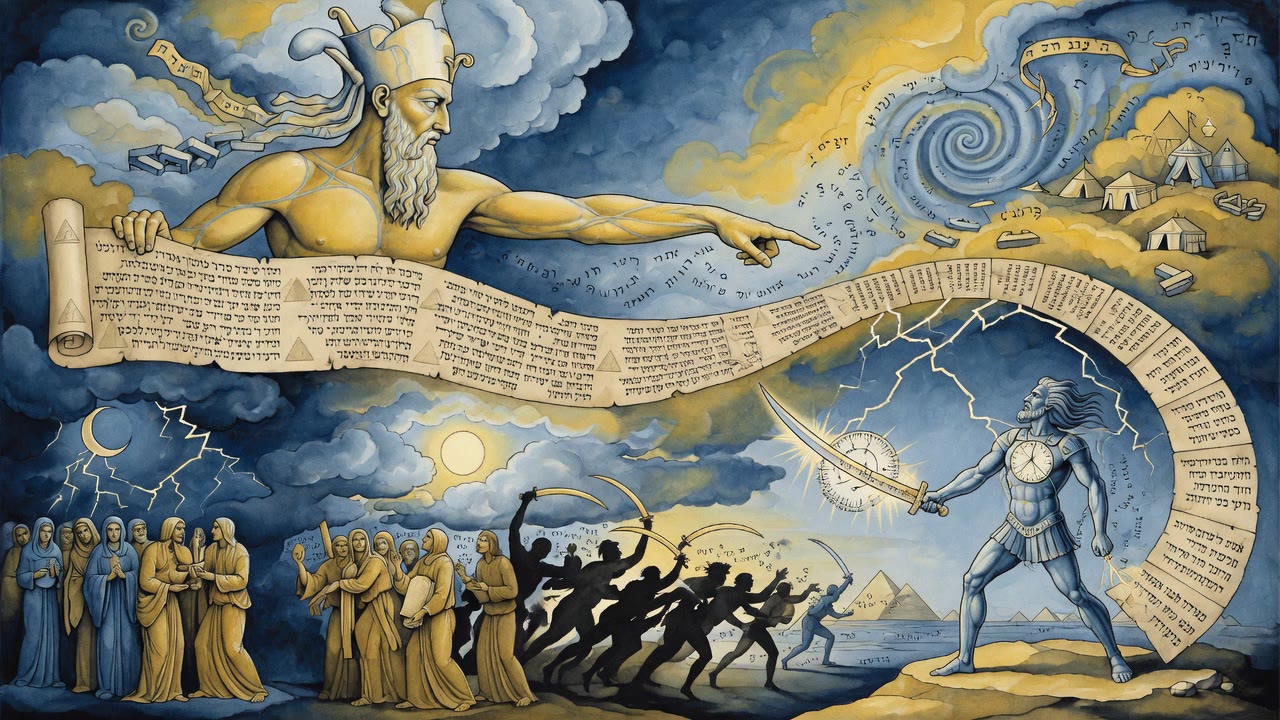
King Agnias of Africa refused the lesson of that first day. He ordered every male in the land, even boys of ten, into the ranks against the Kittim. Refusal meant death and the seizure of property. The decree swelled his army with children and terror. Numbers rose. Mercy did not. Fathers watched sons who should have been at chores take spears into a war their king had already half lost once.

Zepho's miracle had not ended the war. It had only forced a tyrant to throw the young into the same fire. The prayer that halved an army now faced an empire willing to empty its households rather than admit heaven had answered someone else.

Edom's Revolving Crowns

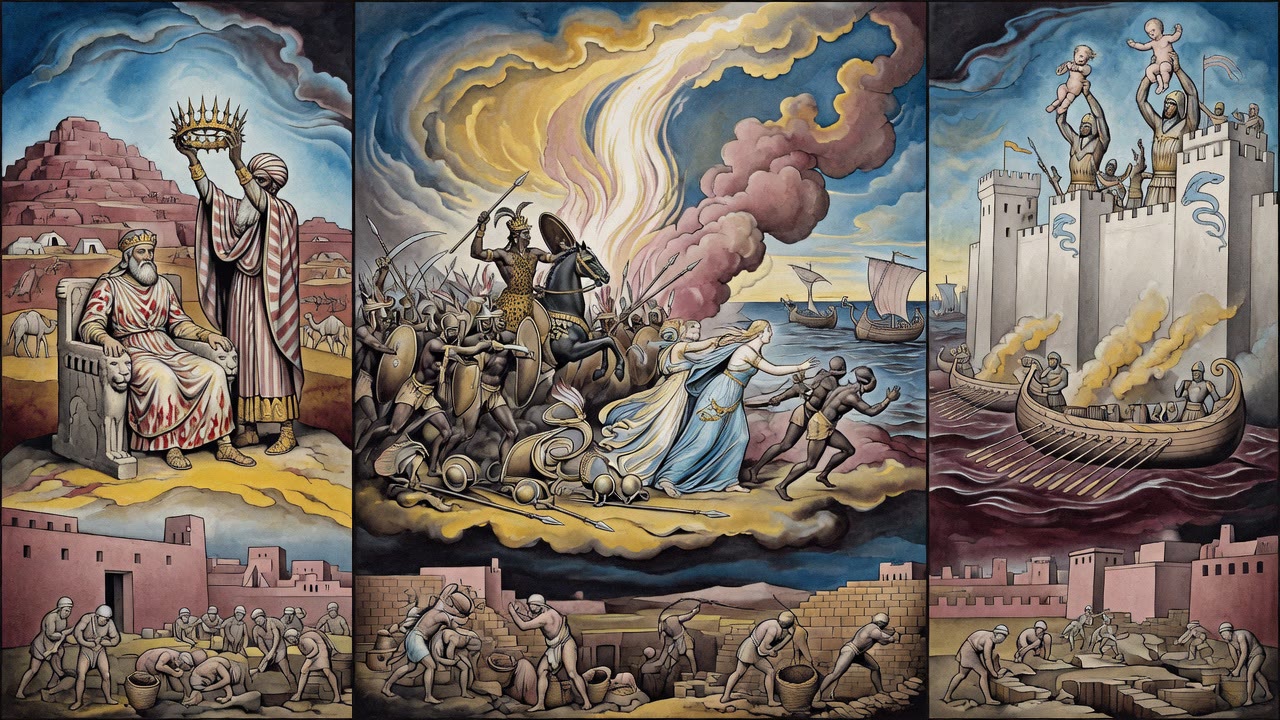
While such wars burned, Edom's own thrones turned over like seasons. In the years of Moses over Cush, Saul of Edom died and Baal Chanan son of Achbor rose for thirty-eight years. Moab rebelled under that shift, testing whether a new crown still held old borders. Across the sea, Angeas of Africa gave way to Azdrubal. In Chittim, Janeas died and Latinus built towers and temples of his own, as if stone could argue with mortality.

Kingdoms changed names the way weather changes color. Esau's land kept producing kings while Moses' story moved elsewhere. The red country never stopped being a stage for power that rose and fell without apology, and for lines that still traced back to a hungry man and a pot.

What the First Day Proved

Half of Africa fell in a day, and a king answered by drafting children. Edom, born from a bowl of stew, kept sending out lines that fought, ruled, and sometimes prayed as if heaven still listened to Esau's seed even after the birthright left the house. Jacob's descendants would meet those cousins again as rivals, neighbors, and history's long argument.

On Zepho's field, the meeting was already blood and answer: a man of Kittim asked, and the sky did not stay silent. The rest of the war, and the rest of Edom's crowns, had to live in the shadow of that first impossible day.

Esau's hunger and Zepho's prayer sit on one family line like two different weapons. One trades eternity for a meal. The other asks heaven for a day of war and receives half an army broken before night. The red name covers both the stew and the blood that followed it into Seir and beyond.

Baal Chanan's thirty-eight years and Latinus' towers do not cancel Zepho's first day. They only prove that crowns keep turning after miracles. Edom learned to outlive single battles. Israel would learn to outlive Edom's long memory. Between them, Amalek waited as the worst fruit of a concubine's son and a grandfather's red nickname.


← All myths

From the tradition

Sources

3 sources

The texts behind this telling. Some cards carry a translation of the source; others are our own retelling of it, and each card says which. Every card links out to the original.

Antiquities II.1-2Antiquities of the Jews (Josephus)

Retold in our words. Read the original at the link below.Antiquities of the Jews, trans. William Whiston · Public Domain

The whole thing started with a bowl of soup. Esau came home from hunting one day, starving, exhausted, still a young man. And found his brother Jacob cooking lentil stew. It was bright red. Esau wanted it desperately. Jacob saw his chance and demanded the birthright in exchange. Esau, pinched with hunger, swore an oath and gave it up. That red stew gave Esau his nickname: Adom, meaning "red" in Hebrew. The name stuck. His territory became known as Edom, and the Greeks softened it into Idumea.

After Isaac's death, the twin brothers divided everything. Esau left Hebron entirely, ceding it to Jacob, and moved to the rugged hill country of Seir. There he built a nation. According to Josephus, Esau fathered five sons by three wives, Aliphaz by Ada, Raguel by Basemath, and Jaus, Jalomus, and Coreus by Alibama. Aliphaz produced five legitimate sons of his own, plus Amalek through a concubine named Thamna. The Amalekites, Israel's future archenemies, traced their origin to this one illegitimate line. Idumea was vast enough that each clan claimed its own district while the whole country kept Esau's name.

Meanwhile, Jacob prospered in Canaan beyond anyone's expectations. His wealth multiplied. His sons were admired for their strength, endurance, and intelligence. And God exercised a particular providence over this family, one that would eventually lead them into Egypt and back out again. The instrument of that providence was Jacob's youngest son by Rachel: a boy named Joseph, beautiful, brilliant, and loved by his father above all the others.

That favoritism ignited hatred among the brothers. Then Joseph made it worse with dreams. In the first, his wheat sheaf stood upright while his brothers' sheaves bowed down to it. They understood exactly what it meant and said nothing, except to pray it would never come true. The second dream was even bolder: the sun, moon, and stars descended from heaven and bowed before him. Jacob interpreted it shrewdly, the sun and moon were the parents, the eleven stars the brothers. And he rejoiced, sensing God's hand. But the brothers' envy curdled into conspiracy. They resolved to kill him.

Full source
Legends of the Jews 1:445Legends of the Jews

Retold in our words. Read the original at the link below.The Legends of the Jews by Louis Ginzberg (1909) · Public Domain

The secret, my friends, often lies in the power of prayer... and a little divine intervention.

Let's turn the clock back to a time of fierce battles and clashing armies. And they were facing a massive threat from Africa.

Caught in the middle of this was a man named Zepho. According to Ginzberg's retelling in Legends of the Jews, Zepho was a leader of the Kittim, and he knew they were in deep trouble. The African army was vast, seemingly unstoppable. So, what did he do? He turned to the ultimate source of power: he prayed.

Here's where things get interesting. God, the text says, “gave ear unto Zepho's prayer." And wouldn't you know it? On the very first day of battle, half of the African army fell. Just like that. Can you imagine the shockwaves that must have sent through both sides?

But the African king, Agnias, wasn't about to give up so easily. He was desperate. He issued a decree so harsh it makes your skin crawl. He ordered every male in the land, even boys as young as ten, to join the army and fight against the Kittim. The penalty for refusal? Death. And the confiscation of all your property. A chilling move.

This desperate measure swelled the African ranks by a staggering three hundred thousand men. But even with this massive influx of soldiers, it wasn't enough. Zepho, fueled by faith and perhaps a little bit of battlefield strategy, defeated Agnias again in the second battle.

The African general, Sosipater, fell in the fighting. The troops, their morale shattered, broke and ran. At the head of the fleeing army were Agnias himself, along with his brother Lucus, and his son Asdrubal. A complete and utter rout.

After this crushing defeat, the Africans never again dared to disturb the peace of Kittim. Their incursions ceased forever. A testament, perhaps, to the power of prayer, the strength of a determined people, and maybe, just maybe, a little bit of divine assistance.

What does this ancient story tell us? It’s more than just a tale of battles and armies. It’s a reminder that even when facing overwhelming odds, faith, courage, and a little bit of help from above can turn the tide. What "battles" are you facing today, and how might this story inspire you?

Full source
Jasher 74Book of Jasher

Retold in our words. Read the original at the link below.The Book of Jasher, J. H. Parry edition (1887) · Public Domain

A fascinating chapter from the Book of Jasher, a non-canonical Jewish text that elaborates on stories from the Hebrew Bible. Specifically,

The chapter opens with the death of Saul, king of Edom, and the ascension of Baal Chanan, son of Achbor, to the throne. According to the Book of Jasher, this was in the sixteenth year of Moses' reign over Cush. Baal Chanan ruled Edom for thirty-eight years, but his reign wasn't without its challenges.

One of the key events during his time was the rebellion of Moab. But with Baal Chanan on the throne, the children of Moab saw an opportunity to break free and reclaim their independence.

Meanwhile, across the sea, other kingdoms were experiencing their own transitions. Angeas, king of Africa, passed away, and his son Azdrubal took his place. And in the land of Chittim, King Janeas died and was buried in a grand temple he had built for himself in the plain of Canopia. Latinus succeeded him, reigning for forty-five years, beginning in the twenty-second year of Moses' reign over Cush.

Latinus, like his predecessor, was quite the builder. He constructed a mighty tower and an elegant temple to serve as his residence and center of government. But he wasn't just interested in architecture; he was also a shrewd strategist. He commissioned the construction of many ships and assembled his forces for a campaign against Azdrubal, the king of Africa.

The two kings clashed in a fierce battle on African soil. Latinus emerged victorious, reclaiming an aqueduct that Azdrubal's father had taken from the children of Chittim when he married Janiah, the daughter of Uzi. It seems this aqueduct was more than just a water source; it was a symbol of power and prestige. Latinus destroyed the aqueduct's bridge and inflicted a severe blow on Azdrubal's army.

But the conflict wasn't over. Fueled by envy and a thirst for revenge, the remaining African warriors regrouped and launched another attack. The battle was fierce, and many fell before Latinus and his forces. Azdrubal himself was killed.

Now, here's where the story takes an interesting turn. Azdrubal had a beautiful daughter named Ushpezena. The Book of Jasher tells us that her likeness was embroidered on the garments of the men of Africa because of her great beauty. Latinus' men were captivated by her, and Latinus himself was so impressed that he took Ushpezena as his wife, and headed back to Chittim. Talk about a plot twist!

However, the people of Africa weren't ready to give up. After Latinus departed, they crowned Anibal, Azdrubal's younger brother, as their new king. Anibal was determined to avenge his brother's death and reclaim Africa's honor.

Anibal built many ships and set sail for Chittim with his army. He engaged the children of Chittim in a war that lasted eighteen long years. The fighting was brutal, and Anibal inflicted heavy losses on the people of Chittim, slaying many of their great men and princes, and about eighty thousand others. The Book of Jasher paints a vivid picture of the destruction and bloodshed.

Finally, after years of conflict, Anibal returned to Africa and reigned securely in place of his brother, Azdrubal. The chapter concludes with Anibal back on his throne.

So, what can we take away from this glimpse into the Book of Jasher? It's a reminder that history is a complex tapestry woven from the threads of individual ambition, national pride, and the ever-shifting tides of power. It also reminds us that even seemingly minor events can have far-reaching consequences, shaping the destinies of nations and the lives of countless individuals. And sometimes, even in the midst of war and conquest, beauty and love can emerge in the most unexpected ways.

Full source