111 myths · Page 3 of 4
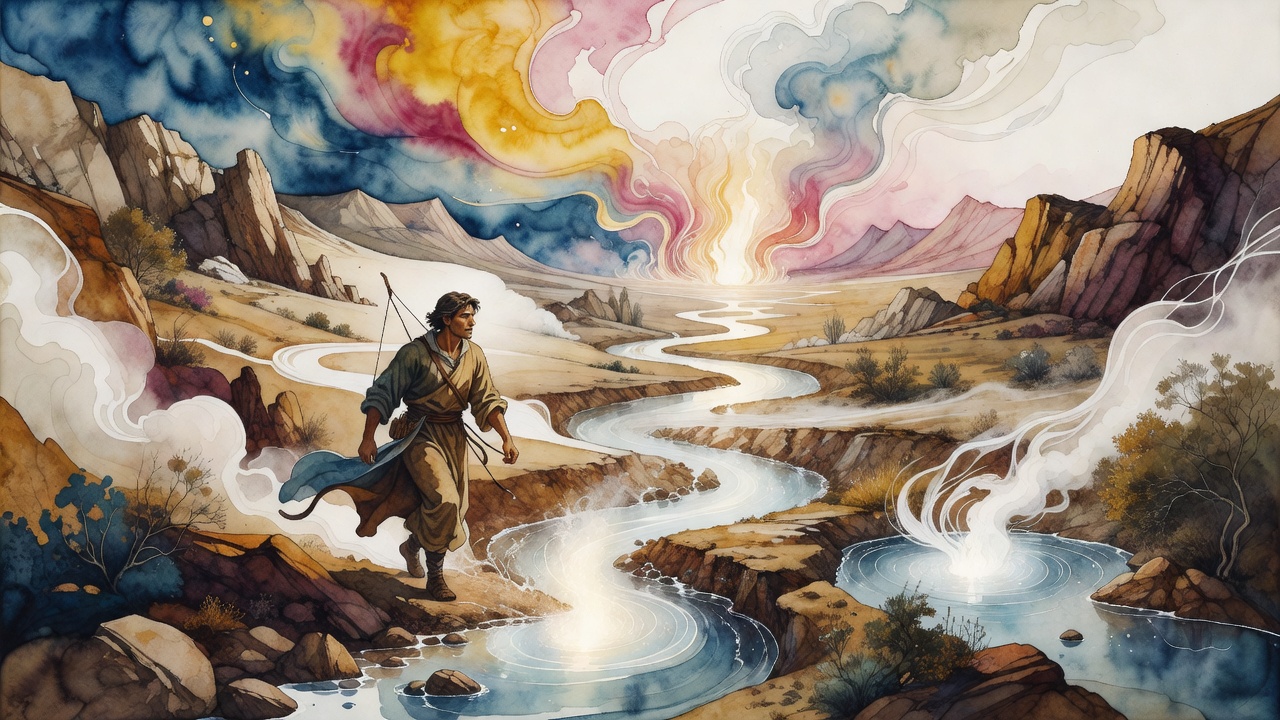
Shepherds pointed at a cold spring and called it the Tigris. He found goats, rock, and wind. No garden. He put Eden under the ground.
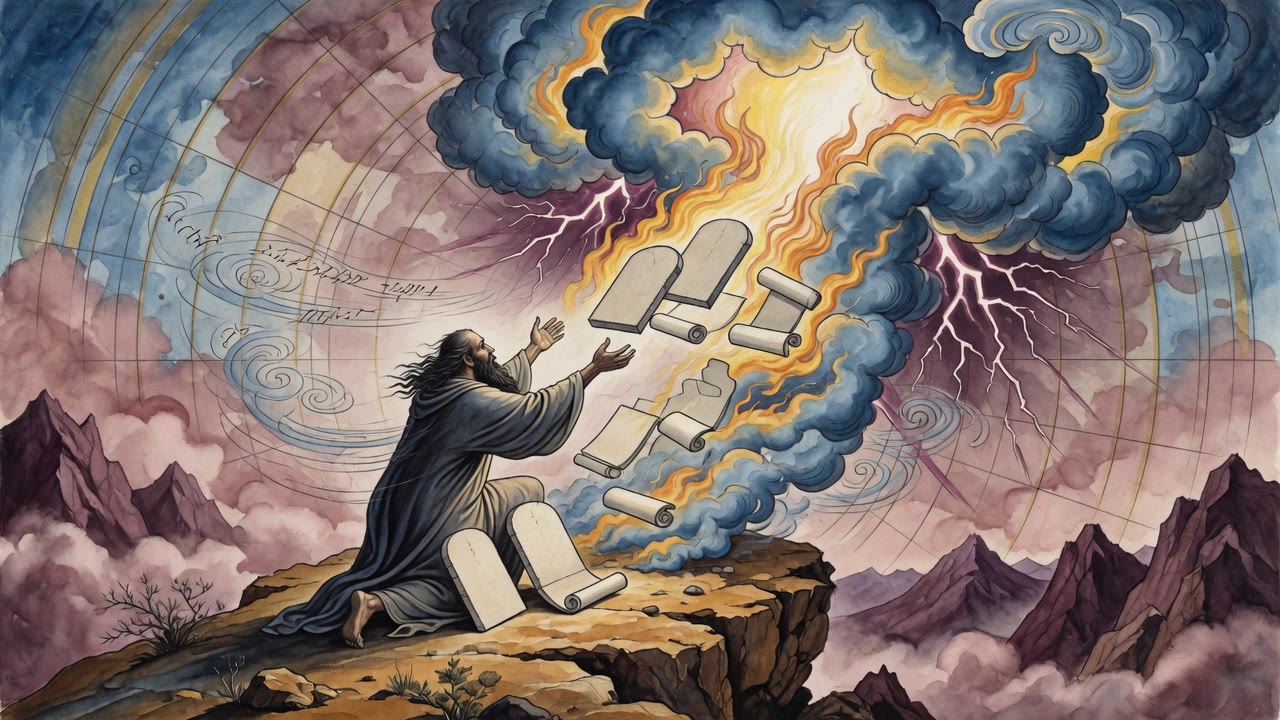
Adam had already eaten. He lived nine hundred thirty years and died inside a day that lasts a thousand. That same year Cain's house fell.
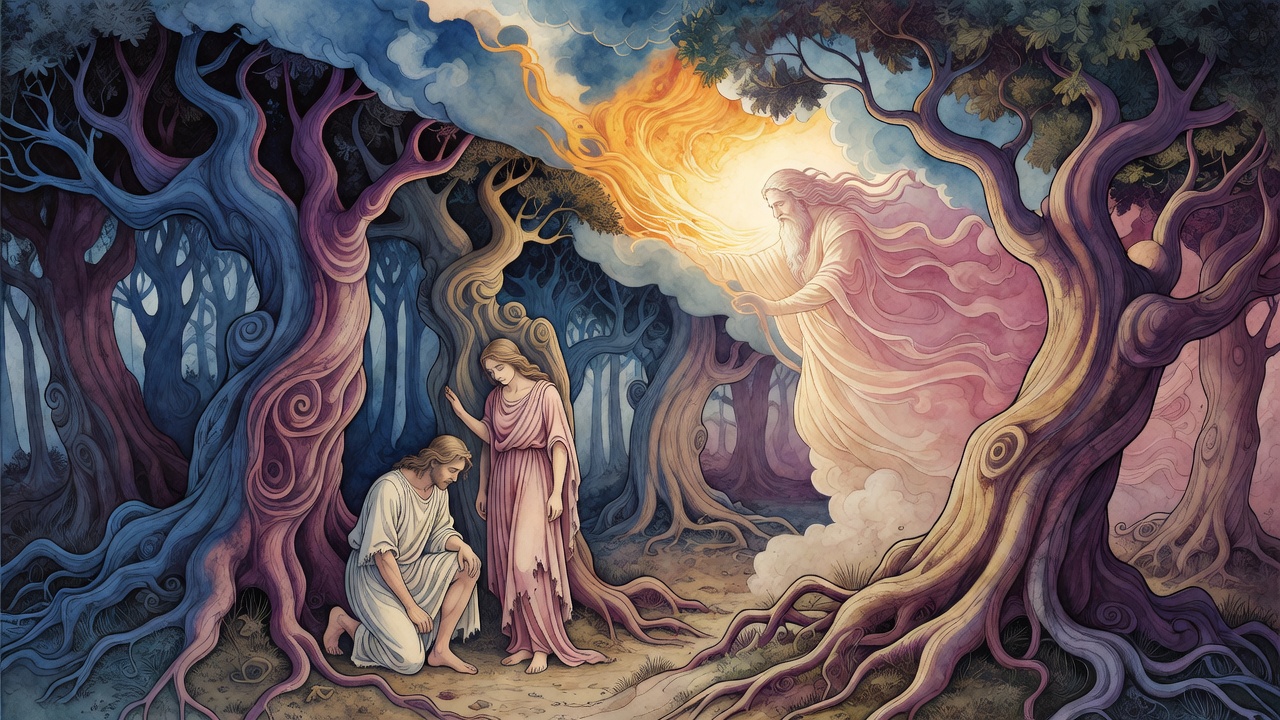
After the fruit, Adam and Eve stay among the same trees, God knocks like a guest, and a question that sounds like location is really grief.
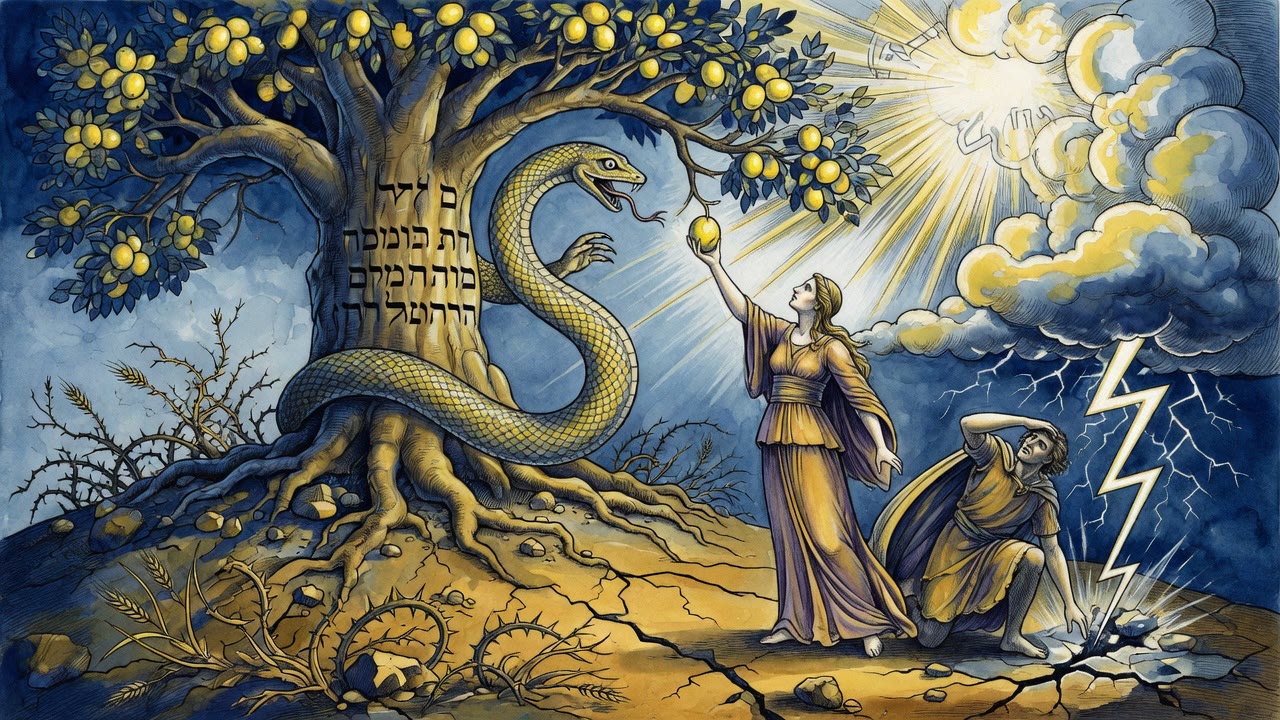
Beside the tree the serpent claims God fears rivals, Eve reaches, and judgment strikes the ground so Adam must earn bread from a resisting earth.
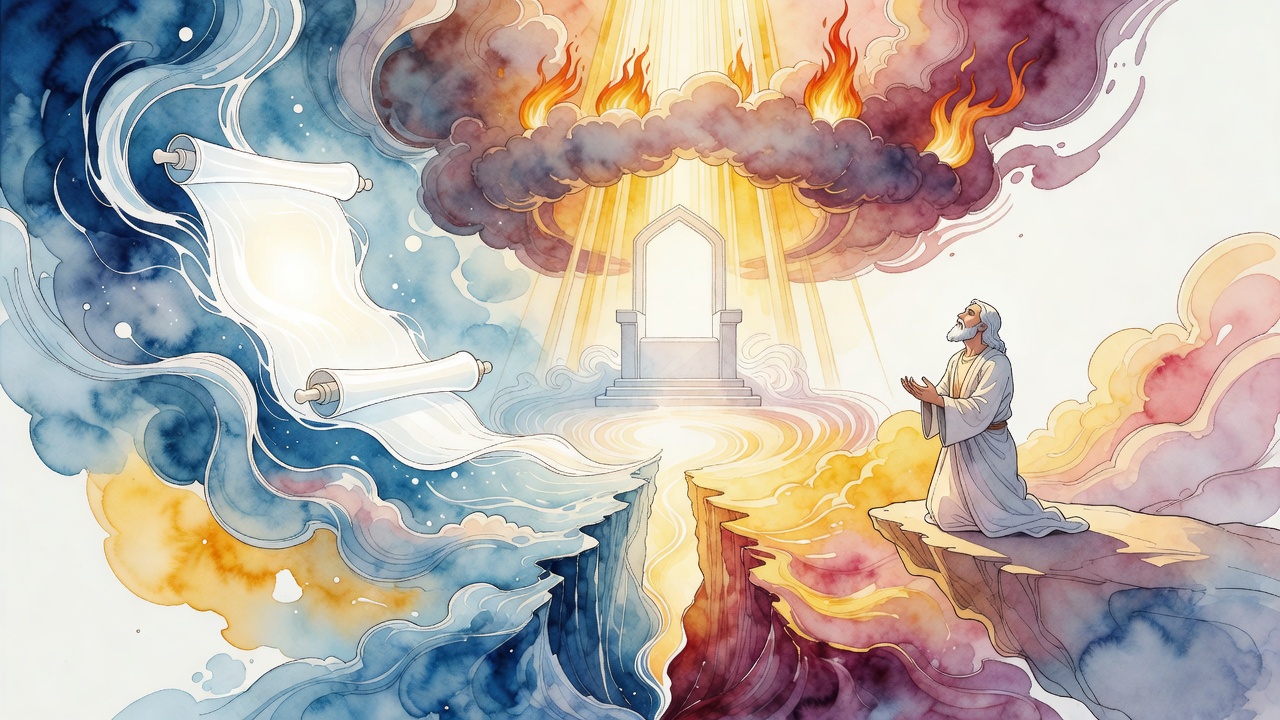
Torah stopped at the world's door and would not go in. Humans would fail, it said. God answered by naming a redeemer already appointed.
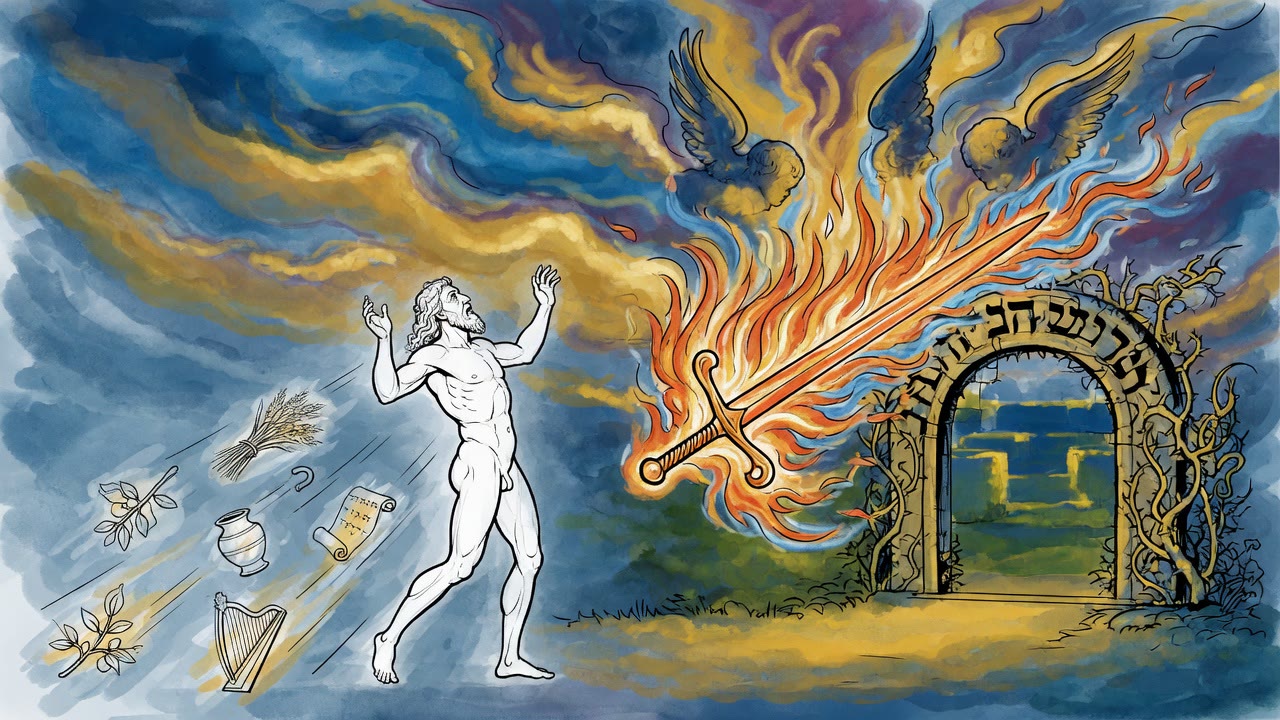
Adam asked for the fruit that would let him live forever. The angels wept and still drove him east, under a sword that would not hold still.
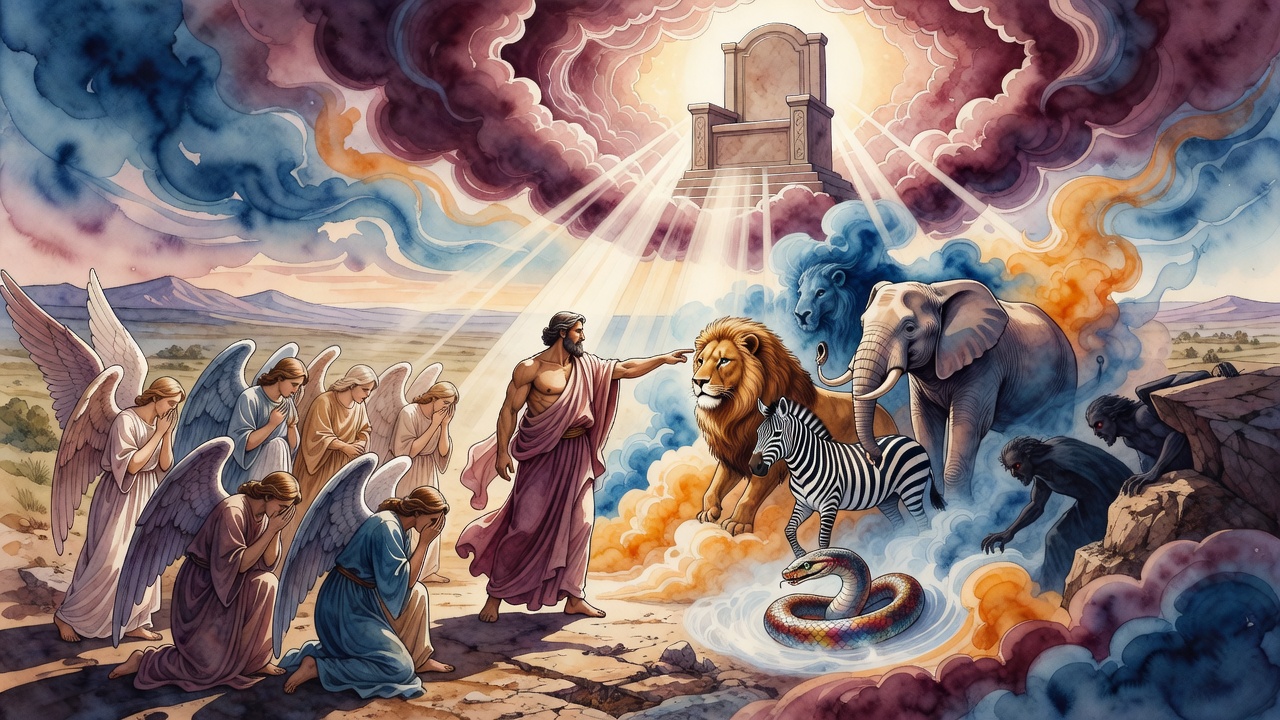
God asked the angels the name of a fox. They had none. He asked the man of dust. The word stuck like a joint in a bone.
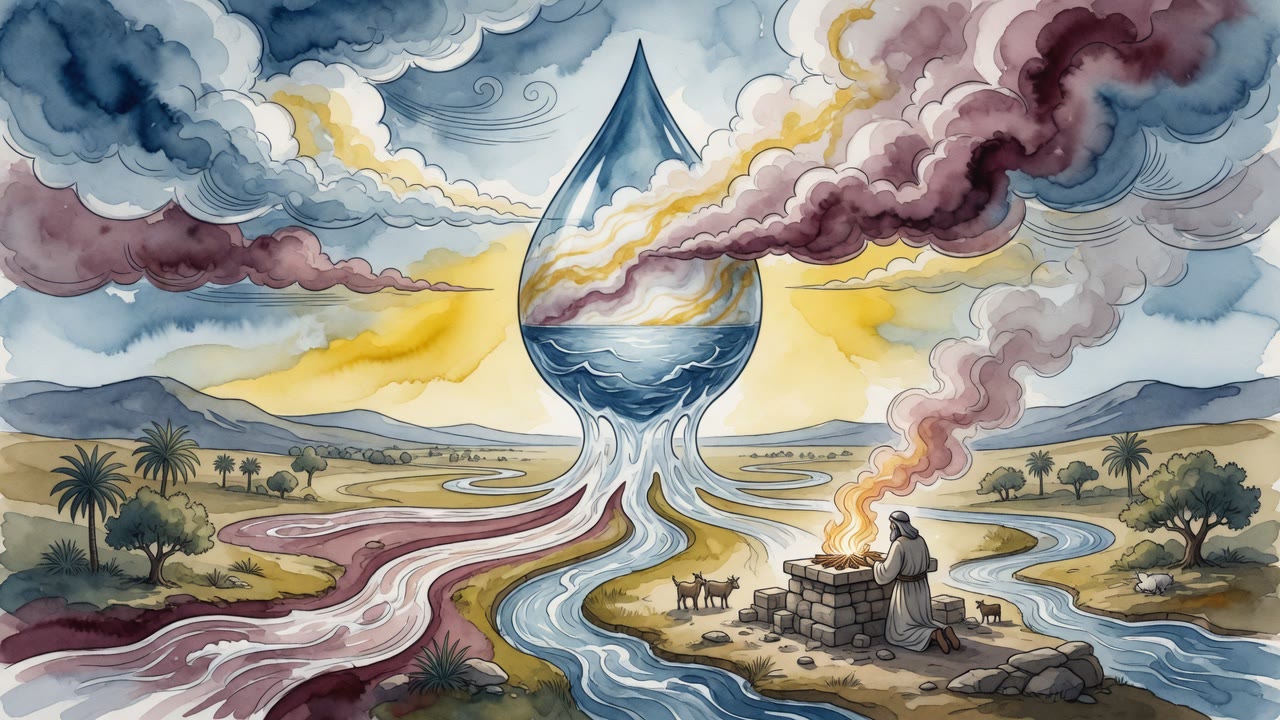
On the first day the heavens were still soft, like wet clay. On the second day they hardened. A rabbi said the sky was flattened the way gold is hammered thin.
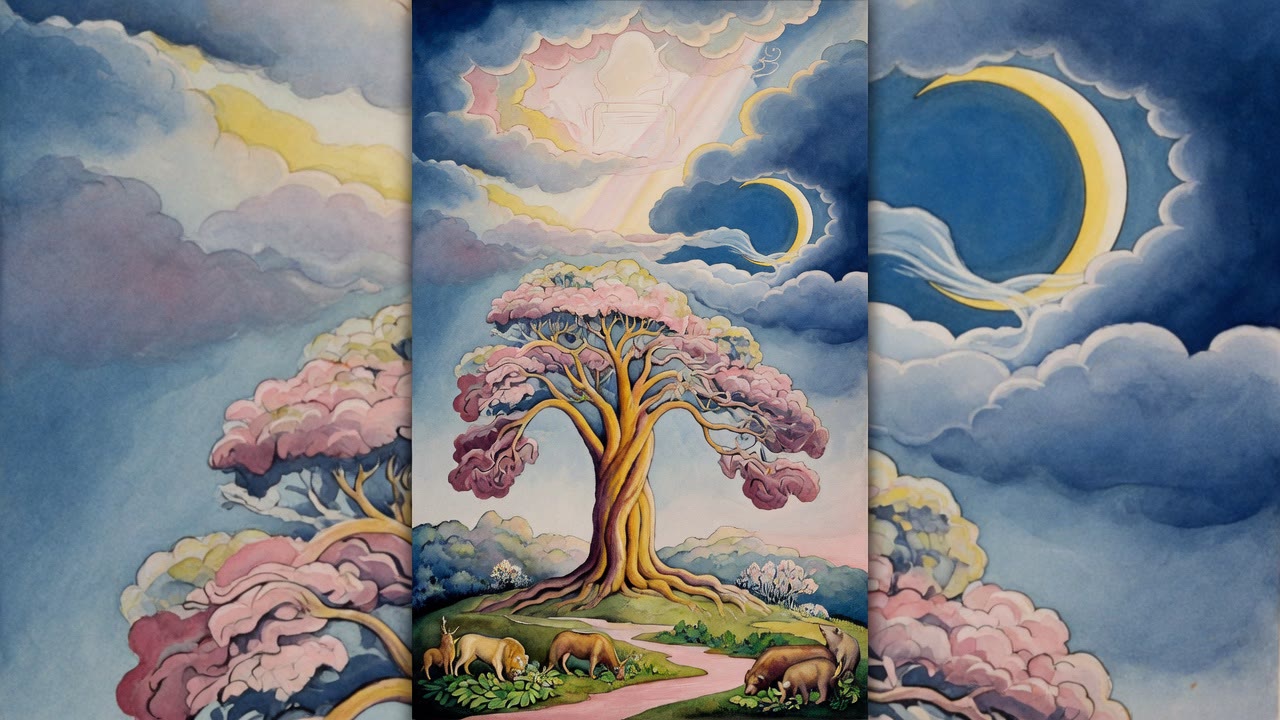
After the fruit, God speaks of Adam as one of us, angels ask if the edict is eternal, and exile bars the road to the tree of life.
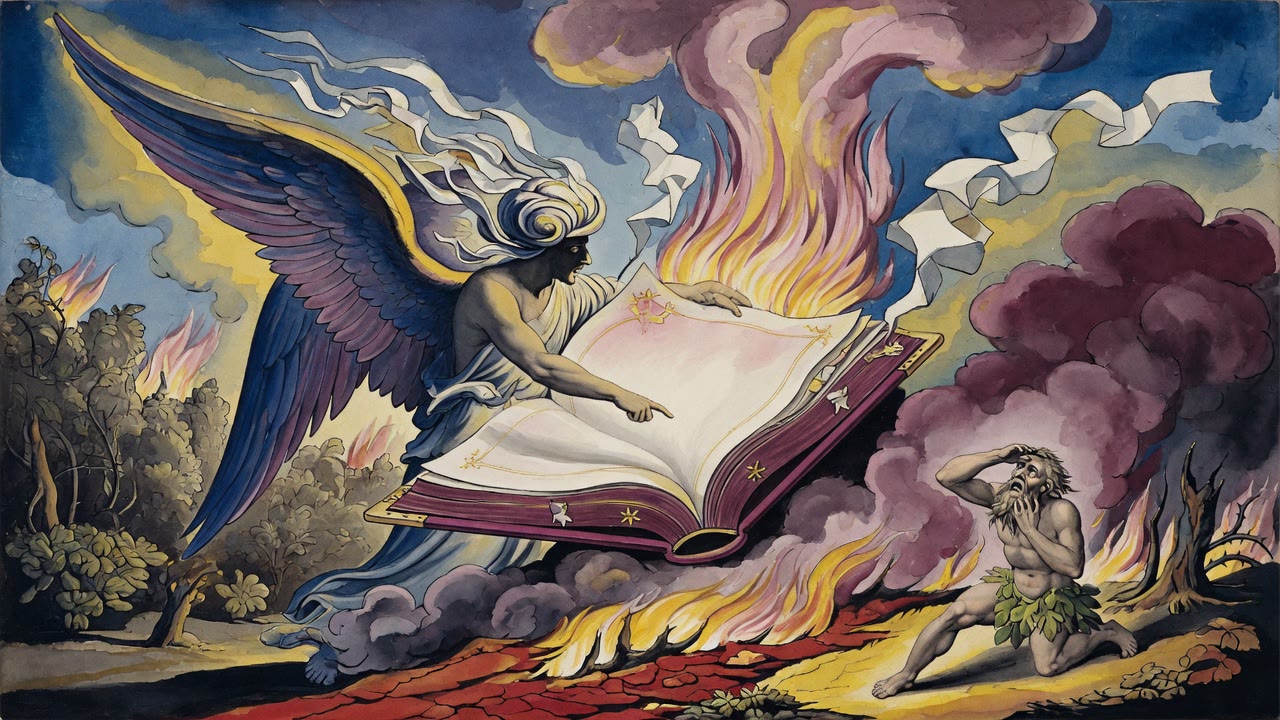
Outside Eden, Adam begs for lost wisdom. The angel Raziel opens a heavenly book, reads aloud, and leaves the first man shaking on a burning bank.
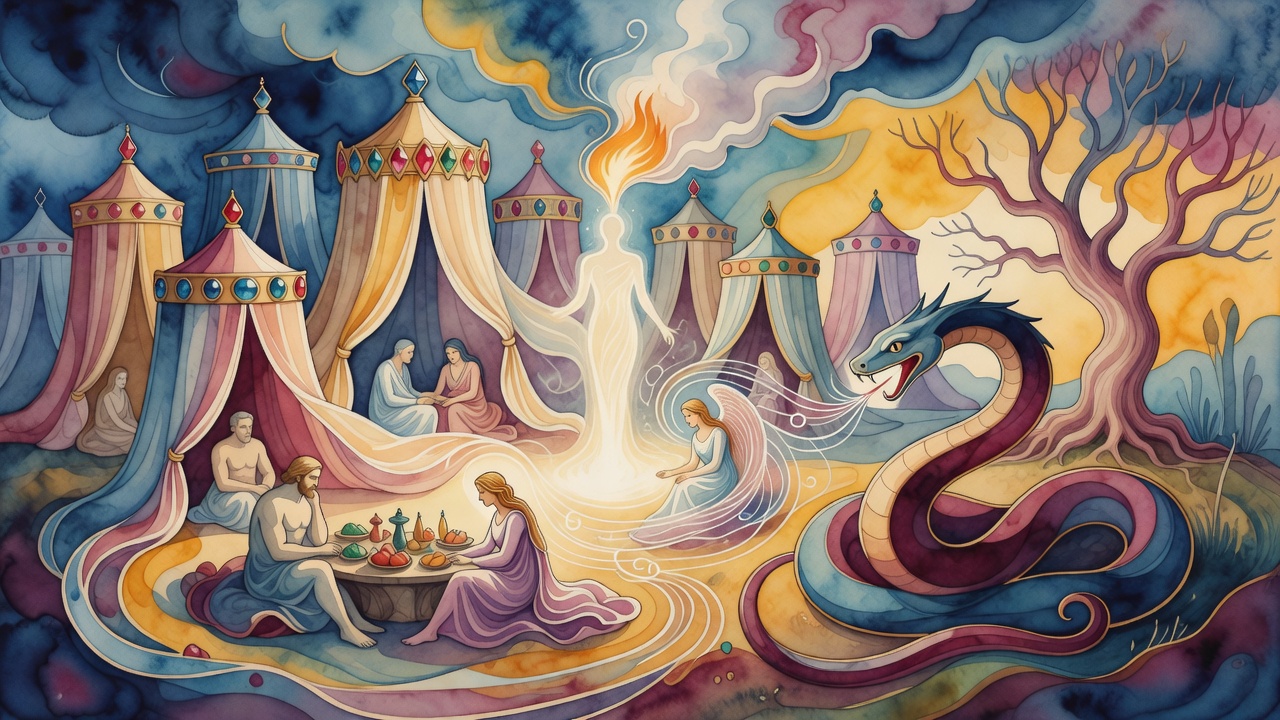
God built twelve jewel canopies for Adam and led Eve with angel music. After the feast the jealous serpent chose the tree.
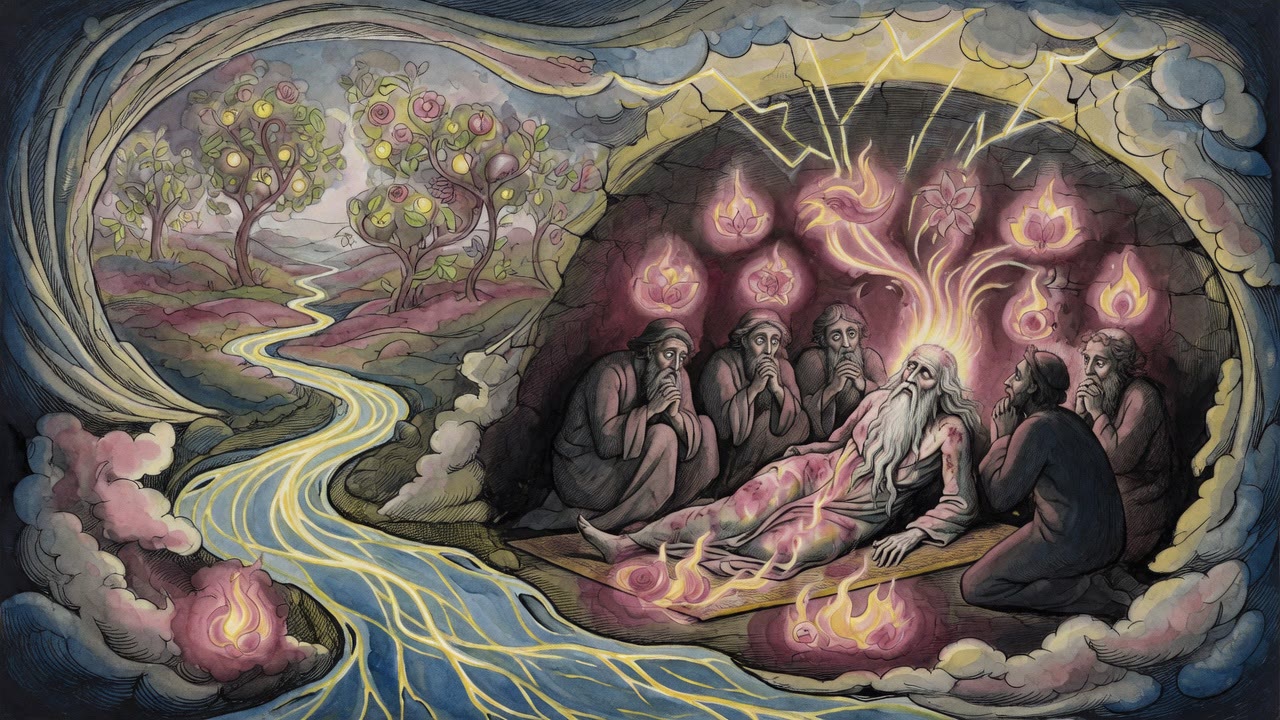
Rabbi Shimon bar Yochai was dying. He told a handful of students what he had never said out loud, and souls came up from Eden to listen.
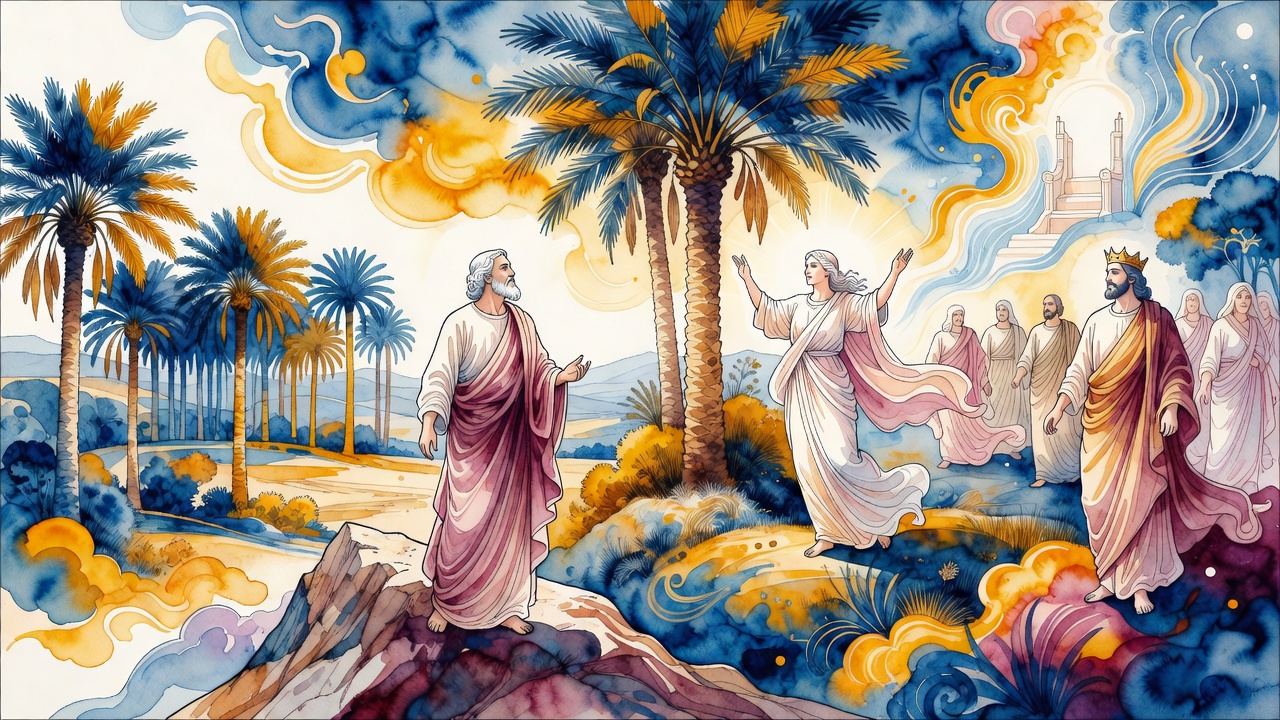
On the mountain's edge Moses watched Jericho's palms, then Deborah under her tree, David crowned, and the righteous strolling in Gan Eden (the Garden of Eden).
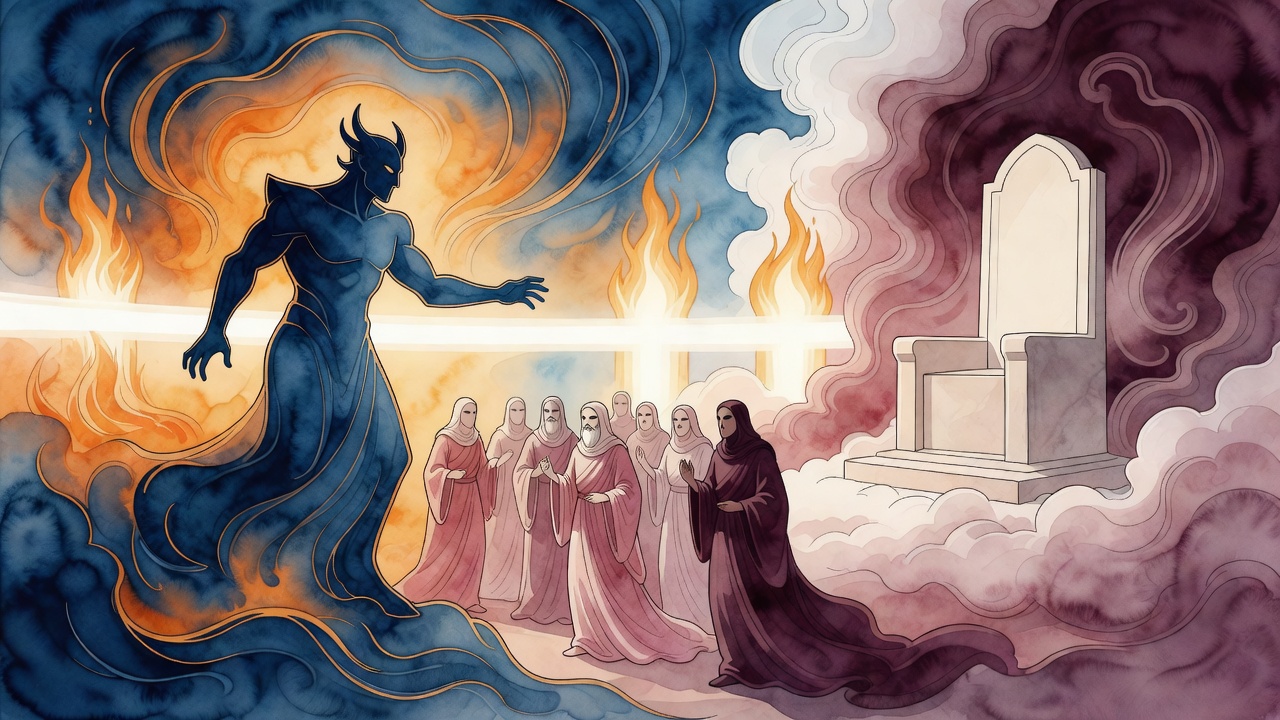
Nargesanel asked for Israel's names as fuel. God closed the book. Even the fire under the earth stills when the King approaches on Friday.
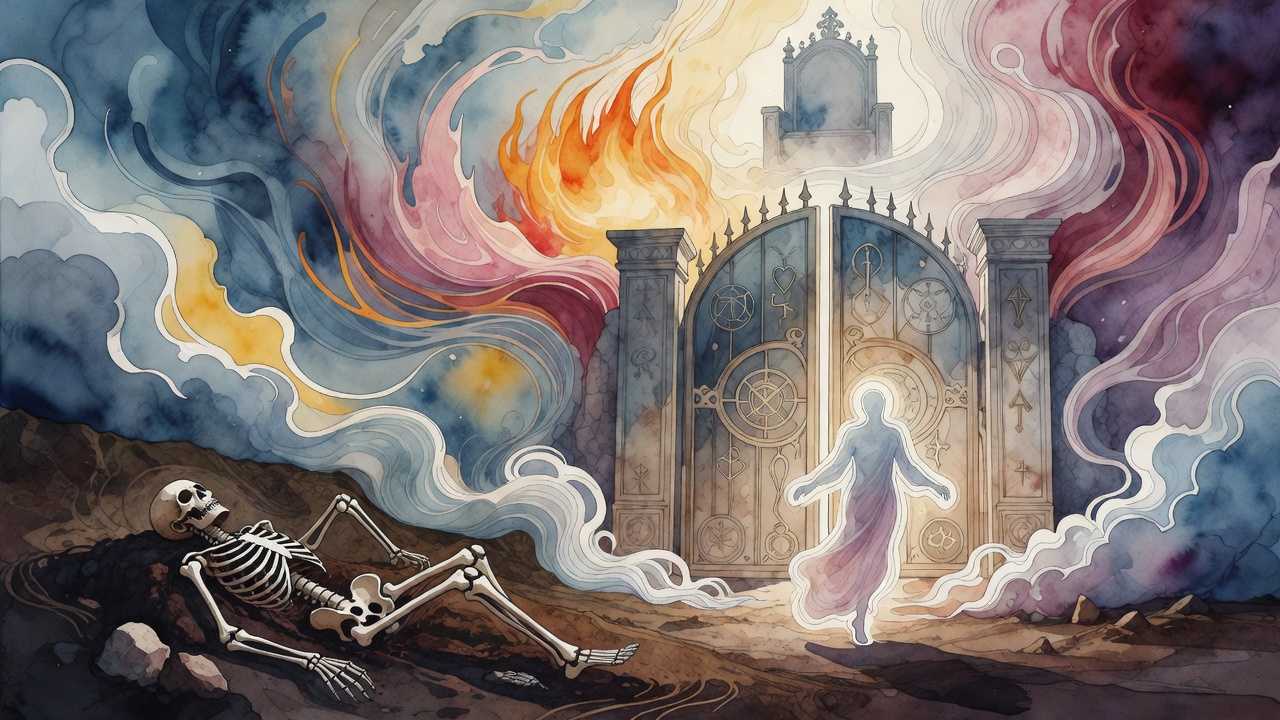
Bones softened under earth while a soul paced outside Eden. The gate would not open until the body was gone. Later the scars would return first.
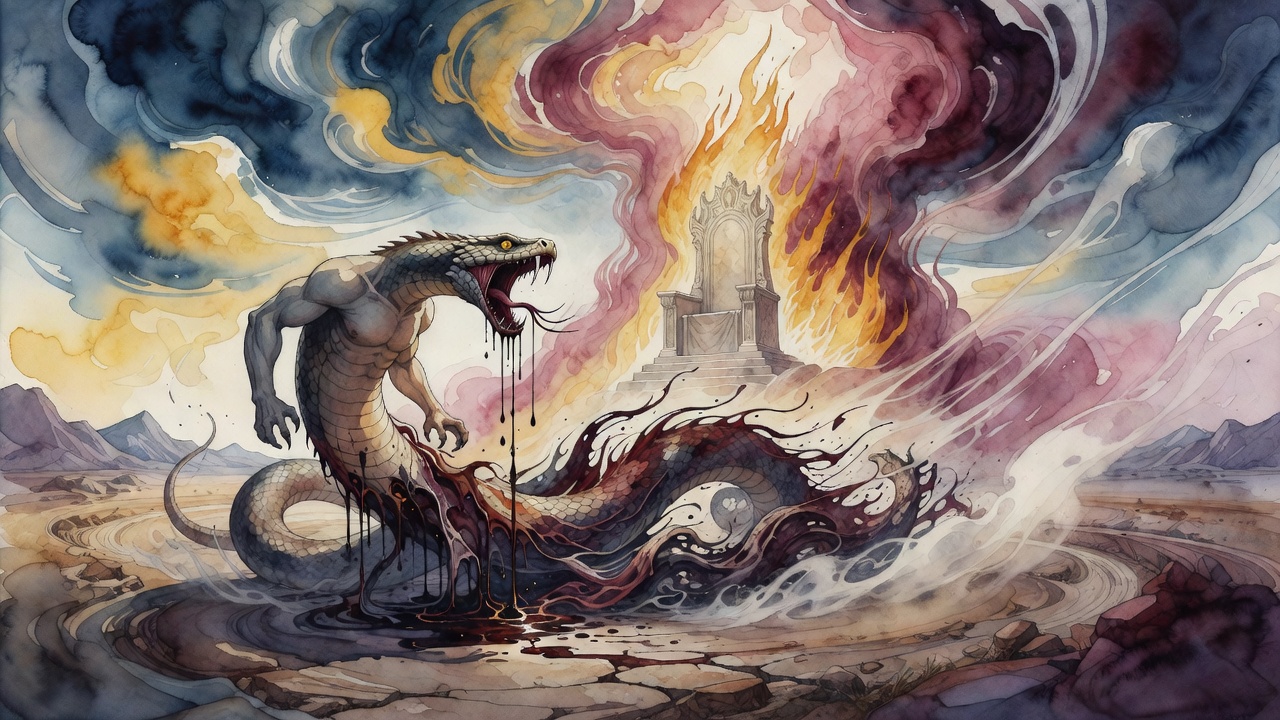
He came to Eve on feet, level with her eyes. After she ate, those feet were cut away, and death sat in his mouth as poison.
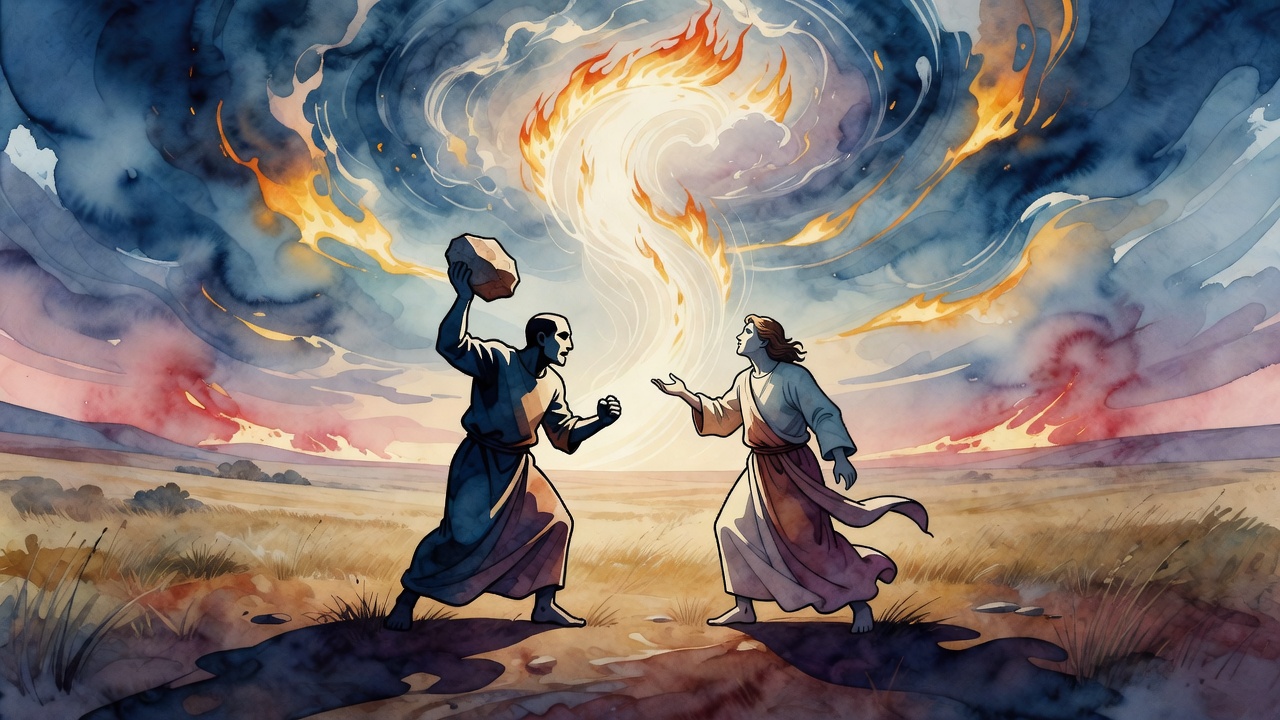
In the field Cain argued that no Judge ruled the world. Abel answered that judgment is real. Then a stone ended the debate.
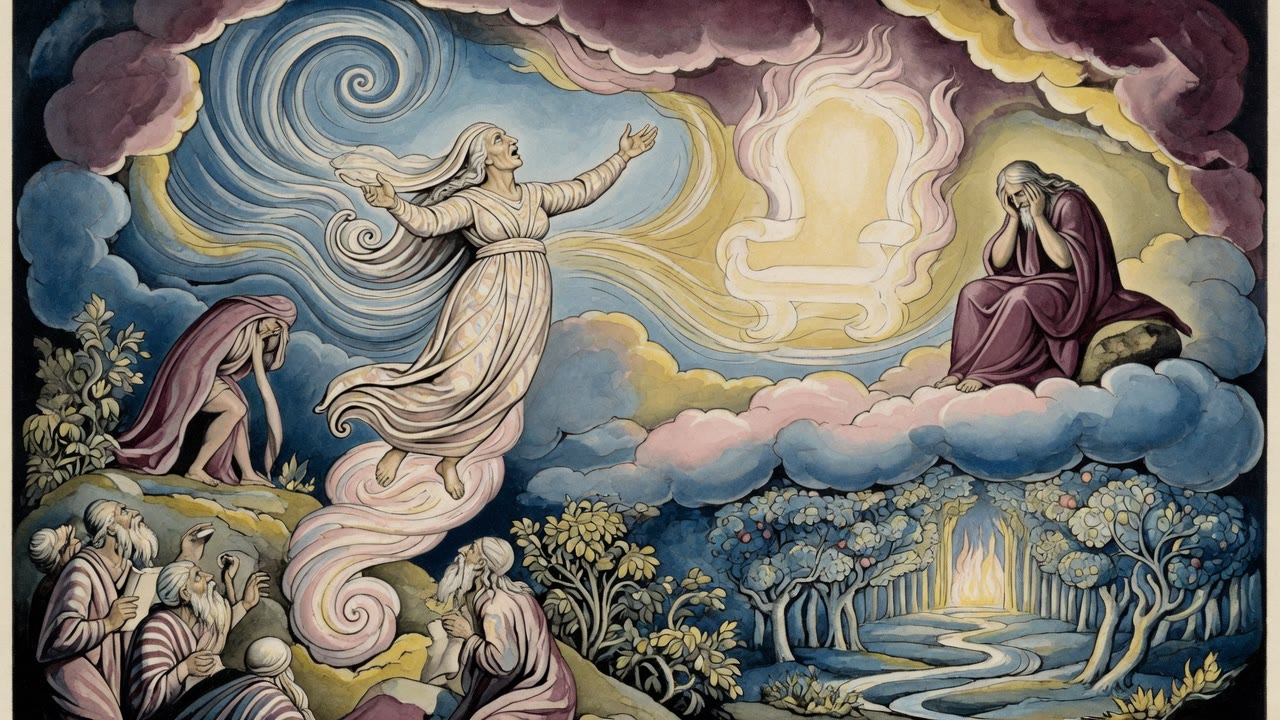
While sages hunted the missing seventieth soul, Serach of Asher sang Joseph living to Jacob and was carried into Eden alive.
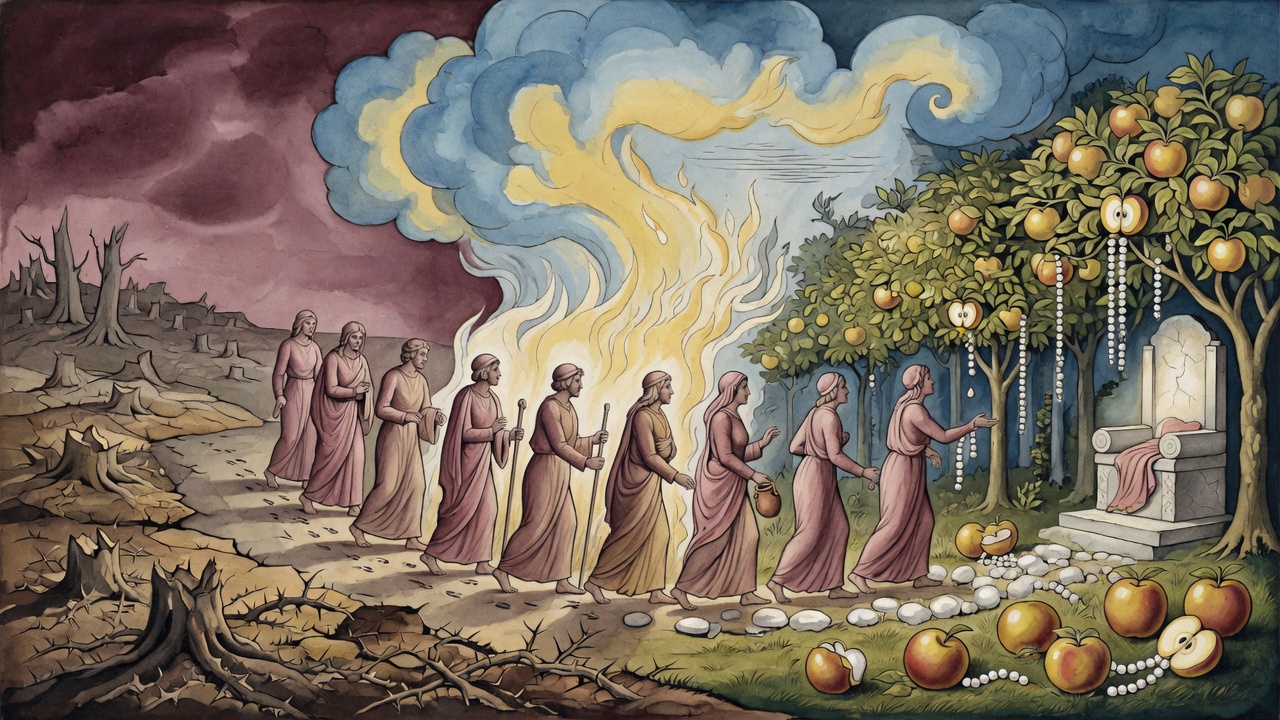
The first man rose from earth to firmament. Angels mistook him for a second power, until God pressed him down to a creature's height.
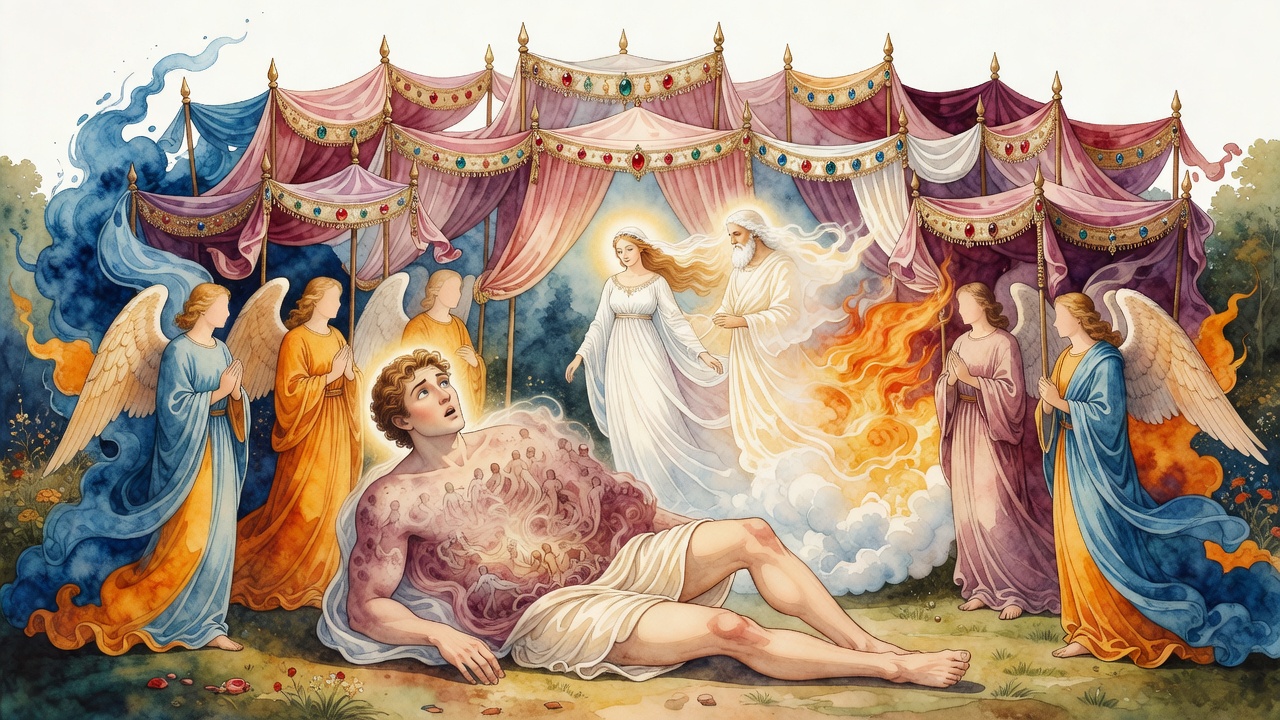
Adam woke from deep sleep to Eve under ten jeweled huppahs, angels as groomsmen, and God Himself leading the bride while all future souls waited in him.
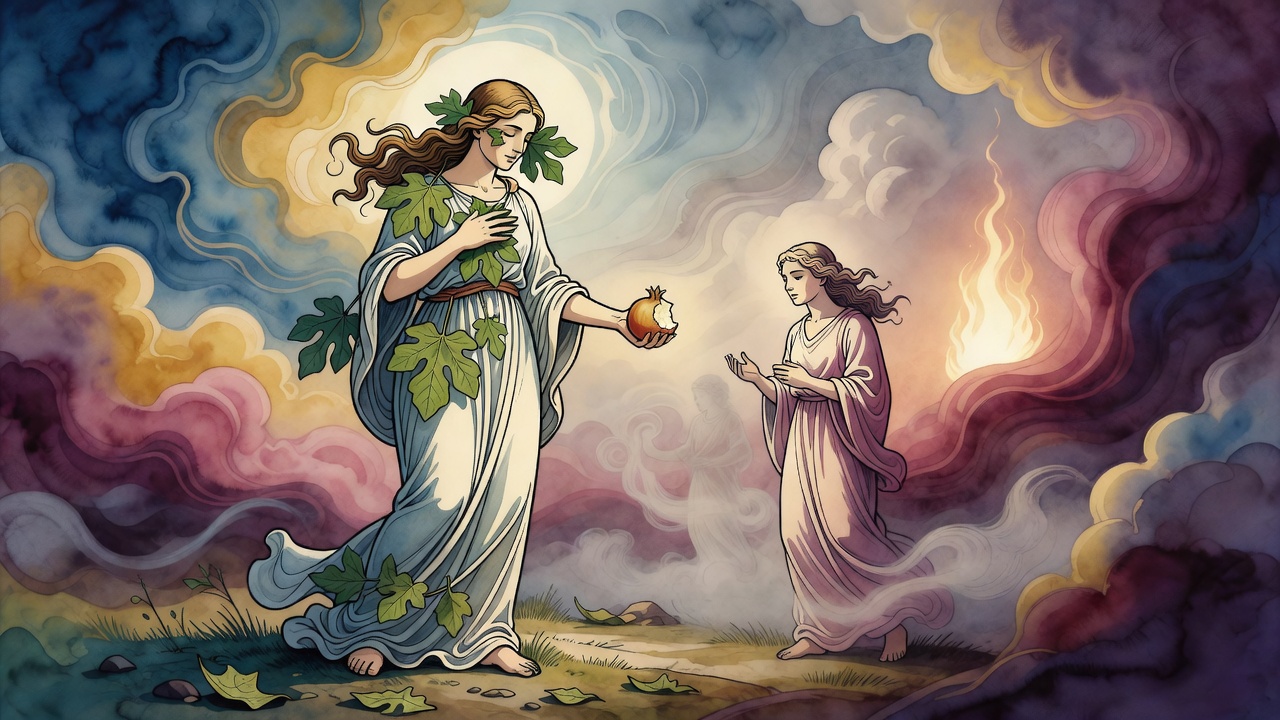
The serpent promised more than knowledge: you will be like gods. Eve ate and covered herself with fig leaves. Only then did she hand the fruit to Adam.
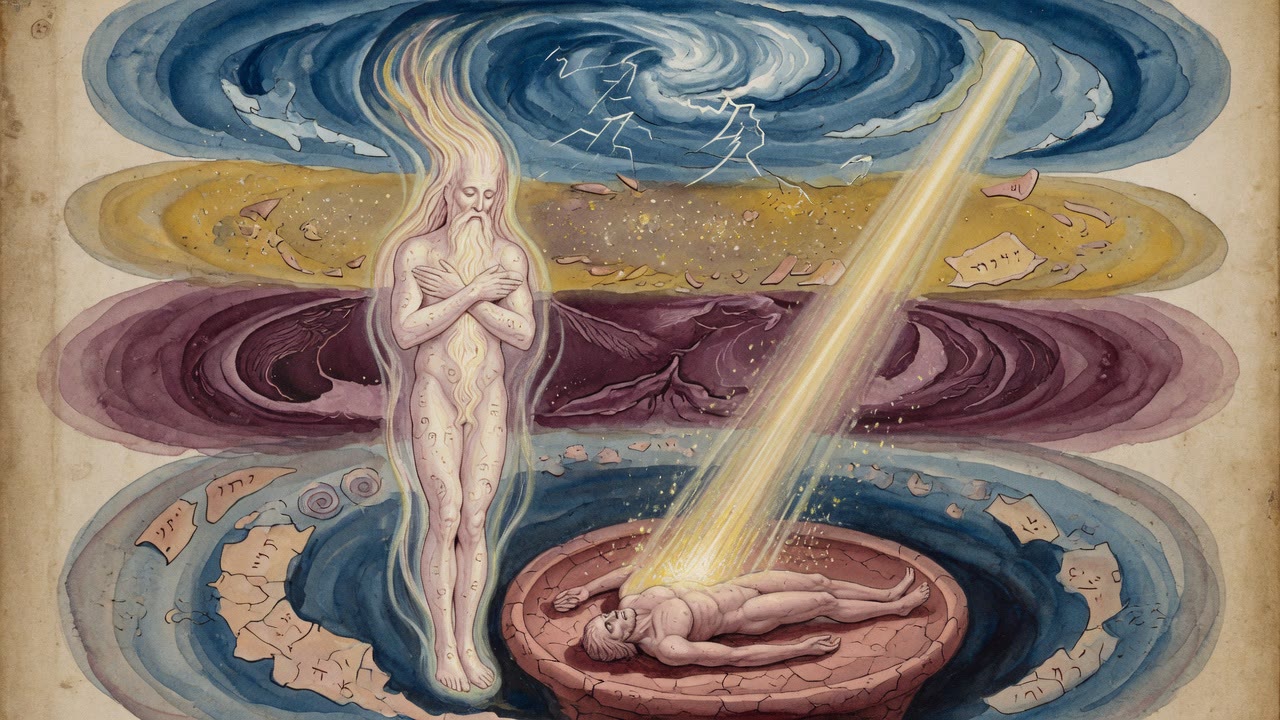
The fruit was still on Adam's teeth when the ladder under the worlds froze. Eve asked if he was cold. He said he was counting something that would not finish.
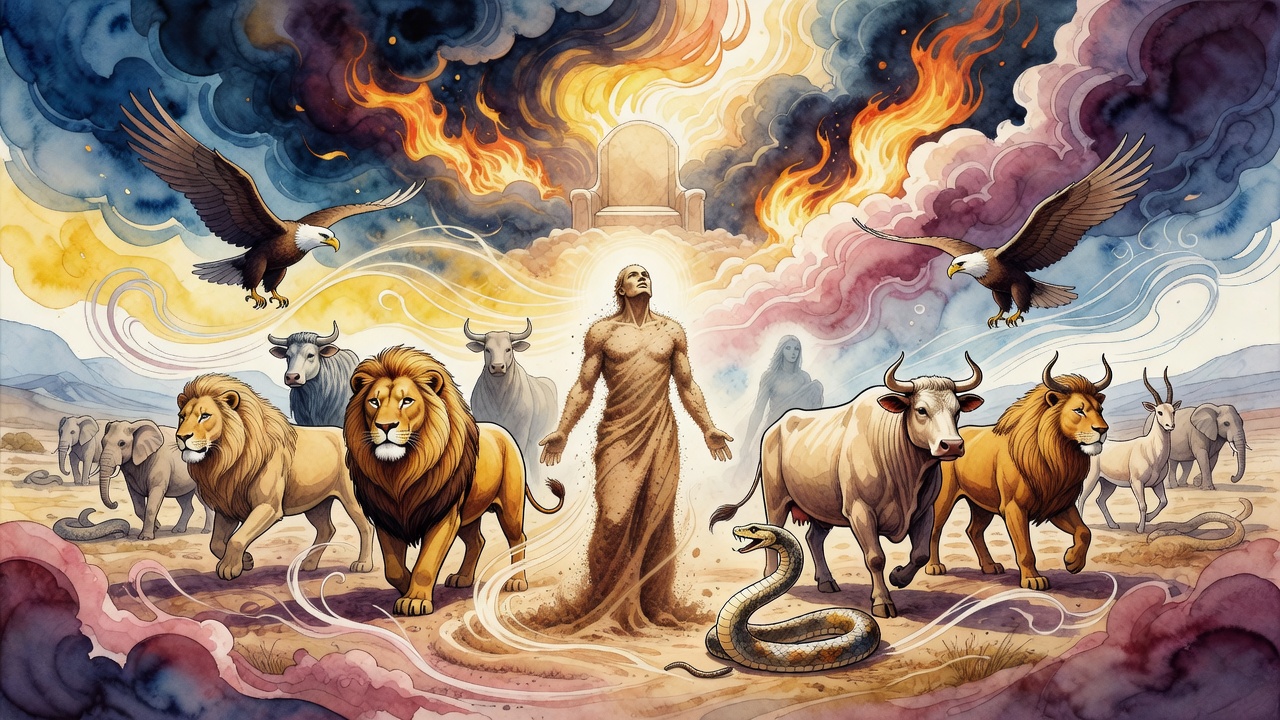
God scraped chosen dust into a pile that had no name. Beasts walked past him at noon. By night he had a wife, a wound, and a road east.
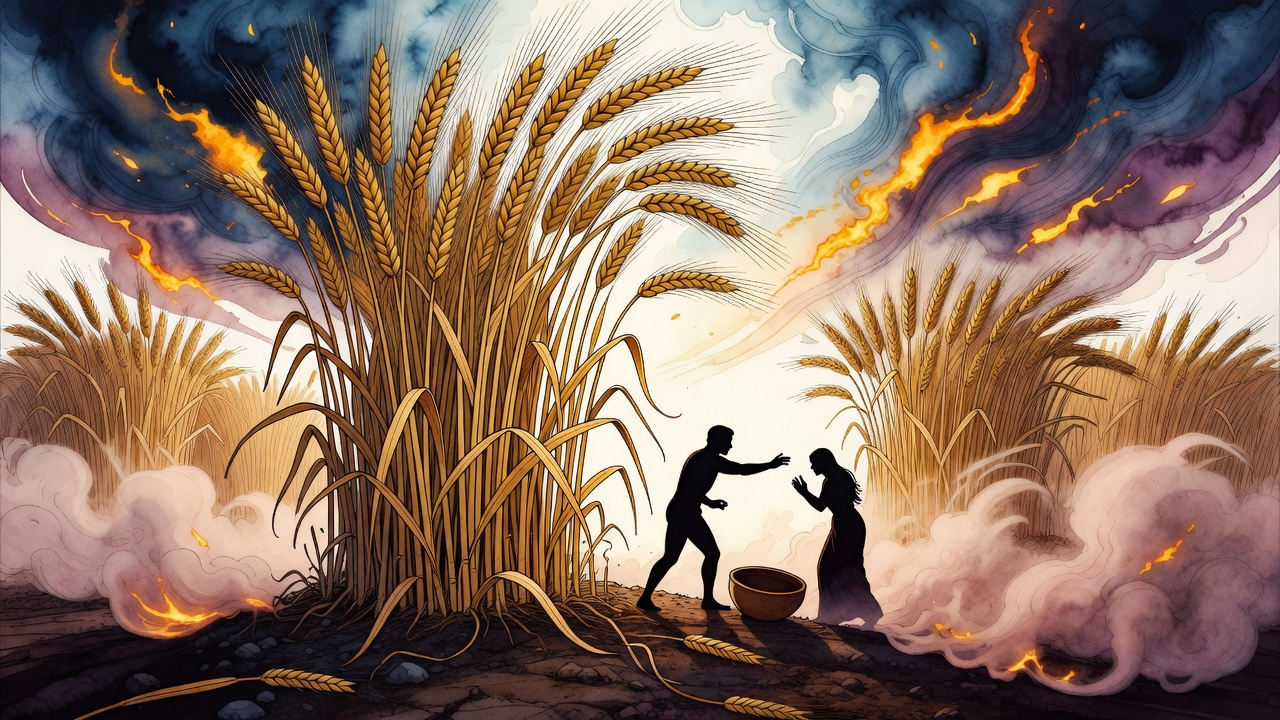
Call a man a fool, said Rabbi Meir, and someone answers that he has never eaten bread. Bread makes a person wise, and Eden's grain grew above Adam's head.
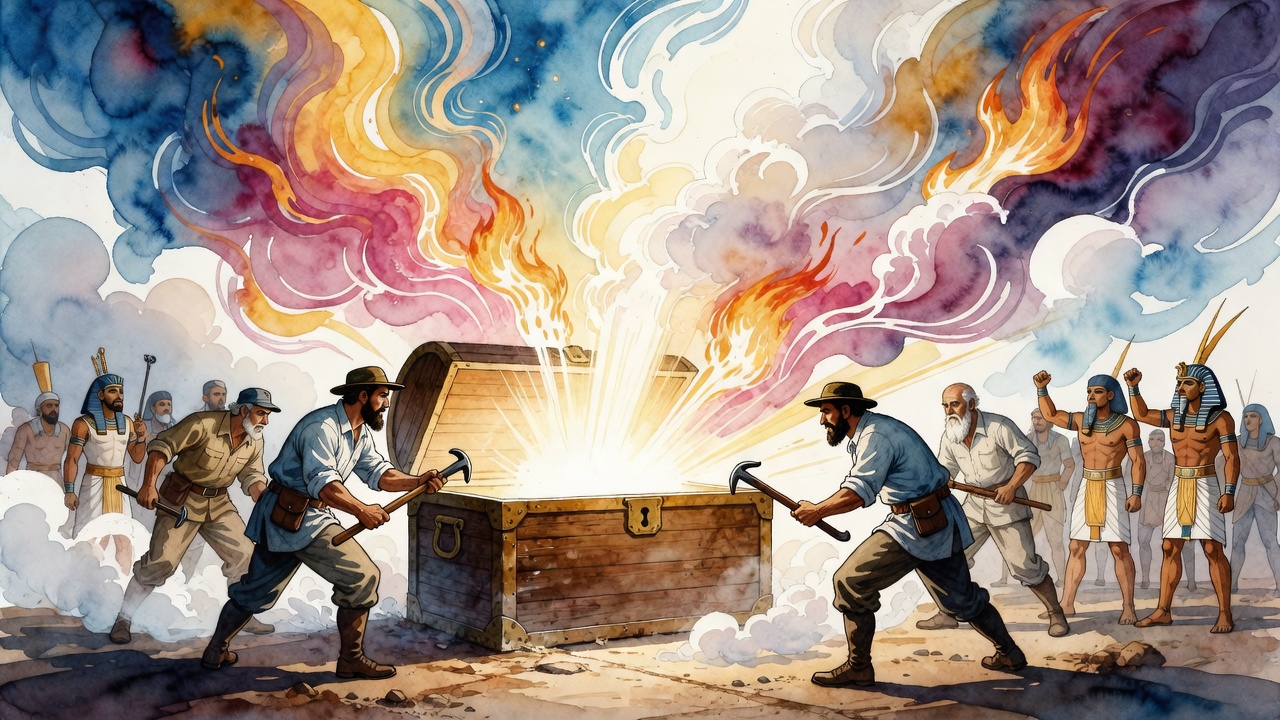
By nightfall Sarah was lying face down on the floor of Pharaoh's house, and an angel stood over the king with a whip, waiting for her to say the word.
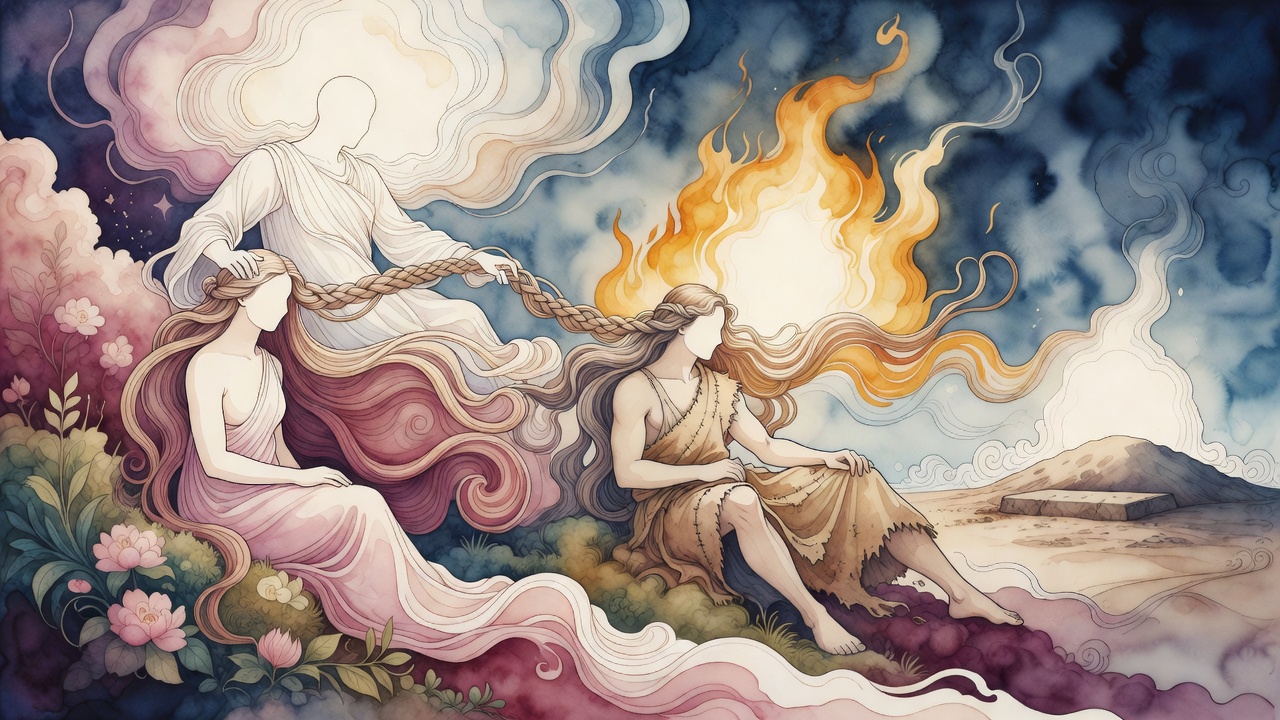
God did not shove her out from behind a tree. He braided her hair first. Adam waited, short a rib, with nothing to offer her but a name.
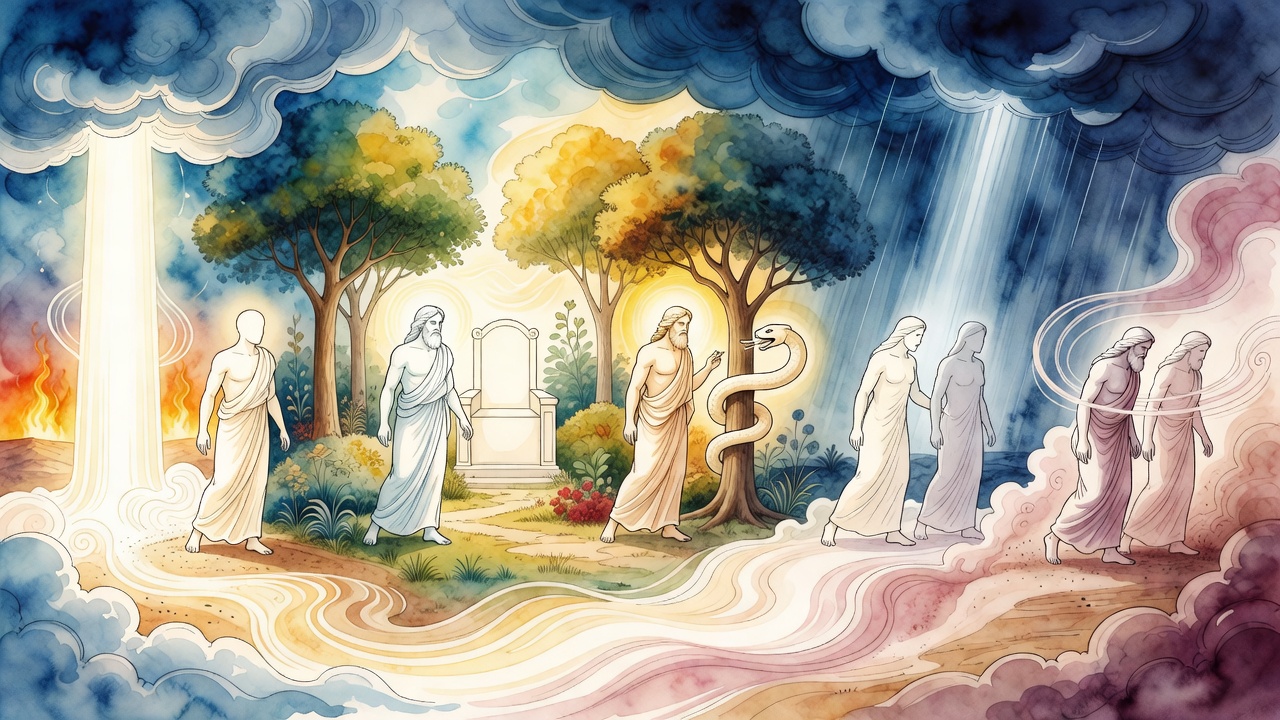
Dust in the first hour. Every animal named by the sixth. Cain was alive and breathing an hour before the one command was ever spoken.
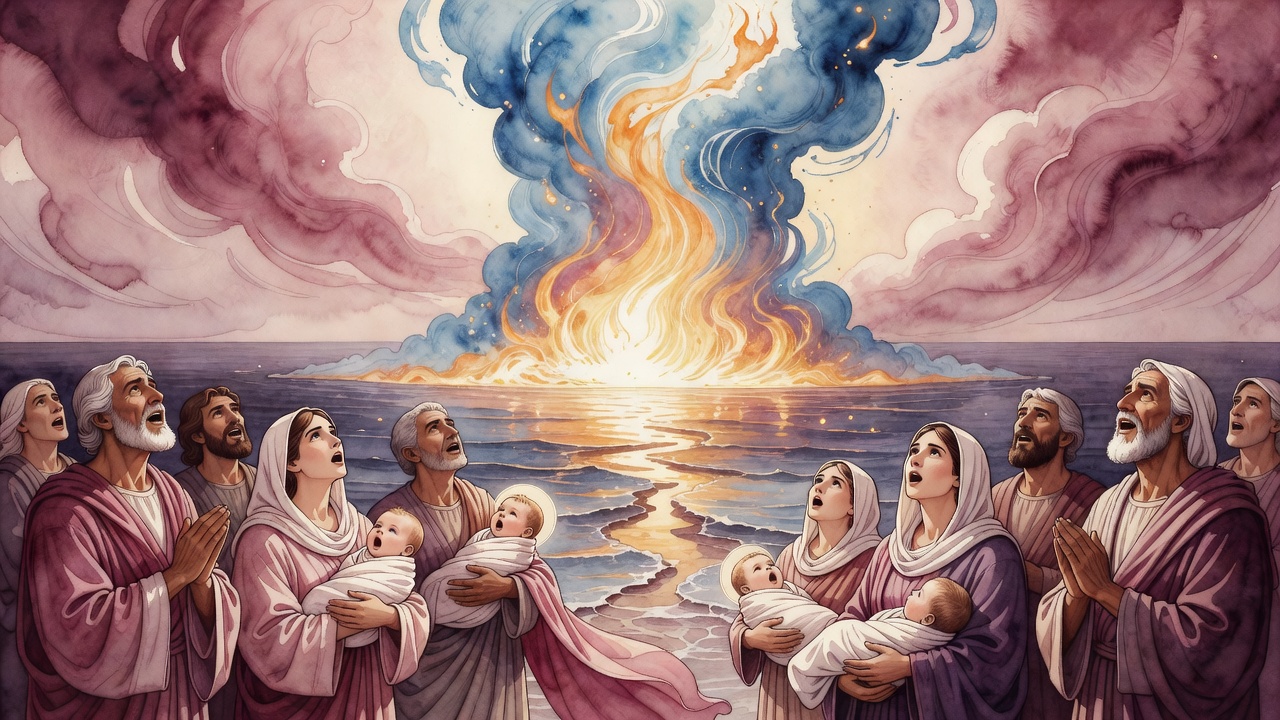
At the Song of the Sea even infants in the womb and nursing babies opened their mouths, while God's morning watch answered the patriarchs' dawn obedience.
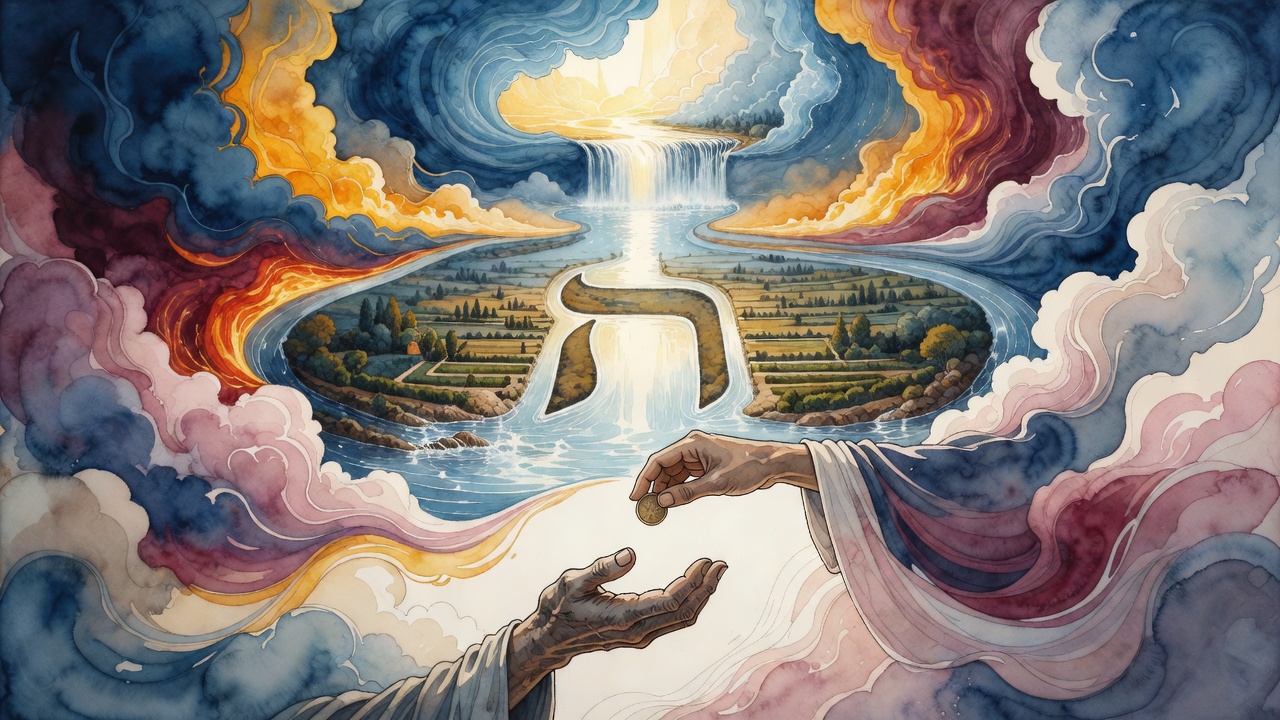
A beggar held out a cracked palm. Copper left a householder's fist. Above the street, a river left Eden and went looking for a garden.
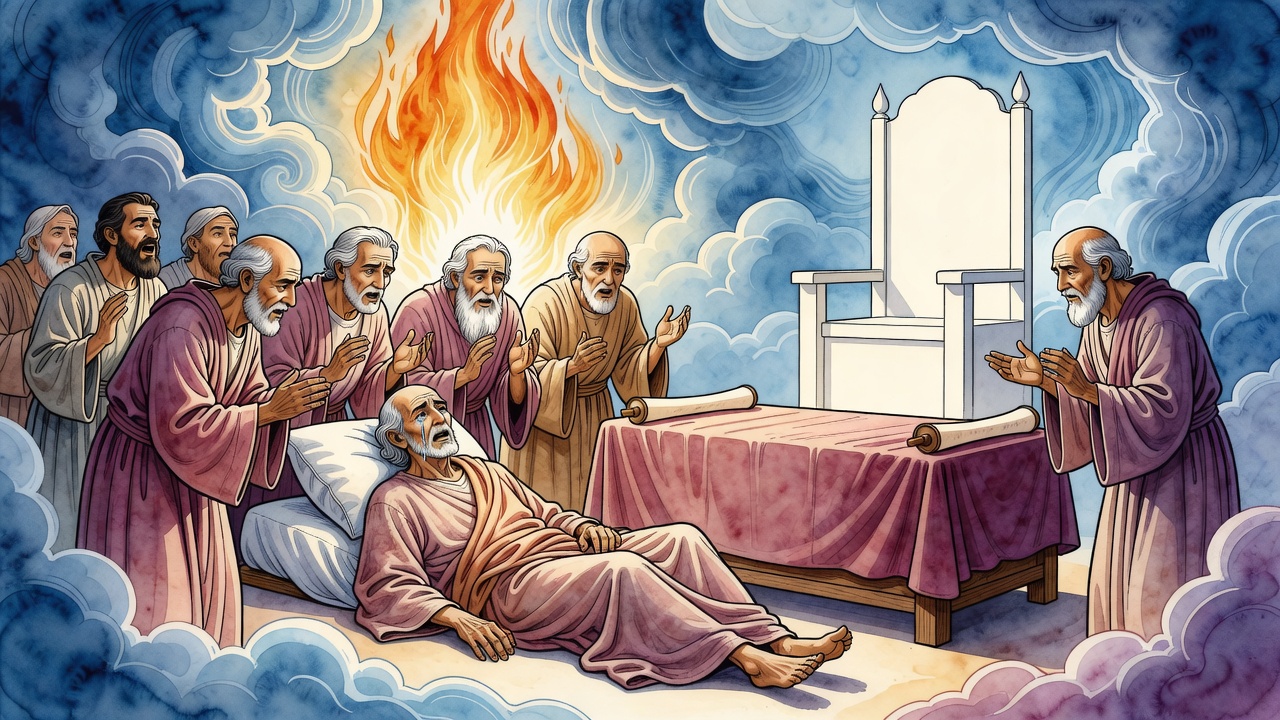
Rabbi Yochanan ben Zakkai wept on his deathbed while disciples begged a blessing, and Sarahs bier taught whom a eulogy truly honors.
