Abraham Became Whole Only After Circumcision
At ninety-nine Abram feared circumcision would leave him incomplete. God added a letter to his name, then marked him with age so no scoffer could deny Isaac.
Table of Contents
 Click for full size
Ninety-Nine and the Fear of Being Unwhole
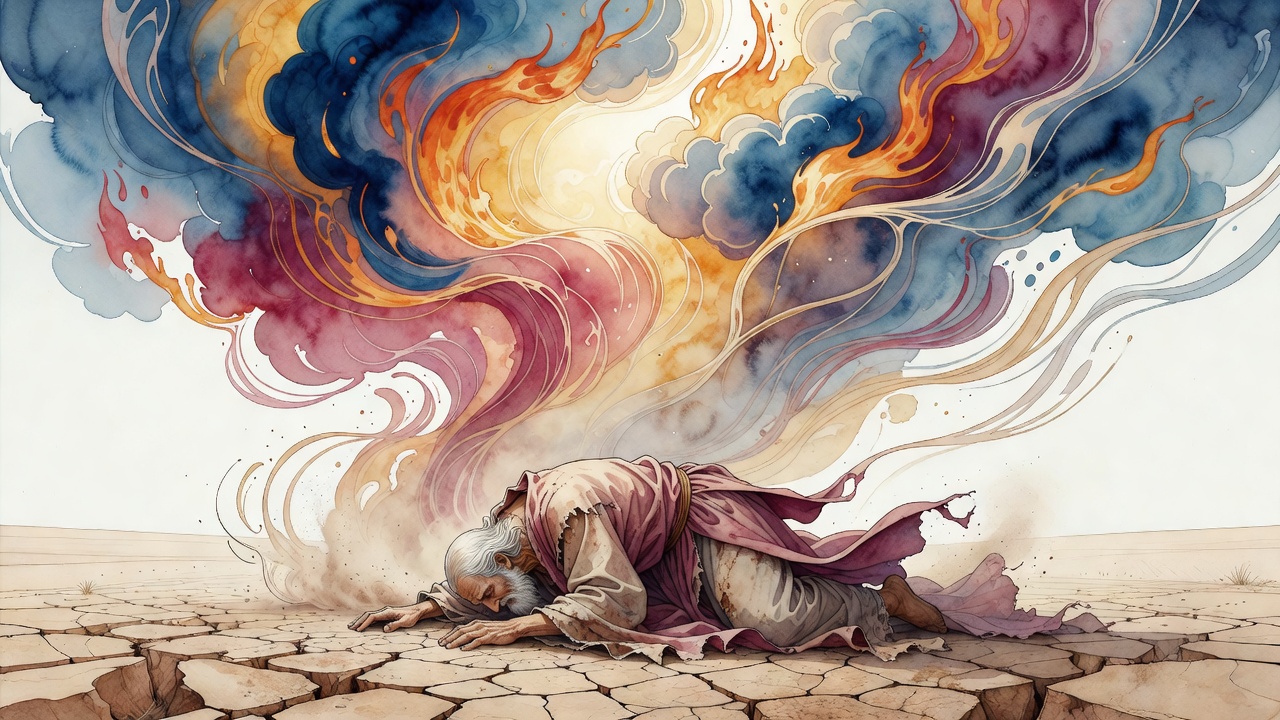
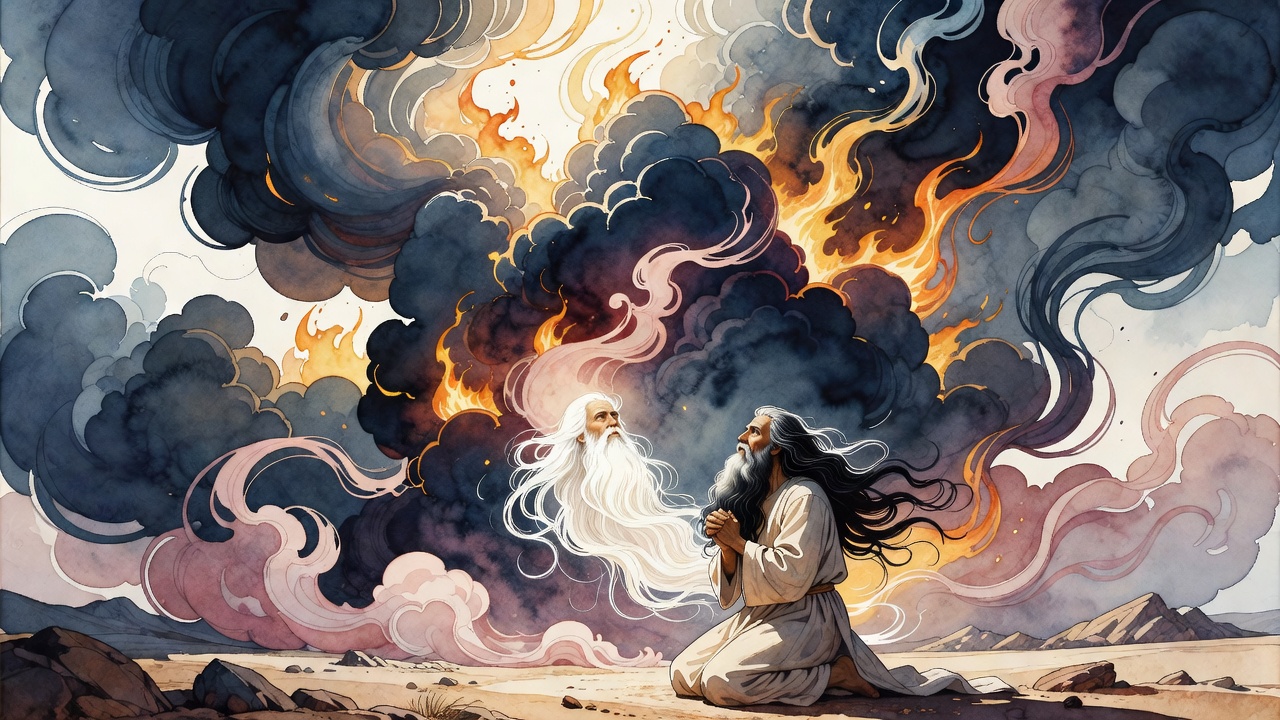
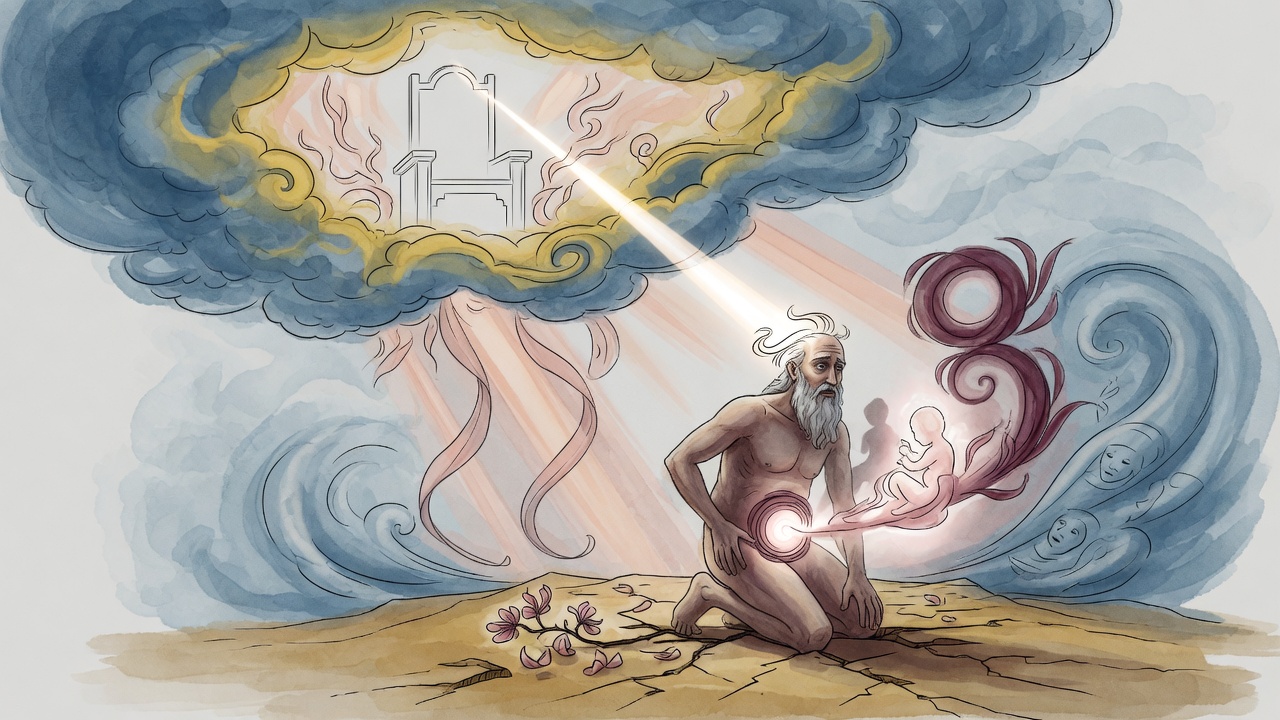
When Abram was ninety-nine years old, God said, "Walk before Me and be wholehearted" (Genesis 17:1). Abram did not hear comfort first. He heard a threat to completeness. If he circumcised himself, would he not be less? He counted prepuces of ear, heart, tongue, flesh, even of a tree, and feared that cutting one would leave him incomplete among his organs.
God answered with arithmetic that became theology. The name Abram summed to two hundred forty-three. A human body holds two hundred forty-eight limbs. "Before you were circumcised you lacked five. Circumcise yourself and you will be whole." After the cut, God added the letter heh to his name. Abraham totaled two hundred forty-eight. Wholeness arrived through the wound, not despite it. The command that seemed to subtract was the only path to the number of a complete man.
The same midrash ties circumcision to the Sabbath. Healing a circumcision wound overrides Shabbat because life is at stake, and the precept itself overrides Shabbat on the eighth day. Beloved enough to rearrange the calendar's rest, the sign is not a small private mark. It is a covenant that claims time and flesh together.
Why Abraham Looked Old Enough to Be a Father
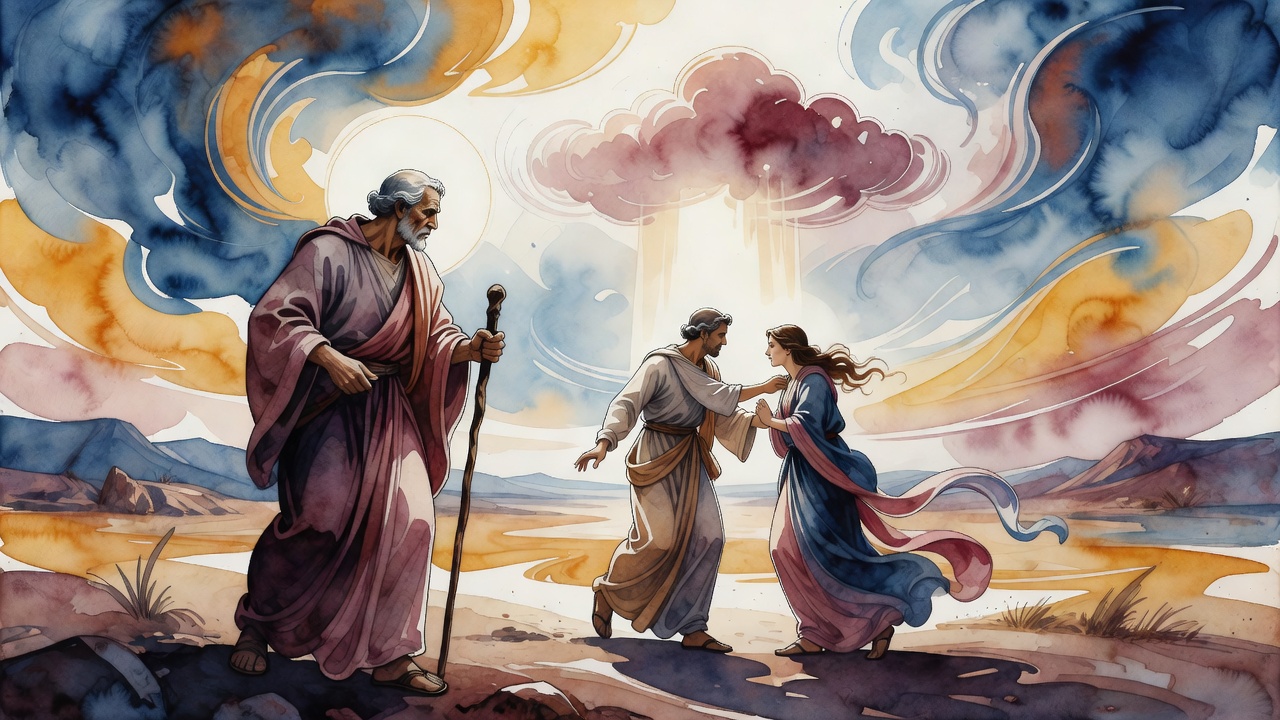
Later the scoffers needed an answer. "Abraham begot Isaac" (Genesis 25:19) is not only genealogy. No generation lacks scoffers, says Rabbi Isaac. They mocked other births too. When David took Abigail after Nabal died, tongues claimed the child was Nabal's. God ordered the angel of embryos to shape the boy in David's likeness so that every eye would confess the father. They called him Chileab, "entirely the father."
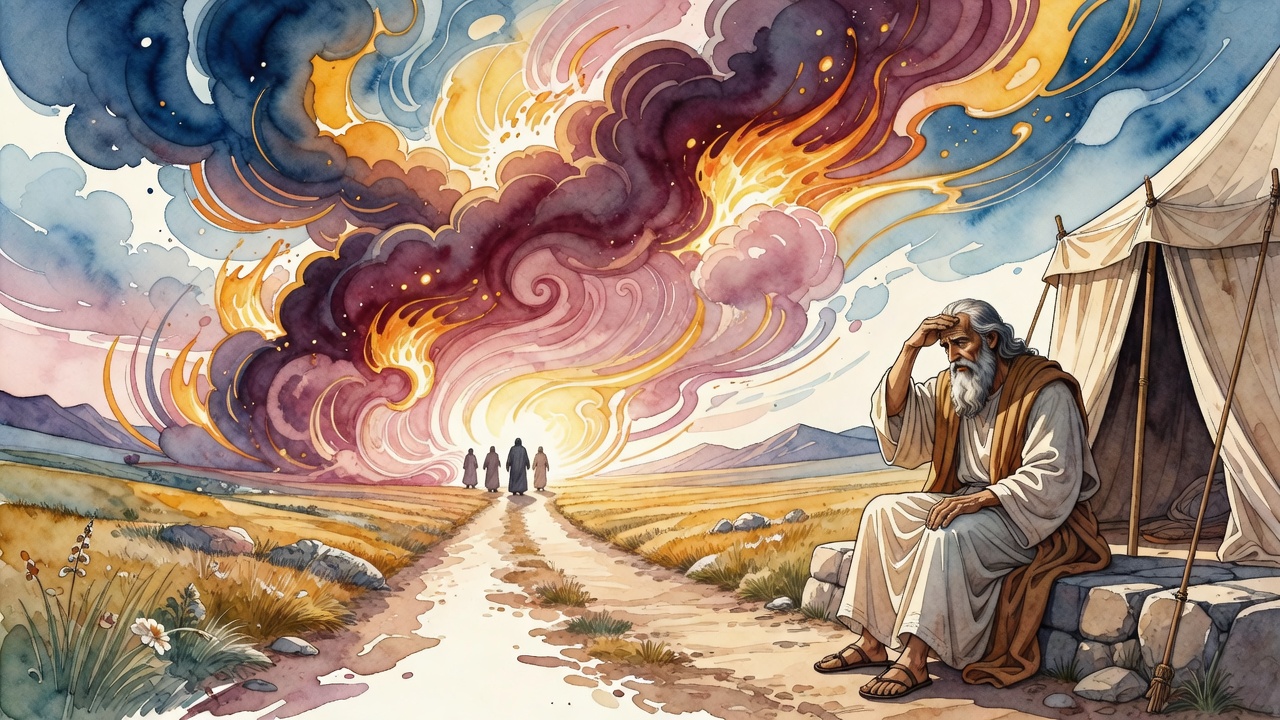
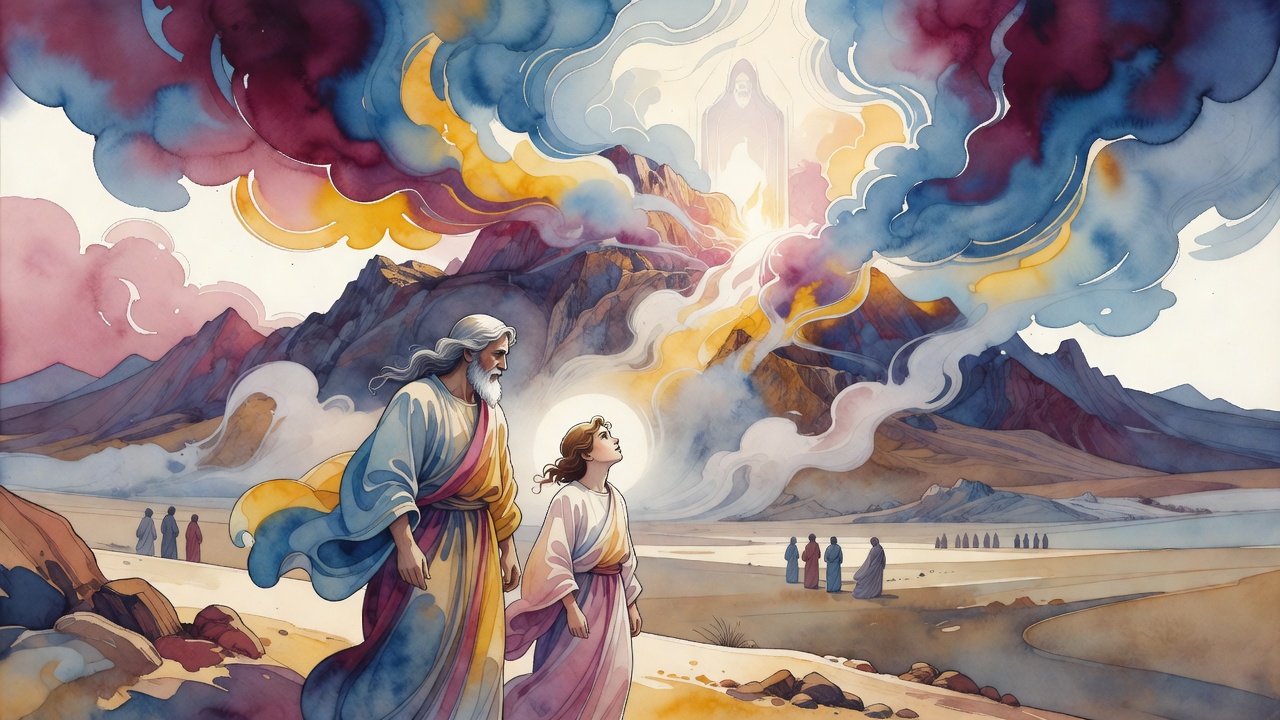
So too Isaac resembled Abraham so closely that no one could tell them apart. Abraham pleaded for a sign of age. God marked him with the look of years: "And Abraham was old." The verse that follows, "Abraham begot Isaac," is heaven's answer to the market of sneers. Father and son would no longer be twins in the public street. Old age became a public seal on paternity, worn on the face where mockery could not hide from it.
Four Roads That Age a Man Too Soon
Rabbi Joshua son of Nahmani lists four forces that make men old before their time: fear, grief from children, a wicked wife, and wars. David grew old after terror of the angel's sword. Eli grew old under the noise of his sons' sins against Israel. Joshua was stricken with years after fighting thirty-one kings. Solomon aged as foreign wives turned his heart toward other gods.
Abraham's ledger runs the other way. Sarah called him "my lord." Scripture crowns her as a virtuous woman to her husband. "The Lord had blessed Abraham in all things" (Genesis 24:1). The premature winters that break other houses did not write his story. His age in the earlier midrash is a gift for clarity, not a collapse under fear, bad sons, bad marriage, or endless war.
Name, Flesh, and the Street's Mockery
Bind the scenes. At ninety-nine the man fears the knife will unmake him; heaven answers that the knife completes him and renames him. Years later the street cannot tell father from son; heaven answers with visible age so that "begot" cannot be laughed away. In the season of Sarah's honor, the four destroyers of early age are named so that Abraham's blessing stands in contrast.
Scoffers are not a side chorus. They are the reason God rearranges faces and years. Chileab's likeness and Isaac's differentiated father are the same mercy: truth made visible when rumor prefers a cheaper story. Covenant marks the body. Time marks the face. Both are public speech from God when private faith is not enough for a hostile crowd that loves a sneer more than a genealogy.
What Wholeness Cost and Gave
Abraham's drama is not gentle. It is blood at the edge of a century, a new letter in a name, a body counted complete only after loss of flesh, then an old face worn like a banner so that Isaac's birth cannot be stolen by laughter. Between the fear of incompleteness and the blessing "in all things" stands a man who let God redefine whole.
Walk from the night of the command to the day the neighbors stopped confusing two generations. The knife, the heh, the white of age, the wife's honor, the scorn of Nabal's generation answered in a child's face: all of it is one argument. God does not only promise seed. God protects the meaning of that seed against mockery, and teaches that the cut which looked like damage was the door into the full count of a human life under heaven.
A nation that later circumcises its sons on the eighth day, even on Shabbat, inherits that first fear and that first answer. Wholeness is not the body left untouched. Wholeness is the body marked by the Name, aged in public when rumor requires it, and blessed in a house where a wife still says "my lord" without the four destroyers eating the years too fast.
← All myths