Abraham Read Empires in the Split Animals
Between the pieces Abraham saw Babylon, Greece, and other powers march through sacrifice. He also learned how study would stand in for a fallen Temple.
Table of Contents
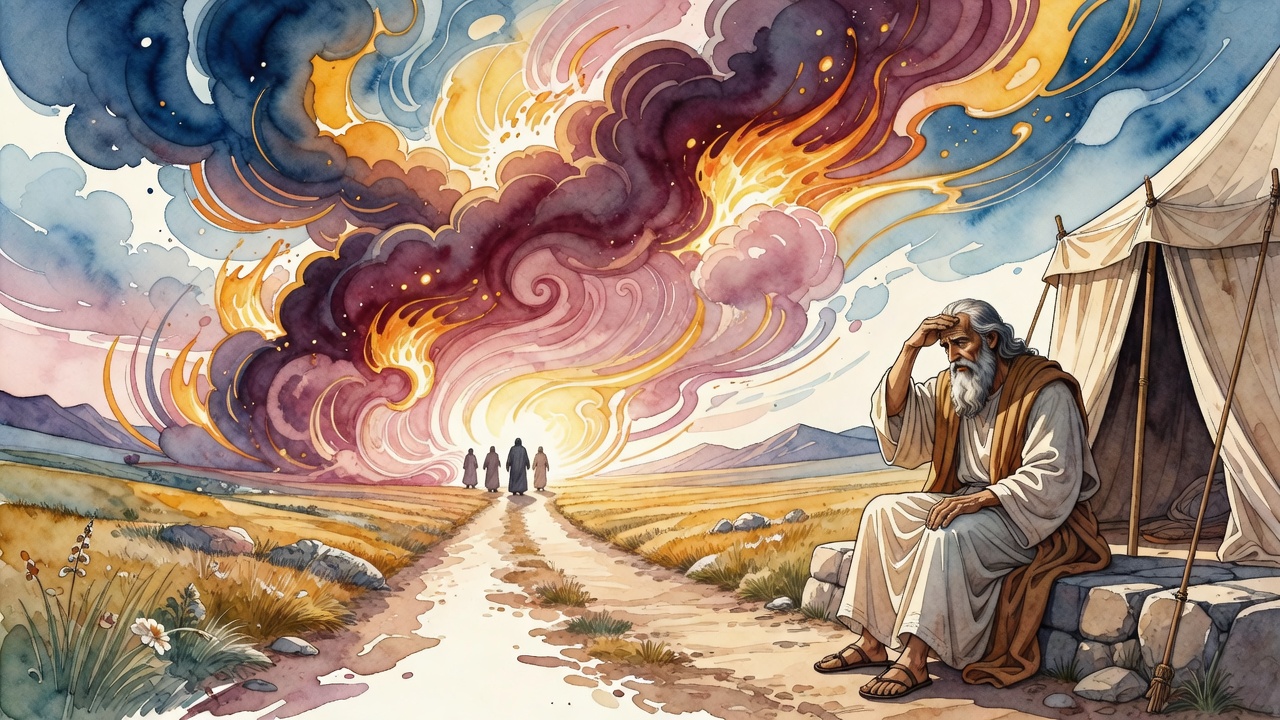
Abraham believed the promise that his seed would flourish, yet he pressed for the how. How would they live when empires rose and fell? God answered with a strange sacrifice: three heifers, three she-goats, three rams, a turtledove, and a young pigeon. The pieces were not only atonement. They were a map. Future Temple offerings were already hidden in the animals Abraham divided, a prefiguring of Jerusalem's altar long before any stone of the House was set.
 Click for full size
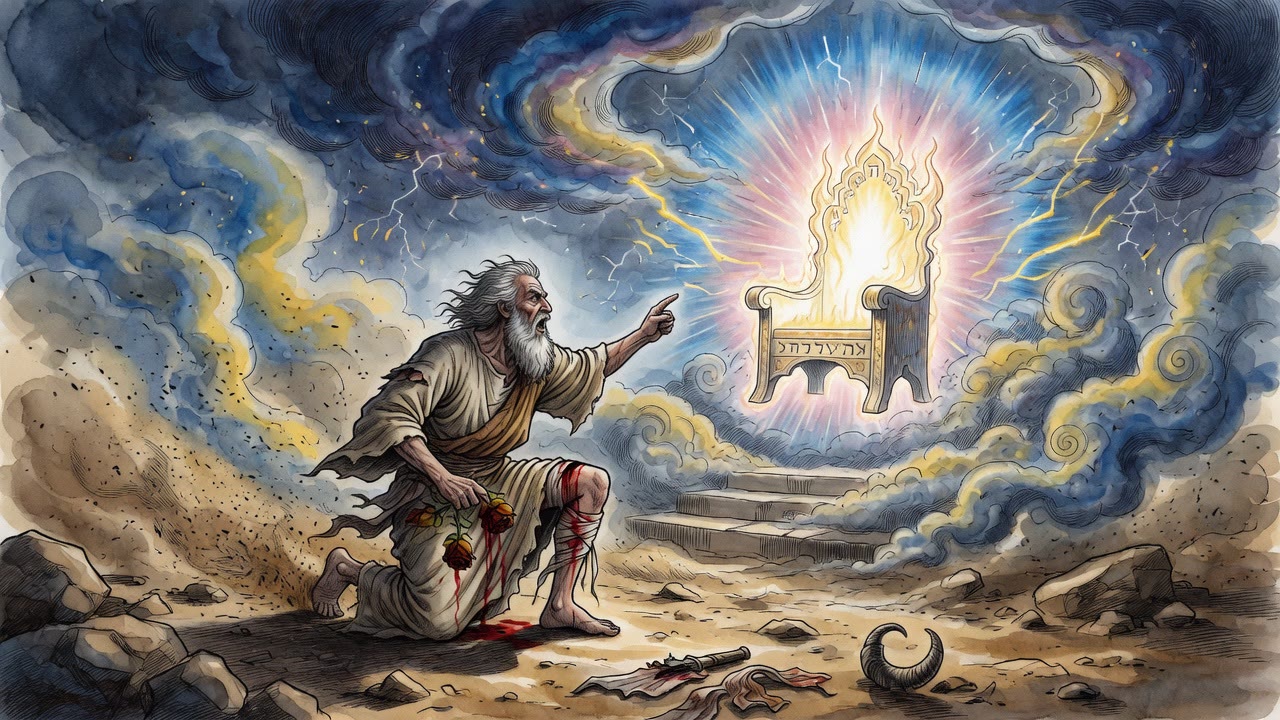
Abraham pressed further. "What will become of my descendants after the Temple is destroyed?" The question cut past glory into ash. God's answer was hard mercy. "If they read the order of sacrifices as they will be set down in the Scriptures, I will account it unto them as though they had offered the sacrifices, and I will forgive all their sins." Study would stand in for smoke. Memory would keep a fire that no foreign army could stamp out.
Animals That Wore the Names of Powers
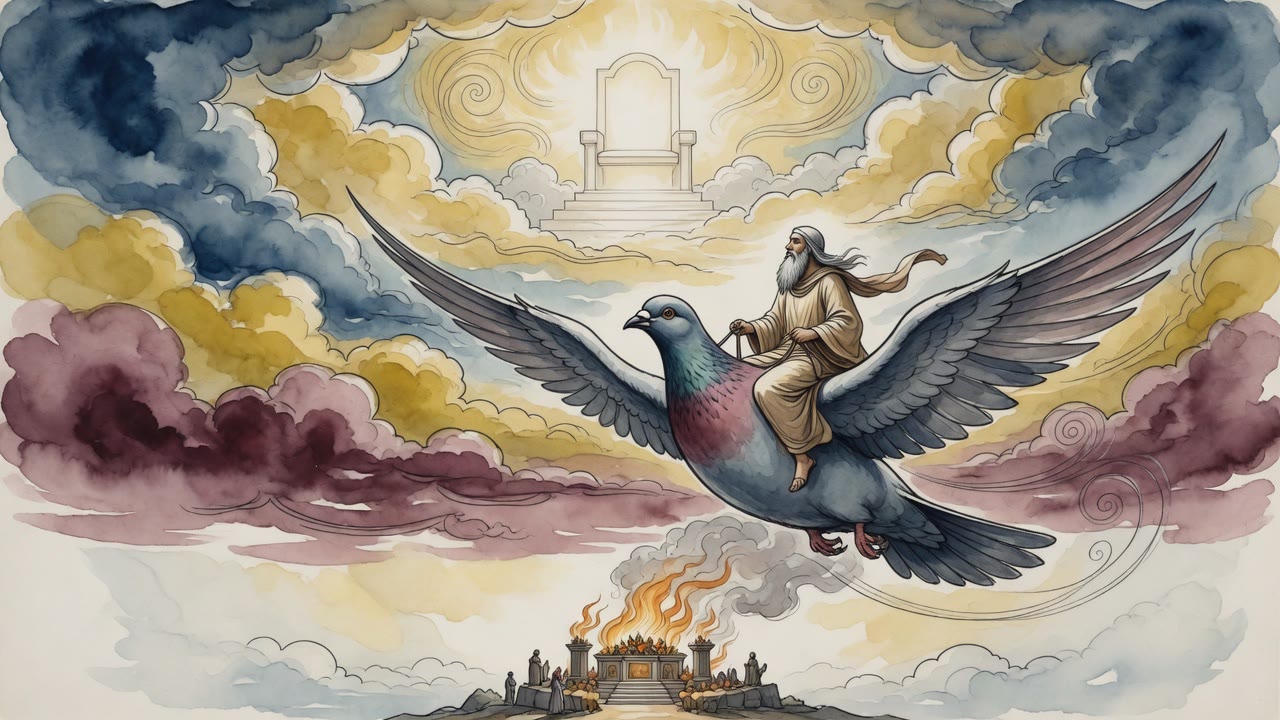
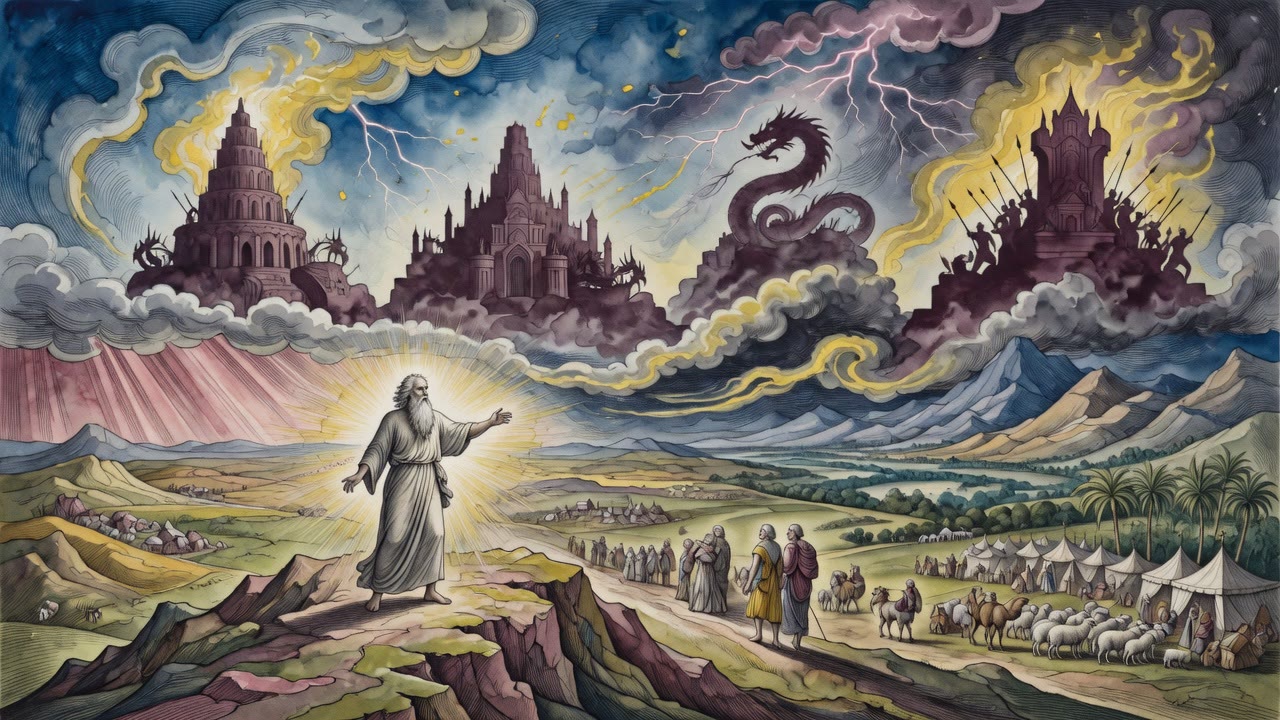
Heaven opened a panoramic vision across the split flesh. The heifer of three years bore the dominion of Babylon. The she-goat of three years stood for the empire of the Greeks. The ram of three years carried Medo-Persian power. The rule of Ishmael was also marked by a ram. Israel, vulnerable yet pure, appeared as the innocent dove. Empires marched through the trench between the pieces while a bird of fragile hope held the center of the promise.
Abraham did not only see steel and crowns. He saw that the dove would endure the parade of beasts. Connection to the order of offerings, to study, to the memory of the Temple, would be the anchor when walls fell. The covenant between the pieces was history written in blood and feather before any scribe of later ages set pen to scroll.
Smoke Over Sodom at the Hour of Prayer
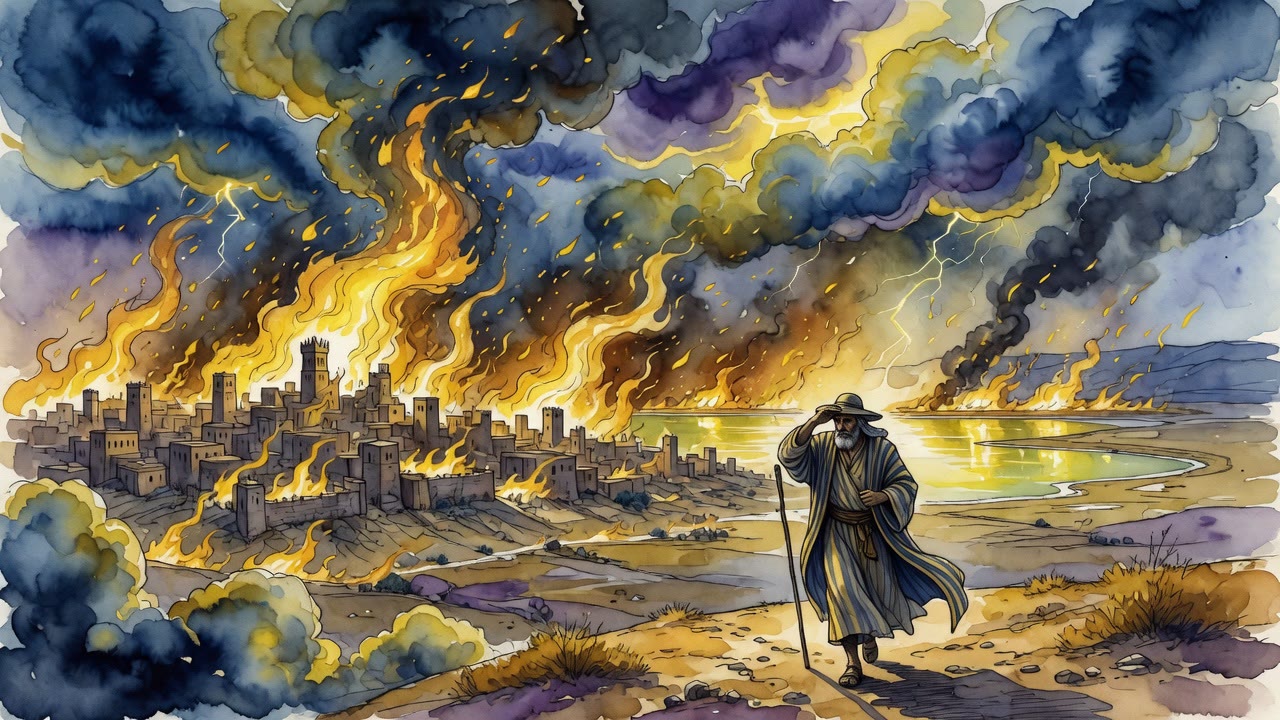
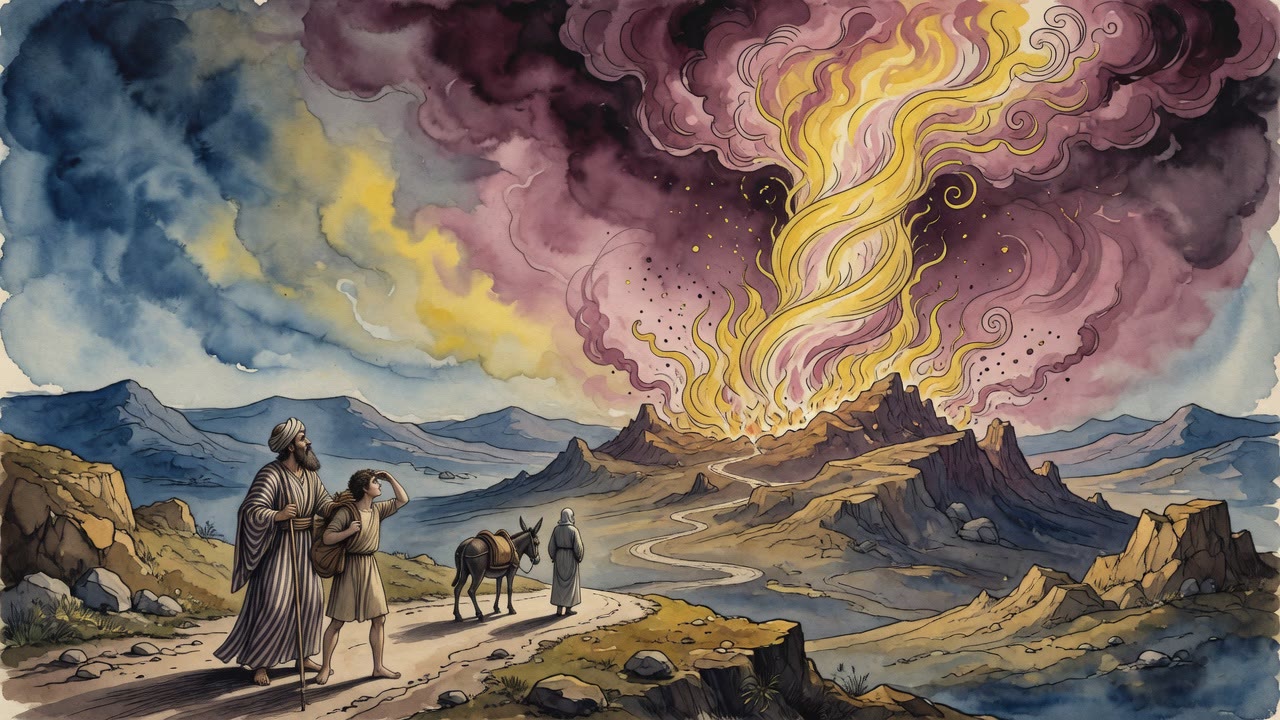
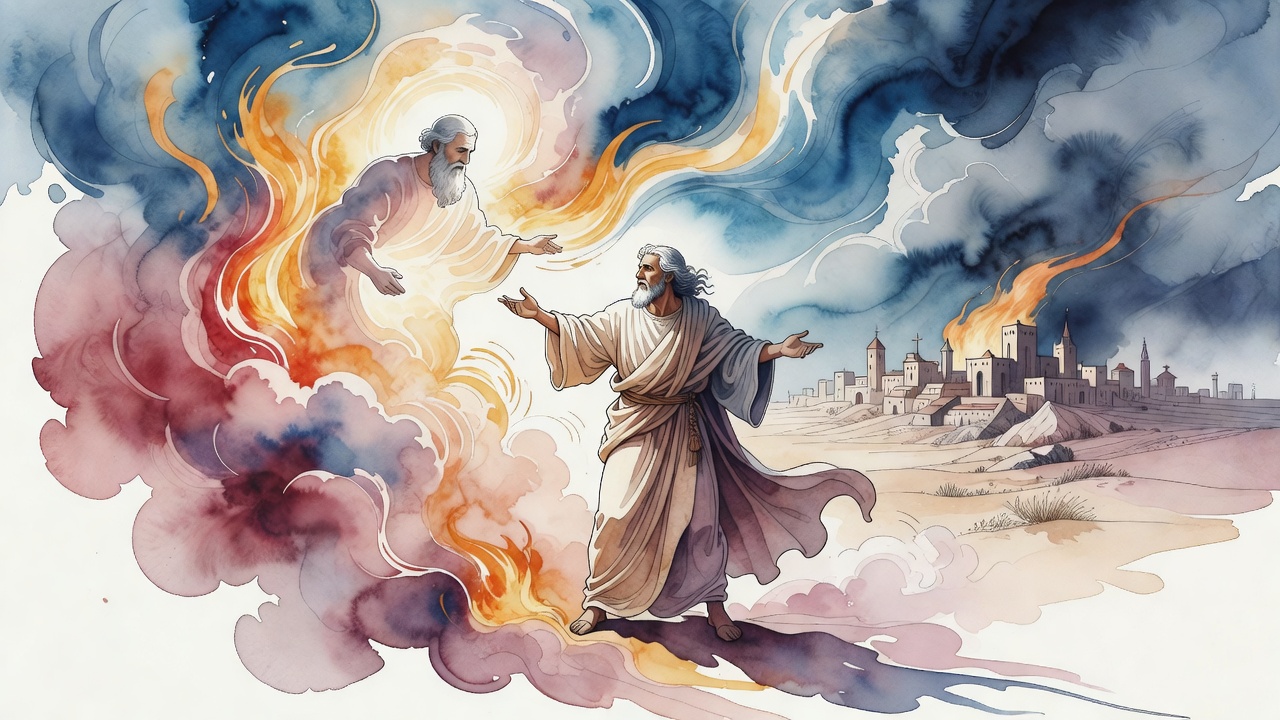
Another morning, Abraham stood in his shacharit and looked toward Sodom. Smoke rose from the plain. The cities of the plain lost not only life in this world but portion in the olam ha-ba, the world to come. The people forfeited their chance. The place itself, the legends say, will be restored in the Messianic era. Ground can be healed after the guilty are gone. That is a colder comfort than rescue, and still it is a kind of future.
Because Abraham prayed at that hour, the time became fixed as the proper hour for morning prayer for all time. Destruction and devotion shared a clock. While the plain burned, the patriarch's mouth shaped a pattern later generations would inherit as daily law of the lips.
Lot Saved Four Times, Hostility Four Times
As Abraham watched the smoke, he prayed for Lot's deliverance, and God granted it. Tradition counts this as the fourth time Lot owed a debt to Abraham: brought to the land, made wealthy with flocks, rescued from captivity, and now pulled from fire. Friendship kept a ledger of mercy.
Lot's descendants, Ammon and Moab, answered that ledger with four acts of hostility against Israel. God appointed four prophets, Isaiah, Jeremiah, Ezekiel, and Zephaniah, to proclaim punishment, and four times the writings record their sins. Mercy stacked four high met rebellion stacked four high. The plain's story did not end in one morning of smoke. It stretched into generations that refused gratitude.
Between Pieces and Ash, a People Taught to Read
Abraham's double vision binds Temple hope to plain judgment. Empires will walk through history like animals through a trench. Cities will burn for cruelty. Study of the sacrifices will keep forgiveness available when no altar stands. Morning prayer will remember a man who looked at smoke and still spoke to Heaven. The dove will outlast the heifer, the goat, and the ram not by size but by the covenant that named it.
When later exiles opened a scroll of offerings they could not bring, they were answering Abraham's question about a destroyed Temple. When later mornings began with fixed prayer, they were still standing beside him as Sodom went dark. The pieces he split and the smoke he watched taught one long lesson: history is violent, and still the dove has a place between the powers.
Birds of prey dropped toward the carcasses, and Abraham drove them away until the sun went low and a deep dread found him. The empires he had been shown would not be gentle. The dove's survival would cost generations of watching dark birds circle. Still the promise stood between the pieces like a path of fire and smoke that only covenant feet could walk.
When Temple walls later fell, students who opened the order of sacrifices were walking back into Abraham's question with a book for an answer. Forgiveness attached itself to reading when offering became impossible. That transfer of power from altar to scroll is one of the most daring moves in the tradition, and it is already planted in the patriarch's night of split animals and coming dread.
Sodom's smoke and the covenant pieces share a sky. One shows what happens when a city chooses cruelty past the edge of mercy. The other shows how a family will outlast empires that look stronger than any dove. Abraham stands under both lessons in the same legendary life, intercessor and visionary, friend of Lot and father of a nation that must learn to study when it can no longer burn.
← All myths