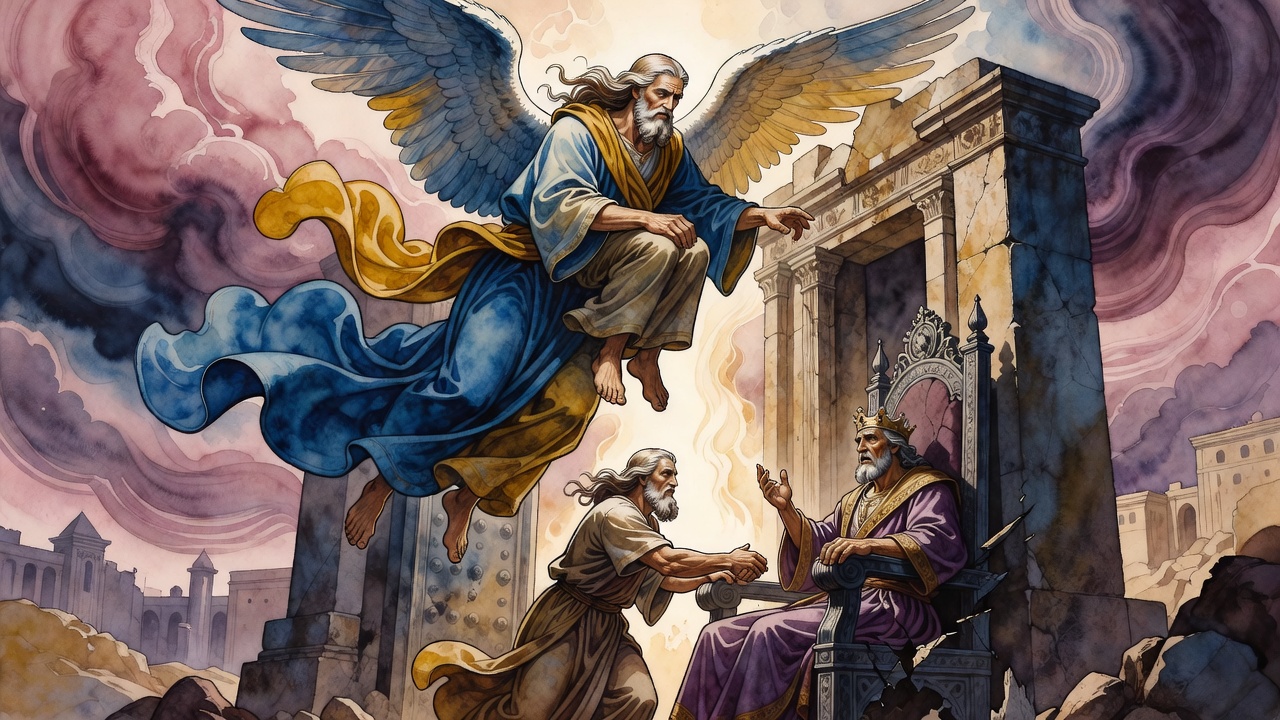
Abraham Told Terah Which God Had Cooked His Dinner
The donkey drank first. Then Abraham pressed silver into Terah's palm. His father blessed him by gods that had cooked the midday stew.
Table of Contents
The donkey drank first.
 Click for full size
Abraham poured out the water, forked hay down where the animal could reach it, and stood a moment while it ate. That same beast had wrecked five gods on the market road, spilled the load and left three of them in pieces. Nobody had punished it.
Then he went inside with the money.
Silver Went Into Terah's Hand
He counted the silver out of the fold of his cloak and pressed it into Terah's palm so his father could feel the weight.
Terah's whole face opened. "Blessed are you, my son, by my gods. You have brought me the price of the gods. My work was not wasted after all."
Abraham had carried an argument home from the river road and it had been sitting in his throat for days like a swallowed stone. He let it out.
Blessed Are the Gods by You
"Blessed are the gods by you, father, because you are their god. Your hands made them. Their blessing is ruin and their power is empty. They could not get themselves off the ground when they fell. So how will they lift you, and how will they bless me?"
Terah's fist closed on the coins.
"I was good to you in this business," Abraham said. "The silver in your hand came out of my wits. The men on the road bought broken gods because they pitied two peddlers standing over a spilled load, not because anything in that stone performed a wonder. I shamed them into opening their purses. Your merchandise lay there in pieces and did nothing at all."
He was laughing somewhere behind his ribs and grieving at the same time. A thing carved on his father's own bench now stood in the house as his father's helper. The order of it ran backward. A body answers to its soul and a soul answers to its spirit, and here was a spirit taking orders from folly and ignorance. He decided to lay all of it in front of Terah and let the table take the damage.
Gold Outranks Silver, Silver Outranks Stone
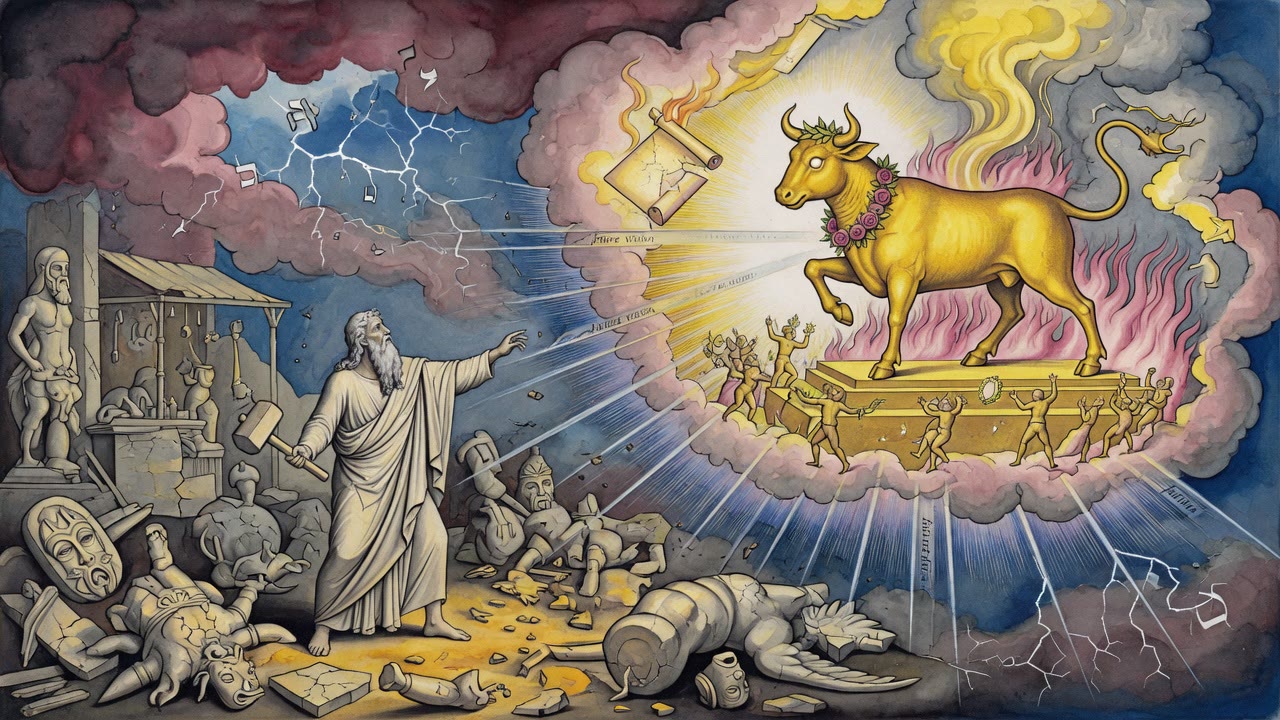
"Whichever of these you praise as a god, you are being made a fool of. Go stand in the holy temple and look at the gods of your brother Haran. His are worth more honor than yours. Zucheus is gold, and men prize gold above anything you work in. When Zucheus wears old he goes into the furnace and comes out new. Your Merumath is stone. Break him and he stays broken."
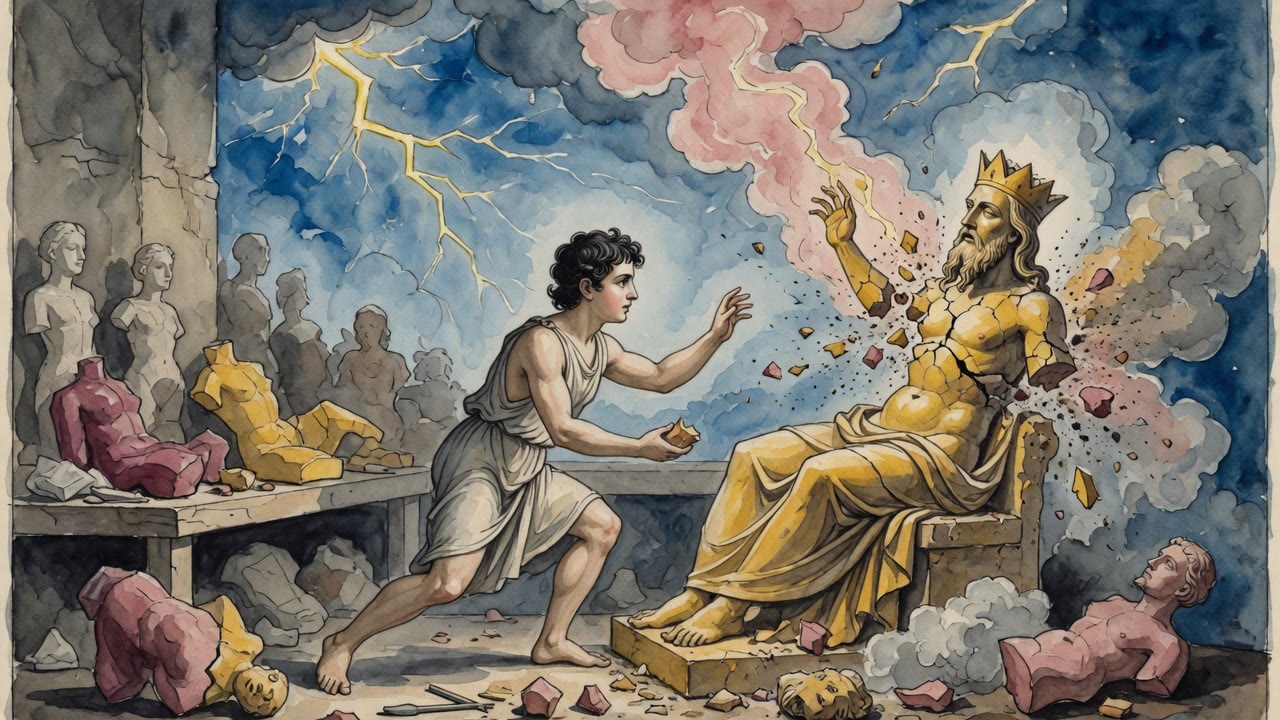
Merumath had already broken. Abraham had been in the temple the day the god went over on his face and could not rise, and one man was not enough to right him, and when two of them heaved him upright the head snapped off at the neck. Terah had fitted the old head onto a new stone body and gone on calling the arrangement by the same name. The god standing in that temple was two gods wearing one name, and it took a work crew to keep him vertical.
"Joavon is silver," Abraham said. "He stands beside Zucheus above all the rest of them. Weigh him against your Barisat and tell me what you think Barisat is worth."
Terah did not answer. Abraham kept climbing.
Barisat Went Into the Pot
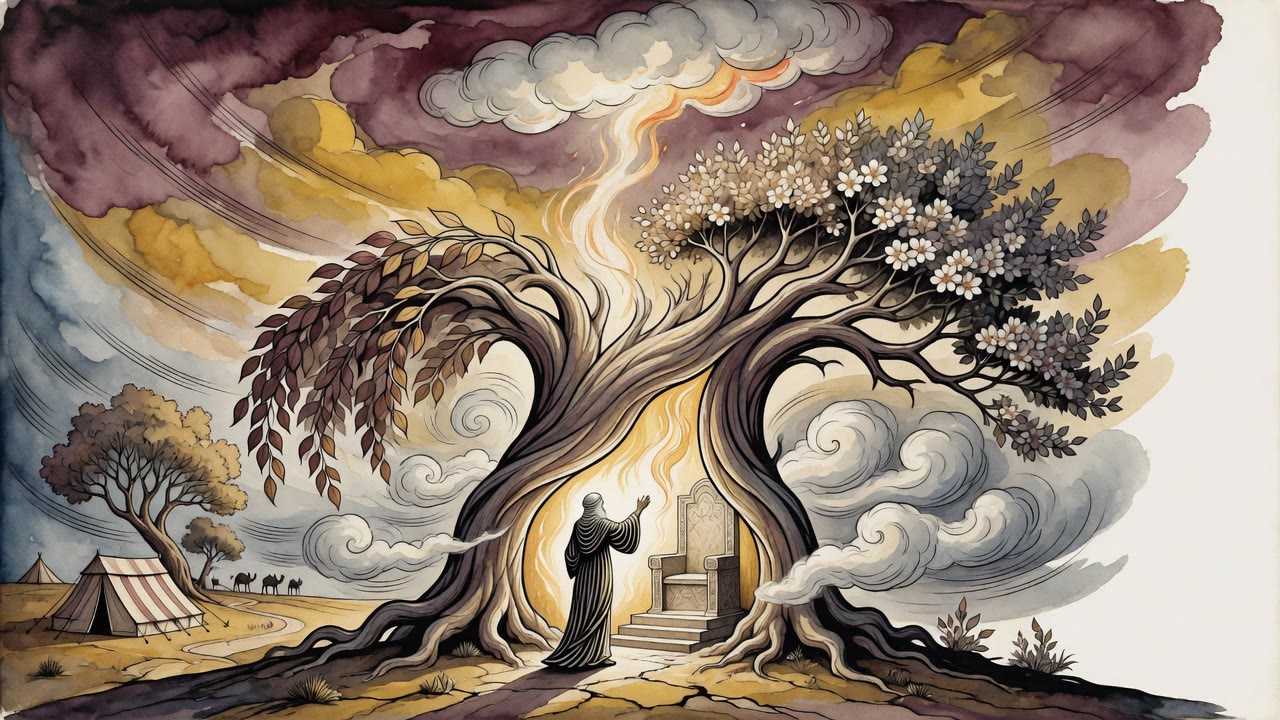
"Barisat was wood, father. Before your axe he was a tree. He stood rooted with branches over him and blossoms on the branches, great and wonderful. You cut him down. You cut him into a god. His glory withered in your hands. He came down from height to the dirt, from greatness to nothing, and the face you carved on him is not even there anymore."
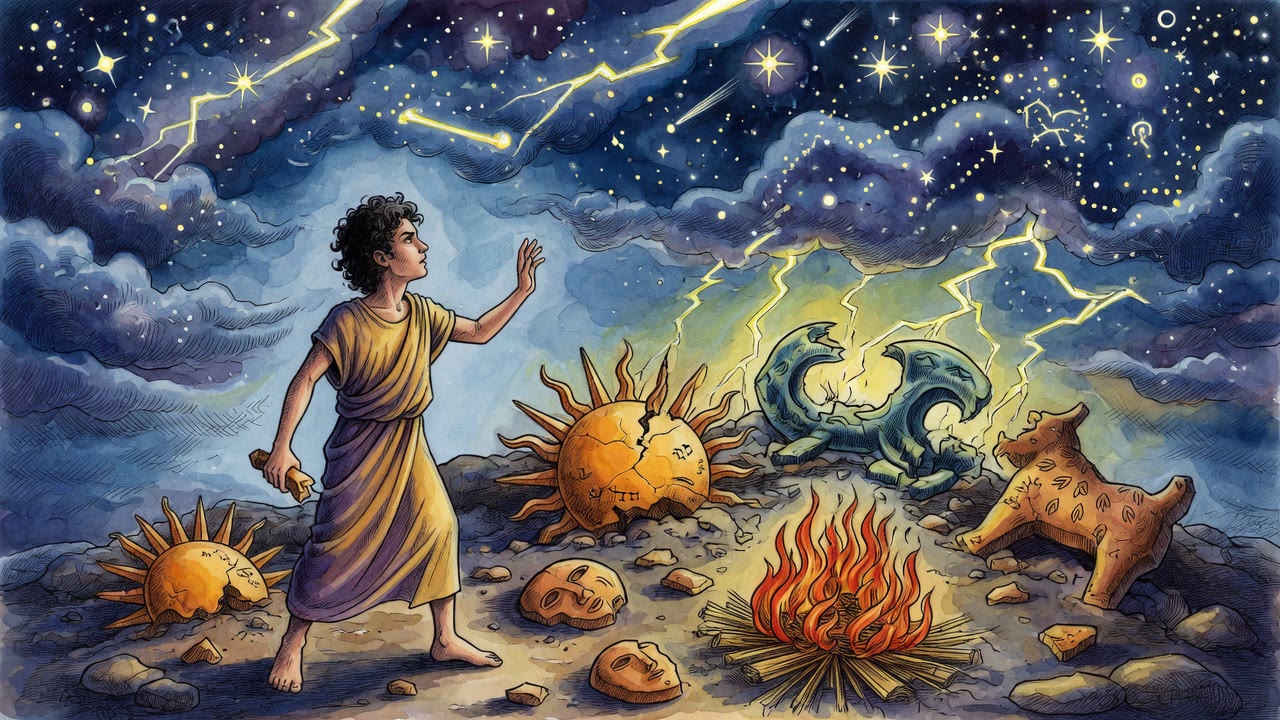
The hearth in the corner had been fed that morning with the splinters of gods.
"He is burnt up. He is ash and less than ash and he is not anywhere. He kindled your fire and he cooked your dinner and he was gone before you wiped your fingers."
Terah reached for his cup and drank. Abraham told him the rest of it anyway.
"And you said it yourself, at that fire, with the taste of him still in your mouth. 'Today I will make another, and tomorrow he will prepare my food.' Tomorrow's Barisat burns the way this one burned. He has perished into utter destruction and you are already choosing his replacement out of the same woodpile."
Terah's Fist Did Not Open
Terah set the cup down.
He had heard the whole run of it now. Gold above silver. Silver above stone, and stone above wood, and wood above the ash it leaves in the hearth, and every last one of them ranked under something else with a man's chisel doing the ranking. Standing over the whole stack, unnamed at that table, was whoever had made the tree before the axe found it.
The anger came up in Terah slowly, the way heat comes up in a banked fire, and then it filled the room. A son in Ur did not speak that way about his father's gods. Abraham did not move.
He had watched a god fall and fail to stand. He had watched gods shatter because a donkey lost its footing, and watched the fragments go down into the river and stay down. He had watched a wooden god burn into a meal his father ate and blessed. And now a father blessing a son by the names of objects that owed their whole existence to that father's hands.
Nothing in the room moved except the fire.
The silver was still shut inside Terah's fist. Neither of them said another word about it, and neither of them let go of what he had carried in.
← All myths